Do Worms Have Mouths? A Complete Guide to Worm Mouths and Eating
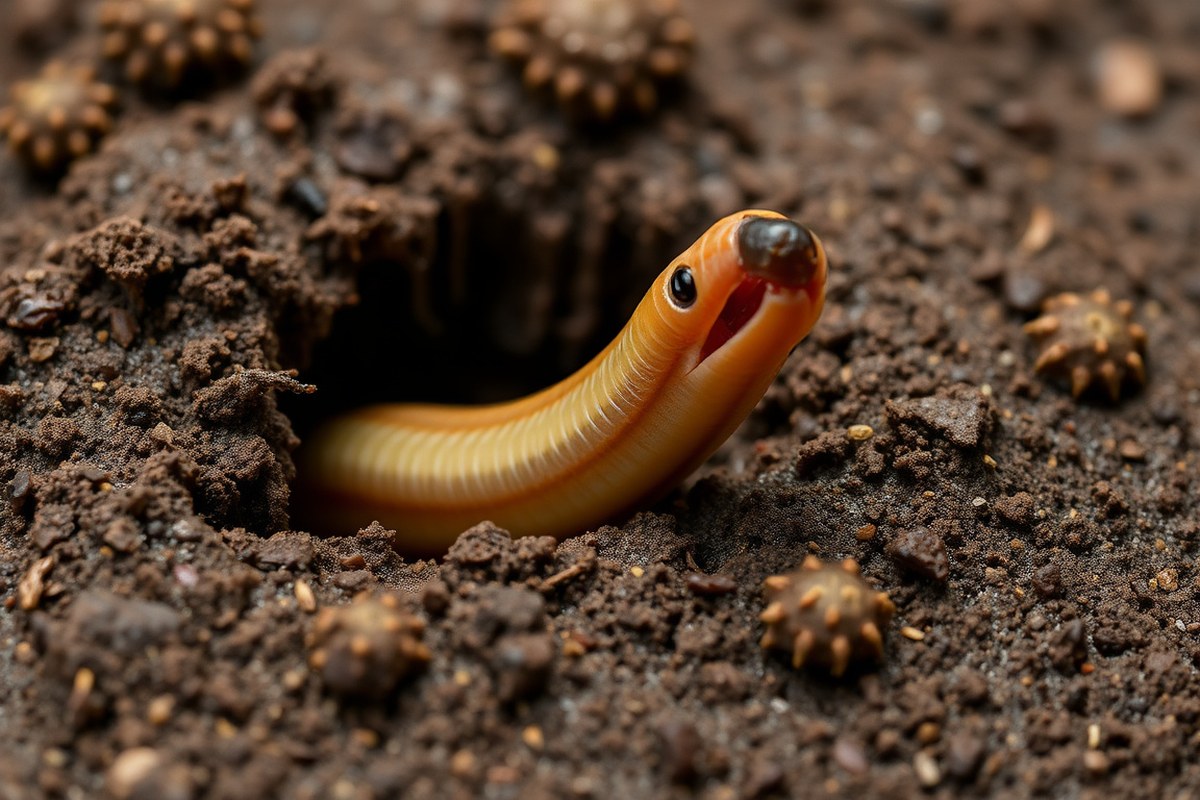
Do worms have mouths? Yes, they do, but their mouths aren’t like ours. Worms have simple mouths designed to take in soil and organic matter for food.
They don’t have teeth or a tongue. Yet they manage to eat and digest effectively.
The worm’s mouth is a small opening at its front end. It plays a key role in bringing in both food particles and soil grit. This helps worms break down material inside their bodies and improve soil health around them.
When handling worms for composting, watch their environment. Keep temperatures around 65 to 75 degrees Fahrenheit.
That keeps their mouths and digestion working smoothly. So your worms stay active and healthy.
Key Takeaways
- Worms have simple mouths without teeth or a tongue.
- The mouth is an opening used to ingest soil and organic matter.
- Soil grit eaten through the mouth helps break down food internally.
- Keep worm bins at 65, 75°F to support feeding and digestion.
- Worms’ mouths work well for composting and soil health improvement.
- Different worm types have slight variations in mouth structure.
Do Worms Have Mouths? The Simple, Clear Answer
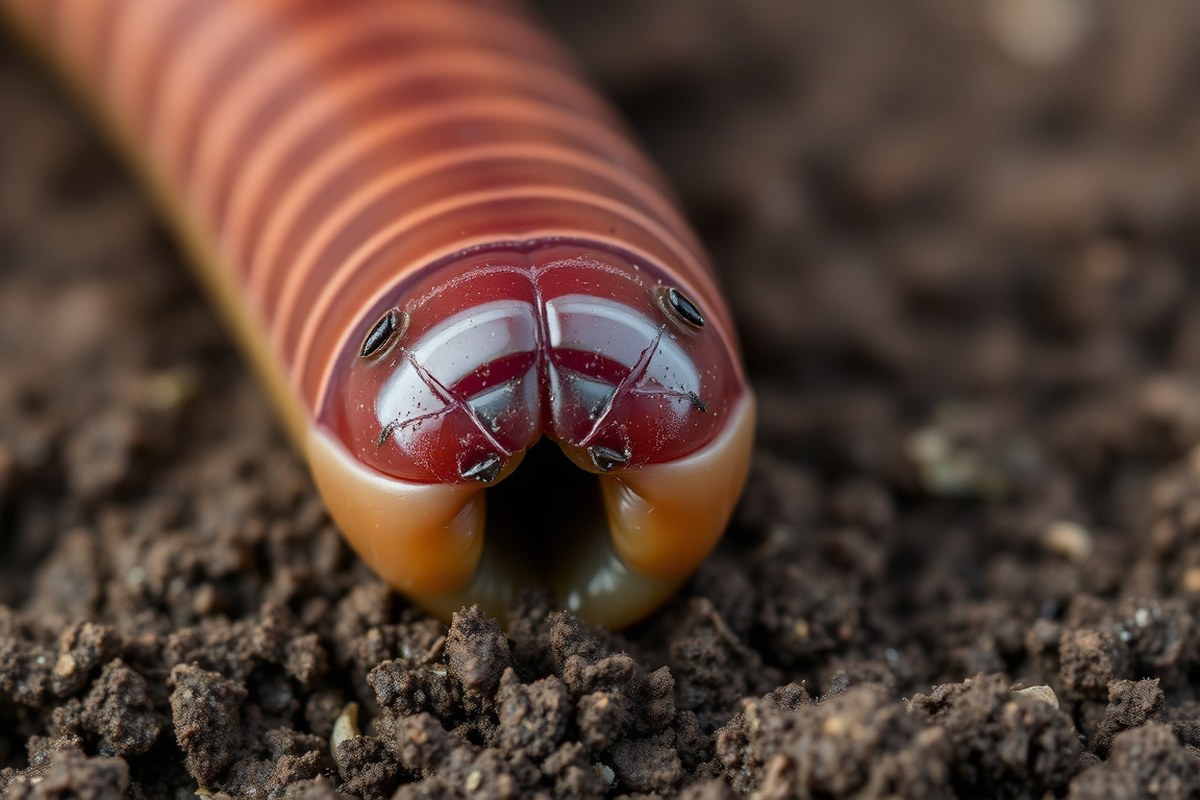
Worms do have mouths. Their mouths sit at the front end of their bodies, right on their heads. Unlike human mouths, a worm’s mouth looks like a small, crescent-shaped opening.
This mouth does not have teeth or a tongue. Instead, it is muscular and strong to pull in soil and bits of organic matter. Worms use it to suck up food from their environment and grind it inside their bodies.
The mouth’s simple shape works well for earthworms that eat dirt mixed with scraps. You’ll see them lead with this mouth-first as they move.
Some worm types have different mouth details. But all use this front opening to eat and breathe.
Anatomy of a Worm’s Mouth and Head Structures
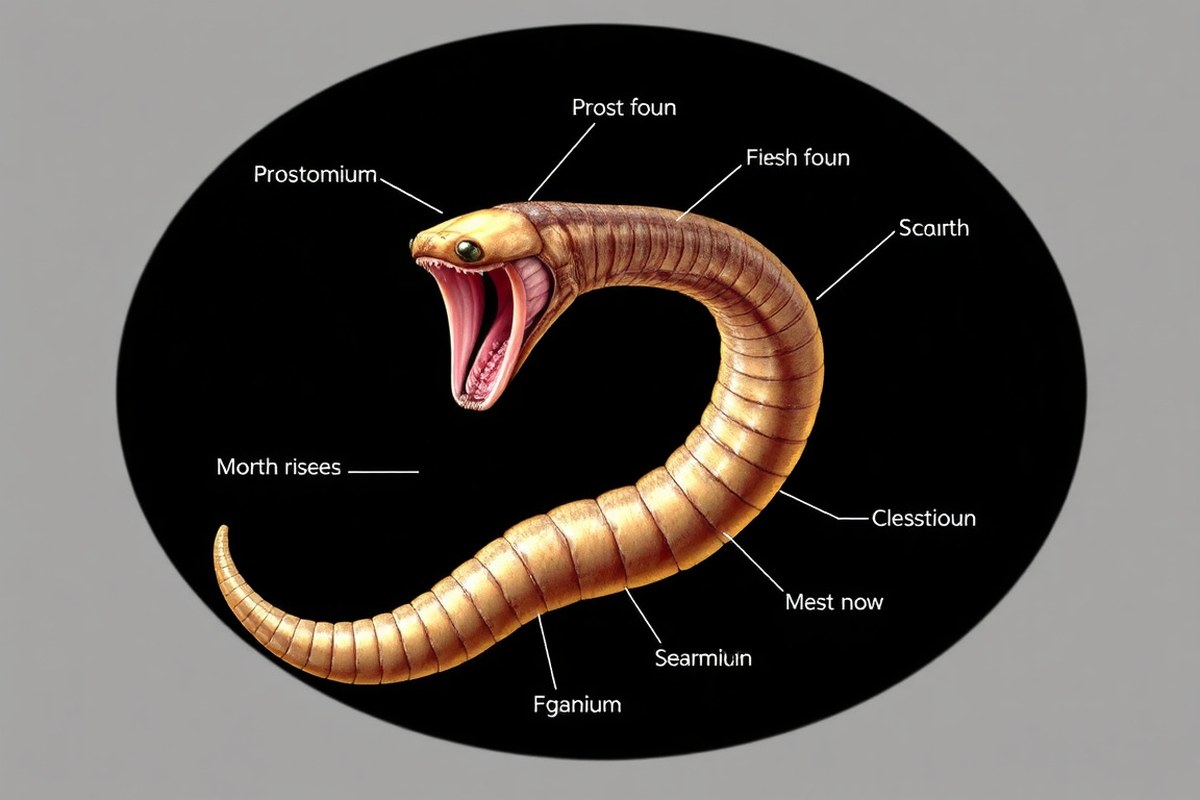
The head of a worm is built to sense, grab, and swallow food efficiently. Its mouth is part of a system with two other parts. The prostomium and the pharynx also play key roles.
Together, they support the worm’s feeding process. These parts work together to help the worm find food and eat soil and organic matter.
Prostomium: The Worm’s Sensory Lobe
The prostomium is a fleshy lobe above the mouth opening on a worm’s head. It helps the worm sense its environment and food by touching and chemical sensing.
Worms don’t have eyes. So the prostomium plays a key role in feeling and tasting what’s around them.
This lobe also helps the worm manipulate food items, pulling them closer for eating. It sweeps particles into the mouth while the worm moves through soil or compost. The prostomium’s sensory receptors detect chemical signals to tell the worm food from dirt.
Mouth Aperture Shape and Location
The worm’s mouth is a simple round hole. It sits at the head tip. It is just below the prostomium.
Its shape helps the worm create a seal when sucking up food material. This opening can open wide enough to swallow small soil particles and organic matter.
The mouth also aids in digging by pressing into harder soil to create an entry point. Near the mouth are organs that detect chemicals. They help the worm pick what to eat.
This stops the worm from eating bad material. This protective sensing prevents it from swallowing harmful or non-nutritive substances.
Pharynx: Muscular Feeding Pump
Behind the mouth lies the pharynx, a muscular tube that acts like a suction pump. Its contractions help draw in soil, food particles, and organic matter through the mouth. This motion pulls the food deeper into the digestive system for processing.
The pharynx squeezes soil the worm has swallowed. Inside the worm, small hard particles grind this soil. This process breaks down the soil material.
This mechanical action, along with chemical digestion later, helps break down the food more effectively. The pharynx’s pumping works hard to move soil in.
This helps the worm eat lots every day. It’s key for the worm’s feeding success.
Handle the worm gently. Pressing too hard can damage the prostomium and reduce its feeding ability.
How Worms Eat: No Teeth, No Tongue, Still Effective
Worms eat without teeth or tongues by using strong muscles and a special gizzard. Their mouth opens to swallow organic material in the soil. They then crush food inside their bodies using grit they swallow.
Using Muscular Pharynx to Ingest Food
The pharynx is a muscular part right behind the worm’s mouth. It helps suck in soil and organic bits for food. This structure acts like a pump rather than chewing.
This pumping motion pulls in microbes and decomposing matter. Worms can’t taste because they lack tongues, but they sense food chemically. They move toward areas in soil where microbes grow densely.
Swallowing Soil and Organic Material
Worms swallow soil along with rotting leaves and food scraps. The soil is important because it carries tiny particles for later grinding. Organic matter softens as microbes break it down.
Cold temperatures or large chunks slow this process. Worms need small, partially broken down bits for easier digestion. Without enough soft material, worms avoid the area as it turns sour.
Grinding Food Using Gizzard and Grit
After storing food briefly in the crop, worms move it to the gizzard. The gizzard is a thick, muscular organ that crushes food. Worms swallow fine grit or sand to help grind food here.
This process mimics chewing by breaking food into tiny pieces. More surface area lets microbes digest organic matter faster once inside the intestines. If grit is missing, grinding slows and digestion drags.
Crushing food inside the gizzard enables worms to absorb nutrients efficiently. This system works well despite lacking teeth or a tongue. The muscular pharynx and gizzard together make worm feeding simple but effective.
Comparison of Mouth Structures Across Worm Types
Worms show a wide range of mouth types depending on their group. Earthworms have simple mouths with muscles but no teeth. Nematodes, or roundworms, have tiny mouths that you can only see under a microscope.
Some nematodes change their mouth shape to suit their prey. This helps them catch different types of food. It lets them adapt to what is available.
Marine worms show the most variety in mouth structure. Their mouths show how they eat in different ways. Some hunt other animals to eat.
Others eat plants or filter food from water. This variety helps marine worms live in many underwater places.
Earthworms and nematodes eat more similar diets. Marine worms are less picky about food.
The table below compares key mouth features and feeding methods of common worm types.
| Worm Type | Mouth Size & Structure | Feeding Style | Notable Adaptations |
|---|---|---|---|
| Earthworms | Visible, muscular mouth without teeth | Ingest organic matter and soil | Swallow soil to aid digestion |
| Nematodes (Roundworms) | Microscopic mouth, some with stylets | Varies: predation, parasitic, or decomposing | Mouth shape changes to match prey size |
| Marine Worms | Wide range: jaws, teeth, or filter structures | Some hunt, some scrape plants, others filter feed | Adapted for varied aquatic feeding methods |
As you see, earthworms’ mouths are straightforward, which matches their slow matter breakdown. Nematodes’ small but flexible mouths help them tackle many food sources in soil or hosts.
Marine worms need different mouth tools based on water diets. So their mouths are highly specialized.
Understanding these differences is useful if you’re raising worms or studying soil health. Different mouth parts hint at what the worm can eat and how it impacts its environment. This knowledge helps you choose the right worm for composting or gardening needs.
What Happens After Food Enters the Worm’s Mouth
After food enters a worm’s mouth, it moves through special organs. These organs prepare the food for digestion. Nutrients get absorbed after the food breaks down.
The crop stores food temporarily, while the gizzard grinds it into smaller pieces. Finally, digestion happens in the intestine, where nutrients enter the worm’s body.
Moving Food from Mouth to Crop
The worm uses muscles to push food from its mouth down into the crop. This process doesn’t rely on teeth, since worms lack them. Instead, muscular action pumps the food smoothly along the digestive tract.
This movement ensures that ingested materials don’t block the worm’s system. The crop temporarily holds food, allowing the worm to collect enough before grinding it further. This storage lets the worm manage meals efficiently without continuous feeding.
The Crop’s Role in Food Storage
The crop is a soft pouch inside the worm’s body. It stores food the worm just swallowed. The crop expands to hold the stored food.
It does not break food down yet but holds it until enough accumulates. This gives the worm time to process food in batches.
The crop stores food for times when the worm cannot eat. This storage helps the worm stay alive longer. It supports the worm during active feeding breaks.
The crop’s storage capacity varies by species but typically handles several mouthfuls. By holding food here first, the worm prepares it for the next digestion step.
Grinding with the Gizzard
Next, food moves from the crop to the gizzard, a thick-walled, muscular organ. The gizzard contains grit and tiny particles swallowed by the worm. These act like grinding tools, breaking food into fine pieces.
This grinding is important because worms have no teeth to chew. The gizzard’s strong muscles contract repeatedly to crush the food. This process physically prepares food for the enzymes that will digest it in the intestine.
Digesting and Absorbing Nutrients
Food passes from the gizzard into the intestine, where enzymes break down organic material. The intestine lining absorbs nutrients from the digested food. Blood vessels then carry those nutrients throughout the worm’s body.
Digestive efficiency depends on the worm’s species and diet type. The process generally takes several hours but varies with temperature and food quality. Good digestion helps the worm produce nutrient-rich castings, which fertilize soil naturally.
How Long Food Stays Inside
From mouth to waste, the entire digestive process takes about 24 to 48 hours. Cooler temperatures slow this process, while warm conditions speed it up. The worm’s metabolism controls digestion pace depending on environmental factors.
Longer digestion allows more thorough nutrient extraction but demands more energy. Worms balance digestion speed with efficiency to stay healthy. Proper moisture and temperature around 55 to 77 degrees Fahrenheit keep digestion running well.
Keep worm bedding moist and at room temperature to support steady digestion speeds and nutrient absorption.
Why Do Worms Swallow Soil and Grit?
Worms swallow soil because they live underground and consume organic material mixed with dirt. The soil holds their food and helps with digestion. Nutrients stick to tiny soil particles.
Worms eat these to get their food. This process helps worms sense their environment.
They detect things like reaching the surface. It guides their movements underground.
Tiny grit and sand inside soil grind the worm’s food. This happens inside the worm’s gut. It helps break down their meals.
Unlike animals with teeth, worms rely on this gravelly material to break down tough plant fibers. This mechanical digestion supports worms in extracting nutrients from decaying leaves and compost.
Swallowing soil is not harmful; it is essential for good digestion in worms. Grit helps crush food into smaller pieces so worms can absorb nutrients efficiently. Worms need enough grit to process their meals.
Without it, their health can suffer. Soil quality benefits also decrease.
Worms ingest soil continuously while burrowing. So any compost or soil you add should include small particles.
Adding fine sand or crushed eggshells encourages better digestion by giving worms ample grit. Avoid soils that are compacted or too heavy, as these can block worm movement and feeding.
Young worms rely on swallowing soil a lot. They don’t have all body sensors yet. The soil helps them sense their world.
Soil ingestion helps worms avoid harmful conditions. Chemicals inside their gut react to soil acidity.
This keeps them safe underground. These abilities help worms thrive and keep the soil healthy.
Common Myths and Facts About Worm Mouths
Worms do not have tongues, unlike humans or many animals. Worms use their mouths and body movements to handle food. They do this because they lack tongues.
This helps them eat without a tongue. Worms adapted by using body parts other than a tongue.
These parts help them sense and move food. This shows how they fit into their environment.
One common myth is that worms have more than one mouth. Worms actually have only one mouth, located at their front end. This single opening serves as the gateway to their digestive system and nothing else.
Worms have only one mouth, which makes feeding simple. Everything they eat goes through this one opening. This limits how they handle food.
Many people also wonder if worms can bite or chew with teeth. Worms cannot do either because they do not have teeth or biting parts. Worms don’t tear or chew food with their mouths.
They suck or pull in soft and rotting material. Their mouth works like a vacuum. Worms don’t chew, so food items last longer in the bin.
Carrots can take weeks to disappear completely. This is why leftovers stick around.
Understanding worm mouths helps you manage worm feeding better. For example, slicing food into smaller pieces speeds up decomposition. Large chunks sit around longer because worms can’t chew or bite them apart.
To get more worm castings, feed worms soft scraps. Broken-down food speeds up the worms’ digestion process. Hard pieces take much longer to compost.
Different kinds of worms show slight variations in mouth structure but share these basic traits. Worms feed without tongues or teeth, which shapes their role. They break down organic matter slowly over time.
This suits their composting tasks. Worms’ slow feeding makes compost healthy but takes time.
They need the right food texture to work well. Patience helps get the best results.
What Worm Mouths Reveal About Feeding and Soil Health
Worm mouths let them eat both decaying plants and soil filled with microbes. The mouth’s shape affects what they can swallow, like tiny bits of plant or soil particles.
Soil isn’t just dirt. It contains organic matter and helpful bacteria worms need to digest food.
Seeing soil or bits of organic matter in worm mouths shows they’re breaking down materials efficiently. That means worms recycle nutrients back into the soil, helping plant growth.
Worms eat a mix of matter and soil to speed composting. This helps improve soil health for gardens or farms.
To help your worms, feed them soft kitchen scraps and shredded paper in small amounts. Avoid overfeeding because uneaten food can rot and harm the worms.
Adding soil or finished compost to the bin helps mimic nature. It keeps worms busy with the right mix of food.
Worms that pierce living plants use a sharp mouthpart called a stylet to eat. Most compost worms don’t need that and prefer dead matter.
So don’t add fresh leaves or stems unless they’re chopped fine and partly rotted. This keeps worm mouths working well without extra stress.
Using a carbon-to-nitrogen balance in your worm bin helps worms digest food easily. Aim for a ratio near 30:1 carbon to nitrogen for faster breakdown.
Use a worm feeding calculator online to adjust scraps and bedding materials. This balance means worm mouths encounter digestible food and soil with good microbes.
Checking worm mouths once a week can tell you what sort of food they handle best. Seeing mostly soil and few fresh scraps means feed less.
Add fresh bedding with organic matter to balance it. Worms digest better when fed steadily, not in big bursts, keeping their mouths active and healthy.
Don’t overfeed your worms; that causes leftover food to rot and can harm them.
Step-by-Step Action Plan to Explore Worm Mouths and Their Role
Here’s a simple plan to see how worm mouths work and why they matter. You can learn by observing and testing soil health right where you garden or study.
- Day 1: Find some earthworms in moist garden soil. Check for their mouth area by gently holding a worm and looking at its front end.
- Day 2: Feed the worms small bits of vegetable scraps. Watch how they take in food through their mouths without teeth or a tongue.
- Week 1: Add a small amount of soil or grit near the worms. Note how they swallow it to help with digestion, similar to birds.
- Week 2: Observe the worm castings (their waste). Notice the texture and how it shows digestion and soil enrichment.
- Week 3: Compare different worm types nearby, like nightcrawlers or red wigglers. See how their mouth parts differ to fit their feeding style.
- Week 4: Test soil quality where worms live. Check if worm activity and mouth function relate to richer, healthier soil.
- After 1 month: Share your findings with a gardening group or class. Explain how worm mouths help with feeding and soil health.
Frequently Asked Questions
Can Worms Close Their Mouths?
Worms cannot close their mouths because they lack lips or muscles to do so. Their mouths stay open to allow continuous feeding on soil and organic material.
Do Worms Have Teeth Inside Their Mouths?
Worms do not have teeth. Instead, their mouths have tiny muscular lips to swallow food whole. They rely on strong muscles and soil grit to break down food later.
How Big Is a Worm’s Mouth?
A worm’s mouth is very small, just big enough to pick up soil and organic bits. This size fits their slim body shape and helps them swallow food efficiently.
Do Baby Worms Have Mouths at Birth?
Baby worms hatch with small mouths that let them start eating right away. This helps them grow fast by consuming organic matter in the soil.
Can Worms Breathe Through Their Mouths?
Worms do not breathe through their mouths; they use their skin for gas exchange. Their mouth only serves to ingest food, not for breathing.
Do All Worms Have the Same Mouth Shape?
Different worm species have slightly different mouth shapes suited to their diets. Earthworms have muscular lips, while tiny roundworms have simple, tiny mouths.
Final Thoughts
Worms definitely have mouths, even without teeth or a tongue. Their mouths are great for taking in food and soil.
They help digest and enrich the earth. Try feeding worms and watching their soil role yourself to see this in action.