Where Are Marigolds Native: Origins, Species, and Cultural Roots Explained
Wondering where are marigolds native to originally? Marigolds come from the Americas, including both North and South America. The entire Tagetes genus, which includes about 50 species, grows naturally only on these continents.
Some marigolds called African or French marigolds aren’t truly from those places. Their names come from trade routes or later breeding but not where they first grew wild. Knowing this helps you understand marigolds’ true climate and care needs.
Marigolds naturally thrive in warm climates above 40 degrees Fahrenheit. You can start planting seeds indoors about one month before frost. This timing leads to better results when planting outdoors later.
Starting early indoors protects seeds from cold weather risks. This ensures your plants get a good start, just like in their native habitats.
Key Takeaways
- Marigolds belong to the Tagetes genus native only to the Americas.
- “African” and “French” marigold names don’t reflect their real origin.
- Original marigold habitats stay warmer than 40 degrees Fahrenheit year-round.
- Starting seeds indoors 4 weeks before frost helps mimic natural growth.
- Marigold species vary widely, from 4 inches to 7 feet tall.
- Understanding native climate helps avoid exposing marigolds to harsh cold.
Where Are Marigolds Originally Native To?
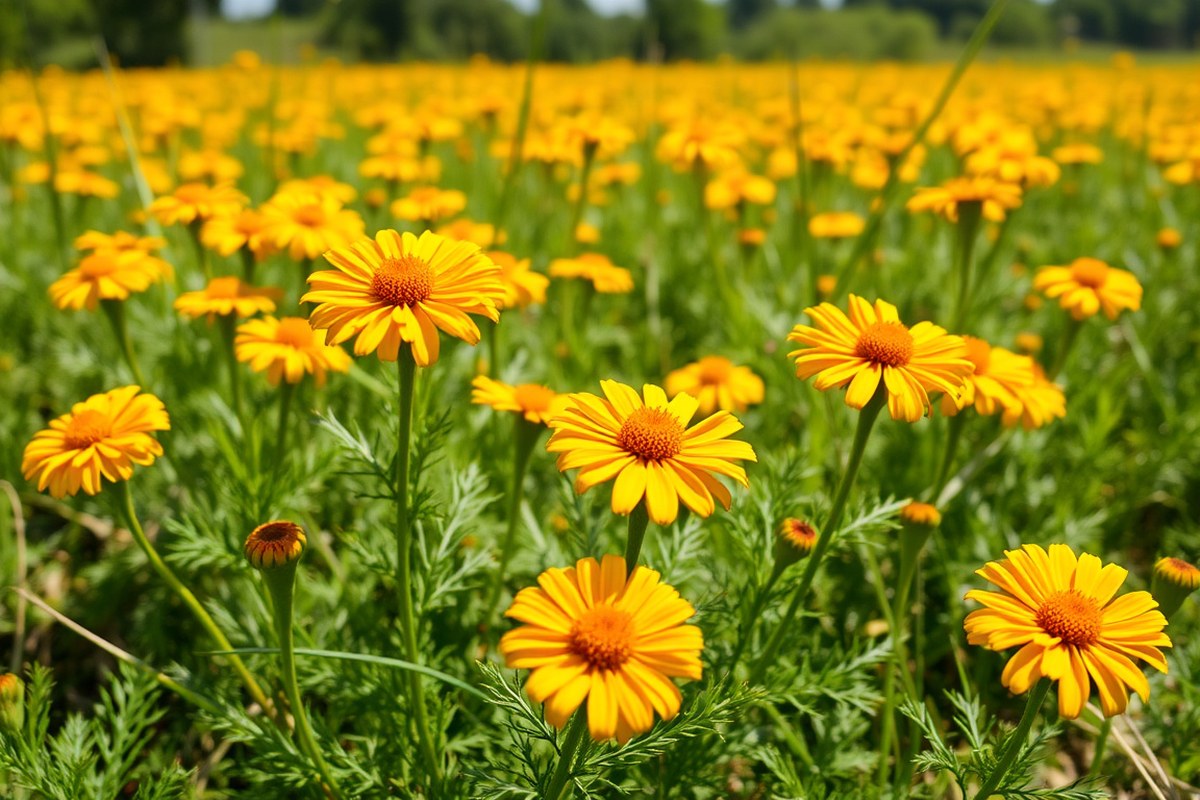
Marigolds belong to the genus Tagetes, which includes about 50 species. They are native exclusively to the Americas, specifically from the southwestern United States through Central America. Their range extends as far south as Argentina in South America.
Most commonly, marigolds originated in Mexico and surrounding countries. These areas are the native zone for species like Tagetes erecta. Tagetes erecta is also called Aztec or Mexican marigold.
This species is popular among gardeners. Southwestern U.S. States such as New Mexico and Arizona also host native wild marigold populations.
Though some marigolds are named African or French, none are actually native outside the Americas. Every species in the Tagetes genus evolved there. Marigolds in places like India came from the Americas.
Trade and colonization brought these flowers to new lands. They are not native to India.
Major Native Marigold Species and Their Characteristics
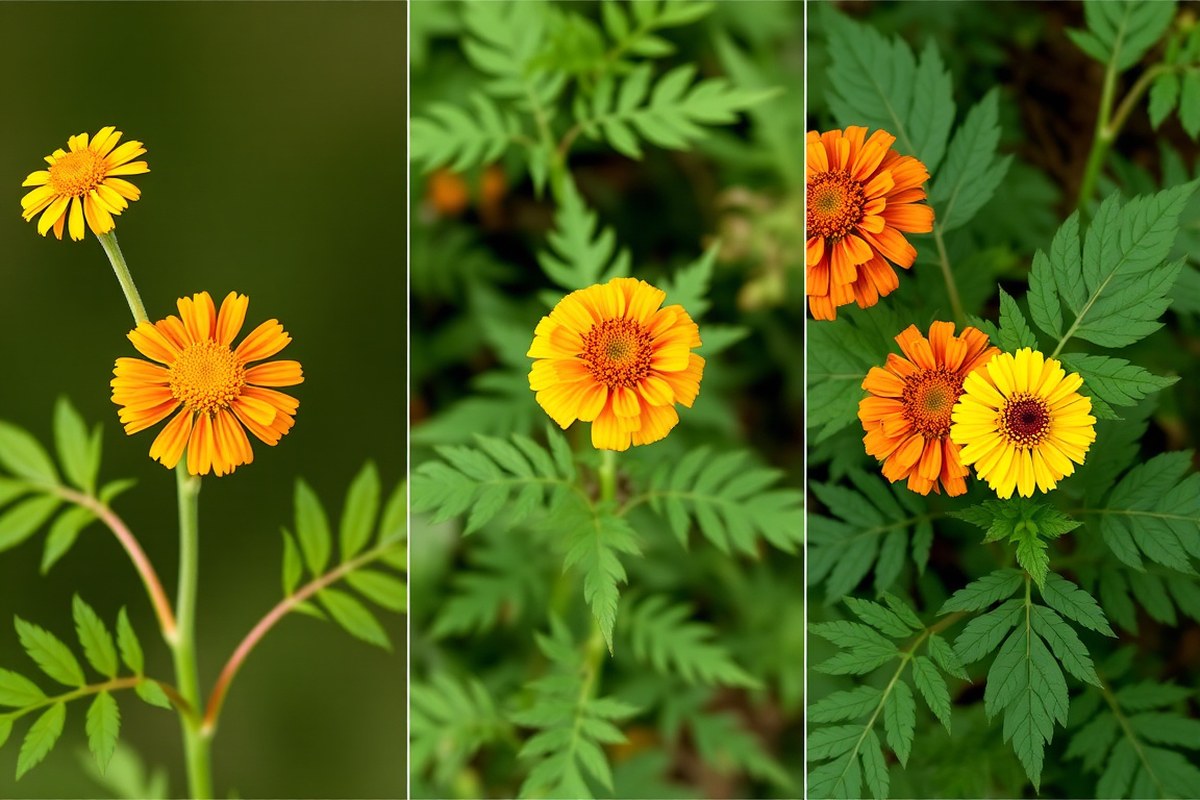
The three most common native marigold species are Tagetes patula, Tagetes erecta, and Tagetes tenuifolia. These species appear most often in gardens and plant shops. They are easy to recognize and popular choices for home gardeners.
Although widely called French and African marigolds, neither originated in those regions. All three species come from Mexico and nearby Central American countries.
Each species has distinct size and appearance. Tagetes patula is called French marigold. It grows compact, about 8 to 12 inches tall.
The plant has dense, bushy growth that fills small spaces well. Tagetes erecta is known as African marigold. It grows taller than other types, between 1 and 4 feet.
This species often has large, bright flower heads for show. Tagetes tenuifolia, called Signet marigold, is smaller and delicate, with slender leaves and smaller flowers.
| Species | Common Name | Native Range | Typical Height | Appearance |
|---|---|---|---|---|
| Tagetes patula | French Marigold | Southern Mexico lowlands | 8, 12 inches | Compact, bushy, multicolor flowers |
| Tagetes erecta | African Marigold | Mexico, Guatemala, Central America | 1, 4 feet | Tall, upright with large flower heads |
| Tagetes tenuifolia | Signet Marigold | Mexico and Central America | 6, 18 inches | Delicate, fine foliage, small flowers |
Tagetes erecta grows tallest and suits bigger garden spaces. French marigold fits well into small beds or containers, thanks to its compact size. Signet marigold adds a fine texture with its thin leaves and tiny flowers.
Remember that names like “African” and “French” marigold don’t mean these species come from those places.
Knowing their native sizes and traits helps with choosing the right marigold for your garden. Planting them in appropriate spots ensures better growth and blooms. These species all prefer well-drained soil and thrive in USDA zones 9 to 11.
How Native Marigold Habitats and Climate Preferences Affect Growth
Native marigolds thrive in warm, open habitats with well-drained soil. They prefer tropical and subtropical zones, growing from sea level to about 2,500 meters elevation. These conditions shape where and how marigolds grow best in the wild.
Preferred Soil and Drainage Conditions
Marigolds grow well in many soil types as long as drainage is good. They tolerate soils with low fertility, but moderately fertile soil helps them thrive. Sandy or loamy soils that don’t stay soggy work best for healthy roots.
Always avoid soil that stays wet for long periods. Standing water can cause root rot and other diseases. Letting soil dry out between watering is ideal, especially for marigolds grown in containers.
Climate Zones and Temperature Ranges
You can find marigolds in USDA zones 2 to 11. They grow best above zone 9.
Their native climates are typically warm with some seasonal dryness. Full sun is key for healthy blooms and strong growth.
Marigolds handle occasional drought well but need some moisture to flower. Avoid heavy frost areas since freezing damages their growth and bloom cycle. They like temperatures mostly above 50°F for steady growth.
Typical Elevation Ranges for Native Species
Native marigolds appear from sea level up to around 2,500 meters in elevation. Higher elevations offer cooler nights but still enough warmth during the day. This range lets different species adapt to various microclimates.
Elevation affects the length of the growing season and intensity of sunlight. Marigolds at lower elevations often grow faster and bloom longer. Seedlings at higher altitudes may need extra care if grown elsewhere.
Natural Habitats and Disturbed Sites
Marigolds often grow in open fields and forest edges. They also appear near roads and old farm areas. Marigolds do well in these spots.
This lets them spread fast and crowd out other plants. This happens because they grow dense and block space in the understory.
- Open sunny areas with little shade
- Well-drained soil disturbed by human or natural activities
- Edges of woodlands and grasslands
- Abandoned fields and cleared lands
- Roadsides and urban green spaces
These sites usually have loose soil and frequent sunlight. Marigolds’ root exudates can affect nearby plants by reducing soil nematodes, impacting native species. Managing their growth in natural areas supports balance without chemicals.
Why Marigolds Have Misleading Names Like African and French Marigold
Some marigolds have confusing names like African or French marigold. These names come from how they traveled to Europe. People often mix up where they really come from.
For example, Tagetes erecta is native to the central highlands of the Americas, not Africa. It got the name “African” because it traveled through North Africa.
Trade routes carried it on their way to Europe. That’s how it ended up with that name.
European growers named marigolds based on where they first encountered the plants, not their native homes. French marigold (Tagetes patula) was named after its popularity in France. It actually comes from the Americas, not France.
The name sticks because French gardeners loved it. This naming based on introduction routes made sense then but doesn’t match the actual origins.
These misleading names affect how people think about marigolds’ origins. Many assume “African marigold” must be native to Africa, which isn’t true. Confusion spreads when seed packets list common names without explaining origins.
Gardening books can do the same thing too. This makes it hard to know the real story.
Knowing why these names exist helps you pick the right marigold for your climate. Tagetes erecta likes moderate rain and can handle some frost. These traits come from its highland home in the Americas.
That’s what you need to know before planting. Expecting “African” marigolds to handle dry African deserts isn’t right.
They may not grow well in those harsh conditions. They prefer milder environments instead.
Check plant tags or seed descriptions for origin information. You can also look online or in gardening guides. This helps you pick plants that fit your area.
Understanding the history behind the name gives clues about where the plant thrives best. Sharing these facts with friends helps clear up marigold confusion.
People learn the true meaning of “African” or “French” marigolds. It makes gardening easier and more fun.
How Marigolds Spread Worldwide from Their Native Americas Home
Marigolds left their native Americas during the 16th century, brought by Spanish and Portuguese traders. The transfer happened during the Columbian Exchange. It moved plants, animals, and goods.
This exchange linked the Old and New Worlds after 1492. The traders took marigold seeds back to Europe, where they spread quickly by the 17th century.
The traders also introduced marigolds to South Asia, especially India. This happened through colonial trade routes linking Europe and Asia. Marigolds adapted well to warm Indian climates.
They became popular for bright colors. They’re also easy to grow in nearby regions.
In new cultures like India, marigolds gained deep symbolic importance. They are now a key part of religious ceremonies and festivals. Marigolds are used to make colorful garlands.
These decorations show happiness and sacred ties. They play a role in many celebrations.
European colonists and explorers played a major role in spreading marigolds beyond their original range. By the 17th century, these flowers reached parts of Africa and Asia through trade and colonization. The plants often established themselves in new places, sometimes growing wild as naturalized species beyond gardens.
Marigolds are deeply rooted in South Asian culture. You can see them in popular Indian movies. These films focus on India’s culture.
The flowers symbolize joy and connection, showing how deeply marigolds were embraced outside the Americas. This spread shows how plants travel not only physically but also through cultural meanings.
Watch out with marigold names. “Marigold” can also mean Calendula. Calendula is a different plant from Europe.
Cultural Roles of Marigolds in Their Native Regions and Beyond
Marigolds have deep cultural meaning in Central and South America. They are also important in Indian traditions. Their use has spread far from where they started.
Marigolds play a key role in religious rituals. They also support healing practices.
This is especially true in Mexico and South America. Their bright colors and scent carry symbolic weight in honoring the dead and promoting health.
Marigolds in Día De Los Muertos (Day of the Dead)
The marigold, called cempasúchil in Mexico, is the “flower of the dead.” It appears everywhere during Día de los Muertos, a holiday from November 1-2. The petals’ bright orange guides spirits to their family altars.
Families use marigold petals to decorate altars and graves each year. The flower’s scent is believed to attract and comfort visiting souls. This tradition comes from the Aztecs, linking marigolds to the goddess Mictecacihual.
Medicinal and Culinary Uses in Native America
Native peoples have eaten marigold flowers and leaves for centuries. The seeds, especially from Tagetes species, help treat intestinal worms when eaten raw or toasted. These uses make marigolds more than just decorative plants.
Besides medicinal uses, marigolds flavor some traditional dishes. The plant supports natural pest control in vegetable gardens, protecting crops while providing food and medicine.
Marigolds in Indian and South Asian Practices
Marigolds aren’t native to India but have become important in religious rituals there. They are used to make from garlands to decorate temples and homes during festivals. The flowers symbolize purity, prosperity, and protection in Hindu worship.
Marigolds have a strong scent and bright color. These traits make them popular in ceremonies. People use them for Diwali and weddings.
Their importance grew because of cultural exchange and the flowers’ lasting charm. Marigolds help maintain spiritual energy during prayers and celebrations.
Symbolism and Ceremonial Roles
Marigolds symbolize the cycle of life and death in many cultures. Their yellow and orange hues represent sunlight, life, and remembrance. In rituals, they express respect for ancestors and celebrate ongoing life.
These ceremonial uses involve:
- Decorating altars for deceased loved ones
- Creating pathways for spirits with marigold petals
- Offering flowers to deities or during prayers
- Using marigold garlands in weddings and festivals
- Treatment of ailments with herbal preparations
- Protecting gardens by repelling pests naturally
When marigolds fail to thrive or lose color, rituals may feel incomplete or lose symbolic power. Healthy, vibrant marigold blooms improve their spiritual role and connection to tradition.
How to Identify True Native Marigold Species in the Wild or Garden
Native Tagetes species show specific traits that help you spot them. Their fine, aromatic leaves and pompon-like flowers stand out. You can tell them apart by leaf shape and flower size.
Check the stem features too. Consider where they grow naturally to spot differences.
Leaf Shape and Arrangement Specifics
Native marigolds have finely divided leaves that are often aromatic when touched. Leaves usually grow in opposite pairs along the stem, with deep green coloring. The leaf edges tend to be serrated or lobed, not smooth like Calendula’s broader leaves.
In contrast, Calendula leaves are wider and have a fuzzy texture. To identify native Tagetes, crush a leaf gently. The scent helps confirm it, as Tagetes gives off a distinct spicy or musky fragrance.
Flower Head Size and Color Variations
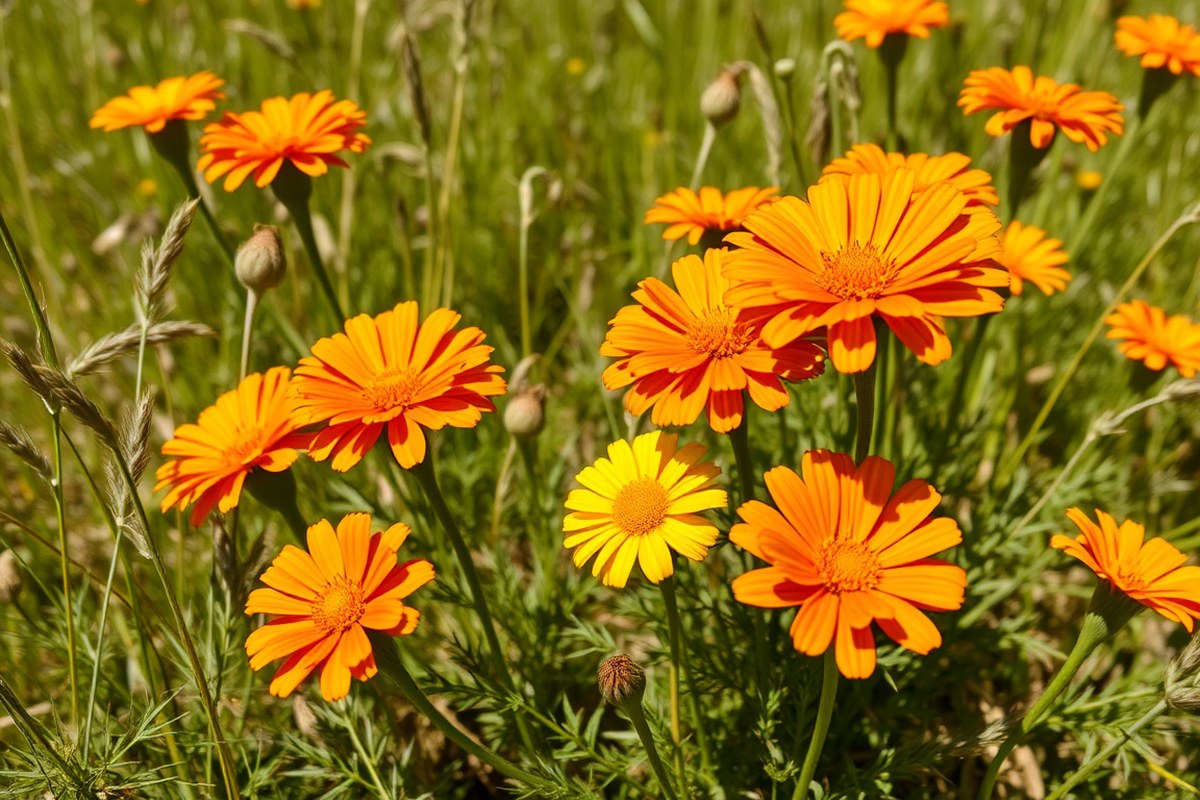
Look for flower heads that are dense and pompon-like with many petals. Sizes can range from 1 to 3 inches wide, depending on the species. Colors run from bright yellow and gold to deep orange and reddish tones.
Calendula flowers often have fewer petals and appear more daisy-like. You see a flower that looks flat or loose.
It probably isn’t a native Tagetes. Watch for hybrids too, which sometimes have unusual colors or mixed leaf traits.
Stem Structure and Growth Habit
Native marigolds tend to have slender, upright stems that are moderately branched. The stems usually feel smooth and can have a slight ribbing. Tagetes plants grow between 6 and 24 inches tall, depending on conditions and species.
Notice a marigold sprawling widely or with thick stems? It might be a garden hybrid or naturalized species. Native types often keep a more compact, upright shape unless crowded.
Geographic and Habitat Clues
Marigolds originally come from the Americas, especially Mesoamerica. You are more likely to find native Tagetes species in southern U.S. States, Mexico, or Central America in warm, sunny spots. These plants prefer well-drained soil and stop growing when temperatures drop below 40°F.
Naturalized marigolds may grow outside their usual range. They usually show less strength or spread too much.
Look for native neighbors around the plant. Use local guides to spot true natives or invaders.
- Check leaf shape: finely divided and aromatic means Tagetes
- Feel leaves for a spicy scent
- Look for compact pompon-like flower heads
- Observe stem thickness and branching pattern
- Note plant height, usually 6, 24 inches for natives
- Consider location: native marigolds favor warm, sunny climates
- Avoid plants with flat, daisy-like flowers or fuzzy broad leaves
Following these steps cuts down confusion with naturalized or hybrid types. It also helps protect native plant populations from being crowded out by look-alikes. Proper identification here supports healthy gardening and wild plant conservation.
Growing Conditions in Native Range Compared to Cultivated Marigolds
Marigolds thrive in native soils that drain well but hold some moisture. They grow best in sunny spots with direct light for at least six hours daily.
The temperature in native areas ranges from 70°F to 90°F. This helps marigolds flower quickly. It also helps them resist pests.
Garden marigolds need similar conditions but can survive in a wider range of soils. Gardeners often add compost to improve drainage and nutrients. These flowers also tolerate slightly cooler or warmer climates but may grow slower or bloom less.
Watering marigolds in gardens should mimic native rainfall patterns: moderate and consistent. Overwatering causes root problems, while underwatering stops blooms. Native marigolds face fewer pests because their environment supports natural predators and tough plant traits.
| Growing Factor | Native Marigolds | Garden Marigolds |
|---|---|---|
| Soil | Well-drained, sandy to loamy, moderate fertility | Amended with compost, looser, varied pH |
| Light | Full sun, 6+ hours per day | Full sun to partial sun |
| Temperature | 70°F to 90°F | 50°F to 95°F (with slower growth outside native range) |
| Watering | Moderate, mimics seasonal rain | Regular but careful to avoid soggy soil |
| Pest resistance | High due to natural predators and plant defenses | Variable, often needs additional pest control |
To grow marigolds well, prepare soil with enough organic matter. Let the spot get full sun daily.
Water consistently but avoid keeping the soil wet. This setup mirrors native sites, improving growth speed and flower production.
Marigolds’ natural pest resistance means gardeners can reduce pesticides. Still, check plants regularly for aphids or spider mites. Using companion plants to attract beneficial insects supports their pest defense seen in native environments.
Do not water marigolds after late afternoon; wet foliage overnight invites disease.
Step-by-Step Action Plan for Growing Native Marigolds
Follow these steps to grow native marigolds successfully in your garden. Watch each step’s progress to ensure healthy plants.
- Before You Start: Choose native marigold seeds suited to your region’s climate. Check local extension services or native plant nurseries.
- Day 1: Prepare well-drained soil with plenty of sunlight exposure. Native marigolds thrive best in full sun and moderate moisture.
- Week 1: Sow seeds directly in soil or start in seed trays indoors. Keep soil moist but not soggy to encourage germination.
- Week 3: Thin seedlings so each plant has room to grow. Healthy spacing stops overcrowding and reduces disease risk.
- After 4 Weeks: Watch for flowers and check leaf color. Bright blooms and deep green leaves show good growth.
- Month 2: Begin deadheading spent blooms to encourage longer flowering time. Notice if blooms last longer than two weeks.
- Growing Season Ongoing: Monitor for pests native marigolds are prone to, like aphids or spider mites. Use insecticidal soap if needed.
- End of Season: Collect seeds from mature flowers to grow next year’s native marigolds. Choose plants with strong, healthy flowers.
Frequently Asked Questions
Where Did Marigolds First Evolve?
Marigolds first evolved in Mexico and Central America. These regions offer the warm climates marigolds prefer for growth.
Can Marigolds Be Found Growing Wild in the U.S.?
Some marigold species are naturalized in southern U.S. States. They are introduced, not native, wild populations.
Why Are Marigolds Called African or French If They’re from the Americas?
Names like African or French marigold come from where they were bred or sold. These names don’t show the original native range.
Do Marigolds Grow Naturally in Tropical South America?
Yes, marigolds naturally grow in tropical South America, including countries like Argentina. Their native habitat is subtropical to tropical.
Are Marigolds Endangered in Their Native Countries?
No, native marigold populations in Mexico and Central America are stable. They are not listed as threatened or endangered plants.
Can Marigolds Survive Cold Winters in Their Native Habitat?
Native marigolds prefer subtropical climates and can’t survive harsh winters. They do best with warm soil and air temperatures.
Before You Go
Native marigolds come from the Americas and prefer sunny, well-drained areas. Knowing their origin helps you grow them right. Start with local seeds to enjoy authentic marigolds in your garden.