Are Peonies Perennials? A Complete Guide to Growing Long-Lived Flowers
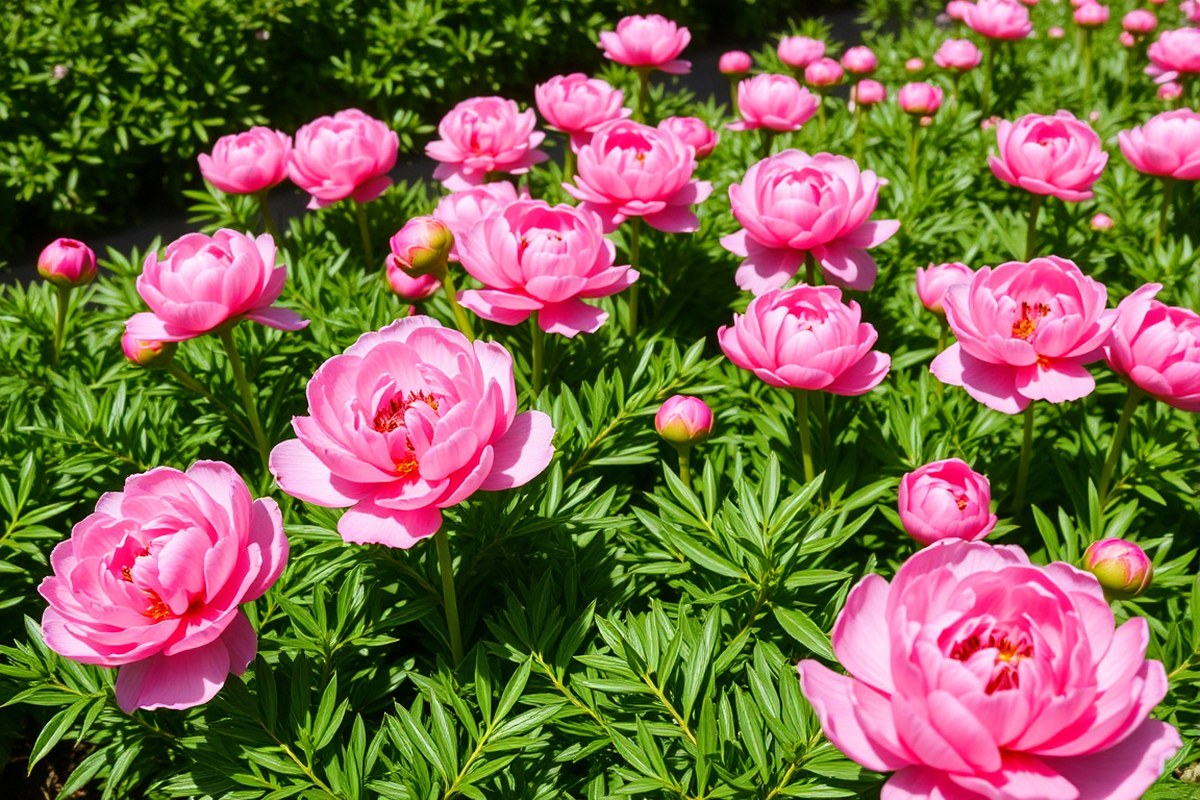
Are peonies perennials? Yes, peonies are true perennials that come back year after year.
They live for decades, often blooming each spring without much fuss. Peonies can become garden fixtures, lasting 50 years or more with the right care.
Herbaceous peonies die back to the ground each winter and regrow in spring. Tree peonies have woody stems and can live up to 50 years or longer. All peonies need a cold winter period to bloom well.
This cold time helps them grow back every year. Their perennial nature depends on seasonal changes.
Plant your peonies in full sun to help them thrive. Space each plant 3 to 4 feet apart. This gives them enough room to grow well.
Avoid planting too deep. They prefer their eyes about 2 inches below the soil surface. Giving them room and the right conditions sets you up for reliable blooms year after year.
Key Takeaways
- Peonies are true perennials that return every year for decades.
- Herbaceous peonies die back each winter and regrow in spring.
- Tree peonies have woody stems and a longer lifespan than herbaceous types.
- Cold winter dormancy is necessary for peony bloom development.
- Plant peonies in full sun with at least 6 hours of daily light.
- Space peonies 3 to 4 feet apart to allow healthy growth and air flow.
Are Peonies True Perennials That Return Every Year?
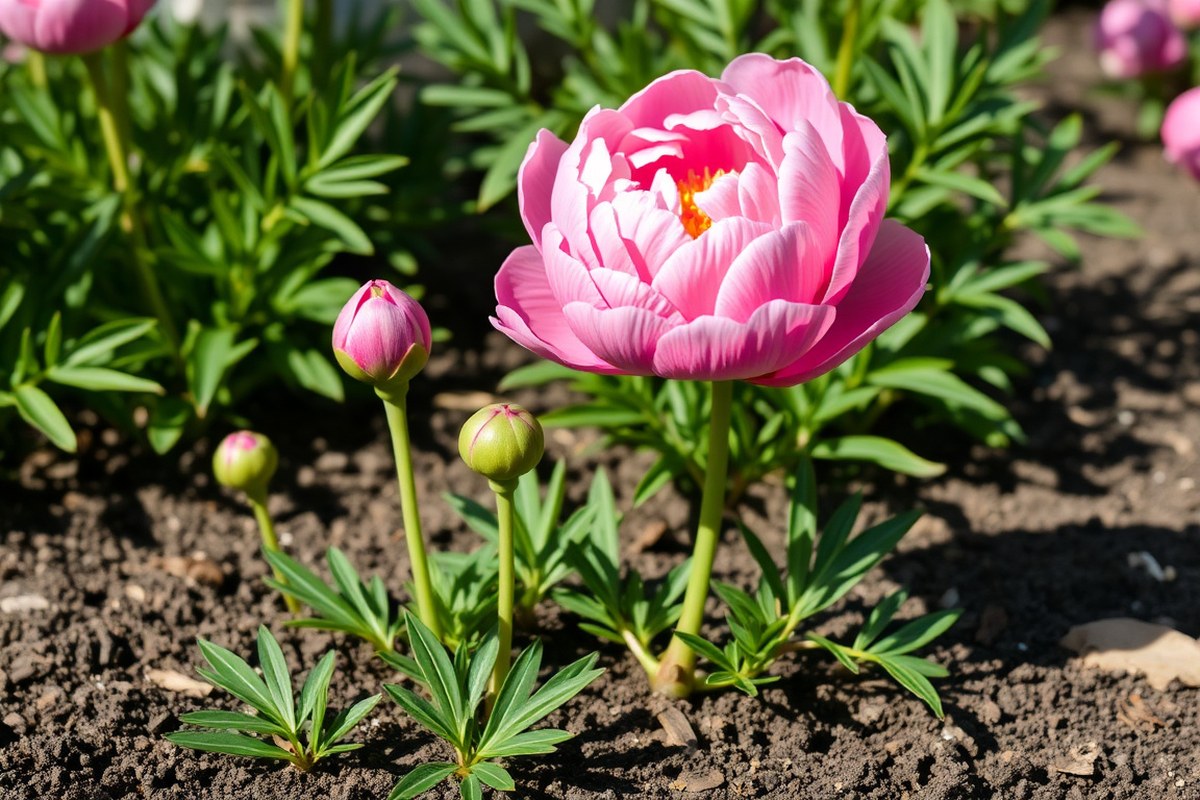
Peonies are true perennials, meaning they live for more than two years. Perennial plants come back every year without needing replanting or starting over. Unlike annuals, peonies regrow their leaves each year.
They bloom again every season. Annuals finish their life cycle in one season only.
Peonies are herbaceous perennials. Their leaves and stems die back each fall. They grow again in spring.
In spring, new growth emerges from the plant’s crown just as with many other perennials. This cycle of dying back and regrowing helps peonies survive cold winters and flourish for decades.
You’ll notice your peony returns each spring with fresh shoots and leaves after the frost melts. Peonies need some care to stay healthy. Water them regularly.
Cut back old growth in the fall. Peonies can live in your garden for over 50 years.
They are a long-lasting plant choice. They grow better with time.
How Long Do Peonies Live and Bloom in the Garden?
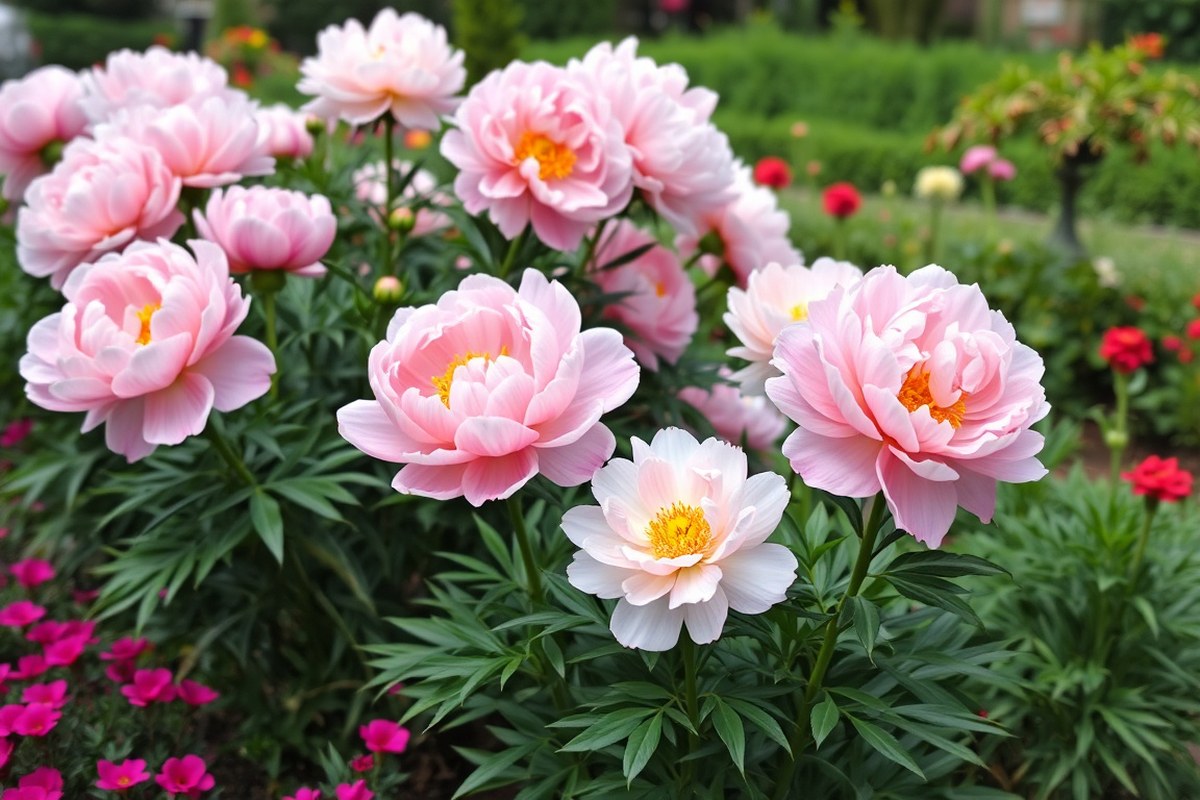
Peonies can live for decades, often exceeding 50 years in the garden. Tree peonies usually live even longer, sometimes 50 years or more. These plants become long-lasting fixtures with the right care.
Once planted, peonies usually take 2 to 3 years to bloom. This is especially common if you plant bare root peonies.
You won’t see flowers in the first year. But the roots are growing strong below ground.
When peonies start blooming, the flowers usually last a few weeks in spring. Bloom time depends on the variety and local weather. Choosing varieties with different bloom times extends the flowering season in your garden.
Peonies bloom every year once they are established and healthy. Full sun and good soil drainage help plants thrive. Poor flowering often happens from planting too deep or not enough sunlight.
Factors like spacing matter too. Giving peonies 3 to 4 feet apart ensures good air circulation and growth room. Proper watering and fertilization help the plants stay strong year after year.
Choose a spot for peonies that receives a minimum of 6 hours of sun daily to encourage big blooms.
Differences Between Herbaceous, Tree, and Itoh Peonies
Peonies come in three types: herbaceous, tree, and Itoh. Each grows and behaves differently as perennials. Care needs and lifespan also vary across these groups.
Herbaceous Peonies Characteristics
Herbaceous peonies die back to the ground every fall. In spring, they grow new stems and leaves from buds near the soil. These buds, called “eyes,” should be just under the soil surface.
They can also sit right at the soil surface. This helps the plant grow well.
This type’s stems are soft and need staking during bloom to support heavy flowers. They typically reach about 36 inches high and 30 inches wide, forming mounds of blossoms. These peonies bloom in late spring or early summer and remain dormant in winter.
Tree Peonies Traits and Lifespan
Tree peonies have woody stems that last year-round. Unlike herbaceous types, their branches don’t die back in winter. These stems support large flowers, often up to 8 inches wide, without staking.
Tree peonies are grafted onto herbaceous rootstock before sale. They take longer to establish but can live many decades, often outlasting herbaceous varieties. Their blossoms come earlier in spring with large, often single or double flowers.
Itoh Peonies: Hybrid Growth and Care
Itoh peonies cross herbaceous and tree types. They die back to the ground like herbaceous peonies. Their stems are sturdier, like tree peonies.
This gives them extra strength. This gives them a broad color range and strong stalks that usually don’t need staking.
Their flower size and shape vary depending on the parentage. They bloom later in spring, offering long-lasting blossoms. Like herbaceous types, Itoh peonies need “eyes” planted close to the surface for best growth.
The table below compares traits, care needs, and lifespan of each type.
| Factor | Herbaceous Peonies | Tree Peonies | Itoh Peonies |
|---|---|---|---|
| Growth Pattern | Annual stem dieback to ground | Woody stems persist year-round | Dieback to ground, woody stems |
| Stems | Soft, need staking | Hardy, no staking needed | Sturdy, usually no staking |
| Bloom Time | Late spring to early summer | Early spring | Late spring |
| Planting Bud Depth | “Eyes” at or just below soil surface | Grafted onto rootstock, less sensitive | “Eyes” at or just below soil surface |
| Lifespan | Several decades, may decline without care | Many decades, often longer-lived | Several decades with proper care |
| Care Notes | Stake stems, provide support, well-drained soil | Less staking, needs larger space to grow | Good drainage, minimal staking, consistent moisture |
Planting depth and soil type are key for all peonies. Herbaceous and Itoh peonies need eyes placed close to the surface.
Tree peonies require grafted rootstock, so planting differs slightly. Each type benefits from rich, well-drained soil and plenty of sun.
Ideal Planting Depth, Spacing, and Site for Peony Perennials
Plant your peonies just below the soil surface to help them thrive year after year. Space them wide enough to avoid crowding and choose a sunny, well-drained spot for best blooms. These steps help peonies establish strong roots and produce flowers reliably each season.
Correct Root Planting Depth
Plant peony roots about 2 inches deep. Keep bud eyes just below soil. This helps the plant start well.
This shallow planting encourages flowering and healthy root growth. Tree peonies need planting about 4 inches deep.
Cover the graft union fully. This helps the plant stay healthy longer.
Planting deeper than 2 inches can cause peonies to “blind,” meaning no flowers form. In colder zones, add 1 to 2 inches of soil over the eyes for winter protection. Make the hole wide enough to fit the root system without bending or crowding it.
Spacing for Healthy Growth
Space peonies at least 3 feet apart to allow room for growth and good air circulation. This reduces disease risk and lets each plant spread comfortably. Crowding peonies leads to smaller blooms and weaker plants over time.
Keep peonies away from tree roots or large shrubs that compete for water and nutrients. Crowded roots mean fewer resources for your peonies, leading to weaker growth. Make sure each peony has clear space around it to thrive.
- Plant herbaceous peonies with eyes 2 inches below soil
- Cover tree peony graft unions with 4 inches of soil
- Space roots 3 to 4 feet from each other
- Avoid planting near tree or shrub roots
- Use a hole wide enough for the root system
- Add 1 to 2 inches soil cover in colder climates
Sunlight and Soil Requirements
Choose a site where peonies get at least 6 hours of direct sunlight every day. Full sun helps peonies build strong stems and produce a better flower show. Shady spots cause leggy plants and fewer blooms.
Peonies prefer well-draining soil. Waterlogged ground can cause root rot and poor growth.
To improve drainage, mix garden soil with compost or coarse sand before planting. Avoid low spots where water collects after rain.
Why Winter Cold and Dormancy Are important for Peony Perennials
Peonies need a cold dormancy period of about 3 to 6 weeks. The temperature must stay between 32 and 40 degrees Fahrenheit during this time. This chilling period helps peonies set flower buds for the next spring’s bloom.
Without enough cold, peonies may grow leaves but fail to produce flowers. They naturally enter dormancy as temperatures drop in winter.
Most peonies can easily handle winter lows, even below -40°F in colder zones. They thrive in USDA Zones 3 through 8, covering many parts of the U.S.
In warmer climates, peonies struggle because winter chills are shorter or mild. Choose low-chill varieties when growing in zones 7 and 8, where winters are warmer. Plant crowns no deeper than 1 inch to help them get the right soil temperature.
Avoid heavy mulching in winter. It can trap heat and block the chill needed for dormancy.
Peony varieties differ in how much cold they need. For example, a variety might need 300 to 400 chilling hours below 40°F. These hours add up as temperatures fall and remain cool. Living in a warm place, try fall or early spring chilling tricks.
Move potted peonies to a cooler spot for a short time. This helps meet their cold needs.
Winter cold supports healthy perennial growth. It signals peonies to rest before waking in spring. Skipping this chill phase often means weak plants, fewer flowers, or no bloom at all.
Peonies need cold and dormancy each year to stay healthy. Respect this cycle to keep them happy. It’s part of their natural growth.
Use a light winter mulch or no mulch in warm areas. This helps the soil cool down properly. Proper cooling ensures buds get enough chill.
How to Propagate and Divide Peonies to Maintain Perennial Health
Peonies are best propagated by dividing mature clumps every 5 to 10 years. Dividing keeps plants healthy and encourages blooming.
You can also start peonies from seed or cuttings. Those ways take more time and effort.
Division of Herbaceous Peonies
Divide herbaceous peonies in early fall, just as leaves begin to die back. This timing lets roots heal before winter. Division refreshes crowded plants and prevents fewer flowers.
Here’s a clear step-by-step for dividing peony roots:
- Dig around the peony clump carefully to avoid root damage.
- Lift the entire root ball from the ground.
- Shake off excess soil gently to expose the roots and eyes.
- Use a sharp knife or garden shears to cut the root ball into sections.
- Make sure each section has at least 3 to 5 eyes (growth buds).
- Trim damaged or dead roots before replanting.
- Plant divisions so eyes sit 1 to 2 inches below soil surface.
- Water well and mulch to protect from drying out.
Dividing too often can stress plants, so stick to every 5 to 10 years. Spacing them well also helps maintain air flow and vigor.
Propagating Tree Peonies
Tree peonies aren’t generally divided like herbaceous types. They usually grow on woody stems grafted onto different rootstocks. Dividing can damage these delicate grafts.
To propagate tree peonies, take semi-hardwood cuttings in late summer. Cuttings root slowly and require careful humidity control. Rooting hormone can improve success rates.
Another option is layering branches in spring. Bury a part of a low branch in soil until roots form. Then separate it from the parent plant carefully.
Using Seeds and Cuttings
Growing peonies from seeds can yield flowers that differ from the parent. Seeds take years to bloom, often 3 to 5 years or more. Plant seeds no deeper than ½ inch.
Stem cuttings are a less common propagation method and require steady moisture and warmth. Using rooting hormone and keeping cuttings in a greenhouse or humid area helps.
Division remains the easiest and fastest way to get peony plants that flower like the original. Seeds and cuttings are for patient gardeners willing to wait and experiment.
Common Planting Mistakes That Affect Peonies’ Perennial Life
Planting peonies too deep stops good blooming. The eyes are the little red buds.
They should sit about 2 inches under the soil. Deeper planting makes leaf growth easy but flower buds stay few.
Shallow planting causes the roots to dry out, leading to weak growth and fewer blooms. Preparing the soil well helps. Dig the soil to at least 12 inches deep.
Mix in compost or old manure well. This prepares a good bed for your peonies.
The best soil pH for peonies is between 6.0 and 7.0. Soil too acidic or alkaline can slow growth or cut flowers. Fertilize with bonemeal or compost in early summer after blooms fade.
Insufficient sunlight is another big mistake. Peonies need at least 6 hours of sun daily to bloom well.
Some light afternoon shade is okay. But too little light causes poor flowering or none at all.
- Don’t plant peonies deeper than 2 inches below soil surface.
- Prepare soil 12 inches deep with organic matter.
- Maintain soil pH near neutral (6.0 to 7.0) for best growth.
- Apply fertilizer after bloom if soil quality is low.
- Choose a sunny spot with 6+ hours of direct sunlight daily.
- Use reflective surfaces if light is limited in your garden.
Heavy, well-draining soil keeps peony roots healthy too. Avoid heavy clay or soggy spots, as roots can rot. Use rich potting soil for peonies in containers.
Choose a wide pot that drains well. This stops water from pooling around the roots.
Following these steps improves your peonies’ chances to bloom yearly. Mistakes with depth, light, or soil conditions slow their growth and reduce flowers. Getting these right saves time and headaches later and leads to a thriving perennial garden.
Year-Round Care Tips to Help Peonies Thrive as Perennials
Peonies need steady care throughout the seasons to stay healthy and bloom beautifully. Water them deeply once a week during dry spells, making sure the soil drains well. Overwatering can lead to root problems, so keep the soil moist but not soggy.
Fertilize peonies in early spring when shoots start to emerge. Use a balanced garden fertilizer with about 10-10-10 NPK.
Avoid high nitrogen formulas, which boost leaves but reduce flowers. Spread fertilizer around the base, keeping it a few inches from stems to prevent burn.
Prune peonies in the fall after the foliage fades and dies back. Cut the stems down to the soil surface to reduce disease risks next year. For tree peonies, cut dead or weak branches away first.
Thin out crowded spots so air can reach the center. This helps keep the plant healthy.
- Water deeply once each week during dry weather, not daily.
- Apply balanced fertilizer in early spring, avoiding heavy nitrogen.
- Cut back perennials to ground level after fall foliage dies.
- Thin woody branches on tree peonies every 10 to 15 years.
- Check regularly for pests like aphids and treat with soapy water.
- Remove any diseased leaves or petals promptly to prevent spread.
Check peonies for pests during growing season, focusing on aphids and fungal diseases. Using a mild soap spray can control them gently without chemicals.
Removing nearby mulch that holds moisture helps reduce fungal issues. Avoid crowding plants as good air flow prevents many problems.
Pruning peonies in fall lowers disease risk and helps next year’s blooms grow strong.
Step-by-Step Action Plan to Keep Your Peonies Thriving
Follow these clear steps to enjoy strong peonies year after year. Each step helps you check that your plants grow well and stay healthy.
- Before Planting: Choose a sunny spot with well-drained soil. Good drainage stops rot and helps roots grow deep.
- At Planting: Plant herbaceous peony roots 2 inches deep. For tree peonies, plant about 3 to 4 inches deep. This depth ensures healthy shoots in spring.
- First Spring: Watch for new shoots. Shoots that show up on time and grow strong mean healthy roots.
- After Blooming: Cut dead flower heads. This helps the plant save energy for next year’s blooms.
- Fall: Remove old leaves and mulch the base lightly. Mulch keeps roots cold and protected over winter.
- Winter Dormancy: Let your peonies stay dormant. Cold is needed to trigger strong flowering next spring.
- Every 3 to 5 Years: Divide peony clumps if they bloom less. Also divide if they start to crowd. Proper division keeps plants vigorous.
- Year-Round: Water during dry spells and watch for pests. Healthy leaves mean your peonies will last many seasons.
Frequently Asked Questions
Can Peonies Survive in Pots as Perennials?
Yes, peonies can live in pots if given good drainage and enough sunlight. You need to water them regularly to keep them healthy.
Repot them when they become too big for their container. This helps them stay healthy year after year.
Do Peonies Bloom Every Year Once Established?
Established peonies usually bloom annually for many years. Blooming depends on proper planting depth, sunlight, and winter chill for best flower production.
Do Peonies Need Fertilizing Each Year to Stay Perennial?
Annual fertilizing helps peonies stay healthy and bloom well. Use a balanced fertilizer in early spring to promote growth without burning roots.
Can Peonies Become Invasive Perennials in a Garden?
Peonies don’t generally become invasive but can slowly spread via their roots. They stay fairly well-behaved compared to other perennials, making them good for borders.
Are Deer and Rabbits Likely to Eat Perennial Peonies?
Deer and rabbits usually avoid peonies because of their tough foliage and mild toxicity. Still, young plants might need protection in areas with heavy wildlife.
Do Peonies Need Staking Every Year to Grow as Perennials?
Staking helps support heavy blooms and prevents flopping in perennial peony plants. You can skip it in sheltered spots but expect stems to bend during bloom.
Before You Go
Peonies are perennials that can bloom for decades with the right care. Start by checking they get winter cold and proper planting depth. This simple attention helps your garden enjoy beautiful flowers year after year.