What Does Hydroponic Mean? A Complete Guide to How It Works and Choosing Systems
What does hydroponic mean? Hydroponic means growing plants using water and nutrients instead of soil.
Plants get their food from a water-based nutrient solution, which makes soil unnecessary. This method helps you control what the plants get and can speed up growth.
Hydroponic systems often reuse water, cutting waste a lot compared to soil gardens. Since roots don’t have to dig through dirt, they absorb nutrients faster. The tricky part is keeping the nutrient mix right in water.
You also need to keep oxygen levels stable for plants. Both are key for healthy growth.
Start by choosing a simple hydroponic system, like a wick or deep water culture. Also, watch the temperature of the nutrient solution; too hot or cold slows growth. These small details make a big difference for your plants’ success.
Key Takeaways
- Hydroponics grows plants in nutrient-rich water without soil.
- Plants absorb nutrients faster, boosting growth by 30-50% on average.
- Using a simple wick system is ideal to start at home.
- Keep the nutrient solution between 65°F and 70°F for best results.
- Closed systems recycle water and save up to 90% compared to soil.
- Check and top off the nutrient solution every 1-3 days.
What Does Hydroponic Mean and How It Works
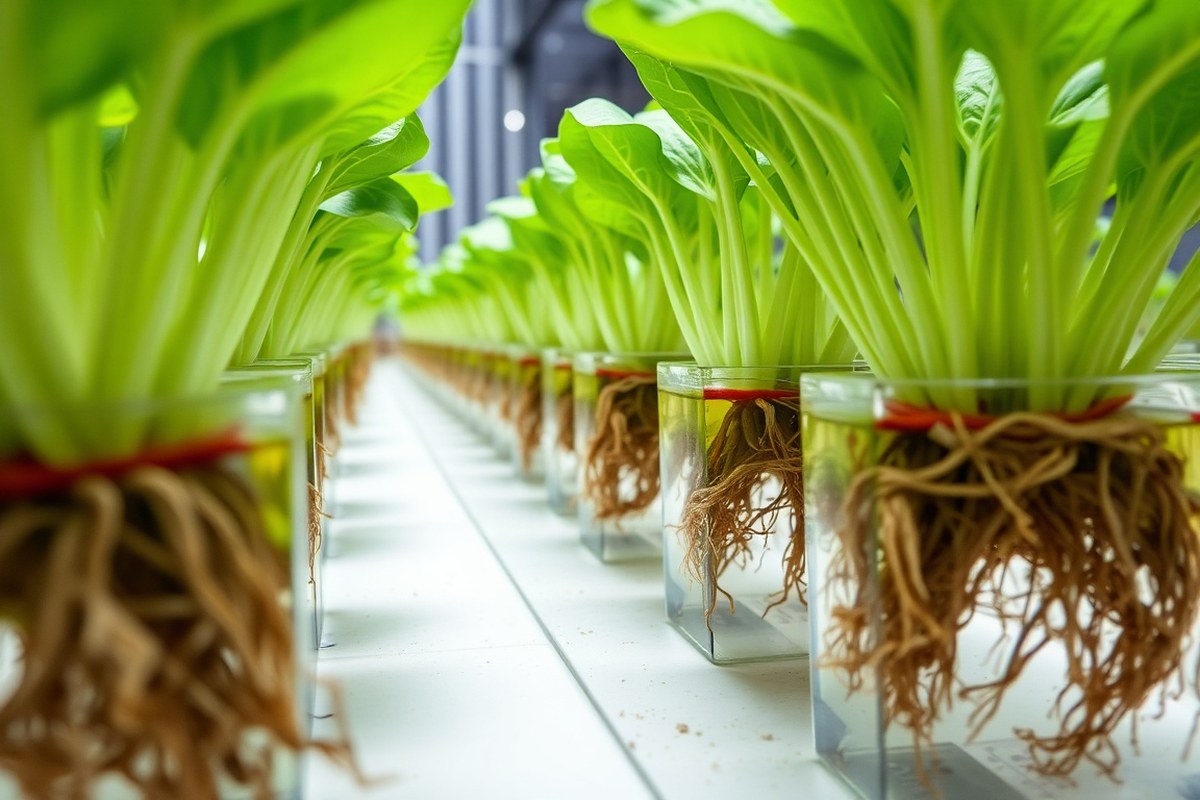
Hydroponic means growing plants without using soil. Instead, plants get their nutrients from a water-based solution. The word comes from Greek and means “working with water.”
Plants usually get food from soil, but hydroponics skips that step. The system feeds plants with water mixed with all the essential minerals. These nutrients dissolve in water, so roots absorb them directly.
Roots often sit in water that has lots of nutrients. They can also grow in clay pebbles. The pebbles help hold the plant steady.
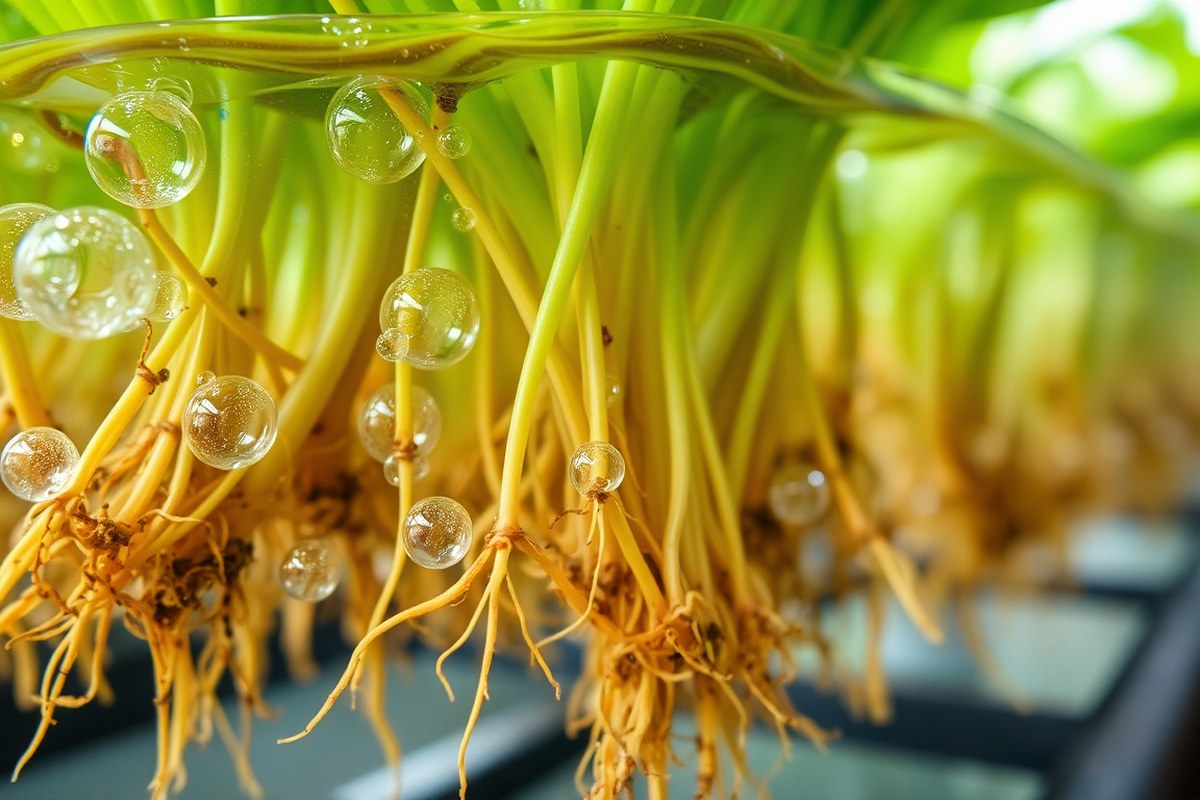
This setup delivers oxygen and nutrients without soil. It lets roots breathe and soak up exactly what they need.
Without soil, you control the feeding closely, avoiding bugs and dirt. A hydroponic garden uses less water than soil gardening, up to 90% less in some systems. That’s because the water recycles instead of soaking away.
To start, you mix specific nutrients into water based on what your plants need. You then place plants in a container with the solution or a non-soil growing medium. The roots stay moist, not dry, and get oxygen from air or bubbles in the solution.
The plant grows faster this way because it spends less energy digging through soil. But it needs constant care to keep nutrient levels, pH, and oxygen right.
Roots can drown or starve when problems happen. Plants will suffer fast.
Common Types of Hydroponic Systems Compared
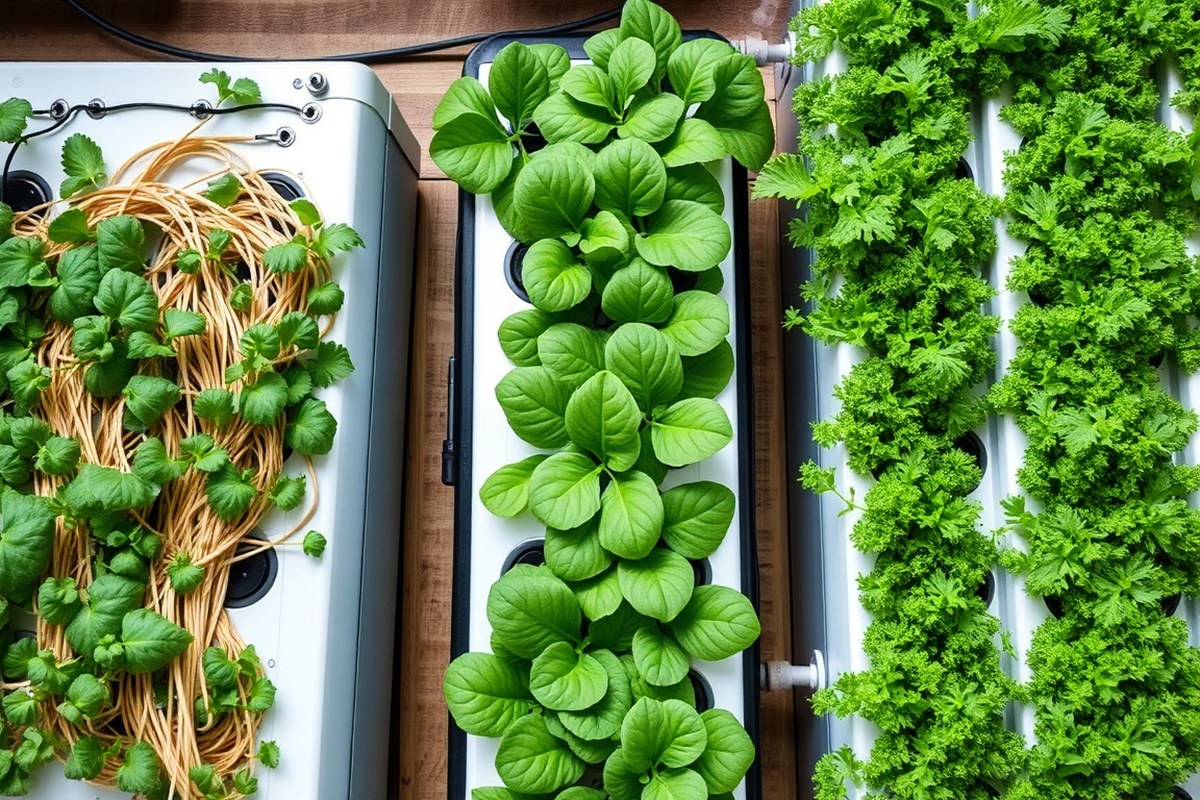
Hydroponic setups vary to accommodate different plants and gardeners. Common types include wick, deep water culture, nutrient film technique, ebb and flow, drip, and aeroponics systems. You should weigh factors like cost, ease of use, plant compatibility, and potential problems to pick the right one.
Wick System Basics and Uses
The wick system uses a simple setup where a wick draws nutrient solution to plant roots. It costs very little and needs no pumps or electricity. This makes it great for beginners growing herbs or small greens.
Its main downside is slow nutrient delivery. Heavy feeders like tomatoes won’t do well since the wick can’t supply enough nutrients quickly. It’s a low-maintenance but limited option.
Deep Water Culture Advantages and Drawbacks
Deep water culture (DWC) suspends plant roots in oxygenated nutrient solution. It’s easy for beginners and works well for lettuce and leafy greens. Setup costs range from low to medium, with a simple air pump providing oxygen.
The biggest risk is if the air pump fails, roots can suffocate quickly. Roots sitting in stagnant water die fast. So regular checks and backup power help avoid problems.
Nutrient Film Technique Features and Risks
Nutrient film technique (NFT) runs a thin stream of nutrient solution. It flows over the roots, providing steady moisture and nutrients. Roots also get good access to oxygen all the time.
This system suits herbs and lettuce grown at scale. It costs more than wick or DWC and requires some skill to manage pumps and flow.
Pump failure here dries out roots fast, which harms plants. Monitoring the pump and having a timer is important to keep the solution flowing steadily.
Ebb and Flow and Drip Systems Overview
Ebb and flow floods plant roots with nutrient solution then drains back to a tank. It handles mixed crops well and suits intermediate growers. Setup is medium cost with pumps, timers, and media-filled trays.
Drip systems use tubing to deliver nutrients directly to each plant’s roots. They are common for crops like tomatoes and roses. Drip setups cost more and need regular maintenance to avoid clogged emitters.
The biggest risk with ebb and flow or drip systems is pump failure. A broken timer can also cause problems.
These issues lead to plants getting too much or too little water. Regular system checks prevent this.
Aeroponics: A High-Tech Variation
Aeroponics mists plant roots with nutrient solution suspended in air. It’s a high-tech method that offers excellent oxygen access and fast growth. Setup costs are higher and system complexity is for advanced growers.
This system uses short-cycle timers to spray roots every few minutes. DIY aeroponics is possible but much harder than DWC or wick systems. It requires constant monitoring to avoid pump or misting failures.
| System | Setup Cost | Difficulty | Best For | Main Failure Risk |
|---|---|---|---|---|
| Wick | Low | Beginner | Herbs, small greens | Too slow for heavy feeders |
| Deep Water Culture (DWC) | Low, Medium | Beginner | Lettuce, leafy greens | Air pump failure = root suffocation |
| Nutrient Film Technique (NFT) | Medium | Intermediate | Lettuce, herbs at scale | Pump failure dries roots fast |
| Ebb and Flow | Medium | Intermediate | Mixed plantings | Timer/pump failure |
| Drip | Medium, High | Intermediate | Tomatoes, roses | Timer/pump failure |
Pick a hydroponic system based on your budget and plant types. Also, think about how much time you want to spend running it. These factors help match you with the right setup.
Wick systems require little upkeep but suit only small crops. More complex setups like drip or aeroponics support heavier or varied plants but need regular checks.
Check your air pumps and timers daily to avoid sudden root damage or drying out.
Growing Media Alternatives to Soil
Hydroponic growing skips soil and uses special media to support roots. Rockwool is the most popular medium. It’s made by spinning basalt rock into fibers.
These fibers hold water well. They still leave 18% air space for roots to breathe.
Clay pebbles are another common choice. They don’t hold much water themselves but provide excellent air flow and drain quickly. This suits plants needing oxygen around their roots.
Clay pebbles last for years and can be reused. They cost more upfront.
Coco coir, made from coconut husks, strikes a balance by holding moisture and enough air space. It’s easy to handle and breaks down slower than soil, which helps roots grow steadily. Many home growers like it for herbs and leafy greens because it’s lightweight and natural-feeling.
Choosing media depends on the plant type and system design. Rockwool suits plants that like constant moisture, like tomatoes and lettuce.
Clay pebbles work well in flood-and-drain setups where roots get wet then dry quickly. Coco coir fits versatile setups needing moderate water and air retention.
Each medium affects how often you water and how well roots get oxygen. Rockwool keeps moisture for hours but can stay too wet if overwatered.
Clay pebbles dry fast but need consistent watering to avoid drying out roots. Coco coir holds water longer but drains enough to prevent root rot if managed right.
Buying media varies in cost. Rockwool cubes cost about $0.10 to $0.30 each and usually come in packs. Clay pebbles cost around $15 to $25 for a 5-gallon bag.
Coco coir bricks range from $5 to $10 and expand when soaked. All require rinsing before use to remove dust and debris.
Problems happen when media holds too much water and roots suffocate. Or when it dries out too fast.
Watching plant health helps you adjust watering schedules. Proper aeration with air pumps or circulating nutrient solution also keeps roots alive and growing strong.
Nutrient Solutions: What Plants Need and How to Manage Them
Hydroponic nutrient solutions provide plants with the minerals needed for growth. These solutions contain nitrogen, phosphorus, potassium, and calcium to encourage healthy development. They also include magnesium, sulfur, and small amounts of trace elements like iron, zinc, and manganese.
The roots sit directly in this liquid solution. So the plants absorb nutrients faster than soil-grown plants. Growing in liquid lets you control what plants get.
This helps produce higher quality fruits and vegetables. You can adjust the nutrient mix easily. The solution needs topping off every few days.
You replace it fully every one to three weeks. This depends on system size and plant growth.
Maintaining the right pH level is critical for nutrient uptake. A slightly acidic pH of 5.5 to 6.5 works best because nutrients dissolve well in this range.
Use a digital pH meter or test strips to check the solution regularly. Add small amounts of pH up or down liquids to adjust it when needed.
Electrical conductivity (EC) measures the nutrient strength in the solution. It tells you how concentrated the minerals are and if plants have enough to consume. Most hydroponic crops grow well with EC levels between 1.2 and 2.0 mS/cm.
Higher EC can burn roots, while low EC means nutrients are insufficient. A handheld EC meter helps monitor this. You adjust concentration by adding water or nutrient mix accordingly.
Keep your nutrient solution cool and away from sunlight to avoid algae and bacteria growth. Store it around 65 to 75 degrees Fahrenheit, which protects nutrients and plant roots. Make sure you use food-grade containers and pumps since the solution touches your edible plants directly.
In active hydroponic systems, a pump circulates the nutrient solution over plant roots continuously. Losing pump power can cause plants to dry out quickly. They need steady water flow to stay healthy.
To avoid this, inspect pumps and timers often, and have backups if needed. Beginners should try a simple wick system.
It uses a cotton wick to draw nutrients up. This method is safer but slower.
Best Plants to Grow Hydroponically and Growth Expectations
Many leafy greens, herbs, and fruiting plants grow best in hydroponic systems. These plants often grow up to 25-50% faster than in soil. Proper light helps make the most of this faster growth.
Herbs Suited for Hydroponics
Herbs like basil, parsley, chives, and mint do well in hydroponics. Their fast growth and small size make them good beginners’ plants. These herbs forgive occasional mistakes and respond well to nutrient control.
Compact varieties thrive in small systems like wick or nutrient film technique setups. They require consistent nutrients and clean water for best results. Keep temperatures between 65 and 75°F for healthy growth.
- Basil
- Parsley
- Chives
- Mint
- Cilantro
- Dill
Overfeeding nutrients can burn delicate herb roots, so monitor levels closely.
Leafy Greens and Salad Crops
Leafy greens such as lettuce, spinach, kale, and arugula excel hydroponically. They grow about 25-50% faster and produce crisp, uniform leaves. These crops tolerate day length variations and benefit from steady water and nutrient flow.
Systems like nutrient film technique or deep water culture fit leafy greens well. You can grow them year-round indoors with 12-14 hours of light daily. They need cooler temps around 60-70°F to avoid bolting.
- Lettuce (various types)
- Spinach
- Kale
- Arugula
- Mustard greens
Watch humidity levels; too much moisture can cause mold or mildew on leaves.
Fruiting Plants Like Tomatoes and Strawberries
Tomatoes, strawberries, and peppers grow well but need more care and strong light. These fruiting plants take longer than leafy greens but still grow faster than in soil. They need stable nutrient schedules and pollination if indoors.
Hydroponic fruit growers often use high-intensity discharge (HID) lamps or powerful LEDs. Space plants properly to allow airflow and reduce fungal risks. Keeping temperatures near 70-80°F encourages fruit set and development.
- Cherry tomatoes
- Strawberries
- Mini peppers
- Cucumbers (small varieties)
Fruiting plants need more light; 14-16 hours daily helps maximize yield.
Lighting Requirements for Indoor Systems
Grow lights must mimic natural sunlight to support photosynthesis indoors. Leafy greens and herbs do fine with simple LED grow lights. These lights often cost $30 to $100 and are energy-efficient for small setups.
Fruit-bearing plants require stronger lighting like HID lamps or high-powered LEDs. These provide more intense, broad spectrum light needed for flowering and fruiting. You’ll need 12-16 hours of light daily for good growth.
- Basic LED lights for lettuces and herbs
- HID or high-powered LED for fruiting plants
- 12-14 hours of light for greens
- 14-16 hours of light for tomatoes and fruit
- Adjust light height to avoid burning leaves
- Use timers to maintain consistent light cycles
Too much light heat can stress plants; keep lights at proper distance.
Water, Oxygen, and Environmental Controls in Hydroponics
Water quality is a big deal for hydroponics. You need clean water with a neutral pH between 5.5 and 6.5. That range helps plants absorb nutrients most efficiently.
Testing water quality regularly is important. Use a pH meter or test strips every few days. When the pH moves out of range, add pH up or down solutions, which normally cost under $15.
Oxygen for roots matters just as much as water and nutrients. Roots need oxygen to breathe and grow strong. Systems like deep water culture use air pumps to bubble oxygen into the nutrient solution.
Other setups, like nutrient film technique (NFT), keep roots moist but not soaked. This thin water film lets oxygen into the root zone easily. Without oxygen, roots can rot or die quickly.
Keep an eye on temperature, too. Nutrient solutions work best between 65 and 75 degrees Fahrenheit.
Too much warmth lets microbes grow and steal oxygen from your roots. Too cold, and roots slow their uptake of nutrients.
The room or greenhouse temperature should be steady, around 70 to 80 degrees. Avoid big swings or drafts, which stress plants and slow growth. Lighting also affects temperature around plants.
Humidity and air circulation help prevent mold or fungus. Aim for about 50 to 70 percent humidity.
Use fans to keep air moving gently. That reduces disease and encourages strong stems and leaves.
Actively managing these factors takes practice but pays off. Poor water quality or low oxygen will stunt your plants quickly. By checking pH, oxygen levels, and environment regularly, you’ll see healthy roots and bigger yields.
Setting Up and Maintaining a Home Hydroponic Garden
Starting a home hydroponic garden needs some basic gear and steady upkeep. You can pick a system that fits your space and skill level. Regular checks and solution changes keep plants healthy and growing fast.
Essential Equipment and Materials
You’ll need a container for your plants, a water reservoir, a pump, and tubing. A nutrient solution made for hydroponics feeds your plants without soil. Many beginners pick an ebb and flow system to start.
It’s easy to build. It’s simple to manage.
Lighting helps the plants grow if your space doesn’t get enough natural sun. Use artificial grow lights and keep them on 12 to 16 hours daily.
The growing medium, like rockwool or clay pebbles, holds roots. It lets water flow and air pass.
Daily and Weekly Maintenance Tasks
Check your plants daily for wilting, pests, or yellow leaves. Keep an eye on your water level and top it off with fresh water as needed. Make sure your pump and tubing are working properly.
Once a week, drain your nutrient tank and refill it with fresh solution. This stops buildup of salts and keeps nutrient levels balanced. Clean algae and debris from your system parts weekly.
This stops blockages. It also prevents root damage.
Common Mistakes and How to Avoid Them
One common mistake is letting the nutrient solution overheat. Keep the reservoir cool and out of direct sunlight to protect oxygen levels. Too warm water can stress roots and slow growth.
Another slip-up is forgetting to change the nutrient solution regularly. Old solution loses nutrient strength and can harm plants.
Yellow or small leaves mean check your nutrient mix. Refresh the solution to fix it.
- Choose a simple system type, like ebb and flow, to start.
- Get a reservoir, pump, tubing, grow tray, and a growing medium.
- Add hydroponic nutrients to water following package instructions.
- Plant seeds or seedlings in your medium and place them in the tray.
- Connect the pump tubing to flood the tray with nutrient solution.
- Set timers to control flooding for ebb and flow systems if used.
- Position grow lights 6 to 12 inches above plants for enough light.
- Monitor temperature, water levels, and plant health every day.
Benefits and Challenges of Hydroponic Gardening
Hydroponic gardening can save up to 90% less water compared to soil farming. This water savings happens because the system recycles water in a closed loop. Plants get exactly what they need, so there’s less waste from evaporation or runoff.
Besides water savings, hydroponics often helps plants grow faster. Controlled nutrients and oxygen levels create ideal root conditions. Aeroponic setups can boost yields by 45 to 75 percent.
They use 60 percent less fertilizer than traditional systems. This helps you save money and resources.
One upside is that you can grow year-round indoors. This avoids climate risks and pests since the environment is sealed. It also reduces transportation needs because food can be grown close to home.
On the downside, hydroponics depends heavily on electricity. Pumps and air stones must run constantly to keep nutrient flow and aeration steady. Power failure can quickly cut oxygen to roots.
Without oxygen, roots suffer and crops may die. This is a common risk in hydroponics.
The initial costs can also be high. Setting up a good hydroponic system can cost several hundred dollars. You need lighting, pumps, and proper nutrient solutions.
This investment helps your plants grow well. Smaller countertop kits cost less but limit crop size.
System failures are a big risk to manage. A stopped pump or clogged line can stress or kill plants within hours.
Monitoring and quick fixes are necessary. Backup power might be a smart investment if outages are common.
Keep spare parts for pumps and air stones handy to avoid crop stress during failures.
Your First Week: A Quick-Start Plan for Hydroponic Gardening
Follow these steps to get your hydroponic system up and running smoothly. Each task builds on the last to help your plants thrive.
- Day 1: Choose a small system type, like nutrient film technique, to start. Make sure it fits your space and budget.
- Day 2: Prepare your growing media such as coconut coir or clay pellets. Rinse it well to remove dust and particles.
- Day 3: Mix your nutrient solution following the package instructions. Test the pH and adjust it to 5.5 to 6.5 for most plants.
- Day 4: Set up your plants or seeds in the media. Check that roots have good contact with the nutrient solution.
- Day 5: Turn on the system and monitor water temperature, keeping it between 65°F and 75°F. Adjust room temperature if needed.
- Day 6: Check for air bubbles or clogs in the system tubing. Fix those to keep oxygen flowing to roots.
- Day 7: Inspect plant growth and look for any yellowing or drooping. Adjust nutrients or lighting if plants show stress.
Frequently Asked Questions
What Does Hydroponic Mean in Gardening?
Hydroponic means growing plants without soil using nutrient-rich water. It lets roots access nutrients directly, which can speed growth.
Why Is Hydroponic Growing Faster Than Soil Growing?
Plants grow 30-50% faster hydroponically because nutrients are easy to absorb. Roots get everything they need without searching through soil.
Does Hydroponic Gardening Save Water?
Yes, it saves up to 90% of water compared to soil gardens. Hydroponics recycles water and reduces loss from evaporation.
Can Hydroponic Systems Be Used Indoors?
Absolutely, hydroponic systems fit well indoors due to small space needs. You control light, temperature, and nutrients easily.
What Type of Water pH Do Hydroponic Plants Need?
Hydroponic plants prefer a slightly acidic pH, around 5.5 to 6.5. This range helps them absorb nutrients best.
Are Hydroponic Plants More Disease-Resistant?
They usually are because hydroponics avoids soil pathogens. Soil-borne diseases affect traditional plants more.
Before You Go
Hydroponics means growing plants without soil, using water and nutrients directly. Starting small and watching your plants closely helps you learn fast. Move from setup to feeding your plants and adjust as you go for best results.