Why Is My Snake Plant Curling? Complete Causes and Proven Fixes
Why is my snake plant curling? Most often, curling happens because the plant is stressed from too much or too little water. Getting the watering right usually fixes the problem fast.
Check the soil before watering. When the top 1-2 inches of soil feel dry, water your plant.
Temperature and light also affect curling. Snake plants prefer temperatures between 55 and 85 degrees Fahrenheit.
They need 6 to 8 hours of indirect sunlight each day. Keep your plant away from cold drafts and hot, dry air to prevent curling.
Watch for pests and root health, too. Pests can cause leaf damage that makes leaves curl. Roots stuck in a small pot might stress the plant.
Treat bugs quickly to protect your plant. Repot if roots look crowded.
Key Takeaways
- Water when the top 1-2 inches of soil feel dry to the touch.
- Maintain temperatures between 55°F and 85°F to avoid stress curling.
- Provide 6-8 hours of indirect sunlight daily for strong, healthy leaves.
- Raise indoor humidity from 15-20% to around 35-45% during dry months.
- Keep your snake plant outdoors when temperatures stay above 60°F for best growth.
- Check regularly for pests and treat immediately to prevent leaf damage.
What Causes Snake Plant Leaves to Curl?
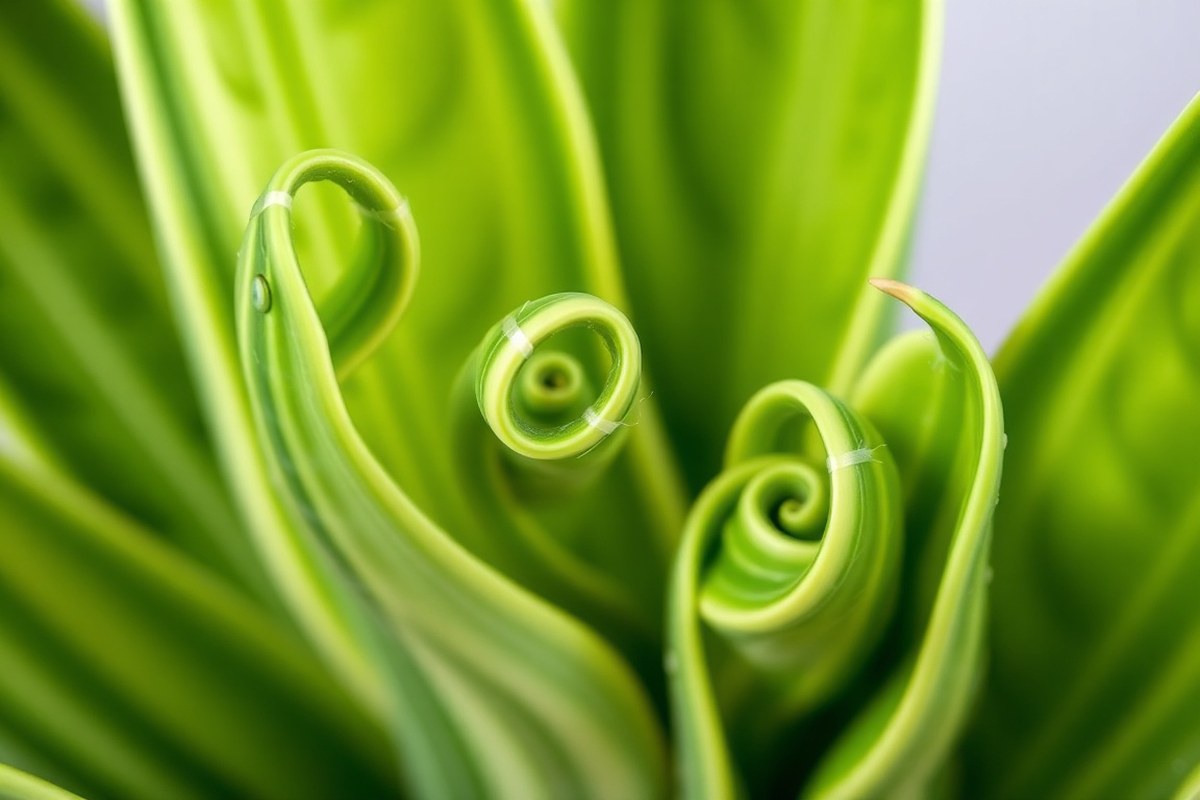
Snake plant leaves curl inward or outward mostly due to water-related issues. Underwatering causes the leaves to curl inward lengthwise, with edges rolling toward the center.
Overwatering leads to curling combined with soggy soil, mushy stems, and yellowing. Your plant often curls its tips or margins downward to hold onto moisture.
Besides water, nutrient problems can cause curling. A lack of nitrogen makes lower leaves yellow, soft, then curl inward.
Pests like thrips create twisted, asymmetric leaf distortions and silvery streaks. The plant’s temperature also matters, too hot or cold can stress leaves to curl.
- Leaves curl inward with edges rolled toward the middle: underwatering
- Curled leaves, wet soil, mushy stem base, and yellow leaves: overwatering or root rot
- Twisted leaves with silvery streaks: thrips infestation
- Leaf margins dry and curling, often at the tips: moisture retention
- Lower leaves turning yellow and soft before curling: nitrogen deficiency
- Leaf curling paired with extreme temperatures: temperature stress
Look closely for soft or yellow areas to spot overwatering. Dry soil usually means underwatering. Check for visible pests by shaking leaves onto white paper.
Yellowing lower leaves suggest nutrition issues, especially nitrogen shortage. Curling with stiff, dry edges usually points to dry air or watering problems.
Leaves curling inward or outward is the plant reacting to stress. It tries to protect itself by curling its leaves. This curling helps reduce water loss.
Sometimes, it happens because the roots are damaged. Snakes plants usually recover once you fix the water, pests, or temperature problem. Finding the exact cause helps you bring the leaves back to straight, healthy growth.
How Incorrect Watering Leads to Leaf Curling
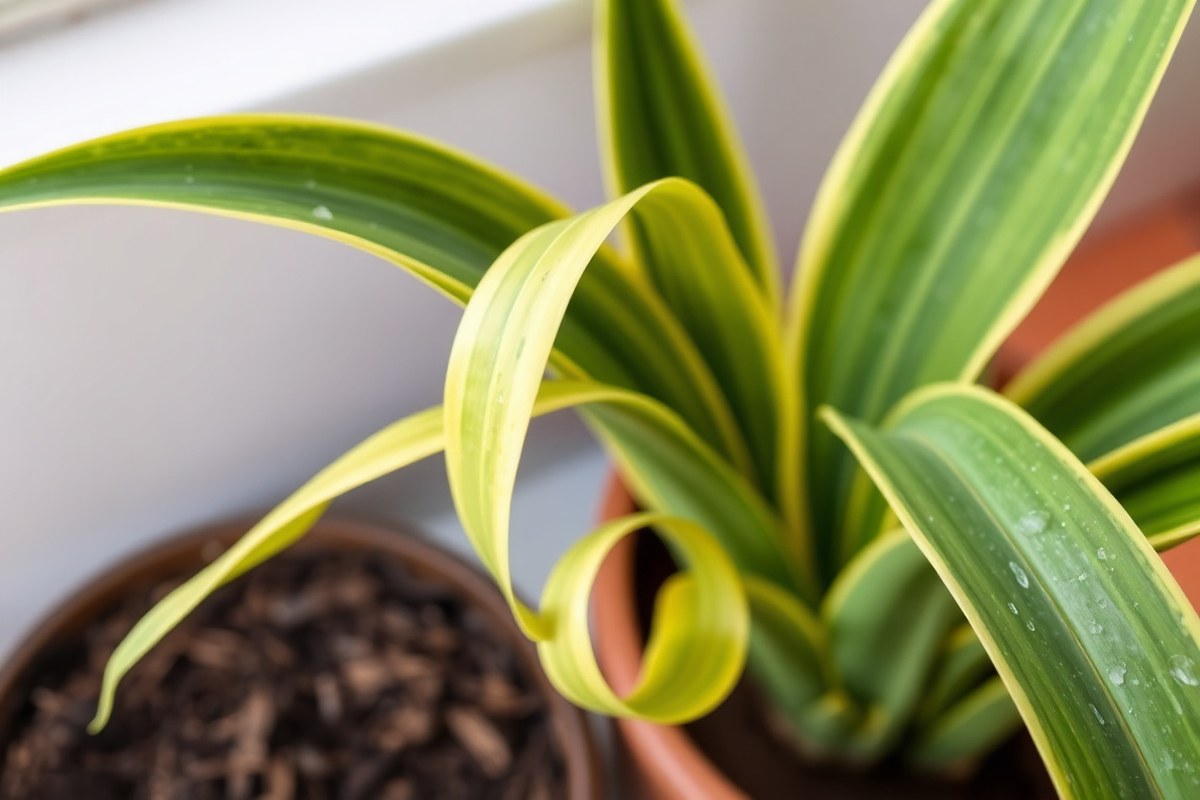
Leaf curling in snake plants happens both when underwatered and overwatered. Underwatering makes leaves curl inward to save moisture. Overwatering causes root damage that stops water from reaching leaves, which also leads to curling.
Signs of Underwatering
Underwatered snake plants have dry, curling leaves that look shriveled. The leaves often feel stiff and crispy at the edges. The soil will be hard and dry well below the surface.
Leaves curl to reduce surface area and cut moisture loss. You’ll notice the curling starts at the leaf tips, moving inward over time. The plant may also seem dull or lifeless without new growth.
Symptoms of Overwatering and Root Rot
Overwatered snake plants show soft, limp leaves that curl or fall over easily. Yellowing leaves often appear along with a soggy, smelly soil smell. The roots may be black and mushy if you check.
Root rot stops roots from transporting water, even when soil is wet. Curling happens because damaged roots can’t feed the leaves. Overwatering often follows heavy or compacted soil with poor drainage.
Watering Frequency and Soil Moisture Tips
Water only when the top 1 to 2 inches of soil feel dry to the touch. Water your snake plant every 10 to 14 days in summer. In winter, water it every 3 to 4 weeks.
Keep the soil mostly dry between watering sessions. Check moisture by poking your finger or using a moisture meter.
A good moisture check shows dry soil on top but slightly damp soil below. Heavy or water-retentive soils need less watering to avoid root problems. Using fast-draining soil helps keep roots healthy and stops curl.
How to Water Correctly to Recover Leaves
When underwatered, give your plant a deep watering at the pot’s bottom. Spread the water evenly to reach all roots.
Let excess water drain out and then wait for the soil to dry before watering again. Return to the regular schedule: every 10-14 days in warmer months, less in cooler months.
For overwatered plants, you need to unpot and trim any rotten roots first. Repot with fresh, well-draining mix to allow airflow. Avoid watering again until the soil’s dry to at least 1-2 inches deep.
Curling leaves mean act quickly, check soil moisture and adjust watering without delay.
Impact of Temperature and Humidity on Leaf Curling
Snake plants curl leaves when too cold or dry. Low humidity makes leaves curl. They try to protect themselves from stress.
Cold drafts below 55°F (13°C) make leaves curl. Heat above 90°F (32°C) does the same. Leaves curl to protect the plant.
Low humidity also causes stress that leads to curling. But proper indoor conditions can prevent this.
Optimal Temperature Ranges
The best temperature range for snake plants is between 60°F and 85°F (16°C to 29°C). They tolerate brief dips to about 55°F (13°C) but don’t do well if it stays colder. Heat over 90°F (32°C) stresses the snake plant.
Leaves may curl or droop. The plant tries to save moisture.
Keeping your snake plant in steady temperatures protects its leaves from curling. A spot away from heaters or air conditioners usually works well. Avoid places where temperature shifts often, like near exterior doors.
Effects of Cold Drafts and Heat Stress
Cold drafts below 55°F (13°C) make leaves curl inward. This reduces the plant’s exposed surface area. It helps the plant stay safe.
This is the plant’s defense against moisture loss during cold stress. Rapid temperature changes often trigger curling, browning leaf tips, or yellowing.
Heat stress over 90°F (32°C) also triggers curling. Leaves curl to avoid too much water loss through evaporation. High heat and direct sun makes curling worse.
It dries out the leaves fast. The plant tissues suffer from the heat.
Humidity Levels and Leaf Curling
Snake plants prefer dry air. But very low humidity causes stress that leads to curling leaves.
Sudden drops in indoor humidity, common in winter with heaters, reduce leaf turgor pressure. This makes leaves curl or twist as they lose moisture.
Humidity below 30% is risky for snake plants. Snake plants handle dry air better than tropical plants. But moderate humidity keeps leaves firm.
They stay upright with proper moisture. Too dry air weakens leaves and slows plant growth.
Using Humidifiers and Location Tips
Running a humidifier near your snake plant adds moisture to dry indoor air. This can prevent curling caused by low humidity, especially in winter. Set the humidifier to keep humidity around 40% to 50% for the best balance.
Bathrooms and kitchens usually have higher humidity. Placing your snake plant here helps. It keeps the leaves healthy and firm.
Avoid spots next to cold windows or heating vents. A humidity tray with water and pebbles adds moisture.
Place it under the pot. This keeps the air near the leaves moist.
Light Conditions and Their Role in Leaf Curling
Snake plants handle various light levels but react badly to extremes. Leaves curl inward when the plant does not get enough light. This shows the plant is trying to reach for more sun.
Put your snake plant where it gets 6 to 8 hours of indirect sunlight each day. Low light can make leaves curl.
Too much direct sunlight quickly dries the leaves and damages them. Intense sun, especially from a south-facing window, raises water loss and harms leaf cells.
This stress often causes curling or bleaching. Move the plant away from direct rays or use sheer curtains to soften the light.
Check if upper leaves shade the lower ones, causing uneven light exposure. Rotate your plant every week to ensure all sides get balanced light.
Choose a bright spot indoors that avoids harsh afternoon sun. Artificial grow lights with a timer can help if natural light is scarce.
Once adjusted, expect curled leaves to gradually straighten in a few weeks. Watch your plant’s colour return to deep green and leaves firming up. Avoid sudden light changes; shift spots gradually over several days to prevent more stress.
How Root Health and Pot Size Influence Curling Leaves
Curling leaves on your snake plant happen when roots crowd the pot. The roots take up all space. This leaves little room to grow.
Root-bound plants don’t have space for new roots to grow, which stresses the whole plant. Repotting at the right time can stop leaf curling.
Use proper soil to ease the root stress. This helps your plant bounce back.
Identifying Root-Bound Conditions
A snake plant that’s root-bound usually shows slow growth and drooping or curling leaves. The plant may lean or feel loose when you gently lift it from the pot. Roots growing out of the drainage holes or circling tightly inside the pot are clear signs.
To check if your plant’s root-bound, carefully slide it out of its pot. The roots are packed tight and hard to pull apart. Your plant needs a bigger pot to grow.
The soil looks dry even after a recent watering. This shows the roots have filled all space. They soak up the water fast.
Indicators of Root Stress
Root congestion reduces the plant’s ability to absorb water and nutrients. This can cause leaves to curl inward or turn brown at the edges. Yellowing leaves or soft spots near the base also signal root issues.
Sometimes root rot follows root bound stress. Rotten roots look slimy and smell bad.
You should trim dead roots before repotting your plant. This step helps the snake plant recover well.
Repotting Steps for Snake Plants
Pick a pot 1 to 2 inches wider than the last. This gives your snake plant room to grow. Don’t pick one too big.
Gently remove the plant and shake off old soil carefully to avoid root damage. Trim off any rotten or dead roots with clean scissors.
Place a small layer of well-draining soil in the bottom of the pot. Set the plant in and fill around the roots without packing the soil tightly. Water your snake plant lightly right after repotting.
Keep it out of direct sunlight one week. This helps avoid shock to the plant.
Choosing the Right Pot and Soil Mix
Use a pot with drainage holes to avoid water build-up that causes root rot. Terracotta pots are a good choice since they breathe better than plastic. Pick a pot that fits your plant’s roots well.
Avoid pots that are too big. Large pots hold too much moisture.
Pick a soil mix designed for succulents or cacti. These mixes drain well and keep roots healthy.
Mix perlite or sand into your soil to improve drainage. Better drainage helps stop leaf curling from too much water.
Repotting every 2 to 3 years prevents root bound stress and keeps your snake plant healthy.
Common Pests That Cause Curling Leaves and Treatment Options
Thrips, mealybugs, and spider mites can cause snake plant leaves to curl. These pests suck sap from the leaves, leaving them distorted and discolored. You may notice tiny webs, white cottony spots, or tiny moving dots on your plant.
Look closely along the leaf edges and undersides for small insects. Mealybugs look like white fluffy clusters on plant leaves. Spider mites make fine webs close to the plant surface.
Thrips are tiny, slender bugs that might be hard to spot. Damage includes curled, shrunken leaves and brown or yellow spots.
Start by isolating your snake plant to prevent pest spread. Use a cotton swab dipped in rubbing alcohol to remove mealybugs manually.
Wiping down leaves with mild soapy water can deter thrips and spider mites. Spray neem oil or insecticidal soap weekly for two to three weeks to kill hidden pests.
Avoid chemical pesticides, since they can harm your snake plant and indoor air. Rinse the plant well after treatment to remove residue. Check your plant every few days during treatment to spot any new pests quickly.
Prevent pests by keeping your snake plant healthy and stress-free. Maintain balanced watering and good airflow around the plant. Avoid placing your snake plant near infested plants or dusty areas where pests hide.
Regularly inspect leaves for early signs of pests. Early detection and treatment stop pests from spreading and damaging your plant permanently. Pest problems usually clear up in 2 to 4 weeks with consistent care and monitoring.
How to Diagnose Leaf Curling and Choose the Right Fix
Start by observing the curling pattern and any other signs on your snake plant. Look carefully at the leaf tips and base, spots, or fuzz. These details help tell if water, pests, or environment cause the problem.
Check your watering habits and water quality first. Overwatering causes soft, limp curls, while underwatering results in dry, crispy edges. The plant looks thirsty when leaves curl inward with dry brown spots.
Inspect the leaves closely for tiny bugs, webs, or sticky residue. Small white pests like mealybugs or spider mites leave signs.
You can see them with bright light or a magnifier. Curling plus spots often signals fungal issues, so watch for discoloration.
Environment also matters. Snake plants like temps above 60°F (15°C).
Cold drafts or sudden temperature changes cause leaves to curl stiffly. Low humidity dries leaves out, too.
Use this quick checklist to diagnose and decide your next move. The check takes about 10 minutes using just a magnifying glass and moisture meter. You can also test moisture with your finger.
- Examine the leaf curls closely for texture and spots.
- Feel the soil for moisture: damp, soggy, or dry.
- Look under leaves using bright light for pests like mites.
- Touch the leaves; soft curl indicates overwatering, dry curl means underwatering.
- Check the temperature near your plant; above 60°F (15°C) is ideal.
- Consider your water source, tap water can harm; try filtered or rainwater.
- Note any brown or black spots, hinting at fungal infection.
- After fixing the issue, wait 4 weeks. Curling leaves mean you should check the plant condition again.
Avoid jumping to pest treatment if the soil feels soggy, you might drown the plant. Similarly, don’t switch water types without testing moisture first. These mistakes delay recovery and could worsen the curl.
Fix the problem based on the cause: less water if soggy. Water more if dry. Use pest spray if bugs are present.
Switching to soft water ended curling for a grower using city water. Remember, patience for weeks is needed before new leaves appear straight again.
Snake Plant Recovery Timeline After Fixing Curling Issues
After you fix the cause of curling, your snake plant will stop getting worse. This usually happens within about a week. New leaves grow straight and firm around 3 to 4 weeks later.
Old curled leaves may stay curled because the damage is often permanent. You can trim curled leaves once the plant is healthy again. This often takes about 3 months.
The plant shows recovery by growing new, strong leaves and no new curling. You’ll notice less drooping and the leaf edges becoming firmer. Watch for healthy green color returning as well.
Keep watering steady but avoid overwatering. Also, provide indirect light at 70 to 90°F. Temperatures below 50°F or over 95°F can slow recovery.
Giving your snake plant good airflow and avoiding drafts helps it heal faster. Avoid fertilizing during recovery since stressed plants don’t use nutrients well. Once new growth appears, you can gradually add diluted houseplant fertilizer monthly.
Long-term care is important since snake plants take time to recover. Full recovery often takes 3 to 6 months depending on damage.
Trim badly curled leaves carefully with clean scissors to keep the plant tidy and healthy.
Step-by-Step Action Plan to Fix Curling Leaves on Your Snake Plant
Follow these simple steps to stop your snake plant leaves from curling. Keep an eye on changes to know what’s working.
- Day 1: Check soil moisture. Water only if the top inch feels dry to avoid overwatering.
- Day 3: Move the plant to bright, indirect light if it’s in low or harsh sunlight. Watch for less curling.
- Week 1: Inspect for pests like spider mites or mealybugs. Use insecticidal soap if you spot any bugs.
- Week 2: Assess pot size and drainage. Repot into a slightly larger container with good drainage if roots are tight.
- Week 3: Maintain room temperatures between 65 and 80°F and keep humidity moderate. Use a humidifier if air is too dry.
- Week 4: Prune any badly curled or damaged leaves to encourage healthy new growth.
- After 5 weeks: Check leaf firmness and color. Healthier leaves mean your plant is recovering well.
Frequently Asked Questions
Why Is My Snake Plant Curling Only at the Tips?
Curling at the tips usually signals underwatering or light stress. Check your water schedule and reduce direct sunlight exposure if needed.
Can Over-Fertilizing Cause Snake Plant Leaves to Curl?
Yes, too much fertilizer can burn roots causing leaf curl. Use a diluted fertilizer only during the growing season.
Why Do Older Snake Plant Leaves Curl While New Ones Stay Straight?
Older leaves curl due to natural aging or stress from past conditions. Focus on consistent care to keep new leaves healthy.
Can Low Humidity Cause My Snake Plant Leaves to Curl?
Low humidity rarely causes curling in snake plants but may increase stress. Keep humidity moderate and watch for combined factors.
Is It Normal for Indoor Snake Plants to Curl During Winter?
Curling during winter can happen if watering or light changes. Adjust watering and light as days get shorter to prevent curling.
How Quickly Will My Snake Plant Recover After Fixing Leaf Curling?
Recovery often starts within a week but can take a month. Consistent care and environment stability speed up healing.
The Bottom Line
Leaf curling on snake plants usually means water, light, or pests are off. Fix these issues step by step. Start today by checking your plant’s soil moisture and light levels.