How to Keep Deer Out of Your Yard: 8 Proven Strategies That Actually Work
How to keep deer out of your yard starts with a sturdy fence. Deer can easily jump over fences shorter than 8 feet.
So aim for at least that height. Bury the fence 6 to 12 inches deep to stop deer from pushing underneath it.
You don’t need a fancy fence. But it must have no gaps bigger than 6 by 6 inches.
That keeps deer from crawling through small holes. Regular checks on the fence help catch any damage before deer get inside.
Building an 8-foot fence around your garden is the most reliable way to keep deer out. Even if it looks tall, most yards can still have views past the fence. This method works well because it directly blocks deer’s easy paths.
Key Takeaways
- Install an 8-foot-high fence to prevent deer from jumping over it.
- Bury the fence 6 to 12 inches underground to stop deer digging under.
- Keep gaps in the fence smaller than 6 by 6 inches to block deer entry.
- Regularly inspect your fence for holes or weak spots and fix them fast.
- Your fence doesn’t need to be fancy; focus on height and no gaps.
- Use electrified fences with deterrents like peanut butter tinfoil for serious problems.
1. Build the Right Fence to Effectively Keep Deer Out
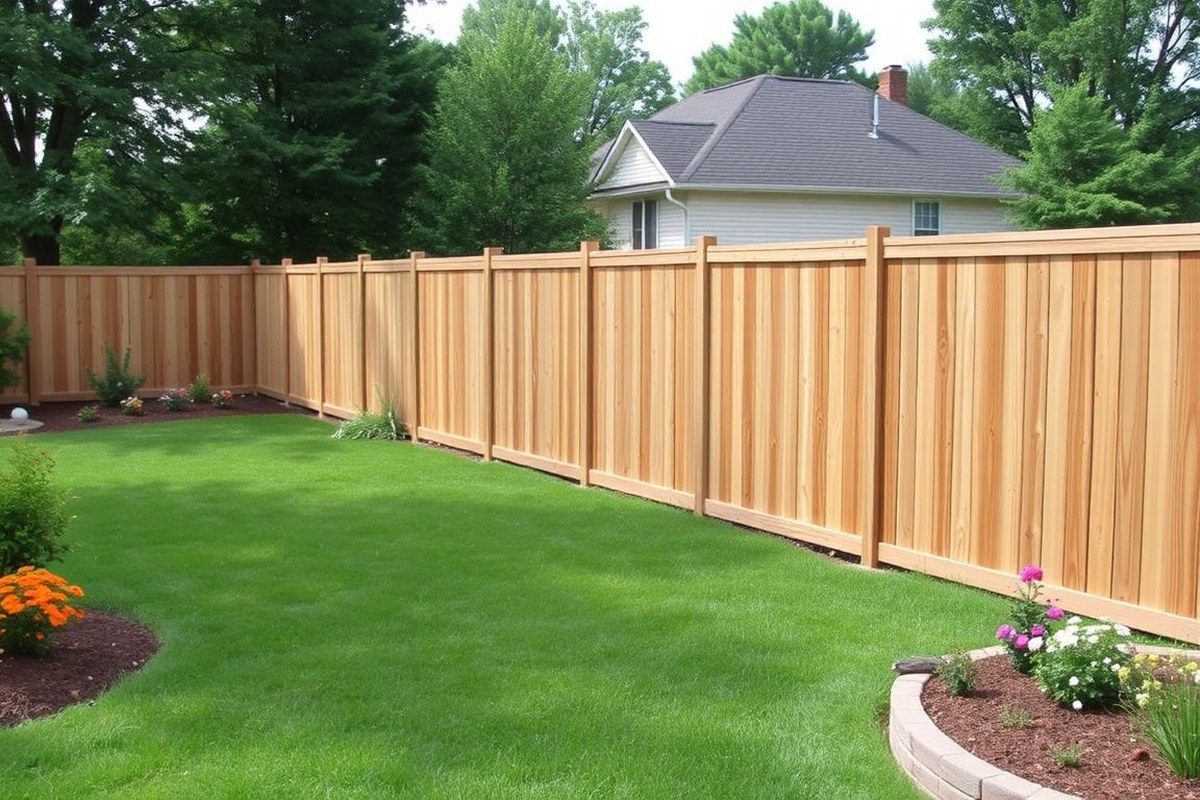
Deer fences should be at least 8 feet tall to work well. Deer can jump over 7 feet easily, so short fences fail. Make sure your fence has no gaps bigger than 6 by 6 inches.
Fence materials can vary, but strong wire mesh or high-tensile woven wire work best. Wood fences also work but cost more and need regular upkeep. Bury the fence 6 to 12 inches deep into the ground.
This stops deer from crawling under it. It also prevents them from pushing the fence up.
Some gardeners use two shorter fences instead of one tall fence. Space the fences about 4 to 5 feet apart. This setup can confuse deer and keep them out.
This method confuses deer, making it harder for them to jump in one go. An alternative is angling the fence out at 45 degrees to block their takeoff space.
Before starting, check local laws and HOA rules about fence height and materials. Many places limit fences to 6 feet tall.
You may need a special permit for taller deer fences or to build in certain zones. It’s best to ask your city or association before buying materials.
- Choose fence height at least 8 feet tall for deer
- Use strong wire mesh or woven wire fence
- Bury bottom 6, 12 inches underground
- Consider two fences 4, 5 feet apart as an alternative
- Check local height and permit restrictions first
- Angle the fence outward 45 degrees to block deer jumps
Install fence posts securely every 6 to 8 feet for support. Stretch fencing tightly to avoid gaps or sagging. Add a top rail or wire for extra strength.
Expect to spend several hundred dollars or more on materials and installation, depending on yard size. Properly built fences last years with little repair.
Failing to bury the fence deep enough lets deer push under it. Too short or weak fences simply get jumped over. Gaps let deer squeeze right in.
Poorly secured fencing sags and gives weak spots. You might have to take your fence down later due to rules.
This can waste your time and money. Check local laws before building your fence.
2. Use Deer-Resistant Plants and Landscape Design Strategically
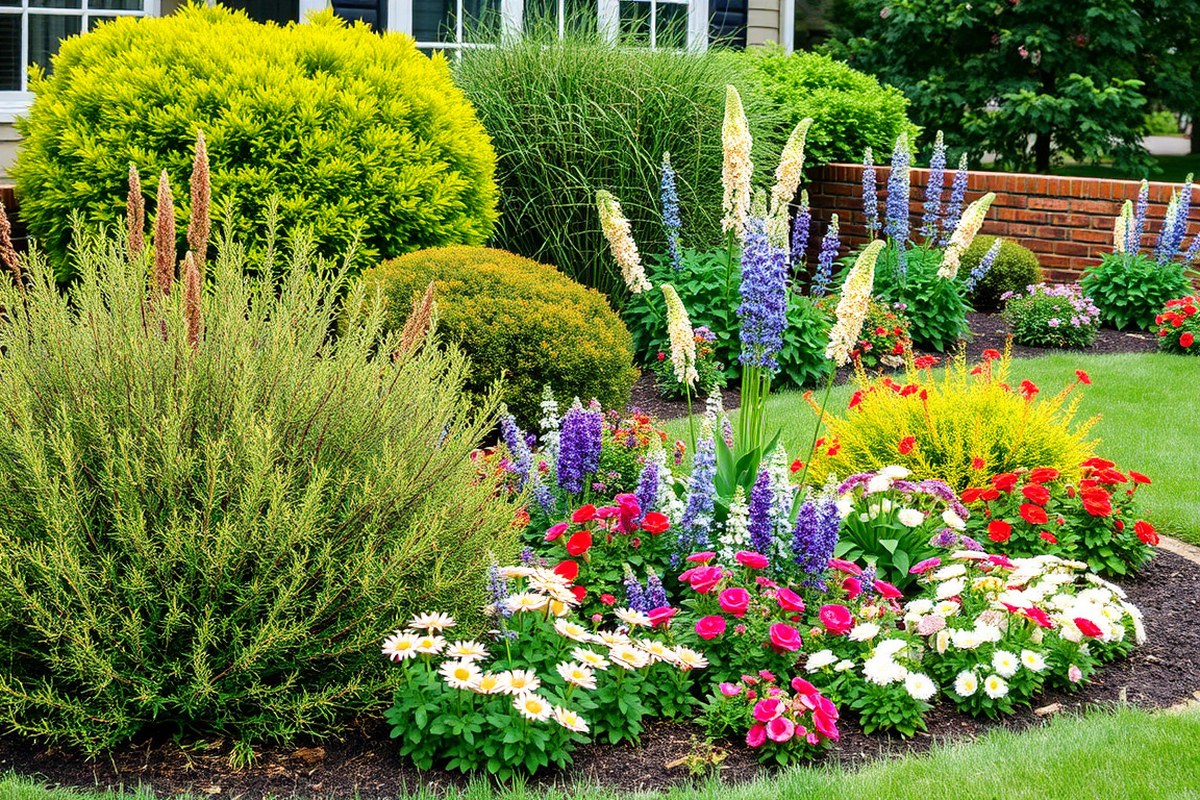
Using deer-resistant plants and smart landscape design helps reduce deer visits. Thorny, prickly, and strongly scented plants make yards less appealing. Separating zones with different plants directs deer away from vulnerable areas.
Top Thorny and Prickly Plants
Plants with thorns or prickly leaves discourage deer because they are hard to eat. Examples include barberry, holly, and certain roses. Put these plants along your yard’s edges to create a natural barrier that deer avoid.
Young shrubs especially benefit from protection with thorny neighbors. They slow deer down and prevent damage while plants grow. Thorny plants work best when combined with other deterrents like fencing or repellents.
Fragrant Perennials Deer Avoid
Deer dislike plants with a strong smell, which can mask other tasty scents. Lavender, rosemary, and sage provide fragrance and fresh herbs for cooking. These plants also attract pollinators that help your garden thrive.
Putting fragrant plants near your vegetables helps keep deer away. The smell makes those spots less inviting for deer. Deer find these scented plants less tempting.
The smell acts as a natural shield without chemicals. Deer avoid areas with mixed scents and textures.
Designing Buffer Zones with Plants
Planting zones help reduce damage by layering least-attractive plants along likely deer paths. Put thorny or strongly scented plants near your yard’s edges as zone one. In the middle zone, use plants deer avoid less but still don’t love.
This layout forces deer to bypass vulnerable spots, protecting more valuable plants. It gives you time to notice deer and react before serious damage happens. Brush and shrub barriers also guide deer along less damaging routes.
| Problem | Best First Move | Why It Works |
|---|---|---|
| Young shrubs getting browsed | Mesh fencing or individual plant cages | Physical protection stops the damage while plants establish |
| Vegetable bed visits | Fence the bed and remove fallen produce | Protects high-reward area and removes the reason to browse |
| Deer entering one corner | Motion sprinkler or light at that route | Interrupts a predictable habit without changing the whole yard |
| Flower beds repeatedly nibbled | Swap edge plants and protect them | Less tempting edges keep deer away from valuable flowers |
Place less tempting plants near paths deer use or along yard borders. Save the most vulnerable plants for protected zones closer to home or fences. This reduces repeated deer damage throughout the garden.
Plants to Avoid in Deer-Prone Areas
Deer prefer tender plants like hostas, tulips, and yews. Avoid planting these near common deer paths to prevent unwanted visits. These plants attract deer and encourage them to stay longer in your yard.
Also, remove fallen fruit or vegetables that invite deer to dine in your garden. Deer will return to places where food is easy to find. Cut high-reward plants out of the border zone entirely.
Keep vulnerable plants in the center of your yard or near fences for best protection.
3. Apply Effective Repellents: Commercial and Homemade Options
Both commercial and homemade repellents can keep deer out of your yard. Use sprays with scents or tastes deer dislike and rotate them often. Applying repellents regularly and in the right spots matters for best results.
Popular Commercial Deer Repellents
Commercial repellents rely on smelly ingredients that deer find unpleasant. Brands like Deer Out Concentrate use strong odors to repel deer. Havahart Weatherproof spray also uses bad tastes to keep deer away.
These products work by making plants unappealing to deer. These products can last several weeks but need reapplication after rain or heavy dew.
Rotating different commercial repellents is key. Deer get used to a single scent, making it less effective over time. Switching brands or types every few weeks keeps deer guessing and away longer.
Effective DIY Repellent Recipes
You can make natural deer repellents from simple household ingredients. Raw or rotten eggs mixed with water create a sulfur smell that repels deer. Garlic sprays or predator urine also work well to mimic danger scents.
Mix one raw egg with one quart of water. Use a quarter cup of rotten eggs instead if you prefer. This spray helps keep deer from eating your plants.
Blend and strain, then put the mixture into a spray bottle for easy use. Spray plants and garden edges every 7 to 10 days to keep deer away.
Proper Application Techniques and Timing
How and when you apply repellents affects how well they work. Spray plants early in the morning or late afternoon for best coverage. Avoid applying before rainstorms since water washes repellents off.
Move repellent sprays or devices around your yard every few days. This stops deer from becoming used to their scent or location. Reapply sprays every 7 to 10 days, or after heavy rain, to maintain the barrier.
- Choose the target plants or garden sections to protect.
- Apply repellents on dry foliage and soil near plants.
- Spray in cooler parts of the day to avoid evaporation.
- Reapply after rain or every 7 to 10 days.
- Rotate between commercial and homemade repellents every 2 to 3 weeks.
- Move repellent devices or signs to new spots regularly.
- Wear gloves and wash hands after applying repellents.
- Store products safely away from kids and pets.
Avoiding Repellent Mistakes
Using repellents once or twice a year won’t stop deer from munching plants. You need regular, consistent application for a real effect. Missing spots or leaving repellents in one place makes deer less afraid over time.
Some commercial repellents include ingredients unsafe for kids or pets. Always read labels and consider non-toxic options if your yard is busy with children or animals. Homemade sprays usually use safer ingredients but still rinse hands and store carefully.
4. Install Motion-Activated Sprinklers and Lights to Startle Deer
Motion-activated sprinklers spray water when deer enter your yard. The sudden water blast startles them and stops their feeding. These sprinklers cover wide areas and work in all weather without any daily attention.
Installing sprinklers near deer pathways blocks their usual routes. Aim sprinklers at edges of gardens or young plants where damage starts.
Look for spots deer cross often, like next to woods or fences. Install sprinklers four to six feet apart to ensure full coverage.
Motion-activated lights use sudden brightness and movement to scare deer at night. Place them along dark paths or garden borders that deer visit.
Lights work best if aimed toward dark bushes or shaded areas where deer hide. Combining lights with sprinklers can increase their scare effect.
Keep sprinklers raised one to two feet above the ground so water sprays over plants. Make sure motion sensors point toward likely deer entry points. Avoid installing sprinklers near areas where pets or children play to prevent surprise sprays.
These devices can stop deer visits for weeks or months. Deer may get used to them eventually.
So move sprinklers or change lights’ position every few weeks. Using them alongside other methods, like deer-resistant plants, improves long-term control.
Motion-activated sprinklers use electricity or batteries and cost $30 to $70 each. Expect to replace batteries every 3 to 6 months or recharge if solar powered.
Lights usually cost about $20 to $40 and also need battery or power checks. Setup takes about 30 minutes per unit.
Loud sprinkler sprays can bother nearby neighbors or frighten pets. Place them where water won’t shoot at windows or sidewalks.
Test sprinkler range on a cool day before full use. Adjust sensor angle so pets aren’t sprayed to keep your animals safe and calm.
5. Employ Physical Barriers and Netting for Vulnerable Plants
New seedlings and delicate plants need extra care to survive deer visits. Deer love to nibble on tender leaves and young shoots first. Protect these plants with guards or netting, especially if deer have already been in your yard.
Plant cages or plastic tree guards work well for young trees and shrubs. They should be about 5 feet tall. Or tall enough to reach the lowest branches.
This blocks deer from browsing the plants. Black deer netting, called “invisible netting,” works good around flowers and small plants.
Netting must be installed loosely to avoid touching plants directly. This spacing helps air circulate and keeps flowers open for pollination. You need physical protection mostly in spring and early summer.
Plants are young then. They are most vulnerable to deer damage during that time.
Follow these steps to protect your vulnerable plants using physical barriers and netting:
- Choose the plants deer prefer or that show feeding damage most.
- Measure your plants’ height and width to get the right cage or net size.
- Place a sturdy cage or guard around each young tree or shrub.
- Secure black deer netting over flower beds, fastening edges with stakes.
- Make sure netting does not rest directly on plants to allow growth.
- Check barriers weekly for damage or growth restriction and adjust if needed.
- Remove guards only when plants are tall and tough enough to resist deer.
Never stretch netting tight over plants; it can break branches and stop pollination.
Barriers slow deer feeding and help your plants grow strong. Guards and netting cost about $1 to $5 per foot or $10 to $30 per cage.
You can reuse them for several seasons. Neglecting to check or adjust barriers lets deer reach your plants or damages the growth.
6. Adapt Strategies by Season and Deer Activity Patterns
Deer pressure is usually highest in late fall and early winter. That’s when natural food sources shrink, and your yard looks more attractive. You need stronger deer control now.
This prevents serious plant damage. Act before problems grow.
Repellents often work best right before deer browse heavily, typically from late fall to early spring. Their effectiveness dips in harsh weather or heavy rain. So reapply every two to three weeks.
Fences last all year with care. Check them after storms or snow. Fix damage as soon as you see it.
Seasonal landscaping changes also help. Planting deer-resistant shrubs in spring gives them time to grow before fall browsing peaks. Remove fallen fruits and nuts that may attract deer in autumn.
Trim grass in summer to cut hiding spots. Deer will feel less safe here. This lowers the chance of visits.
- Apply repellents every 2, 3 weeks from October through March
- Check and repair fences after storms or snow events
- Plant deer-resistant species in early spring for strong growth
- Remove fallen fruit and nuts in fall to reduce attractants
- Keep grass trimmed during summer for less cover
- Use motion-activated sprinklers more often during peak deer activity
You should vary how often you use deterrents throughout the year. Increase repellents and sprinkler use in fall and winter when deer browse more aggressively.
Cut back in late spring and summer when food is plentiful. Adjusting frequency prevents deer from getting used to your methods and keeps your yard protected year-round.
Costs for seasonal efforts vary. Repellent sprays usually cost $15 to $30 per bottle and cover about 1,000 square feet. Fencing repairs depend on materials but expect about $100 per 10-foot section if you hire help.
Check your defenses every few weeks. Fix and adjust what needs work. This saves money and protects plants later.
7. Use Dogs and Noise Deterrents as Additional Deer Prevention Tools
Dogs can be great at keeping deer out if they stay outside and alert. A dog that chases deer will scare them off quickly. Make sure your dog is comfortable outside and ready to watch your yard regularly.
However, dogs are only effective while on watch. Your dog going inside or sleeping lets deer sneak back in. Don’t get a dog just for deer control unless you’re ready to care for one full-time.
Noises like whistles and wind chimes also spook deer well. Deer have sensitive hearing and dislike sudden or unusual sounds nearby. Placing noise makers near spots where deer enter helps stop them early.
Keep noise devices away from your neighbor’s ears. Loud or constant noise can annoy people and cause complaints. Use gentle noises like wind chimes.
They sound only when the wind blows. You can also activate whistles yourself.
You can combine dogs and noise for better results. For example, let your dog patrol the yard.
Wind chimes make noise when the yard is empty. This combo keeps deer guessing and less likely to get comfortable.
Put your dog and noise deterrents where deer first come in. Trying to cover the entire yard wastes effort and money. Focus on edges near woods or gardens, where deer browse most often.
Common mistakes include leaving dogs inside all day or using noisy gadgets that don’t blend in. These fail to keep deer away and may upset your household or neighbors. Keep your dog visible outside and use quiet, natural noise makers.
Noise devices usually cost under $30 and dogs vary widely in upfront and care costs. Training and regular patrols are key for dog effectiveness. For noises, choose durable options that can handle rain and wind, like metal chimes.
You will see fewer deer tracks around noise makers. Plants near your dog’s roaming area suffer less damage.
Keep moving deterrents toward deer entry points. Or increase how often your dog patrols.
8. Combine Methods and Avoid Common Mistakes for Lasting Deer Control
Combining several deer control methods works best because deer can quickly adapt to just one. You get stronger protection by mixing fences, plants, repellents, and other tools. This approach needs careful planning and regular tweaking to stay ahead of deer behavior.
Benefits of Layered Deer Control
Using different methods together keeps deer guessing and less likely to risk your yard. For example, a tall fence plus deer-resistant plants create a physical and natural barrier. Adding motion-activated sprinklers increases surprise and discourages return visits.
Plant herbs with strong scents, like rosemary or mint, among your flowers. Place deer-favored plants near your home so you can spot damage early. This mix makes the yard less appealing and easier to monitor over time.
Frequent Mistakes and How to Fix Them
One common mistake is relying on a single method, which deer quickly overcome. Another is placing repellents or barriers too late, after deer get used to feeding there. Here’s a checklist to avoid common errors:
- Don’t plant deer favorites far from your house, keep them close for watchful eyes
- Reapply repellents every 2 to 4 weeks, especially after rain or heavy watering
- Check fences for gaps or weak spots monthly and fix right away
- Rotate repellents with different scents or formulas to prevent deer adaptation
You’ll notice better results when you stay ahead by regularly updating your plan. Watch the plants and fences daily during peak deer activity times, like dusk and dawn.
Ignoring deer signs early lets damage pile up. Act fast to stop them.
Tracking What Works in Your Yard
Keep a small notebook or app log of what deer damage you see and where. Note the dates you apply repellents or install barriers. Over time, this shows which methods work and when deer try a new tactic.
Add new plants, change repellents, or raise your fence height. Deer find weak spots and get through easily.
Keep adjusting to block their access and protect your garden. This ongoing effort keeps your yard deer-resistant without constantly starting from scratch.
Knowing When to Call a Professional
Deer damage gets worse despite your best efforts. You might need to call a professional. They have tools and knowledge to help control the problem.
Wildlife control experts can assess your property and suggest custom solutions. This might include wildlife fencing, relocation permits, or improve deterrent systems.
Call a pro when deer numbers suddenly rise. Local laws might limit what you can do.
Professionals know the rules and can offer safe, legal help. Costs vary widely but expect to invest a few hundred dollars for serious, lasting help.
Step-by-Step Action Plan to Keep Deer Out of Your Yard
Follow this plan to protect your yard and garden from deer. Each step includes a clear action and a way to check if it’s working.
- Before you start: Identify the plants deer like most in your yard. This helps you focus your protection efforts.
- Week 1: Install a deer-proof fence at least 8 feet high. Check for gaps or weak spots after installation.
- Week 2: Plant deer-resistant shrubs and flowers around your garden edges. Notice if deer avoid these areas.
- Week 3: Apply commercial or homemade repellents to vulnerable plants. Monitor for fewer bites or tracks near the plants.
- Week 4: Set up motion-activated sprinklers and lights in deer-prone zones. Observe if deer move away when triggered.
- Week 5: Use physical barriers like netting on young trees or vegetable beds. Check regularly to ensure barriers stay intact.
- Ongoing: Add noise deterrents or let your dog patrol during dawn and dusk. See if deer reduce visits during active hours.
- Seasonal: Adjust repellents and watering schedules according to deer activity changes. Track if damage lessens with these changes.
Frequently Asked Questions
What Height Should a Deer Fence Be to Keep Deer Out?
A fence should be at least 8 feet tall because deer can jump over 7 feet. This height makes it harder for deer to clear the fence and access your yard.
Can I Use Dog Fur to Keep Deer Away from My Garden?
Yes, scattering dog fur or human hair around your garden may help deter deer. The scent signals predators, making deer cautious.
Do Deer-Resistant Plants Fully Stop Deer from Entering a Yard?
Deer-resistant plants reduce attraction but don’t completely stop deer from entering. Combining plants with other barriers works better.
How Often Should I Reapply Deer Repellents to Keep Them Effective?
Reapply repellents every 2 to 4 weeks, or after heavy rain for best results. Consistent application maintains their effectiveness against deer.
Are Motion-Activated Sprinklers Effective at Night Against Deer?
Yes, motion-activated sprinklers work well at night by startling deer with sudden water sprays. This discourages deer from frequenting your yard.
Can Noise Deterrents Alone Keep Deer Out of a Yard Permanently?
Noise helps scare deer temporarily but alone won’t keep them out forever. Deer get used to constant noise, so mix methods for success.
Key Points to Remember
Keeping deer out takes a mix of methods and attention. Pick one step to start this week and watch how your yard responds. Consistent action helps you protect your plants without harsh chemicals or dangerous traps.