How High Can a Deer Jump a Fence: What Works to Keep Them Out
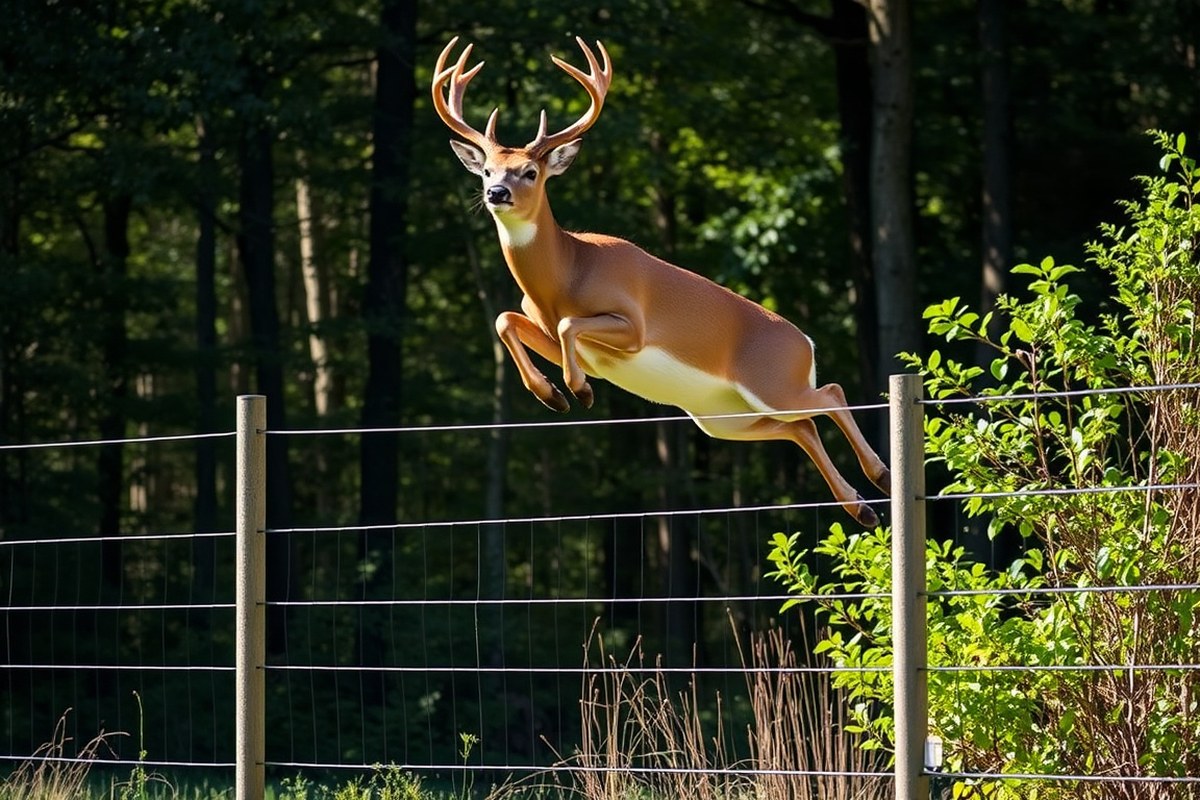
How high can a deer jump a fence is a common concern for property owners. Deer usually clear fences up to 6 or 7 feet high without trouble. To stop most deer, you need a fence around 7.5 feet tall.
Deer rarely jump fences as tall as 8 feet. This height usually keeps them out.
Deer are less likely to jump fences they can’t see over, so solid panels help. A running start lets some deer clear higher fences.
But a good 8-foot barrier still works well. Consider fence types that suit your yard’s layout and local deer activity for the best results.
Fence placement also matters. Fences near bushes or trees give deer a boost.
Keep the area clear around the fence to reduce jumping chances. Adding angled extensions at the top may discourage deer from trying to jump.
Key Takeaways
- A 7.5-foot fence usually stops most deer from jumping your garden fence.
- Deer rarely jump higher than 8 feet, making that fence height reliable.
- Solid fences 6 to 7 feet tall discourage deer by blocking their view.
- Mule deer can jump up to 10 feet. So taller fences may be needed there.
- Two shorter fences spaced a few feet apart can deter deer without extra height.
- Fence materials should resist weather and animal damage for longer protection.
How High Can Deer Jump Fences on Average
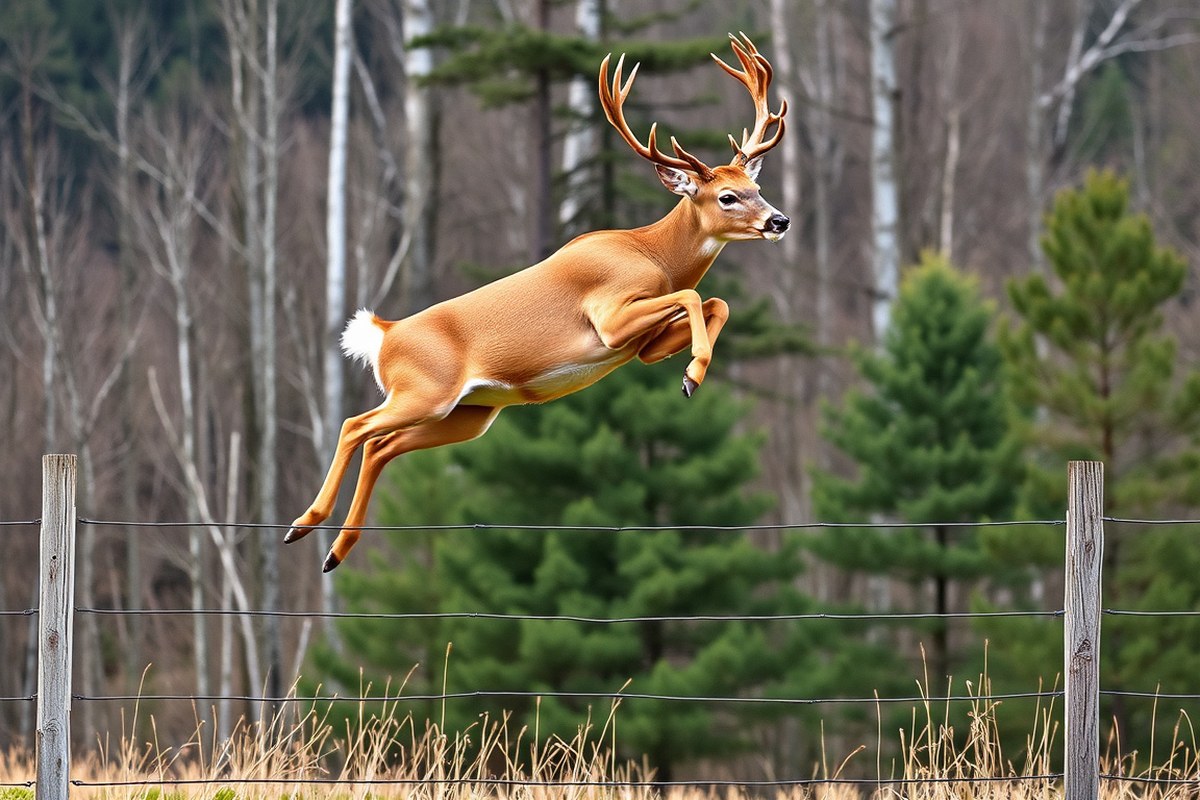
A healthy adult deer can jump a fence six to eight feet tall. This jump is from a standing start. It’s quite powerful for such a big animal.
Clearing a 6-foot fence is possible for most deer without a running start. When they run, they jump higher.
They can clear 12 feet or more. Open areas help them build the speed needed.
Jump height depends on space for a running start and the environment. In open fields, deer reach their top jump of up to 12 feet more easily. Without running, they jump much lower.
Their jump height drops 25 to 50 percent. This makes six-foot fences harder to clear.
Deer usually won’t jump fences they can’t see over. So solid privacy fences about six to seven feet high help reduce jumps. Though rare, some deer manage jumps over eight feet, but those are exceptions.
A 7- to 8-foot fence works well in most cases. It stops most deer from getting into your yard. This height balances effort and protection.
Differences Between Deer Species in Jumping Ability
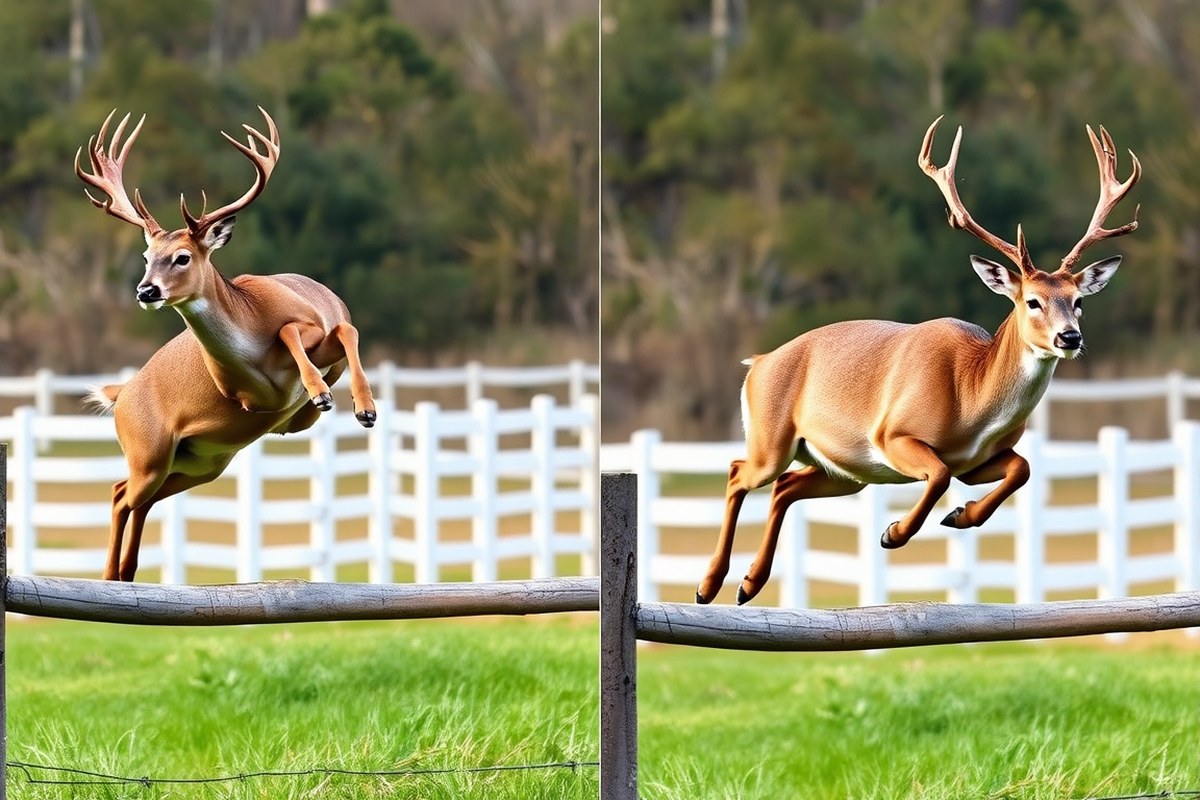
Different deer species show varying ability to jump fences, which shapes your fence plan. White-tailed and mule deer often jump around 8 feet when motivated.
In comparison, elk can clear about 8 feet too. So fencing for whitetail usually covers elk as well.
Most deer avoid jumping higher than 6 or 7 feet unless scared or chased. Red deer and similar species typically don’t jump much higher than mule or white-tailed deer. Knowing the exact jump height helps you pick the right fence height to stop unwanted entries.
| Deer Species | Typical Max Jump Height | Recommended Fence Height |
|---|---|---|
| White-tailed Deer | Up to 8 feet with a run-up | 8 feet |
| Mule Deer | Up to 8 feet with a run-up | 8 feet (10 feet if very motivated) |
| Red Deer | About 6 to 7 feet | 7.5 to 8 feet |
| Elk | About 8 feet | 8 feet |
Place your fence at least 7.5 to 8 feet tall to block most deer jumps. Extending the fence to 10 feet helps in areas with tall mule deer. These deer can jump very high when motivated.
A taller fence stops more of these jumps. Fences shorter than 6 feet will typically fail against motivated deer.
Fences over 8 feet stop most deer from jumping. They cost more money. You also need stronger materials to build them.
In areas with mixed species, use the highest recommended fence height for safety. Your fence material needs to withstand impact and pressure from deer. Avoid guessing lower heights or you risk frequent fence damage and deer intrusion.
Why Deer Jump Fences and What Influences Their Effort
Main Reasons Deer Jump Fences
Deer jump fences mostly for food, escape, or mating. They weigh the risk before making the leap.
Hungry deer often try to reach plants or gardens behind fences. Quick escapes happen when they sense danger nearby.
Motivation Drives Jump Height and Effort
Deer exert more effort when scared or chasing a mate. Scared deer will jump higher and faster to get away.
When food is on the other side, deer push to overcome even taller fences. Mating instinct adds to their drive during breeding season.
How Visibility Affects Jump Attempts
Deer hesitate to jump if they can’t see what’s on the other side. Clear sightlines may motivate attempts.
Barriers like bushes or two fences placed four feet apart confuse deer. This perceptual block can stop them from trying.
Fence Placement Influences Deer Behavior
Poor placement creates easy jump routes. Corners and gaps are common weak spots to watch.
Spacing fences apart or angling them makes the fence look taller. This trick helps reduce the chances of a jump.
Key Factors That Motivate Deer to Jump
- Availability of food behind the fence
- Presence of predators or loud noises
- Mating season and roaming males
- Fence visibility and what deer can see beyond
- Fence design and surrounding landscape
Watching these factors lets you predict when deer may try a jump. Managing these helps protect your property better.
Fence Height Recommendations to Effectively Deter Deer
To keep deer out, a fence around 7.5 to 8 feet tall usually works best. This height comes from 30+ years of field tests by Benner Deer Fence and other experts. They found fences near 7.9 feet stop nearly all white-tailed deer from jumping in most settings.
A 6-foot fence often isn’t tall enough unless it’s made with opaque materials. A shadow-box fence blocks a deer’s view and stops it. It can make a deer hesitate at 6 feet.
Open-wire fences must be taller, about 7 feet or more. Deer see clear spots and try to jump.
You see heavy deer activity or bigger jumpers, taller fences help. Fences 9 to 10 feet tall work well where deer jump often. They also help if your land is wide open.
This is more common on large farms or rural properties. These taller fences cost more and take extra posts. But they lower the chances of deer crashes through your barrier.
When deciding fence height, think about the pressure deer put on your property. Light pressure lets you go with 7 feet, which saves money and effort. Moderate to heavy pressure calls for 8 feet to stop most deer.
You know big deer or lots of deer come through, make fences 9 to 10 feet. That way, you avoid repairs and lost plants later.
Fence style also matters with height decisions. A taller open-wire fence equals a bigger deer visual. So they plan their jumps better.
Solid or partially solid fences confuse deer and reduce jumps. So you may manage with slightly less height. Combine height and materials to match your property’s deer activity.
Tall fences need strong posts placed every 8 to 12 feet. Braces also help handle wind pressure. Expect to pay more for materials and labor, depending on length and complexity.
A tall fence looks like a solid barrier with no gaps. Deer can’t climb or squeeze through anywhere. Poor installations leave holes or weak spots, inviting deer entry despite height.
Fence Types That Prevent Deer from Jumping
Deer are best stopped by fences that combine the right height with the right materials. Woven wire fences and electric fences rank high for keeping deer out. Fence transparency and signal shocks influence deer behavior and attempts to jump.
Woven Wire and High-Density Polyethylene Fencing
Woven wire fencing with 2- to 4-inch mesh prevents deer from placing their hooves to jump. You want a fence 8 to 10 feet tall for year-round protection. Adding two smooth high-tensile wire strands at the top helps.
This raise the fence’s effective height to 9 or 10 feet. It makes the fence harder for deer to jump over.
High-density polyethylene (HDPE) deer fencing offers good durability. It resists UV rays, rot, and rust, and works well in all weather. Although more expensive upfront, it lasts many seasons without repair.
Install this fencing by using strong wooden or metal posts spaced 8 feet apart. Stretch the fencing tight and secure it at the top and bottom to avoid gaps. Check mesh tension yearly to keep deer from squeezing under or pushing through.
Electric Poly Tape and Smooth Wire Fences
Electric fences can deter deer if set up correctly. Use a slanted seven-wire design about 7 feet tall with 2 or 3 electrified wires. This creates a barrier deer hesitate to cross.
Poly tape fences consist of woven polyethylene strands that are visible to deer. This visibility reduces jump attempts, especially with an electric charge. Electric poly tape fences work best around smaller gardens and plots.
- Place electrified wires 6 to 12 inches apart on the fence
- Keep wires 5 to 10 feet above the ground
- Use a reliable energizer that delivers steady pulses
- Install grounding rods deep into moist soil for effectiveness
- Check voltage weekly and after storms or fallen debris
- Run a warning rope or tape several feet outside the fence
- Turn off electricity when installing or maintaining the fence
Always follow the instructions for your energizer and fence height. Incorrect voltage or height reduces the fence’s effectiveness.
Electric fences require regular monitoring to stay effective. Debris or plants touching wires can short the electric charge and confuse deer. When done well, deer avoid crossing the fence entirely.
Solid Privacy and Shadow-Box Style Fencing
Solid fences made from wood or other opaque materials block deer well. These fences need to be at least 10 feet tall to work. Keeping the fence tall stops deer from jumping inside.
They block deer vision, which often reduces jumping attempts. These fences work well in residential settings with smaller yard areas.
Shadow-box style fences use alternating boards to create partial visibility. This reduces a deer’s urge to jump by giving them glimpses beyond the fence. Build boards with minimal gaps, about 1 to 3 inches wide.
Installation requires sturdy posts and cross beams to support heavy boards. Use pressure-treated wood or weather-resistant composites. Expect higher costs and more labor compared to wire fencing.
Effects of Running Start and Environment on Deer Jumping
A deer’s running start greatly increases its jump height. It uses that momentum to push upward with more force.
On an open field with an 8-foot fence, deer can run. A white-tailed deer can jump 10 feet or more while running.
Open, flat terrain allows deer to sprint and build speed before jumping. This lets them convert horizontal power into higher vertical clearance.
A fenced garden with 100 to 150 feet limits the deer run. This shorter run lowers their jump to 5 or 6 feet.
Environmental factors like obstacles and visibility also affect jumping ability. Dense woods or uneven, steep hills make running starts tricky and lower jump effort.
Deer can’t see fences clearly in cluttered areas. So they hesitate or choose to detour around them.
Adequate escape space beyond the fence influences whether a deer will try a jump. The fence corner with a clear path lets deer jump higher to escape. When a fence runs next to easy detours, deer often avoid jumping at all, saving energy.
Letting deer have 8 feet of run-up near the fence leads to higher jumps. This space lets deer try their best to clear it. Shorter start zones or cluttered environments will reduce their max jump height.
For gardens, a 5- to 6-foot fence works well on small or sloped land. This size fence suits tight spaces better.
Visibility plays a role too. Clear sightlines let deer judge fence height precisely. Poor visibility increases misjudgment, leading to fence damage or failed jumps.
Plant bushes or barriers to block the deer’s view of the fence. This helps stop them from planning big jumps.
Strategies Beyond Height: Fence Layouts That Deter Deer
Using multiple fences, angles, and visual blocks helps stop deer from jumping fences. Spacing two medium-height fences confuses deer about how far to jump. Angled and opaque fences add uncertainty about the landing, making deer less likely to jump.
Double Fencing with Proper Spacing
Two fences about 3-4 feet tall work better than one tall fence. Space them 6 to 10 feet apart for best results. This setup helps stop deer more effectively.
Deer hesitate when they see a gap between fences. They struggle to judge the distance and landing, which lowers jump attempts.
This setup can cost less than a single 8-foot fence but still block deer well. Space fences wide enough so deer can’t clear both from a running start.
Tight spacing lets deer jump both fences in one leap. So keep at least 6 feet between.
Angled Fence Installations
Installing fences at an angle of about 45 degrees creates a tricky jump for deer. The angled barrier makes the landing uneven or unclear. Deer avoid jumping when the landing looks risky or unstable.
Wide ditches or open areas let deer jump further. Use angled fences to break their running approach. This slows the deer and reduces jumps.
Use angled panels or place fences to force deer to slow down. This adds time to assess the jump and makes them less likely to try.
Using Opaque Fences for Visual Deterrence
Opaque fences block deer’s view of the landing area. Without seeing where they’ll land, deer don’t jump or risk injury. A fence with panels or attached opaque fabric raises their hesitation.
Adding visual barriers like twine strands or deer warning streamers on top confuses deer further. They see a strange obstacle and give up the jump. Combination fences with wire mesh and opaque elements work best under normal conditions.
- Install two 3-4 foot fences, spaced 6-10 feet apart
- Angle fences around 45 degrees to disrupt run-up
- Add opaque panels or fabric to block landing visibility
- Attach twine or streamers along the top rail
- Place obstacles in front to slow the deer’s approach
Common Myths and Mistakes When Protecting Against Deer Jumps
Many people think a 5-foot fence will keep deer out. Deer often clear fences that height without effort, making 5 feet usually too short. A 7-foot fence works well in most cases.
It usually stops deer from jumping over. This height is the best balance for most yards.
Deer rarely jump fences higher than 10 feet. Such heights are uncommon because most deer avoid the energy cost and injury risk. Building a fence that tall can be very expensive and often unnecessary.
A big mistake is poor fence installation. Gaps at the bottom let deer slip under. Poorly secured posts let deer push the fence.
Both make the fence less effective against deer. Choosing the right materials and spacing posts properly fixes most problems.
- Myth: Deer won’t jump fences less than 6 feet. Reality: 5 feet is low; test at 7 feet instead.
- Myth: A solid fence is always best. Reality: Deer can see solid fences better and may hesitate less.
- Myth: Deer jump fences only when chased. Reality: They jump to reach food or escape threats.
- Error: Posts spaced too far apart cause sagging. Correction: Space posts 8 to 10 feet apart firmly.
- Error: Bottom clearance allows slipping. Correction: Keep fence flush with the ground.
- Fix: Use deer netting 7 feet tall with 3/4-inch mesh and proper nails and ties.
Using deer netting about 7 feet tall is affordable and effective. A 100-foot roll costs less than building tall wood or metal fences.
Secure it tightly with cable ties and nails to avoid sagging or escape routes. Check fences regularly for damage and fix it fast.
Check the base of your fence for gaps regularly, small holes let deer slip under easily.
Correct fence height and solid installation save a lot of hassle. You avoid constantly repairing damage or watching deer munch your garden.
The cost climbs sharply for fences above 7 feet, with limited extra benefit. Focus on proper height, secure posts, and tight netting for the best result.
Step-by-Step Action Plan to Stop Deer from Jumping Your Fence
Follow these simple steps to build or improve your deer fence. Each step helps you check if the fence keeps deer out.
- Before You Start: Measure the area to fence. Knowing your space saves time and materials.
- Day 1: Choose a fence at least 8 feet tall. Deer usually jump higher than 6 feet, so taller works better.
- Day 2: Pick a fence type that deer can’t climb or squeeze through. Use tight mesh or solid panels.
- Week 1: Install the fence with a clear zone nearby. Remove brush or tall plants deer can use to jump.
- Week 2: Add extra barriers, like angled tops or electric wires. Watch if deer approach but don’t jump.
- Week 4: Test the fence by observing at dawn or dusk. Look for deer signs or damage.
- After 1 Month: Reinforce weak spots and keep the area clear. A strong fence discourages deer over time.
- Ongoing: Check fence regularly, especially after storms. Fix any holes or sagging right away.
Frequently Asked Questions
How Much Space Should I Leave from My Fence to Reduce Deer Jumping?
Leave at least 3 to 5 feet of clear space by the fence. Deer avoid obstacles when jumping, so removing brush helps lower jump attempts.
Can Deer Learn to Jump Higher over Time?
Deer don’t improve jumping ability by practice, but they get bolder over time. Persistence and hunger can make repeated jump attempts more likely.
Do Younger Deer Jump as High as Adults?
Younger deer usually jump lower than adults due to less strength. Adults can clear fences 6 to 10 feet high more reliably.
Does Snow Depth Affect How High Deer Can Jump Fences?
Deep snow can reduce a deer’s jumping ability by restricting their movement. Shallow snow or no snow allows normal jump height.
Are Deer More Likely to Jump Fences at Dawn or Dusk?
Deer feed mostly at dawn and dusk, increasing chance of jump attempts then. These are the times to watch for fence breaches.
Can Deer Jump Fences During Winter More Often Due to Food Scarcity?
Yes, winter food scarcity makes deer more likely to jump fences. They take more risks when desperate.
Final Thoughts
Deer usually jump fences around 6 to 8 feet high. So aim for taller fences.
Focus on fence type and clearing nearby obstacles. Start building or upgrading your fence now to protect your property from deer.