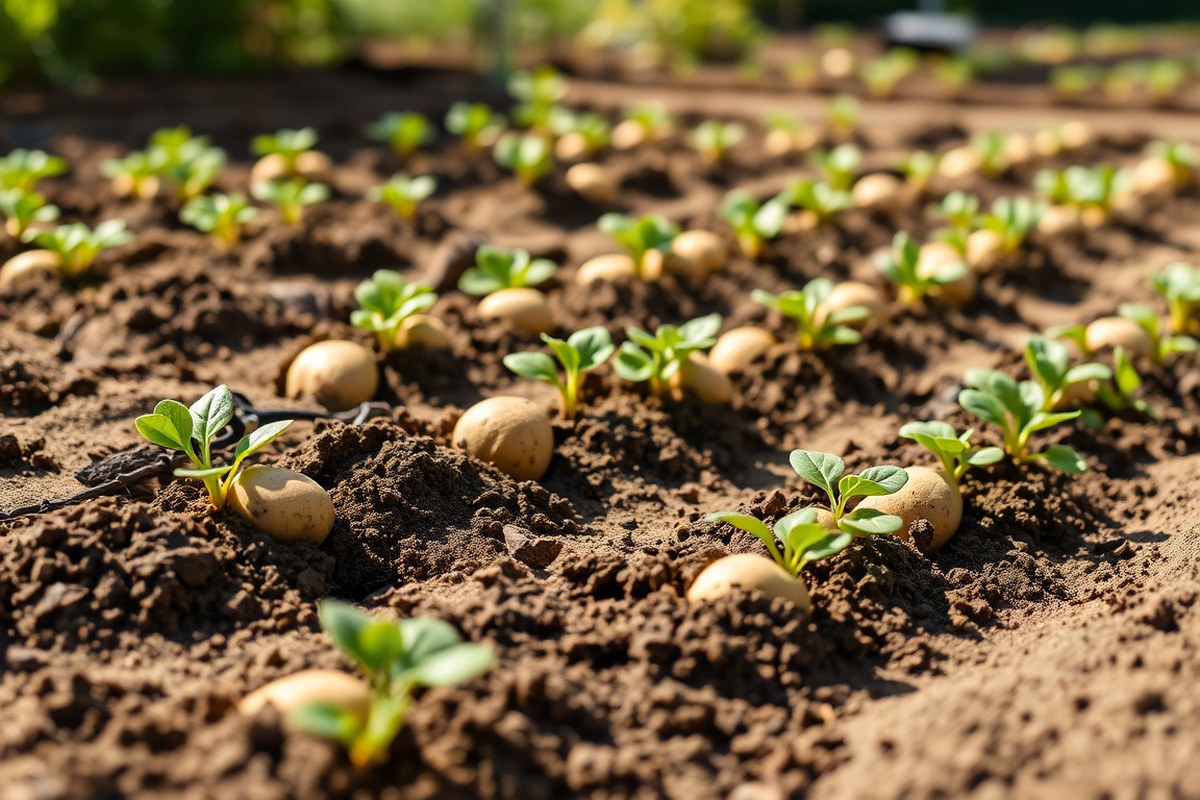
How Far Apart Should You Plant Potatoes: A Complete Spacing Guide That Works
How far apart should you plant potatoes? The best spacing is usually 12 to 15 inches between seed potatoes.
This distance gives each potato enough room to grow big and healthy. Rows should be about 30 to 36 inches apart for easy access and good air flow.
Larger potato varieties need more space. So plant them 14 to 24 inches apart if you want big harvests.
Smaller types like fingerlings can go closer, around 8 to 10 inches apart. Keep the seed potatoes planted 3 to 4 inches deep for the best start.
Spacing potatoes well helps you avoid overcrowding, which often causes smaller tubers. It also reduces the risk of disease by giving leaves enough room to dry out. Start by preparing your rows and measuring carefully before planting for the best results.
Key Takeaways
- Space seed potatoes 12 to 15 inches apart within rows for standard varieties.
- Plant rows 30 to 36 inches apart to allow easy growing and tending.
- For larger potatoes, increase spacing to 14 to 24 inches apart.
- Plant smaller fingerling potatoes spaced 8 to 10 inches from each other.
- Keep seed potatoes planted 3 to 4 inches deep for proper growth.
- In container growing, place three seed potatoes in a 24-inch pot.
Ideal Distance Between Potato Plants and Rows
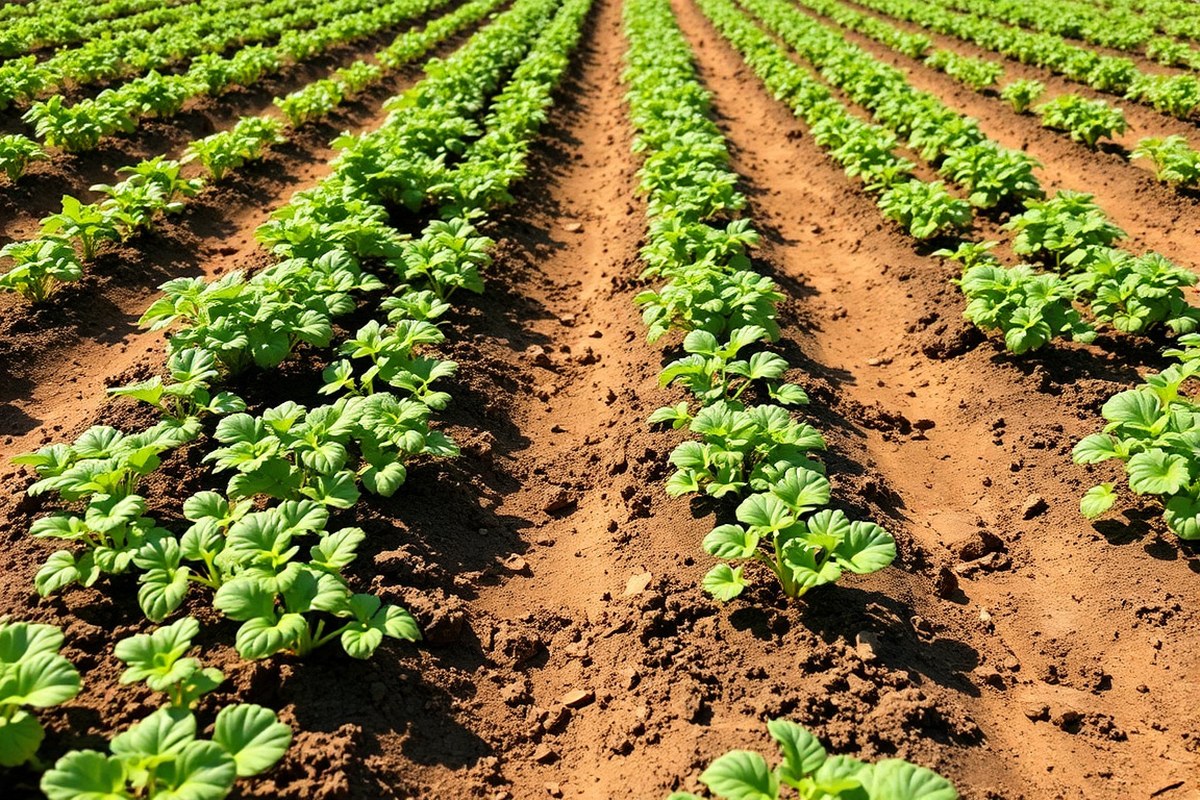
Plant seed potatoes about 12 inches apart within each row. Rows should be spaced 30 to 36 inches apart for enough room. This spacing gives tubers space to grow underground without crowding one another.
Closer spacing like 7 to 8 inches between plants is possible but limits tuber size. Wider spacing of 15 inches between seed pieces works well for bigger potatoes. Keep rows 2 to 3 feet apart.
This helps with airflow. It also lets you easily access your plants.
Spacing potatoes correctly stops plants from competing for nutrients and water. It also reduces disease risk by improving air circulation. Plant seed pieces 12 inches apart in rows 36 inches apart.
This spacing balances yield and tuber size. It suits most home gardens.
To pick your spacing, think about your soil quality and harvest goals. Poor soil or small gardens may do better with tighter rows but expect smaller potatoes.
In richer soil, space seed pieces about 15 inches by 36 inches. Giving extra room helps tubers grow bigger.
Remember to plant seed pieces 3 to 4 inches deep along the row. Don’t thin potatoes later since they grow best at the final spacing. Setting rows 2.5 to 3 feet apart lets you dig, hill, and harvest without stepping on plants.
How Potato Variety Influences Spacing Needs
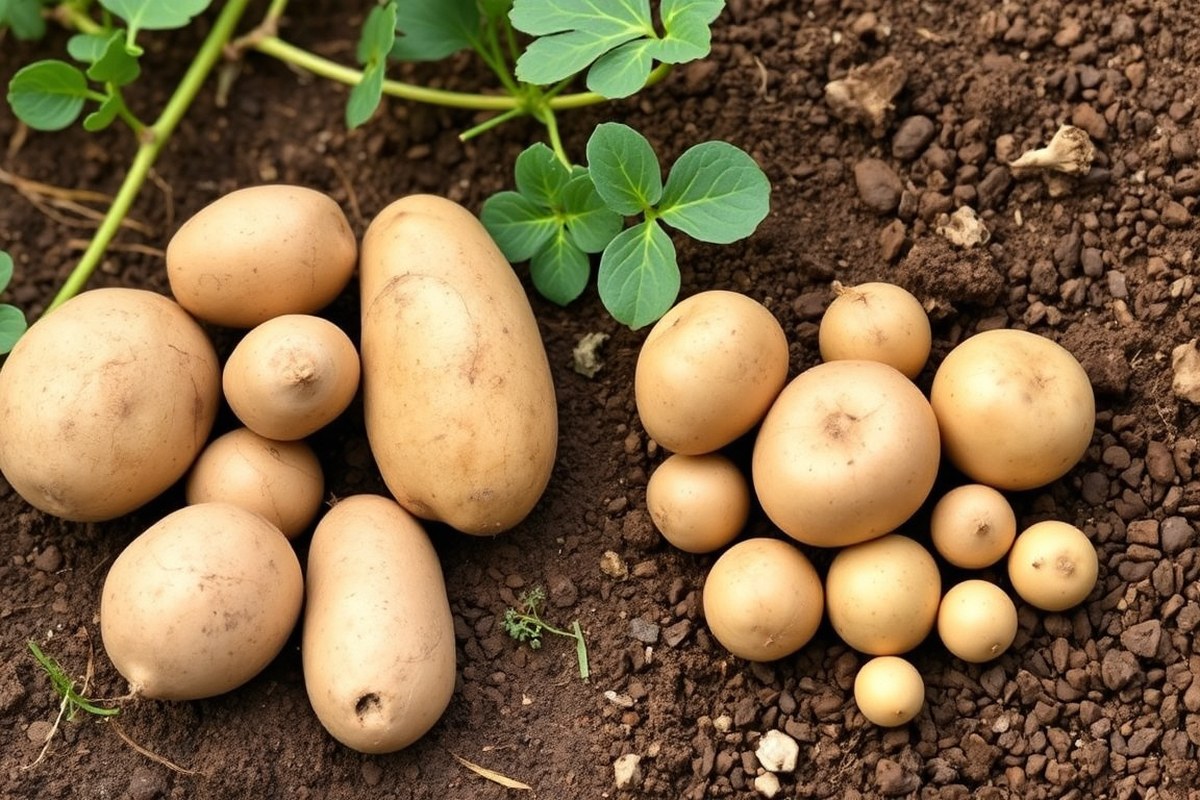
The spacing needed for planting potatoes depends on the variety you choose. Large baking types need more room, while fingerlings and smaller potatoes can grow closer. Adjusting spacing helps the plants grow well and boosts your harvest.
Spacing for Large Potato Varieties
Large potato varieties like Russets or baking types need more space to develop big tubers. Plant these about 12 to 15 inches apart to let the roots spread. If you plant them too close, the potatoes will be smaller and the yield lower.
Row spacing for large potatoes should be around 24 to 30 inches wide. This room helps maintain good air flow and supports healthy growth. These wider gaps cost more garden space but give bulkier potatoes that store better over winter.
Spacing for Smaller and Fingerling Varieties
Fingerling and smaller potato varieties require less room because they don’t grow as large. You can plant them 8 to 10 inches apart, saving space in smaller gardens. This tighter spacing works well for square foot gardening or container growing.
Smaller potatoes mature faster and don’t need wide rows. Still, spacing rows 18 to 24 inches apart is still good for air circulation. Planting these varieties closer together gives you a denser, quicker crop with less soil needed.
Adjusting Spacing for Early Versus Main Crops
Early potatoes usually grow smaller and mature faster. Plant early crop potatoes about 12 inches apart to get a quick harvest. This spacing lets you fit more plants in if you want multiple crops in one season.
Main crop or late-season potatoes take longer and grow larger tubers. Space these ones 15 inches apart or more to support those bigger yields. Wider spacing helps you harvest large potatoes ideal for baking or storage.
Planting too close often leads to crowded roots and smaller potatoes, reducing your harvest.
Potato Spacing for Different Growing Methods
Potato spacing changes depending on the method you use. Raised beds and square foot gardens need tighter spacing than traditional rows. Containers and grow bags require the closest spacing.
Spacing in Raised Beds and Square Foot Gardens
Raised beds give your potatoes loose, well-drained soil and warmth. Space seed pieces about 12 inches apart within the bed. For a 4×4-foot raised bed, plant one potato per square foot, totaling 16 plants.
Square foot gardens use a similar approach, with each potato in its own square foot. This layout fits well in limited spaces. Give your plants 12 inches between seed pieces to avoid overcrowding roots and tubers.
Planting tighter than 12 inches can reduce yield and cause smaller potatoes. Keeping rows or squares neat makes it easier to hill and water your plants.
Spacing in Containers, Bags, and Buckets
Containers and grow bags suit smaller potato varieties best. Space seed pieces 8 to 10 inches apart. This fits the limited soil volume without crowding roots.
Use containers at least 12 inches deep for healthy tuber growth. Plant fewer potatoes this way, so your container doesn’t get too heavy or cramped. For example, a 5-gallon bucket might hold 2 to 3 seed pieces well spaced.
Space matters here because soil and moisture hold less in containers. Crowding potatoes can cause poor tuber size and disease. Keep the soil loose and water evenly to get the best results.
Spacing Guidelines for Traditional Trench Planting
Trench planting means digging 4 to 6 inch deep trenches in the garden. Place seed pieces 10 to 12 inches apart in the trench. Backfill the trench with soil after planting.
Rows should be 18 to 24 inches apart to give enough room for cultivation and hilling. This spacing helps potato plants get enough air and sunlight. Hilling soil around stalks encourages new tubers and keeps them from greening.
Planting seed pieces too close, such as 6 inches, can cause smaller potatoes. Leaving enough space helps tubers grow healthier and bigger.
Each plant gets plenty of nutrients. They also have enough room to spread out.
Step-by-Step Guide to Spacing and Planting Potatoes
Plant potatoes by digging trenches about 4 to 6 inches deep. Space seed pieces 12 inches apart in rows about 2 ½ to 3 feet apart. Cover each seed with 2 inches of soil and water well after planting.
Preparing Garden Beds and Marking Rows
Pick a sunny spot with loose, well-draining soil. Remove weeds and rocks to create smooth, level beds.
Measure row spacing using a tape or yardstick set to 2 ½ to 3 feet. Mark rows with string or sticks for straight lines.
Placing Seed Potatoes at Correct Intervals
Seed potatoes should be cut into pieces with at least one eye each. Plant the pieces with eyes facing up.
Set seed pieces 12 inches apart in the trench. This space allows tubers to grow without crowding.
Covering and Watering After Planting
After placing seed potatoes, cover them with 2 inches of soil. Avoid burying them too deeply to prevent rot.
Gently water the planted area, moistening the soil but not soaking it. Keep the soil moist as the plants grow.
- Loosen soil to a depth of 6 to 8 inches in your chosen garden bed.
- Use a tape measure to mark rows 2 ½ to 3 feet apart.
- Dig trenches 4 to 6 inches deep along the marked rows.
- Cut seed potatoes into pieces with at least one eye each.
- Place each seed piece in the trench 12 inches apart, eyes up.
- Cover seed pieces with 2 inches of loose soil.
- Water gently to settle soil around the seed potatoes.
- Keep soil moist but not soggy during growth.
How Spacing Affects Potato Yield and Size
Planting seed potatoes too close means stems crowd each other. This causes competition for nutrients and sunlight. You’ll get many small tubers rather than a few large ones.
Spacing wider gives each plant more room to grow. Tubers tend to be larger because roots spread out better. This can lower total tuber number per area but increase average size.
Finding the right spacing balances tuber size and yield quantity. Too tight reduces potato size and market quality. Too wide cuts total pounds harvested from the space you have.
Seed piece size affects stem density too. Larger pieces produce more stems, which can overcrowd plants faster. Adjust your spacing if you use big seed pieces to avoid tiny potatoes.
For home gardeners growing in rows, planting seed potatoes 12 to 15 inches apart works well. Rows set 30 to 36 inches apart allows room for hilling and airflow. This spacing often creates a good mix of size and total tubers.
To get larger potatoes, you might try 18 inches spacing between seed pieces. The downside is fewer tubers per hill and less total weight harvested. This technique suits gardeners seeking bigger tubers for baking or roasting.
Closer planting, like 8 to 10 inches apart, can create more tubers but smaller. Use this if you want many baby potatoes or have limited space. Watch for disease risk as dense plants stay wetter longer.
Spacing also impacts soil moisture use and airflow. Crowded plants dry slower and invite pests. Wider spacing saves you some effort managing diseases and keeps potatoes cleaner at harvest.
Keep seed pieces spaced evenly in the soil. Space them based on seed piece size or potato type. This helps prevent crowded stems and promotes growth.
Common Potato Spacing Mistakes and How to Fix Them
Potatoes planted too close often show crowded, small leaves and fewer tubers. The plants compete for water, nutrients, and sunlight, which slows growth. Thin, yellowing leaves and stunted plants are signs you need more space.
Planting too shallow can cause tubers to be exposed to sunlight, turning them green and toxic. Plant potatoes 4 to 6 inches deep.
Then, pile soil around stems as plants grow. Digging deeper when planting helps protect tubers and supports strong root systems.
You can fix spacing problems early in the season by thinning plants if they’re too crowded. Remove weaker sprouts to improve airflow and give remaining plants more room. Adding mulch or extra soil mounds around the plants keeps tubers covered and moist.
- Check plant spacing within two weeks of sprouting and thin if less than 12 inches apart
- Add 2 to 4 inches of soil around stems when plants reach 6 inches tall
- Water deeply after thinning and hilling to reduce transplant shock
- Use a rake or hoe carefully to avoid damaging roots during hilling
- Avoid planting more than 12 potatoes per 10-foot row for better spread
Planting too deep can slow sprout emergence and rot tubers. Watch for delays longer than two weeks after planting.
Uneven hill formation also causes poor tuber development. Keep hills uniform and soil loose to let stems grow upright and roots expand.
Correct spacing and depth reduce risks of diseases like blight, which thrive in moist, crowded conditions. Good airflow lowers humidity and helps tubers mature evenly.
Check for dark spots or wilting leaves early. This helps catch problems from poor spacing or depth.
Adapting Potato Spacing When Space Is Limited
You can plant potatoes closer together when dealing with limited space. Space tubers about 6 to 8 inches apart rather than the usual 12 inches. Closer spacing usually means smaller potatoes.
It increases the number of tubers you get. This helps if you want more potatoes in less space.
In small gardens, plant rows about 12 inches apart, or use raised beds with similar spacing. Raised beds help soil drain better. They use soil more efficiently.
This helps potatoes grow well in tight spaces. Adding plenty of compost to your soil also supports growth when you pack plants closer together.
Containers and grow bags work well for potatoes indoors or on balconies. Use a container at least 12 inches deep. Make sure it is at least 16 inches wide.
This size fits a few potato plants comfortably. Space seed potatoes 6 to 8 inches apart in containers. This saves room but gives smaller tubers.
Closer spacing works in small containers. You’ll need to water containers often and keep soil loose for healthy roots.
Growing potatoes closer than usual involves trade-offs. Expect smaller-sized potatoes but more of them packed in a small space.
This method suits gardeners who want early baby potatoes or those with very limited garden plots. Avoid crowding too much or your plants might compete too much for nutrients and yield drops.
For small gardens, keep rows accessible so you can hill soil around plants easily. Hilling helps protect developing tubers and promotes bigger yields, even with close spacing. In containers, hill soil when plants are 6 inches tall by adding more potting mix gradually.
Watch for signs of crowding like yellow leaves or stunted growth. These mean your plants need more space or better feeding. Feed potatoes more often with balanced fertilizer.
This helps them handle closer spacing well. It works for outdoor and container growing.
How to Plan Potato Spacing Based on Harvest Goals
Plant potatoes around 8 to 10 inches apart for many small tubers. This spacing works best when you want a big bunch. You’ll get smaller potatoes this way.
This tight spacing lets more stems grow per area. So you get a higher number of new potatoes early in the season. These potatoes mature sooner, often ready for harvest in 60 to 70 days.
For large potatoes to store, space plants 18 to 20 inches apart. This gives them room to grow bigger tubers. Giving plants more space allows bigger tubers to form.
They usually take 90 to 120 days to mature. More room means longer growing time. More space means fewer but larger potatoes that store well through winter.
You choose spacing based on how and when you want to harvest. Crowded plants come up fast and produce lots of baby potatoes, perfect for early digging. Spaced-out plants grow slower but yield bigger, more mature tubers you can keep longer.
Planting potatoes closer means plan to dig them up early. Otherwise, they might grow green or get tough.
Planting too close causes small, weak potatoes. Planting too far wastes space and time in your garden.
Step-by-Step Action Plan to Plant Potatoes with Proper Spacing
Follow these steps to space your potatoes correctly and get the best growth and yield.
- Before planting: Choose your potato variety and look up its ideal spacing. This ensures enough room for tuber and plant development.
- Planting day: Dig rows 2 to 3 feet apart if using standard methods. Space seeds 12 inches apart. Check that spacing with a tape measure.
- During planting: Place seed potatoes with eyes facing up. Cover with 3 to 4 inches of soil. Good coverage shows you covered them well.
- After 2 weeks: Check sprout growth. Plants feeling crowded? Try thinning them to keep enough space. Thin plants allow better air and light flow.
- Growing season: Hill soil around plants when they grow 6 to 8 inches tall. Keep hills spaced the same to avoid compact roots.
- Harvest time: Dig potatoes carefully without damaging them. Properly spaced plants usually have bigger, well-formed tubers.
Frequently Asked Questions
What Is the Best Distance Between Potato Plants for Early Varieties?
Early potato varieties generally need 10 to 12 inches between plants. This spacing helps them grow quickly and produce medium-sized tubers without crowding.
How Far Apart Should Potatoes Be Planted When Using Raised Beds?
Plant potatoes about 12 inches apart in raised beds. Good air circulation there reduces disease and allows tubers space to swell.
Does Soil Type Change How Far Apart to Plant Potatoes?
Yes, sandy soil often means you can plant closer, about 10 inches apart. Heavy clay may require wider spacing, around 14 inches, for better root growth.
How Far Apart Should You Plant Potatoes for Baby Potatoes?
Space plants about 8 to 10 inches apart. Closer spacing encourages more, smaller tubers great for fresh snacks.
Should You Space Potatoes Differently If You’re Growing Them in Containers?
In containers, plant potatoes about 8 to 10 inches apart to maximize space. Smaller containers mean you might only fit a few plants well.
How Does Potato Planting Distance Affect Pest Control?
Wider spacing helps reduce pests by improving air flow and reducing contact. Dense planting can trap moisture and attract insects.
Key Points to Remember
Space potatoes about 12 inches apart in the row. Keep rows 2 to 3 feet apart. This setup usually gives the best growth.
Adjust the distance by the variety and your growing method. Start measuring your rows now to give your potatoes the right room to grow.