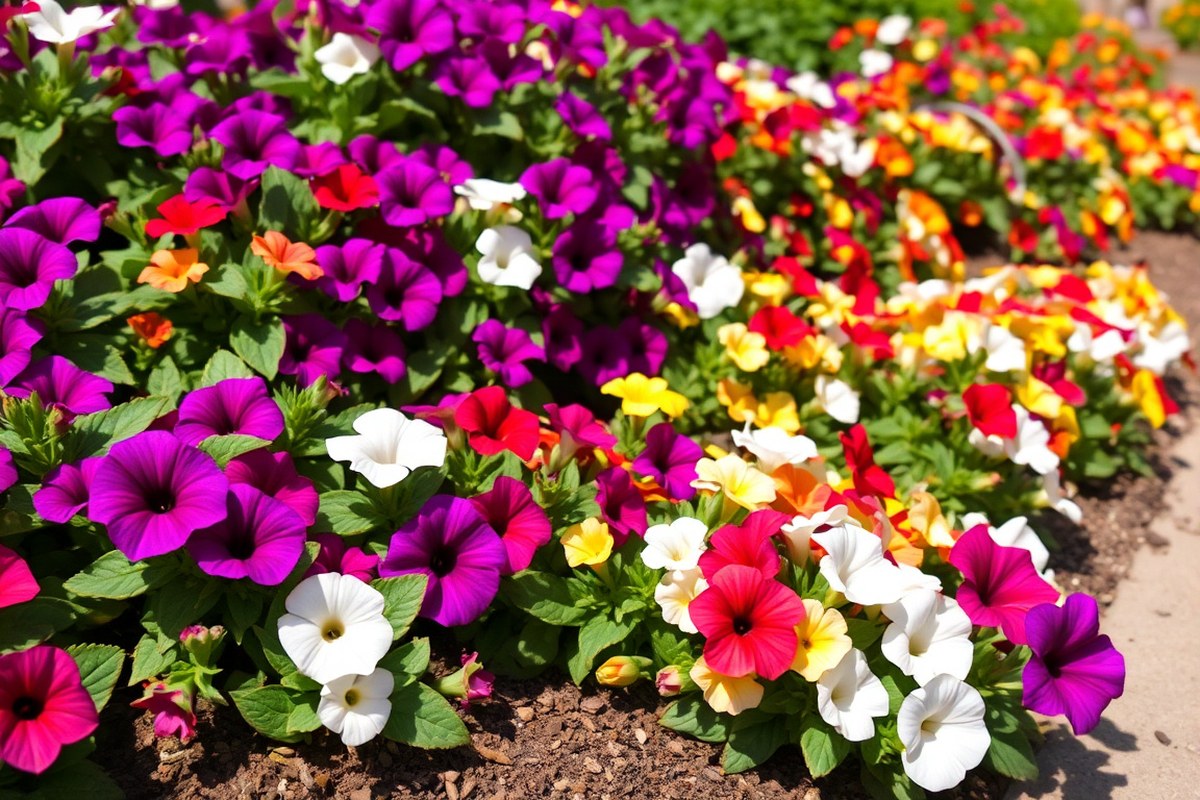
Will Petunias Spread? A Complete Guide to Types, Growth, and Care
Will petunias spread by themselves without any help? Yes, some petunias will naturally spread.
Trailing types can cover 3 to 4 feet wide if given space and care. Their spreading depends mostly on the type and how well they grow.
Not all petunias spread equally. Many types grow from 18 inches to 4 feet across. But mounding varieties stay more compact.
You can help petunias spread faster by spacing them right. Plant them in spots with full sun.
Starting petunias indoors early helps them grow strong before planting outside. Give them bright light and good soil with organic matter. After planting out, watch for crowding, so each plant can grow wide.
Water petunias regularly but avoid soggy soil to prevent root problems. Deadheading spent blooms encourages more flower production and fuller plants. Fertilize every couple of weeks with balanced fertilizer to support healthy growth and spreading.
Key Takeaways
- Trailing petunias can spread between 3 and 4 feet wide outdoors.
- Mounding petunias usually spread less, about 18 to 24 inches.
- Space petunias at least 8 to 12 inches apart for good spread.
- Plant petunias in full sun for at least 5 to 6 hours daily.
- Use rich soil with 2 to 3 inches of organic matter for growth.
- Start petunias indoors 10 to 12 weeks before outdoor planting.
Do Petunias Naturally Spread and Which Types Spread Most?
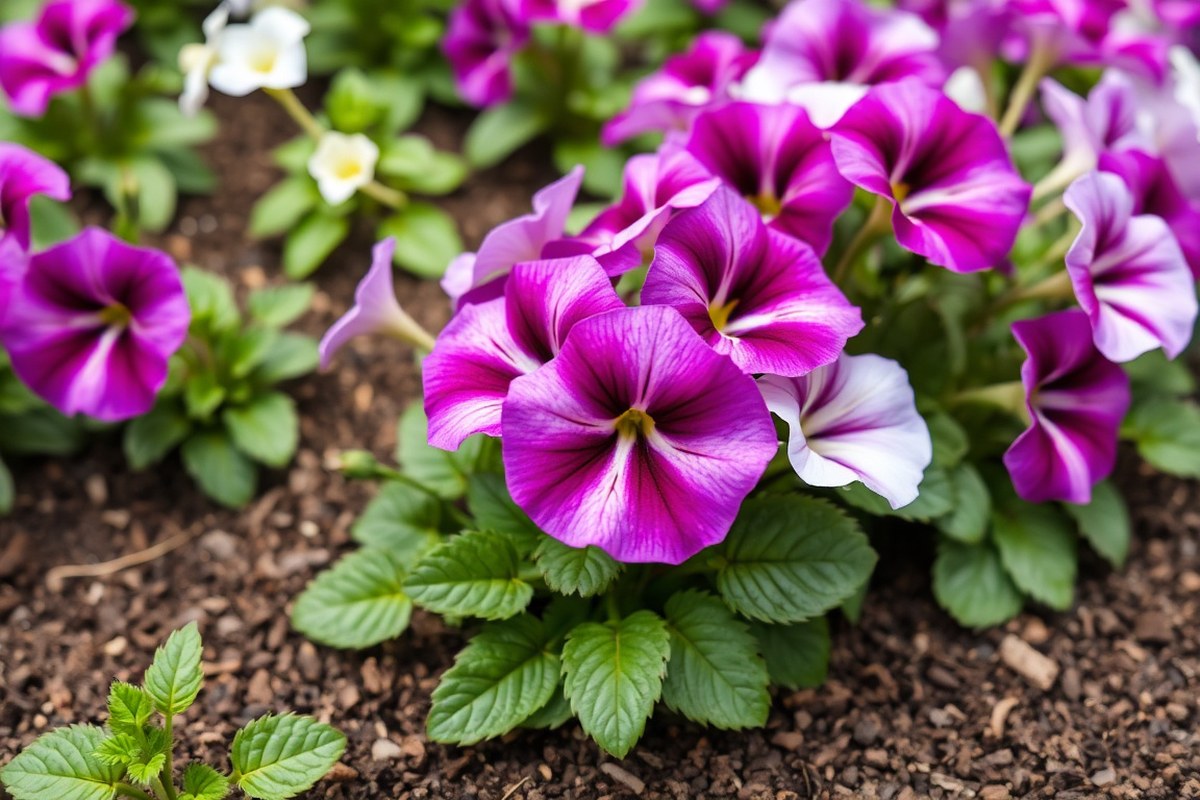
| Petunia Type | Typical Spread | Height | Growth Pattern |
|---|---|---|---|
| Wave (Trailing) | 3 to 4 feet | About 6 inches | Horizontal, sprawling ground cover |
| Spreading (Ground Cover) | Up to 4 feet | 6 to 8 inches | Low, wide, fast-growing coverage |
| Supertunia (Trailing Hybrid) | Up to 3 feet | 6 to 10 inches | Trailing, rapid horizontal spread |
| Multiflora (Mounding) | 18 to 24 inches | 12 to 18 inches | Compact, upright with dense bloom |
| Grandiflora (Mounding) | 18 to 24 inches | 12 to 18 inches | Upright, bushy presence |
Petunias do naturally spread in the garden, but not all types spread equally. The most extensive spreaders belong to the trailing or spreading categories, like the Wave petunias.
These varieties grow low to the ground, typically around six inches tall. But stretch out as far as three to four feet in width.
Wave petunias are commonly called trailing petunias because they cascade over garden beds. They cover wide areas in just one growing season. This makes them great for ground cover.
You get quick coverage. Putting them at least 1 1/2 feet apart helps maximize this spreading effect without overcrowding.
Other spreading petunias, such as the Supertunia series, also trail and grow fast horizontally. They may not reach the full four feet of Wave petunias but still spread broadly. The ground cover types provide lush, colourful coverage that can fill empty garden spaces quickly.
Mounding types like Multiflora and Grandiflora petunias don’t spread as much. They grow upright and dense, usually between 12 and 18 inches tall. Their spread is usually 18 to 24 inches.
This size suits flower beds or pots. It keeps them tidy and contained.
Multiflora petunias are the most prolific among the upright types, known for resilience and dense flowering. They spread naturally but don’t creep much. Wave and trailing petunias spread more.
So these don’t cover ground like them. Choosing between these depends on how much horizontal coverage you want.
Knowing your petunia type helps you plan space. It also sets your growth expectations. You’ll avoid surprises in your garden.
Trailings like Wave and Supertunia need broader spacing to spread well. Mounding types fit better closer together for compact garden patches or containers.
How Far and How Fast Do Petunias Spread?
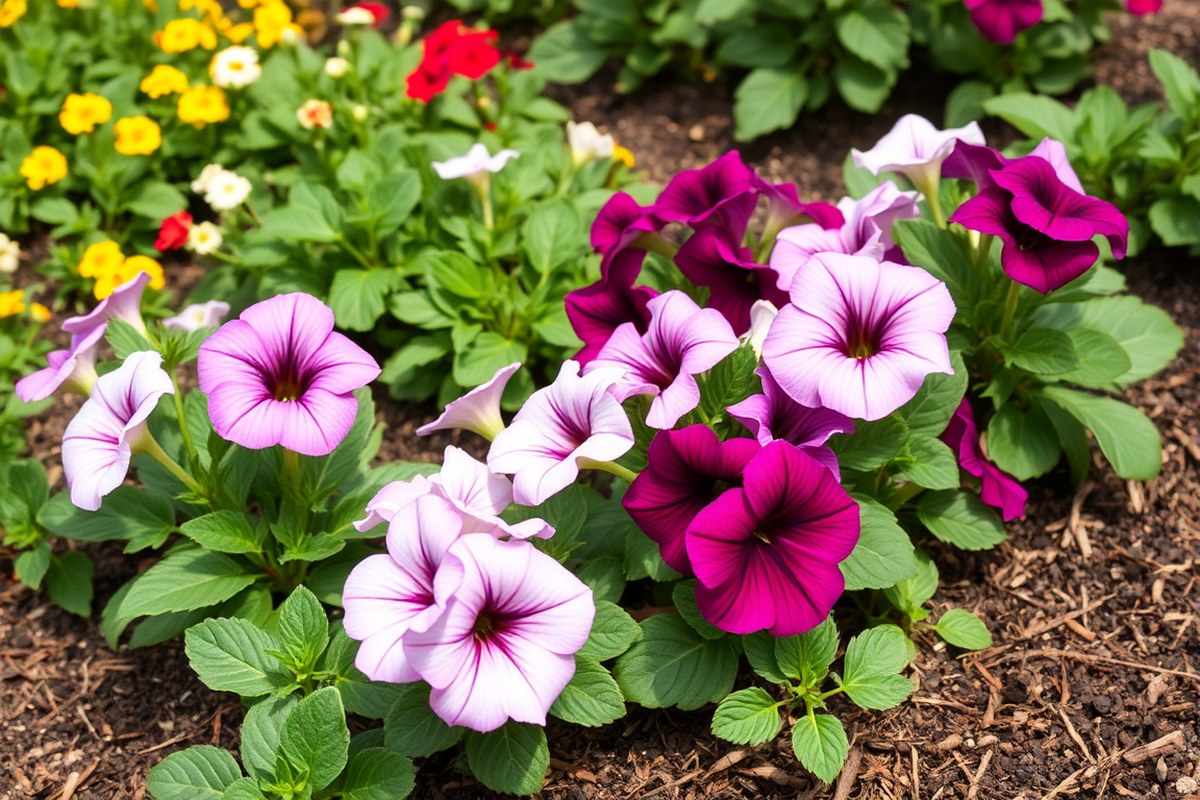
Petunias can spread between 1 and 4 feet, depending on their variety and conditions. They usually begin to spread shortly after the first blooms appear.
Full coverage typically takes about 10 to 12 weeks from planting seedlings. But this varies by type.
Variation by Petunia Type
Trailing petunias like Wave types can spread widely, often up to 3 or 4 feet across. These varieties grow fast and need frequent pruning to avoid becoming too dense. In contrast, milliflora petunias spread less and do better in pots than in large beds.
Mounding petunias generally stay more compact, spreading only about 1 to 2 feet. Gardeners choose types based on how much space they want to fill. Outdoor beds with trailing petunias show faster and broader spread compared to containers.
Timeline from Planting to Full Spread
Petunia seeds take about 10 to 12 weeks to grow into strong seedlings ready for planting. That means starting indoors around early March in cooler northern areas. After transplanting, petunias bloom within 3 to 4 weeks and begin spreading soon after.
Once flowering starts, petunias fill their space in 6 to 8 weeks. Expect steady growth during this period. Good sunlight and proper watering speed up their growth.
A Wave petunia in full sun and 12-inch spacing spreads fast. It can cover 3 feet in just 2 months.
Growing Conditions Affect Spread and Speed
Petunias need at least 5 to 6 hours of sunlight daily. But full sun all day boosts spreading.
Soil quality also matters; well-drained soil supports quicker root growth and healthier plants. In shady areas or poor soil, petunias grow slowly and spread less.
Spacing plants 8 to 12 inches apart helps each one expand fully without competition. Overcrowding stunts spread and reduces flower production. Regular deadheading keeps petunias focused on growth rather than seed production, aiding quicker spread.
Estimating Spread: A Worked Example
Suppose you plant Wave petunias outdoors in full sun with 10 inches between plants. After 12 weeks total from seed to bloom, each plant will spread nearly 3 feet wide. This means 4-5 plants can cover about a 3-foot square area.
Conditions with partial sun or poor soil slow growth. Plants might only spread 1 to 1.5 feet then.5 feet in that time.
Using milliflora petunias instead, expect about 1 foot of spread after 12 weeks. Adjust your garden layout to match how far your petunias will grow.
Prune trailing petunias regularly to control their spread and keep them healthy.
How to Encourage Petunias to Spread Faster and Fill Beds
To help petunias spread faster, deadhead regularly and prune properly. Keep watering and fertilizing consistent to fill your garden bed well.
These care steps boost new growth and encourage petunias to spread. Setting a routine for deadheading and pruning is key to denser plants.
Why Deadheading Helps Petunias Spread
Deadheading means removing faded flowers. This stops the plant from producing seeds and encourages new blooms instead.
Deadheading often tells the plant to grow more sideways. This helps petunias spread faster across the soil.
You should deadhead petunias about once a week during their blooming season. Use scissors or pinch off old flowers above the first leaf set.
This keeps the plant fresh and growing. That way, you stimulate fresh growth and keep your bed looking full and vibrant.
How to Properly Prune for More Growth
Pruning petunias in mid-season is important to keep them thick and lush. Trim back about one-third of the longest stems when they become leggy or sparse. This “haircut” pushes the petunias to branch out with fresh shoots, filling empty spots.
Follow these steps for effective pruning:
- Choose a dry day to prune your petunias to reduce disease risk.
- Use clean, sharp scissors or garden shears to avoid damaging stems.
- Cut back one-third of the longest stems to at least half their length.
- Remove any dead or yellowing leaves to improve air flow around the plant.
- Trim leggy or straggly growth to encourage dense side shoots.
- Dispose of cuttings away from your garden to prevent pests or disease.
Pruning takes little time but greatly helps petunias spread and bloom again. You’ll see better results fast.
Watering and Fertilizing Tips for Best Spread
Petunias spread faster when they get consistent moisture. Water deeply about twice a week, or more in hot weather. Avoid soggy soil, petunias like moist but well-drained ground.
Feed your petunias every two weeks with a balanced liquid fertilizer. Fertilizers with equal nitrogen, phosphorus, and potassium support strong stem and root growth. This encourages the plant to grow more branches and flowers, helping them spread wide and dense.
Applying mulch around your petunias helps retain moisture and reduce weeds. This makes watering more effective and cuts down on stress that can slow spreading growth.
Understanding Petunia Growth Habits: Trailing vs Mounding Types
Petunias come in two main growth types: trailing and mounding. Trailing petunias, like the Wave variety, spread fast and cover wide areas.
Mounding types grow upright and take up less horizontal space. Their form changes how much they spread and where you plant them.
Characteristics of Trailing Petunias
Trailing petunias, such as Wave and Supertunias, grow quickly and spill over edges. They usually reach about six inches tall but can spread two to four feet wide. These petunias fill large garden areas or hang from containers with lush coverage.
Because they spread fast, trailing petunias need more fertilizer to support their growth. They respond well to regular deadheading, which promotes more blooms and wider coverage. These types do best in full sun but tolerate some heat stress less than others.
Features of Mounding Petunias
Mounding petunias grow bush-like and stay compact, usually under 12 inches tall. They don’t spread much beyond their original root area.
So they suit smaller flower beds. Grandiflora petunias are a common mounding type with larger flowers but less spread.
These petunias prefer moderate feeding and can struggle in extreme heat. Their upright growth makes them easier to prune and manage in tight spaces. Mounding types also need regular deadheading but won’t fill wide spaces quickly.
Best Uses for Each Growth Habit
Trailing petunias work well when you want to cover ground fast or create cascading effects. Put them in hanging baskets or at garden edges where their spread shows best. They are great for filling beds with quick color in a single season.
Mounding petunias suit smaller patches or formal beds where controlled growth is needed. Their upright habit makes them easy to surround with other plants without taking over. Use mounding types when you want height without much horizontal spread.
The table below compares trailing and mounding petunias by spread, height, and care needs. It helps to decide which fits your garden space and maintenance plans.
| Trait | Trailing Petunias (Wave, Supertunias) | Mounding Petunias (Grandiflora) |
|---|---|---|
| Height | About 6 inches | Up to 12 inches |
| Spread | 2 to 4 feet | Limited, stays compact |
| Growth Speed | Fast | Moderate |
| Feeding Needs | Heavy feeder | Moderate feeder |
| Heat Tolerance | Moderate | Less tolerant |
| Care Tip | Regular deadheading to maintain spread | Regular deadheading to boost blooms |
Choosing the right type depends on your goals. Trailing petunias give fast coverage and bright color along edges.
Mounding types fit smaller plots or formal beds better. Both need regular deadheading to look their best and spread well.
Do Petunias Spread by Self-Seeding or Root Growth?
Petunias mostly spread through self-seeding, not root growth or runners. They produce seeds that fall nearby and sprout new plants.
This natural process fills garden beds gradually. It works best if you let flowers drop seeds.
Unlike plants with runners or rhizomes, petunias don’t send out stems underground to spread. For example, Mexican petunias (Ruellia simplex) spread by seeds and rhizomes.
But common garden petunias rely on seeds only. This means petunias won’t creep sideways like strawberries or mint do.
Managing seedling spread takes simple steps. Let some blooms fade and form seed pods to encourage new plants. You can collect these seeds or let them drop in place for natural patch filling.
Avoid crowding seedlings, which might block young petunias from growing. Give new sprouts a few inches of space to thrive.
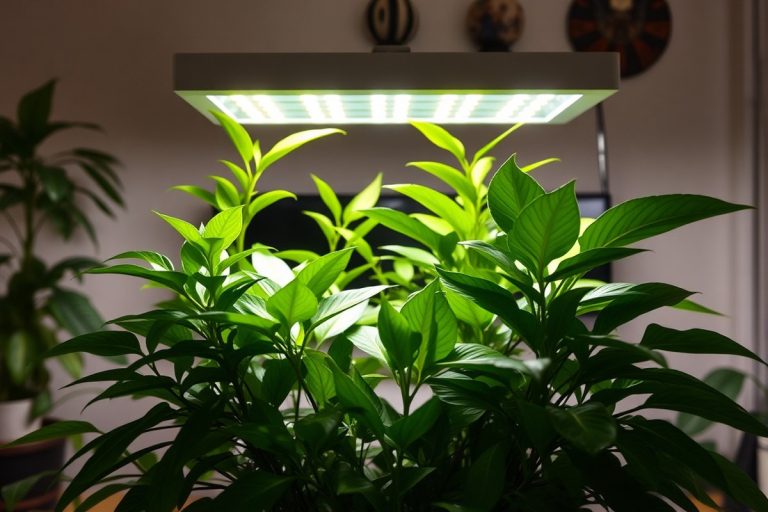
In gardens, petunia seedlings usually appear within two weeks after seed drop. Soil temperature above 60 degrees Fahrenheit supports good germination. Start seedlings indoors 8 to 10 weeks before planting.
Use a fluorescent light to help them grow. Transplant them outdoors after frost danger passes.
Don’t expect petunias to spread well in tight spaces. They need room to grow from seed.
How Planting Space, Soil, and Sunlight Affect Petunia Spread
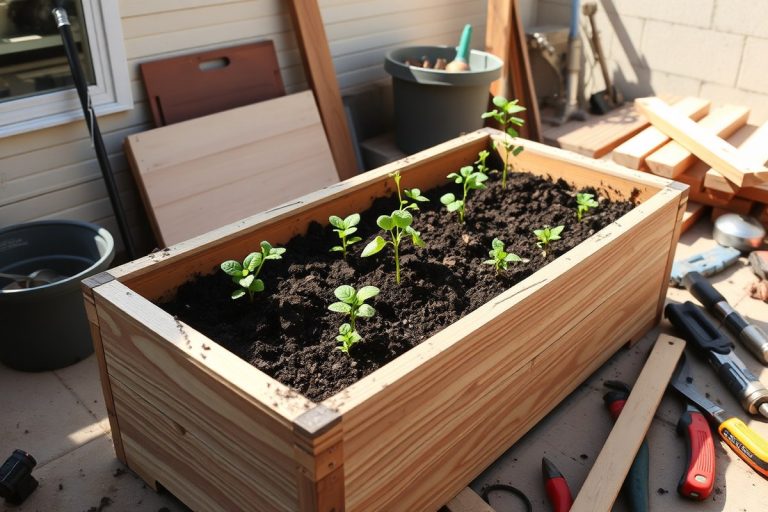
Spreading petunias need enough room to grow without crowding. Leave about 10 to 12 inches between each plant when you set them in the ground. This gives roots room to expand.
Branches get space to fill in. Together, they make a smooth, lush carpet of blooms.
Soil plays a big role too. Petunias like soil that drains well but stays evenly moist. You can mix in sand or compost with the soil.
This helps improve drainage. It also keeps the soil from getting soggy. Avoid heavy clay soil, or your petunias might struggle to spread.
For sunlight, aim for six to eight hours of direct sun each day. This keeps leaves strong and flowers plentiful.
Petunias get most of their energy from sunlight. So full sun spots help them spread faster and bloom longer.
- Space plants 10 to 12 inches apart for good coverage
- Use well-draining soil mixed with sand or compost
- Keep soil moist but not waterlogged
- Provide six to eight hours of direct sunlight daily
- Avoid heavy clay or soggy spots to prevent root problems
- Feed moderately with nitrogen-rich fertilizer for energy
- Mulch to keep soil cool and retain moisture
Keeping the soil moist, not wet, lets roots breathe and grow. Water deeply once or twice a week rather than shallow daily sprinkles. A layer of mulch helps hold moisture and keeps roots cooler during hot days.
Petunias with the right space, sun, and soil grow fast. They often fill beds in six to eight weeks.
You’ll see the branches lengthening and new blooms pushing out more leaves. Sparse or leggy plants might mean too much shade or poor soil drainage, so adjust accordingly.
Why Aren’t My Petunias Spreading? Common Problems and Fixes
Petunias may fail to spread because they aren’t happy where they’re planted. Usually, they need 5 to 6 hours of direct sunlight to bloom and spread well. Your plants will stay spindly or stop growing outward in shade.
Overwatering makes petunias lazy. Soggy soil can rot roots and keep them from spreading.
Water only when the top inch feels dry. Well-drained soil is key to healthy growth.
Even though petunias resist many pests and diseases, some problems can slow their spread. Look for small insects like aphids or signs of fungal infection. When pests appear, wash plants with soapy water or insecticidal soap.
- Overcrowded petunias compete for space; thin them by snipping crowded stems.
- Water deeply but only when soil surface feels dry. Avoid letting the soil stay wet.
- Feed petunias every 2 weeks using a balanced 10-10-10 fertilizer to promote growth.
- Check leaves for tiny pests or sticky spots; treat promptly with insecticidal soap.
- Keep plants in full sun for at least 5 hours daily to encourage spreading.
Too many petunias in one pot or bed means they fight for nutrients and space. Snip back crowded stems to help the others push outward.
Nutrient shortages show as pale leaves or few blooms. Using a balanced fertilizer every two weeks helps petunias stay vigorous.
Look closely for pests such as aphids. They suck plant juices and stunt growth. Wash leaves with mild soap solution every 5 to 7 days.
Apply insecticide too if pests come back. These steps can save your petunias and help them spread over 3 to 4 weeks.
Spreading Petunias in Pots and Hanging Baskets: What to Expect
Petunias can spread in pots and hanging baskets. But not as much as in garden beds.
Trailing varieties, like wave petunias, are best for containers because they tend to cascade over edges. Multiflora petunias also grow well in hanging baskets but usually only spread a little.
Choose trailing petunias when planting containers to get the most spread and coverage. You can start with six-packs or four-inch pots from garden centers. Transplant them directly into your containers.
This saves time and helps young plants grow well. Use containers that have good drainage holes.
Fill them with a quality potting mix. This keeps the roots healthy and prevents waterlogging.
Water petunias regularly in pots, since soil dries out faster there than in the ground. Aim to keep the soil moist but not soggy to avoid root rot. Feeding with a balanced liquid fertilizer every two weeks encourages fuller growth and better spreading.
Space plants to allow air circulation and prevent crowding, which can stress petunias and reduce spread. Removing spent flowers, known as deadheading, helps plants put energy into growing new shoots. In tight spaces like window boxes, trimming back leggy stems keeps petunias compact and encourages branching.
Containers dry out quickly. So check soil moisture daily during hot weather to keep petunias happy.
Petunias do best in full sun even when in pots. So place hanging baskets or containers in bright spots.
Morning sun with some afternoon shade can work in very hot climates to protect blooms. When temperatures drop below 55°F, indoor placement or protection can keep petunias growing longer.
Step-by-Step Action Plan to Help Petunias Spread
Follow these clear steps to get your petunias filling your garden quickly. Each phase shows what to do and how you’ll see results.
- Before planting: Pick spreading petunia types like trailing varieties. This choice sets you up for fuller growth.
- Planting day: Space plants 10-12 inches apart in well-drained soil with good sun. Proper spacing helps them grow outward easily.
- Week 1: Water gently but regularly to settle roots. Check if soil stays moist, not soggy.
- Week 2-3: Pinch off the top shoots lightly. This encourages branching and wider spread.
- Month 1: Add a balanced fertilizer every two weeks. Watch for greener, bushier leaves.
- After 6 weeks: Deadhead spent flowers often. This keeps your plants blooming and growing sideways.
- Ongoing care: Keep soil moist and check for pests. Healthy plants spread better and faster.
- End of season: Collect seeds from self-seeded petunias. Try growing new plants next year with these seeds.
Frequently Asked Questions
Can Petunias Spread to Other Areas of My Garden Naturally?
Yes, petunias can spread naturally through seeding and root growth. Their seeds drop around the plant, sometimes sprouting nearby without help from you.
Does Pruning Petunias Affect Their Spread?
Pruning can help petunias spread by encouraging new growth. Cutting back old stems lets the plant send out branches that fill more space.
Are All Petunias Equally Good at Spreading?
No, some petunias spread more than others, like trailing or multiflora types. Mounding varieties usually stay compact and don’t cover as much ground.
Can Spreading Petunias Become Invasive?
Petunias rarely become invasive in home gardens. They spread mainly by seed in controlled ways but won’t take over natural areas.
Do Petunias Need Specific Soil to Spread Well?
Petunias prefer well-drained soil to spread properly. Heavy or soggy soils can slow their growth and limit how far they spread.
Can Petunias Spread Indoors If Grown in Pots?
They can spread a bit indoors, especially trailing types in hanging baskets. But they spread less in pots than directly in the garden.
Wrapping Up
Petunias do spread, especially when you choose the right type and care for them properly. Pinching and deadheading make a big difference in how full your garden looks. Try these steps now and watch your petunias take over your beds beautifully.