Is Dirt Renewable or Nonrenewable? A Complete Guide to Soil Sustainability
Is dirt renewable or nonrenewable? Dirt, or soil, is mostly renewable but very slowly.
It forms naturally at about 1 millimeter to 1 centimeter every 100 to 1,000 years. That speed makes it feel nonrenewable for many uses.
Soil renewal takes much longer than people usually expect. This means you can’t just keep farming or building on soil without harm. You need to protect soil and let it recover wisely to keep it healthy.
Never use the same soil heavily for more than 2 or 3 years. Rotating soil helps keep it healthy. This practice prevents nutrient loss and disease build-up.
Crop rotation and resting soil prevent permanent damage. Watching how fast soil forms helps you understand why we treat it carefully.
Key Takeaways
- Soil takes a long time to form, roughly 1 millimeter to 1 centimeter per 100 to 1,000 years. This slow process depends on climate and rock type. Soil renewal is extremely gradual.
- Overusing soil beyond 2 to 3 years risks permanent damage.
- Protect soil by rotating crops and avoiding constant tilling.
- Soil renewal is slow, so avoid heavy farming on the same land.
- Resting land allows natural recovery and builds better soil quality.
- Healthy soil supports food production and helps fight land degradation.
Is Dirt a Renewable or Nonrenewable Resource?
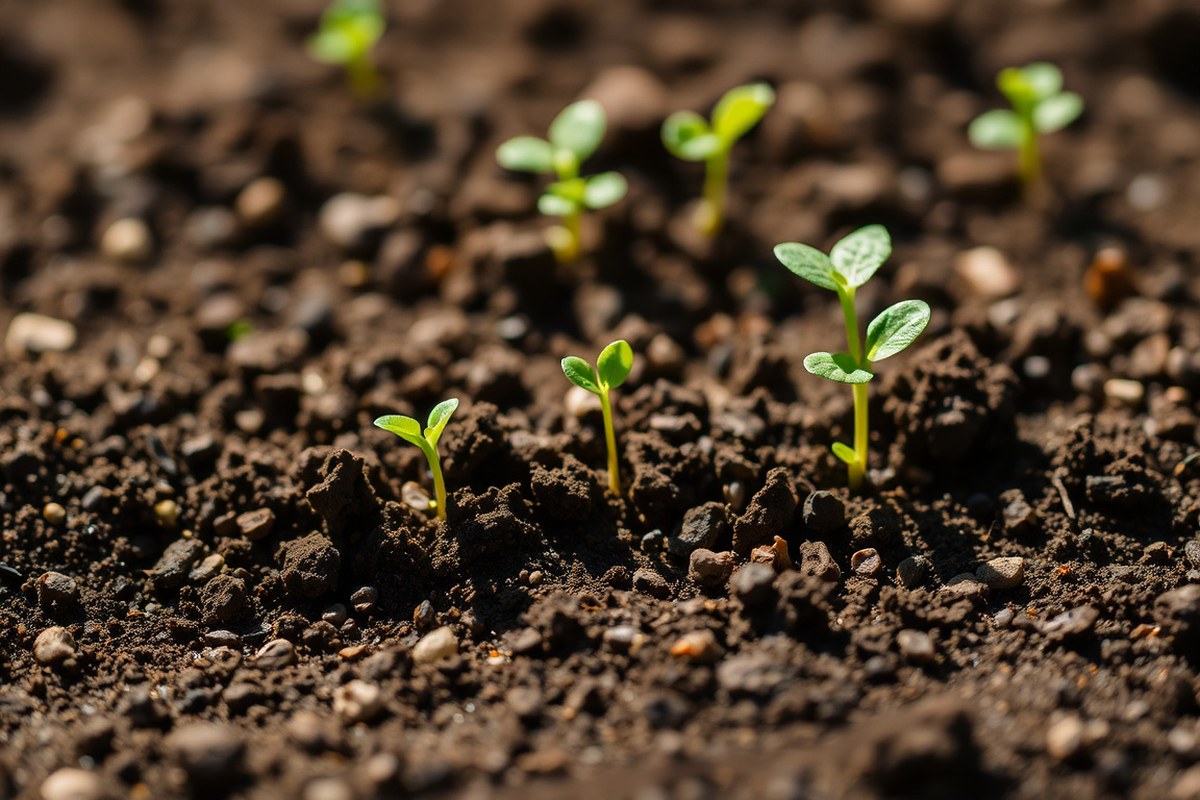
Soil is considered both renewable and nonrenewable, depending on how you look at it. It can renew itself naturally through processes like weathering and organic matter breakdown. Soil renewal happens very slowly.
It can take hundreds or thousands of years. Just one inch of topsoil might form in that time.
Renewable resources are those that can replace themselves quickly and are available continuously. For example, wind and solar energy renew daily without human help. Nonrenewable resources take millions of years to form.
Coal and oil are examples. Once used, these can run out.
Soil fits neither category perfectly. It renews but much slower than resources we typically call renewable. Farming and construction speed up soil loss.
Soil is destroyed faster than it forms. This limits how much soil we have. Because of this, many experts treat soil as nonrenewable on human timeframes.
The main reason soil’s classification is debated is that its natural regeneration depends on complex factors. Soil builds up through rock breakdown, plant growth, and microbial action. But it doesn’t replenish quickly enough for continuous, unlimited use without causing harm.
Here is a comparison to clear this up:
| Feature | Renewable Resource | Soil |
|---|---|---|
| Renewal Time | Days to years | Hundreds to thousands of years per inch |
| Self-Replenishment | Yes, without human help | Yes. Soil renewal is slow and complex. It depends on many natural factors. This makes it hard to replace quickly. |
You might have heard soil is renewable because fertilizers replace nutrients. This is only partly true.
Fertilizers restore nutrients but not the full soil structure or organic life that make soil healthy. Treating soil as endlessly renewable can lead to serious soil degradation and loss.
Understanding these facts helps you see why soil matters as a limited resource. Protecting it means managing use carefully and allowing time for natural recovery. Speeding up natural renewal is possible but costly and sometimes impossible if soil is too damaged.
How Long Does Soil Take to Form Naturally?
Basic Soil Formation Explained
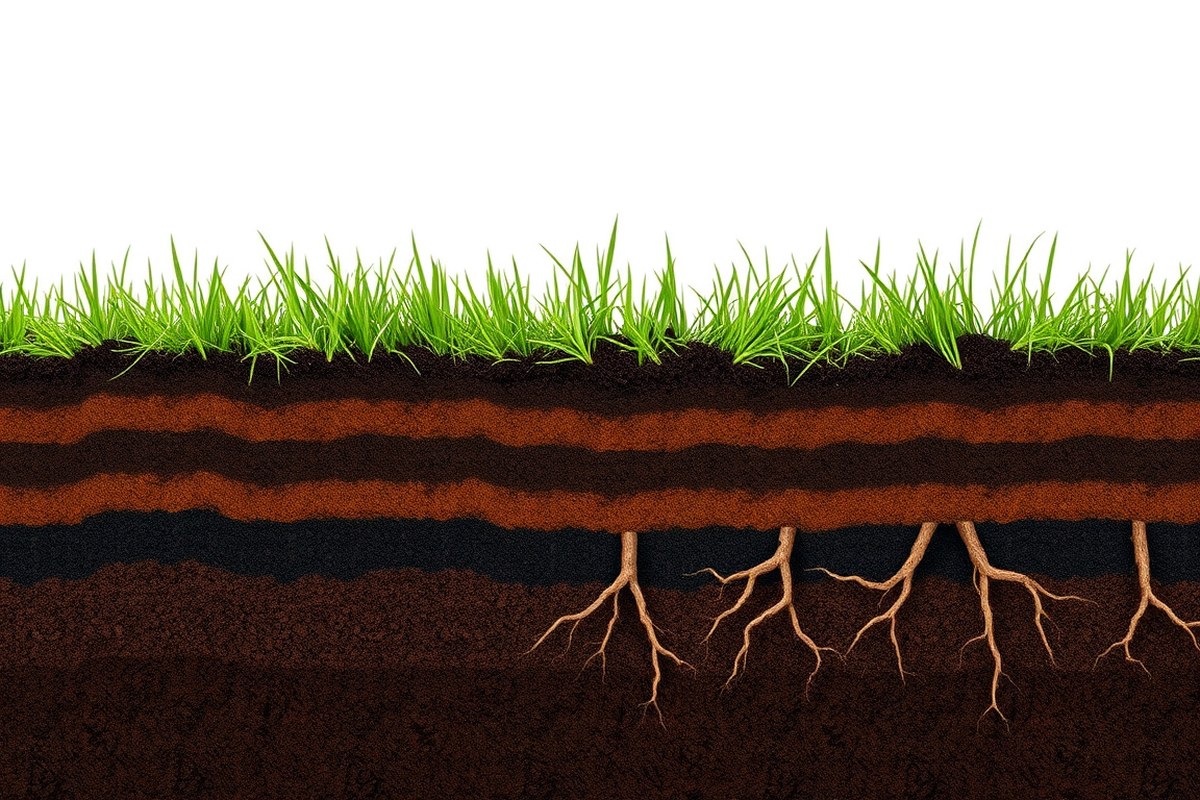
Soil forms when rocks slowly break down and mix with organic matter. This process starts with weathering. Wind, water, and temperature break down rock.
They turn it into tiny particles. Over time, plants and microbes add dead material, enriching the soil.
It typically takes hundreds to thousands of years to develop just a few centimeters of soil. For example, forming 1 inch of topsoil usually requires about 500 years under natural conditions.
Timeline for Soil Development
Soil formation is very slow. Making 1 millimeter to 1 centimeter of soil can take from 100 to 1,000 years. This delay means soil renewal happens much slower than many natural cycles.
Such timelines show why soil loss can outpace soil formation. Erosion can remove soil in decades or less, far faster than it naturally forms.
Environmental Conditions That Matter
Climate strongly affects soil speed. Warm, moist places help break down rock faster. They also encourage plant growth, which adds organic material to the soil layer.
Dry, cold, or rocky areas usually see slower soil formation. The lack of moisture and vegetation reduces breakdown and buildup processes.
Soil Components During Formation
Soil consists of mineral particles, organic matter, water, and air. Minerals come from weathered rock, while organic matter comes from plants and animals. Microorganisms help decompose organic material, making nutrients available for plant life.
These parts mix to create fertile soil that supports ecosystems and agriculture. Their balance is critical and develops very slowly.
Protecting soil matters a lot. Natural formation takes centuries. Lost soil doesn’t return quickly.
What Factors Speed Up or Slow Soil Formation and Degradation?
Soil forms slowly, often just a few centimeters per thousand years. Warm, wet climates speed up that process because water and heat help break down rock faster. Yet, soil loss happens much quicker, especially when people change the land.
Human activities like farming, cutting trees, and building cities cause soil loss. Soil can wash away with rain or blow off in wind. These actions disturb the land and make soil loose.
Tilling soil too often makes erosion worse, removing more soil than nature can replace. Without enough plants to hold it, soil gets carried off by rain or wind.
Different factors control how fast soil forms or disappears. Climate affects soil by controlling rainfall and temperature patterns. Land slope influences how fast water runs off soil.
Rocks, plants, and animals also change soil over time. For example, steep hills lose soil faster than flat fields. Clay soils resist erosion better than sandy ones.
- Heavy rainfall or strong winds increase soil erosion speed
- Removing vegetation boosts soil loss dramatically
- Tilling exposes soil, increasing erosion risk
- Crop rotation and cover crops protect soil
- Contour plowing slows water runoff and erosion
- Pollution can degrade soil quality and speed loss
- Leaving land unused can reduce soil fertility over time
Farming without breaks or rotation wears out soil nutrients and structure. That makes soil less able to hold water and support plants.
Pollutants from industry or chemicals harm the tiny organisms that build healthy soil. These issues combine to push soil loss beyond its natural repair speed.
The worst-case happens when erosion removes soil down to bedrock. Once that happens, natural regeneration halts for thousands of years.
To prevent this, using sustainable land methods is key. Techniques like following the land’s contour and planting cover crops help keep soil in place.
Can Degraded Soil Be Restored? How Fast Is Renewal Possible?
Degraded soil can be restored, but it takes time and effort. You need the right methods like adding organic material and crop rotation. Fertility won’t return overnight, but careful management helps speed up renewal.
Common Soil Restoration Techniques
Several practical methods help restore soil health and fertility. They rebuild organic matter, improve structure, and support beneficial microbes.
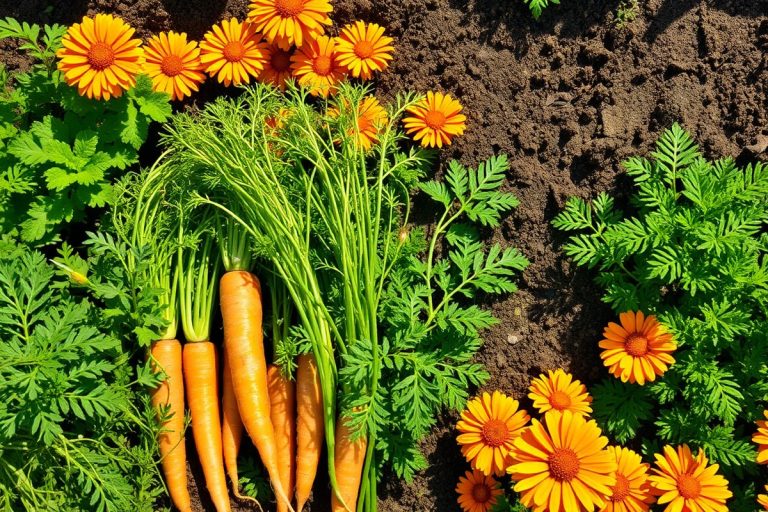
- Add organic matter such as compost or manure to boost nutrients.
- Plant cover crops to protect soil and fix nitrogen naturally.
- Rotate crops to prevent nutrient depletion and reduce pests.
- Apply mulch to reduce erosion and keep soil moisture consistent.
- Reduce tilling to maintain soil structure and reduce erosion.
- Implement reforestation to stabilize degraded land and add organic layers.
- Manage water through proper drainage or irrigation to avoid erosion and compaction.
These steps build soil quality from its physical condition to nutrient content. They also help rebuild living organisms key for soil health.
Typical Timeframes for Soil Recovery
Soil renewal happens slowly. It usually takes several years for fertility to noticeably improve.
Cover cropping and adding organic matter can improve soil in 3 to 5 years. These methods increase nutrients and organic content steadily.
Reforesting or restoring badly eroded soil may require decades. The process depends on climate, soil type, and how severe damage is.
Limitations of Soil Renewal
Restoration takes time and doesn’t always fully reverse severe damage. Some soil erosion removes layers that take centuries to replace.
Intensive farming or pollution can harm soil microbes and organic content deeply. Recovery is harder if these conditions continue.
Renewing soil also requires ongoing careful management. Without protecting soil from future harm, gains can be lost quickly.
What Sustainable Practices Help Maintain and Renew Soil?
Soil stays healthy with farming methods that protect and renew it. Practices like reducing tillage, using cover crops, and adding organic matter improve soil. They keep it productive and prevent erosion.
No-Till and Reduced-Till Farming
Reducing tillage means disturbing the soil less. It protects soil structure and keeps helpful organisms alive. Tilling too much breaks up soil and speeds erosion.
No-till farming skips plowing altogether. Farmers plant seeds directly into residues from previous crops. This keeps soil covered and moist, slowing nutrient loss.
Reduced-till involves shallow tilling just enough to prepare seedbeds. It saves time, fuel, and maintains soil life better than deep tilling.
Use of Cover Crops and Crop Rotation
Cover crops grow between main crops to protect soil. They stop erosion by holding soil with roots and reduce weeds. Cover crops also add nutrients back into soil.
Crop rotation means planting different crops in the same field year to year. Different plants use and return different nutrients. Rotation balances soil and reduces pests.
- Plant legumes as cover crops for natural nitrogen fixing
- Rotate corn with soybeans or wheat to balance nutrients
- Use winter rye as a cover to protect soil from rain erosion
- Choose cover crops suitable for your climate and soil type
- Keep living roots in soil as long as possible during off-season
Use diverse cover crops tailored to your region to boost soil health efficiently.
Organic Amendments and Mulching
Adding organic matter like compost or animal manure feeds soil microbes. It helps soil hold water and nutrients better. Organic amendments also improve soil texture over time.
Mulching covers soil with plant material or other residues. Mulch keeps soil cool and moist. It also slows erosion and stops weed growth.
Simple mulching options include straw, wood chips, or leaves. Organic mulch breaks down slowly, feeding soil constantly.
What Common Myths and Mistakes Affect Understanding of Soil Renewal?
People often think fertilizing soil means making it renewable. Fertilizers only add nutrients, but they don’t rebuild soil’s structure or organic matter. True soil renewal requires more than just nutrient replacement.
Nutrient replacement doesn’t equal renewal because soil also needs healthy microbes and organic material. Fertilizers provide nutrients fast, but they don’t restore the slow natural processes. Those processes, like decomposition and weathering, create new soil over thousands of years.
Some believe all soils regenerate at the same speed. That’s wrong.
Soil renewal varies widely depending on soil type, climate, and land use. Sandy soils lose nutrients faster and regenerate slower than loamy soils rich in organic matter.
- Myth: Fertilizers fully renew soil. Fact: They only replace nutrients temporarily.
- Myth: Replacing nutrients equals soil renewal. Fact: Renewal needs restoration of soil structure and biology.
- Myth: Soil regenerates quickly everywhere. Fact: Natural soil formation usually takes millennia.
- Myth: All soils recover at the same rate. Fact: Soil type and environment affect regeneration speed.
- Myth: Human impact doesn’t speed soil loss. Fact: Agriculture and deforestation often degrade soils faster than renewal.
Soil can renew but only slowly and under healthy conditions. It takes hundreds to thousands of years for natural soil layers to form naturally.
Without care, soil degrades faster than it can recover. That degradation changes soil’s chemistry, biology, and physical state.
Replacing what soil loses with fertilizers doesn’t fix damage done to its structure or living organisms. Restoring soil means adding organic matter, reducing erosion, and managing land carefully. Those steps help soil regain its full function over decades or longer.
How Does Soil Type Influence Its Renewal and Vulnerability?
Soil type affects how fast soil renews itself. It also impacts erosion risk. Different soils behave in different ways.
Soils high in sand drain water fast. They don’t keep nutrients well. This speeds up nutrient loss.
Clay soils absorb water well but can become compact and hard, slowing renewal. Humus, made of decayed plant and animal matter, holds water and nutrients best, supporting renewal.
Some soils break down faster than others. Sandy soils lose nutrients quickly and are prone to erosion by wind and rain. Clay soils resist erosion better but can trap water, which sometimes makes plants struggle.
Silty soils hold water and nutrients well. They become slippery and compact easily. Heavy rain or farming can damage them.
| Soil Type | Constituents | Particle Size | Water Absorbency | General Texture |
|---|---|---|---|---|
| Silt | Rock particles | Finer than sand | Holds water well | Slippery (wet), powdery (dry) |
| Sand | Rock particles | Between silt and clay | Water drains easily | Gritty, wet or dry |
| Clay | Rock particles | Finest particles | Very absorbent | Sticky, very hard when dry |
| Humus | Decayed dead organisms | Various sizes | Holds water very well | Soggy |
Soil texture impacts much more than water flow. Clay and humus-rich soils keep moisture in better, supporting plant growth longer after rain. This boosts fertility and speeds renewal as plants grow and die.
Sandy soils lose water fast, needing irrigation or more organic matter to stay fertile. Heavy clay can hold water too long, making plants suffer from poor air flow.
You can manage soils better based on their texture. Adding organic matter helps sandy soils hold moisture and nutrients. Using cover crops prevents erosion in silty soils.
Avoid compacting clay soils by limiting heavy equipment use, since compacted clay slows water movement. By matching care to soil type, you protect soil from damage and help renewal.
What Role Does Soil Play Beyond Being a Resource?
Soil does much more than grow food. It stores carbon, which helps control greenhouse gases and slows climate change. Carbon can stay trapped in healthy soil for decades or more.
This helps lower how much carbon reaches the air. Healthy soil acts like a carbon storehouse.
Soil also acts like a natural filter for water. Rainwater seeps down through soil layers, where harmful chemicals and pollutants get trapped or broken down. This keeps groundwater cleaner and protects lakes, rivers, and streams from pollution.
A rich soil ecosystem supports thousands of living organisms. These tiny creatures break down organic matter, recycle nutrients, and improve soil structure. Their activity helps hold water, encourages plant growth, and keeps the soil healthy.
Soil helps regulate the water cycle too. It absorbs rainfall and releases it slowly, reducing floods.
Well-structured soil holds moisture, helping plants survive dry spells better and maintaining steady stream flows. This function varies with soil type and how much organic matter is present.
Healthy soil supports biodiversity beyond just crops. Many insects, fungi, and bacteria depend on soil for food and shelter. This diversity strengthens ecosystems and makes them more resilient to pests and diseases.
Keep soil covered with plants or mulch to protect its structure and boost water absorption.
When soil loses its health, it loses these services. Pollution, overuse, or erosion reduce carbon storage and water filtering.
Nutrient cycling slows down. Soil can become compacted or dry, making floods and droughts worse.
You can help by adding organic matter to the soil. Avoid heavy machinery that packs the soil down.
These steps keep the soil healthy and loose. These steps support soil’s natural roles and help your local environment stay strong and balanced.
Step-by-Step Action Plan for Supporting Soil Renewal
Start improving your soil’s health with clear, easy steps. Follow these to help soil stay productive and renew naturally over time.
- Day 1: Test your soil’s current condition using a simple kit. Knowing soil health helps track progress.
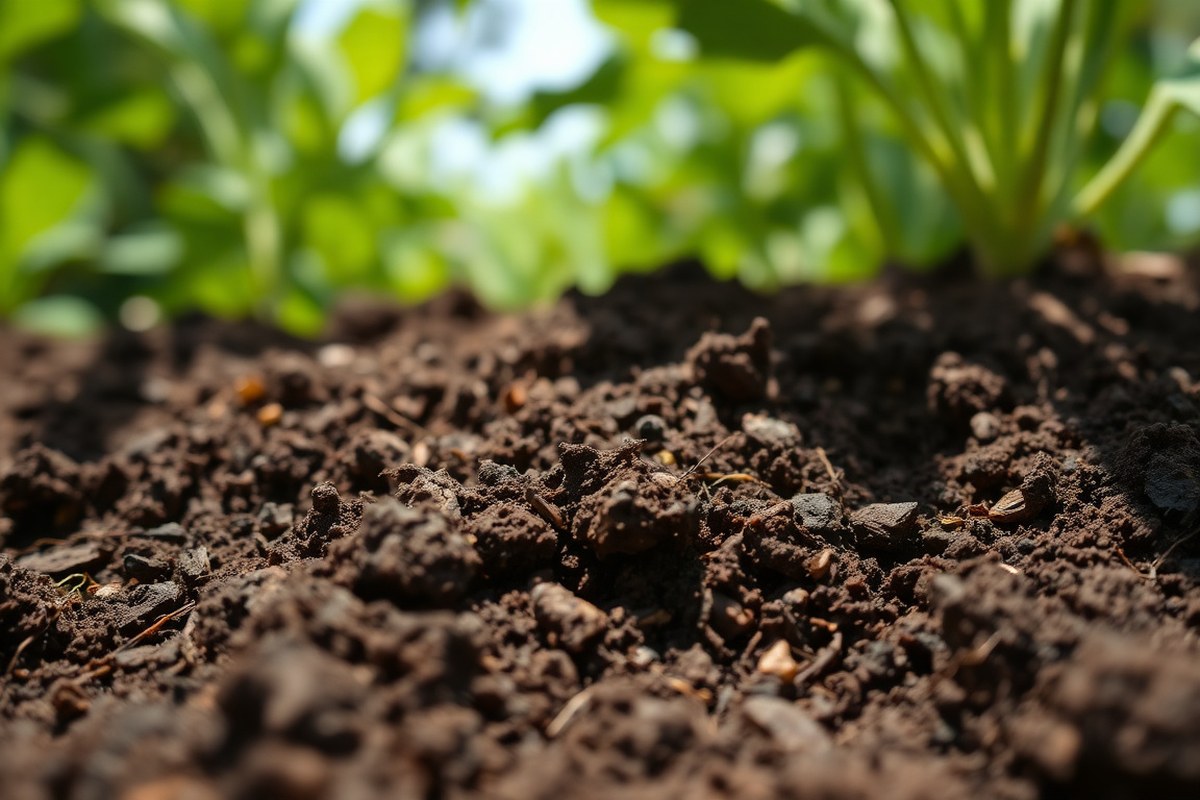
- Week 1: Begin adding organic matter like compost or mulch. Check that soil looks darker and crumbly.
- Week 3: Plant cover crops such as clover or rye grass. Watch for green growth protecting soil from erosion.
- Month 2: Reduce tilling or avoid it altogether. Soil should feel less compact and more porous.
- Month 3: Rotate your crops or change planting spots. Look for fewer pests and healthier plants.
- Month 6: Add natural fertilizers like manure carefully. Plants should start showing steady, strong growth.
- Month 9: Monitor soil moisture and avoid overwatering. Soil should absorb water well but not stay soggy.
- Year 1: Retest soil to compare changes. Notice improved texture, color, and plant health as signs.
Frequently Asked Questions
Is Soil Considered a Renewable Resource over Time?
Soil is renewable but forms very slowly, often taking centuries. This slow renewal means it can’t meet rapid demand or loss from poor practices.
Can Human Activity Make Soil Loss Worse Than Natural Processes?
Yes, farming, deforestation, and construction speed soil loss much faster than natural renewal. Managing land carefully can slow or prevent this damage.
Does Soil Contamination Affect Its Ability to Renew?
Contaminated soil loses fertility and struggles to support ecosystem functions. Cleaning or remediating soil can be costly and slow.
How Does Climate Change Influence Soil Renewal Rates?
Climate change can speed soil erosion and reduce organic matter, slowing renewal. Protecting soil helps resilience against these effects.
Is All Dirt the Same in Terms of Renewal Potential?
No, sandy soils renew faster but hold fewer nutrients. Clay soils take longer to renew.
However, clay soils hold more moisture. Management should match soil type.
Can Reforestation Help Restore Degraded Soil Quickly?
Reforestation improves soil structure and nutrient cycling. This speeds up restoration. Still, full recovery takes years or even decades.
The Bottom Line
Dirt is a renewable resource but only when treated with care and patience. Taking small steps to protect and improve soil pays off over time. Start with a soil test and build your plan from there.