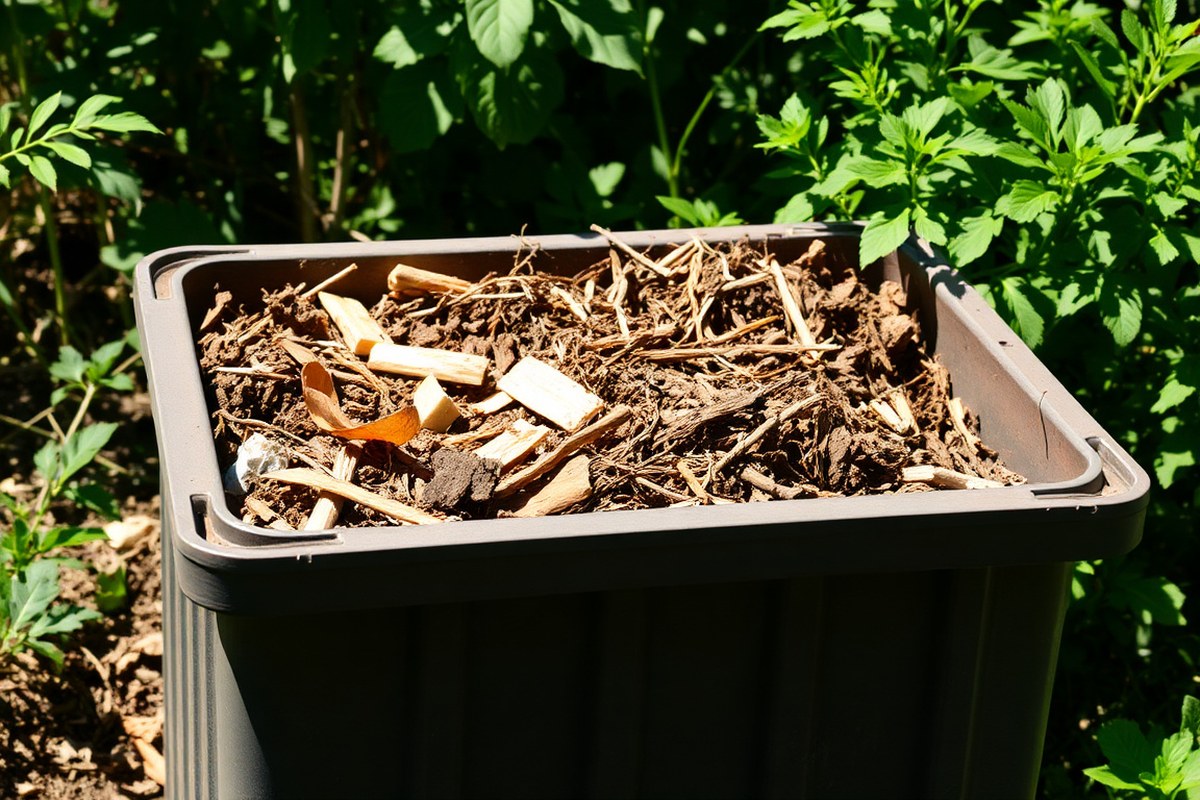
How Long Does a Compost Bin Take: 8 Key Factors That Affect Speed
How long does a compost bin take to produce finished compost? It usually depends on how you manage the pile and the method you use.
Typically, compost can be ready anywhere from 6 weeks to 2 years. The ingredients you add also affect this timeline.
Hot compost piles that get turned often can finish in about 3 to 8 weeks. Passive, unturned piles take longer, sometimes up to 18 months. Green materials like food scraps speed it up, while woody bits slow it down.
Start with a good size pile, about 3 feet wide and tall, to keep heat inside. Check moisture regularly to keep it as damp as a wrung-out sponge, roughly 40-60%.
This balance helps microbes break down materials faster. Turning the pile every few days feeds oxygen to the microbes and encourages heat.
Key Takeaways
- Hot compost piles that are regularly turned finish within 3 to 8 weeks.
- Cold, passive piles take 6 to 18 months to break down.
- Use a bin at least 3 feet in each direction for proper heat.
- Keep moisture levels between 40% and 60% for best decomposition.
- Mix your pile regularly to speed up the composting process.
- Adding small, chopped materials helps microbes work faster.
1. How Long Does a Compost Bin Take to Produce Finished Compost?
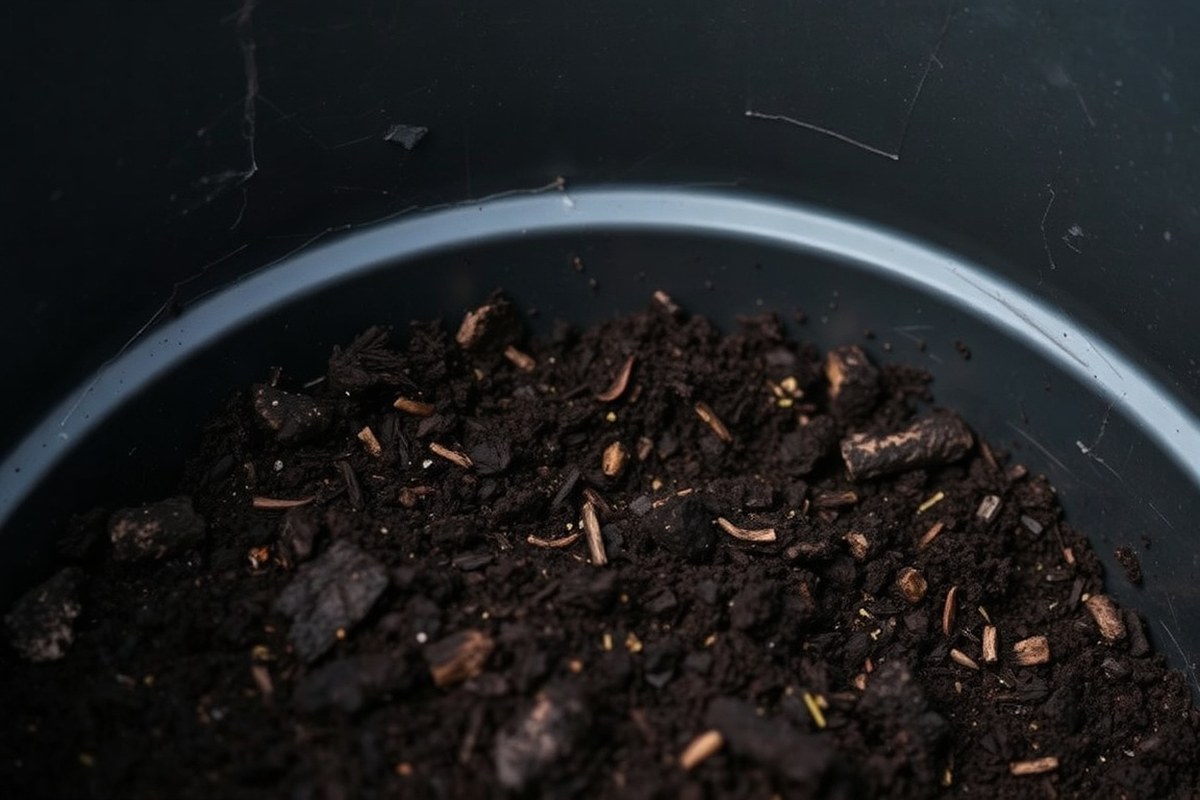
Compost bin timing depends on your chosen method and management style. A hot compost pile can create finished compost in 4 to 10 weeks with regular turning. Cold composting takes longer, often between 3 to 12 months.
Worm farms usually produce usable compost in about 3 to 6 months. Bokashi composting finishes quickest, around 3 to 4 weeks with steady temperatures. A compost tumbler speeds things up if turned daily, matching hot compost times.
| Method | Minimum Time | Typical Time | Maximum Time | With Active Management |
|---|---|---|---|---|
| Hot composting | 4 weeks | 6, 10 weeks | 14 weeks | Can reduce to 4, 6 weeks |
| Cold composting (passive) | 3 months | 6, 12 months | 18+ months | Turning speeds it up |
| Worm farm | 2 months | 3, 6 months | Ongoing | Optimal feeding accelerates |
| Bokashi | 2 weeks | 3, 4 weeks | N/A | Consistent temperature helps |
| Tumbler compost bin | 4 weeks | 6, 10 weeks | 14 weeks | Daily turning fastest |
Regular aeration and managing moisture make a big difference in finishing time. Compost with daily turning or careful feeding will finish quickly. Letting the pile sit without stirring will slow the process and stretch weeks into many months.
The finished compost looks dark, crumbly, and smells earthy. It usually cures for a few extra weeks after heating stops. You can use that time to start your next batch while the first fully matures.
2. How Different Composting Methods Affect Composting Time
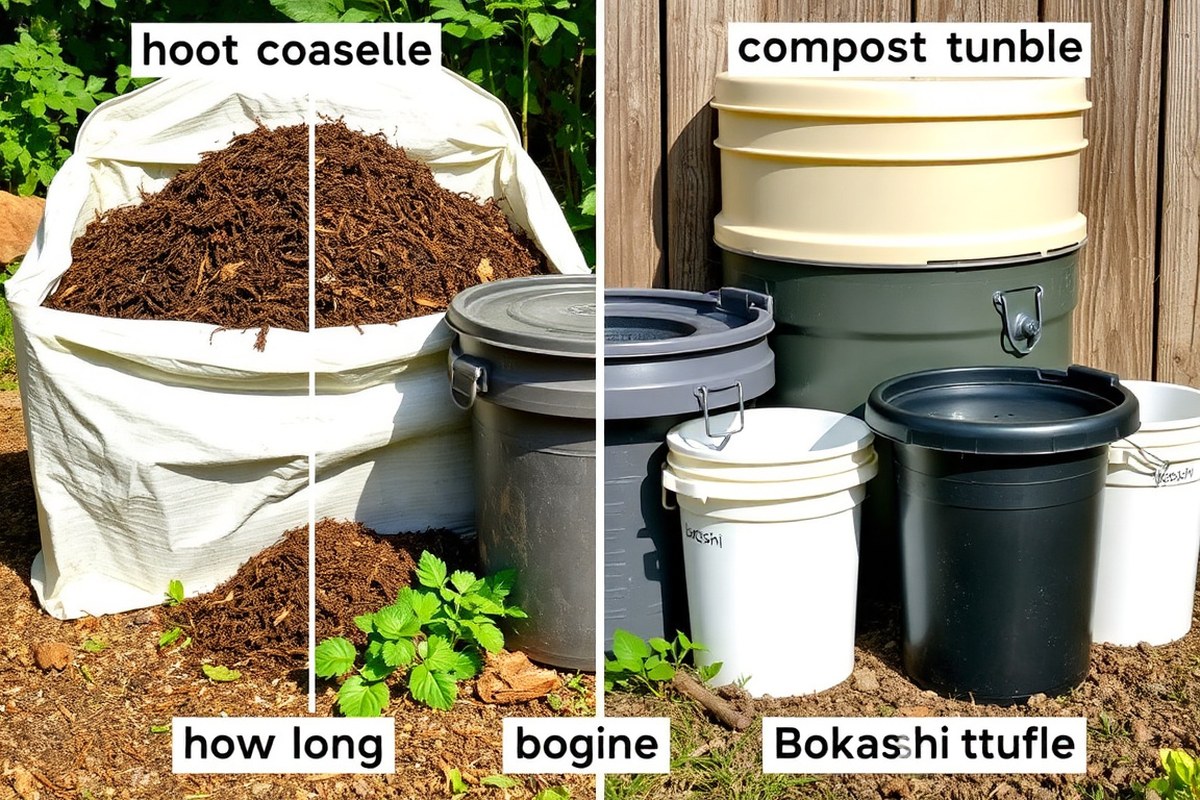
Composting time varies a lot based on the method you choose. Hot composting works fastest, often finishing in under two months.
Cold composting and vermicomposting take a few months or more. Bokashi uses fermentation for quick breakdown, while tumblers speed up mixing.
Hot Composting Speed and Process
Hot composting takes between 3 and 8 weeks. It generates high heat, often above 130°F (54°C), to break down material fast. Turning the pile every week or two adds air, helping microbes work faster.
This method needs a good balance of brown and green material along with moisture. A bin size of about 1 cubic yard (3’x3’x3′) helps the heat build up well.
Expect rich, dark compost in about 3 weeks with active management. Turn the pile often and keep it moist for best results.
- Collect a mix of greens (kitchen scraps) and browns (leaves, paper).
- Build a pile at least 3 feet wide and high for heat retention.
- Moisten the pile so it’s damp but not soggy.
- Turn the pile every 7 to 10 days to add oxygen.
- Monitor the pile temperature. It should get hot quickly.
- Keep adding material regularly but in smaller batches.
- Harvest finished compost when it’s dark and crumbly, usually in 3-6 weeks.
Hot composting needs active turning and proper moisture to avoid smells or slow breakdown.
Cold Composting Duration and Conditions
Cold composting takes 6 months to 2 years. It breaks down waste slowly without needing much work. You just pile your scraps and leaves, then let microbes take their time.
This method is low effort but requires more patience. You’ll want to turn and moisten the pile every month to keep it healthy. Cold composting works well if you don’t add much new material at once.
Vermicomposting Timeline and Worm Activity
Vermicomposting takes about 3 to 6 months. Worms eat kitchen scraps and garden waste, creating rich worm castings. It’s slower than hot composting but faster than cold piles.
You need a worm bin with red worms like Eisenia fetida. Keep the bin cool and moist, avoiding acidic or salty waste. Harvest the worm castings in 2 to 3 months for the best quality.
Bokashi Composting Fermentation Period
Bokashi composting finishes in 4 to 6 weeks. It ferments food scraps anaerobically using special bacteria. This method works well for items that usually break down slowly.
Things like meat and dairy compost better this way. It speeds up the process.
Use a sealed Bokashi bucket with a spigot for liquid drainage. After fermentation, bury or add the material to a traditional compost pile to finish breaking down. The initial fermentation takes about a month.
Compost Tumblers: Frequency and Timeframes
Compost tumblers usually take 4 to 8 weeks. They keep compost in a closed container that retains heat and moisture. Turning is much easier, so you can mix your compost every few days.
This method offers medium effort and faster results than cold composting. Tumblers are great for small yards since they’re compact and prevent pests. You’ll want to turn it about twice a week for best results.
| Composting Method | Timeframe | Turning Frequency | Effort Level |
|---|---|---|---|
| Hot Composting | 3, 8 weeks | Every 7, 10 days | High |
| Cold Composting | 6 months, 2 years | Every 4 weeks or less | Low |
| Vermicomposting | 3, 6 months | N/A (worm activity) | Medium |
| Bokashi | 4, 6 weeks | None (fermentation) | Low |
| Compost Tumblers | 4, 8 weeks | 2, 3 times per week | Medium |
3. Key Factors That Influence How Fast Compost Breaks Down
Several factors influence how fast your compost breaks down in the bin. Temperature, moisture, aeration, carbon-to-nitrogen ratio, and particle size all shape the speed of decomposition. Managing these well helps you get usable compost faster.
Temperature and Its Effects on Breakdown
Temperature is a key driver for speedy composting. A hotspot between 130°F and 160°F (54°C to 71°C) helps microbes work fast. This heat also kills weed seeds in the pile.
Use a long-stemmed compost thermometer to check inside the pile about 12 inches deep. Add more green materials or turn the pile for oxygen if it feels too cool.
Moisture Balancing for Microbe Activity
Compost should be as moist as a wrung-out sponge, neither dry nor soggy. Microbes need moisture to thrive but too much water blocks oxygen.
Too dry means slower breakdown. Too wet leads to bad smells and slimy clumps.
Spray the pile with water when it feels dry to keep moisture levels good. Mix in dry brown materials and turn the pile if it’s soggy.
Keeping Air Flow with Aeration and Turning
Microorganisms need oxygen to work quickly. Turn your compost pile every week or two to let air in. This stops the pile from going anaerobic and smelly.
Lack of turning slows the process and makes your pile smell bad. Use a pitchfork or compost aerator to mix the pile thoroughly.
Carbon-to-Nitrogen Ratio Matters Most
A good balance of carbon-rich “browns” and nitrogen-rich “greens” helps microbes multiply. Use about 3 parts brown materials to 1 part green by volume. This gives a roughly 25 to 35:1 carbon-to-nitrogen ratio.
Too much carbon slows the process because microbes starve for nitrogen. Too much nitrogen creates a smelly pile and can lose nutrients.
Particle Size and Pile Size Impact Speed
Smaller pieces break down faster because microbes access more surface area. Chop or shred leaves and kitchen scraps before adding them.
Pile size also counts. Make your compost pile at least 3 feet wide and 3 feet tall.
This size holds enough heat for good composting. Smaller piles cool quickly and slow decomposition.
This checklist sets your compost up for faster breakdown:
- Maintain pile temperature between 130°F and 160°F
- Keep moisture like a wrung-out sponge
- Turn the pile every 1-2 weeks for oxygen
- Use about 3 parts browns to 1 part greens by volume
- Chop materials to small pieces (1-3 inches)
- Build piles at least 3 feet wide and tall
Add green materials for nitrogen if your pile isn’t heating up well. Too wet?
Add dry browns and mix well. No smell is a good sign; rotten odor means poor airflow or too wet.
4. How to Tell When Your Compost Is Ready to Use
Your compost is ready to use when it looks dark brown or grayish. The texture should feel smooth and almost powdery rather than rough or chunky. You’ll also notice a fresh, earthy smell instead of any sour or rotten odors.
Scoop some compost from the bottom of the bin. That area has the oldest material. Check it carefully.
It should be crumbly and moist but not wet or slimy. The compost needs more time if you still see food scraps or plant bits.
- Look for a dark color and crumbly texture
- Smell for fresh, soil-like earthiness
- Check moisture: damp but not soggy
- Try the bag test by sealing a handful for 3 days
- Feel the texture: powdery and smooth is best
The bag test helps you spot unfinished compost. Put a handful of compost in a plastic bag. Seal the bag tight.
Leave it for about three days. Open the bag after three days. A bad or sour smell means the compost isn’t ready yet.
Using finished compost is best for your garden soil. Immature compost can harm plants.
Store unfinished compost separately so it can continue breaking down. Taking these steps helps you avoid adding materials too early and gives your plants healthy soil.
5. Simple Steps to Speed Up Your Compost Bin Processing Time
You can speed up composting by following a few clear steps. Focus on balancing materials, keeping moisture right, and turning your pile regularly. These keep microbes active and break down waste fast.
Balancing Greens and Browns for Fast Breakdown
Your compost needs a good mix of greens and browns. Greens are wet and rich in nitrogen, like kitchen scraps and grass clippings. Browns are dry, carbon-rich materials such as dried leaves and shredded paper.
A ratio close to 2 parts browns to 1 part greens works well. Too many browns slow microbial activity.
Too many greens make the pile soggy and smelly. Cut larger materials into smaller pieces for faster composting.
Maintaining Optimal Moisture Levels
Your compost should feel like a sponge squeezed dry. If too dry, microbes slow down.
If too wet, air can’t reach inside, causing smells. Keep it moist but not soaked for microbes to thrive.
Water your compost when it looks dry. If it feels wet or smells bad, add dry browns.
Adjust moisture to keep the pile healthy. Regular checks prevent problems before they slow down your compost.
Regular Turning and Aeration Schedule
Turning the compost aerates it by adding oxygen the microbes need. Turn your compost every one to two weeks. This depends on your bin size and what materials you use.
Regular turning helps break down stuff faster. For small bins, turn once a week. For larger piles, every two weeks can work.
Use a garden fork or compost aerator tool to mix the pile well. This prevents compaction and helps all materials break down evenly and quickly.
Using Additives and Inoculants Wisely
Adding finished compost or garden soil can introduce helpful microbes. These kickstart decomposition and improve microbial diversity. However, don’t overuse chemical additives or processed accelerators as they may disrupt your pile’s natural balance.
Some gardeners add shredded newspaper or sawdust to adjust carbon levels quickly. These are safe ways to keep the pile balanced and moist.
Managing Temperature Effectively
Compost piles break down fastest between 130°F to 160°F. Bins hold heat better than open piles, speeding up decomposition. Use an insulated tumbler to keep your compost warm.
Or make your pile at least 3 feet wide and tall. This size helps trap heat inside the pile.
Cold weather slows the process. In winter, move your pile to a sheltered spot or use extra browns to insulate. Cooking scrap-sized materials finely also helps maintain warmth.
Follow these steps to speed up how fast your compost breaks down:
- Chop or shred kitchen scraps and garden waste into small pieces.
- Mix together 2 parts dry browns with 1 part green materials.
- Check moisture by squeezing the compost; add water or dry materials as needed.
- Turn or aerate your compost pile once every 1 to 2 weeks.
- Add a scoop of finished compost or garden soil every month.
- Keep your compost pile at least 3 feet in size for good heat retention.
- In cold weather, add more brown material to your pile. You can also move it somewhere warmer. These steps keep your compost active during winter.
Don’t ignore moisture levels. Too wet or too dry piles slow compost and smell bad.
6. How Seasonal and Environmental Conditions Affect Compost Timings
Temperature and climate heavily affect how fast compost breaks down. In warm seasons, a balanced pile can heat up to 130°F to 160°F within a week. This heat speeds up microbial activity that quickly turns waste into compost.
During colder months, temperatures drop and slow composting sharply. A compost bin might take months to finish in winter if left outside.
To keep the process going, place your bin where it gets the most sunlight, ideally south-facing. This helps raise the pile’s internal temperature.
Keeping the compost moist is key year-round but especially in dry spells. Too much rain can waterlog the pile and cool it down. Drying out kills beneficial microbes.
Cover the pile with a tarp or lid when heavy rain is expected. Add water when it feels dry.
Wind and shade also play a role. A compost bin in full shade might stay cooler and process more slowly. Move your bin to a spot that gets morning sun.
This gives a steady temperature boost. It won’t overheat the pile. Avoid direct afternoon sun in hot climates to prevent drying out.
Build a new pile 3 to 4 feet wide and tall. Use a mix of green and brown materials. Start this in spring or fall.
This size retains enough heat for fast composting. Smaller piles or scattered scraps cool off quickly and break down much slower.
During winter, adding fresh green scraps gradually helps maintain some microbial activity. You can also insulate the pile with straw or leaves around the sides. This keeps warmth inside and speeds up breakdown despite the cold.
Turn your pile regularly to balance moisture and air. Avoid turning it too often in winter. This helps keep compost healthy.
Let the pile settle to retain heat and protect microbes. In milder seasons, turning every 7 to 10 days keeps the compost active and fast.
7. Common Mistakes That Slow Down Compost Bin Breakdown
Compost slows down when you miss the right mix of materials. Too much brown stuff like dry leaves or cardboard makes your pile dry. A dry pile breaks down very slowly.
You need balance for good compost. Too much green material like food scraps creates a soggy pile.
This soggy pile smells bad and won’t compost quickly. Balance green and brown materials.
Oxygen is key. Without enough air, your compost becomes compacted and smelly. Turning your bin every few days helps.
Also, water levels should be about 40 to 60 percent. Too wet, and it smells sour; too dry, and it stops breaking down.
- Fix imbalanced piles by adding more brown if too wet or green if too dry
- Turn the compost every 3 to 5 days to improve air flow
- Check moisture by squeezing a handful; it should feel like a damp sponge
- Avoid adding meat, dairy, or oily foods that attract pests and slow breakdown
- Don’t put diseased plants or weeds with seeds in your bin to prevent spread
- Chop large materials into smaller pieces to speed decomposition
Soggy or smelly compost usually means poor airflow and too much moisture. Turning the pile helps bring in fresh air and dries it out a bit. Adding dry leaves or shredded newspaper can absorb excess water.
Keep your compost balanced and aerated. This simple practice saves weeks or months of waiting. A healthy compost pile smells like earth.
It breaks down in just a few months. You get rich soil perfect for your garden.
8. Choosing the Best Compost Method for Your Time and Space Needs
Start by thinking about your available space and time. For small areas, worm farms are a neat solution. They take up little room.
You need to feed them regularly. They produce compost in one to three months. A tumbler speeds up composting compared to open bins.
It needs weekly turning. It usually takes two to four months.
Open piles or bins are best when you have ample outdoor space. They need less care. Composting takes longer, often six months or more.
Cooler weather slows the process. Insulated bins like the HotBin or Green Johanna work well if you want faster results year-round. These bins keep heat well.
They compost in about two months. You need a good mix and some stirring.
Match your schedule by how much you want to tend the pile. Worm farms and tumblers need some weekly care. Passive piles ask for less attention but take longer to finish.
You might want insulated bins or commercial composters. They handle large kitchen and garden waste.
They give faster composting results. Professional composting or community programs can handle more volume without demanding your time.
Decide your method by asking: How much space can you dedicate? How often do you want to turn or check the compost? Do you want to compost year-round or just in certain seasons?
Small space and regular involvement point to worm farms or tumblers. More space with less work suggests open piles or bins.
For speed and continuous use, insulated bins excel but cost more, sometimes $200 to $400. Tumblers average around $100.
Struggling with smells or pests? Compost might stay cold or slow. You may need to change your method.
Local extension services can help you. A compost expert gives good advice. This is useful for indoor composting or odd waste.
Keep your compost moist but not wet, and turn it regularly for best performance.
Step-by-Step Action Plan for Faster Composting
Follow these steps to get your compost bin working well and ready sooner. Each step helps you check if things are moving right.
- Before you start: Gather brown and green materials in a 3:1 ratio. This mix helps microbes break down waste faster.
- Day 1: Layer your compost bin with brown material on bottom, then green, and water lightly. This keeps moisture balanced for good decomposition.
- Week 1: Turn the pile once every 2, 3 days. When it feels warm inside, microbes are breaking down material well.
- Week 2: Monitor the moisture. When it feels dry, spray water evenly over your compost. Keeping the pile damp like a wrung-out sponge speeds decay.
- Week 3: Add about 5 pounds of garden soil to introduce helpful bacteria. Check if the pile remains warm after turning.
- Month 1: Start skimming out large, unbroken pieces. This step helps by removing materials that take too long to compost.
- Month 2: Reduce turning to once a week. The pile should look dark and crumbly and smell earthy by now.
- Month 3: Screen your compost for finished pieces. Use the fine compost in your garden beds to feed plants.
Frequently Asked Questions
How Often Should I Pee on My Compost?
Adding pee occasionally can provide nitrogen, helping compost break down faster. Don’t overdo it; keep it balanced with brown materials to avoid smells and pests.
Should a Compost Bin Be in Sun or Shade?
Compost bins do best in a spot with partial sun and shade. Sun helps heat it up, speeding breakdown, but shade protects microbes from drying out.
How to Make a Compost Bin Work Faster?
Turn your compost regularly and keep it moist to help it break down quickly. Adding smaller, chopped-up materials also speeds the process by increasing surface area for microbes.
What Are 5 Items That Should Not Be Composted?
Avoid meat, dairy, oily foods, pet waste, and diseased plants in your compost. These items attract pests, cause bad odors, or spread plant problems.
Can Compost Bins Smell Bad Sometimes?
Yes, if your bin is too wet, lacks air, or has too many food scraps. Turn it and add dry leaves or paper to fix smells.
How Big Should My Compost Bin Be for Best Results?
A bin 3 feet wide, tall, and deep works well. It holds heat and helps microbes stay active.
This size is good for composting kitchen and garden waste. Smaller bins can slow decomposition and heat spread.
Before You Go
Your compost bin usually takes 2 to 3 months to work. Keep it healthy during this time for usable compost. Check your bin’s warmth, moisture, and texture to track progress.
Start by layering and turning your compost regularly. You’ll get rich soil for your garden before long.
One Comment