What Is Dirt? A Complete Guide to Its Composition, Formation, and Use
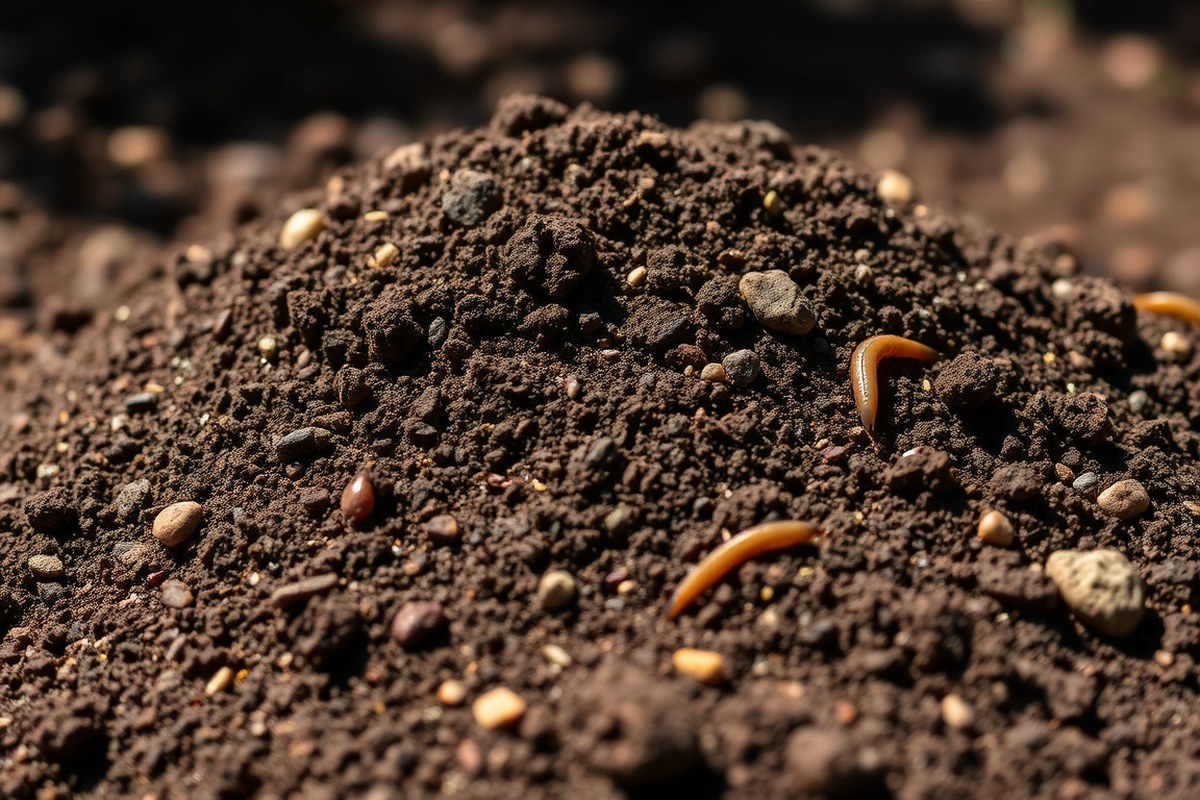
What is dirt? Dirt is tiny pieces of broken-down rock mixed with some organic bits.
It feels loose and dry, unlike soil, which supports plant life and is richer. Dirt usually lacks the nutrients and air spaces that healthy soil has.
Dirt forms through weathering, where rocks break apart over time from wind, water, or temperature changes. This process takes thousands of years but can happen faster in some climates. The quality of dirt depends on the size and type of mineral particles in it.
You can tell dirt from soil by checking for living things and organic matter. Dirt looks dusty and doesn’t hold water well. Soil feels crumbly and darker, often supporting roots and worms.
Key Takeaways
- Dirt is mostly tiny pieces of weathered rock with little organic matter.
- Soil differs by containing air, water, and organic matter that support plants.
- The size of mineral particles determines how dirt holds water and nutrients.
- Weathering breaks down rock into dirt, which can take thousands of years.
- Dirt looks dry and dusty, while soil is darker and crumbly to touch.
- Testing dirt texture by hand or water shake helps identify its type.
What Is Dirt and How Does It Differ from Soil?
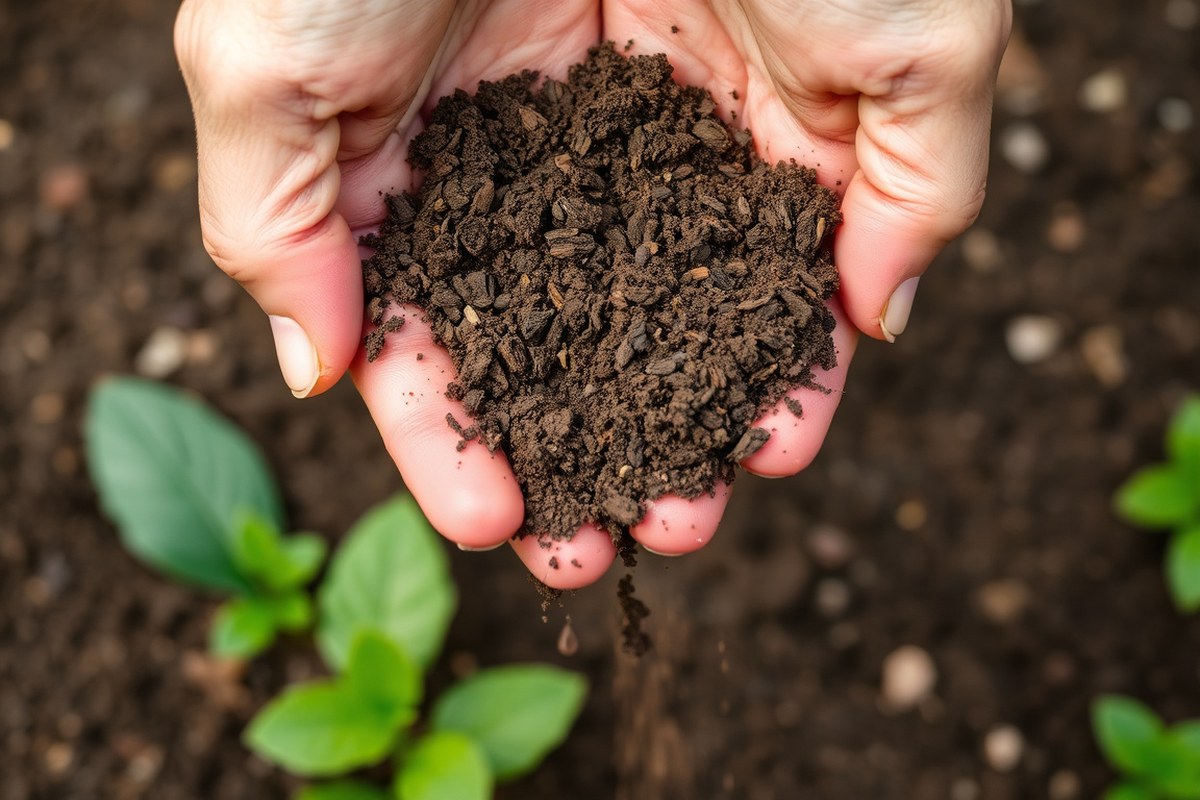
Dirt is generally what you call loose earth or soil that’s out of place. It’s often dry, lacks nutrients, and doesn’t contain the living parts soil has. You might think of dirt as the stuff on your shoes after walking outside.
Soil is more than loose rock pieces. It has extra ingredients that help plants grow. These make soil different from plain dirt.
It holds water and air, includes organic matter, and houses tiny organisms like bacteria and fungi. These living parts help break down material and cycle nutrients so plants can use them.
In simple terms, all soil contains dirt, but not all dirt qualifies as soil. Dirt is soil that lost its natural place. It can be soil spilled on a driveway.
Dirt can also be dried clumps on shoes. Soil stays in place, full of life and nutrients, ready to support plant growth.
This difference matters for gardening because plants need more than just dirt. Healthy soil supplies water, nutrients, and air needed for roots. Dirt often lacks these, so plants won’t thrive without improving it.
You can find out if your garden dirt is good soil. Send a sample to a lab for tests. They check what’s in the dirt.
Balanced garden soil has about 45% minerals. It also includes 5% organic matter.
The rest, 50%, is air and water. Dirt missing these parts won’t retain moisture or support plant roots well.
Soil scientists might say “dirt” isn’t a technical term. Dirt often means soil moved from its original place. When soil is out of place, it loses its benefits.
Dirt doesn’t support plants well. Look for rich, dark soil when growing plants. It’s better than plain dirt.
Dark soil holds more nutrients and water. That difference affects how much water your plants get and how well nutrients cycle.
What Are the Main Components That Make Up Dirt?
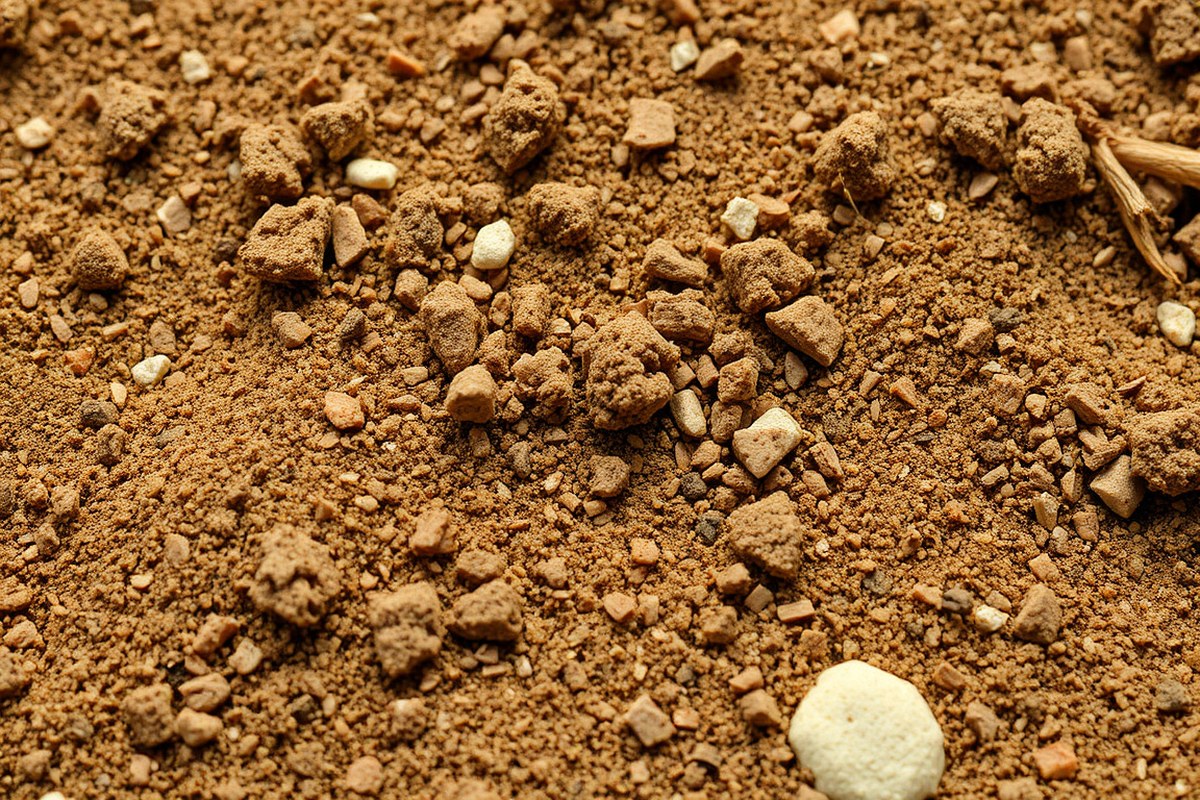
Dirt consists mainly of mineral particles, organic matter, water, and air. Typically, minerals make up about 45 percent of the mix. These mineral particles are sand, silt, and clay.
Sand grains are the largest. Clay particles are very tiny and hold water well.
Silt falls between sand and clay. This balance changes how dirt feels and drains, affecting plant growth.
About 5 percent of dirt is organic matter like decomposed leaves and other plant parts. This fibrous material absorbs water and nutrients. It also feeds the living organisms in dirt, such as bacteria, fungi, and earthworms.
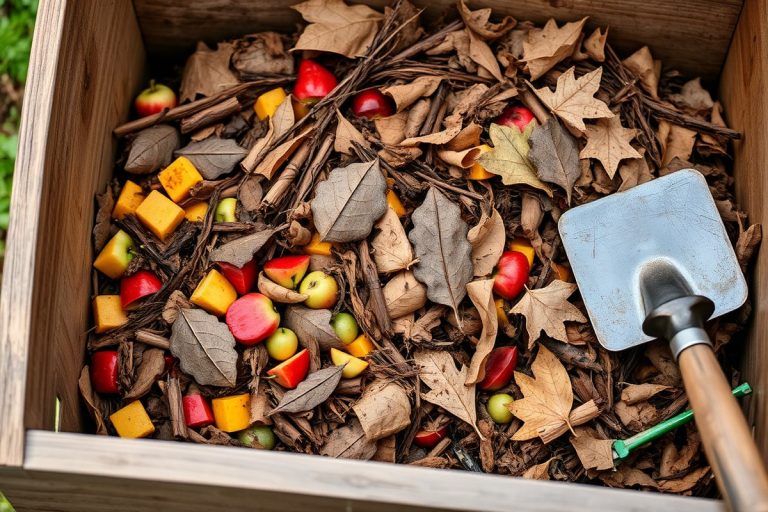
These tiny creatures help break down organic matter and recycle nutrients for plants. Adding compost is a common way to boost organic content in garden dirt.
Air and water each make up roughly 25 percent of dirt. Water moves through dirt to feed plants and microorganisms. Air fills spaces that water doesn’t occupy, allowing roots to breathe.
Without good air space, roots can suffocate. That’s why compacted dirt often harms plants. Good dirt stays crumbly, letting water and oxygen flow freely.
Avoid compacting your soil by walking on garden beds. It squeezes out air and stops roots from growing well.
How Mineral Particle Types Affect Dirt Quality
Dirt contains three main mineral particle types: sand, silt, and clay. Sand has the largest particles, measuring between 0.02 to 2 millimeters. These stiff particles make room for air and water.
This helps roots grow well. It also drains water fast.
Silt particles are smaller, about 0.002 to 0.02 millimeters. They feel smooth and silky when wet.
Silt holds more water than sand but drains better than clay. You often find silt in fertile floodplains, mixed with rock dust and minerals.
Clay particles are the smallest, less than 0.002 millimeters. Despite their tiny size, clay holds a lot of water.
This can slow drainage and cause soil to stay soggy if clay content is high. Clay particles also stick together, helping dirt hold shape.
| Particle Type | Size Range (mm) | Water Retention | Drainage | Texture |
|---|---|---|---|---|
| Sand | 0.02 to 2 | Low | High | Gritty |
| Silt | 0.002 to 0.02 | Medium | Medium | Smooth, Silky |
| Clay | Less than 0.002 | High | Low | Sticky when wet |
Good dirt usually has a balance of these three particles. This mix allows water to reach roots without flooding or drying out.
For example, too much sand causes dirt to dry too fast. Too much clay keeps it too wet.
You can improve your dirt based on type. Add organic matter to clay-heavy dirt to loosen it and improve drainage.
For sandy soil, mix in compost to help hold water longer. Silt soils generally need fewer adjustments but benefit from organic matter too.
Knowing the balance helps you plan what plants will thrive. Plants that need steady moisture do better in soil with more clay or silt. Cacti and succulents prefer sandy soil since it drains quickly and prevents root rot.
What Living Organisms Are Found in Dirt and Their Roles
Dirt contains many living organisms, including bacteria, fungi, and earthworms. They work together to improve soil health and recycle nutrients. Without them, dirt loses its ability to support plants well.
Bacteria and Nutrient Cycling
Bacteria live everywhere in dirt and break down organic material. They secrete enzymes that help digest plant and animal remnants. This breakdown turns organic matter into nutrients plants can absorb.
Bacteria also fix nitrogen from the air, making it available for plants. This process is essential because nitrogen is a key nutrient for growth. Too little nitrogen can stunt plants and reduce garden yields.
The Role of Fungi in Dirt
Fungi are important decomposers that help break down tough organic materials. Some species form mycorrhiza, a symbiotic relationship with plant roots. This relationship extends roots’ reach for water and nutrients.
Not all fungi are helpful; some cause plant diseases. But many types improve nutrient cycling and soil structure. They release enzymes that break down carbon-rich materials into simpler forms.
Earthworms and Soil Aeration
Earthworms help mix dirt by eating organic matter and soil. Their tunnels improve air flow and water drainage in soil particles. Better aeration helps roots breathe and grow strong.
Earthworms also speed up decomposition by breaking down leaves and dead roots. As they pass soil through their bodies, they release nutrients plants can use. Healthy, worm-rich soil often feels loose and crumbly.
Microorganism Balance and Plant Health
Dirt hosts many tiny animals like nematodes and amoebae too. They control bacteria and fungi populations by feeding on them. This balance keeps one group from dominating and hurting plant roots.
Without this balanced community, harmful pathogens can take over. Your garden might see poor plant growth or more diseases. Keeping moisture and air in balance also supports these organisms well.
- Maintain moderate moisture: not too wet, not too dry
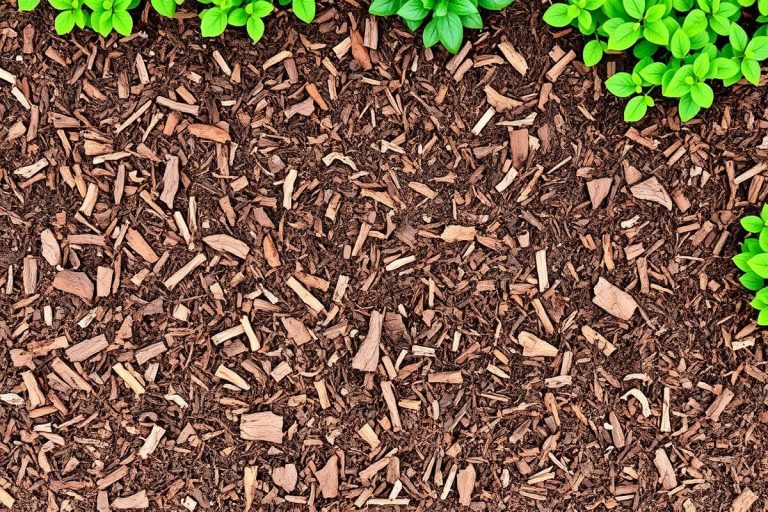
- Use organic mulch to provide food for microbes
- Avoid overusing chemical fertilizers that kill beneficial bacteria
- Encourage worms by adding compost or organic matter
- Rotate crops to reduce harmful fungus buildup
- Test soil regularly to monitor organism health and nutrient levels
By encouraging these living creatures in your dirt, you create a healthy environment. This helps plants grow stronger and resist stress better. Dirt without these organisms becomes poor and hard for plants to grow well in.
How Water and Air Affect Dirt’s Functionality
Water and air are key for dirt to support plants and microbes. Plant roots need water to soak up nutrients and stay alive.
At the same time, air pockets in dirt let roots and tiny creatures breathe. Without these spaces, roots can’t get enough oxygen, which limits growth.
Water keeps dirt moist so roots can easily pull it up. Dirt that holds water too long becomes soggy and dense. This blocks air from reaching roots and causes them to rot.
In clay-heavy dirt, water sticks around longer. This helps in dry areas.
But it can make the soil compact. Loamy dirt balances this well, holding water just enough without flooding roots.
You can check moisture by taking a soil sample from 4 to 6 inches deep. Use three-quarters of a cup of dirt. Then add a cup and a half of water.
Put them in a clear container. Watch how the soil settles and holds water. It should feel damp but not dripping.
Good dirt clumps into crumbs allowing both air and water to pass through easily. Too wet soil makes clumps turn into a sticky, thick mess. Too dry soil looks powdery and loose.
Be careful not to overwater; it removes air pockets and starves roots of oxygen.
Air pockets form when soil particles clump, creating spaces for air and water to move. These pockets support microorganisms that break down leaves and dead plants. This process releases nutrients plants need.
Dirt with poor air space becomes compacted, stopping water from draining and smothering roots. That’s why you should gently loosen soil before planting.
Balancing water and air in soil needs care. Heavy clay or sandy soil needs extra attention. Sandy dirt drains quickly, needing more frequent watering.
Clay dirt holds moisture but must be watched for puddling. Adding organic matter like compost helps improve air pockets and water retention evenly. It makes dirt softer and easier for roots to grow strong.
How Long Does Dirt Take to Form and What Affects This?
Dirt develops at a very slow pace, usually taking hundreds or even thousands of years. The Soil Science Society of America says climate, type of rock, and time all affect this.
Rocks undergo physical and chemical changes that break them into small pieces that mix with dead plants and animals. This process, called weathering, begins the creation of dirt.
Parent material, the original rock or sediment, shapes dirt’s characteristics. Soft rocks like sandstone weather faster, while granite takes much longer.
Vegetation helps, too. Plants drop leaves and roots into the dirt, adding organic material and speeding up its development.
Climate affects dirt formation speed greatly. Warm, wet climates speed weathering and decomposition. Cold or dry areas slow these processes.
Soils under glaciers in cold areas can be younger. They may still have thick topsoil. This happens because moving ice crushes rocks into fine pieces.
Topography, or land shape, matters as well. Steep slopes lose material quickly through erosion, slowing dirt build-up. Flat areas accumulate soil faster since material stays in place.
Time is the overall driver. But all these factors change how long dirt takes to form.
Human activities affect dirt formation too. Construction or farming can strip topsoil away quickly. This loss leaves little time for dirt to recover naturally.
Adding compost or organic mulch helps mimic nature by returning nutrients and improving decomposition. This can speed up the process locally.
Understanding how dirt forms helps you manage your garden better. It explains why some spots need more help than others.
You can’t rush nature. But working with climate and soil types makes your gardening efforts more effective.
How to Identify Your Dirt Type with Simple Home Tests
Collecting a Dirt Sample
Pick a spot in your garden or yard to test the soil. It should be where you plan to work or plant. Gather some dirt from this place.
Use a clean trowel or small shovel to dig a hole about 6 inches deep. Avoid places with obvious debris or mulch on the surface to get a true dirt sample.
Grab a small container, like a clean jar or plastic bag, to hold your sample. Collect dirt from several spots nearby to get an average sample. Mix these samples together to make your test more accurate.
- Clear away any leaves or grass from the surface.
- Dig down about 6 inches with a trowel or small shovel.
- Scoop dirt into a clean container from several close spots.
- Mix the collected dirt in the container to combine samples.
- Let the mixed dirt dry out a little if it’s too wet.
Performing the Jar Sedimentation Test
This test shows dirt particle sizes by letting them settle in water. Fill a clear jar halfway with your dirt sample. Fill a jar three-quarters full with water.
Add the dirt to the water. Stir hard for about 2 minutes to mix well.
Leave the jar undisturbed on a flat surface for 24 hours. You’ll see layers form after the mix settles. Sand settles at the bottom.
Silt forms the middle layer, clay remains on top. This tells you the texture of your dirt, which affects water and nutrient flow.
- Put half a jar of dirt sample into a clear jar.
- Add water until the jar is about three-quarters full.
- Stir vigorously for 2 minutes to suspend particles.
- Set the jar on a flat surface without moving it.
- Wait 24 hours to see layers forming inside the jar.
Conducting the Feel and Ribbon Test
Feel tests help you assess dirt texture without special tools. Take a small handful of moist dirt, slightly damp but not dripping. Roll the soil into a ball in your hand.
Then try to make a thin ribbon with your fingers. Use your thumb and fingers to shape it.
The dirt with a ribbon longer than 2 inches has more clay. It breaks if you try to stretch it more. This helps identify clay content.
Less than 1 inch means sandier dirt. This test helps you identify how your dirt feels for planting, which guides watering and care.
- Moisten a small amount of dirt until it’s damp but not wet.
- Squeeze the dirt into a ball using your hand.
- Press the ball between thumb and finger to form a ribbon.
- Measure how long the ribbon holds before breaking.
- Note the ribbon length to estimate clay versus sand content.
Reading and Understanding Results
Look at the jar to see how thick each dirt layer is. Sand will settle first at the bottom within a few hours. Silt lies in the middle and clay stays suspended on top for longer.
Long ribbons from the feel test mean clay is dominant. Short ribbons or crumbly dirt mean more sand. Soil with balanced layers and medium ribbon length works best for most garden plants.
Dirt high in clay holds water but drains poorly. Sandy dirt drains faster but dries out quicker.
Knowing your dirt type helps you adjust watering and choose plants that will thrive. Home testing costs just time and common items you already have.
When and How to Improve Dirt for Gardening Success
Your dirt needs improving if plants struggle, water drains poorly, or dirt looks compacted. Adding the right materials helps by fixing texture, nutrients, and pH levels. Avoid mistakes like adding too much fertilizer.
Also, don’t ignore your local soil conditions. These steps help you get the best results.
Signs Your Dirt Needs Help
Plants wilting often means your dirt may be too hard or dry. Water pools on soil for hours after rain. This means the soil may drain poorly or have too much clay.
Few earthworms or little smell often means low organic matter. It also shows poor soil life.
Look also for these signs:
- Crusty top layer that cracks in dry weather
- Yellowing leaves that don’t improve with watering
- Excessive weeds or no plants growing at all
- Very dense or very sandy feel when you dig
- PH test results far outside 6 to 7 for most plants
- Strong chemical or fuel smell
The right mix of moisture, air, and nutrients makes dirt healthy. Signs like stunted plants or standing water reveal problems you can change with amendments.
Best Amendments for Different Dirt Types
Clay-heavy soil needs organic matter to drain better. Add compost or shredded leaves to loosen it.
Sandy dirt benefits from materials that hold water better, such as peat moss or coconut coir. For both, adding balanced fertilizer supports plant growth.
Adjust the pH based on your plants’ needs. For example, acid-loving plants thrive in pH 5 to 7, adjusted with sulfur or lime. Start small, add a few pounds per 100 square feet and re-test after a few weeks.
Mix amendments into the top 6 to 8 inches of soil. Use a spade or garden fork to do this.
Water right after to help settle amendments. Avoid over-tilling, which can damage soil structure.
Mistakes to Avoid When Improving Dirt
Adding too much fertilizer quickly can burn plants and harm dirt life. Don’t ignore your local dirt type.
What works in sandy desert soil can hurt clay soil in wetter areas. Using only one amendment like wood chips without compost can cause nutrient imbalances.
Here’s a list of common errors:
- Overwatering after adding amendments, causing compaction
- Ignoring a soil test and guessing pH or nutrients
- Using non-composted organic materials that attract pests
- Removing all organic layers and exposing bare dirt
- Neglecting to adjust amendments seasonally or yearly
Check local extension offices or guides before making big changes. Their advice often matches your exact climate and dirt better than generic tips.
Safety Tips for Handling Unknown Dirt
Dirt from construction sites or near busy roads may contain contaminants like lead or chemicals. Wear gloves and wash hands after gardening. Avoid breathing dust when working dry dirt.
Get suspicious soil tested for heavy metals or toxins. Local labs offer tests, especially if growing food.
When in doubt, put a layer of clean soil or mulch on top before planting. Contact your local agricultural extension for safety guidance.
Do a simple pH and nutrient test before planting to avoid costly mistakes and reduce risk.
Step-by-Step Action Plan to Test and Improve Your Dirt
Use these steps to check your dirt type and make it better for gardening. Each step tells you what to do and how to tell if it worked.
- Day 1: Do a simple jar test by mixing dirt and water. Let it settle. You’ll see layers of sand, silt, and clay if it worked.
- Day 2: Feel your dirt by moistening it and rolling it into a ball. If it crumbles easily, you have sandy soil; if it sticks, more clay.
- Week 1: Add organic matter like compost to your dirt. Wait two weeks and see if plants grow stronger, which means better dirt quality.
- Week 2: Test dirt drainage by digging a small hole and filling it with water. Water should drain within a few hours if the dirt is healthy.
- Month 1: Plant a few easy vegetables or flowers. Healthy growth signals your dirt is ready and improved.
- Month 2: Check soil life by looking for worms. More worms mean dirt is rich and alive.
- Ongoing: Mulch your garden beds to keep moisture and protect dirt. Watch for less crusting and better air flow.
Frequently Asked Questions
What Is Dirt Commonly Used for in Gardening?
Dirt helps support plant roots and improve water drainage. It provides a base for gardeners to grow flowers and vegetables successfully.
Can Dirt Be Harmful to Humans or Pets?
Dirt can contain bacteria or parasites that cause illness. Washing hands after contact and preventing pets from eating dirt lowers risks.
Why Does Dirt Sometimes Smell Earthy After Rain?
The smell comes from bacteria releasing compounds when wet. This is a sign of healthy microbes breaking down organic material.
How Does Urban Dirt Differ from Rural Dirt?
Urban dirt often contains more pollutants and construction debris. Rural dirt has more natural minerals and organic matter.
Does Dirt Change Color Depending on Where It Is?
Yes, soil color varies due to minerals and organic material present. Red dirt often contains iron, while darker dirt has more decayed plants.
What Household Items Can Test Dirt pH Quickly?
Vinegar and baking soda help check if dirt is acidic or alkaline. Mixing dirt with vinegar causes fizz if alkaline; baking soda fizzes if acidic.
The Bottom Line
Dirt is simple but has many parts that affect how plants grow. Testing and improving your dirt helps you garden well. Start by checking your dirt type today, so your plants get the best home.