How Many Bags Is 1 Yard of Mulch: A Complete Bag Size & Coverage Guide
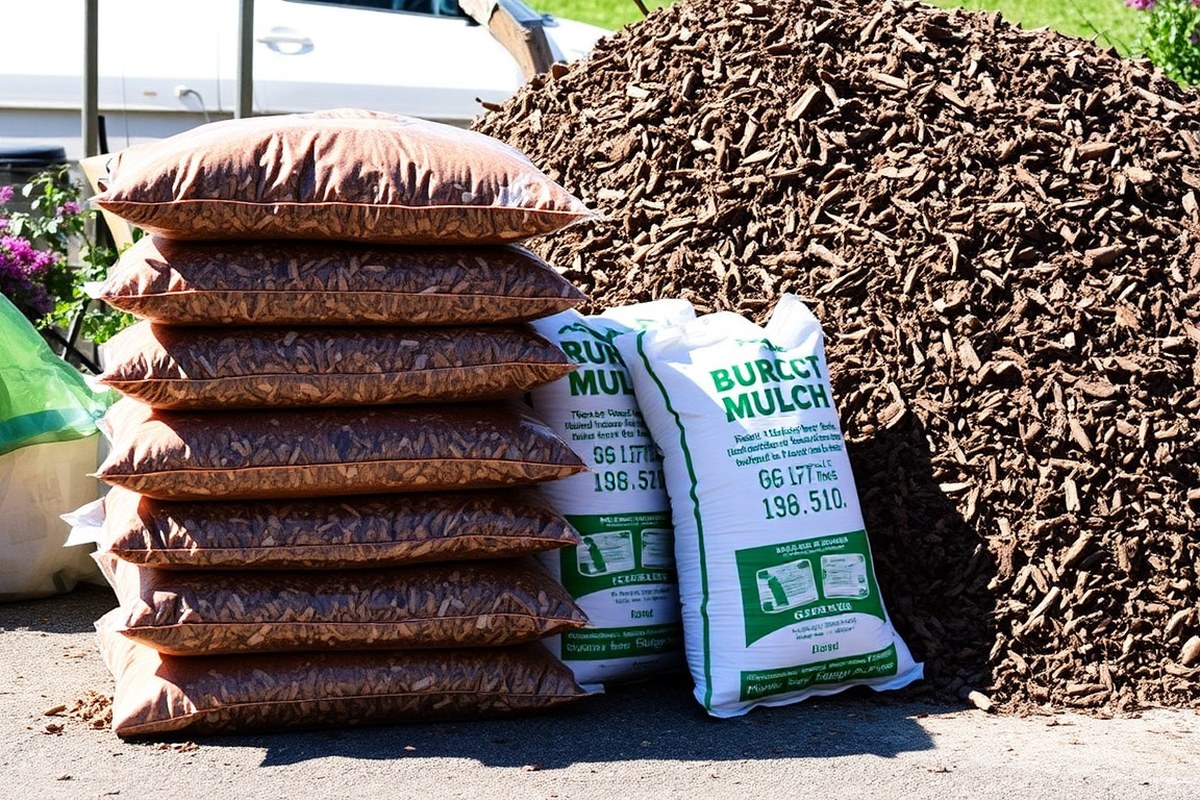
How many bags is 1 yard of mulch? It depends on the bag size you choose.
Typically, a cubic yard equals 27 cubic feet. So you divide that by your bag’s cubic feet to get the bag count.
For example, a standard 2 cubic foot bag means about 13.5 bags make up 1 yard of mulch. Smaller 0.5 cubic foot bags require 54 bags per cubic yard. Knowing the size helps prevent buying too much or too little.
Start by measuring your garden bed size and picking your mulch bag size. Watch out for moisture content and the type of mulch you buy.
These factors can change how heavy and dense each bag is. This affects how much coverage you get from one bag.
Key Takeaways
- One cubic yard equals 27 cubic feet of mulch volume.
- Standard 2 cubic foot bags require about 13.5 bags per yard.
- Smaller 0.5 cubic foot bags need 54 bags to equal 1 yard.
- Heavier mulch bags may mean wetter or composted mulch content.
- Measure garden bed dimensions before buying mulch bags.
- Mulch depth affects how many bags you need for proper coverage.
How Many Bags Make Up 1 Cubic Yard of Mulch?
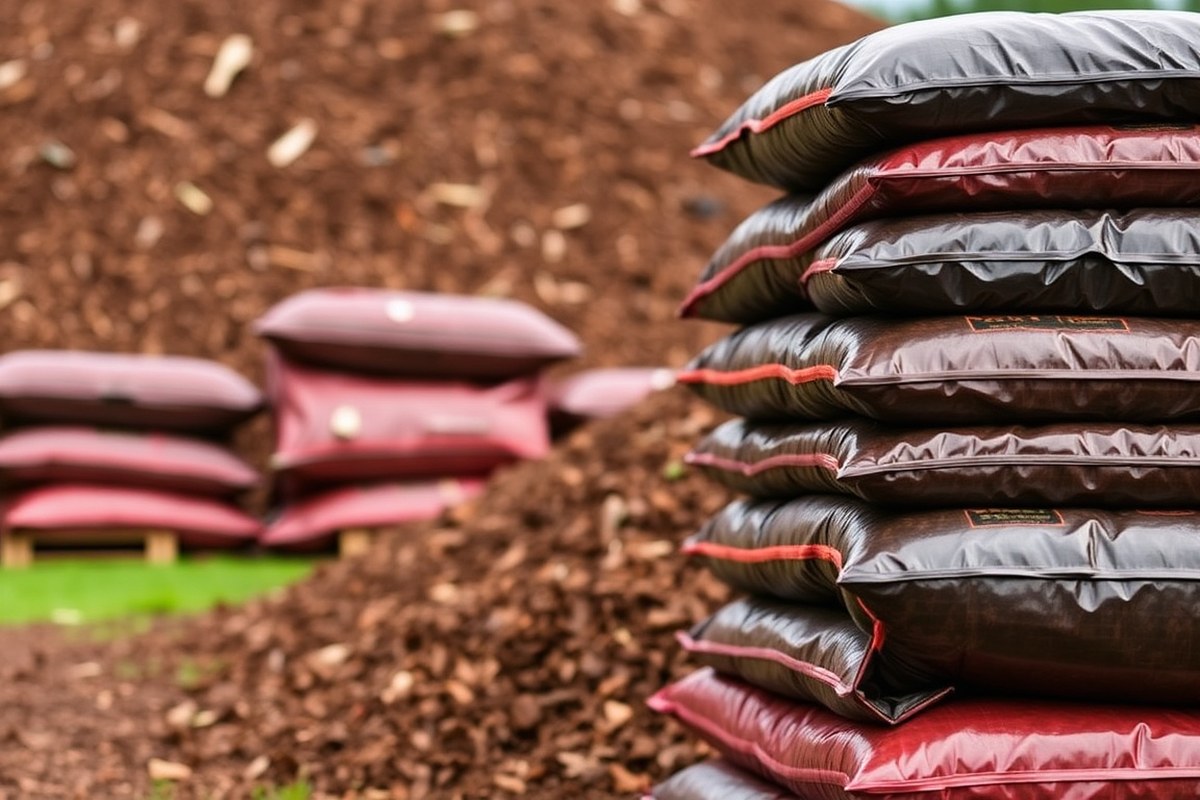
A cubic yard equals 27 cubic feet. To find how many bags make one cubic yard, do this. Divide 27 by the bag’s volume in cubic feet.
You get the number of bags that equal one cubic yard. For example, standard 2 cubic foot mulch bags require 27 ÷ 2 = 13.5 bags per cubic yard.
Different bag sizes change the number needed. A 1.5 cubic foot bag needs 18 bags to reach one yard. A 3 cubic foot bag requires just 9 bags.
Smaller bags like 0.5 cubic foot ones take more, up to 54 bags per yard. You’ll usually find 2 cubic foot bags as the retail norm. But premium mulches might come in 1.5 cubic foot bags.
| Bag Size (Cubic Feet) | Bags per Cubic Yard (Exact) | Bags to Buy (Rounded Up) | Coverage at 3″ Depth (Square Feet) |
|---|---|---|---|
| 0.5 | 54 | 54 | 108 |
| 1.0 | 27 | 27 | 108 |
| 1.5 | 18 | 18 | 108 |
| 2.0 | 13.5 | 14 | 108 |
| 3.0 | 9 | 9 | 108 |
For a quick calculation, divide 27 by the bag’s cubic feet. For a 1.5 cubic foot bag, that’s 27 ÷ 1.5 = 18 bags per cubic yard. Since 13.5 bags of 2 cubic foot bags equal one yard, you usually round up.
A project that needs 13 bags requires a specific calculation. Use this to figure out the total volume required. This helps you plan your mulch amount.5 bags, buy 14 to avoid shortages.
Rounding up helps cover settling and packing differences. Mulch settles over time, so buying a little extra stops thin spots. Also, bag sizes can vary slightly between brands.
So err on the safe side by adding a bag or two. That way, you won’t run out mid-project and lose time or money.
How to Calculate Mulch Bags Needed for Your Garden Bed
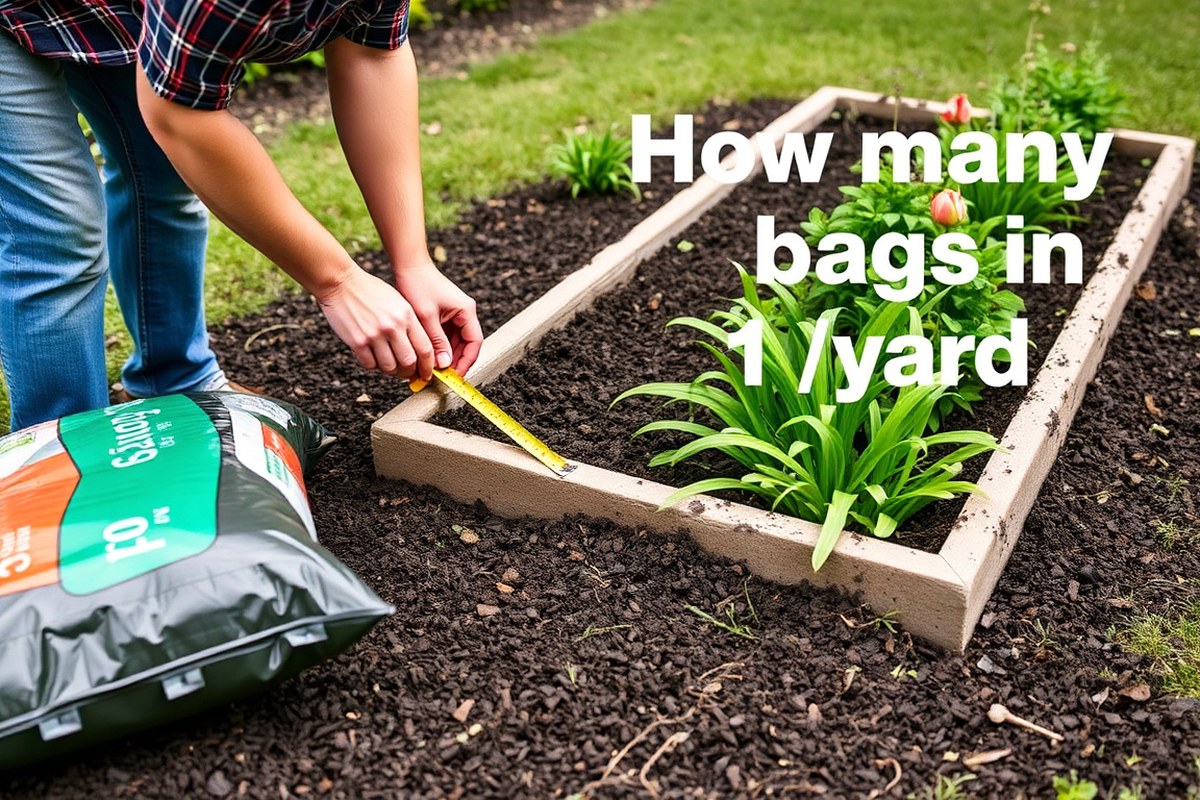
To find how many bags of mulch you need, measure your garden bed. Measure both the length and the width of the bed. Then, decide a mulch depth that fits your plants’ needs.
Use this formula: multiply length by width by depth. Divide that number by 27 to get cubic yards. Then multiply by bags per cubic yard.
Measuring Length and Width Accurately
Start with a tape measure or yardstick to find your bed’s length. Next, measure its width. Note both measurements carefully.
Measure in feet from one edge straight across to the other. For irregular-shaped beds, break them into rectangles, measure each separately, then add the areas.
Write down each measurement carefully. Accurate numbers will avoid overbuying or running short.
Deciding on Appropriate Mulch Depth
Check the type of plants and their root exposure before picking a mulch depth. Most plants do best with 2 to 3 inches of mulch. This thickness holds moisture, controls weeds, and prevents soil erosion well.
Your bed needs a thinner layer of 1 inch if it already has some mulch. Avoid too much depth, over 4 inches can suffocate roots and trap moisture, causing rot.
Mulch thickness matters: too thin dries out; too thick can harm plants.
Using the Formula to Get Bag Count
Follow these steps to calculate the bags you’ll need. This method works if you know the bag size, usually 2 or 3 cubic feet each.
- Measure the length and width of your bed in feet and write them down.
- Choose your desired mulch depth in inches, often 2 or 3 inches.
- Change depth from inches to feet by dividing the inches by 12. For example, 3 inches divided by 12 equals 0.25 feet.25 feet).
- Multiply length × width × depth in feet to get cubic feet.
- Take your cubic feet number and divide by 27. This gives you the mulch volume in cubic yards.
- Multiply cubic yards by the number of bags per cubic yard (13.5 bags for 2 cu ft bags, 9 bags for 3 cu ft bags).
- Round up to ensure you have enough mulch, adding about 10% extra for settling.
For a 12 ft by 10 ft bed at 3 inches depth, multiply 12 by 10 by 0.25.25 = 30 cubic feet. Divide 30 by 27 to get 1.11 cubic yards.
For 2 cubic foot bags, multiply 1.11 × 13.5 ≈ 15 bags. Buy 15 to 17 bags accounting for settling.
How Mulch Depth Affects Coverage and Bag Quantity
You need different mulch depths depending on your project’s goal. Thinner layers suit decoration, while thicker ones help with weed control or moisture retention. Changing depth directly changes how many bags you need because mulch volume depends on thickness.
Recommended Mulch Depths for Common Uses
Using mulch around plants can either improve looks or stop weeds. Spread about 2 inches for purely decorative purposes. It looks nice and helps soil but won’t block heavy weeds.
For weed control or moisture retention, 3 to 4 inches is better. This thickness prevents light reaching weed seeds and keeps soil cooler and wetter. Paths or play areas even need 4 inches for durability and comfort.
Coverage per Yard at Various Depths
Mulch coverage shrinks as depth increases because you use more volume per square foot. Here is a clear table showing how much area one cubic yard covers at various depths.
| Mulch Depth | Coverage per 1 Cubic Yard | Equivalent 2 cu. Ft. Bags | Best Use Case |
|---|---|---|---|
| 1 Inch | 324 sq. Ft. | 13.5 bags | Annual top-dressing / refresh |
| 2 Inches | 162 sq. Ft. | 13.5 bags | Standard ornamental beds |
| 3 Inches | 108 sq. Ft. | 13.5 bags | New beds / heavy weed areas |
| 4 Inches | 81 sq. Ft. | 13.5 bags | Pathways / play areas |
Each depth uses the same 13.5 bags per yard because a cubic yard always equals 27 cubic feet. One 2-cubic-foot bag covers less area as depth goes up. So you need more bags.
Sample Bag Counts for 100 Sq Ft
For 100 square feet, how many 2-cubic-foot bags you need depends on depth. At 3 inches deep, you use about 12 to 13 bags. It’s best to round up for full coverage.
Thinner layers like 2 inches require fewer bags, around 7 to 8 for 100 square feet. If you go thicker, say 4 inches, you’ll need closer to 14 bags because volume doubles compared to 2 inches.
Common Mulch Bag Sizes and Their Weight Differences
Mulch bags usually come in a few common sizes. You’ll find 1.5, 2, and 3 cubic foot bags most often at big box stores. Smaller sizes like 1 or 1.25 cubic feet exist but are less common for bulk yard use.
The weight of a mulch bag changes a lot based on moisture and type. Dry mulch bags can weigh around 20 pounds for 2 cubic feet. Moist or denser mulch weighs more.
It can reach 50 pounds or more. This happens in the same sized bag. Hardwood or chunkier mulches tend to be heavier.
Handling mulch bags means planning for their weight and size. Lifting a 50-pound bag gets tiring fast. So it’s smart to use a dolly or wheelbarrow for more than a few.
Carry smaller bags one at a time. Don’t rush, it helps avoid back strain.
- Common mulch bag volumes: 1.5, 2, 3 cubic feet
- Average weight: 20 to 50 pounds per 2-cu-ft bag
- Drier mulches weigh less; moist mulches weigh more
- Big box stores mostly sell 2-cu-ft bags
- Use tools like dollies for heavy bags to prevent injuries
- 1.5 and 3-cu-ft bags are less common but available
Stores charge for mulch by volume and weight. A 2 cubic foot bag costs about $6. Prices vary a bit by store.
This size balances ease of transport with coverage for small to mid-size garden beds. You need many bags, so consider heavier 3-cubic-foot options.
They reduce the number you must carry. But each bag is heavier and harder to lift.
Planning how you’ll move your mulch matters. Your garden is tight and your car space is small. Smaller mulch bags fit better in these cases.
They’re easier to handle and store. For open yards and truck owners, larger bags save time but challenge strength. Knowing bag size and weight saves you hassle loading, unloading, and spreading mulch.
Bulk Mulch vs Bagged Mulch: Cost and Convenience Comparison
Bulk mulch is usually cheaper than bags when you need three or more cubic yards. Delivery fees and minimum orders may erase savings for small projects under three yards.
Bagged mulch often costs about 35% more per cubic yard. But it’s easier to buy in small amounts.
| Mulch Type | Price per Cubic Yard | Price per Bag | Bags per Cubic Yard | Example Cost for 1 Cubic Yard |
|---|---|---|---|---|
| Bulk Mulch | $25, $45 | Not applicable | , | $35, $40 (typical) |
| Bagged Mulch (2 cu ft bags) | About $54 | $4, $5 per bag | 13.5 bags | $54 × 1 cubic yard ≈ $202.50 (41 bags) |
| Bagged Mulch (1.5 cu ft bags) | , | , | 18 bags | , |
| Bagged Mulch (3 cu ft bags) | , | , | 9 bags | , |
Buying bagged mulch fits small jobs well, especially less than three cubic yards. You avoid delivery fees and heavy lifting.
Bags are easy to transport and store in small spaces. Just keep in mind each bag means extra trips to haul mulch around your garden.
- Bulk mulch delivery usually requires a truck and a place to dump 3+ yards.
- Bulk mulch involves shoveling or spreading more physical work but less packaging waste.
- Bagged mulch suits tight spaces since you can carry smaller amounts at a time.
Choose bulk mulch for bigger spaces, like a whole yard or many beds. Save money and time by ordering a 3-cubic-yard minimum. Pick bagged mulch if you only want a small patch mulched or have limited storage.
Bulk mulch can weigh up to 800 pounds per cubic yard if wet. So plan help for moving it.
Plan your project size before buying. Bulk mulch only saves money if you need several cubic yards or more.
How Moisture, Settling, and Mulch Type Affect Bag Counts
Mulch bags vary in weight because moisture adds mass without adding volume. Wet mulch weighs more but still fills the same space as dry mulch.
When buying bags, remember wet bags might look heavier. But they don’t cover more ground.
Mulch tends to settle after you spread it. This means the layer will shrink and create gaps, especially during the first few weeks. Add half a bag extra for every 10 bags you buy.
This helps fill low spots later. It prevents wasting mulch overall.
Different mulch materials also demand different depths for good coverage. Rubber and dyed mulch usually need a thicker layer. About 3 inches is common.
That’s more than the usual 2 inches. This thickness helps color last longer and improves weed blockage.
Rubber mulch weighs less than wood mulch. Bags might hold more volume.
But they cover less space if spread too thin. Buying extra bags in these cases avoids thin spots and keeps your garden looking tidy.
When planning your purchase, pick bags with a known volume like 2 cubic feet. Multiply by your total bags to meet cubic yard needs. Add extra for mulch to settle.
This cushion keeps coverage even. This approach avoids running out mid-job and saves repeat trips store.
Worked Example: Calculating Bags for a 15×10 Ft Garden Bed
Work through a specific case: a garden bed measuring 15 by 10 feet. We’ll figure out how many bags of mulch you need at 2 and 3 inches depth. Then I’ll explain why rounding up and buying extra bags matters.
Step 1: Measure Bed Size
First, measure the length and width of your garden bed in feet. Your bed is 15 feet long and 10 feet wide. Multiply these numbers to get the area in square feet.
For a 15 by 10 foot bed, multiply: 15 × 10 = 150 square feet. This total area will help us find the volume of mulch needed.
Step 2: Calculate Cubic Yards Needed
Multiply the area in square feet by depth in inches. Then divide the result by 324.
This gives you the volume in cubic yards. Depth must be in inches and 324 is a fixed conversion number.
At 2 inches depth: (150 × 2) ÷ 324 = 300 ÷ 324 ≈ 0.93 cubic yards. At 3 inches depth: (150 × 3) ÷ 324 = 450 ÷ 324 ≈ 1.39 cubic yards.
Step 3: Convert Cubic Yards to Bags and Round
A typical mulch bag contains 2 cubic feet. One cubic yard equals 27 cubic feet. Dividing 27 by 2 shows about 13.5 bags fill a cubic yard.
Multiply cubic yards by 13.5 to find total bags:
- For 2 inches: 0.93 × 13.5 ≈ 12.6 bags, round up to 13 bags.
- For 3 inches: 1.39 × 13.5 ≈ 18.7 bags, round up to 19 bags.
Because you can’t buy part of a bag, rounding up ensures enough mulch. Buying a few extra bags covers settling and uneven layering. Here’s an easy list to follow for your garden bed calculation:
- Measure your garden bed length and width in feet.
- Multiply length by width to get square feet.
- Choose desired mulch depth in inches (usually 2 or 3).
- Multiply area by depth, then divide by 324 for cubic yards.
- Multiply cubic yards by 13.5 (bags per cubic yard).
- Round up to the next whole number to get bags needed.
- Consider adding one or two extra bags for settling and touch-ups.
Tips and Mistakes When Buying Mulch Bags
People often guess wrong on how many mulch bags to buy, causing issues. Buying too few means extra trips to the store, wasting time and gas. Getting too many fills up your yard with bags that might spoil before use.
Most mulch bags are 2 cubic feet. So knowing how many fit in one cubic yard helps avoid mistakes. A cubic yard has 27 cubic feet.
So you’ll need about 13 or 14 bags to cover that volume. Not estimating the bed size or the depth of mulch also leads to errors.
- Buying without measuring the area or mulch depth, fix by measuring twice
- Not considering mulch settling or moisture, buy 10% more to cover shrinkage
- Assuming all bags have the same volume, check the bag label carefully
- Failing to store leftovers properly, keep bags sealed and off the ground
- Buying at last minute, purchase mulch a day or two before starting
- Ignoring local climate effects, mulch may dry or become soggy, affecting coverage
Store leftover bags in a dry, shaded spot to prevent mold and decay. Keep bags off dirt or grass by using a tarp or wooden pallet. Plan to use mulch later?
Open a bag only when needed. Reseal it well to keep it fresh.
Allow for about 10% extra mulch when you order bags to handle settling and moisture.
Order a few bags more than you calculate. This helps avoid running short halfway through.
You can return unopened bags to many stores if you don’t need them. Staying organized by labeling leftover bags also saves confusion later.
Step-by-Step Action Plan for Buying Mulch Bags
Use this easy plan to get the right amount of mulch bags for your project. It saves money and avoids waste.
- Before you start: Measure your garden bed’s length and width in feet. Multiply these to get square footage and note the depth you want.
- Right after measuring: Decide mulch depth, usually 2 to 3 inches. This helps calculate how many cubic feet you need.
- Day 1: Use this formula: Length times width times depth in feet. Then divide that number by 27. This gives you the cubic yards of mulch needed. 27 cubic feet equals 1 cubic yard.
- Day 1, next: Check the bag size, usually 2 or 3 cubic feet. Divide total cubic feet by bag size to find bags needed.
- Day 2: Buy a few extra bags, about 5-10% more. This covers settling and uneven layers.
- After spreading mulch: Observe for any thin spots. Add mulch if deeper coverage is necessary.
- Within 2 weeks: Check for settling signs. Add mulch again if you see soil or mulch thinning.
Frequently Asked Questions
Is It Cheaper to Buy Bags of Mulch or Bulk?
Bulk mulch is usually cheaper by 30-50% for large projects. Bags cost about 35% more per cubic yard than bulk. Buy bags for small jobs, bulk for 3 or more cubic yards.
How Much Will 20 Bags of Mulch Cover?
Twenty 2-cubic-foot bags cover about 40 square feet at 3 inches deep. Coverage depends on bag size and mulch depth. Adjust calculations based on your garden bed dimensions.
How Many 50 Lb Bags Equal 1 Cubic Yard?
About 13.5 bags of 50-pound mulch equal one cubic yard. Weight varies by moisture and wood type but count by volume for accuracy. The standard 2-cubic-foot bags are closest in size to 50 lbs.
How Many Yards Are 30 Bags of Mulch?
Thirty 2-cubic-foot bags equal about 2.2 cubic yards of mulch. Divide total cubic feet (60) by 27 to get cubic yards. Use this for planning moderate-sized garden beds.
Can I Mix Different Mulch Bag Sizes When Buying?
Yes, but add their cubic feet to total your yardage accurately. Mixing sizes needs careful volume math to avoid under- or over-buying. Convert all bags to cubic feet first.
Does Mulch Settle After You Spread It?
Mulch can settle up to 25% after spreading. Buy extra bags or bulk to allow for settling. This helps keep the mulch depth even and plants protected.
Wrapping Up
One cubic yard of mulch fills about 10 to 15 standard 3-cubic-foot bags. Know your garden’s size and mulch depth to get it right. Grab a tape measure and calculate your mulch need before buying bags today.