Is Portulaca Perennial? What You Need to Know for Long-Lasting Blooms
Is portulaca perennial? The short answer depends on where you live.
Portulaca grows as a perennial only in USDA Zones 9 through 11. Outside these zones, treat it as an annual because cold temperatures will kill it.
Portulaca is a succulent plant that thrives in warm climates. It can bloom for months if you give it full sun, lean soil, and minimal water. A single cold night near 22°F can be fatal to unprotected portulaca.
Plant portulaca in well-draining sandy soil and give it 6 to 8 hours of direct sunlight daily. You can also grow it in containers to move indoors during cold snaps. Watching the weather forecast helps you shield your plants from frost damage.
Providing good air circulation prevents fungal problems and keeps portulaca healthy. Avoid overwatering since this succulent prefers dry conditions. Following these tips lets you enjoy vibrant blooms longer in suitable climates.
Key Takeaways
- Grow portulaca as a perennial only in USDA Zones 9 to 11, else as an annual.
- Plant portulaca in sandy, well-draining soil with pH between 5.5 and 7.0.
- Provide at least 6 to 8 hours of direct sunlight for healthy growth.
- Avoid overwatering; minimal water encourages longer bloom periods.
- Protect portulaca from frost, especially nights dropping below 22°F.
- Space plants 6 to 12 inches apart depending on the variety size.
- Allow seeds to mature naturally to promote self-seeding for future blooms.
- Avoid overwatering; minimal water encourages longer bloom periods.
- Protect portulaca from frost, especially nights dropping below 22°F.
- Space plants 6 to 12 inches apart depending on the variety size.
- Allow seeds to mature naturally to promote self-seeding for future blooms.
- Protect portulaca from frost, especially nights dropping below 22°F.
- Space plants 6 to 12 inches apart depending on the variety size.
- Allow seeds to mature naturally to promote self-seeding for future blooms.
- Space plants 6 to 12 inches apart depending on the variety size.
- Allow seeds to mature naturally to promote self-seeding for future blooms.
Is Portulaca a Perennial or Annual Plant?
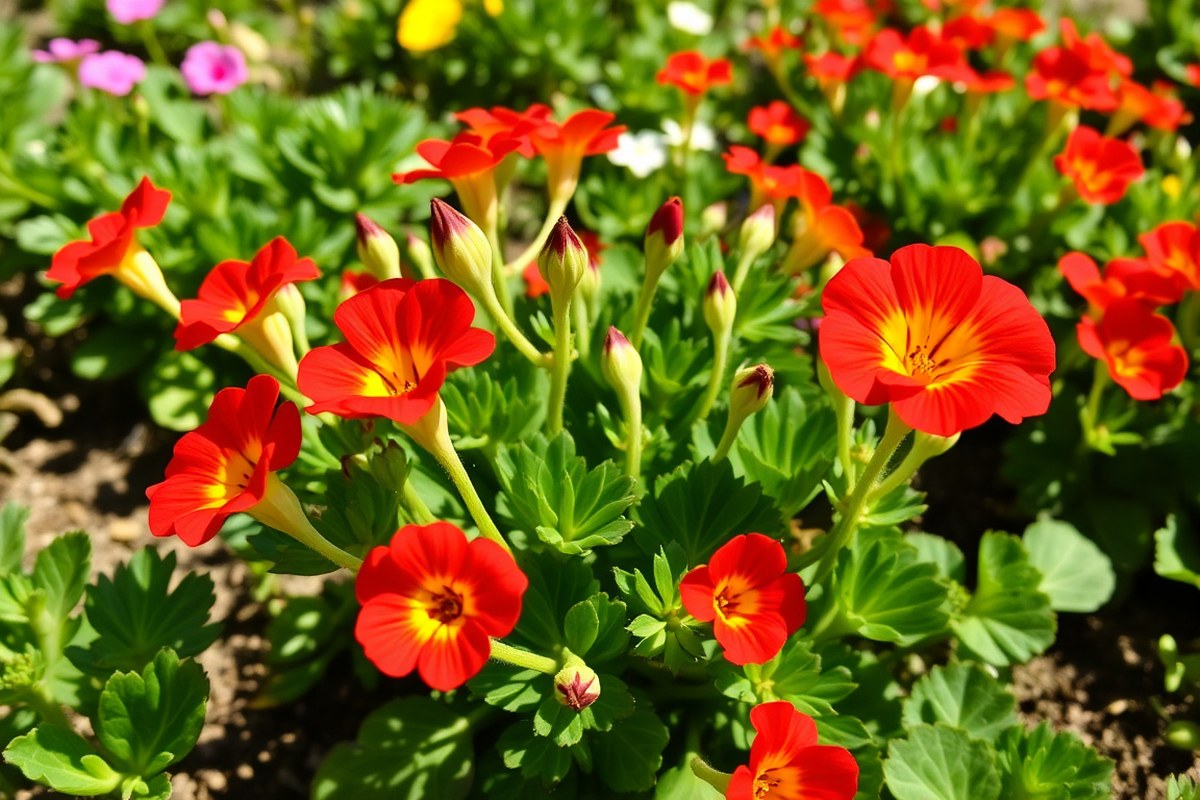
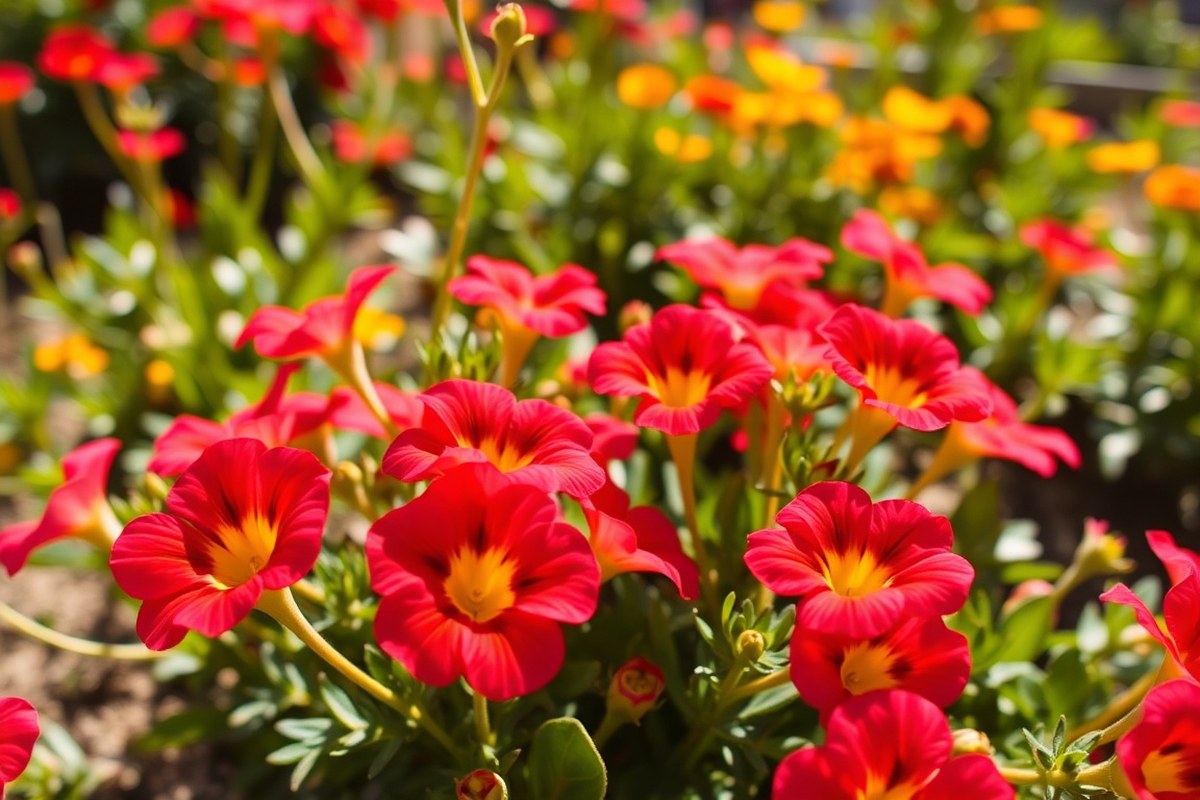
Portulaca grandiflora, often called moss rose, is botanically a tender perennial. It can live for more than one growing season in warm climates without frost. However, many gardeners treat it as an annual because it doesn’t survive cold winters well.
This plant thrives best in USDA zones 10 and 11, where frost rarely occurs. In colder areas, below zone 9, frost kills the plant.
So it is replanted each spring. That’s why portulaca is commonly grown as an annual outside tropical zones.
Besides Portulaca grandiflora, the genus includes about 153 species. Some species like Portulaca oleracea act more like weeds. They can be perennial or annual depending on the situation.
This species is also known as purslane. Still, most commercial gardeners focus on P. Grandiflora, which fits this tender perennial but annual-growing pattern.
Growing portulaca as an annual suits most gardeners because it blooms prolifically over the summer. You get five to six months of flowers from late spring until frost hits. You can enjoy bright, colorful blooms all season.
This happens even if the original plants don’t return. The flowers come back from new seeds or plants.
Keeping portulaca as a perennial takes more care and effort. You must avoid frost and provide shelter or bring it indoors to overwinter. Planting new seeds or young plants each year is simple.
It usually costs about $2 to $5 per plant. The price changes depending on the supplier.
The softness of portulaca to cold limits its perennial use to frost-free or near frost-free areas. You live in USDA zones 3 to 9.
So expect to grow portulaca as an annual plant. It’s a practical choice that fits your climate and ensures healthy, vibrant plants each year.
How USDA Hardiness Zones Affect Portulaca’s Perennial Status
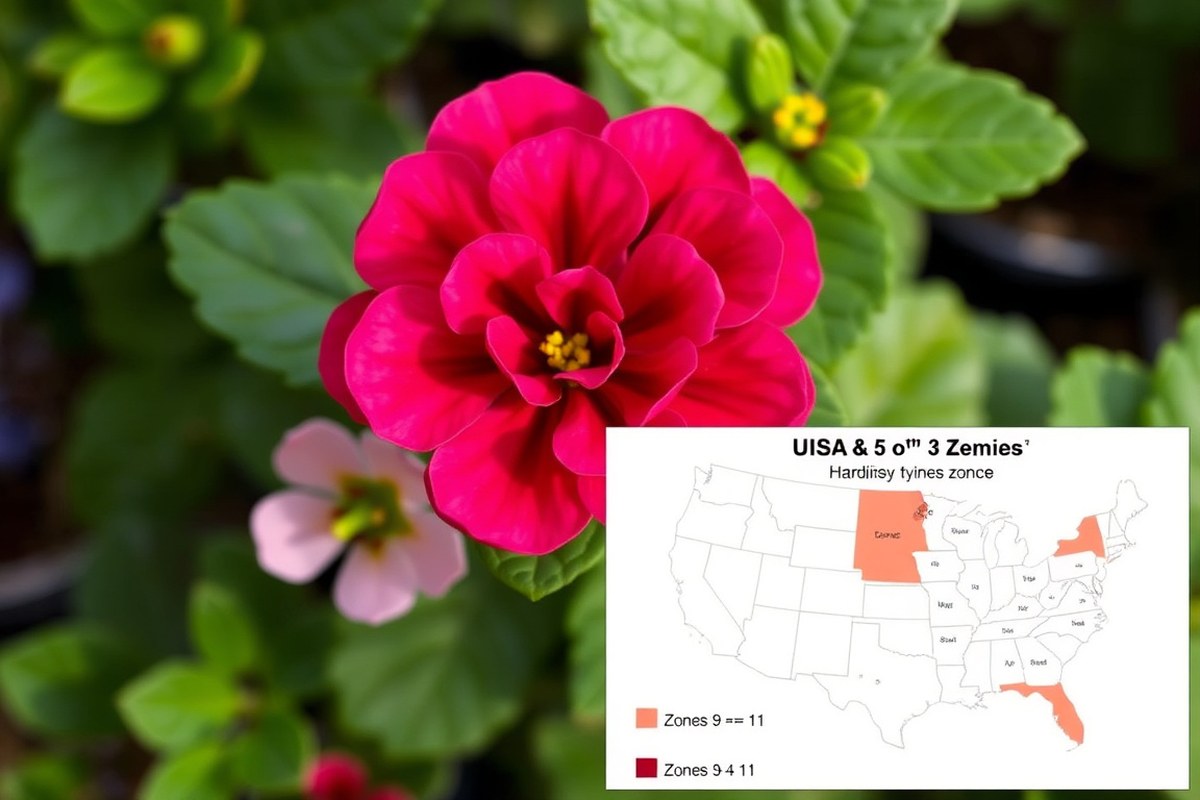
Portulaca can live through winter and act like a perennial in Zones 9 to 11. It won’t survive freezing temps in colder zones and grows only for one season there. How well portulaca hibernates depends on soil kind, cold weather, and shelter.
Portulaca thrives as a perennial when winter temperatures stay above freezing. Well-drained sandy or rocky soil and full sun exposure improve its chances. In colder zones, even small temperature drops below 25°F (, 4°C) usually kill the plant outdoors.
| USDA Zone | Typical Winter Low | Portulaca Overwintering Likelihood | Key Conditions Required |
|---|---|---|---|
| 10b, 11 | 35, 45°F (2, 7°C) | High (in-ground) | Choose sandy or gravelly soil that drains well for portulaca. Plant it where it will get lots of sun all day. Avoid spots covered by snow during winter months. |
| 10a | 30, 35°F (, 1, 2°C) | Moderate (with protection) | Mulch-free root zone; south-facing slope; wind-sheltered site |
| 9b | 25, 30°F (, 4 to, 1°C) | Low (only in exceptional microclimates) | Areas warmed by city heat help portulaca survive colder nights. Walls storing heat from the sun also protect this plant. Raised garden beds with good drainage keep roots from soggy soil. |
| 9a and colder | <25°F (<, 4°C) | Negligible | Not recommended; freezes kill portulaca |
Deciding to grow portulaca as a perennial relies on your zone’s winter lows. Soil type plays a part too. These factors affect its winter survival chances.
In Zone 10b or warmer, plant portulaca straight into sandy soil. It should get full sun daily for best growth. This zone lets it live year-round outdoors.
This setup gives it the best chance to come back year after year. For Zone 10a, use protected spots like south-facing slopes and avoid mulch around roots.
In Zone 9b, only small pockets with urban warmth and extra drainage might support winter survival. Otherwise, treat portulaca as an annual and let it reseed.
Below Zone 9a, freezing nights kill portulaca every time. You’ll need to start fresh each spring or bring plants indoors.
Winter temperatures below 25°F kill portulaca. So don’t count on it surviving outdoors in those zones.
Effective Methods to Overwinter Portulaca and Extend Its Life
You can keep portulaca alive all winter by moving it indoors before frost. It needs bright light, moderate temperatures, and careful pruning to thrive indoors. Outdoor plants can survive mild frost with mulching and protection.
Preparing Portulaca for Indoor Overwintering
Portulaca grown in containers responds well to indoor winter care. Bringing your pot indoors before the first frost saves the plant, especially in cold zones.
Start by pruning some stems to reduce the plant’s size by about half. This helps it focus energy on new growth, not maintaining large branches. You don’t need to deadhead spent flowers since portulaca self-cleans.
Then follow these steps to prepare your plant for winter inside:
- Check the plant for pests and remove any dead leaves or debris.
- Prune the plant back by 40 to 50 percent to manage size and encourage growth.
- Choose a pot with drainage holes to avoid waterlogging.
- Put the pot near a south-facing window. It needs 6 to 8 hours of direct sunlight each day. This helps the plant grow well.
- Keep indoor temperatures steady between 55°F and 75°F (13°C to 24°C).
- Water lightly after the first 10 days; overwatering causes root rot in low light.
- Avoid fertilizing in winter to allow the plant to rest naturally.
Protecting Outdoor Portulaca from Frost
Move portulaca indoors when possible. Otherwise, shield outdoor plants from frost to help them last longer.
Mulching with straw or wood chips around the base insulates roots and keeps soil warmer. This method works best in areas where frost is light and infrequent.
You can also cover plants with frost cloth or old bedsheets during cold nights. Remove covers early in the day so plants get light and air. Avoid heavy materials that can crush the delicate stems.
Prune only dead or damaged leaves and stems to reduce stress on the plant. Avoid heavy pruning outdoors close to frost risk, as portulaca can be brittle when cold.
Post-Winter Care to Restart Growth
When temperatures climb above 55°F (13°C), your portulaca will start waking up. Move indoor plants back outside gradually by increasing sunlight exposure over one to two weeks. Sudden changes can shock the plants.
Remove winter mulch after danger of frost ends. Prune any tired or brown growth.
This encourages fresh blooms for the new growing season. Start light fertilization in spring to help your plant regain strength.
Monitor soil moisture regularly; portulaca prefers dry conditions, so avoid overwatering. Keep giving direct sunlight daily to maintain vibrant flowers throughout summer.
Soil, Sunlight, and Water Needs for Thriving Portulaca
Portulaca grows best in full sun, needing at least 6 to 8 hours daily. Choose a spot where direct sunlight reaches the plant without obstruction. South-facing windows or full-spectrum LED grow lights work for indoor growing.
The soil should be well-draining with a pH between 5.8 and 7.2 to support healthy growth. Adding perlite, compost, or peat moss improves drainage and soil structure. Avoid dense or soggy soil, since portulaca’s roots can rot in damp conditions.
Watering is key for blooms but must be handled carefully. Let the soil dry completely to about 1.5 inches deep before watering again. This deep, infrequent watering stops root rot and encourages strong flowering.
Portulaca’s stems store water, making the plant suited to dry conditions. Overwatering reduces its blooms and can kill the plant. Cut back watering when growth slows, especially indoors during cooler months.
Plants kept indoors need less water and cooler temps between 55 and 75°F. The soil should dry out more often inside because of lower evaporation. Maintain bright light and reduce watering to avoid soggy soil.
Plant portulaca alongside other heat-loving, drought-tolerant plants that share sun and soil needs. This encourages a balanced garden bed and prevents overwatering. Avoid tilling soil deeply when planting, since portulaca seeds need light to germinate.
Encouraging Self-Seeding and Propagation for Continuous Growth
Portulaca can self-seed, but it’s not always reliable in every climate. Encouraging seed collection and propagation helps keep your garden full year after year. You can also propagate portulaca easily using stem cuttings for faster results.
Collecting and Storing Portulaca Seeds
Once portulaca flowers fade, they form tiny seed pods. Collect seeds before the pods dry and split open to avoid losing them. Drying seeds properly preserves viability for the next season.
Follow these steps to gather and store seeds:
- Cut mature seed stalks once pods turn brown.
- Place the cut stalks upside-down in a paper bag indoors for one week.
- After drying, gently shake the bag to release seeds.
- Separate seeds from chaff by sifting or using a fine mesh strainer.
- Store seeds in a dry, cool place inside an airtight container or envelope.
Make sure seeds are completely dry before storing to prevent mold growth.
Sowing Seeds Directly vs Indoors
Portulaca seeds are tiny and need light to germinate well. You shouldn’t cover them with soil. You can sow them indoors 6 to 8 weeks before last frost.
Plant seeds outside once the frost danger has passed. This lets plants grow well in spring.
Sowing indoors helps you get a head start on the growing season. Direct sowing is simpler but delays blooming until soil warms.
| Method | Steps | Advantages | Disadvantages |
|---|---|---|---|
| Indoors |
|
Earlier bloom; easy to protect seedlings. | Needs indoor space and monitoring. |
| Direct Sow |
|
Less work; plants adapt directly outdoors. | Later bloom; vulnerable to weather or pests. |
Taking and Rooting Stem Cuttings
Stem cuttings quickly create new portulaca plants with the same traits. This method copies the parent exactly. It’s faster than growing from seeds.
Take cuttings in late summer for best success. Cuttings root easily without special chemicals.
Do this to propagate by cuttings:
- Cut a healthy, 3 to 4-inch stem just below a leaf node.
- Remove leaves from the bottom half of the cutting.
- Let the cutting dry indoors upside-down in a paper bag for one week.
- Plant the dried cutting in well-draining soil or a mix of sand and peat.
- Water lightly and keep in partial shade until roots develop.
- After 2 to 3 weeks, new growth shows the cutting has rooted.
Avoid overwatering cuttings to prevent stem rot during rooting.
Pruning and Maintenance Practices to Prolong Flowering
Pruning and deadheading portulaca encourage it to bloom longer and stay healthy. You want to prune at the right time. Remove spent flowers and care for your plant.
This keeps it looking vibrant and healthy. These steps help your portulaca keep producing colorful blooms all season.
Timing Your Pruning Throughout the Growing Season
Prune portulaca when the plant starts looking leggy or crowded. This usually happens after a few weeks of growth or once blooming slows. Cutting back helps the plant focus energy on new growth instead of old stems.
Use clean, sharp scissors or garden shears to avoid damage. Cut stems back to about 2 to 3 inches above the soil. Remove all flowers and seed pods during pruning to encourage fresh blooms.
Deadheading for Continuous Blooms
Deadheading means pinching or snipping off spent flowers. Not all portulaca need this because some varieties self-clean.
But it usually helps most kinds bloom longer. Keeping old blooms off reduces plant energy spent on seed production.
Remove wilted or dried flowers as soon as you notice them. Doing this weekly during summer keeps the plant focused on new flower buds. It takes only a minute per plant but extends flowering by weeks.
General Grooming Tips for Healthy Plants
Give portulaca regular water, about once a week depending on weather. Avoid heavy watering since these plants prefer dry, well-drained soil. Too much water makes stems weak and reduces bloom quality.
Feed plants with a balanced fertilizer every 4 to 6 weeks to support continuous blooming. Also, space portulaca about 6 inches apart to improve air circulation and reduce disease risk.
Remove any yellowing or damaged leaves as you spot them. This cleanup helps prevent pest problems and keeps the plant tidy. Regular grooming encourages stronger, healthier portulaca.
Follow these steps to prune and maintain portulaca:
- Inspect plants weekly and identify leggy stems or spent blooms.
- Cut back stems to 2-3 inches above soil when needed.
- Pinch or snip off wilted flowers promptly for better blooms.
- Water plants moderately about once a week, adjusting for rain and heat.
- Feed with a balanced fertilizer every 4 to 6 weeks during growing season.
- Space plants 6 inches apart to improve airflow and flower production.
- Remove yellow or damaged leaves to keep plants healthy.
Common Mistakes That Shorten Portulaca’s Lifespan and How to Fix Them
Portulaca struggles when overwatered because it has shallow roots. Too much water keeps the soil soggy, causing root rot or crown rot. You can fix this by watering only when the top inch of soil feels dry.
Choosing the wrong type of soil also shortens portulaca’s life. It prefers poor to average, well-drained soil rather than heavy clay or water-retentive mixes. Adding sand or grit can improve drainage if your soil retains too much moisture.
Planting portulaca at the wrong time can stunt growth. It needs consistent warmth before and after planting to thrive. Sow seeds or transplant only when temperatures stay above 60°F, usually in late spring.
- Water only when the top inch of soil is dry to touch.
- Mix sand or grit with soil to ensure good drainage.
- Use poor to average soil, not rich or heavy clay.
- Plant or seed after the last frost, when soil warms.
- Place portulaca in full sun for healthy growth.
- Avoid watering late in the day to prevent humidity buildup.
- Check soil drainage by digging a hole and filling it with water.
These steps help portulaca avoid fungal diseases like powdery mildew that appear under humid, wet conditions. Poor drainage traps water around roots and crowns, inviting rot. Watching soil moisture closely helps portulaca live longer and flower more.
Pests, Diseases, and Environmental Risks to Monitor in Portulaca
Portulaca usually doesn’t face many pest problems, but mealy bugs sometimes attack the plant. These bugs look like tiny cotton balls on stems and leaves. You can spot them by their white, fuzzy patches.
Remove them with a cotton swab dipped in rubbing alcohol. You can also use insecticidal soap to control outbreaks.
Portulaca is mostly free of disease. It can get root rot if the soil stays too wet for long.
Make sure the soil drains well to avoid soggy roots, which invite fungal infections. Signs include yellowing leaves and a wilting plant that feels soft or mushy at the base.
Humidity affects portulaca in specific ways. It thrives in relative humidity from 90% to 95%.
Too much humidity, especially when combined with poor air circulation, may encourage fungal problems. Place your plants where air can flow freely to keep moisture levels healthy and prevent disease.
Keep your portulaca well spaced and avoid overwatering to reduce fungal risks in humid weather.
Cold temperatures below 50° F can harm portulaca, causing leaf damage and slowing growth. Protect your plants from frost by bringing containers indoors or using frost cloths outside.
On hot days, temperatures above 100° F may cause stress or sunburn. So some afternoon shade helps reduce heat damage.
Pests and diseases stay manageable by observing plants regularly for any unusual changes. Quick action on spotting pests or signs of disease keeps problems mild and controls spread. Maintaining proper watering, good air movement, and temperature safeguards are your best defenses against common issues.
Step-by-Step Action Plan for Year-Round Portulaca Care
Follow these steps to grow healthy Portulaca and help it live longer.
- Before Planting: Choose well-draining soil and a sunny spot. Check soil drains water in under a minute.
- Week 1: Plant seeds or seedlings 6 to 8 inches apart. Look for green, healthy leaves after 5 days.
- Weeks 2-4: Water when soil feels dry but not soggy. Wilted leaves show underwatering; yellow leaves mean too much water.
- Month 2: Pinch off spent flowers to keep blooming. New flower buds should appear within a week.
- Month 3: Check for pests like aphids or spider mites. Sticky leaves or spots on leaves mean pest presence.
- Before First Frost: Move plants indoors or take cuttings for overwintering. Leaves stay green indoors for several months.
- Early Spring: Divide or plant saved seedlings outside after danger of frost. New growth starts within two weeks outside.
Frequently Asked Questions
Does Portulaca Come Back Every Year in Warm Climates?
Yes, portulaca can survive year-round in Zones 9 to 11. It grows back as a perennial where winters stay above freezing without frost damage.
Can I Plant Portulaca Seeds Every Spring for Fresh Blooms?
Absolutely, sow portulaca seeds in spring for new flowers each year. Seeds germinate quickly in warm, sunny spots with well-drained soil.
Will Portulaca Survive If I Bring It Indoors During Winter?
Portulaca can survive indoors with enough light and warmth in winter. Place it near a south-facing window and water sparingly.
Is Portulaca Drought-Tolerant Like Other Succulents?
Yes, portulaca’s succulent leaves store water, helping it tolerate drought. Avoid overwatering to prevent root rot and keep blooms healthy.
Can Portulaca Grow in Containers or Hanging Baskets?
Portulaca grows well in containers or hanging baskets with good drainage. Use a sandy potting mix and provide full sun for best results.
How Long Do Portulaca Flowers Typically Last on the Plant?
Portulaca flowers last about one day but bloom nonstop for months. Deadhead spent flowers to encourage continuous blooming through the season.
Before You Go
Portulaca acts like an annual in cold areas but can be perennial in warm zones. You can extend its life by moving it indoors before frost. Start by preparing a sunny spot with good soil for your Portulaca today.