When Should You Plant Tomato Seeds: A Complete Guide for Healthy Harvests
When should you plant tomato seeds? The best time is 6 to 8 weeks before your last frost date.
Starting seeds indoors gives seedlings time to grow strong before transplanting outdoors. Check your local frost date online or with gardening apps to pick the right day.
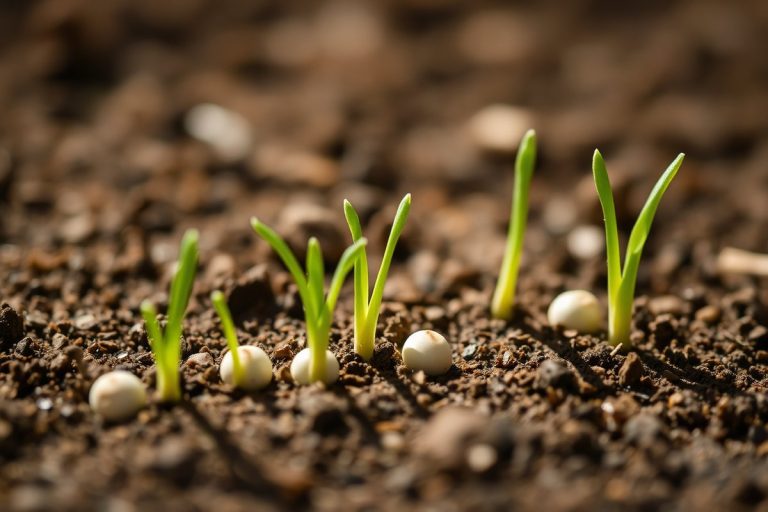
Soak your tomato seeds in lukewarm water overnight to help soften the seed coat. This boosts germination speed and improves sprouting success. Plant the seeds in soil warmed to 70 to 80°F, as this encourages healthy root development.
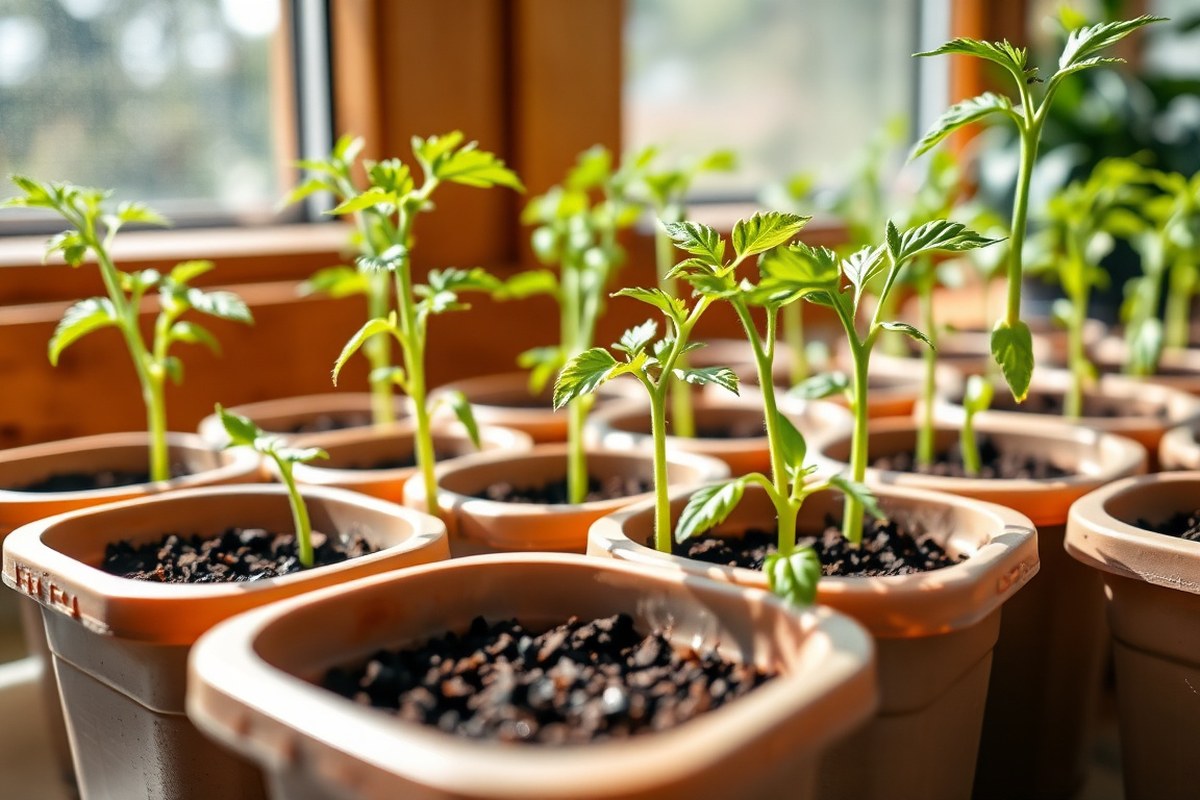
After seeds sprout, keep containers in a warm place with bright, indirect light. Tomato seedlings need 12 to 16 hours of light each day for best growth. Grow lights often work better than window light in early spring, when days are still short.
Key Takeaways
- Begin growing tomato seeds indoors 6 to 8 weeks ahead of the last frost.
- Soak seeds in lukewarm water for 12 to 24 hours before planting.
- Keep soil temperature between 70 and 80°F for best germination.
- Provide seedlings 12 to 16 hours of bright light daily, using grow lights if needed.
- Check your region’s average last frost date to time planting accurately.
- Place seed containers in a warm, draft-free spot for even growth.
When Is the Best Time to Plant Tomato Seeds Indoors?
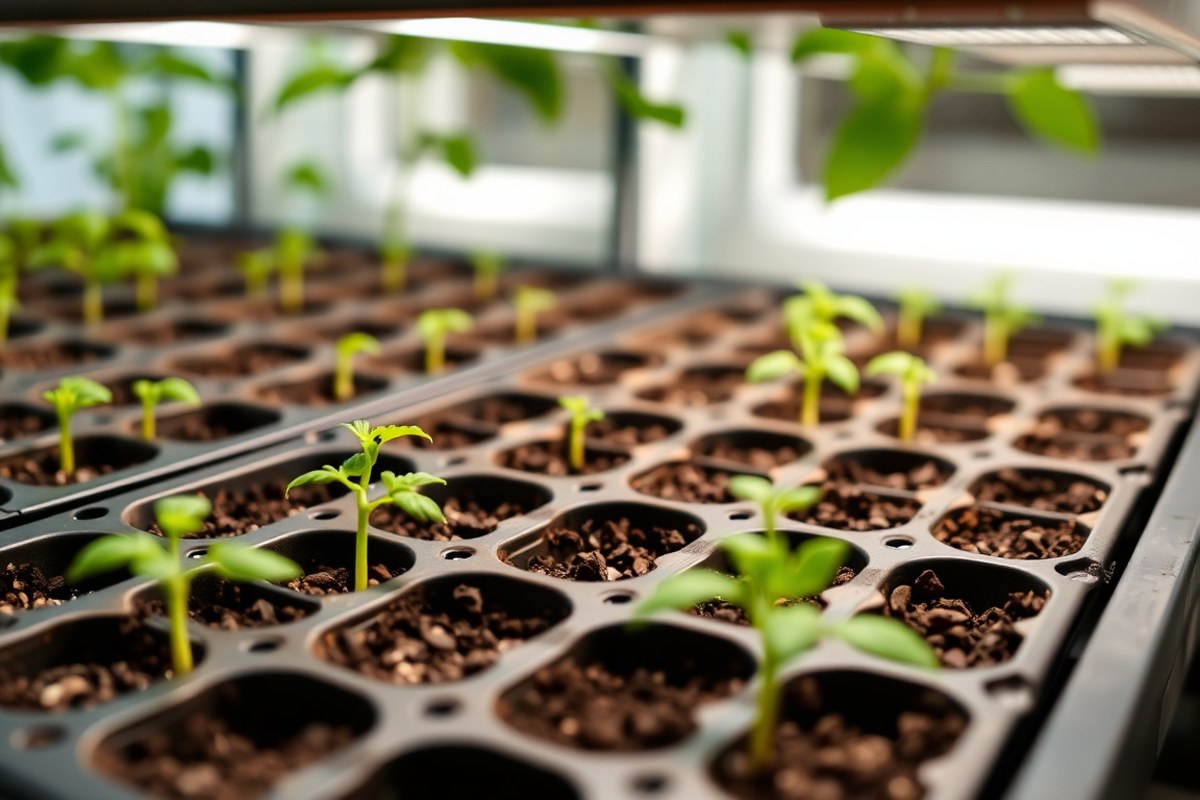
Begin starting tomato seeds indoors 6 to 8 weeks before the last frost. This schedule allows seedlings to become sturdy before moving outside. Find your last frost date by checking a gardening zone map or local extension office.
Seeds need warm soil to sprout, with temperatures between 68 and 80°F (20 to 27°C). Keep the air temperature fairly stable, around 65 to 75°F, to help seedlings grow well. Cool soil slows down germination, which usually takes 6 to 10 days.
Plan to transplant seedlings outside after the last frost, when soil stays above 60°F (16°C). Starting too early means seedlings get leggy or weak.
Starting too late shortens your growing season. You can use grow lights or a heat mat to keep soil warm and speed germination.
Follow these steps to start tomato seeds indoors at the right time and conditions:
- Find your last frost date and count back 6 to 8 weeks.
- Fill seed trays or small pots with seed-raising mix.
- Sow seeds about ¼ inch (5 mm) deep into the moist soil.
- Keep soil temperature between 68 and 80°F (20 to 27°C) using a heat mat if needed.
- Cover trays with plastic or a dome to keep humidity high until seeds sprout.
- Place trays in a room with 65 to 75°F air temperature and good light.
- Once seedlings have 1 to 2 sets of true leaves, transplant them into larger pots.
- Harden off seedlings outdoors 7 to 10 days before planting outside after frost.
Each step ensures your tomato plants develop strong roots and stems indoors. Pay attention to soil warmth and seedling light.
Missing these can cause weak or slow-growing starts and reduce harvest size. Planning with your local climate helps get the timing just right.
How Climate and Regional Differences Affect Planting Time
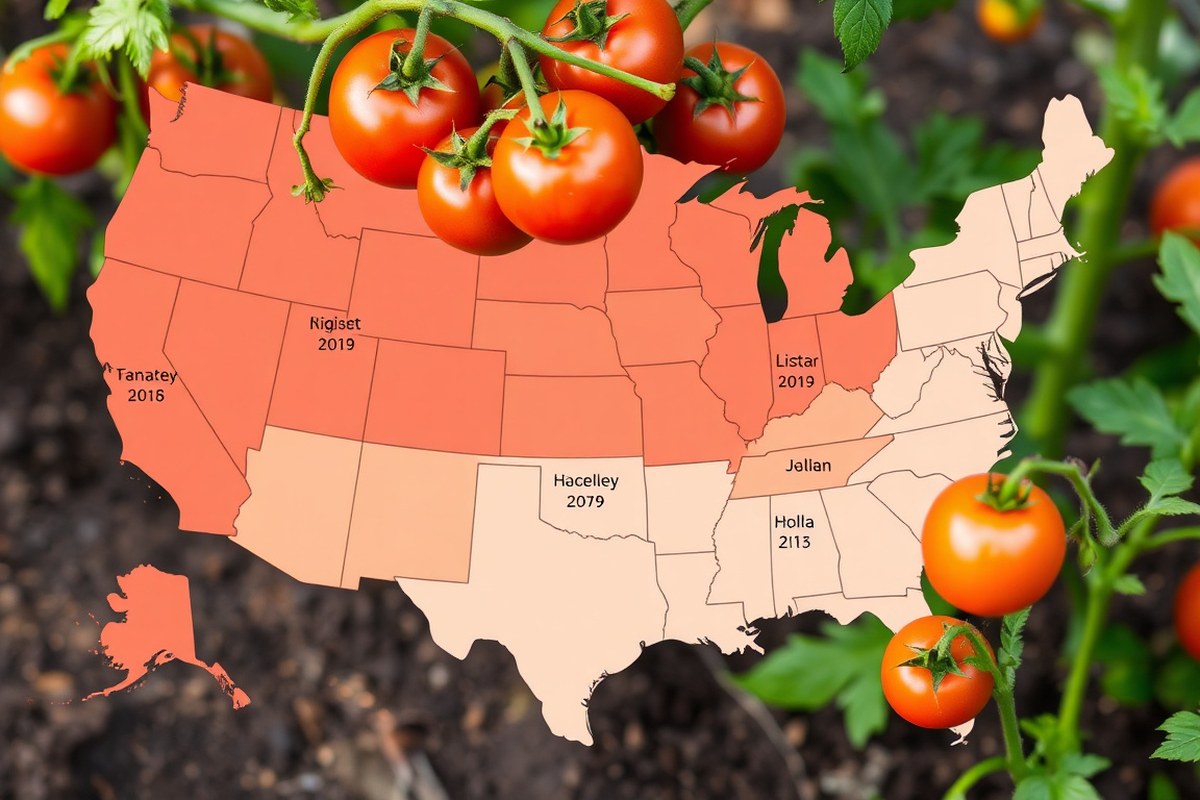
Different USDA hardiness zones impact when you should start tomato seeds indoors or plant outdoors. In colder zones like 3a and 3b, start seeds indoors in early to mid-March. Transplant seedlings outside only after the last frost date.
This is usually late April to May. Waiting keeps them safe from frost.
For zones 5 and 6, start seeds indoors in early March through mid-March. You’ll usually transplant outdoors in late April or early May when the soil warms up. These areas get more growing time but still face frost risks.
In warmer zones like 7 and 8, start seeds indoors. Do this from mid-February to early March. It helps seedlings grow before planting out.
In zone 8, you can sow tomato seeds outdoors. Do this in mid-April when soil warms to about 60°F. The warmth helps seeds sprout well. This speeds up your growing season without risking frost damage.
Southern regions like zones 9 and above offer the biggest advantage for planting outside. Sow tomato seeds outdoors from mid-January to mid-February.
Make sure soil temperature stays above 60°F. Warm soil is key for germination. That early planting means your plants get a head start on the growing season.
Cold climates need indoors seed starting to protect seeds from freezing. Use a heat mat to keep soil at 70 to 80°F. This speed up germination to 5 to 10 days. It creates a warm, cozy spot for seeds.
When you sow tomatoes indoors, give seedlings enough light. Keep humidity at a good level for strong growth. Both help seedlings grow healthy.
Mild climate gardeners can choose between indoors or direct sowing. Direct outdoor sowing works well once soil is warm and frost risks are past. For seeds planted outdoors, keep soil moist but not soaked and pick a sunny spot.
Remember, cold soil delays germination and increases disease risk for seedlings started outdoors too early.
Timing Differences for Tomato Varieties and Growth Habits
Tomato seeds need different start and transplant times based on their type. Cherry tomatoes generally grow faster and can be started and moved outside sooner.
Indeterminate tomatoes take longer to mature. So start their seeds earlier for a longer growing season.
Growth Rates of Tomato Types
Tomato varieties have varying days to maturity, which affects when to start their seeds. Indeterminate tomatoes take the longest because they keep growing and producing fruit all season. Determinate types mature faster but produce fruit in a shorter period.
| Tomato Type | Days to Maturity | Growth Habit |
|---|---|---|
| Cherry | 60, 70 days | Indeterminate or Determinate |
| Determinate | 65, 80 days | Determinate |
| Indeterminate | 75, 100 days | Indeterminate |
Cherry tomatoes tend to mature faster than larger types. Indeterminate tomatoes have the longest growing period and require support like trellises.
Seed Starting Time by Variety
Start cherry tomato seeds indoors about 6-8 weeks before your last frost date. They germinate faster and grow quicker.
So you don’t need to start them as early. Determinate tomatoes also do well started 6-8 weeks prior.
| Tomato Type | Indoor Seed Start Time Before Last Frost |
|---|---|
| Cherry | 6, 8 weeks |
| Determinate | 6, 8 weeks |
| Indeterminate | 8, 10 weeks |
Indeterminate tomatoes need to start indoors 8-10 weeks before the last frost. This timing helps them develop strong roots and foliage for a long growing season.
Optimal Transplant Timing per Type
Transplant cherry tomato seedlings outdoors when they have 2-3 true leaves and after the last frost. They grow quickly and benefit from being moved outside while conditions are still cool. Keep soil temperature around 60°F or higher for successful transplanting.
Determinate tomatoes transplant at the same stage but prefer slightly warmer soil temperatures, near 65°F. This helps them set fruit quicker, aligning with their shorter growing season. Avoid transplanting too early, which slows fruit production.
Indeterminate tomatoes should stay indoors longer to grow stronger before transplant. Move them outside after night temperatures stay above 50-55°F consistently. Support structures like cages or trellises are necessary for tomato plants.
These plants grow tall and need strong support. Get your support set up early to avoid damage.
How to Prepare Soil and Containers for Tomato Seeds
Tomato seeds grow best in soil with a pH between 6.0 and 6.8. This range helps plants absorb nutrients like nitrogen, phosphorus, and potassium. Use a seed starting mix indoors, which is light and drains well, to avoid soggy roots.
Choose shallow containers about 2 inches (5 cm) deep for starting seeds indoors. They should have drainage holes to prevent water buildup. Plant two seeds per container or space them evenly in seedling trays for easier thinning.
Prepare the soil by moistening it before planting. Fill containers but don’t pack soil too tight; loose soil helps roots grow better. Cover seeds with about 1/8 inch (3 mm) of soil.
Tomato seeds don’t need light to sprout. Just gently press soil on top.
- Use a seed starting mix or a light potting soil without added fertilizers.
- Keep soil moist but not waterlogged to prevent damping-off disease.
- Place containers in a warm spot around 70-80°F (21-27°C) for germination.
- Provide bright light or grow lights once seedlings appear to keep stems sturdy.
- Thin seedlings to one plant per container once they show true leaves.
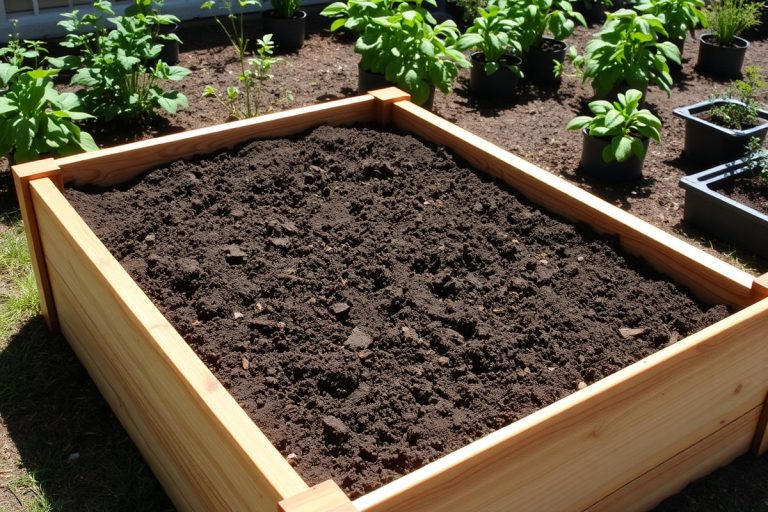
For outdoor planting, prepare soil by loosening it and mixing in compost or tomato fertilizer. Aim for the same pH and ensure the soil drains well to avoid root rot. Start seedlings indoors first.
Wait until outdoor soil hits about 60°F (16°C). Make sure all frost danger has passed.
When seedlings grow 15 to 20 cm tall, move them to bigger containers. Use potting soil with tomato food added.
This supports root growth and healthy plants before you move them outside. Healthy seedlings will have strong stems and vivid green leaves without yellowing or wilting.
Recognizing Ideal Conditions for Germination and Growth
Tomato seeds need soil warmed to about 70°F (21°C) for fastest germination. Use a seed-starting heat mat to keep soil temperature steady. Too cool soil slows or stops sprouts, which can delay growth by days or weeks.
Moist but not soaked soil suits tomato seeds best. Keep the surface evenly damp with a spray bottle or gentle watering.
Letting soil dry out stops seeds from sprouting. Too much water causes rot or mold, ruining those young roots.
After sprouting, seedlings need 12 to 16 hours of bright light daily. Most windows don’t give enough light alone, so a grow light often helps. Place the light 2 to 4 inches above the seedlings.
Turn it on early morning to evening. This helps steady growth.
Healthy tomato seedlings look bright green with firm stems and open leaves. Watch for thin, pale stems or leggy growth, that means too little light. Also, weak or discolored leaves can signal overwatering or poor air circulation.
Once seedlings emerge, remove the heat mat. Keep seedlings in a warm spot near the light.
Maintaining air circulation prevents fungus and strengthens the plants. Check moisture daily and water sparingly to avoid soggy soil.
Keep soil temperature steady around 70°F with a heat mat for quicker, more reliable seed sprouting.
When and How to Harden Off Tomato Seedlings Before Planting
Hardening off means slowly getting your indoor tomato seedlings used to outdoor conditions. It usually takes about one week.
This helps your plants avoid shock from harsh weather. It prepares them before you plant them in the garden.
Day 1-3: Initial Outdoor Exposure
Start by moving your seedlings outside to a shady, sheltered spot. This limits their sun and wind exposure. Keep the pots off the ground to avoid cold radiating from it.
Spend a short time outside at first, about one hour. Check the plant leaves for signs of wilting before bringing them inside. Stay close by in case the weather changes or gets too cold.
- Choose a shaded and protected outdoor spot.
- Place seedlings in pots above the ground.
- Leave seedlings outside for about one hour.
- Bring seedlings inside after the first exposure.
- Check seedlings for wilting or leaf curling.
- Repeat this daily for three days, increasing gradually.
Day 4-7: Increasing Sunlight and Wind Tolerance
After a few days, move seedlings to a spot with morning sun. Avoid harsh afternoon light, which can dry plants too fast. Let seedlings stay outdoors for 3 to 4 hours each day.
Start opening windows or using a fan indoors. This strengthens the stems by simulating gentle outdoor air movement. Water seedlings well but avoid overwatering.
- Place seedlings where they get gentle morning sun.
- Expose them outdoors for 3 to 4 hours daily.
- Close windows or bring indoors if weather is bad.
- Use a fan indoors to simulate light wind effect.
- Water seedlings as needed, keeping soil moist but not soggy.
- Watch for any signs of stress like drooping leaves.
Day 8-10: Full Day Outdoor Exposure
By day eight, seedlings should handle a full day outside. Choose a location with full sun and some wind.
Leave seedlings outside for at least 6 hours. Keep them out all day if temperatures stay above 50°F (10°C).
Nights near freezing mean you should bring seedlings inside. Keep them indoors overnight to protect from cold.
Once they handle a full day, transplant them into the garden. Your plants will cope better with outdoor life.
- Move seedlings to a sunny, breezy outdoor spot.
- Keep them outside for 6 hours or more daily.
- Bring seedlings indoors if night temperatures drop below 50°F.
- Check soil moisture and water as needed.
- Inspect plants for damage or wilting daily.
- Transplant seedlings to the garden after day 10.
Common Timing Mistakes and How to Fix Them
Starting tomato seeds too early indoors often leads to tall, leggy seedlings. These plants stretch toward weak light, becoming thin and fragile.
When you transplant them, they often struggle to grow strong roots. They may also have a hard time standing upright in the garden.
Late seed starting causes other issues. Seeds sown too close to transplant date produce small seedlings.
They don’t have enough time to develop sturdy stems and healthy leaves. This can slow down fruit production or reduce the yield.
Here are ways to fix common timing mistakes and get seedlings back on track:
- Provide strong, direct light, use a grow light 12-16 hours daily
- Move seedlings closer to light to avoid extra stretching
- Keep temperatures between 65°F and 75°F to encourage steady growth
- Thin out crowded seedlings to improve air flow and strength
- Transplant seedlings into larger pots if root-bound
- Start late seeds in a warmer spot or under a heat mat to speed germination
- Harden off seedlings gradually before outdoor planting to reduce shock
Leggy seedlings can be saved by trimming their tops and planting them deeper. Tomatoes can grow new roots along buried stems. This gives them a stronger base and helps prevent wilting.
Seeds that start late need extra light and warmth right away. This helps boost their growth quickly.
You can transplant them indoors into bigger containers to give roots room to spread. Moving seedlings outside earlier on warm days also helps catch up.
Deciding Between Indoor Seed Starting and Direct Outdoor Sowing
Choosing between starting tomato seeds indoors or sowing outside depends on climate. It also depends on when you plan to plant. Both choices have pros and cons.
Starting indoors gives you a head start. Direct sowing works well once soil is warm enough. Soil temperature is a critical factor in deciding the best approach for your garden.
Pros and Cons of Indoor Starting
Starting seeds indoors helps control temperature, light, and moisture. This method suits places with short growing seasons or cold springs.
It demands some equipment and careful attention to timing. But it speeds up plant development.
| Pros | Cons |
|---|---|
| Extend growing season by starting early | Needs space, seed trays, and growing lights or sunny windows |
| Better control of temperature and moisture | Requires daily monitoring and watering |
| Stronger seedlings ready to transplant | Risk of root damage when transplanting |
| Using heating mats can maintain ideal soil temperature | Extra cost for heating mats and supplies |
| Easy to protect seeds from pests or bad weather | Incorrect timing can lead to leggy or weak seedlings |
Indoor seed starting usually begins 6 to 8 weeks before last frost. Use a heating mat to keep soil at about 70°F. Seedlings grow best under grow lights or near a sunny window.
Pros and Cons of Direct Outdoor Sowing
Direct sowing works once soil warms up enough for germination. It eliminates transplant shock and reduces early care steps. However, outdoor conditions are harder to control, and cold soil can stop seeds from sprouting.
| Pros | Cons |
|---|---|
| No transplant shock or root disturbance | Not all tomato varieties work well when seeded outdoors |
| Less time and equipment needed | Soil temperature must be consistently warm (above 60°F) |
| Plants grow in natural outdoor conditions from the start | Weather can delay or stop germination |
| Lower risk of overwatering or fungal issues common indoors | Higher pest risk during germination |
| Works best in warm climates or late spring | Limited to times when frost danger has passed |
Direct sow seeds after soil temperature reaches at least 60°F. Choose a sunny spot with well-drained soil. Keep soil moist but not soaked to avoid seed rot.
Key Soil Temperature Thresholds
Tomato seeds germinate best at soil temperatures between 70°F and 85°F. Below 60°F, germination slows, and seeds may not sprout at all. Soil blocks or trays on heating mats can help maintain this in cooler indoor settings.
Outdoor sowing should wait until nighttime soil temps stay above 60°F for several days. This often happens 1 to 2 weeks after the last expected frost date. Warmer soil speeds germination from 7 to 14 days down to about 5 to 7 days.
Using a soil thermometer is an easy way to track these changes. Aim for steady warmth rather than fluctuating temperatures. This allows seeds to sprout reliably, giving you better chances for solid plants later.
Warning: Planting tomato seeds in cold soil delays germination and weakens seedlings.
Step-by-Step Action Plan for Planting Tomato Seeds
Plant tomato seeds at the right time. These steps help grow strong seedlings. They get ready for your garden.
- Start tomato seeds indoors 4 to 6 weeks before the last frost. Use seed trays or small pots for planting. Keep the soil moist and warm (70-75°F) to encourage germination.
- After 7 to 10 days, move seedlings to bright light. Use grow lights for 12 to 16 hours daily. Healthy green leaves mean good growth.
- 2 weeks after sprouting: Thin seedlings by snipping weaker ones at soil level. Leave only the strongest plants to prevent overcrowding.
- About 2 weeks before transplanting: Begin hardening off seedlings. Place them outside in shade for a few hours, gradually increasing sun exposure and time outdoors.
- After last frost date: Transplant seedlings into garden soil or larger containers. Choose a warm day and water well after planting to reduce shock.
- Weekly after transplant: Monitor soil moisture and apply fertilizer as needed. Look for healthy new growth as a sign your timing and care worked.
- During growing season: Watch for pests and diseases. Timely intervention helps plants stay healthy until harvest.
Frequently Asked Questions
How Long Do Tomato Seeds Stay Viable If Stored Properly?
Tomato seeds can stay viable for several years if stored in a cool, dry place. Avoid heat and moisture to keep them ready for planting.
Do Tomato Seeds Need Light to Germinate?
No, tomato seeds do not need light to germinate. Cover them with about 1/8 inch of soil for best results.
What Temperature Is Best for Tomato Seed Germination?
Tomato seeds germinate best between 70°F and 80°F. Keep the soil warm to speed up sprouting.
Should You Soak Tomato Seeds Before Planting?
Yes, soaking tomato seeds in lukewarm water for up to 24 hours helps soften their coats. This can improve germination rates.
How Deep Should You Plant Tomato Seeds?
Plant tomato seeds about 1/8 inch deep in soil. Planting too deep can slow or prevent germination.
Can You Start Tomato Seeds in Peat Pellets?
Yes, peat pellets provide a good environment for tomato seeds. They hold moisture well and ease transplanting.
Key Points to Remember
Planting tomato seeds at the right time sets you up for a good harvest. Start indoors early if your region has a short growing season. Check your local frost dates and start your seeds accordingly today.