How to Cut Back Parsley: Simple Steps for Healthy, Fresh Growth
Knowing how to cut back parsley is key for fresh, healthy leaves. Cut your parsley once it reaches 3 to 4 inches tall with mature leaf clusters. This encourages new growth and keeps your herb flavorful and full.
Start pruning when the plant reaches 6 to 8 inches tall. Make sure it has three strong stems before pruning. Begin cutting the plant at this stage.
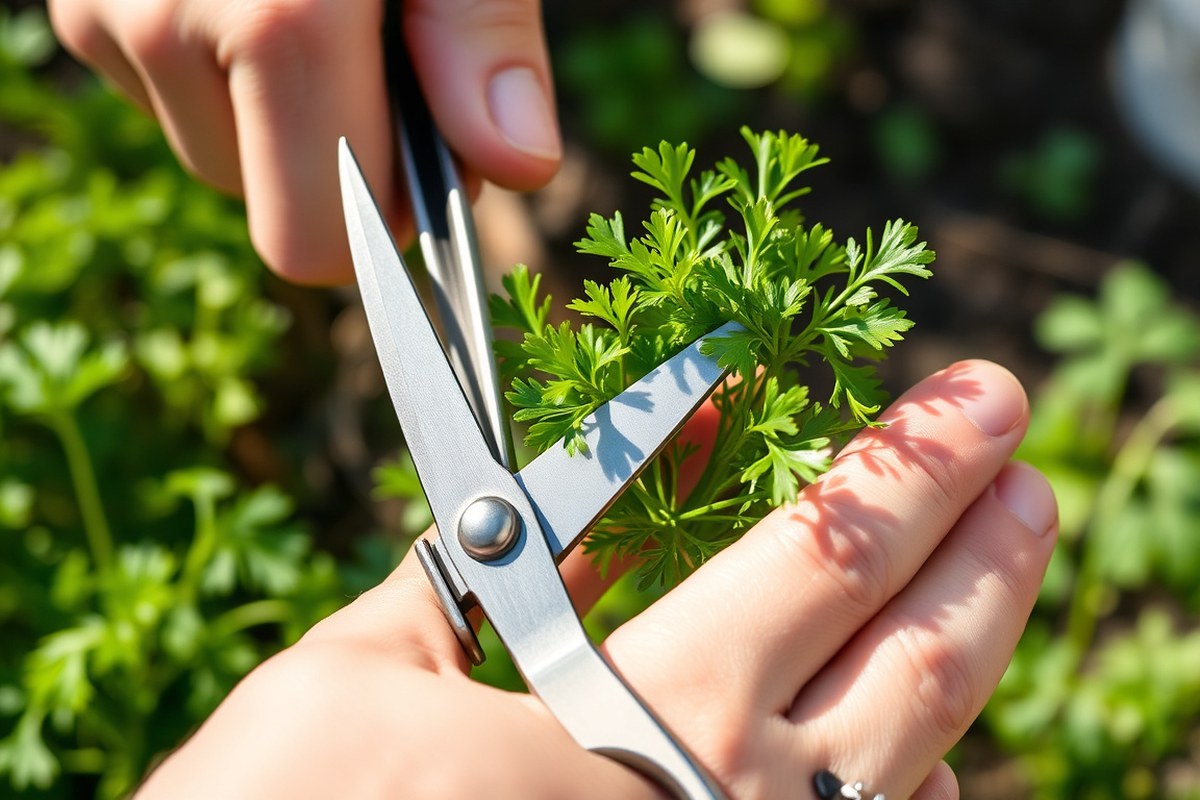
Use a gentle slicing motion to avoid damaging the leaves or stems. Cutting regularly every 1 to 2 weeks helps prevent flowering and keeps your parsley productive.
Don’t cut more than 20% of the plant at a time. That keeps the herb healthy and avoids stressing it out. With the right timing and care, you’ll enjoy fresh parsley all season long.
Key Takeaways
- Prune parsley when it reaches 6 to 8 inches tall with distinct stems.
- Use a gentle slicing motion to avoid bruising the leaves.
- Trim no more than 20% of the plant to prevent stress.
- Harvest parsley every 1 to 2 weeks for continuous leaf growth.
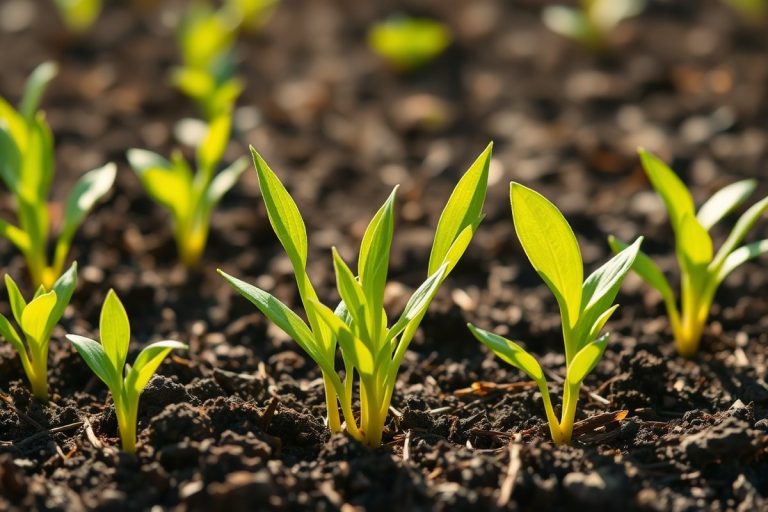
- Start cutting young plants 1 to 2 weeks after germination.
- Rock your knife back and forth to finely chop cut parsley.
When and How to Cut Back Parsley for Best Growth
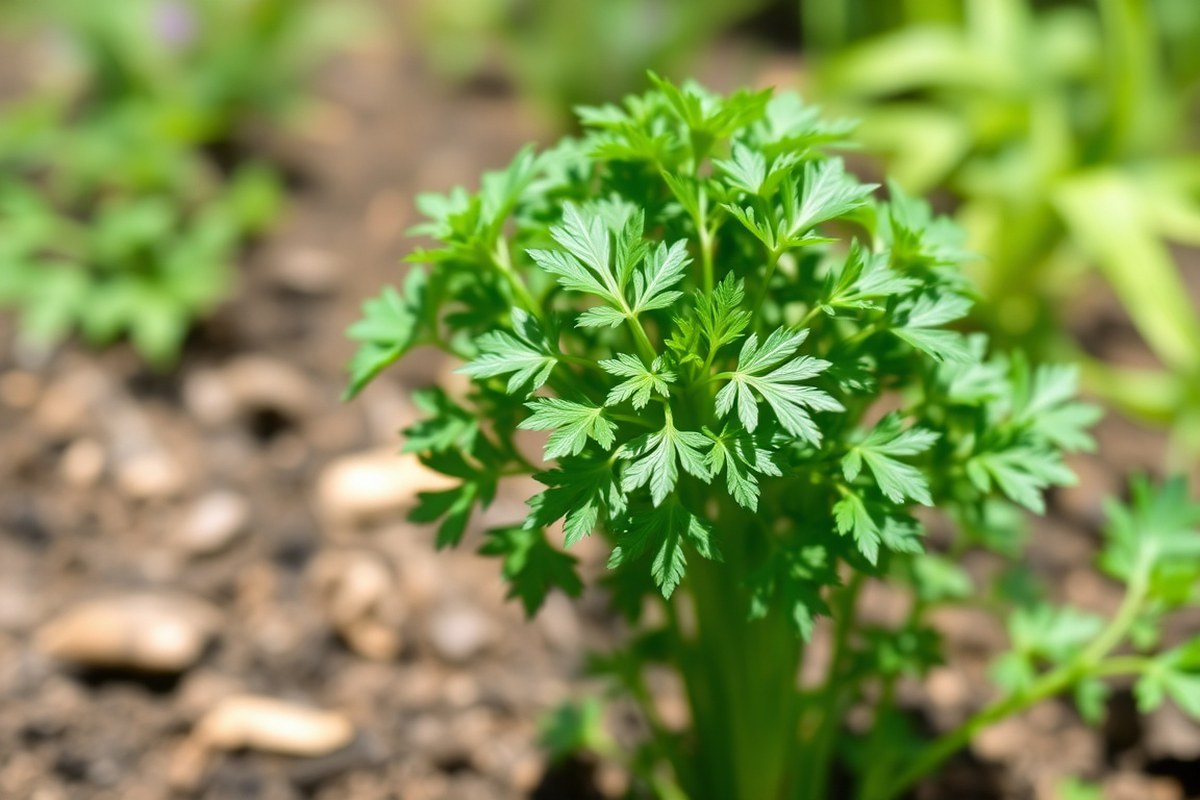
Parsley grows best when cut back at the right time and in the right way. Cutting it too early or too late can weaken the plant. Aim to prune the parsley at 6 to 8 inches tall.
Make sure it has at least three strong stems. This timing encourages fresh, bushy growth and delays flowering.
Cutting parsley properly means removing no more than half of the plant at once. This prevents stress and allows the plant to recover well. Cut the stems gently near their base using a slicing motion.
Focus on older, outer growth. This opens space for new leaves in the center.
Follow these simple steps to cut back your parsley safely and effectively:
- Check the height. Wait until your parsley reaches 6 to 8 inches tall and has developed three main stems.
- Use clean, sharp scissors or garden shears to prevent damage and disease.
- Cut the stems low, just above the soil or where you see healthy leaf clusters.
- Remove no more than 50% of the plant’s total height in one trimming session.
- Focus on trimming older, tougher outer leaves rather than new growth in the center.
- Clear away the cuttings to keep airflow around the plant and reduce pests.
- Water your parsley after cutting to help it bounce back quickly.
After cutting, parsley will signal itself to grow new shoots. It usually takes a few weeks to see significant regrowth. Wait patiently before cutting again.
Let the plant recover well. Make sure it grows back to 6 inches or more first.
Cutting too much at once can hurt your parsley. It might struggle or even die back. Cutting regularly but moderately every 1 to 2 weeks helps maintain a healthy, productive herb.
Trim the plant regularly to stop flowering early. This helps keep fresh leaves all season long.
Choosing the Right Tools and Cutting Techniques
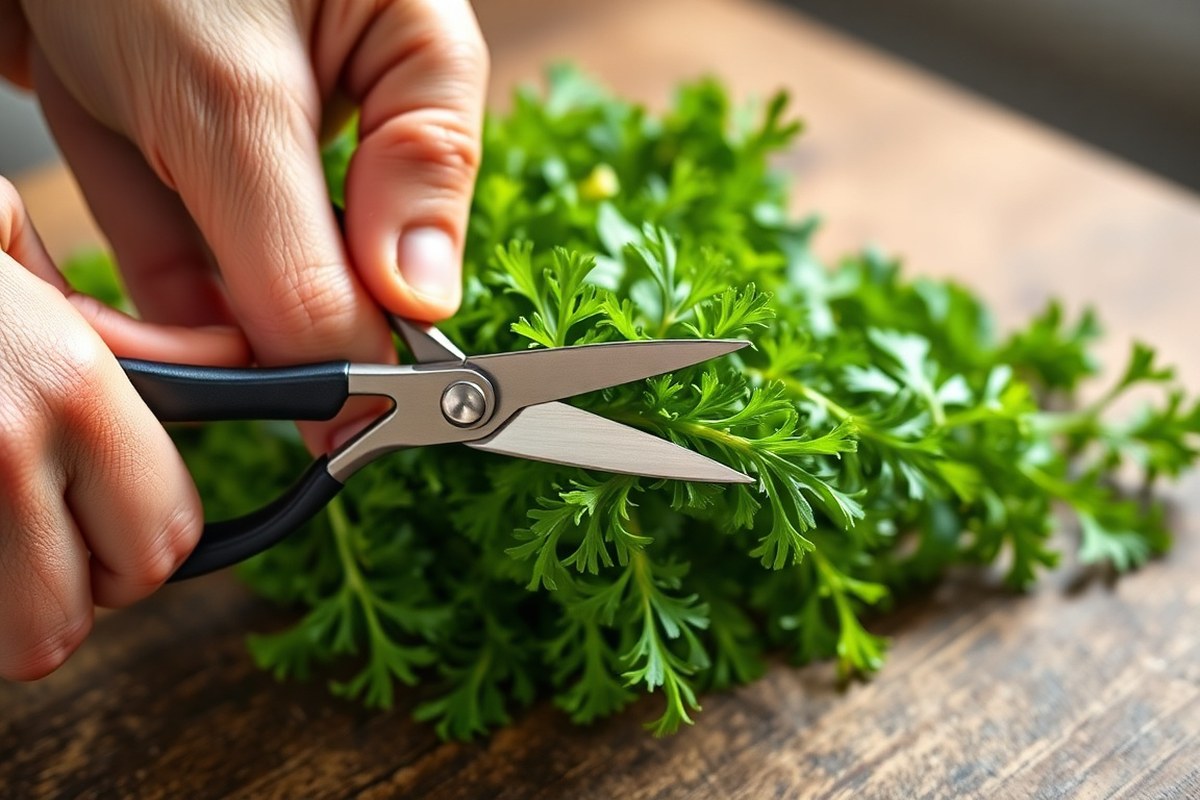
Sharp pruning scissors or a small harvesting knife work best for cutting parsley. These tools let you make clean cuts without crushing the stems. Avoid dull knives since they can damage the plant and slow new growth.
Cutting parsley stems at a 30-degree angle helps water run off. This angle stops water from pooling and keeps the cut area healthy. It also prevents the stem from rotting fast.
Snip just above a node, the small bump where leaves grow. This spot encourages new shoots, so your parsley keeps producing more leaves.
You can either cut entire stems or pick individual leaves. Cutting whole stems just above the node is better if you want faster, healthier regrowth. Picking single leaves is good when you need just a little parsley.
It won’t disturb the plant much or slow its growth. You can do this often if you want fresh leaves.
Hold the parsley bunch with the leaves facing away from you. This keeps you from accidentally cutting the tender inner stalks that produce new leaves. Trim only the outer stems and leaves to protect the plant’s growing center.
- Wash and dry your parsley leaves before cutting to prevent slipping.
- Hold the parsley bunch in your non-dominant hand with leaves pointing outward.
- Use sharp pruning scissors or a harvesting knife for clean, precise cuts.
- Cut the stems at a 30-degree angle just above a growth node.
- Remove outer stems first to avoid disturbing the tender inner shoots.
- Pick individual leaves if using a small amount or cut whole stems for larger harvests.
- Rotate the bunch slightly and repeat the angled cuts to strip leaves without tough stems.
Keep your cutting tools clean and sharp to avoid plant damage and disease. Wiping blades with rubbing alcohol before each use helps prevent infections.
Frequency and Timing: How Often to Prune or Harvest Parsley
Prune parsley plants every 7 to 10 days during the growing season. Both flat-leaf and curly leaf parsley benefit from this routine to stay productive. Cut back more often as plants grow taller or start flowering to keep leaves fresh.
Pruning Frequency for Flat-Leaf Parsley
Flat-leaf parsley needs trimming once it grows about 6 inches tall. Snip it every 7 to 10 days to help new leaves grow. This stops flowering and keeps the leaves fresh and tasty.
Cut just above a node, where a leaf joins the stem. Avoid cutting down to the main stem to protect plant health. Using sharp scissors or pruning shears makes clean cuts that heal fast.
Pruning Frequency for Curly Leaf Parsley
Curly leaf parsley needs more frequent pruning than flat-leaf types. Trim it every 7 to 10 days, especially once the plant is mature. This helps keep its delicate leaves producing continuously.
Always prune gently and just above a node to avoid damaging new growth. Curly parsley can be more sensitive.
So clean tools and careful cuts help prevent stress. Regular pruning boosts leaf yield and flavor.
Seasonal Pruning Considerations
Parsley stops growing much in winter, so hold off heavy pruning in cold months. Cut dead or yellow leaves to keep your plant neat. Wait for warmer weather before pruning the whole plant.
This protects parsley from cold stress. Parsley grown indoors or in mild climates might need some pruning year-round.
Once parsley starts flowering, prune back immediately to prevent seed formation. Flowering leads to leaf bitterness and reduced harvests. Keep pruning through spring and summer for the best leaf production.
Here is a comparison table for pruning parsley throughout the growing season:
| Parsley Type | Pruning Start Height | Pruning Frequency | Key Pruning Tip |
|---|---|---|---|
| Flat-Leaf Parsley | 6 inches | Every 7-10 days | Cut just above a node |
| Curly Leaf Parsley | 6 inches | Every 7-10 days, more gently | Prune gently above a node |
| Both Types | N/A | Less pruning in winter | Trim dead leaves only in cold months |
| Both Types | N/A | Prune immediately after first flowers | Stop flowering to keep leaves fresh |
Following this schedule helps keep your parsley plants healthy and productive. Skipping pruning or waiting too long risks flowering, which reduces leaf quality. Gentle, timely cuts produce fresh parsley leaves you can enjoy all season.
How to Encourage New Parsley Growth After Cutting
Encouraging new parsley growth after cutting means giving it good care. Water and sunlight help the plant recover fast. Feeding parsley with the right nutrients supports strong, healthy leaves.
Watering and Sunlight Requirements
Parsley needs consistent moisture but not soggy soil after pruning. Water the plant deeply whenever the top inch of soil feels dry. This helps the roots stay healthy and ready to support new leaves.
Keep parsley where it gets 6 to 8 hours of direct sunlight each day. Proper sunlight helps the plant use energy for quick regrowth. Too little sun slows down leaf development and weakens the plant.
Feeding and Soil Care After Pruning
Light feeding after cutting can speed up parsley’s recovery. Use a balanced, water-soluble fertilizer like 10-10-10 every two weeks.
Do this if the soil is poor or the plant looks pale. Avoid over-fertilizing to prevent leaf burn and weak growth.
Check soil drainage to keep roots healthy between waterings. Parsley prefers rich, well-drained soil. You can add organic matter like compost around the base to improve nutrient content.
- Water when top 1 inch of soil feels dry
- Place parsley in full sun, 6 to 8 hours daily
- Use mild balanced fertilizer every 2 weeks if needed
- Ensure soil drains well, avoid soggy roots
- Add compost to boost soil nutrients
Continued care with watering, feeding, and sunlight keeps parsley growing strong. Healthy soil supports better leaf production after each cut.
Signs of Healthy Regrowth
Parsley usually starts producing new leaves within 2 to 3 weeks after cutting. Small, bright green leaves at stem nodes show the plant is healing well. You’ll notice fuller, bushy growth as regrowth continues.
Healthy parsley looks vibrant with no yellow or wilted leaves. Soft, tender new stems show the plant is using water and nutrients properly. Slow or patchy growth may mean the plant needs better water, light, or feeding.
Pruning Differences Between Flat-Leaf and Curly Parsley
Flat-leaf and curly parsley look different, so they need different pruning. Flat-leaf parsley has smooth, broad leaves. You can prune it hard because it grows fast.
It bounces back quickly after cutting. Pruning this way helps it stay healthy.
Curly parsley has tightly ruffled edges. It’s slower to regrow, so it needs gentler pruning. Cutting curly parsley too much or too often can stress the plant and slow its growth.
Pruning both types means cutting stems with clean scissors at a 45-degree angle. This helps water drain off the cut and keeps the plant healthy. Wait until the plant has 6 to 8 leaves before pruning either kind.
| Feature | Flat-Leaf Parsley | Curly Parsley |
|---|---|---|
| Leaf Shape | Smooth, broad | Tightly ruffled |
| Growth Speed | Faster regrowth | Slower regrowth |
| Pruning Intensity | Can tolerate heavy pruning | Needs lighter pruning |
| Pruning Frequency | Every 2-3 weeks | Every 3-4 weeks |
| Stem Cutting Angle | 45 degrees | 45 degrees |
| When to Start Pruning | After 6-8 leaves have grown | After 6-8 leaves have grown |
For flat-leaf parsley, cut the outer stems first to encourage fuller growth. With curly, cut less at once and spread out the trimming to avoid shocks. Prune both types when their leaves are dry.
This keeps your scissors clean and cuts neat. Dry leaves help avoid damage.
Curly parsley in sun or heat needs lighter pruning. This stops it from drying out too much. It helps keep the leaves fresh.
Flat-leaf parsley handles pruning under different conditions better. Always watch how your plant responds and adjust your pruning amount and timing as it grows.
Trim parsley with dry scissors at a 45-degree angle to keep plants healthy and cuts clean.
Common Mistakes When Cutting Parsley and How to Fix Them
Cutting too much parsley at once can harm the plant. You should only take about 20% of the plant at a time to avoid stress. Cutting deeper into older stems can slow regrowth and damage the plant.
Another common mistake is cutting at the wrong spots. Avoid snipping the center of the plant or the woody base.
Instead, cut the fresh green stems closer to the outer edges. This helps new growth come up healthy and strong.
If you accidentally cut too much parsley, don’t panic. Give the plant some time to recover by slowing your harvesting.
Keep watering regularly and avoid adding fertilizer until it regrows. This pause lets the roots support new leaves properly.
Here’s a quick checklist to avoid common cutting mistakes and handle them:
- Only harvest 20% of the total plant per session.
- Cut fresh green stems near the outer edges, not the woody base.
- Use sharp scissors or pruning shears for cleaner cuts.
- Stop cutting if you see only woody stems left.
- After overcutting, water well but pause fertilizing for a week.
- Give the plant light and avoid heavy sun while it recovers.
- Wait at least two weeks before harvesting again after heavy cutting.
Messy cutting bruises the leaves and can release too much moisture. To keep parsley fresh longer, store cut sprigs upright in a glass with water. That helps hold them together while you cut more if needed.
Taking these simple steps helps parsley stay healthy and productive. It only takes a little care to avoid common slips and keep your herb growing strong.
How Growing Conditions Affect Parsley Cutting and Regrowth
The amount of sunlight parsley receives affects how quickly it grows back after cutting. Parsley needs at least 4 to 6 hours of sunlight each day to stay healthy. Without enough light, it will grow slowly and may look leggy or weak.
Water plays a big role in how parsley recovers from pruning. The soil should stay moist but not soggy. Too much water can cause roots to rot.
Too little water stresses the plant and slows regrowth. Water parsley when the top inch of soil feels dry.
Good soil quality helps parsley bounce back after harvesting leaves. Parsley prefers soil that drains well and has lots of organic matter.
Adding compost or slow-release fertilizer feeds the plant. Without nutrients, parsley’s leaves may turn yellow and growth will stop.
Parsley grown in containers often needs a different routine from garden-grown plants. Containers dry out faster. So you’ll likely water more often, sometimes every day during hot spells.
Use a pot at least 8 to 10 inches deep for parsley. This size fits the taproot well. It helps keep roots healthy and stable after cutting.
For container parsley, use a light, well-draining potting mix designed for herbs. It keeps moisture balanced and provides needed air to roots.
Put the container in a sunny spot. Avoid strong midday sun to prevent leaf burn.
Garden parsley can spread roots deeper and find nutrients more easily. Still, ensure surrounding soil isn’t compacted, which blocks water and air.
Pulling weeds nearby also helps by reducing competition. You can add mulch to keep moisture steady and keep the soil cool for better regrowth.
When cutting back parsley, adjusting watering and sunlight matters most. After a heavy harvest, water more regularly to help new leaves grow faster.
For container plants, check soil moisture daily. Garden plants usually need water every few days unless it rains.
Watch your parsley for signs it needs care after cutting. Drooping leaves or brown edges show stress from too much sun or not enough water.
Adjust watering and move container parsley to a spot with some afternoon shade. Healthy, bright green leaves growing back means your parsley is recovering well.
Preparing and Using Parsley After Cutting for Best Flavor
After cutting parsley, clean it gently, chop with care, and store promptly. These steps keep it fresh and flavorful for your recipes. Proper handling makes a visible difference in taste and texture.
Washing and Drying Parsley
Rinse parsley under cool water, never hot or boiling. Hot water blanches leaves, dulling flavor and freshness. A gentle rinse removes dirt without damaging the delicate leaves.
Dry parsley by shaking off excess water and patting with a clean towel. You can also spin it in a salad spinner for a minute. Dry leaves hold up better during chopping and storage.
Keeping parsley dry prevents early wilting and mold. Wet herb leaves go bad faster and lose their crispness. So thorough drying is a simple step that extends shelf life.
Chopping Techniques for Different Uses
Use a sharp knife with a gentle slicing motion to chop parsley. Avoid harsh chopping that bruises leaves and dulls flavor. Hold parsley steady with your non-dominant hand in a claw shape to avoid cuts.
For quick chopping, herb scissors save time and produce even pieces. A food processor works well to mince parsley for sauces or pestos. Rough chop parsley when adding to soups or sauces to keep texture.
Fine chopping works best for garnishes or delicate dishes. Larger pieces add color and mild flavor. Tailor chopping size to your recipe’s needs to improve both look and taste.
Storage Tips to Maintain Freshness
Store parsley wrapped loosely in a damp paper towel inside an open plastic bag. This keeps leaves hydrated without causing moisture buildup. Place the bag in the refrigerator’s crisper drawer at about 40°F (4°C).
Change the paper towel every couple of days to avoid mildew. Alternatively, keep parsley stems in a glass of water with a plastic bag over the top. This method can extend freshness for up to one week.
Use cut parsley within 5 to 7 days for best flavor. Beyond that, it may wilt or lose aroma. Proper storage keeps your parsley crisp and ready to brighten your meals.
- Rinse parsley gently under cool running water.
- Shake off excess water and dry with a towel or salad spinner.
- Hold parsley in a claw grip and slice with a sharp knife using smooth motions.
- Use herb scissors or food processor for faster or finer chopping.
- Wrap chopped or whole parsley loosely in a damp paper towel.
- Place wrapped parsley in an open plastic bag in the refrigerator.
- Check and replace the paper towel every two days.
- Use the parsley within a week for optimal freshness and flavor.
Never wash parsley in hot water; it removes fresh flavor and makes leaves limp.
Step-by-Step Action Plan for Cutting Back Parsley
Follow these steps to cut back parsley and get fresh, healthy growth.
- Before you cut: Check for leaves at least 4 inches tall. This means the parsley is ready to prune.
- Day 1: Use clean, sharp scissors to cut stems close to the base. Cut outer stems first to let inner stems grow.
- After cutting: Water the plant well to help it recover fast.
- Week 1: Avoid cutting again too soon. Let parsley grow at least 2 inches before the next prune.
- After 3 weeks: Check for new growth. If leaves look full and healthy, you can cut again.
- During season: Harvest regularly but don’t remove more than one-third at once. This keeps the plant strong.
- End of season: Cut back all stems to 1 inch above soil. This helps the plant rest until next season.
- After heavy cuts: Watch soil moisture. Keep it moist but not soggy to avoid stress.
Frequently Asked Questions
Can I Cut Back Parsley in Winter?
Parsley grows slowly in winter, so cut it lightly. Avoid hard pruning to protect the plant from cold stress.
How Deep Should I Cut Parsley Stems?
Cut parsley stems about an inch above the soil. This encourages new growth without harming the root system.
Is It Okay to Harvest All Parsley Leaves at Once?
Avoid cutting all leaves at once to keep the plant healthy. Leave some leaves so the plant can keep making food.
Should I Wash Parsley Before Cutting It?
It’s best to wash parsley after cutting to avoid wetting stems. Wet stems may rot or attract pests during growth.
Can I Use Scissors for Small Parsley Harvests?
Yes, sharp scissors work well for small cuts on parsley. They avoid crushing stems, which helps parsley regrow faster.
How to Store Parsley After Cutting for Freshness?
Wrap parsley in a damp paper towel and refrigerate. This keeps it fresh for a few days before you use it.
Final Thoughts
Cutting back parsley correctly helps it grow fresh, tasty leaves. Watch the plant’s growth to know when to cut again. Start by making your next cut when the parsley reaches 4 inches tall.