What to Put in a Compost Heap: Complete Guide for Balanced, Fast Results
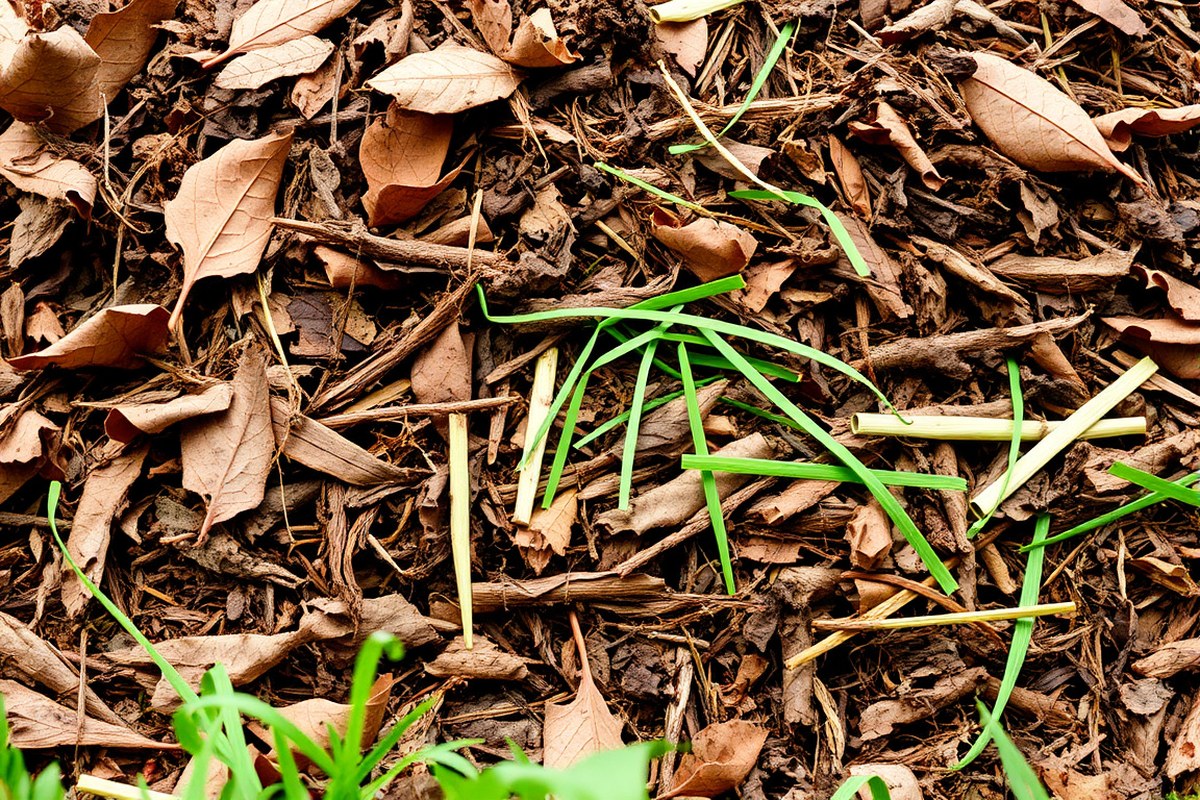
Figuring out what to put in a compost heap starts with balancing green and brown materials. You want about two-thirds brown stuff like dry leaves and shredded paper. Add one-third green materials to keep your compost pile healthy.
Use vegetable scraps and fresh grass clippings as green materials. These help maintain good compost conditions.
Kitchen scraps, garden waste, and some household materials can all go into your compost heap. Avoid things that attract pests or carry diseases, like meat or diseased leaves. Chopping scraps into smaller pieces helps them break down faster in the pile.
Keep your compost moist. But not soggy, aiming for about 50 to 60 percent moisture.
Turning your heap every week or so adds air and speeds up decomposition. Adding a thin layer of finished compost on top gives helpful microbes a jumpstart.
Key Takeaways
- Use two-thirds brown materials and one-third green for a balanced compost heap.
- Include kitchen scraps like fruit and vegetable peelings for quick breakdown.
- Avoid adding meat, dairy, and diseased plants to prevent pests and pathogens.
- Chop or shred materials to speed up decomposition significantly.
- Keep the compost moist around 50-60% for the best microbial activity.
- Turn your compost heap every 7 to 10 days to add oxygen and reduce smell.
Essential Green and Brown Materials for Compost
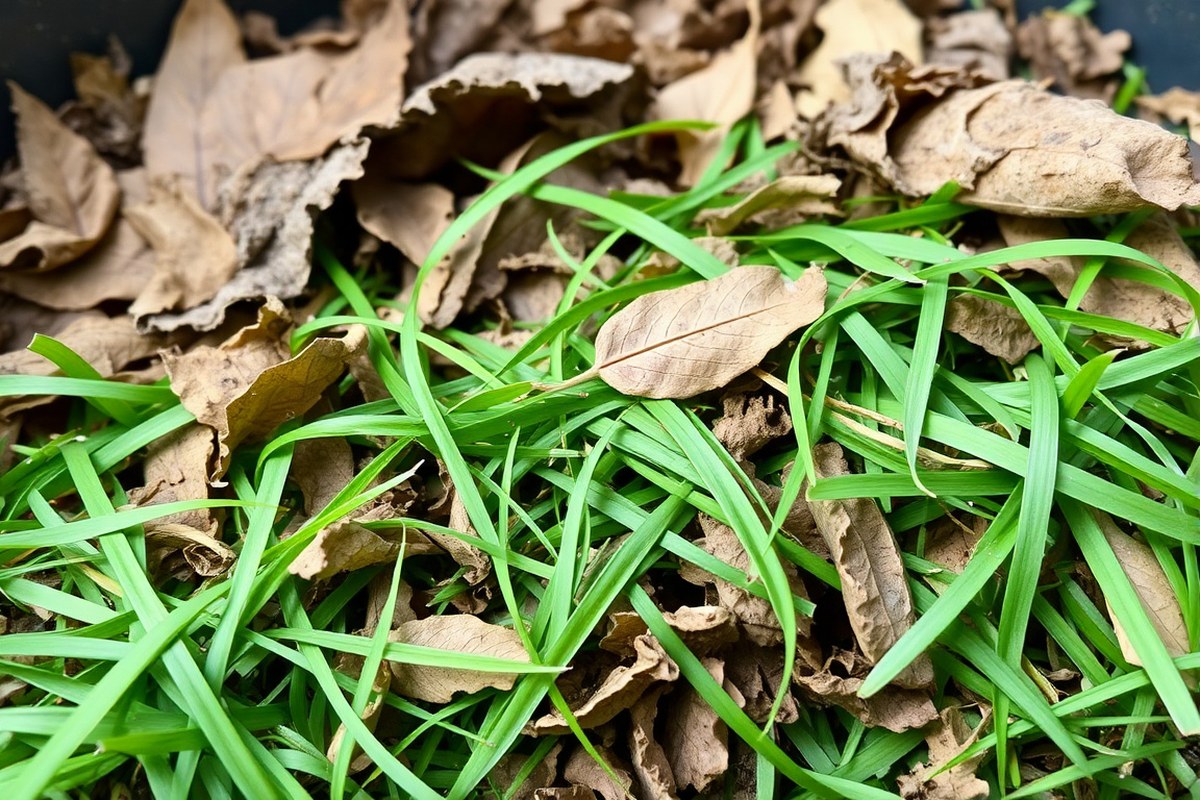
Your compost heap needs both green and brown materials for best results. Green materials have lots of nitrogen. Microbes use nitrogen for energy.
They break down compost waste using this energy. Brown materials provide carbon, giving structure and feeding the fungi that keep decomposition steady.
You want about two parts brown material for every one part green. This balance helps avoid smelly piles and speeds up rotting.
Too much green can make the heap wet and smelly. Too much brown slows the breakdown to a crawl.
| Material Type | Examples | Role in Compost |
|---|---|---|
| Green (Nitrogen-rich) | Vegetable scraps, grass clippings, coffee grounds, potato stems | Provides nitrogen and moisture for microbial activity |
| Brown (Carbon-rich) | Dry leaves, straw, shredded paper, nut shells (peanuts, almonds) | Offers carbon for energy and helps airflow in the heap |
Green materials usually come with enough moisture, but you can add water if needed. Always start your heap with a bottom layer of brown material. First, add a layer of green.
Then cover it with brown material. The brown traps heat and air inside.
For faster results, add 1 to 2 inches of finished compost on top. Turn your heap every week or so to keep air moving.
This stops the pile from getting compacted and smelly. In places with dry weather, increase green materials slightly to keep the heap moist.
Kitchen Scraps and Household Waste Safe for Composting
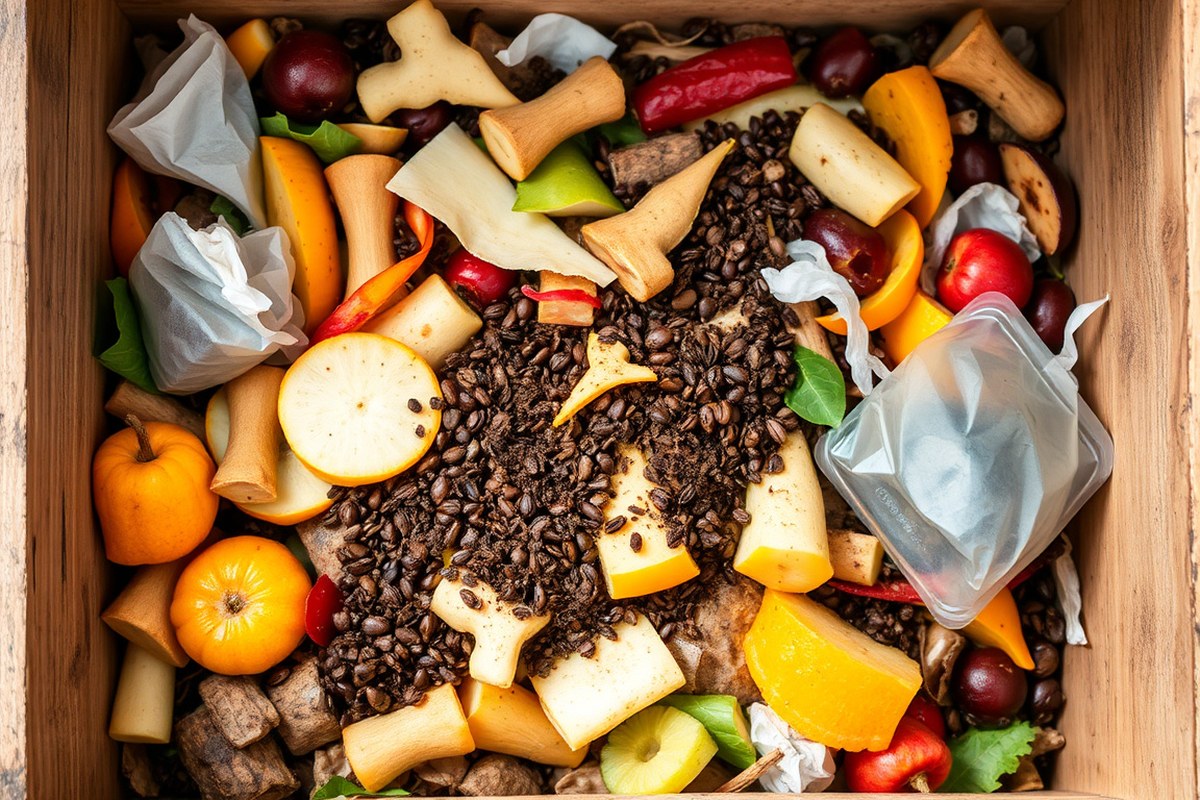
You can safely add many kitchen scraps and household waste to your compost heap. Fruit and vegetable scraps can go in. Coffee grounds and tea bags are good too.
You can also add eggshells, bread, grains, and citrus peels. Preparing these materials right helps compost break down faster and stay healthy.
Fruit and Vegetable Waste
Vegetable and fruit scraps make a great base for your compost pile. Chop them into smaller pieces to speed up decomposition. Small chunks break down faster and stop pests from being attracted.
Add scraps in small amounts. Mix them well with brown materials. Use dry leaves or shredded paper as brown materials.
Too many wet scraps can make the pile soggy and smelly. Keep the pile balanced to avoid odors.
Onion skins and garlic cloves are compost safe but use with care. Onion skins have a strong smell so bury them deep in the pile. Garlic has antimicrobial qualities so add only small amounts spread out.
Coffee Grounds, Tea, and Eggshells
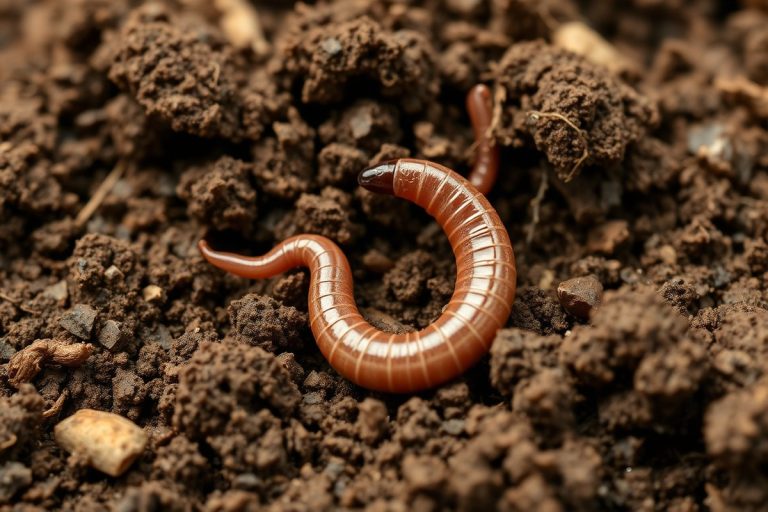
Used coffee grounds bring good nitrogen to your compost and attract helpful earthworms. You can add damp or dry grounds without rinsing. Tea bags can be composted too, but make sure they don’t contain synthetic fibres.
Eggshells add minerals like calcium to the compost. Crush them before adding so they break down faster and spread evenly. Whole shells take much longer to decompose.
Here’s what you can add safely that helps your compost:
- Chopped fruit and vegetable scraps
- Used coffee grounds, dried or wet
- Tea bags made from natural fibres
- Crushed eggshells
- Vegetable peelings
- Plant prunings
- Fresh grass clippings in small amounts
Always check tea bag materials; some contain plastic and won’t compost well.
Breads, Grains, and Citrus Peels
Bread and grains can be composted but watch for pests and clumping. Bury bread deep inside the pile and turn the pile often to keep air flowing. This stops mold and prevents flies.
Citrus peels break down more slowly and may acidify your compost if added in large amounts. Use citrus sparingly and mix well with neutral or alkaline materials. This helps balance the compost’s pH and supports faster breakdown.
Leaving large citrus peel pieces whole slows the process. Cut or shred peels before adding them. This reduces the chance of pests and speeds composting.
Garden Waste and Woody Materials Preparation
Garden waste like woody stems, prunings, and hedge trimmings can go into your compost. But they need extra prep. Chopping them into smaller pieces helps speed up breakdown.
Thick stems and tough stalks take longer to decompose. So plan ahead for more time.
Shredding and Cutting Woody Waste
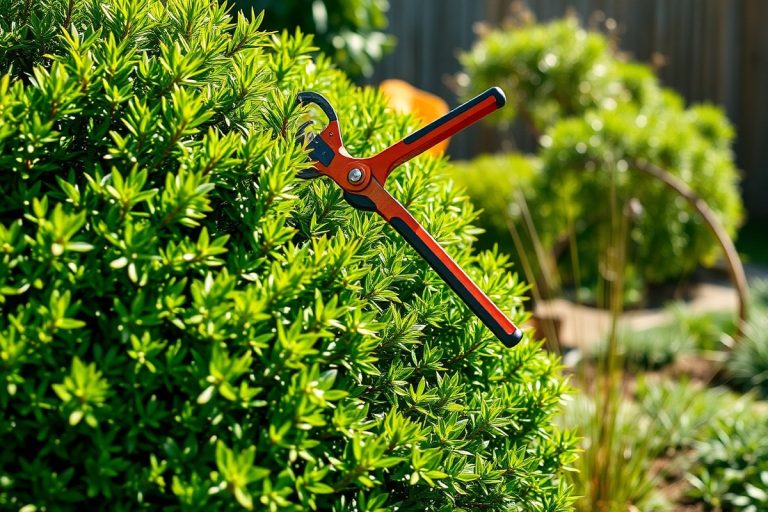
Woody stems, branches, and prunings break down slowly if left whole. Cutting them into shorter pieces helps microbes get to work faster. You can use garden shears, a saw, or a shredder if you have one.
Piling large branches without cutting slows your compost and attracts pests. Shredded wood lets air flow better, preventing bad smells and mold growth. Follow these steps to shred your woody garden waste efficiently:
- Gather woody stems, prunings, and branches from your garden.
- Remove any leaves or green growth attached.
- Cut branches into 1- to 3-inch pieces with garden shears or a saw.
- Use a shredder for thinner twigs if available.
- Mix shredded wood pieces with green materials to balance moisture.
- Add chopped woody waste evenly through your compost pile.
- Turn your compost regularly to boost aeration and speed decomposition.
Dealing with Slow-Decomposing Garden Materials
Some garden waste like corn stalks and brassica stems break down very slowly. They’re tough and full of lignin, which resists decomposition. These should be chopped small and added in moderation.
Slow breakdown can leave wood-like bits in your compost. These bits appear if you add too much wood material.
They take longer to decay fully. Give these materials more time and more mixing to finish composting well.
For faster results, spread chopped slow materials thinner and turn the pile more often. It helps keep the microbes active and oxygen flowing.
Safe Use of Garden Cuttings and Leaves
Hedge trimmings, leaves, and flower waste make great browns for your compost heap. They add structure and help air move through the mix. Always chop bigger cuttings so they blend well.
Wet leaves can mat down and block air. So mix them with dry, bulky browns. Avoid adding hedge cuttings treated with pesticides or herbicides to keep your compost safe.
Good mixing and regular turning keep materials fluffy and prevent smells. Over time, you’ll get rich, crumbly compost ready to feed your garden soil.
Materials to Avoid in Compost and Why
Meat, dairy, and oily foods do not belong in your compost heap. They attract rodents, flies, and create bad odors that are hard to control. Unless you have a special digester designed for these wastes, avoid adding them.
Pet waste from dogs and cats should never go into your compost. It contains pathogens that can cause serious health risks when they contaminate your soil or plants. Use separate pet waste disposal methods instead of composting.
Diseased plants pose a serious threat if added to compost. Spores and viruses can survive the process and reinfect your garden crops.
You must use an enclosed bin that heats up enough to kill pathogens. Keep this compost separate from food gardens for safety.
Wood treated with preservatives or fungicides harms your compost life. Chemicals inside treated wood can kill the helpful microbes that break down materials. Instead, compost untreated wood slowly in a separate heap and use it for mulch only.
- Do not add meat, dairy, or oily kitchen scraps
- Avoid dog and cat pet waste to prevent pathogens
- Exclude diseased plant material unless composted in a hot, enclosed bin
- Never add treated wood or wood with chemical preservatives
- Use only pure wood ash, no coal ash, sparingly (4, 6 inch band)
- Separate slow-breaking woody materials from main compost
Certain kitchen wastes cause problems too. Greasy leftovers and oily foods spoil your compost balance and attract pests that ruin the pile. Add kitchen scraps like vegetable peels and coffee grounds instead, which break down cleanly without smells.
Wood ash from your wood-burning stove can help compost if it’s pure and dry. Avoid coal ash since it can lower your heap’s pH and harm microbes. Sprinkle wood ash in a thin line around the compost perimeter.
Make the line about 4 to 6 inches wide. This is the best way to use it.
Balancing Moisture and Aeration with Compost Materials
Materials in your compost affect moisture by how much water they hold or release. Browns like shredded cardboard and newspaper soak up extra water well. Adding 4 to 6 inches of dry leaves or straw helps.
This layer prevents soggy compost from turning into a wet mess. It keeps your pile balanced and healthy. These materials also bring carbon, essential for good decomposition.
Air pockets are key to letting microbes do their work without the heap getting compacted. Tearing cardboard into scrunched pieces creates spaces that let air flow freely. Using porous materials such as coconut coir or straw improves aeration and prevents matting.
Avoid adding lots of wet, soft materials at once. These tend to form clumps that squeeze out oxygen. Oxygen is needed for good composting.
Turning the compost regularly with a pitchfork or compost turner keeps air moving. This mixing breaks up dense layers that trap moisture and slow the break down. When there’s too much moisture, spread extra dry browns on top.
Or stir dry materials into the pile before turning it. This helps balance moisture and air. Watch temperature and smell for signs the heap is too wet or not breathing well.
Always remove tape and staples before adding cardboard to your compost heap.
Boosting Composting Speed with Activators and Special Additives
Adding certain activators and special materials to your compost heap can speed up the process. Urine, wood ash, and finished compost all help improve nutrient balance or introduce microbes. Using these right makes your compost break down faster and richer.
Urine and Nitrogen Boosts
Urine is one of the best natural activators in a compost heap. It contains lots of nitrogen and potassium, which helps microbes work faster and heat the pile.
Add urine by soaking straw or other brown materials. Use about half a cup each time.
Mix it well before adding to your compost. This keeps the pile moist and balanced without overdoing nitrogen.
- Apply fresh urine directly to the heap’s center or soak brown materials first
- Use roughly one cup of urine per 10 square feet of compost area
- Mix well after adding to avoid nitrogen hot spots
- Balance with dry brown materials like leaves or straw to prevent odours
- Skip urine for small worm bins; worms don’t handle it well
Regular urine additions can boost temperature and speed nutrient release. Watch for ammonia smell if the pile gets too wet.
Using Wood Ash and Its Limits
Wood ash is rich in potassium and minerals but should be added carefully. It raises pH, making the pile less acidic, which helps microbes break down materials faster.
Only sprinkle small amounts, like a handful per compost bin batch, about once a month. Too much ash can make the pile too alkaline and slow decomposition.
- Use dry wood ash from untreated wood only
- Do not add ash from coal or chemically treated materials
- Mix ash lightly and evenly to avoid pH spikes
- Balance ash additions with acidic browns if pile feels too alkaline
- Avoid ash in worm composters; it can harm worms
Adding ash stops the pile from getting too acidic during heavy green additions. Too much ash can dry the heap, so keep moisture in check.
Introducing Microorganisms with Finished Compost
Using finished compost or garden soil as an inoculant seeds good microbes into a new heap. These microbes kick-start the breakdown of raw materials.
Sprinkle about one inch of finished compost over new layers of waste and mix in well. This provides a rich community of bacteria and fungi already used to your garden environment.
- Collected well-aged compost from your last batch
- Healthy garden soil with visible crumbly texture
- Microbial-rich soil from under healthy cover crops
- Avoid using compost with weed seeds or diseases
Microbial boosts work best during pile startup or after a long resting period. They reduce the time to warm up the pile and improve nutrient cycling.
Common Mistakes with Compost Materials and Fixes
Too much green or wet stuff makes your compost soggy and smelly. You need to balance it with dry material. This stops the bad smell and sogginess.
Greens like fresh grass clippings or food scraps release moisture. This forms waterlogged mats that block air, slowing decomposition and making the pile stink.
Fix stinky, soggy compost by stirring it well to add oxygen. Spread dry brown materials like shredded leaves or straw over the damp spots.
Remove some wet greens when needed. Use them later but in smaller amounts.
Woody debris breaks down slowly if left in large pieces or unmixed. Large branches and woody stems keep air from reaching the center. Chop or shred these materials into smaller bits about 2 inches long to speed up decay.
Some waste attracts pests if added carelessly. Meat, dairy, or oily foods can draw rodents or flies.
Keep these out or bury them deep in the heap, covered with plenty of brown material. You might also use a closed compost bin to avoid unwanted visitors.
- Stir compost once a week to prevent soggy mats
- Add a 2-to-1 ratio of brown to green when fixing wet spots
- Cut woody materials into 1- to 2-inch pieces before adding
- Cover any meat or dairy scraps well with dry leaves
- Keep your compost pile about 3 feet wide and high for good heat and airflow
- Use a pitchfork or garden fork to turn the pile for better aeration
Restoring balance in your compost takes about 15 minutes a week. Mixing helps dry out soggy parts and stops smells. Smaller wood pieces also speed up heating and breakdown inside the heap.
Switch to a closed bin when pests are a problem. Keep food scraps inside until adding them.
This reduces chances of animals digging around. Keeping your compost healthy means paying attention to what and how you add materials.
Adjusting Compost Materials for Different Seasons and Methods
Winter slows down composting because cold temperatures reduce microbial activity. You should add smaller, chopped materials that break down easier. Avoid thick layers of wet greens that can freeze and turn slimy.
Hot composting reaches over 140 °F and kills weed seeds and diseases. Add more fresh greens and browns to keep this heat going. Regularly turn the pile to add oxygen and keep the temperature high.
Cold compost piles break down slower and don’t kill weed seeds well. Avoid adding seed heads or persistent weeds when cold composting. You’ll want to use mostly leaves and woody materials for safe bulk.
Worm bins need finely chopped kitchen scraps and soft bedding like shredded paper. Avoid adding citrus or onion in large amounts, as worms dislike strong smells. Keep the material moist but not soggy to keep worms happy.
Small bins and wormeries can’t handle lots of yard waste or big sticks. Stick to veggie scraps, coffee grounds, and dry bedding. For a small hot pile, use a good mix of greens and browns.
Add these in thin layers. This helps keep the pile warm.
In summer, materials break down faster. Add more bulky browns to balance moisture. In cooler seasons, keep adding smaller, softer stuff to help microbes work through slower conditions.
Avoid adding whole seed heads in cold compost piles. They can sprout when you spread the compost later.
Step-by-Step Action Plan for Your Compost Heap
Follow these steps to build a healthy compost heap and keep it balanced. This plan helps you start right and watch your compost grow well.
- Before you start: Get equal parts of green and brown materials. Green materials include kitchen scraps. Brown materials include dry leaves. Make sure you have enough space to layer them.
- Day 1: Build your first compost pile with a thick layer of browns, then add greens. Turn the pile to mix well and check it feels like a wrung-out sponge.
- Week 1: Check moisture levels every other day. Spray water lightly when your pile feels too dry. Add more brown materials when your pile is too wet.
- Week 2: Turn the pile again to add air and speed up decomposition. You should notice some heat inside the pile when you touch it.
- Week 3, 4: Add kitchen scraps and garden waste in small amounts. Avoid adding too many at once to keep balance and prevent odors.
- After 1 month: Monitor the compost texture. It should start to look crumbly and earthy. Keep turning the pile weekly to help aeration.
- After 2 months: Separate finished compost that looks dark and smells fresh. Use it in your garden and refresh your compost heap with new materials.
Frequently Asked Questions
Can I Add Citrus Peels to My Compost Heap?
Yes, small amounts of citrus peels can go in your compost. They break down slowly and in large amounts might harm beneficial microbes. Chop them into small pieces to speed up decomposition and avoid piling them up.
Can I Compost Cooked Food Scraps?
Cooked food scraps can be composted, but in small amounts only. They might attract pests or cause odors if added in large quantities. Balance with plenty of brown materials and turn the heap often to prevent problems.
Are Eggshells Good for Compost?
Eggshells are great for compost because they add calcium. Crush them to help them break down faster. Calcium helps plants grow strong and can balance acidic soil conditions.
Is It Okay to Compost Weeds?
You can add weeds to compost, but only if they haven’t gone to seed. Otherwise, you risk spreading them in your garden. Chop them up to speed their breakdown and kill some seeds.
Can I Compost Pet Hair?
Yes, pet hair is compostable because it’s high in nitrogen. Add it sparingly and mix it into the heap to avoid clumps. Pet hair helps feed worms and microorganisms in your compost.
How Much Kitchen Waste Is Safe in a Compost Heap?
Keeping kitchen waste under one-third of your heap volume is best. Too much can make the heap soggy and smelly. Balance with brown materials like dry leaves or cardboard to keep the heap healthy.
Final Thoughts
Adding the right mix of materials and keeping your compost moist and airy leads to success. Start with simple kitchen scraps and brown leaves to get results fast. Now, gather your materials and start your first compost pile today.