How Fast Do Worms Reproduce: A Complete Guide to Speeding Up Breeding
Worms can double their numbers about every two to three months under ideal conditions. This depends on the species and how well you keep their habitat. A healthy, stable environment helps worms reproduce faster.
Red wigglers, popular composting worms, mature in four to six weeks. After that, they start producing eggs inside small cocoons. Each cocoon hatches two to five baby worms in about two to three weeks.
Keep the temperature near 50 degrees Fahrenheit for steady reproduction. Bedding should be moist but not soggy to keep worms comfortable. Feeding them regularly with food scraps helps them stay healthy and active.
Avoid letting the bin dry out or get too cold. These conditions slow worm growth and cut reproduction rates. Consistent care and monitoring keep your worm population thriving.
Key Takeaways
- Worms reach sexual maturity between 4 and 6 weeks old.
- Red wigglers tend to double their numbers within 60 to 90 days.
- Each cocoon produces 2 to 5 baby worms in 2 to 3 weeks.
- Optimal temperature for worm reproduction is about 50 degrees Fahrenheit.
- Keeping bedding moist helps speed up cocoon hatching and growth.
- Good food supply is essential for faster worm breeding.
How Fast Do Worms Reproduce on Average?
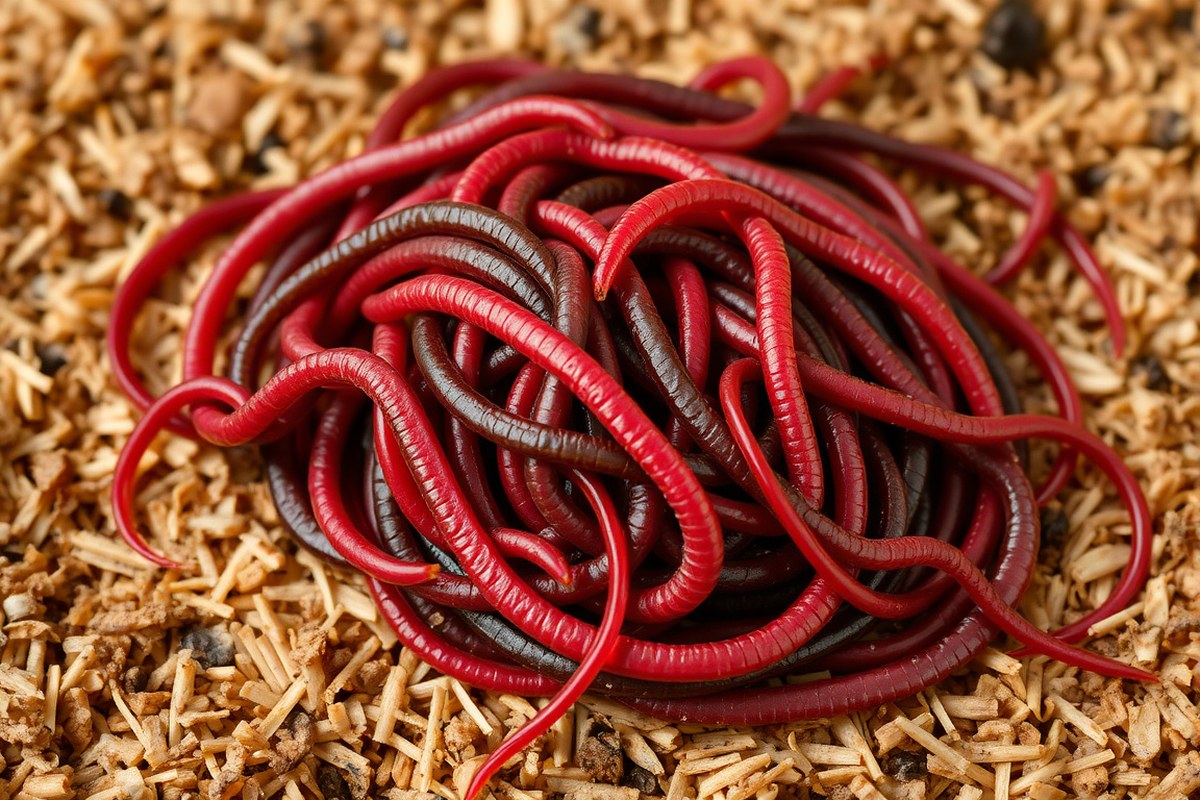
Worms reproduce surprisingly fast under the right conditions. A single cocoon hatches 2 to 5 baby worms in about 2 to 4 weeks. These baby worms grow up to produce their own cocoons in just 2 or 3 months.
Red wigglers live in compost bins. They can lay 2 to 3 cocoons each week. This can last for 6 to 12 months.
Each cocoon produces 2 to 15 baby worms, usually around 2 to 3. That means one breeding worm can produce nearly 100 babies in half a year.
Population doubling depends on stable conditions like proper temperature, moisture, and food supply. For example, 8 red wigglers may produce 1,500 worms in 6 months.
This happens if the conditions stay perfect. So, your worm population can double roughly every 2 to 3 months.
Here’s an example: start with 10 worms. Each one makes 3 cocoons every 2 weeks. Each cocoon hatches 3 worms within 3 weeks.
After 3 months, you can have over 100 worms. Growth speeds up as new worms reach breeding age and add to cocoon production.
This quick growth explains why compost worms multiply fast. Good care turns a few into hundreds rapidly.
But if conditions turn poor, cocoon hatching delays and population growth slows drastically. Keeping worms comfortable lets them multiply at their best rate.
The Complete Worm Reproduction Timeline Explained
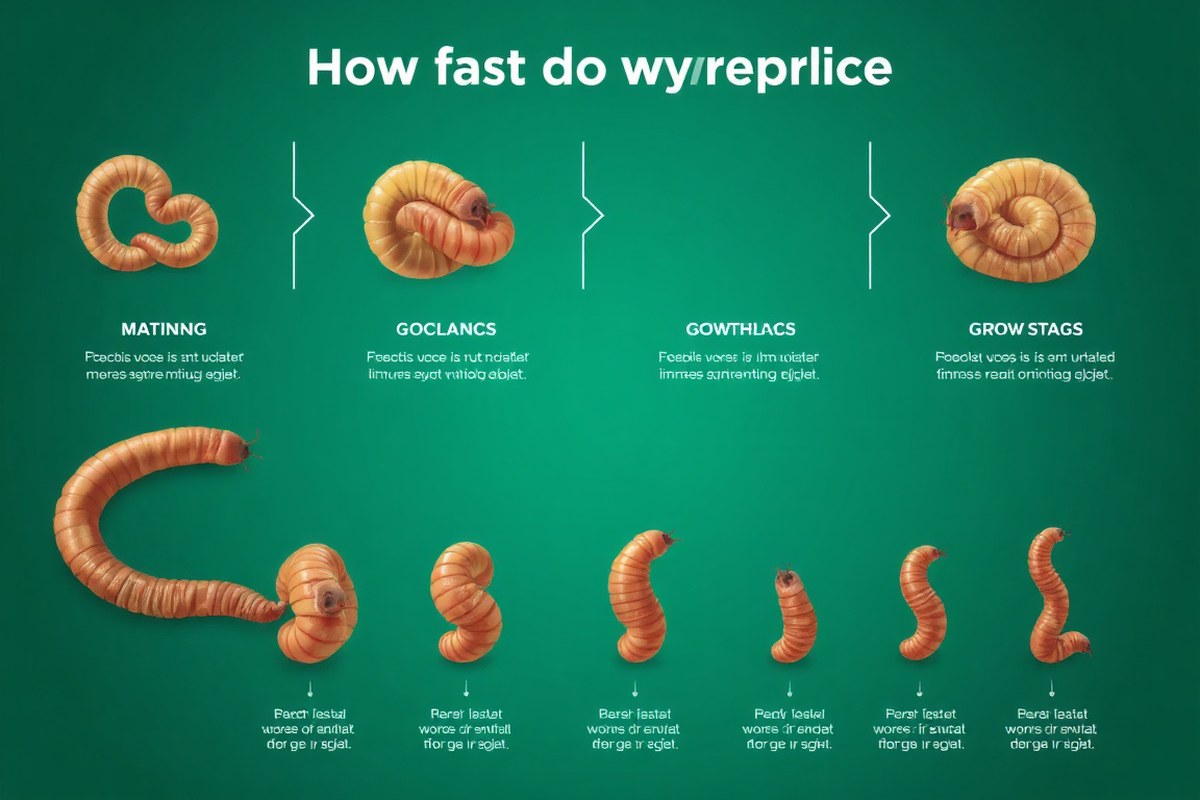
Worm reproduction starts with mating, followed by cocoon laying, hatching, juvenile growth, and maturity. The complete process takes about 3 to 4 weeks for cocoons to hatch. Juvenile worms take about 60 to 90 days to mature.
Mating and Cocoon Production Duration
Mature worms mate by aligning their bodies, exchanging sperm in about 30 minutes. After mating, they start forming cocoons in the coming days. Each mature worm can produce 2 to 4 cocoons weekly, especially red wigglers.
The clitellum, a thick band on the worm’s body, signals sexual maturity. Mating and cocoon production can vary but generally last a few days to a week.
Worms rely on stored sperm. So they can make cocoons for several weeks without re-mating.
Watch for cocoons as small lemon-shaped cases in your bin, they mean your worms are reproducing.
Cocoon Hatching and Baby Worm Emergence
Cocoons hatch in roughly 10 to 28 days, depending on temperature and worm species. Warmer bins close to 70°F speed up hatching, sometimes to as little as 10 days. Each cocoon releases 2 to 15 baby worms, often translucent and just half an inch long.
The eggs in cocoons darken as they approach hatching, taking on a reddish tint. New hatchlings stay near the cocoon for a few days before burrowing through compost. This stage is critical, so avoid disturbing your bin while cocoons mature.
Juvenile Growth to Sexual Maturity
After hatching, baby worms grow steadily, doubling in size over a few weeks. They reach sexual maturity between 60 and 90 days old, marked by developing their clitellum. At this point, they begin mating and producing cocoons themselves.
Factors like temperature, food, and moisture control growth speed, so expect variations. Red wigglers grow faster than common earthworms, making them ideal for quick breeding. Healthy hatchlings mean your bin temperature and moisture levels are just right.
How Worms Reproduce: Mating, Cocoons, and Eggs
Worms reproduce by mating. Each worm is male and female. They swap sperm during this unique process.
They exchange sperm and later produce cocoons that hold fertilized eggs. The cocoon protects the developing embryos until they hatch into baby worms.
Sexual Reproduction and Hermaphroditism
Red wigglers and many compost worms have male and female parts. They still need a partner to mate. Two worms line up and swap sperm to fertilize eggs inside.
After mating, fertilization happens inside specialized tubes called oviducts. This internal process ensures the eggs are ready to grow once enclosed in a cocoon.
Role and Location of the Clitellum
The clitellum is a thick band on a worm’s body. It covers segments 32 through 37. Only adult worms have this band.
The clitellum helps worms by making mucus. This mucus keeps them stuck together during mating. After mating, this mucus forms a ring where eggs and sperm come together for fertilization.
The mucus ring from the clitellum turns into a cocoon. This cocoon protects the growing worm embryos. This band clearly shows when a worm is mature and ready to reproduce.
From Fertilization to Cocoon Formation
After mating and fertilizing eggs, the worm makes a thick mucus ring. This ring forms around its body.
As it backs out, the worm deposits eggs and the partner’s stored sperm into this ring. The mucous ring then closes into a cocoon, sealing the fertilized eggs inside.
Each cocoon looks like a tiny lemon-shaped capsule that protects the eggs as they develop. Gestation takes several weeks, depending on temperature and conditions, before baby worms emerge.
One worm can make a cocoon every few days. This means hundreds of young worms in a year.
- Worms are hermaphroditic but need a mate to exchange sperm
- Clitellum secretes mucus to connect worms and form a cocoon
- Fertilization happens internally after mating inside the oviducts
- Mucous ring forms cocoon as worm backs out of it
- Cocoons protect eggs and house developing embryos
- Gestation inside cocoon lasts several weeks
- Each cocoon typically hatches two baby worms
Factors That Affect Worm Reproduction Speed
Worm reproduction speed depends heavily on environmental conditions like temperature, moisture, food, and pH. Keep these factors balanced.
Worms can reproduce quickly, sometimes doubling their numbers in 60 to 90 days. Monitoring your worm bin regularly helps catch problems early and keeps breeding on track.
Temperature’s Role in Worm Breeding
Temperature affects how fast worm cocoons hatch and how fast worms mature. The ideal range is between 60°F and 80°F, where reproduction is at its peak.
Cooler temperatures slow breeding, stretching hatching time to 60, 90 days. Temperatures above 80°F speed up development but may cause stress if too hot.
Heat above 85°F can harm worms and stop them from reproducing. Keep your bin in a shaded, cool place if outdoor temperatures climb too high. A simple digital thermometer can help you track bin conditions and adjust as needed.
Moisture Levels for Optimal Breeding
Worms breathe through their skin, so moisture is critical. Their bedding should feel like a wrung-out sponge, damp but not soggy.
Too little moisture slows down breeding because worms risk drying out. Too much water can drown them and cause oxygen shortages.
Watch for any pooling water or dry spots. Stir the bedding gently to distribute moisture evenly. Adding damp cardboard or shredded paper helps keep moisture balanced without flooding the bin.
Food Supply and Its Impact
Food provides the energy worms need to reproduce. A steady supply of well-balanced organic scraps keeps them healthy and breeding fast. Avoid overfeeding, which can cause rot and bad smells, stressing worms and slowing reproduction.
Feed small amounts every few days, adjusting based on how quickly worms consume scraps. Worms love vegetable peels, coffee grounds, and crushed eggshells. Stay away from citrus, meat, and dairy, which can harm the worms or attract pests.
Preferred pH Levels for Worm Reproduction
Worms prefer a neutral pH, close to 7. But they tolerate levels between 6 and 8.
Acidic or alkaline conditions discourage breeding and can even kill worms. Use crushed eggshells or garden lime sparingly to neutralize acidity if needed.
Test your worm bin’s pH monthly with inexpensive test strips. When pH drops below 6, add crushed eggshells and mix well.
If pH goes over 8, cut back on lime. Add shredded paper or other bedding to balance it.
Checklist to Maintain Ideal Breeding Conditions
- Keep temperature steady between 60°F and 80°F
- Maintain moisture like a damp sponge, no standing water
- Feed small, consistent amounts of vegetable-based scraps
- Monitor pH to stay near neutral (6 to 8)
- Avoid overcrowding or too few worms in the bin
- Provide fresh bedding to prevent ammonia buildup
Sticking to this checklist makes your worm bin a cozy breeding ground. Checking these factors weekly can spot trouble fast. If worms stop reproducing, start by checking pH.
Also check moisture and temperature levels. These steps help fix the problem.
Comparing Reproduction Rates of Different Worm Species
Red wigglers reproduce faster than many other worm species. This speed makes them a top pick for worm farms. Both home and commercial setups benefit from this quick breeding.
They can produce 1 to 3 cocoons per week, with each cocoon holding several eggs. This steady growth means you’ll see more worms in weeks.
It happens mostly in spring and summer. Warm temps from 60 to 80°F help them reproduce well.
Common earthworms reproduce more slowly than red wigglers. They need similar conditions but take longer to reach maturity and produce cocoons.
European nightcrawlers fall between red wigglers and common earthworms. They reproduce slower than red wigglers but thrive in various environments and grow larger.
| Worm Species | Reproduction Speed | Cocoons per Week | Preferred Temperature (°F) | Lifespan (Months) |
|---|---|---|---|---|
| Red Wigglers (Eisenia fetida) | Fastest | 1, 3 | 60, 80 (best) | 6, 12 |
| European Nightcrawlers | Moderate | Less than red wigglers | 50, 75 | 9, 18 |
| Common Earthworms | Slow | Few and farther apart | 55, 75 | 12, 24 |
Choosing red wigglers helps maximize reproduction speed and composting output. They reproduce steadily, not all at once, so expect gradual population growth.
Nightcrawlers suit cooler bins or less controlled environments but breed slower. Common earthworms are less common in worm farming due to their slower reproduction and less adaptability.
Keep your worm bin temperature steady between 60 and 80°F to boost red wiggler reproduction.
Worms need a partner to reproduce even if they have both sexes. They are hermaphrodites but still must pair up. Reproduction won’t happen alone.
Poor conditions or low temperatures can slow reproduction dramatically. Feeding your worms right helps them produce more cocoons.
Keep moisture and pH in good balance too. This combo grows your worm farm fastest.
How to Encourage Faster Worm Breeding at Home
Worms breed faster when their environment feels just right. Keep bedding moist but not soggy, aiming for about 70% moisture.
The ideal temperature is between 55°F and 77°F; colder slows them down. Heat above 85°F can kill worms or stop breeding.
Food quality and quantity really affect reproduction rates. Feed one pound of food for every half pound of worms. Wait until they finish their last meal before feeding more.
Keep the feeding pace steady for best results. Feeding them often enough means their metabolism stays high, which boosts cocoon production and hatching.
- Use kitchen scraps like fruit and vegetable peels, avoiding citrus or oily foods
- Chop food into small pieces to speed up consumption and reduce mold
- Turn bedding gently once a week to aerate without stressing worms
- Keep your bin dark to encourage activity, as worms dislike light
- Add cardboard or shredded paper when bedding gets compacted
- Don’t overfeed; uneaten food can rot and harm worms’ health
Population density matters too. Overcrowding causes stress and lowers reproduction. Keep at least a few square feet of bedding space per pound of worms.
Enough room stops overcrowding and stress for worms. This space helps them thrive better overall. A healthy population of mature worms leads to faster breeding than a tiny group.
Check your bin regularly for signs of dryness or improper temperature. Worms seem sluggish or cocoons stop forming? Adjust moisture or move the bin indoors during cold times.
These actions help your worms stay active and healthy. Small changes make your worm bin a breeding hotspot.
These spots quickly fill with new worms. This means faster worm population growth for you.
Common Problems That Slow or Stop Worm Reproduction
Worm reproduction often slows or stops because of common mistakes. One frequent error is keeping the bin too wet or dry. Worms need a moist but not soggy environment to stay healthy and reproduce.
Temperature also plays a big role. Worms stop breeding if it gets too hot or too cold. Ideal temperatures stay between 55°F and 77°F. Above 85°F or below 50°F, reproduction slows sharply or stops completely.
Ants and other pests might invade your worm bin, disturbing worms. They fight for food and bother worms, which lowers breeding rates. To block ants, set your worm bin legs in cans filled with water or mineral oil to trap them.
- Keep bedding moist but not waterlogged, about the feel of a wrung-out sponge.
- Maintain temperature between 55°F and 77°F for steady reproduction.
- Stop ants by placing bin legs in water or mineral oil traps.
- Avoid adding too much fresh food at once to prevent acid build-up.
- Regularly turn and fluff the bedding to keep it breathable.
- Check for bad smells. Odor means the bin may be too wet or lacks oxygen.
Slow or failed reproduction usually shows as fewer or no cocoons. Check temperature first because it’s easy to control with location choice or shade. Keeping the bedding just moist enough and turning it weekly helps worms breathe and reproduce well.
Watch the bin in new setups closely, since slow reproduction happens most there. Adjust moisture and temperature if numbers don’t rise after one month. Ant traps require regular refilling and checks every few days until ants vanish.
Estimating Population Growth: From One Worm to Thousands
Starting with just 1,000 red wigglers, you could reach 12,000 to 16,000 worms in one year. This happens because the population typically doubles every 60 to 90 days under ideal conditions. So you get about four cycles of doubling in a year.
Let’s break it down exactly. After the first 90 days, your 1,000 worms become about 2,000. In another 90 days, those 2,000 double to 4,000.
Then, after the third and fourth 90-day periods, you’d have around 8,000 and finally 16,000 worms. This assumes stable temperature, plenty of food, and moisture.
This growth lets you build a large worm population if you give them good care. It’s cheaper than buying more worms constantly. However, it takes time for the herd to multiply.
So you might want to buy extra worms for faster results. Hobbyists who care about vermicompost like to let worms multiply.
It saves you money. Plus, it produces lots of castings over time.
Keep bedding moist and feed your worms regularly to avoid reproduction slowdowns.
Remember, growth won’t be as fast if food or moisture runs low. Problems like overcrowding or cold temperatures also reduce doubling speed. Worms grow fast at about 70 to 80°F. You need to feed them regularly.
Turning the bedding every two weeks also helps. With these simple steps, you’ll watch your worm farm grow reliably over the seasons.
Step-by-Step Action Plan for Boosting Worm Reproduction
Follow these steps to speed up your worm population growth. Each phase sets a clear goal and shows you how to check progress.
- Before you start: Choose a worm species known for fast breeding, like red wigglers. Look for lively, healthy worms to begin.
- Day 1: Set up your bin with moist bedding and balanced food scraps. The bedding should feel like a wrung-out sponge.
- Week 1: Add a small handful of worms and feed lightly. Watch for worm activity and bedding shape changes.
- After 2 weeks: Check for new cocoons in the bedding. Spot small, lemon-shaped cocoons as signs of reproduction.
- Month 1: Gradually increase feeding amount and variety. See if worm numbers rise and cocoons grow more numerous.
- Month 2: Maintain stable moisture and temperature (65-77°F). Avoid overfeeding, which can slow reproduction.
- Month 3: Harvest some castings carefully to make space. Confirm population expansion by counting active worms.
- Ongoing: Keep bedding fresh, avoid toxins, and provide consistent care. Healthy worms reproduce steadily over months.
Frequently Asked Questions
How Quickly Can a Worm Population Double?
Worms can double in number roughly every 60 to 90 days if conditions are good. Warmth, moisture, and ample food speed up their growth.
Do Worms Reproduce Differently in Summer Compared to Winter?
Worm reproduction slows in winter because they are less active in the cold. Summer warmth boosts their mating and cocoon-laying activity.
Can You Speed Up Worm Reproduction by Adding More Food?
Yes, adding organic scraps helps worms stay healthy and breed faster. Overfeeding might cause bin issues, though, so balance is key.
How Many Baby Worms Come from One Cocoon on Average?
One cocoon usually hatches 1 to 15 baby worms depending on species. Most compost worms fall near the middle of this range.
Do Worms Reproduce If Kept Alone Without a Partner?
No, worms need a partner to mate despite being hermaphrodites. They exchange sperm during mating to fertilize eggs.
Does the Type of Bedding Affect Worm Reproduction Speed?
Yes, bedding like shredded paper or leaves holds moisture and supports growth. Proper bedding keeps them comfortable and breeding steadily.
Key Points to Remember
Worms can reproduce quickly under good conditions, doubling their numbers in a few months. Start small, watch carefully, and adjust their environment as needed.
Your next step is to set up a proper bin. Then invite your first worms today.