Are Petunias Full Sun? A Complete Guide to Growing Vibrant Blooms
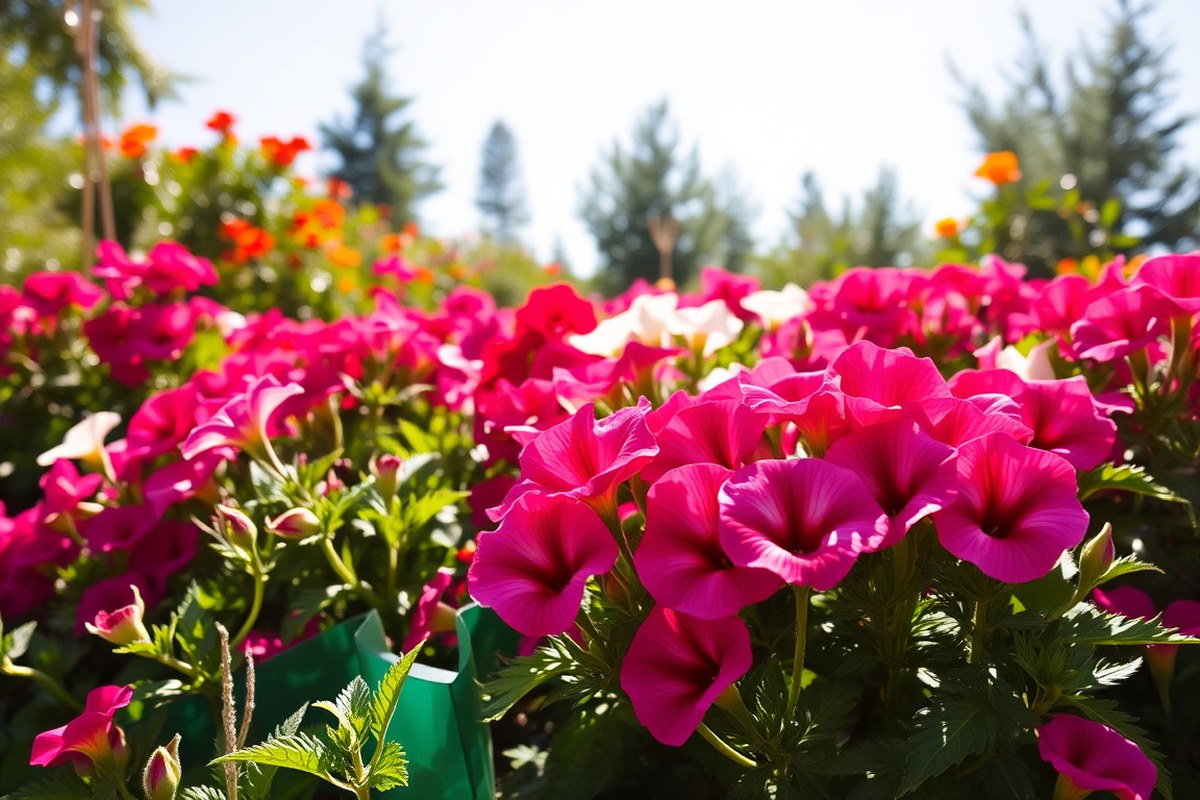
Petunias grow best in strong sunlight. They need at least 6 hours of direct light each day. Getting over 8 hours helps them fully flourish and produce more flowers.
Full sun allows petunias to make plenty of energy for growth. With less sun, they bloom fewer flowers and look weaker. Choose bright spots free from tall trees or buildings that block light.
Too much midday heat can stress petunias even in full sun. Temperatures above 90 °F may cause wilting and slow growth. In hot climates, provide morning sun and afternoon shade to keep plants healthy.
Proper soil and watering also matter alongside sunlight. Use well-draining soil and water when the top inch feels dry. This balance reduces stress and supports vibrant blooms.
Key Takeaways
- To produce plenty of flowers, petunias must receive no less than 6 hours of direct sun daily.
- Eight or more hours of sunlight daily lead to the best bloom density.
- Too much afternoon heat above 90 °F can harm petunias in full sun.
- Partial shade works better in very hot climates to protect petunias.
- Plant petunias where shadows don’t block their essential sunlight.
- Containers must get full sun just like garden beds for petunias to thrive.
Do Petunias Need Full Sun to Flourish?
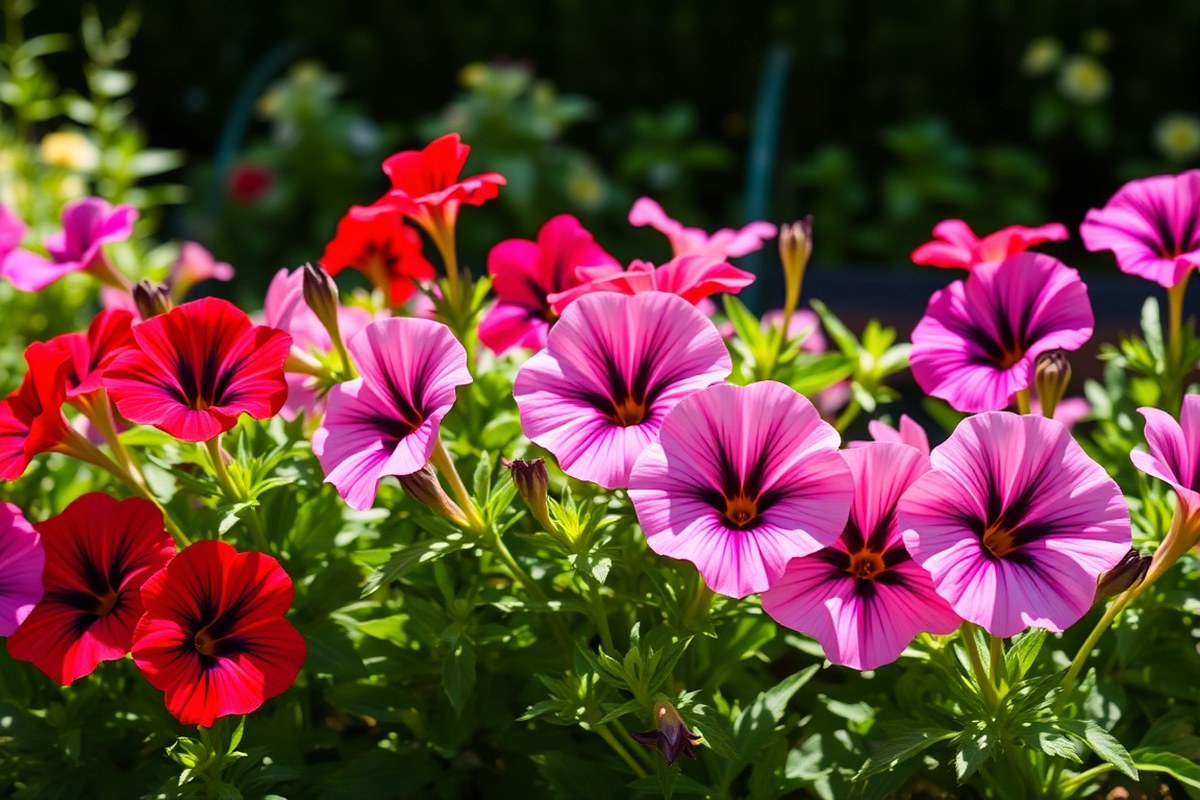
Petunias need at least six hours of direct sunlight to grow well. This sunlight helps them make energy to produce bright flowers. Eight or more hours of sun each day creates fuller plants with more blooms.
Less than six hours of direct sunlight can reduce the number of flowers your petunias produce. For instance, under 3 hours of sun, petunias struggle to maintain enough energy for continuous blooming. Full shade is not good for petunias.
They won’t get enough light there. Without enough light, they can’t grow properly or stay healthy.
| Hours of Direct Sunlight | Bloom Quality |
|---|---|
| Less than 3 hours (Full Shade) | Poor to no blooms; weak plant growth |
| 3, 5 hours | Limited flowering; less dense blooms |
| 6 hours (Minimum Full Sun) | Good flowering; healthy, vibrant plants |
| 8+ hours (Optimal Full Sun) | Best flowering; lush, abundant blooms |
Choose a sunny spot that provides at least six hours of direct sunlight. You can check sunlight hours by observing the planting area throughout the day. Morning sun or filtered afternoon sun works best for petunias.
This keeps them from too much heat. They still get enough light to grow well.
Petunias in full sun need soil that drains well. You must water them before they start to wilt. This helps keep them healthy and strong.
Hotter temperatures over 90 °F can damage petunias if they stay under intense sun for hours. In warm climates, some afternoon shade can protect them while still providing the minimum sun needed.
How Sunlight Intensity and Duration Affect Petunia Blooming
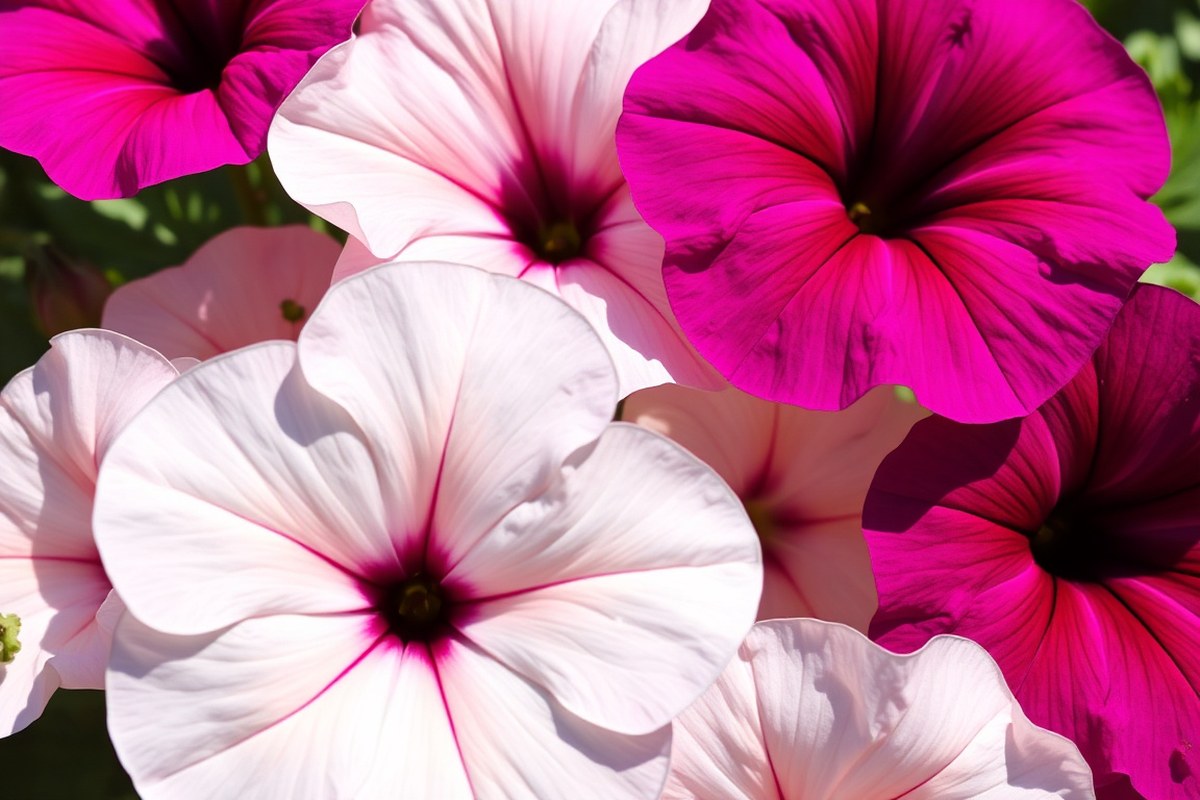
Petunias need at least 6 hours of direct sunlight each day to bloom well. More sunlight often means more flowers and stronger colors. Less than 6 hours can reduce blooms and cause duller petals.
The timing of sunlight also matters. Morning sun is gentler and helps petunias avoid leaf scorch. Afternoon sun can be harsh, especially in hot climates, which might damage petals and leaves.
Here’s a table showing how different sunlight patterns affect petunia bloom quality and growth. This shows how different sunlight hours affect petunias.
It helps you choose the best spot. You can pick what suits your garden needs.
| Sunlight Pattern | Effect on Petunia Growth |
|---|---|
| Continuous 6 hours, including midday | Strongest flowering, ideal in cool to moderate climates |
| Split: 3 hours morning + 3 hours late afternoon | Reduces heat stress, good for hot summer regions |
| Morning-only 6 hours | Gentle growth, fewer blooms in cooler areas |
| Afternoon-only 6 hours | Higher heat, possible leaf scorch in very hot weather |
In hot zones, aim for morning sun with some afternoon shade. This keeps blooms vibrant and prevents leaf burn. Cooler zones can handle steady full sun, which maximizes bloom density.
Put petunias where they get sun in the morning. Keep them shaded from hot afternoon sun. This helps keep their blooms looking good.
Balancing sun exposure takes a small effort like moving pots or adding shade cloth. Try a spot with 6 to 8 hours of morning or split sun. Watch for leaf edges browning, a sign petunias burn too much.
For container growers on balconies, east-facing windows give gentle morning light. This suits seedlings or young plants. But mature petunias often need more intense sun later to bloom fully.
Can Petunias Grow in Partial Shade or Full Shade?
Petunias do grow in partial shade but not as well as in full sun. In partial shade, they produce fewer flowers and tend to stretch out, seeking more light. Growth slows down and flower colors may look less vibrant compared to plants in full sun.
Full shade causes even bigger problems for petunias. They often become leggy and weak with thin stems. The plant’s immune defenses drop.
This makes them more prone to fungal diseases. Fungi thrive on damp, poorly aired foliage. Full shade usually means almost no blooming, no matter how perfect other conditions are.
You can expect these typical outcomes depending on shade level:
- Full sun: lush growth, many flowers, strong stems
- Partial shade: fewer flowers, longer stems, less color intensity
- Full shade: minimal growth, leggy and weak, fungus risk
Watch for signs of shade stress. Petunias needing more sun may have sparse flowers and tall, thin stems. Leaves can look pale or dull.
Plants might flop over easily, showing weak support from insufficient light. Regular pruning helps leggy petunias focus on growing stronger stems and produce better flowers.
Growing petunias in shade lowers watering demands. They dry out slower than in full sun. Still, avoid water sitting on foliage long, or fungal issues may spike.
Choose petunia varieties bred for partial shade when you can’t provide full sun. Plant location matters. Track your site’s daily sunlight to pick the best spot for your petunias.
What Happens When Petunias Get Too Much Sun or Heat?
Petunias can get too much sunlight, especially in very hot climates. When temperatures climb above 90°F (32°C), intense afternoon sun often stresses the plants. This stress shows up as wilting, leaf scorch, or faded blooms, signaling they need relief.
Heat and sun damage look like brown edges on leaves or shriveled flowers. Leaves may curl up to reduce water loss. Wilting during peak heat hours is a common sign your petunias are struggling to stay cool.
Protect your petunias by providing afternoon shade, especially where summer highs exceed 95°F. Plant them where they get 5 to 6 hours of morning sun. Then provide filtered light or shade during the afternoon. This setup lowers heat stress while still supplying enough light for blooms.
Containers tend to get hotter than garden beds. So move pots to shaded spots during the hottest part of the day.
You can also use shade cloth or nearby taller plants to block strong afternoon rays. These techniques help prevent leaf burn and keep soil from drying out too quickly.
Choose heat-tolerant petunia varieties like Multiflora types for hot areas. These cultivars handle sun and heat better than Grandiflora types, which need more protection. Matching plant variety to your local climate reduces the risk of sun damage and heat stress.
Watering regularly is important but avoid wetting leaves under strong sun to prevent damage. Water early in the morning or late afternoon so soil stays moist during heat peaks.
Dry soil combined with hot sun worsens stress. So keep soil evenly damp without overwatering.
How Climate Influences Petunia Sunlight Needs and Care
Climate shapes how much sun petunias need and how you care for them. Cooler zones let you give petunias full sun most of the day. Hot or humid areas require some shade and careful watering to keep flowers healthy.
Sunlight Needs in Cool or Temperate Climates
In cool places like the Coastal Pacific Northwest, petunias thrive. They need all the sun you can give them every day. This means full sun each hour possible helps them grow well.
They bloom best with full sun from morning until early afternoon. After 2 p.m., filtered light or light shade helps prevent leaf scorch.
Providing consistent sun in these regions means petunias stay colorful from spring through fall. They need regular watering but usually not extra shade since the heat is mild. A high-phosphorus fertilizer every 7 to 10 days keeps blooms vibrant.
Adjusting Sun Exposure in Hot and Arid Zones
In warmer zones like 9 and 10, sun intensity can stress petunias. Direct sun until early afternoon is good, but afternoon shade becomes important. Protect plants from harsh late-day heat that dries soil quickly.
Water deeply in the morning to avoid midday heat loss. Choose planting spots with dappled shade after 2 p.m. This reduces sunburn on leaves and helps keep blooms fresh longer. Use mulch to retain moisture in the soil.
Strategies for Humid or Tropical Environments
Petunias in humid zones or USDA 10 and 11 can suffer from sun and moisture stress. Strong sunlight combined with humidity boosts disease risk, so filter the strongest afternoon light. Plant in spots receiving morning sun only.
Keep soil well-drained and water at the base of plants to limit fungal problems. Repeat fertilizer treatments every 7 to 10 days to support continuous blooming. Indoor petunias may need extra artificial light during short winter days.
Extending Blooming Season with Light Management
Light control helps you stretch petunia blooms beyond summer. In cooler zones, prioritize full sun to encourage repeated flowering. In hot or humid zones, manage afternoon shade to prevent heat stress.
Adjust sun exposure based on your zone and the season. Move containers with petunias to sunnier spots during cooler fall days to keep blooms coming. Consider thin shade cloth during summer afternoons to reduce heat damage.
Follow these steps to adjust petunia sun exposure across climates:
- Identify your USDA hardiness zone using an online map.
- Check local summer temperatures and sun intensity in your area.
- Choose your planting spot for morning sun and afternoon shade if hot.
- Apply mulch to keep soil moist and cool.
- Water deeply in early morning every 1-2 days in hot climates.
- Fertilize every 7 to 10 days with a high-phosphorus formula.
- Use shade cloth or move pots to filter afternoon sun if needed.
- Adjust positions seasonally to optimize light and extend blooms.
Avoid putting petunias in full afternoon sun in hot zones. Heat burns leaves and dries soil fast.
Choosing the Best Petunia Varieties for Different Light Conditions
Some petunia varieties need full sun, while others do well in less light. Choosing the right type depends on how much sun your garden gets. Here’s a guide to help you pick petunias that fit your light conditions.
Full Sun Loving Varieties
Most petunias thrive in full sun, meaning at least eight hours of direct sunlight daily. Grandiflora types have large, showy flowers and usually need full sun to bloom well. For example, Supertunia and Cascadia varieties prefer this level of light.
Plant these where they can get morning to afternoon sun without interruption. You’ll know they get enough sun if they bloom heavily and maintain healthy leaves without wilting.
Varieties That Tolerate Partial Shade
Some spreading or wave petunias handle just four to six hours of sun. This makes them better for spots with partial shade. They won’t do well in full sun all day.
Multiflora types with smaller flowers use less energy and tolerate lower light. They won’t bloom as wildly as those in full sun. But they’ll still look good.
Choose these types if your site gets filtered light or shade part of the day. Their flowers are often smaller and more numerous, holding up well without direct afternoon sun.
Shade-Tolerant or Specialty Cultivars
Petunias do poorly in full shade and rarely survive long without sun. However, some newer or specialty cultivars are bred for more shade tolerance. These types often feature smaller blooms and bushier growth to cope with less light.
Use these petunias only if you get a few hours of sun. Bright, indirect light most days also works well.
Avoid using them in full, harsh sun. They need warmer soil temperatures of about 60°F before planting to promote growth in these conditions.
Differences Between Mounding and Trailing Types
Trailing and spreading petunias like Wave, Supertunia, and Cascadia have similar sun needs to mounding types. Both generally require at least four to six hours of sunlight. They do well in full sun but can survive partial shade.
The main difference is how they grow, not how much sun they need. Trailing petunias are great for hanging baskets and containers. Mounding types fit garden beds and borders.
Here’s a quick comparison of popular petunia varieties by light tolerance:
| Variety Type | Light Requirement | Bloom Size | Growth Habit |
|---|---|---|---|
| Grandiflora (e.g., Supertunia, Cascadia) | Full sun, 8+ hours | Large | Mounding or trailing |
| Wave and Spreading Types | Partial sun, 4-6 hours | Medium | Trailing or spreading |
| Multiflora Types | Partial shade, 4-6 hours | Small | Mounding |
| Shade-Tolerant Cultivars | Bright indirect, low sun | Small | Mounding |
Match your petunia choice to how much sunlight your spot really gets. Plant full sun varieties in open, sunny beds.
Use partial shade types for areas with morning sun or filtered light. That will help your petunias grow strong and bloom bright all season long.
How to Accurately Measure and Improve Sun Exposure for Petunias
You can measure sun exposure by tracking daily sunlight hours. Count how many hours of direct sun your petunias get. This helps you know their light needs better.
Full sun means at least six hours of strong, uninterrupted sunlight. Improving light often means moving pots or using reflective surfaces to boost available rays.
Using Sunlight Meters and Apps
Sunlight meters give precise details on light levels your petunias receive. You can find handheld meters for about $20 to $40 online or at garden centers. These meters measure light intensity in foot-candles or lux, helping you spot low light spots.
Smartphone apps also track sunlight by using GPS and camera data. Apps like Sun Seeker or Light Meter show the sun’s position and shade patterns. Many sun meters are free or only a few dollars.
They work well for spot checks in your garden. You can easily test sun exposure around your plants.
Tracking the Sun’s Path over Your Garden
Observe your garden throughout the day to see where sun hits and for how long. Make notes on sunny and shaded times in a simple log or calendar. You might see that a tree or building blocks afternoon light where your petunias sit.
Use an outdoor compass or phone compass app to find south and west sides. Those directions usually get the best sun in the US. Check your garden during different seasons because sun angles change, especially in spring and fall.
Adjusting Position of Containers and Hanging Baskets
Moving containers daily can keep petunias in direct sun all day as the sun moves. Place pots at the garden’s south or west edge for stronger light. Hanging baskets need to be high enough to clear shade from plants or buildings nearby.
Try shifting pots to spots with the most continuous sunlight. On very hot days, light-colored petunias benefit from some afternoon shade to keep petals bright longer. You can place pots on rolling plant caddies for easier daily moves.
- Position containers for six or more hours of direct sun
- Hang baskets where taller plants won’t block afternoon light
- Use plant caddies or trays to move pots with the sun
- Relocate light-colored petunias to avoid harsh afternoon heat
- Make small daily adjustments as seasons shift solar paths
Keep monitoring sun exposure as plants grow and landscape elements change. Adjusting positions improves bloom quality and reduces watering needs.
Using Reflective or Shade Cloths to Manage Light
Reflective surfaces like white walls or light-colored stones bounce extra sunlight onto petunias. You can place mirrors or aluminum foil behind pots to add brightness in dim corners. Reflectors cost little and are easy to try.
Shade cloths reduce intense heat and sunlight during summer afternoons. Use cloths that block 20 to 30 percent of the sun. They reduce strong sunlight but don’t make things too dark.
This keeps your petunias from getting too much sun. Shade helps petunias keep petal color and avoid leaf scorch in hot climates.
Watering and Feeding Petunias in Full Sun Conditions
Petunias in full sun need regular watering to stay healthy and vibrant. Water them deeply once or twice a week, depending on your soil type and weather.
Soil dries faster in full sun. So check moisture every few days and water when the top inch feels dry.
Avoid watering too often or too superficially. Shallow watering leads to weak roots, and overwatering causes root rot. Early morning watering works best to reduce evaporation and fungal problems.
Clay soils hold moisture longer, so water less often. Sandy soils need watering more frequently.
Feeding petunias helps keep blooms abundant under strong light. Use a balanced fertilizer with equal parts nitrogen, phosphorus, and potassium, such as a 10-10-10 mix.
Apply every two weeks during the growing season, following label instructions for quantity. Slow-release fertilizers also work well for steady feeding.
For extra bloom power, apply a bloom booster fertilizer with higher phosphorus every four weeks. This supports flower production without encouraging too much leafy growth.
Petunias in full sun use nutrients faster, so don’t skip feedings. Incorporate organic matter in soil to improve nutrient holding and moisture retention.
Full sun dries out soil faster and heats it up, which affects watering and feeding needs. Soil moisture can vary during hot spells, requiring extra watering.
Mulching around petunias helps keep soil cool and moist, reducing stress on plants. Monitor plants for wilt or pale leaves, signs they need water or nutrients.
Check soil moisture often in full sun. So you water only when the top inch feels dry.
Step-by-Step Action Plan for Growing Petunias in Full Sun
Follow these easy steps to give your petunias the right sunlight and care. Watch for healthy green leaves and lots of blooms as signs you’re on track.
- Before Planting: Choose a spot that gets at least 6 hours of direct sunlight daily. Check the area at different times to confirm full sun exposure.
- Day 1: Plant petunias in well-draining soil with good airflow. Healthy soil prevents root issues and supports growth.
- Week 1: Water the plants thoroughly daily during hot weather. Soil should be moist but not soggy to avoid stress.
- Week 2: Start feeding petunias with a balanced fertilizer every two weeks. Look for bright green foliage and budding flowers.
- Month 1: Monitor petunias for signs of too much sun like leaf scorching. Provide afternoon shade if leaves look burned.
- Ongoing: Deadhead spent blooms weekly to encourage new flowers. Keep watering steady, especially in full sun.
- After 2 Months: Check for pests and diseases regularly. Treat problems early to keep plants vibrant under the sun.
Frequently Asked Questions
Do Petunias Need at Least Six Hours of Direct Sunlight Daily?
Petunias need six hours of full sun daily to bloom well. More sun helps petals grow brighter and produce more flowers.
Can Petunias Survive Full Sun in Very Hot Climates Above 90°F?
Petunias can handle full sun if the temperature stays at or below 90°F. Too much heat can hurt petunias. Giving them some afternoon shade helps in hot places.
Do Petunias in Full Sun Need More Water Than Those in Shade?
Yes, petunias in full sun need more frequent watering to replace moisture lost to heat. Keeping soil consistently moist helps prevent wilting and protects flowers.
Will Petunias Grown in Shade Have Weaker Flower Colors?
Petunias grown in shade usually have washed-out or uneven flower colors. Full sun helps develop richer, more vibrant petal colors and fuller blooms.
Are Petunias Suitable for Containers Placed in Shaded Areas?
No, petunias need full sun even in containers. Placing pots in shaded spots reduces their flowering and growth because they won’t get enough sunlight.
Does Soil Drainage Affect Petunias Grown in Full Sun?
Yes, petunias in full sun need well-drained soil. Roots stay healthy with good drainage. This stops rot, especially with regular watering in sun.
Wrapping Up
Petunias grow best with at least six hours of full sun each day. You can help your petunias thrive by choosing sunny spots and watering carefully. Start by finding the sunniest place in your garden for your petunias today.