When to Fertilize Trees: A Complete Guide for Healthy Growth
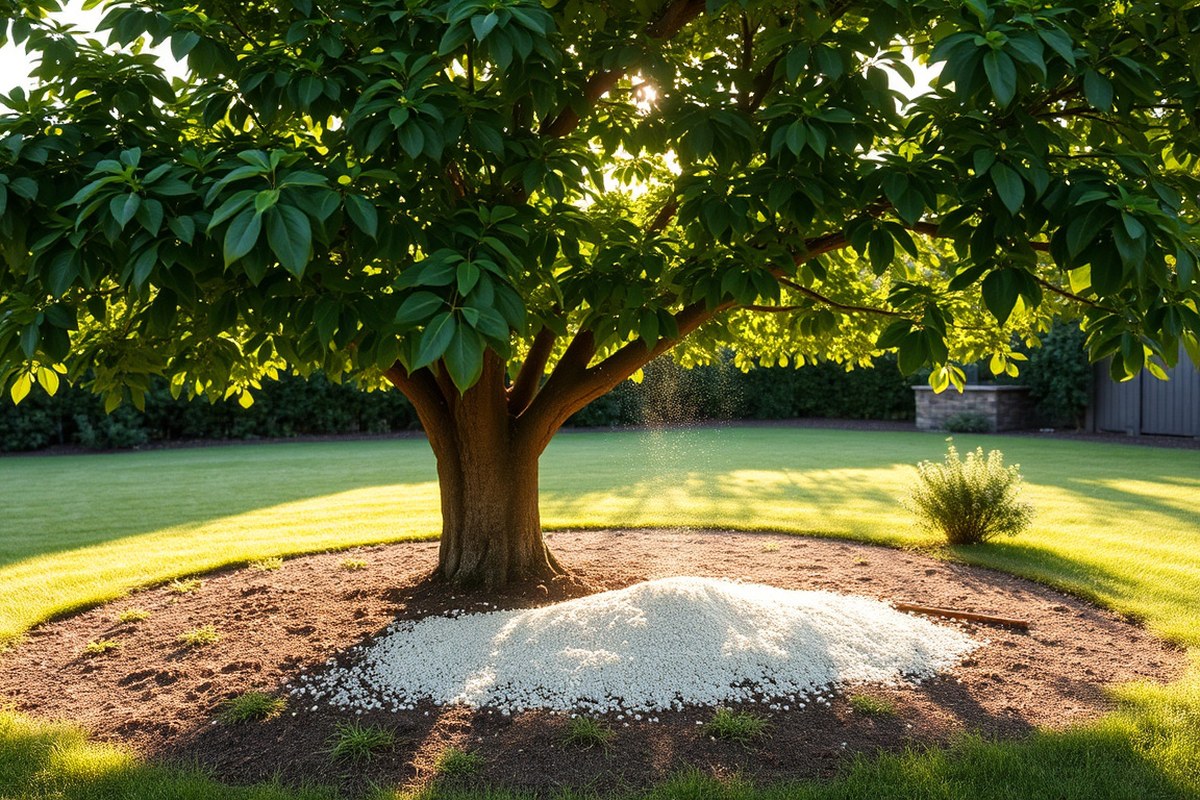
When to fertilize trees is important to help them grow strong and healthy. The best time is usually early spring, just before new growth starts.
This timing gives the tree nutrients it needs. It supports new leaves and branches when growing.
Young trees often benefit from light fertilizing starting about three weeks after planting. Mature trees might only need fertilizer every two to three years if they look healthy.
Watch for slow growth if twigs grow less than 2 inches. This may mean your tree needs feeding.
Always avoid fertilizing right before heavy rain or when the ground is frozen. Also, keep fertilizer away from waterways to protect the environment. Applying it properly around the root zone helps your tree absorb nutrients efficiently.
Key Takeaways
- Fertilize most trees in early spring to support new growth.
- Wait three weeks after planting before applying fertilizer to young trees.
- Feed mature trees only every 2-3 years unless growth slows down.
- Check twig growth; less than 2 inches yearly usually means fertilizing is needed.
- Fertilize around the root zone, extending beyond the branches if possible.
- Never fertilize before heavy rain or when soil is frozen to prevent runoff.
When Is the Best Time to Fertilize Trees for Optimal Growth?
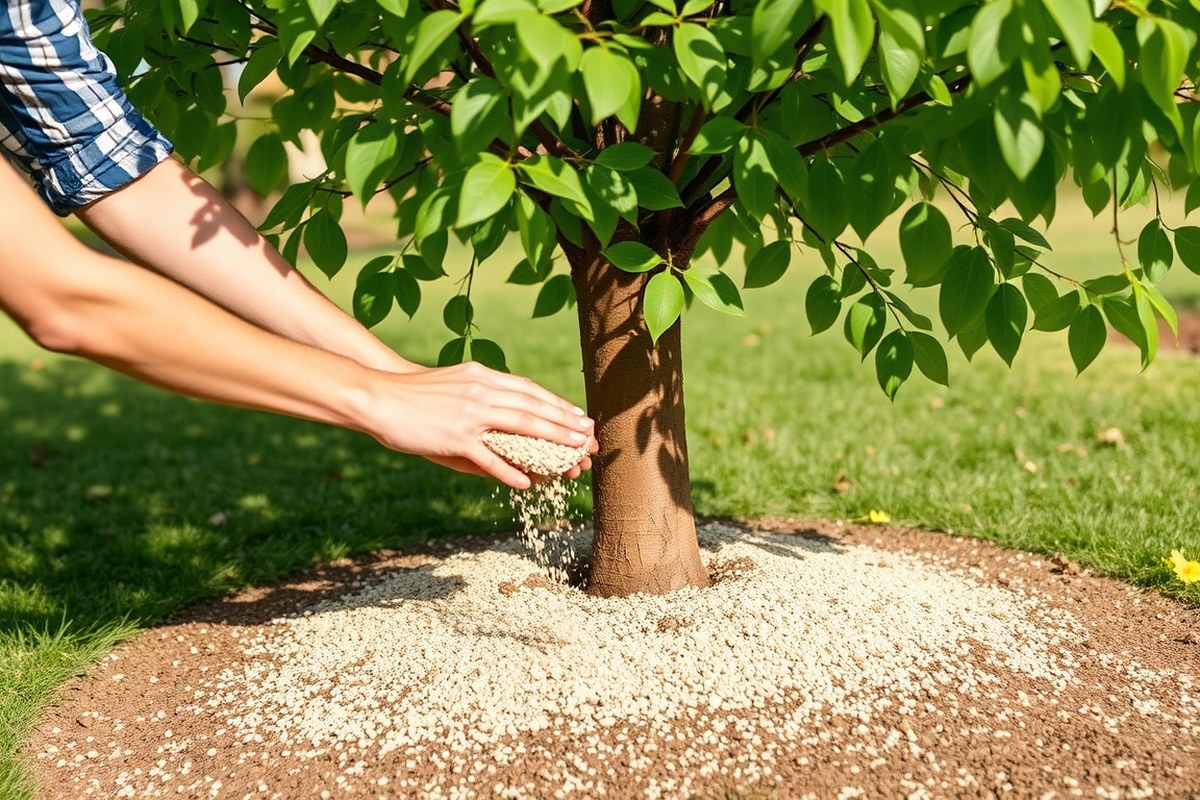
Early spring is the best time to fertilize most trees. Apply fertilizer right as new growth starts but avoid fresh planting spots. This timing helps trees absorb nutrients for healthy leaves and long-lasting growth without wasting resources.
Never fertilize trees in late summer or early fall. Fertilizer encourages new growth when trees should be slowing down. This can stress trees, especially in hot weather, making them vulnerable to water loss and damage.
For mature trees, fertilize once a year with a nitrogen-rich fertilizer in early spring. Young trees aged 3 to 5 need extra nutrients like iron and zinc. These help them grow strong.
Add these nutrients during this stage for best results. Fertilizer supports steady growth and helps trees develop strong roots and branches.
Avoid fertilizing trees in winter. Cold soil and dormant roots limit nutrient uptake, making fertilizer ineffective. Feeding trees while they’re inactive can cause nutrient runoff.
This harms the environment. It also wastes your money on fertilizer.
Summer fertilizing is usually not a good idea. Trees are under heat stress and don’t need extra food then. Applying fertilizer then might cause trees to grow too many leaves.
The tree may not support this growth. This weakens the tree instead of helping it.
Your tree likely needs fertilizer if it grew less than 2 inches this year. Trees growing 6 inches or more usually get enough nutrients naturally. Use this growth as a guide to know if fertilizing is worthwhile.
Fruit trees benefit most from fertilizing in early spring just before blossom time. Skip fertilizer for newly planted fruit trees until roots establish for a few months. Late summer fertilizing of fruit trees can harm fruit development and weaken the tree.
Applying fertilizer at the wrong time leads to wasted nutrients and risks tree health. Use early spring to support growth, not late summer or fall when trees prepare for dormancy. Following this seasonal pattern helps your trees thrive through the year.
How to Know If Your Tree Actually Needs Fertilizing
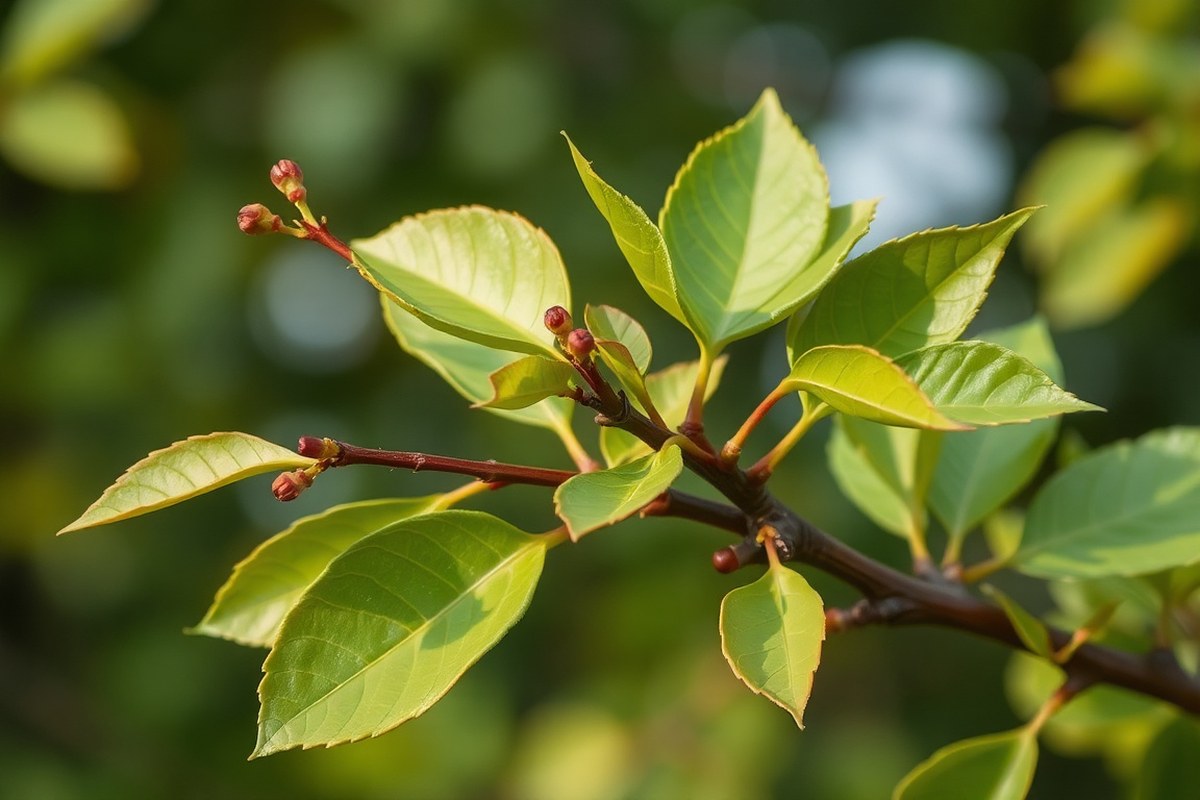
To know if your tree needs fertilizing, look for slow new twig growth first. Measure twigs in spring and summer.
Healthy trees usually grow 6 to 12 inches of new shoots yearly. Less than 4 inches can signal a nutrient problem, especially nitrogen deficiency.
Check leaf color and size next. Pale or yellow leaves with green veins show iron or nitrogen shortages.
Small leaves or sparse foliage also mean your tree lacks essential nutrients. Compare this to healthy trees nearby to spot differences easily.
Soil tests help, but don’t rely on them alone. They show nutrient levels but not tree uptake or root health. Combine tests with visual clues for a clear fertilizing decision.
You might pay $15 to $30 for a soil test at your local extension service. Results usually come back within a week.
- Measure new twig growth in spring and early summer.
- Look for pale, yellowing leaves or very small leaves.
- Note sparse foliage or fewer buds than usual.
- Check if nearby trees show better growth and color.
- Get a soil test from a local extension office.
- Wait at least three weeks after planting before fertilizing.
- Test soil pH; below 7 may need lime to unlock nutrients.
Watch your tree’s overall health. Insect damage can cause leaf loss. Fertilizing won’t fix this problem much.
Apply fertilizer when a tree looks stressed or grows slowly. This is the best time to help it. Avoid fertilizing just because it’s a calendar date.
Don’t fertilize if the tree looks healthy and grows new twigs at normal rates. Too much fertilizer can harm it.
How Much Fertilizer Should You Apply Based on Tree Size and Age?
Calculating Nitrogen Needs by Tree Age
Determine nitrogen needs based on trunk diameter measured 4 feet above ground. For most trees, apply 0.25 to 0.5 pounds of actual nitrogen per inch of diameter each year. Do not apply more than 6 pounds of actual nitrogen at once.
This limit is the same for any tree size. Stick to this rule to protect the tree.
A five-year-old tree with a 1-inch trunk needs around 0.5 pounds of nitrogen. Using fertilizer with 10% nitrogen means applying about 5 pounds of that product. This careful calculation prevents giving the tree too much nitrogen.
Estimating Root Zone Area for Fertilizer Spread
The root zone typically extends beyond the branch spread of the tree. You should spread fertilizer in a circle about 1.5 times the branch spread diameter to cover feeder roots evenly. This ensures nutrients reach the parts of the root system that absorb most nutrients.
For example, a tree with a 40-foot branch spread needs fertilizer spread in a 60-foot diameter circle. Cover this wide area to reach all roots. This helps the tree absorb nutrients evenly.
Keep fertilizer away from the trunk and under the branches. This protects tender feeder roots. Spread fertilizer evenly to help the tree absorb nutrients well.
Adjusting Rates for Young and Small Trees
Young or small trees under 6 inches diameter need less nitrogen per inch. Use half the rate, about 0.125 to 0.25 pounds of nitrogen per inch for these trees. This prevents burning delicate roots and promotes steady growth without stress.
Aged or mature trees tolerate up to 0.5 pounds of nitrogen per inch of diameter each year. Big trees have wide roots that need more fertilizer. Spread fertilizer over a large area to cover roots fully.
This helps big trees get the nutrients they need. Adjust rates based on soil quality and tree health.
Follow these steps to calculate and apply the right amount of fertilizer:
- Measure the tree’s trunk diameter 4 feet above ground with a tape measure.
- Multiply the trunk diameter by the nitrogen rate (0.25, 0.5 pounds per inch for mature trees. 0.125, 0.25 pounds for young trees).
- Cap this amount at 6 pounds of actual nitrogen per tree per application.
- Check the fertilizer label for nitrogen percentage (N in N-P-K).
- Divide the pounds of actual nitrogen needed by the fertilizer’s nitrogen decimal.
- This gives the total weight of fertilizer to apply (e.g., 0.5 ÷ 0.10 = 5 pounds if the product is 10% nitrogen).
- Spread the fertilizer evenly in a circle 1.5 times the branch spread diameter around the tree.
- Water the area well to help nutrients move into the soil and roots.
Where and How to Apply Fertilizer Around Your Trees Safely
Begin spreading fertilizer 2 feet away from the tree trunk in a ring. Extend the ring out to the drip line to target active roots safely. Avoid placing fertilizer within 1 foot of sidewalks to prevent chemical harm and runoff.
Fertilizer needs to be worked into the soil about 6 inches deep. Shallow placement can lead to nutrient loss from wind or rain. Too deep means roots can’t reach it easily.
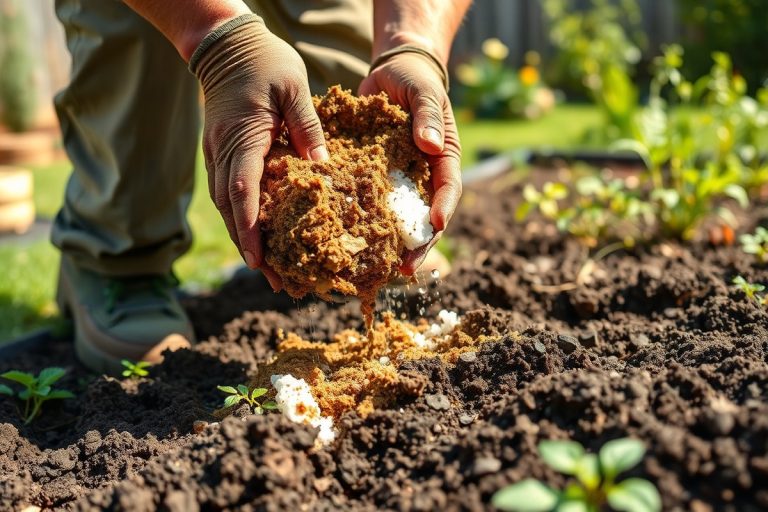
Use an awl, bulb planter, or small shovel to poke holes in soil. Apply fertilizer directly in these holes where the roots can soak it up. This method helps the tree absorb nutrients better.
Be cautious near waterways and paved areas. Excess fertilizer can wash into storm drains or streams, causing pollution. Use slow-release fertilizers or granules rather than liquids to reduce runoff risks.
Water the soil after applying fertilizer to help nutrients soak in. But avoid heavy watering that could wash them away.
Follow these steps to apply fertilizer safely and effectively:
- Measure 2 feet out from the trunk to start your fertilizer ring.
- Extend the ring to the drip line where the canopy drops water.
- Use a bulb planter or awl to poke 6-inch deep holes evenly around the ring.
- Pour fertilizer into each hole, avoiding clumping near the surface.
- Cover holes and fertilizer with soil to keep nutrients from blowing away.
- Water the area lightly to help dissolve and carry nutrients down to roots.
- Keep fertilizer at least 1 foot away from sidewalks, driveways, or waterways.
Handling fertilizer this way protects your tree and the environment. The soil stays rich where roots can grab nutrients. Your tree avoids damage near its trunk and sensitive areas.
Choosing the Right Fertilizer Type and NPK Ratio for Different Trees
Choosing the right fertilizer type and NPK ratio depends on your tree species. Shade trees thrive on high-nitrogen blends, while fruit trees need balanced nutrients for fruiting. Fertilizer forms like granular, liquid, and spikes also suit different situations and trees.
NPK Ratios for Different Tree Categories
Shade and ornamental trees require nitrogen-heavy ratios to promote leaf and branch growth. Ratios like 3-1-1 or 3-1-2 work well, meaning higher nitrogen than phosphorus and potassium. Fruit trees do better with balanced fertilizer formulas like 1-1-1 or 1-2-1.
These encourage more fruit, not just leafy growth. Use these ratios for healthy fruit production.
Using the wrong fertilizer can harm your trees’ outputs. For example, high-nitrogen fertilizer on apple trees often leads to green leaves without fruit. Tailor your fertilizer choice to avoid this common mistake.
| Tree Type | Recommended N-P-K Ratio | Examples |
|---|---|---|
| Shade & Ornamental Trees | 3-1-1 or 3-1-2 | 12-4-4, 12-4-8, 16-4-8, 20-5-10 |
| Fruit Trees | 1-1-1 or 1-2-1 | 10-10-10 (balanced) |
These ratios support the unique nutrient needs for growth habits and yield goals. Adjustments can be necessary based on your soil test results, especially for fruit trees.
Pros and Cons of Fertilizer Forms
Granular fertilizers release nutrients slowly and last longer in the soil. They usually cost less per nutrient unit than liquids. Granular types work well for shade trees needing steady nitrogen.
Liquid fertilizers act fast but are more expensive. They suit fruit trees better for quick nutrient pushes during critical growth stages. Spikes offer a slow release but often contain fewer nutrients, making them less flexible.
For most home gardeners, using slow-release granular fertilizer matches well with shade and ornamental trees. Liquids fit best for fruit trees when you need immediate nutrient availability.
Organic vs Synthetic Fertilizer Benefits
Organic fertilizers feed trees and improve soil health over time. They release nutrients slowly and reduce risk of nutrient pollution, especially on sandy soils. Testing your soil regularly is key to avoid nutrient imbalances.
Synthetic fertilizers deliver nutrients quickly and precisely. They help if your trees show clear deficiencies or need targeted feeding. Using them carefully can minimize groundwater pollution risks.
Always follow label instructions and consider local soil tests before choosing fertilizer types.
Common Fertilizing Mistakes and How to Avoid Them
Over-fertilizing trees is one of the biggest mistakes. It can burn the roots and cause leaves to turn yellow or drop. Applying too much fertilizer wastes money and harms the tree.
Timing mistakes also happen often. Do not fertilize while the ground is frozen. Also avoid fertilizing if your tree has root damage.
Both conditions can stress the tree further. Fertilizing too early or too late can reduce nutrient uptake and slow growth.
Improper placement causes issues like runoff or weak growth. Fertilizer should be spread evenly around the root zone, not piled near the trunk. Putting fertilizer in one spot increases the risk of root burn.
- Check soil moisture before applying fertilizer; dry soil leads to burning.
- Avoid fertilizing immediately after pruning or during drought conditions.
- Use a spreader or hand-apply fertilizer evenly in a wide area around the drip line.
- Use slow-release fertilizer to reduce nutrient loss and runoff risk.
- Don’t fertilize trees recovering from root damage; wait for new growth first.
- Fertilize fruit trees in early spring after the last frost.
- Read and follow the fertilizer label instructions carefully every time.
To avoid fertilizer burning, water the tree well right after applying fertilizer. This helps nutrients soak into the soil instead of sitting on the roots. Too much fertilizer or dry conditions raise the risk of burning and runoff.
Waiting for the right conditions saves money and protects the tree. Trees with healthy roots absorb nutrients better and show faster growth. Over-fertilizing rarely speeds growth and often causes setbacks instead.
Special Considerations for Fertilizing New, Established, and Fruit Trees
New, mature, and fruit trees need different fertilizing approaches. Young trees focus on root growth while mature trees need less frequent feeding. Fruit trees require special timing and soil care to support healthy fruiting.
Fertilizing Newly Planted Trees Safely
Newly planted trees benefit from fertilizer that supports roots over leaves. A balanced 5-10-10 fertilizer works well in the first year to promote root growth. Apply fertilizer around the tree base but avoid direct contact with the trunk to prevent damage.
Watering is key for new trees to absorb fertilizer properly. Keep soil moist but not soggy, especially in the first few months after planting. Too much fertilizer or poor watering can stress the young tree or burn its roots.
Maintenance Fertilizing for Established Trees
Mature trees usually only need fertilizing every two to three years if they look healthy. Trees near regularly fertilized lawns often get enough nutrients from the lawn care. Over-fertilizing established trees can harm soil and reduce tree health.
For trees that need feeding, apply fertilizer in early spring to support new growth. Use a fertilizer spread evenly around the drip line, where roots absorb most nutrients. Avoid deep holes unless you’re addressing specific nutrient problems identified by soil tests.
Fertilizer Timing and pH for Fruit Trees
Fruit trees need fertilizer when buds start swelling in early spring, before full bloom. This timing boosts leaf and fruit development at the right stage for best production. A slow-release formula is ideal to feed trees steadily over the growing season.
Maintaining proper soil pH helps fruit trees absorb nutrients well. Most fruit trees prefer a pH between 6.0 and 7.0. Test the soil to know its pH level first.
Use lime to raise pH or sulfur to lower it. Follow the product instructions carefully for the best results.
When to Call a Professional for Fertilizing Advice and Assistance
Call a professional if your tree shows signs of disease or poor growth despite fertilizing. An arborist can identify issues like nutrient imbalances, pests, or infection. They use tools like soil and foliage tests to pinpoint problems you might miss.
Soil testing is key if you notice yellowing leaves, weak branches, or sparse foliage. These symptoms might mean your soil lacks essential nutrients or has harmful imbalances. Professionals charge about $50 to $150 for tests, depending on depth and location.
Experts can also help if your tree is valuable or fruit-bearing. Even small soil issues affect fruit quality and health.
Getting a detailed report from a certified arborist helps you. It creates a fertilizing plan that fits your tree’s exact needs.
Over fertilizing is just as harmful as under fertilizing. So always get soil checked before adding nutrients.
Arborists use the test results to recommend the right fertilizer type, amount, and timing. They may suggest changes based on your tree’s species, age, and local soil conditions. This tailored advice improves growth, disease resistance, and overall tree health.
In urgent cases, professionals can also provide treatment beyond fertilizing. For example, your tree might have severe insect damage or disease.
You might need pruning or chemicals to fix this. This is often beyond typical home care.
Keep a checklist to know when to call a pro. Look for poor growth, odd leaf color or drop, pests, fungus, or fruit issues.
Symptoms lasting more than a season mean you need expert help. Don’t wait to get a professional’s advice.
Regular fertilizing is helpful, but expert advice ensures you do it right. You avoid wasting money or harming your tree by guessing. With pro guidance, your trees get exactly what they need to stay strong and vigorous.
Step-by-Step Action Plan for Fertilizing Your Trees
Follow these simple steps to fertilize your trees properly and help them grow healthy. Check for signs of improvement after each step.
- Before Spring Growth: Test your soil to see if your tree needs fertilizer. Look for yellow leaves or slow growth as signals.
- Early Spring: Apply a slow-release fertilizer with the right NPK ratio around the drip line. Water thoroughly to help nutrients soak in.
- Two Weeks Later: Check your tree’s leaves to see if they look greener and healthier. Adjust watering as needed.
- Mid-Summer: Avoid fertilizing if your tree shows stress like leaf burn or wilting. Let it rest until fall.
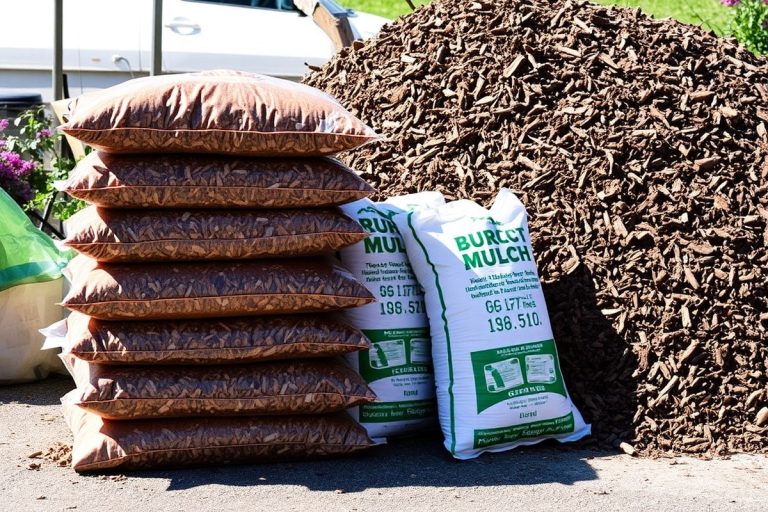
- Late Fall: Add a light layer of compost or mulch to protect roots over winter. This supports natural nutrient uptake.
- Anytime for New Trees: Use a balanced, gentle fertilizer during transplanting and shortly after. Watch for steady shoot growth.
- Annual Check: Assess your tree’s health yearly to decide if more fertilizer is needed. Consult a professional if unsure.
Frequently Asked Questions
What Time of Day Is Best to Fertilize Trees?
Morning or late afternoon is best to fertilize trees. These times reduce fertilizer burn risk and nutrient loss, especially on hot days.
Can You Fertilize Trees While They Are Flowering?
It’s better to avoid fertilizing while trees flower to prevent damage. Fertilizing early spring before bloom helps leaves and roots absorb nutrients better.
Is It Okay to Fertilize Trees During Drought?
Avoid fertilizing trees in drought because it stresses them further. Wait for regular rain or water deeply before applying fertilizer to aid absorption.
How Often Should You Fertilize Established Trees?
Fertilize established trees once a year, usually in early spring. Over-fertilizing can harm tree roots or cause unwanted growth.
Can You Use Lawn Fertilizer for Trees?
Lawn fertilizer can be used, but it may lack nutrients specific to trees. Use products labeled for trees or those with balanced NPK ratios for best results.
Does Mulching Reduce the Need to Fertilize Trees?
Mulching improves soil and helps retain moisture but doesn’t replace fertilizing. Fertilizer provides nutrients that mulch cannot supply on its own.
Key Points to Remember
Fertilizing trees at the right time and in the right way makes a big difference. Watch your tree’s response carefully as you follow these steps. Start today by testing your soil or checking your tree’s leaves for nutrient needs.
One Comment