Where Is Lavender Grown: A Complete Guide to Global Regions and Conditions
Wondering where is lavender grown? Lavender thrives in dry, sunny places worldwide, like the Mediterranean and parts of the United States. It needs 8 to 10 hours of direct sunlight each day.
This amount helps it grow well. It also produces high-quality flowers with enough sun. That’s why you’ll often find lavender on sunny hillsides and open fields.
Lavender grows best in light, well-drained soil with good air flow. Rocky or gravelly soils help prevent root problems. Planting lavender 18 to 24 inches apart gives each plant enough space for air and sunlight.
Altitude plays a role too. Some wild lavender grows between 3,500 and 5,000 feet above sea level. This affects the flower’s scent and oil chemistry, with different compounds dominating in different climates.
Key Takeaways
- Lavender needs 8-10 hours of full sun daily for best growth.
- Plant lavender in well-drained, gravelly soil spaced 18-24 inches apart.
- Dry areas with low humidity help lavender live 10 to 15 years.
- Altitude between 3,500-5,000 feet suits some wild lavender species.
- Irrigate new lavender once every 1-2 weeks until established.
- Lavender roots grow 18-24 inches deep for stable growth.
Where Is Lavender Grown Around the World?
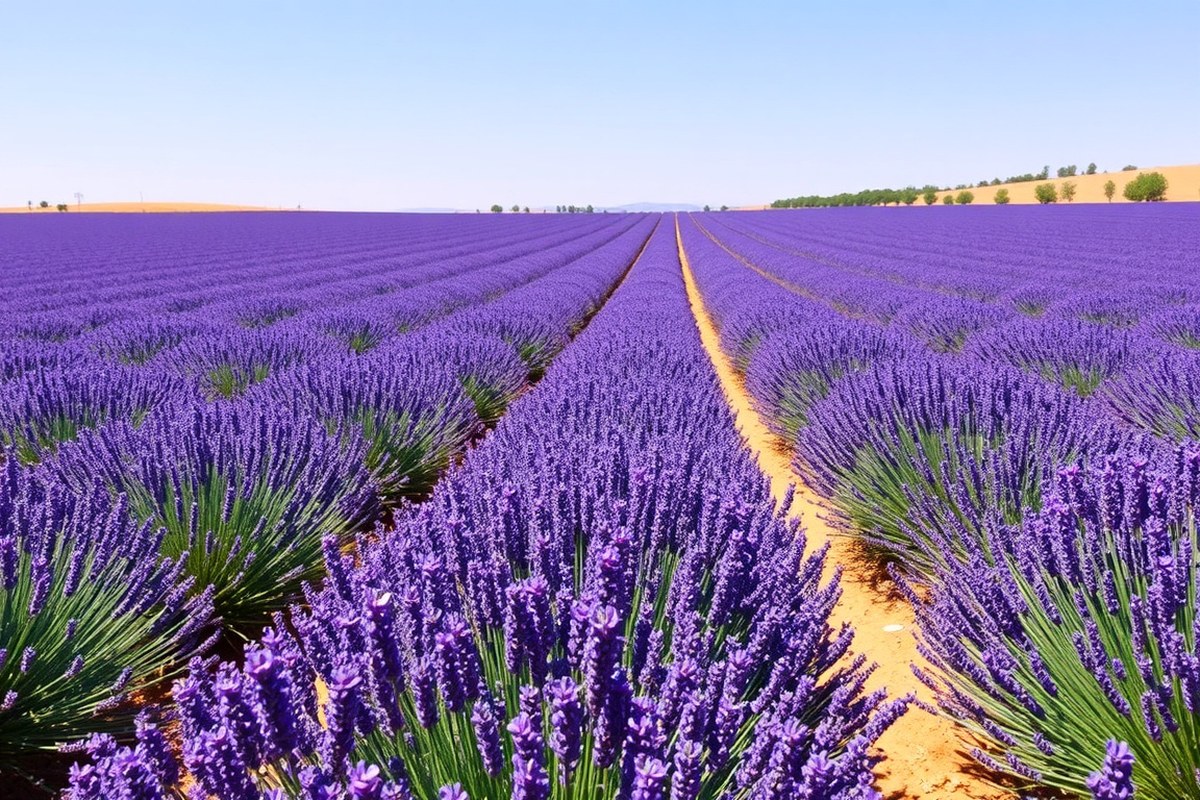
Lavender grows best in Mediterranean climates with dry summers and mild winters. The plant thrives in sunny, well-drained areas with temperatures between 65° and 85°F. This climate naturally occurs in countries like France, Italy, and Spain. These places commonly farm lavender commercially.
France leads in lavender oil production, especially around Provence. It produces about 90,000 kilograms of lavender oil each year. This mainly comes from Lavandula angustifolia and Lavandula x intermedia.
Bulgaria produces about 140,000 kilograms of lavender oil yearly. Most of it is Lavandula angustifolia from regions like Tryavna and Samokov.
Lavender cultivation isn’t limited to Europe. In the U.S., states such as California and Washington grow lavender. They produce about 18,000 kilograms of oil each year.
These areas, with their mild and sunny climates, suit Lavandula x intermedia and L. Angustifolia varieties. You can find lavender farms here ranging from small gardens to large commercial fields.
Australia’s Bridestowe Estate in Tasmania is the world’s largest lavender farm, covering over 70 hectares. This farm grows Lavandula x intermedia, producing essential oil in cooler climates.
Australian farms yield between 18 and 22 kilograms of oil per hectare. This yield is close to other major growing regions.
Other countries like Argentina, Cyprus, Japan, Russia, Turkey, and New Zealand also grow lavender. But usually on a smaller scale. These regions vary widely in altitude and temperature.
So farmers adjust the lavender types grown to fit local conditions. For example, English lavender is more common in cooler areas. Spanish lavender suits warmer zones.
Lavender can survive about 10 to 15 years as a perennial in dry conditions. You can often start commercial plants from cuttings taken from established lavender bushes.
This method is popular worldwide among lavender growers. It helps keep oil quality and plant health steady over time.
How Climate Influences Lavender Growth and Quality
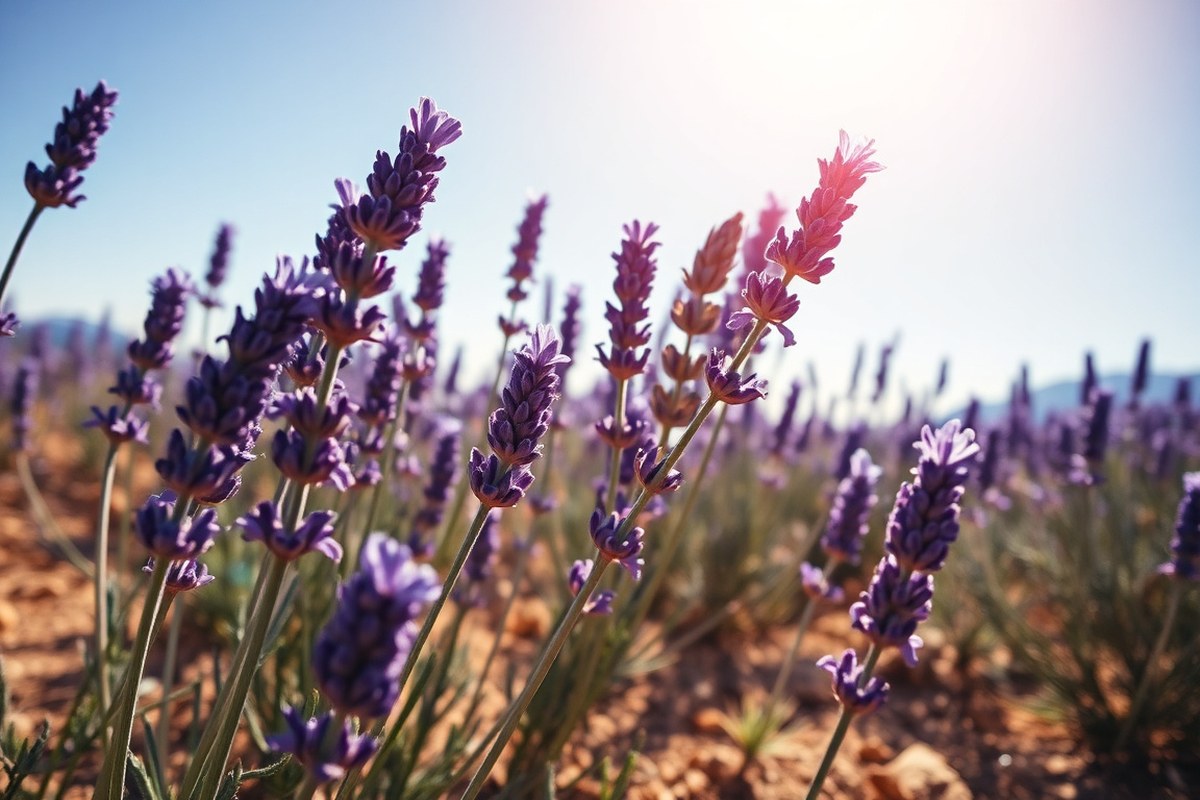
Lavender grows best where summers stay warm and dry, like the Mediterranean. It needs six to eight hours of bright sunlight every day. Daytime temperatures should range from 70°F to 85°F. Nights can be cooler but usually stay above freezing.
The plant does not tolerate high humidity or heavy rainfall well. Excess moisture can cause root rot and fungal diseases, reducing plant health and oil quality.
Lavender often acts like an annual in humid or tropical places. That happens because these climates don’t suit its usual growth cycle.
Lavender’s native Mediterranean habitat offers dry summers and mild winters, which help produce high-quality essential oil. The low humidity prevents fungal problems and allows the plants to focus energy on oil production. In regions with more rainfall, good drainage and spacing become critical to avoid damage.
Growing lavender in humid spots means extra care is needed. Use raised beds or sandy soil that drains water fast. This helps prevent root problems.
Use mulch sparingly to prevent moisture buildup around the crown. You may also need to prune more often to improve air circulation and reduce disease risks.
Climate change is shifting where lavender can be grown successfully. Warmer areas that were once too cold are now suitable.
More heat waves and wetter winters can stress traditional Mediterranean farms. Farmers may need to adjust irrigation and manage diseases better.
Plant lavender where it gets full sun and soils drain well. This keeps roots dry and helps prevent fungal diseases. It’s important in humid regions.
Choosing a site with a little slope can help water drain away from roots. Avoid heavy clay soils that hold water long after rain.
Choose higher, breezy spots in colder areas to lower frost risks. This also helps copy the plant’s natural growing conditions.
Different lavender species show some flexibility for climate. English lavender tolerates cooler, wetter climates but may not thrive in very hot, humid summers.
Spanish and spike lavender types tolerate heat and dryness well. They thrive in Mediterranean zones and produce good-quality essential oils.
What Soil Types and Conditions Are Best for Lavender?
Lavender does best in soil that drains well and has a pH of 6.5 to 8.0. It likes sandy or rocky soil with little organic matter.
This type of soil matches where it grows naturally in the Mediterranean. Too much water in soil causes root rot, so good drainage is key.
Lavender is drought tolerant once it’s established. It only needs about one inch of water each week. You can skip frequent watering after the plant is settled.
Water it deeply but infrequently, especially during dry spells. Avoid planting lavender in heavy soils that stay wet for long.
Standing water can cause diseases like root rot or leaf spot. These issues hurt the plant’s health and growth.
- Use sandy or gravelly soil or amend clay with pea gravel
- Plant lavender crowns just below the soil surface for good root health
- Raised beds improve drainage and air circulation around roots
- Limit organic matter like compost to avoid overly rich, wet soil
- Space plants 18 to 24 inches apart to help airflow and reduce humidity
- Water deeply once a week during dry weather, skipping water during rain
Lavender thrives in full sun and dry conditions. So sunny sites with lean soil work best. You can add sand or gravel to improve soil drainage.
It usually costs between $30 and $50 per cubic yard. Spending this helps your lavender grow stronger and stay healthy. Problems usually come from wet roots or shaded, damp spots that encourage fungal diseases.
How Altitude and Latitude Affect Lavender Species and Growth
Altitude and latitude strongly influence which lavender species thrive and how their oils develop. Higher elevations often improve oil quality but may lower yields. Latitude shifts growth timing and flowering, affecting harvest windows.
Altitude Ranges for Common Lavender Species
English lavender (Lavandula angustifolia) grows best between 1,000 and 3,000 feet above sea level. It is hardy in USDA zones 5 through 8, tolerating cold winters with some protection. Hybrids like Lavandula x intermedia prefer lower altitudes but can grow up to about 2,000 feet.
Spike lavender adapts to variable elevations but favors Mediterranean climates at moderate heights. Fernleaf lavender grows well in zones 5 to 9. These zones usually match lower to mid elevations.
That means below 1,500 feet altitude. Each species has an altitude range suited to its tolerance for temperature and moisture.
| Lavender Species | Preferred Altitude Range (feet) | USDA Hardiness Zones | Typical Height |
|---|---|---|---|
| Lavandula angustifolia (English) | 1,000 – 3,000 | 5 – 8 | 2 – 3 feet |
| Lavandula x intermedia (Hybrid) | 0 – 2,000 | 5 – 9 | 1 – 3 feet |
| Fernleaf Lavender | 0 – 1,500 | 5 – 9 | Varies, often shorter |
| Spike Lavender | 500 – 2,500 | 6 – 9 (Mediterranean) | 2 – 3 feet |
Matching altitude to species lets you balance growth vigor and survival through winter. Plant hybrid lavenders lower if frost risk is small.
Choose English lavender higher up for better oil quality. This helps maximize your oil’s character.
Oil Composition Variations by Altitude
Lavender oil’s scent compounds change with altitude. Higher elevations in Mediterranean zones increase linalool, a desirable fragrance component. This improves oil quality but may reduce overall yield compared to lower sites.
Spike lavender oils contain linalool, cineole, and camphor. Ratios shift depending on the bioclimatic belt, reflecting altitude effects. These chemical changes make oil quality vary even within the same species.
Oil growers should harvest when one-third to half the flower buds open. Timing depends on your altitude.
This maximizes oil scent and yield. Higher altitudes often require a shorter growing season, so timing is critical.
Latitude Effects on Growth Cycles and Harvest Times
Latitude influences day length and seasonal temperature, affecting when lavender blooms. Southern locations with longer summers let plants bloom earlier and longer. Northern areas have shorter, cooler seasons, pushing harvest later but shortening flowering time.
English lavender thrives between latitudes roughly matching USDA zones 5b to 8. Here, warm summers support full flower development from June to August. Farther north, bloom may delay to mid-summer and yield less.
Adjust planting based on your latitude. In northern gardens, pick early-flowering varieties. In southern gardens, allow full bloom to optimize oil content.
Hybrid Zones and Species Distribution Patterns
Hybrid lavenders grow well in USDA zones 5 through 9. They tolerate warmer growing areas. This makes them a broad option for growers.
Hybrids produce lots of flowers and oil. But their oil usually has less aroma than English lavender.
This tradeoff is common with hybrids. Hybrids do well at lower elevations.
Species distribution links closely to climate zones shaped by latitude and altitude. English lavender concentrates in cooler highlands of the Mediterranean.
Hybrids and spike lavender prefer warmer, lower belts. Your choice should match local conditions to succeed.
Use this guide: pick English lavender above 1,000 feet elevation. It suits zones 5 to 8 latitude best. This helps with growth and oil quality.
Choose hybrids closer to sea level and warmer zones. They give bigger harvests but lower oil aroma. This works if volume beats scent for you.
Key Lavender Species and Their Regional Origins
| Lavender Type | Scientific Name | Region of Origin | Preferred Growing Zones | Climate Fit |
|---|---|---|---|---|
| English Lavender | Lavandula angustifolia | Mediterranean region (not England) | Zones 5, 8 | Cooler climates, cold-hardy to -20°F |
| French Lavender | Lavandula dentata | Southern France, mild Mediterranean | Zones 7, 10 | Warmer, mild winters, less cold hardy |
| Spanish Lavender | Lavandula stoechas | Spain and Mediterranean hills | Zones 7, 10 | Warm climates, tolerates humidity better |
| Lavandin Hybrids | Lavandula x intermedia | Natural hybrids from Southern France and Spain | Zones 6, 9 | Best in heat, tolerates humid zones |
| Egyptian Lavender | Lavandula multifida | North Africa | Zones 9+ (warmer zones) | Requires hot, dry climates |
More than 450 lavender varieties exist within 45 species. The main groups include English, French, Spanish, Egyptian, and hybrids. English lavender is hardy in zones 5 through 8, withstanding winter temps down to -20°F. This makes it suited for cooler regions and colder US states.
The name English lavender is misleading. It actually comes from Mediterranean origins. It can struggle in damp English winters, needing well-drained soil and full sun to survive.
French and Spanish lavenders like warmer zones 7 to 10. They do best in southern parts of the US. These areas offer milder, warmer climates for growth.
Hybrids like lavandin developed naturally in southern France and Spain’s hills. These tolerate heat and humidity better than English types, making them ideal for the southeastern US.
Some varieties now handle humidity. So you can grow lavender even in humid coastal plains of Georgia or South Carolina.
Choose your lavender type based on your USDA zone and local humidity levels for best results.
For colder zones, pick English lavenders or their hybrids. They tolerate winter well and stay healthy in low temperatures. Hot summers and humid weather suit French or Spanish lavenders.
Choose these types for such conditions in your garden. Proper variety selection reduces winter kill risk and improves flower and oil yield.
When buying lavender plants, check variety names carefully. They often hint at their origin and growing needs.
Growing lavender suited to your climate helps avoid problems like root rot or frost damage. This keeps your plants productive for years.
Where Is Lavender Grown in the United States?
California leads the United States in lavender production, followed by Washington State and Oregon. These western states have the dry, sunny climates lavender prefers.
Heat, good sun exposure, and well-drained soils make these regions ideal for growing lavender outdoors. Lavender also does well in parts of Utah, Idaho, Montana, and Arizona, where similar conditions exist.
You can grow lavender indoors or in pots. This helps if your climate is too cold. Containers let you move plants easily.
Compact lavender varieties work best in pots. Bring containers inside during winter months.
Keep the plants cool, between 45 and 60°F. This prevents cold damage. This protects plants vulnerable to frost, such as French and Spanish lavenders.
Begin growing lavender seeds inside about 10 to 12 weeks before the last frost. This schedule allows seedlings to develop well before moving outside. Only transplant outdoors once the danger of frost has passed.
Let plants mature for six months to show good health. Pick the flowers in summer when they reach full bloom.
Lavender thrives mostly in USDA zones 5 through 9 across the U.S. Zones 7 and above are better for more frost-sensitive varieties. Well-drained rock or garden soils work if you add compost lightly. Avoid soggy, heavy soils that can kill lavender roots.
Lavender fields do best in full sun all day. Some wind helps stop moisture buildup. Dry air keeps plants healthy.
To grow lavender in the US, pick sunny spots with dry air. Use well-drained, rocky or loamy soil. Start seeds early indoors, then plant after frost.
Pot fragile types and bring indoors for winter. Expect plants to grow 1 to 4 feet tall. Follow these steps for healthy, harvest-ready lavender.
Selecting and Preparing Sites for Lavender Cultivation
Start by choosing a sunny site with well-drained soil for lavender. Prepare the soil by testing pH and adjusting it if needed. Plant lavender young plants 18 to 24 inches apart, placing crowns just below the soil line.
Site Selection Criteria
Pick a location that gets at least 6 to 8 hours of direct sunshine daily. Lavender needs good airflow to avoid fungal diseases. Choose a spot with no heavy shade or cold drafts, which can stunt growth.
Avoid low spots where water pools after rain. Lavender thrives best on gentle slopes or flat areas with gravelly soil. These conditions help water drain quickly, avoiding root rot and other problems.
Soil Testing and Amendment Steps
Check your soil pH with a kit before planting. You can also send a soil sample to the local extension service. This step helps you know your soil’s acidity or alkalinity.
Lavender prefers a pH between 5.8 and 8.3, slightly alkaline to neutral. Adding lime can help raise the pH if your soil is too acidic.
Improve compact soils by mixing in sand or small gravel for better drainage. Avoid rich or heavy clay soils unless you amend them properly. Remove weeds and debris to reduce competition and pests.
- Collect soil samples 6 to 8 inches deep
- Check pH and nutrient levels
- Add lime for low pH or sulfur for too high pH
- Mix sand/gravel to improve drainage
- Clear weeds and loosen soil to 8-12 inches deep
Good soil preparation reduces the risk of root diseases and supports strong roots. Avoid adding too much organic material as it can retain moisture and harm lavender.
Plant Spacing and Planting Depth Guidelines
Space lavender plants 18 to 24 inches apart to allow air circulation and room to grow. Crowded plants can lead to fungal infections and leggy stems. Give each plant enough space to develop into a bushy shape.
Plant lavender with the crown just below the soil surface. Planting too deep can cause crown rot. Space cuttings 3 to 4 inches apart in a nursery bed before transplanting.
Watering and Establishing Young Plants
Water young lavender plants lightly but often until they take root. This usually takes about 4 to 6 weeks.
Avoid overwatering because lavender hates wet feet. Once rooted, water only when the soil is dry 1 to 2 inches deep.
Prune plants annually after flowering to keep them bushy and prevent leggy growth. Cut stems back by about one-third, avoiding old wood. Good pruning encourages new growth and better airflow around plants.
Global Lavender Farms: Profiles and Why Locations Matter
Some of the largest commercial lavender farms are in France, Bulgaria, Tasmania, and the United States. These farms thrive because their locations offer full sun, well-draining soils, and low humidity. Large farms also use careful irrigation and weed control to keep plants healthy and productive.
Bridestowe Estate, Tasmania
Bridestowe Estate is one of the biggest lavender farms in the Southern Hemisphere. Its cool, temperate climate with dry summers provides ideal growing conditions. Volcanic soils at the farm drain well.
The high elevation also helps. These conditions stop root diseases lavender dislikes.
The farm uses drip irrigation sparingly, watering only a few times each year. Keeping the foliage dry reduces the chance of fungal infections common in more humid climates. Bridestowe’s combination of geography and management produces high-quality essential oils.
Make sure your lavender soil drains quickly; standing water kills plants fast.
Provence, France
Provence is famous worldwide for lavender farming, covering thousands of acres. The region’s hot, sunny summers and thin, rocky soils make it perfect for lavender. Local farmers often grow Lavandula angustifolia, which suits Provence’s alkaline soil and mild winters.
Commercial growers handle soils poor gardeners avoid. They know lavender does well with few nutrients. This makes growing easier on tough soil.
Weed control includes reflective white mulch, which keeps soil dry and lowers disease risk. Provence’s global fame comes from its ideal mix of climate and soil type.
Bulgaria’s Lavender Regions
Bulgaria produces more lavender than any other country, mainly in the Rose Valley and Thracian Plain. This area features hot summers, cold winters, and well-drained, slightly alkaline soils. The altitude ranges from 500 to 800 feet, which benefits the oil’s aromatic quality.
Bulgaria’s farms keep irrigation minimal to mimic the dry summers lavender prefers. They also harvest by hand or machine at peak bloom, ensuring strong essential oil yields. Big farms spend on quality control.
They also manage pests for the local climate. This keeps the lavender healthy and strong.
Lavender Farms in the United States
The US hosts over 2,000 lavender farms, concentrated mostly in California and Washington. These regions offer full sun with mild winters and sandy or loamy soils. Climate changes a lot at these farms.
Some water and mulch more to protect plants. This prevents heat stress and cold damage.
American commercial growers propagate lavender with cuttings dipped in rooting hormone to maintain plant consistency. Growers often mow to control weeds. They also use plastic mulch sometimes.
This keeps weeds down and soil temperatures steady. The investment in equipment and labor distinguishes commercial farms from backyard growers.
Step-by-Step Action Plan for Starting Lavender Cultivation
Follow these steps to choose the right site and begin your lavender planting. Each step tells you what to do and how to check if you did it right.
- Before you start: Check your soil’s pH and texture first. Lavender prefers sandy, well-drained soil. Aim for a pH between 6.5 and 7.5. Your soil test should show these qualities.
- Week 1: Pick a sunny spot that gets at least 6 hours of direct sunlight daily. Check the area at different times to ensure consistent sun exposure.
- Week 2: Add compost if your soil feels heavy or clay-like. Mix it well to improve drainage and texture. This helps lavender roots grow better. The soil should drain water within a few minutes after watering.
- Week 3: Choose a lavender variety suited for your climate and altitude. Confirm by comparing local temperature ranges and elevation to known species needs.
- Week 4: Plant your lavender during early spring after the last frost. Check plants for healthy green leaves and firm stems after planting.
- Month 2: Water young plants moderately, letting the soil dry out between watering. Monitor soil moisture; it should not stay soggy or bone dry.
- Month 3 and beyond: Prune lavender plants yearly to encourage growth and flowering. Look for new shoots emerging from the base after pruning.
Frequently Asked Questions
Can Lavender Be Grown Indoors Successfully?
Lavender can be grown indoors with enough sunlight. Place it near a south-facing window for at least 6 hours of light daily. Use well-draining soil and avoid overwatering to keep it healthy indoors.
Is Lavender Sensitive to Humidity Levels?
Yes, lavender prefers low to moderate humidity. High humidity can cause root rot and fungal diseases. Good air circulation and well-draining soil help prevent problems in humid areas.
How Often Should Lavender Plants Be Pruned?
Prune lavender plants yearly to keep them healthy and productive. Early spring pruning encourages new growth and shape. Avoid cutting into old wood, as it may not regrow well.
Can Lavender Tolerate Salty Soil or Coastal Conditions?
Lavender has some tolerance for coastal conditions but prefers well-drained soil. Salt spray and heavy salt buildup in soil can stress plants. Choose hardier varieties and plant in raised beds near the coast.
What Pests Commonly Affect Lavender Plants?
Lavender is relatively pest-resistant but can attract aphids and spittlebugs. Watch for spider mites in dry, hot conditions. Natural predators or gentle insecticidal soap can control these pests.
Does Lavender Require Fertilizing?
Lavender benefits from low to moderate fertilizing once or twice a year. Use a balanced, slow-release fertilizer or compost in early spring. Avoid high nitrogen as it encourages leafy growth over blooms.
Key Points to Remember
Lavender grows best in sunny, well-drained locations with the right soil and climate. Choosing the proper variety for your area makes a big difference. Start by testing your soil and scouting a sunny spot to get your lavender thriving.