How to Keep a Peace Lily Alive: 8 Essential Tips for Thriving Plants
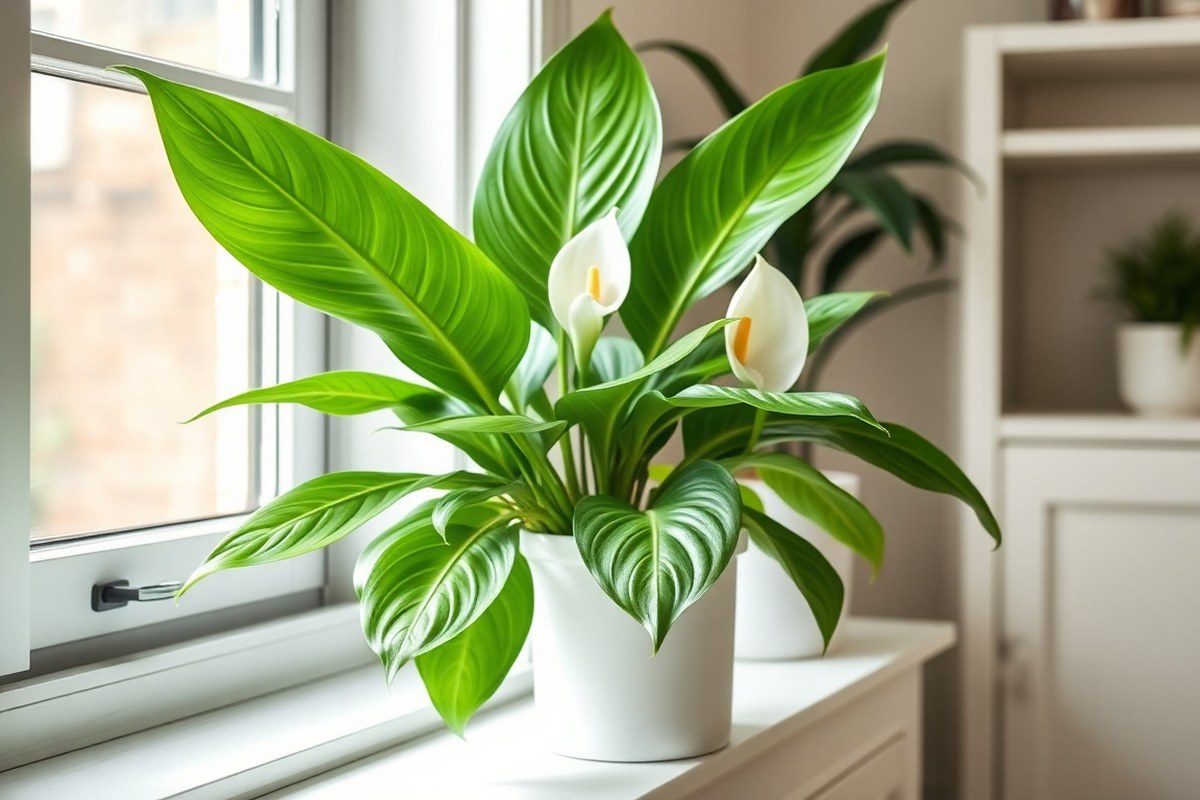
Figuring out how to keep a peace lily alive means knowing its basic care needs. These plants grow best in bright but indirect light. Water them regularly.
Only water again once the top inch of soil is dry. Keeping temperatures steady between 65 and 80 degrees Fahrenheit also helps your peace lily stay healthy.
Start by checking the soil moisture often. Peace lilies don’t like soggy roots or bone-dry soil.
Place your plant somewhere bright but out of direct sunlight to avoid leaf burn. Paying attention to these details prevents common problems and keeps your plant vibrant.
Remember, peace lilies enjoy moderate humidity and stable temps. A sudden chill or dry air can weaken their growth. So keep your space cozy and mist the leaves lightly to support the plant’s natural environment.
Key Takeaways
- Check the top inch of soil; water your peace lily when dry. Avoid watering too soon to prevent root problems.
- Use bright, indirect light to avoid leaf damage and support growth.
- Keep your peace lily in temperatures between 65°F and 80°F for best health.
- Avoid letting the soil stay soggy or completely dry for long periods.
- Maintain moderate humidity around 50% to mimic its tropical origin.
- Check soil moisture regularly with your finger to time watering correctly.
1. How to Water Your Peace Lily for Lasting Health
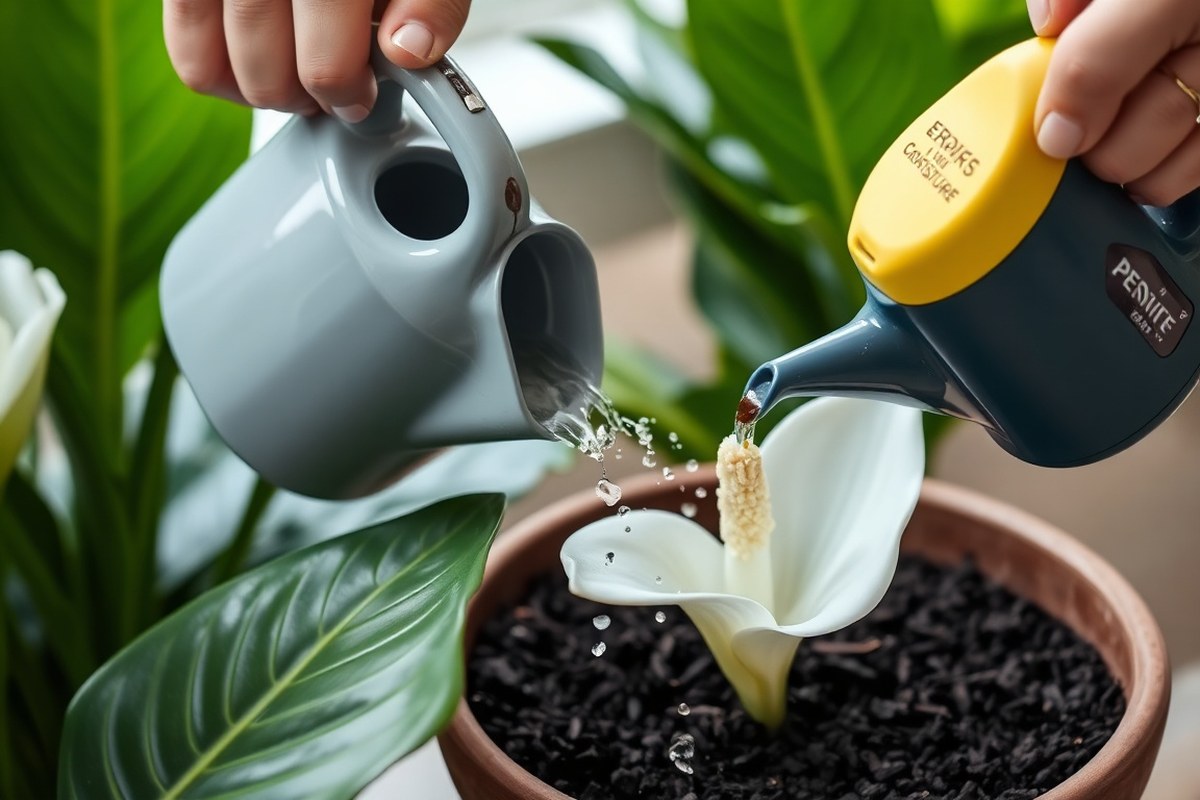
Check the soil moisture to know when to water your peace lily. Water your plant when the top inch of soil dries out. This usually means about one watering each week indoors.
Use clean, room-temperature water to help your plant thrive. Tap water is fine if it doesn’t contain too much chlorine or fluoride.
Let tap water sit for 24 hours to let chemicals evaporate. Rainwater or distilled water work well too, but distilled can cost more.
| Water Type | Pros | Cons |
|---|---|---|
| Tap Water | Easily available, free | May contain chlorine/fluoride |
| Rainwater | Natural, chemical-free | Only seasonal, risk of contamination |
| Distilled Water | Chemical-free, pure | Purchase cost, no minerals |
| Filtered Water | Reduces chemicals, safe | Requires filter purchase, maintenance |
Season changes affect how often you water your peace lily. Water more often in spring and summer when temperature and light increase.
Lower temperatures and less light in fall and winter slow growth, so water less. Always check soil moisture first to avoid overwatering.
Look for signs that your peace lily needs water. Leaves will droop and look limp if it’s too dry. Overwatering shows as yellowing leaves and sometimes a sour smell from the soil.
Root rot occurs if soil remains soggy for a long time. It causes the plant to wilt, even when you water it. Keep the soil moist but not wet to avoid this.
To water properly, pour water until it starts draining from the pot’s bottom. Empty excess water from the saucer after 30 minutes to prevent standing water. Use pots with drainage holes to keep roots from sitting in water, which causes damage.
2. Choosing the Right Light and Temperature Conditions
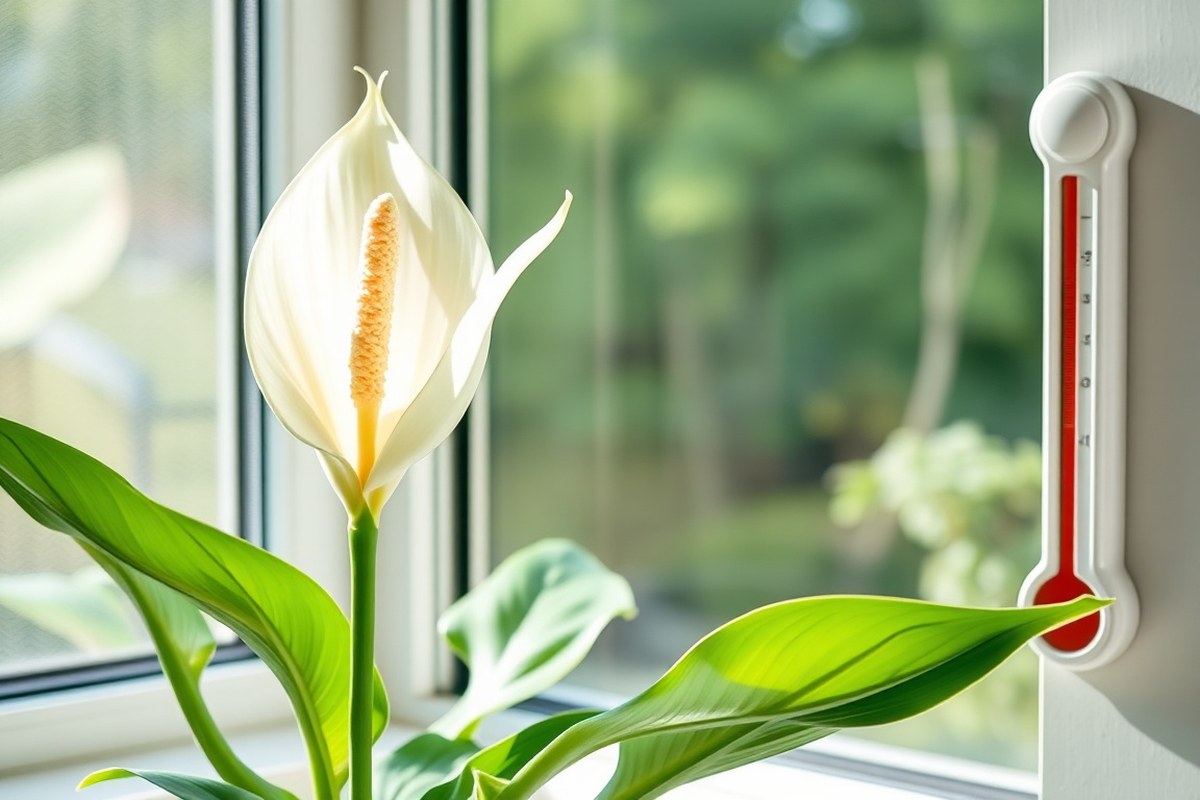
Light Levels Peace Lilies Prefer
Peace lilies thrive in bright, indirect light. They can handle medium or low light. They might bloom less often.
Sometimes, they may not bloom at all. Avoid spots with direct afternoon sun.
It can burn their leaves. The flowers may dry out too.
Ideal spots include east-facing windows or areas near south-facing windows with sheer curtains. In low-light corners, they will survive but grow slowly and look sparse.
Temperature Range for Healthy Growth
Peace lilies do best in temperatures between 68°F and 85°F during the day. Night temperatures should stay above 60°F to avoid shock. Keep the room stable, as sudden drops below 60°F can harm the plant.
They originate from tropical rainforests, making them sensitive to cold drafts and chilly spots. Avoid placing them near drafty windows, doors, or air vents in cold weather.
Protecting Your Plant from Heat and Cold
Keep your peace lily away from heating sources like radiators or direct sunlight in summer. Heat can dry the leaves and flowers quickly, causing damage. Use a room thermometer to check if your spot often exceeds 85°F.
In winter, watch for cold drafts inside your home. Place your peace lily where the air feels warm. Hold your hand there for a minute.
You shouldn’t feel a chill. Move the plant away from cold or drafty air. Cold air can harm your peace lily.
Placement Tips for Indoor Peace Lilies
Place your peace lily near a north- or east-facing window for the gentlest light. A few feet from a south-facing window with sheer curtains works well, too. Avoid windows that get direct afternoon sun, even if filtered.
Put your plant near windows if natural light is low. Use grow lights for 12 to 14 hours daily.
This helps your plant get enough light. Keep it away from cold entrances and heating vents to maintain steady, comfortable conditions.
Yellow or brown leaves? Check for direct sun or cold drafts. These often cause leaf problems.
3. Soil, Pot Selection, and Repotting Your Peace Lily
Your peace lily thrives best in a loose, well-draining potting mix with mild acidity. Pick a pot slightly larger than the current one, with drainage holes to avoid soggy roots. Repot every two to three years.
Do it when roots crowd the pot. Follow careful steps to reduce stress on your plant.
Best Soil Mix for Peace Lilies
Use a standard houseplant potting soil with good aeration and moderate moisture retention. Adding perlite or orchid bark helps drainage and prevents compaction.
Your soil should have a mildly acidic pH, around 5.8 to 6.5, which suits peace lilies well. Avoid heavy garden soil or pure peat moss. These hold too much water and cause root rot.
| Soil Type | Benefits | Drawbacks |
|---|---|---|
| Standard potting mix | Good aeration; retains moisture | May compact over time |
| Potting mix + perlite | Improves drainage; keeps soil loose | Dries faster, need more watering |
| Orchid bark added | Excellent air flow; reduces sogginess | May dry out quickly in dry air |
| Heavy garden soil | N/A for peace lilies | Too dense; causes root problems |
Choosing a Pot with Adequate Drainage
Choose a pot with drainage holes to prevent water buildup and root rot. The size should be 1 to 2 inches wider in diameter than the current pot.
Smaller pots can restrict roots, while very large pots hold excess moisture. Use a decorative pot without holes as a cachepot. Keep your plant inside its plastic nursery pot inside the decorative one.
Choose sturdy plastic or ceramic pots. They should be 6 to 12 inches wide.
This size fits medium peace lilies well. Drainage holes at the bottom ensure excess water escapes easily, protecting roots.
Step-by-Step Repotting Process
Repot your peace lily during spring to avoid shock and refresh the soil. Follow these steps carefully to keep your plant healthy after transplanting.
- Water the plant a day before repotting to ease root removal.
- Gently tip your peace lily out of its pot, loosening the root ball if needed.
- Cut away any dead or mushy roots using clean scissors.
- Place a layer of fresh potting mix in the bottom of the new pot.
- Center the plant and fill around the roots with soil, firming gently.
- Water the plant thoroughly and let excess drain away.
- Place the pot in bright, indirect light away from drafts for a week.
4. Maintaining Proper Humidity for Peace Lily Growth
Peace lilies need humidity levels around 40% to 60% to thrive indoors. Low humidity causes brown tips and curled leaves. You’ll see dry, crispy edges when the air is too dry for too long.
Misting can help, but it usually only raises humidity briefly. A humidifier keeps humidity steady all day and night, especially in heated or air-conditioned rooms. Group peace lilies with three or four other plants.
This makes a natural humid microclimate. Peace lilies love this humidity.
Place your peace lily near a kitchen or bathroom where water use raises moisture naturally. You can boost humidity by putting a tray filled with moistened gravel right under the pot. The water slowly evaporates, delivering steady moisture without drowning roots.
- Use a small humidifier priced around $20 to $50 for consistent humidity
- Mist the leaves once daily, preferably morning, to avoid fungal growth
- Group plants together to create humid air pockets and reduce drying
- Use a moisture tray with gravel and water to increase local humidity
- Keep a digital humidity monitor nearby to check daily moisture levels
- Set your peace lily in a room with 65-75°F temperatures for best results
Watch your plant for signs of low humidity stress. Brown leaf tips and edges are the main signals. Leaves may also fade or curl inward as the plant loses moisture to dry air.
Spot these symptoms? Raise humidity at once to stop damage.
Keeping humidity stable throughout the year matters most. In winter, indoor heating dries air fast, so a humidifier becomes more necessary.
In warmer months, misting and grouping plants often do the trick. Regular humidity checks help you adjust care as seasons change.
5. Fertilizing: When and How to Feed Your Peace Lily
Feed your peace lily every 6 weeks in spring and summer. Use a balanced liquid fertilizer like 10-10-10. This helps your plant grow well.
Dilute the fertilizer to half strength by mixing half the recommended amount with water. This slower feeding matches the plant’s moderate nutrient needs without risking fertilizer burn.
Avoid fertilizing in fall and winter when your peace lily slows growth and enters dormancy. Overfeeding can lead to brown leaf tips or salt buildup in the soil, which harms roots. Signs your plant needs feeding include dull leaves, reduced flowering, or slow growth after watering properly.
Liquid fertilizers absorb quickly, so watering just after feeding helps spread nutrients evenly. You can try slow-release fertilizer at spring’s start for ease. Watch your plant for signs it needs more feeding.
Adjust feeding if the plant shows stress or slow growth. Too much fertilizer might cause yellowing or burned leaf edges. So less is often more.
Only fertilize when soil feels moist to avoid burning roots. Never feed a dry plant.
6. Identifying and Managing Common Pests and Diseases
Pests like spider mites, mealybugs, and aphids can infest peace lilies. Spider mites cause fine webbing and tiny yellow spots on leaves. Mealybugs look like white cottony clumps, often near leaf joints.
Aphids appear as small green or black bugs on new growth and buds. Catching these pests early helps you stop bigger problems fast.
Diseases on peace lilies show mainly as brown leaf spots or yellowing leaves. Root rot happens if soil stays soggy too long; roots turn black and mushy.
Fungal diseases develop in poor air circulation or overly wet conditions. Keep leaves dry and the room ventilated to avoid infections.
Use chemical-free pest control first to protect your plant and your home. Spray infested leaves with water or wipe with a soft cloth dipped in diluted mild soap.
For tougher pests, insecticidal soap or neem oil products work well and are safe. Follow the label instructions closely for application and wait times.
- Inspect leaves weekly for tiny bugs, webbing, or sticky residue
- Isolate a new plant for two weeks before placing it near others
- Keep the plant away from heat vents and air conditioners
- Provide indirect light and good air circulation around your peace lily
- Remove heavily infested leaves to reduce pest populations
- Use neem oil spray every 7 to 10 days until pests disappear
- Dispose of plant debris and clean pots between waterings
Prevent pests by keeping peace lilies clean and well-maintained. Avoid overwatering and crowded spots to reduce disease risk. Watch new leaves closely to catch issues early.
Chemical controls can help but start with natural methods to protect your plant’s health. If pests become severe, consider a licensed professional’s advice.
7. Pruning and Caring for Leaves to Keep Your Plant Vibrant
Trim brown leaf tips to keep your peace lily looking neat. Yellow leaves should be cut off fully since they won’t turn green again. Clean leaves often so your plant can absorb light and stay healthy.
Safe Techniques for Trimming Brown and Yellow Leaves
Use clean, sharp scissors or pruning shears to avoid hurting your peace lily. Wear plastic gloves to protect your skin from the plant’s sap. Always prune during active growth, usually spring or summer.
Follow these steps to trim leaves safely and promote new growth:
- Inspect your plant for brown tips or yellow leaves under natural light.
- Cut the brown tips off at an angle, closely following the leaf edge.
- Remove yellow leaves completely by cutting them at the base near the stem.
- Discard trimmed leaves away from your plant to prevent spreading pests.
- Wash your pruning tools with soap and water after use to stop infections.
How to Clean Peace Lily Leaves Properly
Dust buildup blocks light and reduces photosynthesis, making leaves look dull. Gently wipe leaves using a damp, soft cloth or sponge to remove dust. Avoid harsh sprays or soaps that might damage the leaf surface.
Regular cleaning, every two weeks, helps your peace lily stay vibrant. Use lukewarm water so you don’t shock the plant. Be gentle to keep the leaves shiny and healthy.
Tips to Encourage New Growth After Pruning
Pruning redirects your plant’s energy to fresh leaves and flowers. Avoid cutting too many leaves at once; this stresses the peace lily. Give your plant time to recover in steady light and humidity.
Feed lightly with a balanced fertilizer after pruning to support growth. Brown tips often come from low humidity, so mist leaves or use a humidifier. Keep pruning routine simple: remove old leaves and clean regularly to keep your plant thriving.
8. Troubleshooting: Signs of Stress and How to Fix Them
Drooping leaves signal a watering problem. Often, underwatering causes drooping and brown tips. Overwatering can also make leaves droop and turn yellow.
Check soil moisture before watering again. Yellow leaves usually mean overwatering or poor drainage. Brown tips could be underwatering, too much fertilizer, or dry air.
Root rot is more serious. Signs include wilting despite moist soil and bad odors near roots. You might see mushy, dark roots when repotting.
To treat root rot, remove the plant from its pot. Cut away soft, rotten parts with clean scissors.
Repot in fresh, well-draining soil and reduce watering. Let soil dry slightly between waterings to avoid recurrence.
Slow growth often points to low light, cold drafts, or nutrient issues. Your peace lily thrives in moderate, indirect light and temperatures between 65°F and 80°F. Fertilize sparingly, usually once every 6 weeks during growing months. Trim dead leaves regularly to help the plant focus energy on new growth.
| Problem | Symptoms | Cause | Fix |
|---|---|---|---|
| Drooping Leaves | Leaves limp, curling | Underwatering or overwatering | Check soil; water or reduce watering |
| Browning Leaf Tips | Brown and dry tips | Underwatering, dry air, too much fertilizer | Water regularly; increase humidity; reduce fertilizer |
| Yellowing Leaves | Yellow patches or all leaves yellow | Overwatering or poor drainage | Allow soil to dry; improve drainage |
| Root Rot | Wilting, bad smell, mushy roots | Overwatering, stagnant soil | Cut roots, repot, water less |
| Slow Growth | Leaves small, plant barely growing | Low light, cold, lack of nutrients | Move to indirect light; feed; keep warm |
Only water your peace lily when the soil’s top inch feels dry. Avoid standing water to prevent root damage and fungal issues. Keep it in gentle light and away from chilly drafts.
A moisture meter can catch excess watering early on. Cut off dead leaves to promote health and new growth.
Check roots every year during repotting to catch rot early.
Your peace lily health improves with consistency. Adjust water and light based on plant cues.
Overreacting to a single sign can cause more harm than good. Should your plant still struggle after correcting these problems, seek advice from a local plant specialist.
Step-by-Step Action Plan for Thriving Peace Lilies
Follow these clear steps to care well for your peace lily. Check each step to see if your plant responds positively.
- Day 1: Water your peace lily thoroughly until water drains. The soil should feel damp, not soggy.
- Week 1: Place your peace lily in bright, indirect light. Leaves should stay green, not yellow.
- Week 2: Check humidity levels and mist your plant if the air feels dry. Leaves will feel smooth and fresh.
- Month 1: Feed your peace lily with a diluted balanced fertilizer every 4-6 weeks. Watch for steady leaf growth.
- After 6 weeks: Inspect for pests like spider mites or aphids. Treat any infection to keep leaves healthy.
- Every 3-6 months: Prune any yellow or dead leaves. Your plant looks fuller and healthier after pruning.
- Every 12 months: Repot your peace lily in fresh, well-draining soil. Roots should look fresh and firm.
Frequently Asked Questions
How Often Should I Water My Peace Lily in Winter?
Water your peace lily less in winter, about every 10-14 days. Lower light and cooler temps slow its growth, so it needs less water. Check the top inch of soil before watering to avoid overwatering.
Can I Use Tap Water for My Peace Lily?
Yes, you can use tap water if it’s room temperature and low in chemicals. Let it sit out overnight to let chlorine evaporate. Avoid hard water with lots of minerals as it may harm the plant.
How Do I Encourage My Peace Lily to Bloom Again?
To encourage blooms, provide bright indirect light and proper fertilizing. Use a balanced houseplant fertilizer every 6-8 weeks during growing season. Keep consistent watering and humidity to reduce stress.
Will My Peace Lily Survive If I Forget to Water It?
It can survive short droughts but will wilt if dry too long. The leaves droop quickly when thirsty but usually recover after watering. Avoid letting soil dry out fully for long or the roots may suffer.
Is It Okay to Mist My Peace Lily Leaves?
Yes, misting helps raise humidity and keeps leaves clean. Use room-temperature water and mist lightly to avoid soggy soil. Misting is especially helpful in dry indoor air.
Can I Keep My Peace Lily Outdoors?
It’s possible if temps stay between 65°F and 80°F and no direct sun hits it. Keep it in shade or filtered light and protect it from wind and drafts. Bring it indoors when temperatures drop or on rainy days.
Wrapping Up
Keeping a peace lily alive takes regular care but is very rewarding. Start with good watering and the right light today. Healthy leaves will show your efforts are working well.