How to Start a Peach Tree from a Seed: A Complete Guide for Beginners
Starting a peach tree from a seed requires patience and some effort. The seed needs special treatment to break dormancy before planting. This helps the seed begin growing.
Start by soaking the seed in water for one full day to promote germination. Next, place it in the refrigerator for two to three months. This cold period mimics winter, helping the seed prepare to sprout.
Plant the seed 3 inches deep in a wide pot with good soil. Keep the soil moist but not soggy. Place the pot in a warm, bright indoor spot for best results.
Growing a peach seed into a seedling takes steady care and patience. Watch for sprouting and keep the soil moist to help it thrive.
Key Takeaways
- Soak peach seeds in water for 24 hours to start germination.
- Cold stratify seeds in the fridge for 2 to 3 months to break dormancy.
- Plant seeds about 3 inches deep in containers filled with potting mix.
- Keep containers in a warm, bright spot and maintain moist soil.
- Expect seed germination after approximately 3 months of cold stratification.
- Transplant seedlings only after they grow strong indoors for several months.
Can You Grow a Peach Tree from Seed Successfully?
You can grow a peach tree from a seed. But expect differences from the parent tree. A peach seed is genetically unique.
So the fruit quality, size, and flavor may not match the original peach. This happens because the seed carries mixed traits from both parent trees.
Seed-grown trees take about 3 to 4 years before they produce any fruit. This waiting time is longer than grafted nursery trees. Those trees can bear fruit in 1 to 2 years.
So, seeds take more time to produce fruit. Growing from seed demands patience and good care, especially in the first year.
Peach trees grown from seeds often look healthy and can live for decades. However, fruit quality and tree vigor vary widely.
Some seed-grown trees may produce tasty fruit. But others might yield poor or no fruit at all.
Most commercial peach orchards use grafted trees to ensure consistent fruit quality and size. Grafting joins a desired variety to a strong rootstock. It speeds up fruiting.
It also helps control tree size. Seed-grown trees lack these guarantees and vary more in their growing habits.
Choosing to grow a peach tree from seed turns kitchen scraps into a fun, long-term project. You’ll learn a lot about tree growth and enjoy growing a nice shade tree.
Just don’t expect a quick peach harvest from seed. It also may not produce fruit at all.
How to Extract and Prepare Peach Seeds for Planting
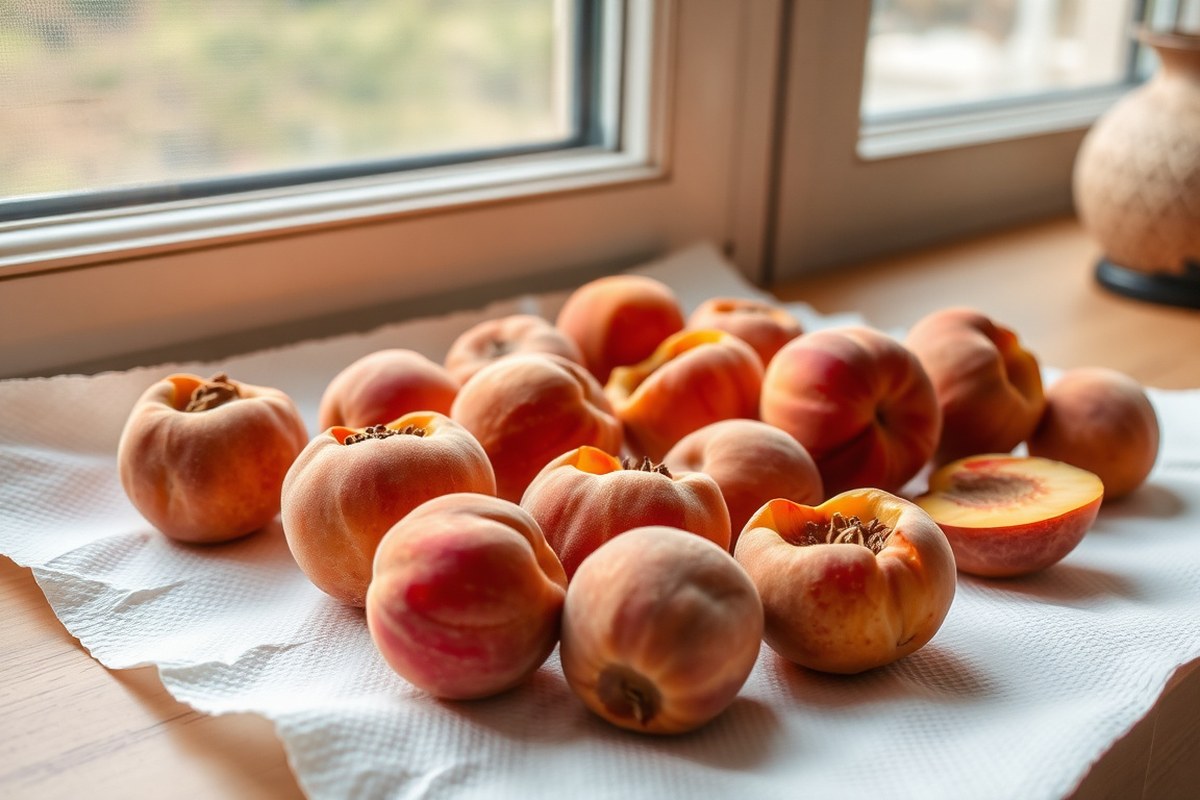
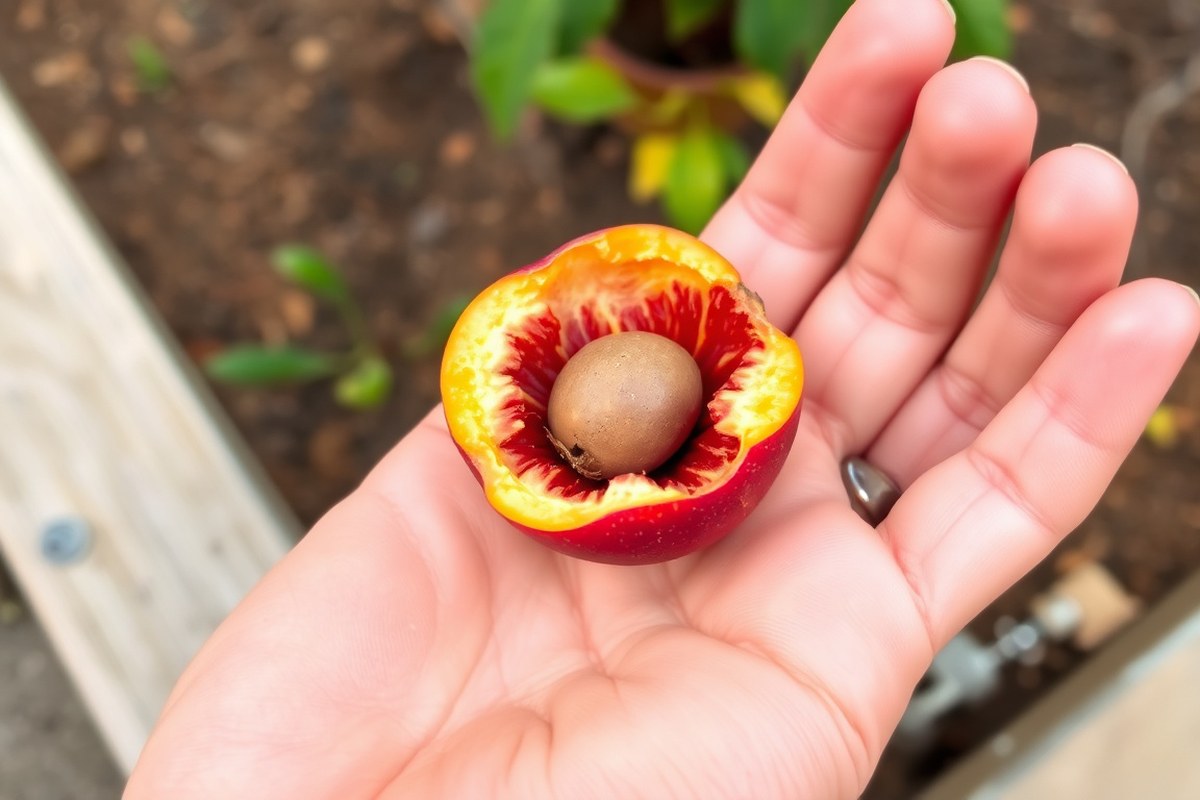
The first step is to pick a ripe peach and get the seed ready for planting. You need to safely get the seed out of the pit. Then, clean it well to prevent mold or rot.
After that, dry the seed completely before planting. Proper prep will help your seed sprout well when it’s time to plant.
Selecting the Right Ripe Peach
Choose a peach that feels soft but not mushy. The peach should have a strong, sweet smell and a deep color. These signs show the seed inside is mature and most likely to sprout.
Use peaches from local stores or your garden that were allowed to ripen fully. Avoid underripe or overripe fruit because their seeds might not germinate well.
Removing the Seed from the Pit Safely
The hard outer shell of the peach pit protects the seed inside. You’ll need tools like pliers and a clean cloth to get the seed out. Be gentle but firm to avoid breaking the seed, which stops it from growing.
Follow these steps to remove your seed safely:
- Wear gloves for safety and grip.
- Wrap the peach pit in a thick cloth or towel.
- Carefully use pliers to crack the shell without crushing the seed inside.
- Gently pry open the split shell to remove the inner seed.
- Inspect the seed for damage; discard if cracked or crushed.
- Wash the seed briefly under cool water to remove any pit debris.
Be very cautious cracking the pit, too much force can crush the seed inside.
Drying and Cleaning the Peach Seeds
Rinse the seed again to wash off any fruit residue left on it. This step helps prevent mold during drying and storage. Pat the seed dry with a paper towel gently.
Let the seed air-dry at room temperature in a dry spot for about two weeks. Drying longer prevents rot but avoid sun exposure, which can damage the seed. Keep the seed in a breathable container, like a paper bag.
Once dry, the seed is ready for the cold stratification process that helps it germinate properly. Clean, dry seeds improve your chances of a strong, healthy seedling.
Cold Stratification: Why and How to Chill Your Peach Seed
Cold stratification means chilling a peach seed to mimic winter. This process breaks dormancy so the seed can sprout. Without it, peach seeds usually won’t germinate.
Setting Up Stratification Materials
Use a clean zip-top bag or a small container with a lid. You will need a moist medium like peat moss or a damp paper towel. This keeps the seed moist but not soaking wet during chilling.
Gather these supplies before starting:
- Moisten peat moss or a paper towel until damp but not dripping.
- Place your prepared peach seed inside the damp material.
- Put the seed and material inside a sealable plastic bag or container.
- Label the bag with today’s date to track chilling time.
- Place the bag in your refrigerator, not the freezer.
Maintaining Moisture and Temperature
Keep the bag in the fridge at 34 to 42 degrees Fahrenheit. This cool range simulates winter conditions the seed needs. Avoid freezer temperatures or warmth above 50 degrees.
Check moisture about once a week. The medium should stay damp but not soggy. Add a little water if it feels dry, but don’t soak it.
Duration and Monitoring Seed Condition
Leave the seed chilled for 6 to 8 weeks to break dormancy fully. After this time, move the seed to soil or start checking for sprouting. Some seeds may sprout during stratification.
Watch for mold or rot during chilling. If you see white fuzz or soft spots, toss the seed.
Mold means the seed is ruined, so start again with a fresh seed. Clean containers help avoid this problem.
Planting Peach Seeds: Indoor and Outdoor Methods Compared
Peach seeds can be planted indoors or directly outdoors, depending on your climate and available space. Indoor germination allows you to control temperature and moisture, improving success rates. Outdoor planting works well in cold climates where the seed can naturally stratify through winter.
Indoor starting means planting seeds in containers filled with potting soil. Plant peach seeds 3 to 4 inches deep in a container. Choose a pot that is 10 to 12 inches wide.
This size gives seeds enough room to grow strong roots. These pots need drainage holes and a nutrient-rich soil mix. The main benefit is shelter from weather and pests.
This protection helps seeds sprout better. It keeps them safe until you can move them outside. It takes about 2 to 4 weeks for seedlings to emerge indoors under good conditions.
Direct outdoor planting suits cold climates, where freezing helps break seed dormancy naturally. Plant peach seeds in late fall. Put them 3 to 4 inches deep, twice their length.
Use a garden bed or a large container sunk into the ground. Outdoor planting is less work but riskier because seeds face pests, drought, and uneven moisture. Containers should be 10 to 15 gallons to support early root growth and stay movable.
| Aspect | Indoor Method | Outdoor Method |
|---|---|---|
| Timing | Late winter to early spring | Late fall (cold climates), early spring (warm climates after stratification) |
| Planting Depth | 3 to 4 inches (about twice seed length) | 3 to 4 inches in ground or container |
| Container Size | 10 to 12-inch diameter pots | 10 to 15-gallon containers or garden bed |
| Advantages | Controlled environment, better moisture control, fewer pests | Natural cold stratification, less maintenance after planting |
| Disadvantages | Requires indoor space, extra watering, transplant shock risk | Seed exposed to weather, pests, uneven moisture |
For warm climates, refrigerate seeds for four months before outdoor planting in spring. Cold stratification helps seeds break dormancy.
This step is not needed if you plant outdoors in colder zones during fall. Containers or beds should have well-drained soil and good sun exposure for best results.
Planting peach seeds indoors is best if you want to closely watch seedling health. Direct outdoor planting suits gardeners with cold winters and enough space. Choose based on your climate, time, and willingness to manage seedlings carefully.
Caring for Peach Seedlings Indoors Until Ready to Transplant
Water your peach seedlings when the top inch of soil feels dry. Keep the soil moist but not soggy to prevent root rot. Overwatering or underwatering can harm the young roots, so check soil moisture every day.
Put the seedlings where they get full sun. They need at least six hours of direct sunlight daily. This helps them grow strong.
They grow best in temperatures between 65°F and 75°F. Your home might be cooler. Use a heat mat or move seedlings to a warmer spot to keep growth steady.
- Use well-draining soil to avoid standing water
- Water gently to not disturb roots or soil surface
- Rotate seedlings occasionally for even sunlight exposure
- Keep the air around seedlings dry to stop mold growth
- Use a small fan if air feels stagnant indoors
Watch out for damping off, a fungal disease that kills seedlings quickly. Avoid it by giving seedlings good airflow and not overwatering.
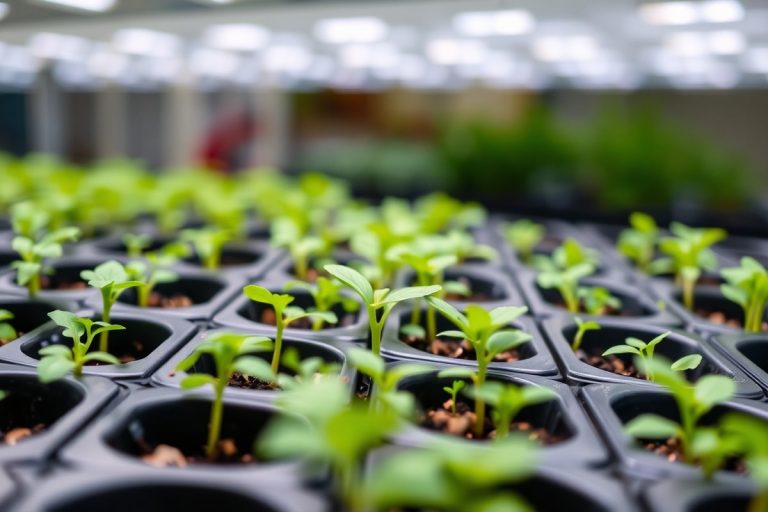
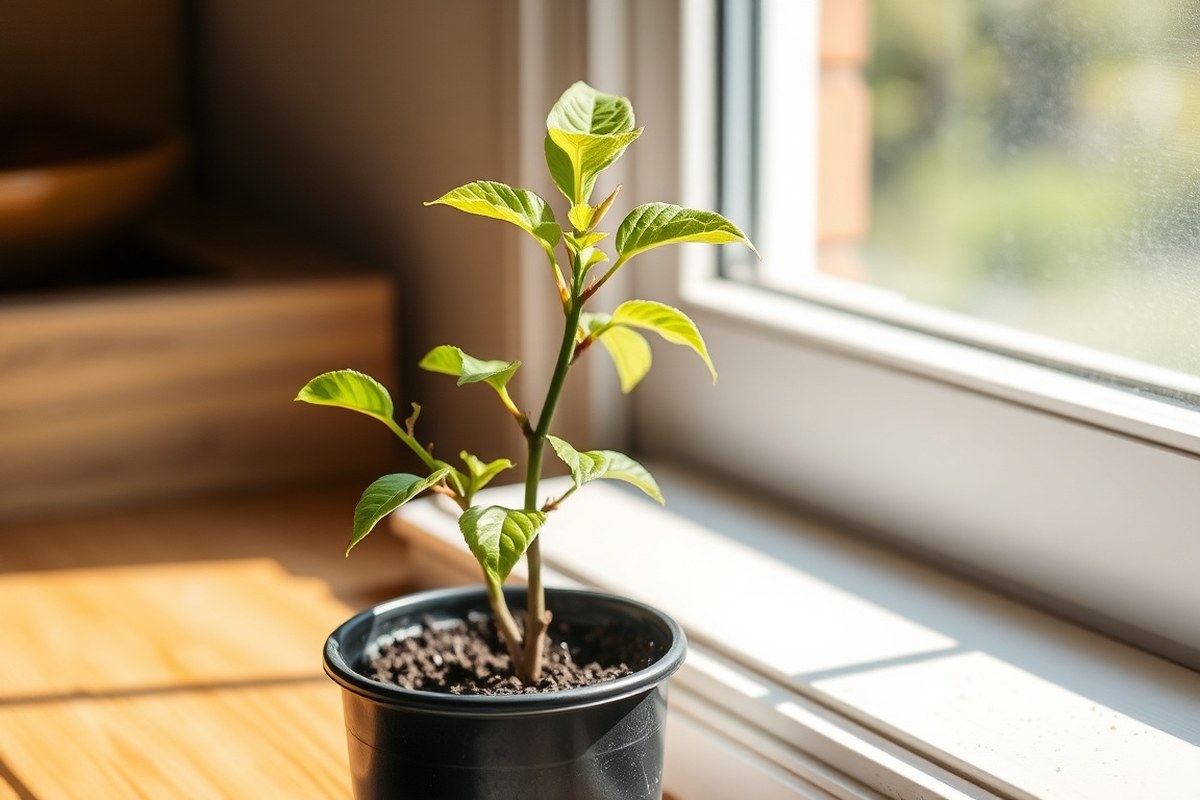
Look for a strong stem about 4 inches tall and several true leaves before transplanting. Seedlings with spindly or weak stems need more light and stable warmth. Also, roots should start filling the pot but not be rootbound.
Transplanting Peach Seedlings Outdoors for Long-Term Growth
Move peach seedlings outside in early spring to help them adjust to outdoor conditions. Prepare the soil by loosening it and mixing in compost. Space young trees about 20 feet apart for mature growth.
Timing Your Transplant
Transplant peach seedlings outdoors about one month before your area’s last frost date. This timing lets roots settle before hot weather arrives. Gradually expose seedlings to the outside air by increasing their time outdoors over seven days.
Starting this hardening-off process protects seedlings from shock. Put them in bright shade first, then slowly more sun. Moving them outside too quickly can cause leaf damage or stunted growth.
Preparing the Site and Soil
Pick a sunny, sheltered spot that stays dry and has good air flow. Avoid low-lying frost pockets because frost can kill blossoms or damage new shoots. Loosen soil at least 12 inches deep to help roots spread.
Mix in compost or well-rotted manure to improve soil texture and nutrients. Test the soil pH and keep it near 6.0 to 7.0 for best peach growth. Remove weeds and rocks to reduce competition.
Aftercare and Frost Protection
Water seedlings regularly but avoid soggy soil. Mulching helps keep moisture steady and weeds down. Frost can hit young trees when temperatures dip below 28°F. So cover them with frost cloth or burlap on cold nights.
Check for pests like aphids or borers and remove any you find. Use safe insecticides or insecticidal soap if pest damage gets worse. Sturdy stakes or cages protect young trunks from animals and wind.
Spacing and Long-Term Planning
Plant peach trees at least 20 feet apart. This space lets each tree grow wide. It also gives them room to grow tall.
Crowded trees get less sun and airflow, which invites disease. Space affects airflow and sunlight, both critical for healthy fruit set.
Make sure water drains well at the site to avoid root rot. Leave enough room to mow or weed with garden equipment without hitting the trunk. Think about access for pruning and harvesting as the tree spreads.
Follow these steps to transplant your peach seedling:
- Choose a calm day without extreme wind or rain.
- Hardening off: Place seedlings outdoors for a few hours daily, increasing time over a week.
- Dig planting holes 12 inches deep and twice as wide as the root ball.
- Mix compost into the dug soil to enrich the hole.
- Remove seedlings carefully from pots, loosening roots gently if root-bound.
- Plant seedlings with the top of the root ball level with soil surface.
- Fill and press soil firmly around roots, then water deeply.
- Add 2 to 3 inches of mulch around the base, keeping it away from the trunk.
Monitoring Growth and Troubleshooting Seedling Problems
Your peach seedling usually grows about 18 to 24 inches each year. Watch it closely during the first few months for steady, leafy growth. Healthy seedlings have bright green leaves and firm stems that stand straight up.
Leaves that curl, turn yellow, or wilt could mean stress. Stress happens from too much water or not enough sunlight. Check soil moisture often and adjust watering if the soil feels soggy or bone dry.
Your seed might not sprout in 4 to 6 weeks due to poor stratification or old seed. You can soak the seed again.
Or start fresh with a new stratification period. Weak seedlings with thin stems need more sunlight and a little fertilizer to perk up.
- Water too much: wait for soil to dry a bit before watering again
- Water too little: soak soil thoroughly, then reduce water frequency
- Too little sun: move seedlings to a brighter spot with indirect light
- Poor soil drainage: switch to well-draining potting mix or container
- Pests or diseases: remove damaged leaves and keep area clean
- Slow growth: use a balanced fertilizer once a month after true leaves appear
Early intervention keeps your seedling on track. Leaves staying pale or stems thin means you need more light and nutrients. Strong, thick stems and rich green leaves show your care is working.
Tracking weekly growth helps you spot problems right away. So fix them before they stunt the young tree.
Expectations: Timeline and Fruit Production from Seed-Grown Peach Trees
Expect to wait 3 to 4 years before your seed-grown peach tree bears fruit. Grafted trees often produce fruit sooner, usually around 2 to 3 years. This is because grafting combines a mature scion with a rootstock, speeding up fruit production.
The fruit from seed-grown peach trees may not match the parent peach exactly. Peach seeds don’t always grow fruit like their parents. Your peaches might be bigger or smaller.
They could even taste different. Still, peach trees have relatively stable traits. So your fruit should be similar in quality.
Chill hours, cold hours accumulated during winter, play a big role in when your tree fruits. Your tree needs enough chilling to break dormancy and start flowering. Less chill means delayed or reduced fruiting, so local climate affects timing.
During the waiting years, maintain steady care by watering, managing pests, and ensuring good sunlight. You might feel impatient.
But keeping up with pruning and feeding helps the tree develop well. Proper care increases your chances for a healthy, productive tree once it starts bearing fruit.
Protect young trees from frost and pests carefully. These often delay fruiting or kill blossoms.
Step-by-Step Action Plan for Growing a Peach Tree from Seed
Follow these steps to start your peach tree from seed and get it growing strong. Watch for clear signs that each step worked before moving on.
- Before you start: Extract the seed from a fully ripe peach and clean it. A clean seed looks firm without any fruit residue.
- Day 1: Place the seed in a damp paper towel inside a plastic bag. Check after a week for slight swelling or cracking.
- Weeks 1-8: Keep the seed in the fridge at 33-41°F for cold stratification. The seed should feel firm but show tiny root tips by week 8.
- Week 9: Plant the seed 1 to 2 inches deep in a pot with well-draining soil. The soil should stay moist but not soggy.
- Weeks 10-14: Keep the pot indoors in bright indirect light and water moderately. Look for sprouting within 1 to 2 weeks.
- Month 4: When your seedling is 6-10 inches tall, start hardening off. Move it outside slowly over several days. This helps the plant adjust to outdoor conditions. Signs are slower growth from outdoor adjustment.
- Month 5: Transplant the seedling outside into well-prepared, sunny soil. The tree should look sturdy and continue growing.
- Ongoing: Water deeply once a week and watch for pests or leaf issues. Healthy green leaves mean your peach tree is doing well.
Frequently Asked Questions
Can You Grow the Same Peach Variety from a Seed?
No, peach seeds are genetically different from their parents. This means the fruit quality and tree traits may vary widely. It’s not a way to clone the same peach type.
How Long Should Peach Seeds Be Stratified Before Planting?
Peach seeds usually need 6 to 8 weeks of cold stratification. Keep them moist in the fridge during this time for the best chance to sprout. Too little or no chilling lowers germination rates.
What Soil Type Is Best for Planting Peach Seeds?
Loose, well-draining soil with good fertility suits peach seed growth. Avoid heavy clay or waterlogged soils to prevent root rot. A sandy loam mix often works well.
How Often Should You Water a Peach Seedling?
Water young peach seedlings moderately, keeping the soil moist but not soggy. Overwatering can cause root diseases, while underwatering slows growth. Water deeply once or twice a week, more in dry spells.
Does Pruning Help a Peach Tree Grown from Seed?
Yes, pruning shapes the tree and encourages strong branches and fruit buds. Begin pruning once it reaches about 2 to 3 feet tall. Remove weak or crossing branches to improve airflow.
What Pests Are Common for Peach Seedlings?
Common pests include aphids, borers, and peach leaf curl fungus. Monitor seedlings regularly and treat promptly with insecticidal soap or fungicides if needed. Healthy plants resist pests better.
The Bottom Line
Growing a peach tree from seed really works, but it takes patience and care. Start by getting a quality seed and giving it the right cold chill. Then plant it carefully and watch it grow strong outdoors.