How to Prune a Clematis Plant: Simple Steps and Expert Tips for Best Blooms
Knowing how to prune a clematis plant helps keep it healthy and blooming. The best method depends on the clematis type and its flowering habits.
Prune at the right time and height to encourage strong growth and flowers. Start by learning your clematis group and then cut back branches accordingly.
Hard prune Group 3 clematis by cutting stems 12 to 18 inches high. Do this when buds start opening. Cut the stems above the ground.
For Group 2 plants, cut stems 12 inches above ground. Cut just above a swollen bud.
This helps promote healthy growth. Avoid cutting too low or late, which can reduce blooms.
Always use clean, sharp tools for pruning to prevent damage and disease. Mulching after pruning helps keep roots cool and moist. Watch out for signs of new growth before heavy pruning to avoid cutting off flowers.
=== TAKEAWAYS===
Key Takeaways
- Prune Group 3 clematis in late winter or early spring before new buds open.
- Cut Group 3 stems back to 12, 18 inches above healthy buds for a hard prune.
- Group 2 clematis can be cut to about 12 inches above the ground in late winter.
- Newly planted clematis should be cut back hard in their first late winter.
- Use sharp, clean pruning shears to avoid damaging the plant.
- Apply 2, 3 inches of well-rotted compost as mulch after pruning.
How to Prune a Clematis Plant Correctly for Healthy Growth
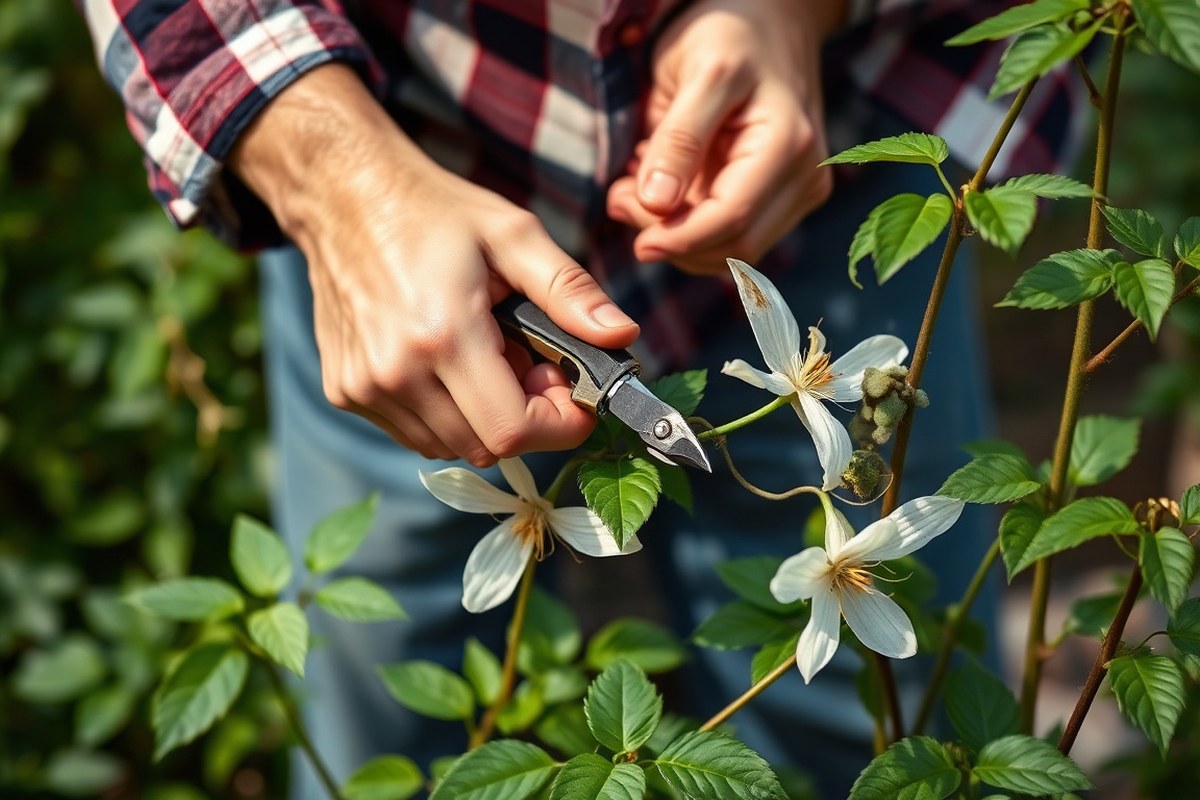
Pruning your clematis helps it grow strong and flower well. Cutting back old stems frees up space for fresh shoots. Make clean cuts just above a pair of healthy buds.
This helps encourage new growth. Use sharp garden shears to finish the job smoothly.
Hard pruning is safe for clematis, especially if your plant is overgrown or not flowering. Cut the stems down to about 12 to 18 inches high. Make sure to cut above healthy buds near the base.
This pruning encourages fresh shoots. This method resets the plant and promotes vigorous blooming.
Here’s a simple step-by-step guide to pruning a clematis properly. It works for most types, including those needing a hard cut or routine trimming.
- Check the plant’s type and timing. Confirm your clematis’s pruning group to pick the right season to cut. Late winter is good for hard pruning.
- Remove dead or weak stems first. Cut away any dried or damaged wood at ground level. This clears room for healthy growth.
- Make your main cut. Use sharp pruning shears or a garden saw for thick stems. Cut 12 to 18 inches above soil, right above a healthy pair of buds.
- Trim older, crowded branches. Thin out crowded stems to improve air and light flow. This helps stop disease and boosts flower production.
- Cut back after flowering if needed.Your clematis flowers less after bloom. Cut older growth hard, about 12 inches high. Right after blooming is the best time to prune.
- Disinfect your tools between cuts. Clean blades help stop spreading disease between plants.
- Leave some healthy buds. Always cut just above a strong, plump bud to encourage new shoots.
Pruning only part of the plant means you keep some flowers this year. Hard pruning usually stops summer blooms but leads to bigger flowers next year. Avoid cutting too low, as the plant won’t regrow well from old wood without buds.
Pay attention to how your clematis reacts after pruning. This helps you decide how much to cut next time. Adjust your pruning based on the plant’s response.
New shoots usually appear about a month after a hard prune. Full blooms take around a year to fully recover.
Patience is key with heavy pruning. Proper pruning renews your clematis and keeps it flowering season after season.
Understanding Clematis Pruning Groups and Why They Matter
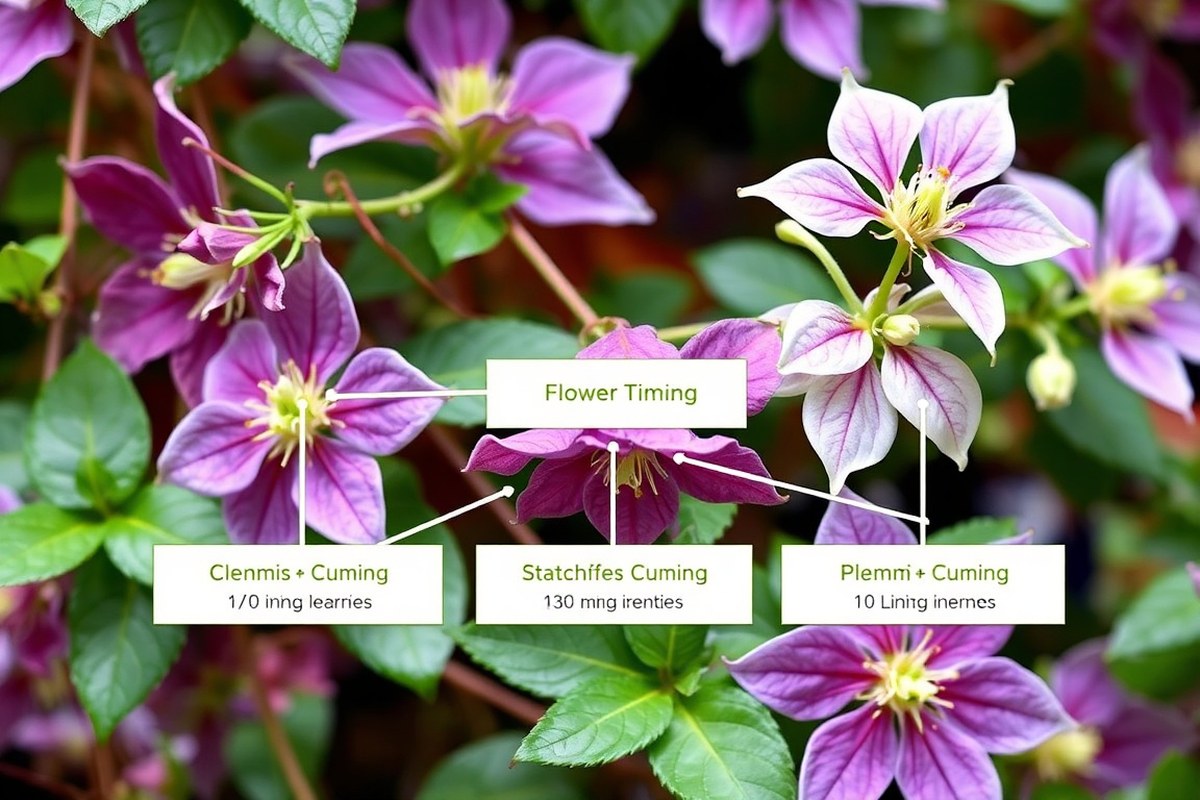
Before pruning, you need to know the clematis pruning group it belongs to. Each group blooms at different times and needs unique pruning steps. This helps you prune without missing flowers or harming the plant.
Group 1 clematis bloom early, in late winter through early spring on old wood. These plants usually only need pruning right after they finish flowering.
Examples include Clematis montana and alpina. You keep pruning light for Group 1 to avoid cutting off future blooms.
Group 2 clematis bloom twice, on old wood in spring and new wood in summer. They need two rounds of light pruning to look their best.
These plants are flexible, so pruning mistakes are less damaging here. You prune lightly right after spring bloom, then again in mid-summer to tidy faded flowers.
Group 3 clematis bloom only on new wood, in midsummer and early fall. Prune these heavily every late winter or early spring, cutting stems down close to 12 inches.
This encourages strong growth and full flowering for that season. Group 3 includes popular large-flower hybrids like ‘Nelly Moser.’
| Pruning Group | Bloom Time | Pruning Time | Cut Back Level |
|---|---|---|---|
| Group 1 | Late winter to early spring | After flowering | Light pruning, just to shape |
| Group 2 | Spring (on old wood), summer (on new wood) | Light pruning twice: after spring bloom and mid-summer | Light pruning to remove dead or weak stems |
| Group 3 | Midsummer to early fall | Late winter to early spring | Heavy cut back, down to 12 inches from the ground |
To identify your clematis group, check the plant label or nursery details. Many nurseries use colored tags or online notes marking the pruning group.
Knowing your group’s bloom time shows why pruning timing varies. Early bloomers need care after flowering, while summer bloomers want pruning before growth restarts.
Pruning the wrong group at the wrong time stops flowers that year. You can lose all blooms if you cut the wrong branches. Timing and technique matter for pruning clematis successfully.
Recognizing the key flowering traits tells you your pruning schedule. Group 1 rarely demands heavy cutting, keeping your plant flowering strong each year. Group 2’s two bloom cycles need gentle pruning to maintain shape and repeat blooms.
Group 3 can’t bloom on old wood. So it’s best pruned back hard before new growth kicks in.
When Is the Best Time to Prune Clematis by Group
Prune clematis according to their group to protect flower buds and boost blooming. Timing matches when plants set or open their flowers. Prune right after flowering or before new growth starts for best results.
Best Timing for Group 1 Clematis
Group 1 clematis bloom on old wood. So prune them after flowering in late spring.
Their flower buds form on last year’s stems and survive winter cold. Prune too early or in fall and you’ll lose spring blooms.
These early bloomers flower from late winter through spring. Avoid heavy pruning before flowers fade. Instead, do a light tidy up by removing dead or weak stems.
Here’s how to prune Group 1 clematis safely:
- Wait until flowers finish blooming in late spring.
- Cut out dead or damaged stems close to the base.
- Thin crowded branches to let light in.
- Remove old wood only if it looks unhealthy or tangled.
- Keep strong, flowering stems intact to ensure next spring’s buds.
Pruning Windows for Group 2 Clematis
Group 2 clematis make flowers on old and new growth. Their first blooms come on last year’s wood, and later ones on new shoots. This group blooms from mid-May until July, often twice per season.
Trim your clematis gently two times each year. First, prune in late winter or early spring. Then prune again just after it blooms for the first time.
Avoid cutting heavily during fall or winter months. That’s when flower buds form on last year’s stems.
Follow these steps to prune Group 2 clematis:
- Trim dead or weak growth in late winter, just before new growth starts.
- Remove any tangled or damaged stems at this time.
- After the first flush of flowers fades, prune lightly to boost a second bloom.
- Cut stem tips to encourage fresh shoots but preserve some old wood.
- Don’t cut too hard or you risk losing the first flowers next year.
Safe Pruning Periods for Group 3 Clematis
Group 3 clematis bloom only on new spring growth. So prune them hard in late winter.
This encourages strong shoots that carry the season’s flowers. Leaving old stems confuses the plant and reduces blooming.
Pruning during fall or winter is usually safe for this group. It isn’t recommended for Groups 1 and 2.
You can prune lightly during the growing season after flowering. This works if you miss the late winter pruning.
Use this approach to prune Group 3 clematis:
- Cut all stems back to about 12 inches (30 cm) tall in late winter.
- Remove any dead or broken wood completely.
- Thin crowded shoots while training new growth in spring.
- During summer, prune lightly if needed to shape or control size.
- Avoid pruning in fall to prevent frost damage on new cuts.
Tools and Techniques for Effective Clematis Pruning
Sharp, clean tools help keep your clematis healthy during pruning. Use bypass pruners to make clean cuts on stems up to ¾ inch thick.
For thicker, woody branches, a pair of loppers will give better use. Avoid using anvil pruners since they may crush stems and cause damage.
Sterilize your tools with rubbing alcohol or a 10% bleach solution before you start. This prevents spreading diseases between plants. Always wipe tools after each cut.
This helps prevent spreading disease. Do this especially when working on many clematis vines or plants nearby.
- Sharp bypass pruners for thin to medium branches
- Loppers for thick, woody stems
- Gloves to protect your hands from scratches
- Disinfectant solution for cleaning tools
- A small saw for very thick branches if needed
Cut at a 45-degree angle about ¼ inch above a healthy bud or leaf node. This angle promotes water runoff and speeds healing. Avoid tearing stems by slicing gently.
A clean cut is less likely to invite disease or rot. Make sure your cut faces away from the bud to encourage strong new growth.
Woody types need careful pruning to avoid damaging old stems. Use loppers for thicker branches. Prune only where needed to keep the shape neat.
Herbaceous clematis, usually Group 3, gets cut back hard in late winter. Cut it to about 12 inches tall.
This encourages strong new growth. For these, bypass pruners work best since stems are softer.
Pruning techniques differ because woody vines have tougher, more rigid branches. They recover slower, so you must avoid heavy cuts on old wood.
Herbaceous clematis regrow quickly from lower stems, making their pruning more straightforward. Always prune soon after flowering or before new growth begins, depending on the clematis type.
Pruning Newly Planted and Young Clematis for Best Establishment
To help your new clematis grow strong, prune it. Do this during its first year. Pruning helps it flower well later on.
Early pruning shapes the plant and encourages healthy stems. Start with a light cut right after planting, then do a harder prune in early spring.
Initial Cut-Back After Planting
After planting, trim your clematis to encourage fresh growth. Cut the main stem down to about 12 inches above the soil. This helps the plant focus energy on new shoots rather than old growth.
Look for any weak or damaged stems and remove those completely. The goal is to have a tidy plant with strong buds ready to sprout in spring. Avoid heavy pruning now to prevent stressing the roots.
Early Spring Pruning in Year One
Wait until late winter or early spring, around February or March, to prune again. This timing stops winter damage and gets ready for fresh, healthy growth. When you prune, cut stems back to about 8 to 12 inches tall.
Trim the stem just above a pair of strong, swollen buds. This encourages new shoots from the base and improves flowering next season. For clematis that bloom on new wood, this hard prune is critical during the first spring.
- Check stems for healthy buds near the base in late winter.
- Use clean pruning shears to cut stems 8 to 12 inches above soil.
- Remove any dead or weak stems completely.
- Avoid pruning too early to prevent losing early flower buds.
- Dispose of cuttings to prevent pests or diseases.
Prune your young clematis only after winter fades but before new growth starts.
Training Young Stems After Pruning
Once new stems appear, gently tie them to a trellis or support. Training keeps the plant upright and prevents damage from wind. Use soft ties to avoid bruising the flexible young stems.
Check regularly to adjust ties as the plant grows quickly. Removing any shoots that grow in unwanted directions helps keep the shape tidy. Early training supports better flowering and stronger growth for future seasons.
Rejuvenating Overgrown or Neglected Clematis Plants Safely
Rejuvenating an old or tangled clematis means cutting it back hard to boost new growth. Doing this safely can bring back vigor and better blooms after years of neglect. You need a careful plan to protect your plant.
Without it, you might kill the plant or miss blooms. Losing flowers for a whole season is common without proper care.
Assessing Plant Health Before Pruning
Check the vine’s overall condition before starting hard pruning. Look for dead, damaged, or diseased stems by cutting a small piece. Green inside means live tissue.
Notice if the plant is sprawling widely with few flowers, showing it needs rejuvenation. Know your clematis group before you prune.
Good timing helps you avoid losing blooms. Otherwise, the plant won’t flower that year.
Performing a Hard Prune Safely
Hard pruning means cutting clematis down near the ground, about 6 to 12 inches above soil. This method works well for groups 2 and 3. These groups bloom on new wood.
So pruning them this way is usually safe. But risky for evergreen types like Clematis armandi.
Prune during late winter or early spring before new shoots start emerging to reduce stress. Use clean, sharp garden shears to make precise cuts and avoid injuring the bark. Follow these steps to rejuvenate your clematis:
- Remove all dead, damaged, or weak stems first to clear the vine.
- Cut the remaining main stems back to about 6-12 inches from the base.
- Trim off tangled or crossing stems to improve air flow and light.
- Dispose of pruned material to prevent disease spread.
- Check for buds on remaining stems; leave any healthy shoots for regrowth.
- Mark the pruning date to track recovery and monitor growth.
Post-Prune Care for Recovery
Water your clematis regularly after pruning to help new shoots develop. Add 2 to 3 inches of organic mulch around the base.
This keeps soil moist and cool. Mulch helps the plant stay healthy.
Once new growth appears, fertilize the plant with a balanced, slow-release fertilizer. Avoid fertilizing immediately after pruning, as this can damage weak stems.
Monitor the vine for signs of stress like wilting or no new growth for several weeks. In case of issues, adjust watering or seek advice from a local garden center.
Aftercare: Feeding, Mulching, and Training Clematis Post-Pruning
After pruning, clematis need steady care to grow well and flower. Feed them with a balanced fertilizer like 10-10-10 every 4 to 6 weeks. Apply it during the growing season.
This helps plants stay healthy and grow well. Avoid heavy feeding right after pruning. Wait until new shoots appear, usually in 2 to 3 weeks.
Mulching keeps roots cool and moist, which clematis roots appreciate. Put a 2-3 inch layer of organic mulch around the base. Use shredded bark, compost, or straw for mulch.
This keeps the soil moist and cool. Keep mulch a couple inches away from the plant stems. Doing this stops rot from starting near the stems.
It protects the plant’s base. Mulching also helps stop weeds that compete for water and nutrients.
Training new clematis stems onto supports helps the plant grow where you want it. Use soft ties or garden twine to gently fasten young stems to trellises or wires.
Check ties monthly and loosen them as the stem grows to prevent strangling. Clematis stems are flexible, but they need space to climb and spread evenly.
- Feed once new shoots reach 6 inches tall
- Use a balanced fertilizer, avoid too much nitrogen
- Mulch 2-3 inches deep, keep away from stems
- Water deeply once a week unless it rains
- Train stems gently with soft ties to supports
- Open up crowded stems to improve airflow
- Don’t prune new growth for 2-3 years
Watering is important post-pruning. Give clematis a good soak once a week if there’s no rain. Wet soil helps roots recover and supports fast stem growth.
Watch for crowded stems in the center. Removing some helps airflow and reduces disease risk.
Let your clematis grow naturally after pruning for up to three years before cutting again. Hard pruning slows height gain but encourages more stems and bushier plants. Some varieties fall between pruning groups, so pick what fits your garden style.
Handle the new stems with care. Your clematis will reward you with plenty of blooms.
Common Mistakes in Clematis Pruning and How to Avoid Them
Cutting clematis at the wrong time is a common error that weakens the plant. Pruning late-flowering varieties too early removes buds that would bloom this year.
Conversely, trimming early bloomers too late can reduce flowers or damage new shoots. Follow the timing for your clematis group closely to avoid these problems.
Another mistake is removing too much or too little growth. Cutting too much can remove all new growth on late bloomers. This means the plant may have no flowers.
Be careful when pruning these types. You cut too little, the plant looks messy and flowers less. The flowers it makes may be smaller too.
Aim to cut off about one-third to two-thirds of last year’s growth. The exact amount depends on your clematis group. Prune accordingly for best results.
Watch for signs of incorrect pruning like no blooms or weak, long stems with few flowers. These outcomes mean your cuts weren’t right or the timing was off. You can fix this by pruning less next season.
Trim less severely this year to help new growth recover. Adjust your schedule for better results.
Some gardeners prune immediately after transplanting, cutting back about half the plant’s height. This helps clematis focus on growing strong roots before sprouting too many stems. Avoid heavy pruning on freshly planted clematis outside this step.
Cutting too hard or too early can stress the plant. Be gentle with new plants.
To correct damage from too much pruning, don’t fertilize heavily, which encourages weak growth. Instead, keep the soil moist and mulch around the roots to support slow recovery. Monitor new stems carefully and prune those that don’t look healthy later in the season.
Trim carefully and wear gloves. Clematis stems can snap easily and wounds heal faster when cuts are clean.
Step-by-Step Action Plan for Pruning Your Clematis
Follow these simple steps to prune your clematis correctly and keep it blooming well.
- Early Spring: Identify your clematis pruning group before you cut. This ensures you prune at the right time.
- After Flowering (for Group 1): Remove old flowered stems right after bloom ends. Check that you see fresh growth nodes left intact.
- Late Winter (for Group 2): Cut dead or weak stems, leaving some old wood for blooms. Healthy buds should still be visible on trimmed stems.
- Late Winter (for Group 3): Cut all stems back to about 12 inches above ground. Look for new buds at the base to confirm proper pruning.
- Throughout Growing Season: Remove suckers and dead leaves to keep the plant tidy. Watch for improved air flow and fewer pests.
- Post-Pruning: Feed with balanced fertilizer and mulch the base. Soil moisture and plant vigour will show success.
- Training Time: Tie new growth gently to supports as the vine grows. The clematis should climb neatly without damage.
Frequently Asked Questions
Can I Prune Clematis in the Fall Without Harming It?
You can trim dead stems in fall but don’t prune heavily. Save major pruning for late winter or early spring to protect new growth.
How Do I Tell If My Clematis Blooms on Old or New Wood?
Watch when your clematis blooms to know its wood type. Blooming in spring means old wood; summer blooms usually mean new wood. This helps you time pruning correctly.
Is It Okay to Prune Clematis for Shape Only?
Yes, light pruning after blooming helps shape and control size. Just trim spent flowers and a few stems to keep the plant tidy.
Can I Prune Clematis That Has No Visible Buds?
No visible buds? Cut the plant back hard to 12-18 inches tall. Cut above healthy wood to encourage fresh growth and new buds.
How Often Should I Prune My Clematis for Best Results?
Prune annually according to its group, usually once a year. This supports healthy growth and regular flowering. Avoid random heavy pruning.
Will Pruning Affect the Number of Clematis Flowers?
Proper pruning can boost flowers by removing old, unproductive stems. Over-pruning might reduce blooms, so prune carefully following your plant group.
Key Points to Remember
Pruning your clematis at the right time keeps it healthy and blooming year after year. Start by spotting your plant’s pruning group today. This helps you pick the best pruning time and care steps next season.