How Often to Water Clematis: A Complete Guide for Healthy Growth
How often to water clematis depends on location, soil type, and age. Soak the soil deeply about once or twice a week. Each watering should reach around 30cm (1ft) deep to encourage deep roots.
Newly planted clematis need extra care. Soak the root ball for 20 minutes before planting to help it settle. After planting, water thoroughly with 2 to 3 gallons every time.
Check soil moisture often. Let the top two inches dry before watering again to avoid soggy soil. Heavy clay soils hold water longer and need less frequent watering than sandy soils.
Sandy soils may require watering up to twice a week. Mulching around the base helps keep moisture and coolness. Adjust watering during hot or dry times to reduce plant stress.
Key Takeaways
- Water clematis deeply, soaking soil to about 30cm (1ft) every 4 to 7 days.
- Newly planted clematis require daily watering until established.
- Use around 2 to 3 gallons of water per watering session.
- Check soil moisture by feeling the top two inches before watering.
- Clay soils need less frequent watering than sandy soils.
- Mulch around the base to retain moisture and reduce watering needs.
How Often Should You Water Clematis Plants?
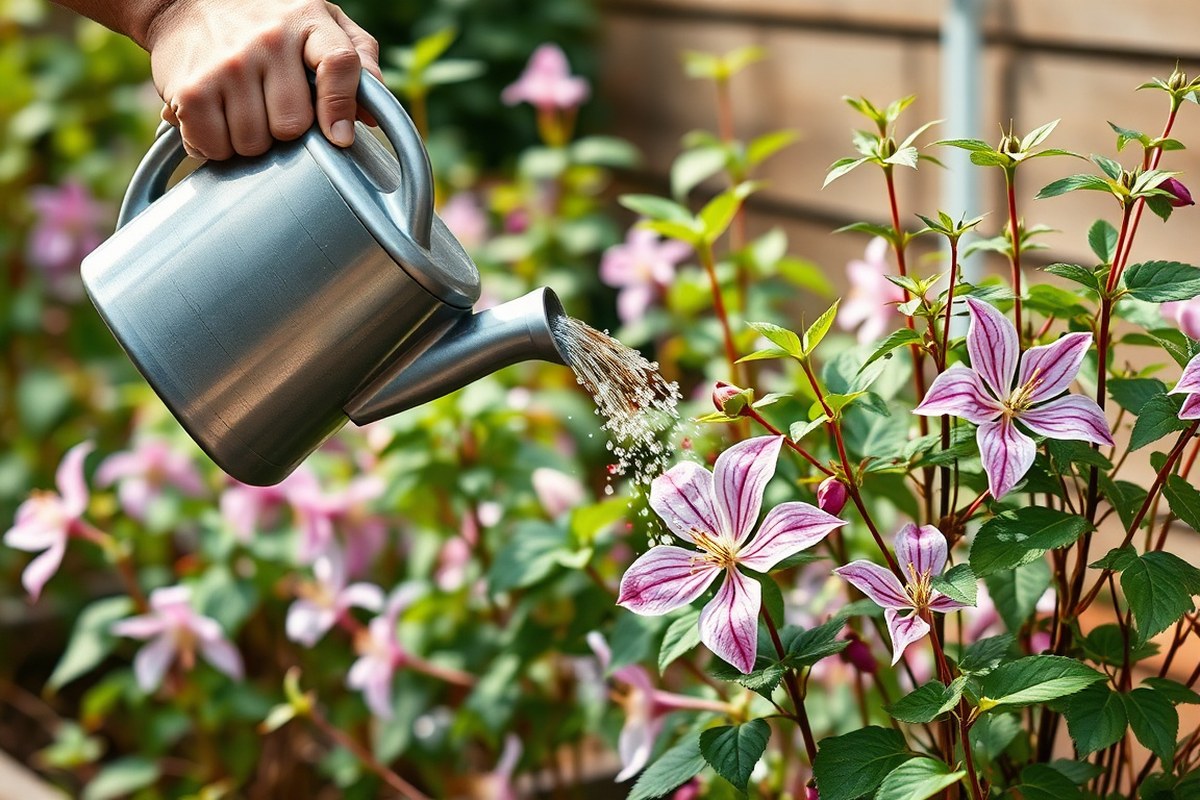
Newly planted clematis need watering every day or every other day for about two weeks. Keep the soil moist but not soggy during this time. After that, switch to watering once or twice a week to encourage deep root growth.
For established clematis, water only when the top inch of soil feels dry. Usually, one good soak a week works well. Each watering should soak the soil about 12 inches deep.
You need to apply roughly one inch of water each time. This helps the roots get enough moisture.
In sandy or fast-draining soil, clematis may need watering every two to three days. Use a moisture check by sticking your finger an inch into the soil.
Check the soil by touching it. When it feels dry, water your clematis again.
When watering, focus on the root zone around the base, not the leaves. Apply enough water to soak about one foot deep. Use about four standard watering cans for each square meter.
This supplies enough water to reach the roots. Make sure the soil is soaked thoroughly.
Clematis in containers need more frequent watering than those in the ground. They can dry out in a day or two.
So check the soil daily during hot weather. Water pots deeply each time to keep roots healthy and prevent stress.
Watering early in the morning or late in the evening helps reduce evaporation. Avoid watering at midday when water evaporates quickly and may cause leaf scorch. Consistent moisture, without standing water, helps clematis thrive.
How Soil Type and Climate Affect Watering Frequency
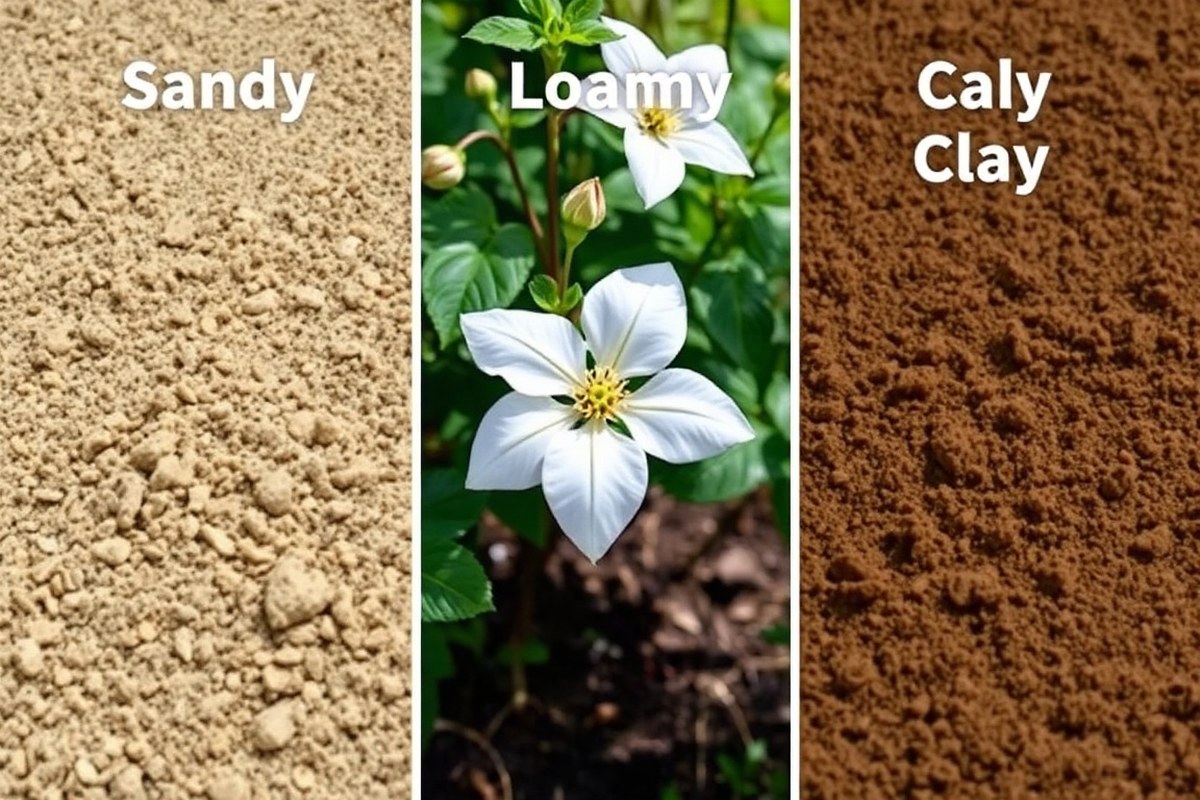
Soil type shapes how often you need to water clematis. Sandy soils drain quickly, drying out faster and needing more frequent watering. Clay soils hold water longer, so water less often to avoid root rot.
Climate also shifts watering schedules. In hot, dry regions, weekly watering or more keeps clematis happy.
Cooler, wetter climates reduce how often you need to water. Newly planted clematis need water more often until roots settle.
| Soil Type | Drainage | Recommended Watering Frequency |
|---|---|---|
| Sandy | Fast drainage | Every 3-4 days |
| Loamy | Moderate drainage | Every 5-7 days |
| Clay | Slow drainage | Every 10-14 days |
| Container soil | Variable, drains fast | Check every 1-2 days |
Using a soil moisture meter helps you know when to water. Stick a finger or moisture meter about 2, 3 inches deep near roots.
If the soil feels dry there, time to water. The meter costs about $10 to $20 at garden centers.
Always check soil moisture before watering. Overwatering leads to root rot, especially in heavier soils.
Keep an eye on weather too. Hot spells and dry winds speed up drying.
Rain means you can skip watering. Mulching around roots helps the soil stay cool and retain moisture.
Watering Needs by Clematis Age and Planting Method
Watering needs change as clematis grow. Newly planted vines need water often to stay moist.
Established plants require deeper and less frequent watering. Container clematis need extra attention because pots dry out quickly.
Watering Schedule for First-Year Clematis
New clematis rely on regular watering to develop strong roots. Keep the soil evenly moist, especially during dry spells. Check the soil every day, and water when the top 1 inch feels dry.
Watering too little slows root growth and weakens the plant. Frequent watering helps the young vine survive the heat and encourages healthy flowering. Follow these steps to water clematis planted this year:
- Water immediately after planting with 1 to 2 gallons to settle soil.
- Keep soil moist by watering 2 to 3 times a week for the first month.
- Increase watering to every other day during hot, dry weather.
- Check soil moisture daily; water if the top inch feels dry.
- Apply 1 to 2 gallons each watering to soak the root zone.
- Stop frequent watering in fall as growth slows down.
Adjusting Watering for Established Clematis
Once clematis roots fill the soil in their second year, change your approach. Water deeply but less often to encourage deeper root growth. Established plants can withstand short dry spells better.
Deep watering means soaking the soil to about 12 inches. Water your plants every 7 to 10 days.
Water less if it’s cool. Water more if the weather is very dry or hot.
Overwatering can cause root rot, especially in cooler months. Stick to soaking less frequently. Watching for drought stress signs like wilting or leaf drop.
Special Care for Container-Grown Clematis
Clematis in containers need more frequent watering than those in the ground. Containers dry out quickly because roots have less soil and are exposed to air. Watering daily between April and October is common.
Use a large pot, at least 18 inches wide and deep, to hold enough soil moisture. Keep watering until you see it draining from the pot’s bottom.
This makes sure all roots get soaked. The soil should be moist about 12 inches deep.
Here’s how to water potted clematis:
- Check container soil daily; stick your finger 1 inch deep to check moisture.
- Water thoroughly until excess drains from the pot’s holes.
- Add a top layer of pebbles or plant shade companions to keep roots cool.
- Water every day during hot, dry weather to prevent rapid drying.
- Move pots to a shaded spot in afternoon to reduce evaporation.
Seasonal Adjustments for Watering Clematis Throughout the Year
Watering clematis changes with the seasons from light in winter to heavy in summer. You water more often during active growth and slow down during dormancy. Adjust water around pruning times to support healthy regrowth and avoid overwatering.
Spring: Active Growth and Frequent Watering
Spring is when clematis wakes from dormancy and starts growing quickly. Keep the soil evenly moist by watering when the top 2 to 3 cm feels dry. This usually means watering every few days depending on weather and soil type.
Apply a balanced feed in late winter or early spring to support new buds. Water thoroughly after feeding to help nutrients soak in. Avoid overwatering right before pruning, especially for group 1 clematis that bloom on old wood.
Summer: Peak Bloom Needs and Drought Protection
Summer sees the highest water demand, roughly three times more than winter dormancy. Water deeply and regularly to keep roots cool and soil moist during hot days.
Clematis don’t like dry spells while blooming. So water as soon as the top inch of soil dries.
Mulch helps retain moisture and cool roots during summer heat. Avoid watering from overhead; instead, water at the base to prevent disease. Refrain from relying solely on sprinklers in the first summer after planting to ensure deep watering.
Fall and Winter: Tapering Water and Dormancy Care
As growth slows in fall, reduce watering gradually but keep the soil from drying out completely. In winter, water just enough to keep roots from drying out.
Keep watering light if temperatures stay between 0 and 10 °C. Avoid overwatering during cold months. Resume regular watering as buds break in early spring.
For winter dormant clematis, do not water heavily or feed. Prune group 2 clematis after its summer or fall bloom. Reduce watering a bit before pruning to let the plant rest.
This helps the plant recover better. Avoid plastic pots, as they heat in summer and don’t protect roots in winter.
Here is a table summarizing seasonal watering adjustments for clematis:
| Season | Watering Frequency | Watering Amount | Additional Care |
|---|---|---|---|
| Spring | When top 2-3 cm soil dries (every 2-4 days) | Even, thorough watering to keep soil moist | Feed in late winter/early spring; prune carefully |
| Summer | Regular, often (up to 3x more than winter) | Deep watering to keep roots cool and moist | Mulch roots; avoid overhead watering; no sprinklers first year |
| Fall | Reduce gradually; water less often | Maintain soil moisture, avoid saturation | Prune some types after bloom; reduce water before pruning |
| Winter | Sparingly, only if soil dries out | Minimal, just enough to keep roots from drying | Do not feed; keep temperature 0, 10 °C; avoid plastic pots |
Following these seasonal water patterns helps your clematis grow strong. Too much water in dormancy can cause rot. Too little water in summer stresses the plant and lowers blooms.
Best Watering Techniques for Healthy Clematis Growth
Watering deeply is key because clematis roots grow about 1 foot down. Shallow watering only wets the topsoil, which causes weak roots. Aim to soak the soil deeply.
The moisture should reach six inches down. This helps the roots access water well.
Drip irrigation and soaker hoses work great for deep watering. They release water slowly at the base. This avoids wet foliage.
Wet leaves can cause rot or fungus. Let the water run enough to deliver about 2 to 3 gallons per plant each time. This amount helps the water seep deep into the root zone.
- Drip irrigation: Precise, conserves water, needs setup and occasional checks
- Soaker hoses: Easy to lay out, lets water seep evenly, best on flat ground
- Hand watering with a hose: Flexible, lets you target plants. But must be slow and careful
- Watering cans: Good for young or few plants, can be slow and less deep
- Watering spikes or bulbs: Slow release, good for dry climates, less control on deep soaking
Avoid flooding the soil so roots don’t sit in water. Don’t spray water on tendrils or leaves. Wet leaves and stems attract diseases and rot.
The best time to water clematis is early morning. This lets soil absorb moisture before heat speeds evaporation.
Never water clematis quickly or from above; slow, soil-level watering prevents rot.
Use a timer with drip or soaker systems if you want consistent watering without guesswork. A timer running for 30 to 60 minutes usually waters deeply enough, depending on water flow. Watch your soil closely after watering to confirm it’s moist at least six inches down.
Change watering time and how often you water. This depends on your climate and soil. It keeps your clematis healthy.
How to Recognize and Prevent Common Watering Mistakes
Soft, mushy stems usually mean your clematis is overwatered. Yellow leaves also show the plant is getting too much water. Too much water harms established clematis plants.
Check the soil near the roots. Cut back watering when soil is soggy or drains poorly.
To fix overwatering, let the soil dry out gradually before watering again. Improving drainage with added organic matter or grit helps prevent the problem from returning.
Leaves wilting or yellowing on new clematis plants generally happen when they aren’t getting enough water. The roots need moisture to stay healthy, especially in the first few months after planting. Water your clematis deeply once or twice a week.
Avoid shallow daily watering. This keeps the root zone moist longer. You want the soil to feel damp about 6 inches down but not soaked.
A common watering mistake is following a strict schedule. It ignores checking if the soil is actually dry or wet. This can kill your clematis.
Clematis need consistent hydration. But a dry spell or particularly hot weather can change their needs quickly.
Use your finger to test the soil every few days. Water deeply when soil feels dry a few inches down.
Check your clematis to find the problem. If stems feel soft and the soil is wet, stop watering right away. Water your clematis more deeply if leaves droop and soil is dry.
Wait one day and check the soil moisture again if unsure. Clematis are tough and usually bounce back with a bit of care.
Dead or brown edges on leaves can also indicate inconsistent watering. This happens when water is too little or too uneven. Water at your clematis’ base early in the morning.
This reduces leaf wetness and lowers fungal risks. Mulching around the roots keeps moisture steady, which helps avoid these issues.
Does Clematis Variety and Sunlight Exposure Change Watering Needs?
Different clematis groups need slightly different watering. But sun exposure also affects this a lot.
Most clematis prefer full sun or part shade to bloom well. You’ll water more often in sunny, hot spots than in shaded or cool spots.
Group 1, 2, and 3 Watering Differences
Group 1 clematis, like Clematis alpina, grow and bloom on old wood. They need steady watering early in spring but less in summer.
Group 2 blooms on old and new wood. So they need more water during new growth and flowering.
Group 3 clematis only bloom on the current year’s growth. These need regular watering in summer to support vigorous new shoots. Pots need more frequent watering for all groups than plants in the ground.
| Group | Flowering Type | Watering Needs |
|---|---|---|
| Group 1 | Old wood bloom | Moderate; steady in early season |
| Group 2 | Old and new wood bloom | Higher; water more through flowering |
| Group 3 | New wood bloom only | Highest; keep soil moist in summer |
These differences matter most in spring and summer. Group 3 plants dry out faster without consistent watering.
Water Needs for Sun-Loving vs. Shade-Tolerant Varieties
Most clematis do best with full sun or partial shade. Too much shade means fewer flowers and less growth. Sun exposure speeds up water loss.
Varieties in full sun need water at least twice a week. This is especially true when temperatures rise above 75°F (24°C). Keep soil consistently moist but not soggy.
Part shade plants lose water slower, so watering once a week usually works. Always keep the roots cool and shaded, even in full sun spots.
| Sun Exposure | Watering Frequency | Notes |
|---|---|---|
| Full sun | 2+ times per week | More evaporation; watch soil moisture |
| Part shade | Once per week | Less evaporation; slower drying |
| Deep shade | Less frequent | Flowering reduced; not ideal |
Winds also dry out plants faster. Plant clematis in a spot shielded from harsh winds for best watering results.
Adjusting Watering for Bloom Cycles by Group
Groups 1 and 2 need more water just before and during bloom. Keep soil moist but not soggy. This helps big-flowered types like Clematis Rebecca flourish.
Group 3 plants require steady watering through summer while growing new shoots. They use more water because they bloom on the current year’s growth. Never let soil dry out during their peak growth.
During non-bloom times, water less frequently to avoid root rot. Mulching at the base reduces heat and keeps roots cool across all groups.
Improving Watering Results with Mulching and Fertilizing
Adding a 2 to 3-inch layer of organic mulch around clematis plants keeps soil moist longer. Mulch reduces surface evaporation and helps maintain a cooler root zone, especially during hot weather. Avoid piling mulch directly against the stem to prevent rotting.
Mulching also controls weeds that compete for water and nutrients. Apply mulch once annually in early spring or fall for the best effect. Materials like shredded bark, leaf mold, or compost work well.
They usually cost $15 to $30 per bag. One bag covers a few plants.
Fertilizing clematis supports strong blooms and works hand-in-hand with regular watering. Use a balanced, water-soluble fertilizer like 10-10-10 in fall to prepare roots for winter. In spring, switch to a bloom booster with more phosphorus.
A 10-30-20 mix encourages better flower growth. Use it to help blossoms develop.
Feed clematis every 4 to 6 weeks while it grows. Mix fertilizer in when soil is moist. This keeps roots from burning.
Avoid heavy nitrogen fertilizers; they encourage vine growth but limit blooms. Proper pruning along with fertilizing and watering brings out the best flowering.
Keep soil moist by watering regularly. Use mulch and fertilize on schedule too. This helps plants grow much better.
These steps reduce stress on the vines and help clematis focus energy on producing flowers. Adjust the mulch thickness or fertilizing schedule depending on your soil type and climate conditions.
Don’t pile mulch directly against the clematis stem to avoid stem rot and disease risks.
Your Step-by-Step Watering Plan for Clematis
Follow this clear schedule to water your clematis correctly. You will notice healthier leaves and more flowers as a result.
- Planting day: Water deeply right after planting to settle the soil. Look for no dry spots around the roots.
- Week 1: Check soil moisture every day. Water only if the top 1 inch of soil feels dry.
- Month 1: Water deeply twice a week during warm weather. The soil should stay moist but not soggy.
- After 3 months: Reduce watering to once a week if it rains regularly. Leaves should stay vibrant and firm.
- During hot, dry spells: Increase watering to every 2 to 3 days. Watch for wilting, which means thirsty plants.
- Late fall: Cut back on watering as growth slows down. Soil should feel slightly damp but not wet.
- Mulching time: Spread 2-3 inches of mulch around the base. Do this anytime to keep moisture steady and consistent. Mulch helps the plant stay healthy by holding water in the soil. Check that mulch is not touching stems.
- Fertilizing days: Water immediately after feeding clematis with balanced fertilizer. It helps nutrients reach roots quickly.
Frequently Asked Questions
Should Clematis Be Watered Every Day?
Newly planted clematis need daily watering for the first week. Established plants usually only need a deep soak about once a week in dry weather. This helps roots grow deep and strong without waterlogging the soil.
What Will Make My Clematis Bloom More?
Regular deep watering and at least six hours of sun promote blooming. Avoid letting the soil dry out, especially during bloom time. Also, feeding with a balanced fertilizer can boost flower production.
Do Clematis Prefer Full Sun or Shade?
Most clematis do best in full sun or part shade. They need around six hours of sunlight but can suffer in hot afternoon sun. Providing some afternoon shade can keep them healthy in hotter climates.
Does Clematis Do Better in Pots or Ground?
Clematis grow well in both, but pots need watering more often. Pots dry out faster, especially in warm or windy spots. Ground planting requires less frequent watering once roots are established.
Can I Water Clematis with a Sprinkler?
Using a sprinkler can work but avoid wetting leaves during hot days. Wet leaves may invite fungal diseases. It’s better to water the soil directly at the base.
How Soon After Planting Can I Reduce Watering Frequency?
You can cut back after a full growing season in the ground. Soil should feel moist about 1 inch deep between waterings by then. Pots may still need frequent watering longer due to faster drying.
Wrapping Up
Water your clematis based on soil moisture and weather changes for best health. Watch your plant’s leaves for signs of too much or too little water. Next, try mulching to keep roots moist without extra watering.