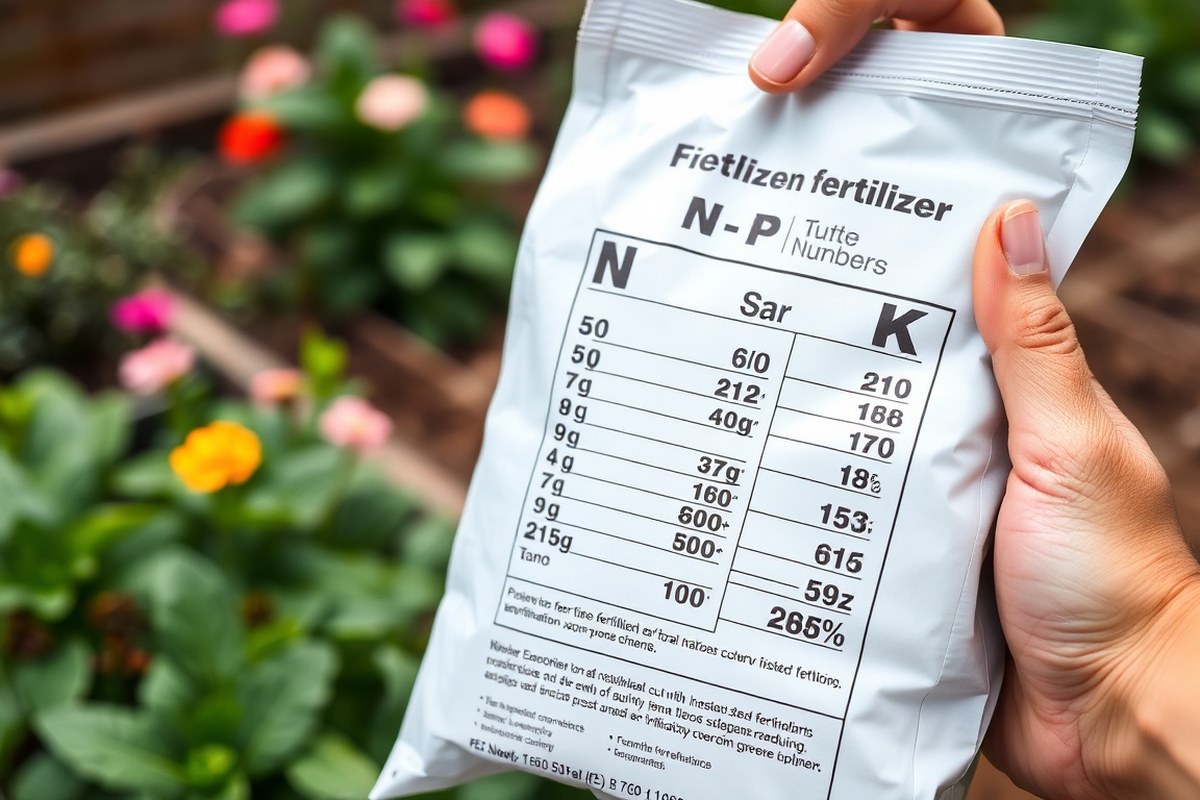
How to Read Fertilizer Numbers: A Complete Guide with Expert Tips
How to read fertilizer numbers is simpler than it looks once you know the basics. Those numbers tell you the percentages of nitrogen, phosphorus, and potassium in the mix. For example, a 24-0-6 fertilizer means 24% nitrogen, 0% phosphorus, and 6% potassium by weight.
Knowing what those numbers mean helps you choose the right fertilizer. They tell you about the nutrients in the fertilizer. This helps match it to your soil and plants.
The first number is always nitrogen, which supports leaf growth. Phosphorus, the second number, helps roots and flowers. Potassium, the third, strengthens plants overall.
Start by checking your soil test results to see what nutrients are missing. Avoid fertilizers with nutrients your soil already has plenty of. That way, you won’t waste money or risk damaging your plants.
Key Takeaways
- Fertilizer numbers represent nitrogen, phosphorus, and potassium percentages.
- Nitrogen promotes leaf and stem growth in plants.
- Phosphorus supports strong roots and blooming flowers.
- Potassium boosts overall plant health and disease resistance.
- Use soil tests to match fertilizer numbers to nutrient needs.
- A 20-10-10 fertilizer contains 20% nitrogen, 10% phosphorus, and 10% potassium.
What Do Fertilizer Numbers on the Bag Mean?
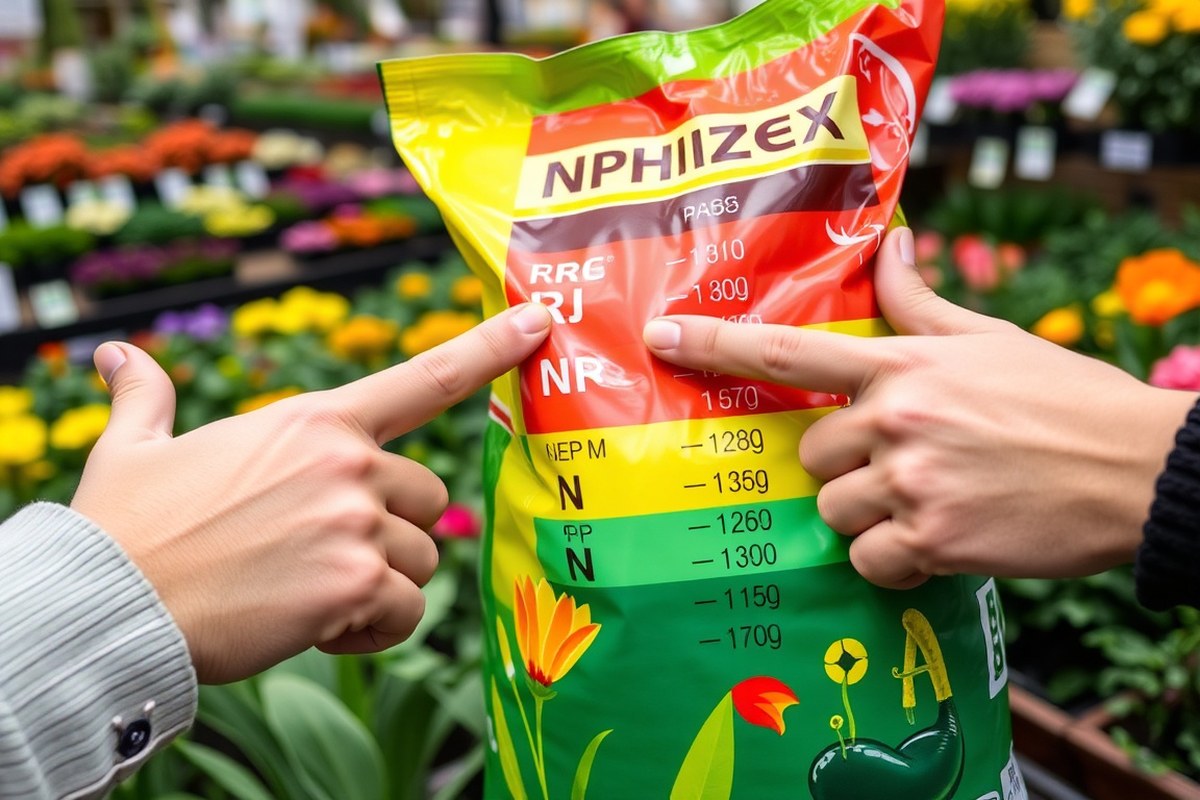
The three numbers on a fertilizer bag mean nitrogen, phosphorus, and potassium. They show the percent by weight of each nutrient included. You see these as N, P, and K on the package.
For example, a fertilizer labeled 10-20-10 contains 10% nitrogen, 20% phosphorus, and 10% potassium. These percentages tell you how much nutrient is in the bag. They compare nutrient weight to the total weight of the fertilizer.
This helps you know what you’re buying. A 50-pound bag labeled 10-20-10 holds specific amounts of nutrients.
It has 5 pounds nitrogen, 10 pounds phosphorus, and 5 pounds potassium. These numbers come from the percent on the bag.
Nitrogen is listed first, phosphorus second, and potassium last. This order never changes on any fertilizer bag.
Knowing the N-P-K numbers helps you pick the right blend for your plants. Each of the three nutrients supports different parts of plant growth.
How to Calculate Actual Nutrient Amounts from Fertilizer Numbers
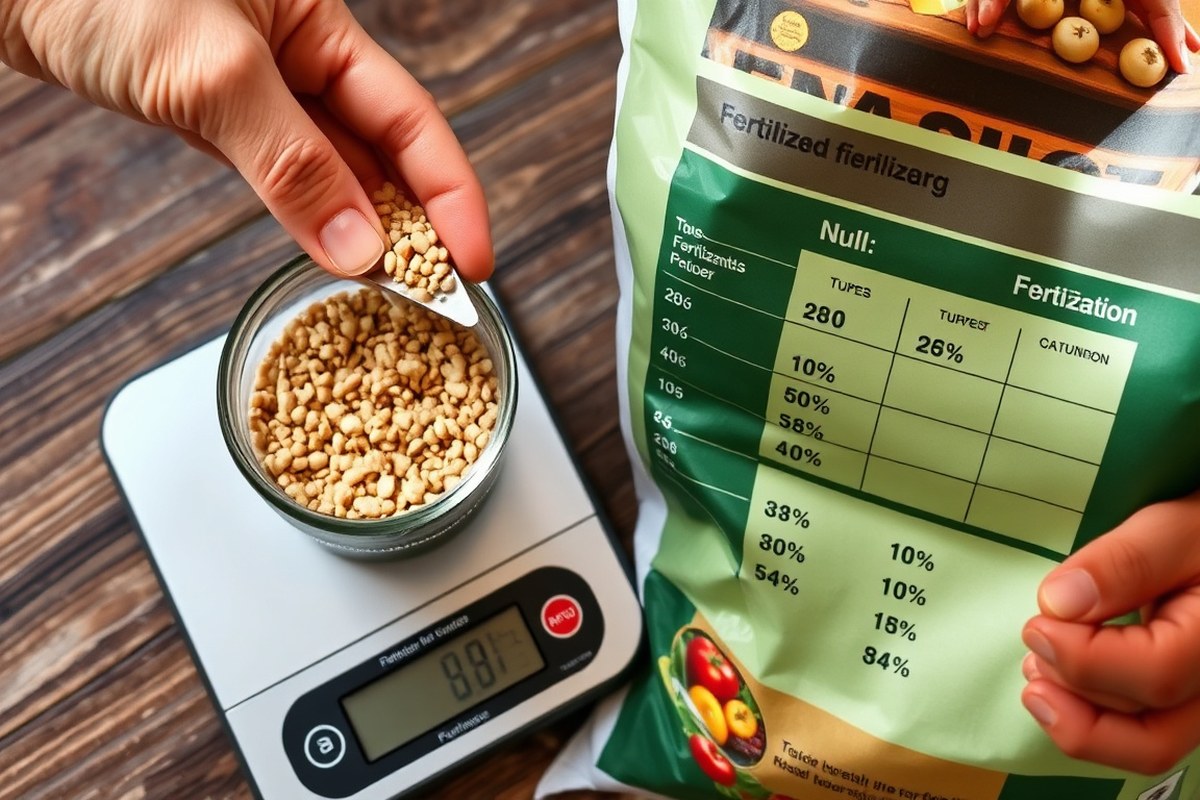
Fertilizer numbers are percentages showing how much of each nutrient is in the bag. You calculate pounds of nutrients by multiplying these percentages by the bag weight. Then use the application rate to find how much nutrient you apply per area.
Step 1: Identify Bag Weight and NPK Percentages
Look at your fertilizer bag for two key details. First, find the total weight of the bag in pounds. Next, notice the three numbers on the label showing percentages for nitrogen, phosphorus, and potassium.
For example, a 50-pound bag might have an NPK number of 24-8-12. This mix contains 24% nitrogen.
It also has 8% phosphorus (as P2O5). Finally, there is 12% potassium (as K2O).
Step 2: Multiply Bag Weight by Percentage for Each Nutrient
Change the percentage into a decimal by dividing by 100. Multiply the bag’s total weight by this decimal for each nutrient. This gives you the pounds of nutrient inside the whole bag.
For instance, 50 pounds times 0.24 equals 12 pounds of nitrogen in the bag. The same bag contains 4 pounds of phosphorus (50 × 0.08) and 6 pounds of potassium (50 × 0.12).
Step 3: Calculate Nutrient Pounds per Area Based on Application Rate
Decide how much nutrient your plants need per 1,000 square feet. This target rate helps set how many pounds of fertilizer to apply. Divide the needed nutrient pounds by the nutrient available per pound of fertilizer.
Say you want 1 pound of nitrogen per 1,000 sq. Ft. And the fertilizer is 24% nitrogen.
Divide 1 by 0.24, which equals about 4.17 pounds of fertilizer per 1,000 sq. Ft.
Here are the steps for calculating actual nutrient amounts and application:
- Find the total weight of the fertilizer bag.
- Note the NPK numbers on the fertilizer label.
- Convert each percentage to a decimal (divide by 100).
- Multiply bag weight by each decimal to get nutrient pounds per bag.
- Know your desired nutrient application rate (like pounds per 1,000 sq. Ft.).
- Divide the desired nutrient amount by the decimal percentage of that nutrient.
- Apply that amount of fertilizer to your garden or lawn per 1,000 sq. Ft.
Always measure your application area carefully. Applying too much fertilizer wastes money and can harm plants or the environment.
Understanding Nitrogen, Phosphorus, and Potassium Roles in Plants
Plants need nitrogen, phosphorus, and potassium to grow well. Each nutrient serves a unique job that helps plants thrive. Reading fertilizer labels lets you match your plants’ needs with the right mix of these nutrients.
Nitrogen mainly helps plants grow healthy leaves and stems. Without enough nitrogen, your plants look pale and grow slowly.
Phosphorus encourages strong roots and helps flowers and fruit develop. Potassium boosts a plant’s overall health, making it tougher and better at handling stress.
| Nutrient | Symbol | Primary Function |
|---|---|---|
| Nitrogen | N | Leafy growth |
| Phosphorus | P | Roots and blooms |
| Potassium | K | Hardiness overall shows how well plants stand up to tough conditions. |
Fertilizer bags show numbers for nitrogen, phosphorus, and potassium in that order. For instance, a 24-0-6 fertilizer has 24% nitrogen, no phosphorus, and 6% potassium by weight. Using this helps you decide if a fertilizer favors leafy growth, root development, or plant strength.
You can choose fertilizer by what nutrient your soil misses. Pick based on your plants’ growth stage too. Vegetables growing lots of leaves need more nitrogen.
So a ratio like 10-5-5 works well. Flowering plants needing strong roots might do better with higher phosphorus. Potassium is important anytime to keep plants healthy against disease and drought.
Some fertilizers have just one nutrient, called straight fertilizers. Others combine two or more, called compound fertilizers. Complete fertilizers include all three nutrients, which many garden plants need for balanced growth.
How Organic and Synthetic Fertilizers Differ in Their Numbers and Nutrient Release
Organic fertilizers usually have lower NPK numbers than synthetic ones. That’s because they contain less concentrated nutrients.
Synthetic fertilizers often show higher numbers like 24-8-16. Organic products might list something like 5-2-2.
The difference comes from how nutrients become available. Synthetic fertilizers offer nutrients in a water-soluble form. Plants can absorb these nutrients quickly right after applying them.
Organic fertilizers depend on soil microbes to break them down first. This process, called mineralization, takes longer to release nutrients.
Slow-release fertilizers keep feeding plants over time. For example, sulfur-coated urea in synthetic types releases nitrogen gradually.
Many organic fertilizers, such as Milorganite (6-4-0), are naturally slow-release due to their breakdown process. That can prevent nutrient burn and support steady plant growth.
| Fertilizer Type | Typical N-P-K Numbers | Release Type | Example |
|---|---|---|---|
| Organic | Lower, e.g., 5-2-2 or 6-4-0 | Slow-release (microbial breakdown) | Milorganite (6-4-0) |
| Synthetic (Quick-Release) | Higher, e.g., 24-8-16 | Immediate (water-soluble minerals) | Ammonium nitrate |
| Synthetic (Slow-Release) | Higher, variable | Gradual (coated or stabilized) | Sulfur-coated urea |
Reading fertilizer numbers depends on what you need for your plants. For quick green-up or fast nutrient boosts, synthetic quick-release products work well. They deliver nitrogen and other nutrients immediately.
Slow-release fertilizers feed plants steadily. They lower the risk of burning. Choose organic or synthetic slow-release options for safer feeding.
Using a slow-release or organic fertilizer usually means you apply less often. It also helps with soil health, since organics boost soil structure and moisture retention. Synthetic fertilizers don’t improve the soil but provide a sharper nutrient punch per application.
Use synthetic fertilizers with high numbers carefully. These can burn plants if applied wrong. Always follow the label instructions.
That avoids overfeeding, which can damage grass and plants. For organic fertilizers, expect to use more product to reach the same nutrient amounts. It can cost more upfront but benefits the soil over time.
How to Choose Fertilizer Numbers Based on Soil Tests and Plant Needs
Interpreting Soil Test Nutrient Levels
Soil tests show which nutrients your garden soil lacks or has plenty of. You get numbers showing levels of nitrogen (N), phosphorus (P), potassium (K), and sometimes micronutrients. The report usually includes recommendations on how much and what ratio of fertilizer to apply.
Look for any below-normal levels first. For example, if phosphorus is low, you want fertilizer with a higher middle number. A soil test stops you from wasting nutrients you don’t need.
Over-fertilizing can harm plants and wash chemicals into groundwater. A soil test helps prevent this damage.
Selecting Appropriate NPK Ratios for Common Garden Plants
Match fertilizer numbers to your soil test results and plant types. Use a balanced mix like 10-10-10 when the soil lacks no specific nutrient. This suits most vegetables and flowers well.
Specific plant groups need different ratios:
- Lawns usually need more nitrogen for thick green growth. Pick fertilizers with a high first number, like 20-5-10. That first number shows nitrogen content.
- Vegetables benefit from balanced mixes, but nitrogen might be slightly higher for leafy crops.
- Flower gardens usually do well with balanced or slightly higher potassium to support blooms.
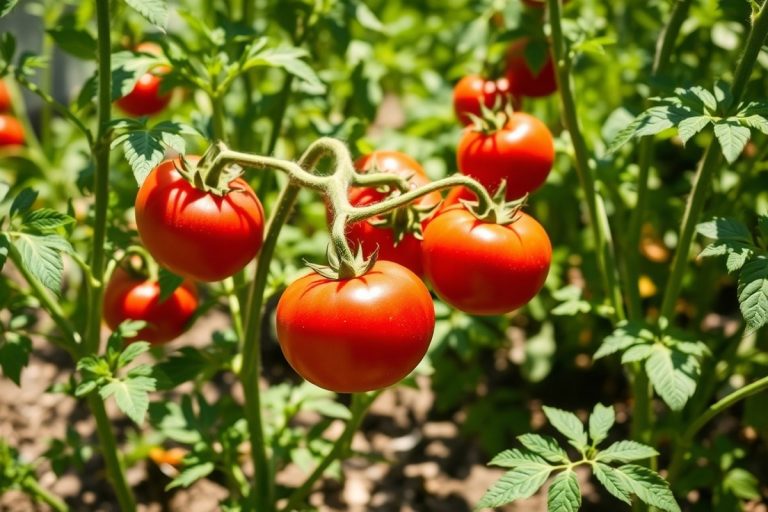
- Tomatoes and fruiting plants often need fertilizers with higher potassium, such as blends near 5-10-10.
- Don’t apply phosphorus-heavy fertilizers if your soil already has plenty. It can block micronutrient uptake.
Look at the N-P-K numbers before anything else. Check for secondary nutrients if your soil test shows a need. Don’t ignore micronutrients either if flagged.
Adjusting Fertilizer Choice Seasonally and for Plant Growth Stages
Plants need different nutrients as they grow and during different seasons. For example, lawns need high nitrogen in spring and less in late fall. Use fertilizers with more nitrogen early on and switch to balanced or lower nitrogen later.
Vegetables need nitrogen while growing foliage. When they start flowering and fruiting, switch to formulas higher in phosphorus and potassium. Seasonal adjustments based on soil or plant tests prevent problems like nutrient burn or weak growth.
Don’t use a complete fertilizer if your soil test shows enough of one nutrient. It wastes money and risks plant health.
What Secondary Nutrients and Micronutrients on Fertilizer Labels Mean
Besides nitrogen, phosphorus, and potassium, fertilizers often show secondary nutrients like calcium, magnesium, and sulfur. These elements help plants stay strong and perform functions that NPK can’t do. Calcium makes cell walls stronger.
Magnesium helps plants make food. Sulfur is needed to build proteins.
Micronutrients like iron, boron, zinc, and manganese appear in smaller amounts on labels. Though plants need much less of these, they’re important for enzyme activities and overall health. For instance, iron helps with chlorophyll production, giving leaves their green color and aiding energy creation.
You’ll usually see these nutrients listed after the NPK numbers. Sometimes they show up as elemental symbols. They also appear in the guaranteed analysis.
Look carefully at the bag because not all fertilizers list micronutrients. The amounts vary by product. Water-soluble formulas might show these values more clearly than granular types.
Adding fertilizers with secondary and micronutrients is helpful if soil tests show deficiencies. You can get blends with calcium or magnesium to fix problems. Blossom end rot or yellow leaves often need these.
These blends help plants grow healthy again. Using these nutrients right means reading the label first.
The label tells you how much to use. Usually, it’s just a few ounces per 1,000 square feet.
When plants lack these nutrients, growth slows down. They may produce poor fruit or look unhealthy. This can happen even with good NPK care.
Too much calcium, though rare, can limit the uptake of other elements, so balance matters. Applying these nutrients thoughtfully helps plants thrive beyond what standard NPK alone can do.
Common Mistakes When Reading Fertilizer Numbers and How to Avoid Them
Many people wrongly think fertilizer numbers show mixing ratios. These numbers actually tell the percent weight of nitrogen, phosphorus, and potassium. Using them as ratios can cause too much or too little application.
A soil test helps you know exactly what nutrients your lawn needs. Without it, you risk harming your lawn or upsetting nutrient balance.
Fertilizer burn results from applying excess nitrogen on your lawn. High-salt fertilizers such as 24-8-12 often cause this problem. These mixtures carry a salt index that harms grass blades and roots.
Measure your lawn carefully before starting. Apply one pound of nitrogen for every 1,000 square feet. This precise amount helps prevent damage.
Water your grass right after fertilizing. Avoid adding more fertilizer for at least six weeks to keep plants safe.
- Always test your soil before choosing fertilizer numbers.
- Don’t rely on product ratios; calculate exact application rates.
- Avoid high-phosphorus fertilizers if your soil already has enough phosphorus.
- Water lawn well after spreading fertilizer to prevent burn.
- Space applications at least six weeks apart to avoid overload.
- Do not mix incompatible fertilizers to prevent chemical reactions.
- Check for secondary nutrient needs that might not show in N-P-K numbers.
Applying the wrong amount from fertilizer numbers stunts plant growth. It can also cause leaves to turn yellow from nutrient imbalances. Watch your application closely to avoid these issues.
High soil phosphorus can block iron and zinc uptake. This lowers nutrient absorption and causes leaf yellowing called chlorosis. Extra phosphorus only makes these problems worse for your plants.
Saturated or compacted soil also increases phosphorus runoff, causing pollution and wasting fertilizer. Using fertilizer numbers along with soil tests helps you avoid these problems.
Mixing fertilizers without checking compatibility can cause nutrient lockout or chemical hazards. Always read product labels and avoid combining products that do not recommend mixing. Following these tips supplies your lawn with proper nutrients.
This helps avoid plant damage or wasting fertilizer. Your garden will grow healthier with the right care.
How to Interpret Fertilizer Labels with Elemental and Oxide Forms (P2O5 and K2O)
Fertilizer labels list phosphorus and potassium as oxides, like P₂O₅ and K₂O. These are not the actual amounts of elemental phosphorus (P) and potassium (K) your plants need. You convert the oxide numbers to elemental values to know the real nutrient content.
Understanding Fertilizer Label Chemistry Terms
Phosphorus appears as P₂O₅ on fertilizer labels, called phosphate. Potassium shows up as K₂O or potash. These oxide forms come from industry standards, not the pure element amounts plants absorb.
Nitrogen, on the other hand, is listed as the actual elemental value (N). This difference means you must convert P₂O₅ and K₂O numbers to understand phosphorus and potassium content. It helps compare fertilizers and plan your garden feeding correctly.
Converting P2O5 to Elemental Phosphorus
P₂O₅ contains phosphorus but weighs more because of oxygen atoms. To find elemental phosphorus, multiply the P₂O₅ number by about 0.44. This factor reflects the ratio of phosphorus in the oxide.
For example, a 10-20-10 fertilizer label means 20% P₂O₅. Calculate 20 × 0.44 = 8.8% elemental phosphorus. Your plants get 8.8% phosphorus, not 20% as the label says.
- Find the phosphorus oxide number (P₂O₅) on the label, the middle number.
- Use the conversion factor 0.44 to calculate elemental phosphorus.
- Multiply the P₂O₅ percentage by 0.44 to get actual phosphorus.
- Compare this value with plant phosphorus needs from guides or soil tests.
Always convert P₂O₅ to elemental phosphorus before matching fertilizers to soil test results.
Converting K2O to Elemental Potassium
Potassium in fertilizer is listed as K₂O, not elemental potassium (K). The factor to convert K₂O to K is roughly 0.83. This means you multiply the potassium oxide number by 0.83.
Take a fertilizer labeled 8-0-24. The 24 is K₂O.
So 24 × 0.83 = 19.9% elemental potassium available to plants. This value is lower than the oxide number but tells you the real potassium content.
- Find the potassium oxide (K₂O) number on the label, the third number.
- Multiply the K₂O value by 0.83 to convert to elemental potassium.
- Use this elemental potassium number when calculating plant nutrient needs.
Do not use K₂O values directly when balancing nutrients for your garden plants.
Step-by-Step Action Plan to Understand and Use Fertilizer Numbers
Follow these clear steps to choose and apply fertilizer based on its numbers. This helps your plants get exactly what they need without waste.
- Before you buy: Get a soil test to know nutrient levels. This guides your fertilizer choice and prevents overfeeding.
- Right after purchase: Check the fertilizer bag for numbers and forms like P2O5 or K2O. Confirm it matches your soil needs.
- Day of application: Measure the fertilizer amount using the bag’s recommended rate. Use a scale or measuring cup for accuracy.
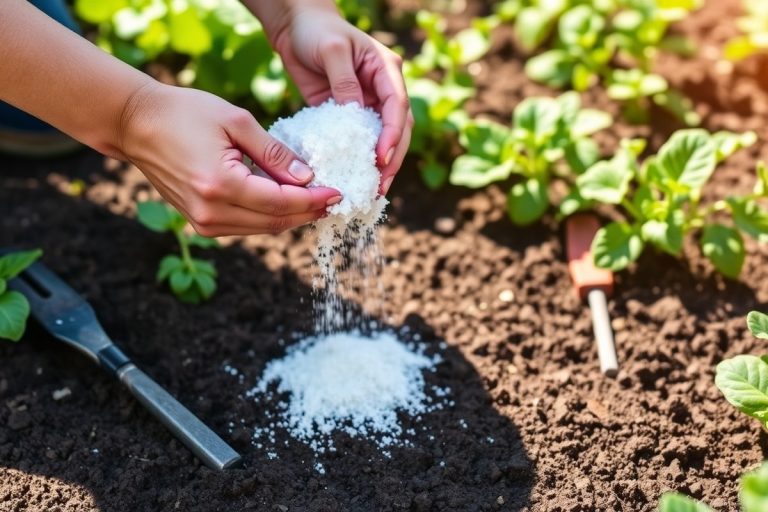
- During application: Spread fertilizer evenly on dry soil or lawn. Avoid piles that can burn plants.
- One week later: Water the area gently to push nutrients into the soil. Avoid heavy watering that causes runoff.
- Two weeks after: Check plant growth. Look for greener leaves or stronger stems as signs nutrients work.
- Monthly check: Note any yellowing or slowing growth. Adjust fertilizer type or amount if plants show issues.
- Before next season: Repeat soil test to see nutrient changes. This helps you fine-tune fertilizer numbers next time.
Frequently Asked Questions
How Do I Adjust Fertilizer Application If My Soil Test Shows Excess Phosphorus?
Skip fertilizers with phosphate if your soil test shows excess phosphorus. Focus on nitrogen and potassium to balance plant nutrition properly. Excess phosphorus can harm the environment, so avoid overapplication.
Can I Use Fertilizer Numbers to Compare Lawn Fertilizers from Different Brands?
Yes, fertilizer numbers follow the N-P-K convention across brands. This means you can compare the nitrogen, phosphorus, and potassium percentages directly. It helps pick the right blend for your lawn’s needs regardless of brand names.
What Does a Fertilizer Number of 0-0-0 Mean in Practical Use?
A 0-0-0 fertilizer means no nitrogen, phosphorus, or potassium are present. It’s usually a carrier or filler product without active nutrients. Use it only if your plants need micronutrients or soil conditioners added separately.
How Does Fertilizer Number Affect the Frequency of Application?
Higher nutrient percentages often mean less frequent applications to avoid burning plants. Fertilizers with lower nutrient numbers may require more frequent feeding for steady growth. Always follow label rate recommendations to match your plant’s needs.
Can Fertilizer Numbers Tell Me About Slow-Release vs. Quick-Release Nutrients?
Fertilizer numbers alone don’t specify release speed. Check the label for terms like “slow-release” or “controlled-release.” Slow-release fertilizers provide nutrients over time, reducing the chance of plant stress or nutrient loss.
Are Secondary and Micronutrient Amounts Listed with Fertilizer Numbers?
Secondary and micronutrients usually aren’t in the main N-P-K numbers. They appear separately on the label if included. Scan that section if your soil test shows deficiencies in nutrients like calcium, magnesium, or iron.
The Bottom Line
Fertilizer numbers tell you what nutrients your plants get. Use soil tests to pick the right mix. Start by testing soil and matching the numbers today.