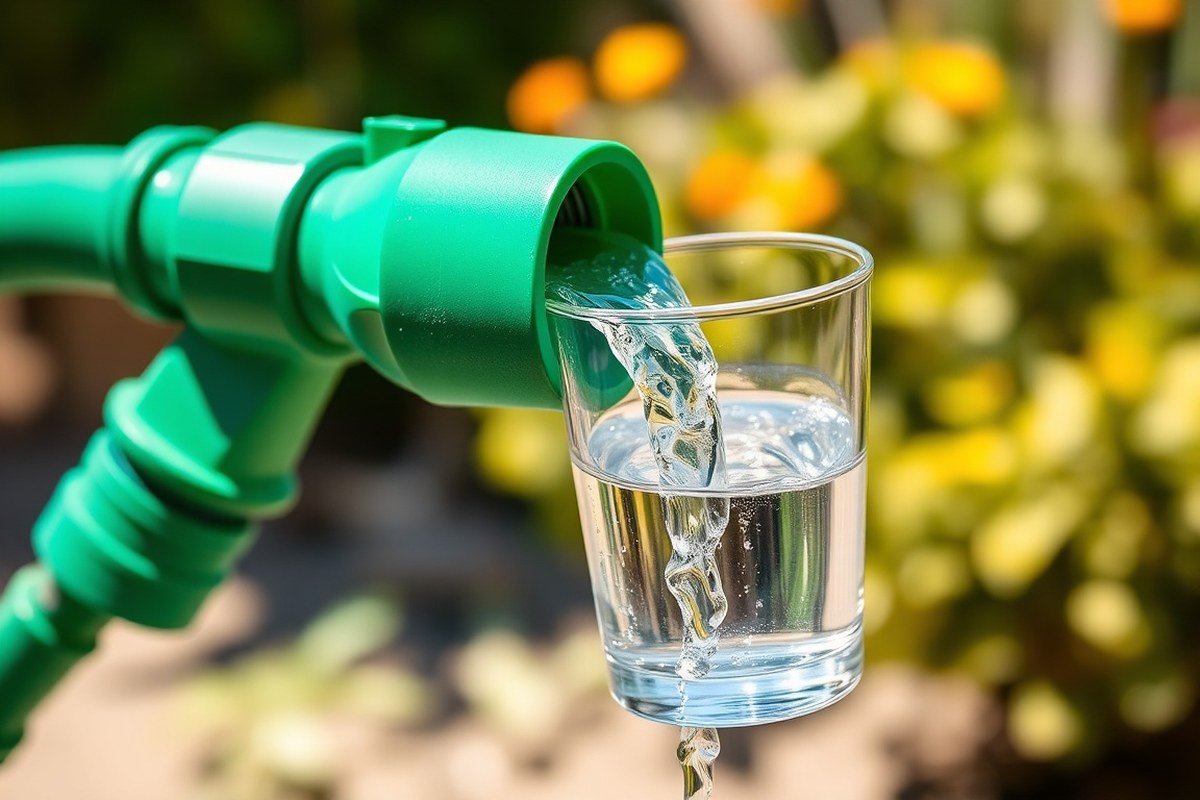
Is Water from a Hose Safe to Drink? 8 Key Facts for Safe Use
Most garden hoses are not safe for drinking. Many contain chemicals like lead, BPA, or phthalates that can leach into the water. These chemicals may cause harm when ingested.
Some hoses use materials safe for drinking water. Look for hoses certified by NSF/ANSI 61 or 372 to limit harmful contaminants and heavy metals. These certifications ensure safer water quality.
Always flush hoses by running water for 30 seconds before drinking. This clears out bacteria and stagnant water. Flushing does not remove chemical residues from the hose.
Choose hoses made for drinking water and replace them every 5 to 10 years. Avoid old, faded, or cracked hoses, which may leach more chemicals. Store hoses away from sun and heat to keep them safer.
Key Takeaways
- Use hoses certified NSF/ANSI 61 or NSF/ANSI 372 for drinking water safety.
- Flush hoses for at least 30 seconds before use to reduce bacteria and metals.
- Avoid hoses labeled for outdoor use only; they may leach harmful chemicals.
- Replace garden hoses every 5 to 10 years as materials degrade over time.
- Do not assume running water briefly removes plasticizers and toxins from hoses.
- Look for hoses that contain less than 0.25% lead to limit heavy metal exposure.
Is Garden Hose Water Safe to Drink?
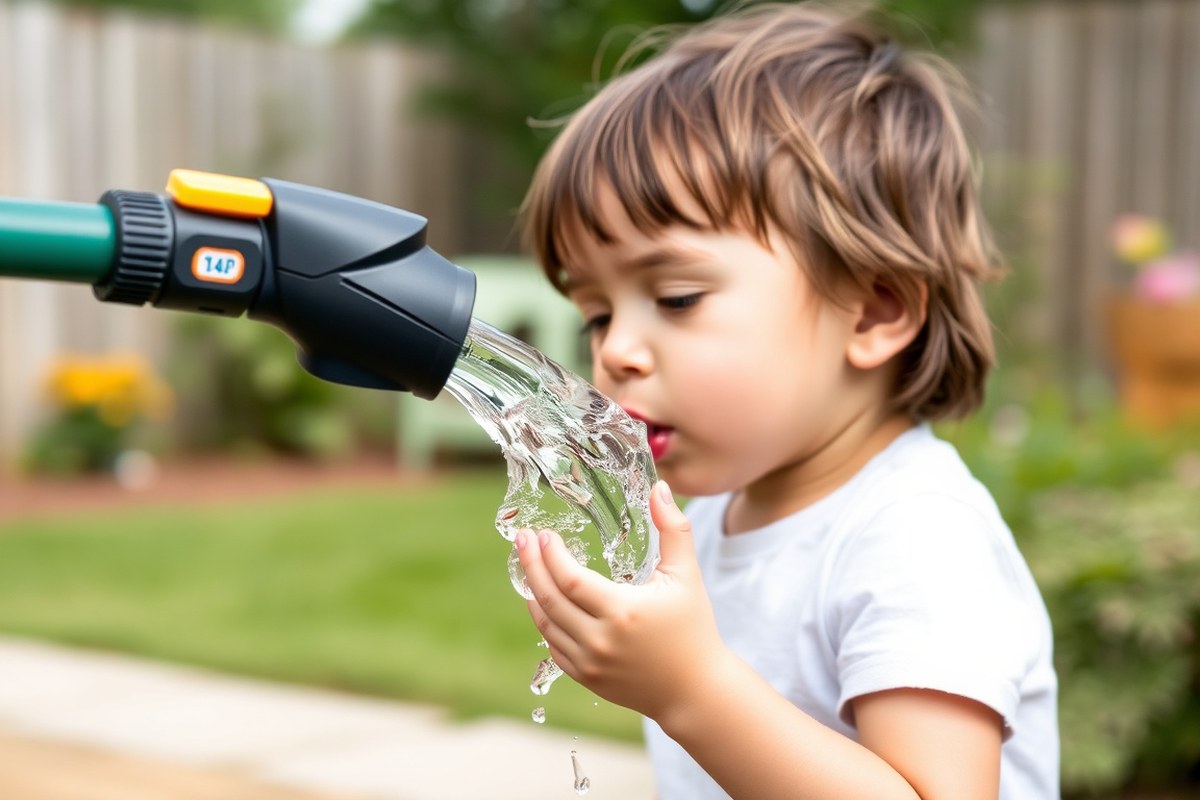
Drinking water directly from a garden hose is usually not safe. Regular hoses can leach harmful chemicals like lead, phthalates, and BPA into the water. Even if your tap water is safe, the hose material may introduce contaminants.
You can make hose water safer with hoses labeled “drinking water safe.” These hoses meet NSF/ANSI 61 or NSF/ANSI 372 standards. Look for these certifications to choose the right hose.
These hoses use materials that don’t release toxic chemicals. Even certified hoses can have stagnant water inside from past use. This water can hold bacteria or mold.
So it’s best to flush the hose before use. So letting the water run for a minute before drinking helps clear it out.
Not all hoses are designed for drinking water. So avoid using just any hose to drink from without checking the label. Drinking water safe hoses usually cost $20 to $40 more than standard hoses.
This extra cost pays for safer materials and certifications. You decide if it’s worth it for your needs. Regular replacement every few years is important because hoses can degrade and become unsafe over time.
Using a filter attachment doesn’t guarantee safe drinking water from a garden hose. Filters may not remove chemicals leached from the hose itself or eliminate some bacteria. Keep safe drinking water outdoors by filling a bottle with tap water.
Or use a cooler filled with sealed drinking water. Avoid drinking water directly from the hose to be safe.
How Chemicals and Toxins Leach into Hose Water
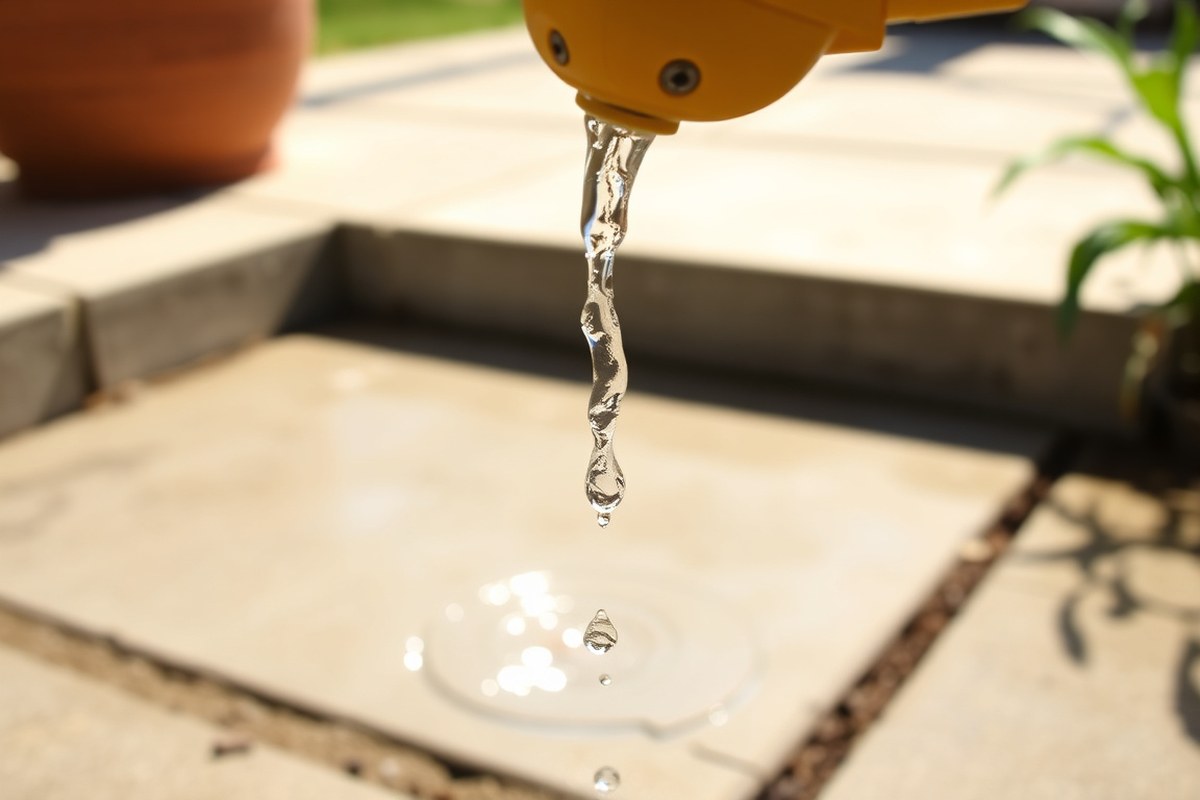
Garden hoses often contain materials that can leach harmful chemicals into the water. PVC and vinyl hoses commonly have lead, BPA, and phthalates added during manufacturing.
These substances are not tightly bound to the plastic. So they can seep into the water you drink.
Heat and sunlight make this problem worse. When hoses sit in the sun, chemicals leach faster into the water.
This happens especially when the temperature is above 70°F. Warmer hoses release more chemicals. On a hot day, the hose surface can reach 120°F or more, increasing chemical release noticeably.
Lead in garden hoses mainly comes from fittings or recycled plastic parts. Even small amounts of lead exposure can cause neurological damage and developmental delays in children. The Ecology Center reports that lead levels increase significantly with heat exposure.
Phthalates act as plastic softeners in PVC hoses. They may cause reproductive problems and worsen asthma symptoms. Chemical release grows from moderate to high when hoses warm in the sun.
Heat speeds up chemicals leaching into water inside the hose. This raises health concerns.
BPA, found in some vinyl and PVC hoses, disrupts hormones and may raise cancer risk. It leaches from hoses more as sunlight exposure grows. Studies have found BPA levels in some hose water above safe drinking limits.
Water sitting inside hoses can also gather bacteria. But chemical risks are a separate concern. Drinking from a typical garden hose often means swallowing a mix of unwanted chemicals and microbes.
Hoses labeled “drinking water safe” use safer materials to stop leaching. They have barriers inside to keep chemicals out of the water. This makes them safer for drinking.
Don’t drink from garden hoses not rated for drinking water. This is very important on hot, sunny days. Chemicals can build up and harm you.
Understanding Safe Drinking Water Hose Materials and Certifications
Only hoses made from safe materials are safe for drinking water. These hoses contain no harmful chemicals like lead or phthalates. Checking for these certifications ensures the hose meets strict limits for potable water use.
Popular Hose Materials Compared
Many garden hoses use materials like vinyl, rubber, or braided PVC. Not all are safe for drinking water. Rubber hoses can contain toxic additives unless certified specifically for potable water.
Certified hoses often use braided PVC or specially treated rubber. Braided PVC hoses labeled “drinking water safe” usually have lower chemical risks. Avoid hoses with cheap vinyl, which can leach harmful substances into water.
Key Certifications to Look For
NSF/ANSI 61 certification confirms the hose material doesn’t contaminate water. It ensures the product meets federal drinking water standards and contains no lead or harmful phthalates. Hoses certified under NSF/ANSI 372 have lead content under 0.25% in water-contact parts.
Both certifications are critical for potable water safety. Most hoses designed for drinking will show the NSF logo with the standard number. Only trust hoses specifically labeled for drinking water use and bearing these marks.
Checklist for Verifying Hose Safety
Check the hose packaging or product for these signs before buying or using:
- Label states “drinking water safe” or “potable water hose.”
- NSF/ANSI 61 or 372 certification number is visible.
- Material listed as braided PVC or drinking-water-safe rubber.
- Manufacturer claims compliance with the Safe Drinking Water Act.
- Look for the NSF logo on the hose or box.
Missing these indicators means the hose is likely unsafe for drinking. For older hoses without labels, assume they are not safe. When in doubt, get one labeled and certified for drinking water.
| Hose Material | Common Use | Safe for Drinking? | Certification Needed |
|---|---|---|---|
| Vinyl (PVC) | Lower-cost garden hoses | No, usually leaches chemicals | NSF/ANSI 61 for safe versions |
| Braided PVC | Higher-end drinking water hoses | Yes, if certified | NSF/ANSI 61 and/or 372 |
| Rubber (non-certified) | Generic garden hoses | No, often toxic additives | Must have NSF/ANSI 61 to be safe |
| Rubber (certified) | Specialty drinking water hoses | Yes | NSF/ANSI 61 and 372 |
How to Minimize Microbial and Stagnant Water Risks in Hoses
Stagnant water inside a hose can grow bacteria and other microbes. Running water for a minute or more flushes them out. You should also clean and store hoses well to keep germs away.
Why Stagnant Water Breeds Bacteria
Water left standing inside a hose creates the perfect spot for microbes to multiply. Bacteria and fungi thrive in warm, damp conditions inside the hose. This stagnant water may contain parasites, making it unsafe to drink.
Hoses stored outside often sit in dirt or near insects. This adds potential contamination risks. Even hoses labeled as “drinking water safe” can harbor germs after sitting idle.
Proper Flushing Technique Before Drinking
Flushing your hose means running water through it to clear out stagnant water and microbes. Cold water should flow for at least 30 seconds before drinking. Many people don’t realize a few seconds isn’t enough.
Flush longer if the hose hasn’t been used for days or was exposed to direct sunlight. This helps reduce bacteria and removes any chemicals that may have leached into the water. Still, flushing can’t remove all chemical contamination.
Cleaning and Storing Hoses Hygienically
Clean your hose’s exterior regularly to stop mold, algae, and dirt buildup. Use mild soap and water; harsh cleaners could damage the hose. Aim to clean the outside every three months or as needed.
Store your hose properly to avoid UV rays and dirt damage. This helps it last longer and cuts down on bacteria buildup.
Store the hose on a reel or hang it in a shaded area after each use. Avoid leaving hoses in direct sun or on the ground.
Follow these steps to flush, clean, and store garden hoses safely:
- Turn on the outdoor faucet and connect your hose.
- Let cold water flow through the hose for half a minute to clear it out.
- Let water flow longer if the hose has been unused for days.
- Disconnect the hose and inspect for cracks or damage monthly.
- Wash the hose exterior gently with mild soap every three months.
- Rinse off soap completely before storing the hose.
- Coil the hose on a reel or hang it in a shaded spot.
- Store the hose indoors or in shaded outdoor places to avoid sun.
Common Myths About Drinking from Garden Hoses Debunked
Not all rubber hoses are safe to drink from. Some hoses release chemicals like lead or phthalates into the water. Only buy hoses labelled “drinking water safe” or “lead-free” to avoid these risks.
Running water through a hose does not flush out all toxins. Chemicals can stick to the hose’s inner walls and mix with your water.
To reduce this, run water for several minutes before use. But remember this doesn’t remove contaminants completely.
Filters can help make hose water safer. Inline water filters or purification systems reduce harmful chemicals and microorganisms.
Choose filters designed for tap water or outdoor use. Replace them as recommended, usually every 3 to 6 months.
Some hoses, like soaker ones made for gardening, are lead-free. They are often safe for drinking water. Always check the label to be sure.
Using inappropriate hoses risks exposure to heavy metals and plastics. Avoid old, cracked, or chewed hoses since they can leach more dangerous substances.
Always use a hose rated safe for drinking and run water before drinking to reduce contaminants.
Leaving water standing inside a hose encourages bacteria and mold. Regularly draining and cleaning hoses lowers these risks. Storing hoses out of direct sunlight also prevents material breakdown that could pollute your water.
Taking precautions helps, but hose water is rarely safe to drink. Avoid using it instead of tap or bottled water. Use hose water only for short times.
Use hose water mainly for emergencies or outdoor activities. Trust certified products and regular maintenance to keep your water safer.
Best Practices for Safe Use, Maintenance, and Replacement of Hoses
Replace your garden hose every 3 to 5 years to keep water safe. Older hoses may leach chemicals and grow bacteria, risking your health. Check your hose every year for damage.
Look for cracks, leaks, or soft spots. Replace the hose if you find any of these issues.
Cleaning your hose regularly helps prevent dirt buildup and microbial growth. Flush the hose with clean water every few weeks, especially after heavy use. Avoid leaving water trapped inside the hose for long periods since this encourages bacteria growth.
Keep hoses in the shade to protect them from sun damage. Use a hose reel for easier storage. This keeps the hose in better condition longer.
Heat causes plastic hoses to release more chemicals. Before winter, drain your hose completely.
Store it inside or in a safe, protected spot. This prevents cracks caused by freezing temperatures.
- Inspect for cracks, leaks, and damaged fittings monthly.
- Flush the hose with fresh water every 2-3 weeks.
- Keep hoses off the ground to reduce dirt and pests.
- Store hoses away from direct sunlight to prevent heat damage.
- Drain hoses after use, especially before freezing weather.
- Replace hoses after 3-5 years or if damaged sooner.
- Choose hoses labeled safe for drinking water when possible.
Drinking water safe hoses cost more but reduce health risks. Polyurethane hoses usually last longer and resist chemicals better. Look for color changes or sticky areas on your hose.
These signs mean the hose is breaking down. Replace it to avoid water contamination.
How to Choose the Right Hose for Drinking Water Outdoors
Choose a hose labeled “drinking water safe” for outdoor drinking use. This ensures the hose won’t leach harmful chemicals into your water. Look for certain materials and certifications to make the best choice.
Key Features of Drinking Water Safe Hoses
Safe hoses use materials like polyurethane, rubber, or vinyl that don’t release toxins. The construction should avoid lead, BPA, and phthalates, which are common in cheaper hoses. Certification marks from NSF, FDA, or Safe Drinking Water Act show safety.
These marks mean the hose follows set safety standards. You can trust products with these certifications.
Check these features when shopping for a hose:
- Label “drinking water safe” or “potable water safe” clearly printed
- Certification from NSF/ANSI 61 or FDA-approved materials
- Lead-free, BPA-free, and phthalate-free materials
- Durable and flexible construction to avoid cracks or leaks
- Proper hose diameter for your needs (usually 5/8 inch for most homes)
- Food-grade fittings made of stainless steel or brass, not zinc or plastic
- Clear or light-colored hoses reduce algae growth inside
These qualities keep your water safe from toxins and bacteria. They also resist damage, extending the life of your hose.
Where to Find Certified Hoses
Most hardware stores and home improvement chains stock drinking water safe hoses. You can also buy from specialty outdoor or gardening stores that focus on safe water products. Online retailers provide detailed product descriptions and user reviews.
Look for trusted brands that specify compliance with drinking water safety standards. Organize For Living and Green Choice Lifestyle share safe hose brand lists. They keep their lists up to date.
You can check their sites to find safe models. Verify certification claims on manufacturer websites before buying.
Avoid hoses sold without clear safety labeling or that cost significantly less than known safe models. These probably use unsafe materials. Stick to recognizable retailers to reduce the risk of counterfeit or mislabeled hoses.
Making a Budget-Friendly Safe Choice
Drinking water safe hoses often cost between $30 and $60 for a 25-foot length. They run higher than standard garden hoses, which can be as low as $10. The extra cost comes from safer materials and third-party testing.
You can save money by buying only the length you need. Longer hoses can increase risk of stagnant water buildup. Store your hose in the shade to slow algae growth, which lowers water quality over time.
Here’s how to choose smartly on a budget:
- Compare price per foot to avoid overspending
- Opt for standard hose diameters to fit common faucets and accessories
- Buy from reputable brands with certifications versus unknown cheap brands
- Check for sales or discounts at local stores or online
- Store the hose properly to extend its lifespan and keep water safe
By balancing price with clear safety labels and certifications, you get clean water without overspending. Avoid cutting corners; health risks from cheaper hoses are not worth a small saving.
Safe Alternatives to Drinking Directly from Garden Hoses
Drinking directly from garden hoses is risky because most hoses contain harmful chemicals. Instead, use outdoor taps that deliver water through safe plumbing. These taps connect to your home’s treated water supply.
They are safe to drink from if properly maintained. You just need to keep them clean and check regularly.
Another easy option is bottled water or filling reusable bottles indoors. These options avoid any contact with hose materials, so they’re safer. For outdoor events, carry water in insulated containers to keep it cool and fresh.
Water filtration attachments can improve hose water safety but are not foolproof. Most standard hose filters only reduce particles and some bacteria. They don’t remove all chemicals or toxins.
A water filtration system for outdoor use costs $30 to $100. Price depends on capacity and features included. You can choose one that fits your needs and budget.
Here is a simple comparison to help decide which option fits your needs and safety concerns:
| Option | Safety | Cost | Ease of Use | When to Choose |
|---|---|---|---|---|
| Outdoor Tap (Home Plumbing) | Usually safe if plumbing is well maintained | Free to low ($0, $10 for hose nozzle) | Very easy | Daily outdoor activities, gardening |
| Bottled or Indoor-Filled Water | Very safe | Low to moderate ($1+ per bottle, reusable bottles vary) | Easy but requires planning | Picnics, sports, or any time you want safe hydration |
| Filtered Hose Attachments | Improved safety but not full chemical removal | Moderate ($30, $100) | Medium; install and maintain filters | When using hose water for drinking or cooking outdoors |
| Certified Potable Water Hoses | Safe if properly certified | Moderate ($20, $50) | Easy | Short-term outdoor hydration needs |
Certified potable water hoses reduce the risk of chemical leaching. Look for hoses labeled “drinking water safe” or “potable” when buying. Keep in mind these hoses still require regular flushing and cleaning to avoid bacterial growth.
Never drink water standing in a hose after it’s sat in the sun. Bacteria and heat boost risks.
Step-by-Step Action Plan for Safe Garden Hose Water
Use this plan to make your hose water safer for drinking and other uses. Follow each step to reduce risks from chemicals and germs.
- Before first use: Buy a hose labeled safe for drinking water like NSF/ANSI 61 certified. This reduces chemical exposure right away.
- Day 1: Flush your new hose by running water through it for 5 minutes. This clears out any manufacturing residues.
- Weekly: Drain garden hoses completely after use to prevent stagnant water and bacteria growth inside.
- Monthly: Clean the hose exterior and fittings with mild soap. Check for cracks that let in dirt or bacteria.
- Before each drinking use: Let water flow for 30 seconds. This flushes out standing water inside the hose.
- Seasonal (every 3 months): Inspect and replace hoses that show swelling, permanent bends, or foul smells. These show wear and contamination risk.
- Yearly: Change garden hoses used for drinking water. Even if they look fine, this limits chemicals and bacteria buildup.
- Anytime: Use faucet filters or water bottles instead. Do this if water tastes bad or smells musty or chemical.
Frequently Asked Questions
Can I Use Garden Hose Water for Cooking or Washing Produce?
It’s risky to use garden hose water on food unless the hose is certified safe. Some hoses leach chemicals that can contaminate produce, posing health risks.
Will Water Sitting in a Hose Overnight Become Unsafe to Drink?
Yes, stagnant water encourages microbes and chemical buildup, making it unsafe. Always drain hoses after use to reduce risks of contamination.
Does the Color or Smell of Hose Water Indicate Safety?
Not reliably. Clear water can still contain harmful chemicals or germs. Testing or certified hoses are better safety measures.
Are Vinyl Hoses Safe for Children to Drink From?
Most vinyl hoses may contain harmful chemicals like lead or phthalates. Only use hoses labeled safe for drinking water to protect children.
Can Pet Water Bowls Filled from a Garden Hose Cause Health Issues?
Using non-safe hoses can expose pets to toxins and bacteria harmful to them. Choose drinking-water-safe hoses for pet hydration to avoid risks.
Is It Okay to Drink Directly from Hoses Attached to Municipal Water?
No, hose materials can leach chemicals, even if city water is clean. Certified hoses are the only safe choice for drinking.
Wrapping Up
Water from garden hoses can be safe to drink with the right precautions. Always choose a certified drinking water hose and keep it clean. Start by flushing your hose and using fresh water each time to protect your health.