What Is the Average Humidity in a House? Ideal Indoor Range & Practical Tips
The average humidity in a house usually ranges between 30% and 50%. Experts like the EPA say this range suits comfort and health. Keeping indoor humidity near 50% helps prevent air from getting too dry or too wet.
Dry air can irritate skin, and too much moisture may cause mold growth. The ideal range is around 40% to 50% relative humidity. Homes often vary through the day, so watch for readings outside this range.
Humidity above 60% risks condensation, while below 30% makes air dry and uncomfortable. Adjust airflow or use humidifiers to keep levels balanced. Measuring relative humidity accurately is key to knowing your home’s conditions.
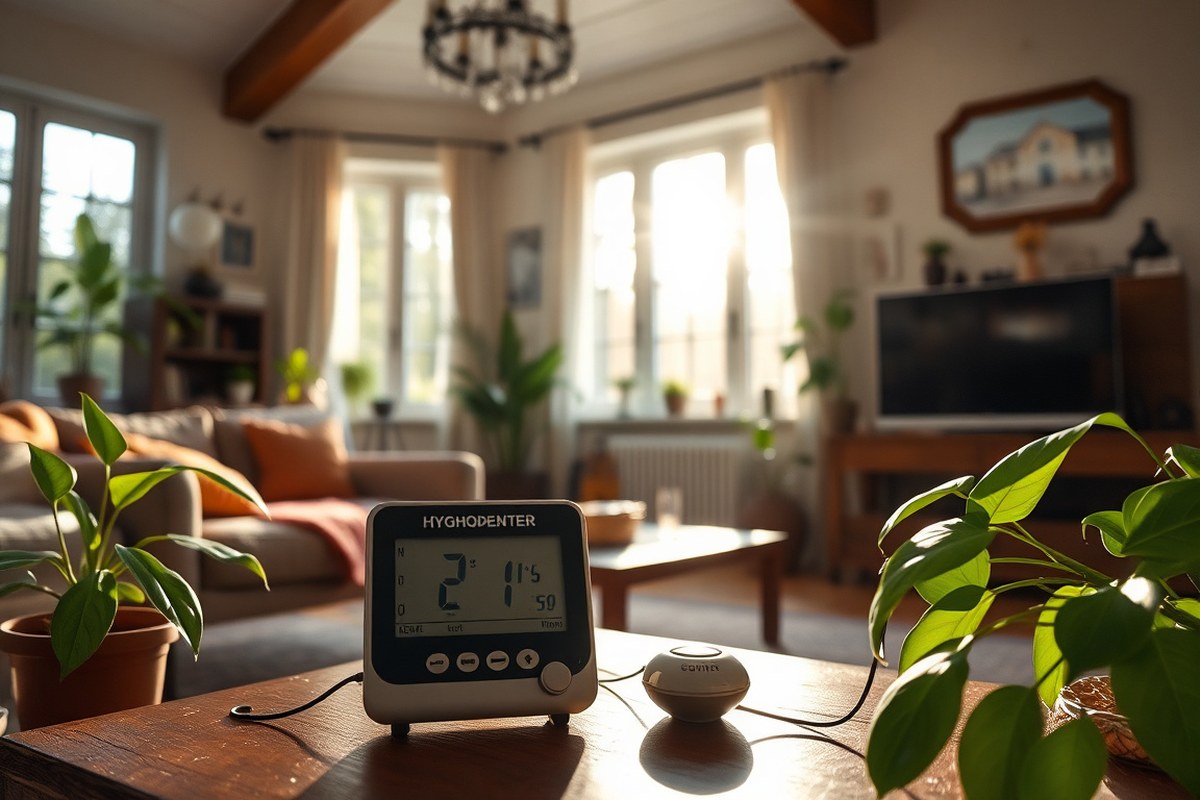
Place hygrometers away from windows, kitchens, or bathrooms to avoid skewed results. A sensor in the living area gives a clearer picture of your home’s true average humidity.
Key Takeaways
- Ideal indoor humidity ranges between 30% and 50% for comfort and health.
- Aim for around 50% to balance mold prevention and dryness.
- Measure humidity away from moisture sources for accurate readings.
- Humidity above 60% can cause condensation and mold growth.
- Humidity below 30% often results in dry skin and irritated airways.
- Use airflow and humidifiers to adjust humidity toward the ideal range.
What Is the Average Humidity in a House and Why It Matters
The average indoor humidity in most US homes is between 30% and 50%. This range measures relative humidity (RH). It reflects moisture levels inside your house.
This range fits with what groups like the EPA recommend for comfort, health, and home protection. You can expect 40% to 50% RH when conditions are near ideal.
This means your home’s air feels neither too dry nor too wet. Such humidity is comfortable for most people.
Humidity matters because it affects how comfortable you feel and how healthy your home environment is. At levels below 30%, air feels dry, which can irritate your throat and skin. Above 50%, moisture can boost allergens, mold, and dust mites.
These can hurt your respiratory health. They might also damage your home.
Indoor humidity changes with seasons and location. For example, dry states like Arizona might see indoor RH drop to 15% in winter. In humid areas like Florida, indoor RH can stay over 50% most year.
Knowing your home’s average humidity helps you decide on equipment. You might need a humidifier or a dehumidifier. The goal is staying in the 30% to 50% comfort zone.
Controlling humidity often involves checking with a simple indoor hygrometer, which costs $10 to $30. It’s a quick way to monitor your home’s air moisture. Small steps like adjusting ventilation or using fans can help balance humidity.
These are cheaper than big fixes. They work when your humidity strays from the target range.
Keeping your home’s humidity in the right range protects wood, paint, and fabrics from humidity-related damage. It also keeps airborne germs and mold growth lower. Even small changes toward 30% to 50% RH improve comfort noticeably.
They also help with home maintenance. You don’t always need major investments.
How Relative Humidity Works and How to Measure It Accurately
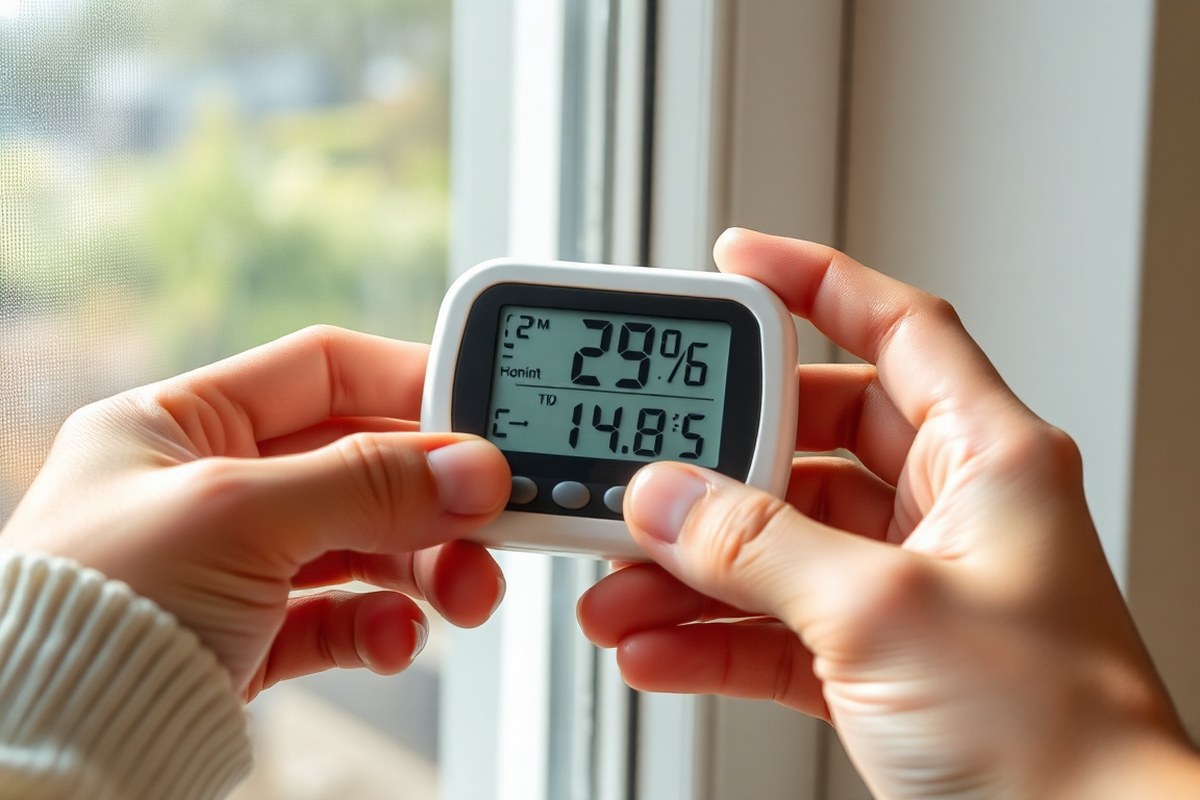
Relative humidity measures how much water vapor is in the air. It compares actual moisture to the maximum the air can hold at that temperature.
You use a hygrometer to get this reading in percentage form. Knowing this helps you control comfort and avoid moisture issues in your home.
Understanding Relative Humidity Basics
Relative humidity (RH) is the percentage of moisture in the air at a given temperature. When air warms, it can hold more water vapor.
So RH changes with temperature fluctuations indoors. RH between 30% and 50% is usually best for comfort and health inside homes.
High RH can cause mold and dust mites. Low RH dries out your skin and can damage wood floors. Relative humidity shows moisture compared to the air’s max capacity.
It does not measure total moisture content. This difference matters for understanding air quality. This means RH changes even if the actual moisture stays the same.
Best Devices and Their Accuracy
Digital hygrometers are the easiest way to monitor indoor humidity. They typically cost $10 to $30 and provide readings within a 1, 2% margin of error. Place them at eye level, away from heat sources or vents for the most precise data.
Analog hygrometers are less precise but offer a quick view of humidity levels. Some smart thermostats also display RH but may vary by model and placement. Getting humidity meters for bedrooms and basements gives better data.
You see how moisture changes in important rooms. This helps you manage humidity more easily.
Tips for Consistent Readings Across Rooms
Humidity changes between rooms because of location and airflow. Kitchens and bathrooms add extra moisture to the air. This makes some rooms damper than others.
Measure in multiple key areas to track differences. Avoid placing hygrometers near windows, doors, or areas exposed to direct sunlight, which skew results.
Humidity readings also shift with weather, heating, and cooling cycles. Check devices at the same time each day for reliable comparisons. Look at humidity numbers along with signs like condensation or smells.
Dry skin also hints at your home’s humidity level. These clues help you manage indoor air quality.
Follow these steps to measure indoor humidity accurately:
- Choose a digital hygrometer with a 1, 2% accuracy range.
- Place the device in a central, frequently used room at eye level.
- Keep it away from windows, vents, or heating appliances.
- Take readings multiple times a day to note changes and patterns.
- Move devices to test other important rooms like the basement or bedroom.
- Record the humidity levels along with the temperature for more context.
- Look for indoor signs like condensation or dry air to match data.
- Adjust your ventilation or humidifiers based on these combined findings.
Never place a hygrometer in direct sunlight or near drafts to avoid false humidity readings.
What Is the Ideal Indoor Humidity Range for Comfort and Health
The ideal indoor humidity for health and comfort lies between 30% and 60%. Keeping it in this range helps reduce skin dryness and irritation. It also lowers the chance of respiratory issues and allergic reactions.
Humidity plays a role in how your skin feels and breathes. Too little moisture causes dry, itchy skin. Too much humidity causes a damp environment that can bring mold.
Mold and dust mites get worse. These two can worsen asthma and allergies.
Wood furniture and flooring also depend on proper humidity. Levels under 45% help prevent wood from shrinking and cracking. Too high humidity leads to swelling, warping, or even rot over time.
The ideal indoor humidity varies by season. In summer, keep humidity between 40% and 50%. This level stops too much moisture.
It also helps avoid a muggy feeling. Lower humidity helps stop mold and mildew growth during warm months.
Winter calls for 30% to 40% humidity, especially in colder climates. Cooler air holds less moisture.
Higher humidity can cause condensation on cold windowpanes and walls. This moisture buildup might damage paint and wood finishes.
This seasonal difference means you should adjust humidifiers and dehumidifiers as the weather changes. Use a hygrometer to check your home’s humidity regularly. This helps you nudge relative humidity back into the right range before problems show up.
Good airflow and ventilation also help keep humidity balanced. Exhaust fans in bathrooms or kitchens quickly reduce spikes in moisture after showering or cooking. In basements, dehumidifiers can prevent dampness that leads to musty smells and mold.
Focus on comfort rooms like bedrooms and living rooms by keeping humidity between 30% and 50%. This range helps avoid dryness overnight and maintains a pleasant atmosphere during the day. Checking these spots regularly can help catch issues early before furniture or your health are affected.
How Seasonal and Regional Climate Affect Your Home’s Humidity
Outdoor temperature has a big effect on your home’s indoor humidity. Cold air holds less moisture.
So when it’s winter and the temperature falls below 20˚F, indoor humidity should drop too. This prevents condensation on windows and walls, which can cause damage and mold growth.
Homes need different indoor humidity targets for winter and summer. In colder months, aim for 30% to 40% humidity to avoid moisture build-up. In warmer months, most homes fit 40% to 50% humidity.
Some humid areas can go up to 60%. This is okay if no mold or sweat appears.
Look at how humidity goals change with outdoor temperatures in this table:
| Season | Useful Starting Target | Main Concern |
|---|---|---|
| Spring | 35, 50% RH | Weather changes and indoor moisture |
| Summer | 40, 50% RH | Excess humidity and cooling |
| Fall | 35, 50% RH | Changing outdoor temperatures |
| Winter (colder climates) | 30, 40% RH | Window and wall condensation |
Homes in different US regions have varying humidity averages. Dry climates can see indoor humidity as low as 18% in winter.
Hot and humid areas might exceed 70% in summer if ventilation is poor. New homes built after 2000 often trap moisture inside due to tighter construction.
Adjust your home’s humidity controls depending on region and season. Use a hygrometer to check levels in various rooms regularly.
In winter, run humidifiers lightly to keep air moist without causing condensation. In summer, dehumidifiers or air conditioners help remove excess moisture.
Treat your summer and winter humidity concerns differently. A home with 42% humidity in winter has one problem. With 62% in summer, it faces a second issue.
Each problem needs a separate fix. Trying one solution for both seasons usually falls short and leaves problems unresolved.
Signs Your Home’s Humidity Is Too High or Too Low
High indoor humidity above 60% makes the air feel sticky and hard to breathe. You might see condensation on windows or notice a musty smell from mold and mildew growth. Peeling wallpaper, blistering paint, and wet insulation also point to moisture damage caused by excess humidity.
Low indoor humidity below 30% leads to dry skin, itchy eyes, and sore throats. It can cause static electricity shocks and make nosebleeds or respiratory irritation more common. You might feel uncomfortable breathing or wake up with a dry cough or dry nasal passages.
- Sticky, muggy air and window condensation from high humidity
- Mold spots, mildew smell, and allergy flare-ups inside the home
- Peeling wallpaper, blisters on paint, or warped wood surfaces
- Dry, itchy skin, chapped lips, and scratchy eyes from low humidity
- Static shocks and crackling sounds on dry days
- Frequent nosebleeds or sore throats during winter or with heaters on
- Uneven humidity signs in one room suggest poor ventilation or leaks
Controlling humidity is key to protecting your home and health. High moisture encourages dust mites and mold that worsen allergies and asthma.
Low moisture dries your skin and airways, raising your risk of colds and poor sleep. Watch for these signs near HVAC units and in basements, which often show imbalanced humidity first.
Put a hygrometer at breathing height in several rooms. This shows moisture levels well. Check each room to get the best view of humidity.
Spotting these problems early saves on costly repairs and discomfort. Only one room has mold or dryness? Open a window.
Adding a vent can also balance the air. Avoid ignoring signs like damp spots or dry skin, they usually mean adjustments are needed.
How to Maintain Ideal Humidity Levels Year-Round
Keep indoor humidity between 30 and 50 percent for comfort and health. Use a combination of humidifiers, dehumidifiers, ventilation, and smart habits. Adjust your approach seasonally to match outdoor air changes.
Using Humidifiers and Dehumidifiers Effectively
Humidifiers add moisture when indoor air feels dry, especially in winter. Dehumidifiers remove extra moisture during humid summer months to stop dampness and mold.
Use a hygrometer to track indoor humidity. Run a humidifier if levels drop below 30 percent. Turn it off or reduce use if you notice condensation on windows.
Dehumidify when humidity rises above 50 percent. High levels risk mold and dust mite growth. Portable units usually cost $150 to $300 and work well for single rooms.
Optimizing Ventilation and HVAC Settings
Proper ventilation helps control moisture and supports your heating and cooling system. Exhaust fans in bathrooms and kitchens vent moist air outside, reducing humidity spikes.
Keep HVAC systems well-maintained. Clean filters and professionally check ductwork annually. Consider whole-home ventilation systems such as energy recovery ventilators (ERVs).
These systems balance humidity levels while bringing in fresh air. They help keep your indoor air comfortable and healthy.
Adjust your HVAC settings seasonally. In winter, lower heating humidity with a humidifier if needed. In summer, use air conditioning or a dehumidifier to remove moisture.
Simple Lifestyle Habits to Control Moisture
Small daily changes keep humidity balanced without extra equipment. Dry clothes outside or use a dryer vented outdoors to limit indoor moisture.
Limit houseplants in small spaces, as they release moisture into the air. Fix leaks and water damage promptly to avoid hidden dampness that raises humidity.
Keep bedroom doors open to let air move freely. Use window fans or open windows on dry, cooler days for natural ventilation. Follow these steps to maintain ideal indoor humidity:
- Measure your indoor humidity regularly with a reliable hygrometer.
- Run a humidifier when indoor levels drop below 30 percent, usually in winter.
- Use a dehumidifier if humidity goes above 50 percent, especially in summer.
- Turn on exhaust fans when cooking or bathing to remove moist air.
- Schedule annual HVAC maintenance to ensure proper airflow and system balance.
- Check for leaks, condensation, or damp spots and repair them quickly.
- Adjust ventilation by opening windows or using fans on dry days.
- Use whole-home humidifiers or ERVs for broad, steady humidity control if needed.
Common Measurement Mistakes and How to Avoid Them
Humidity readings often seem off because of where and when you measure them. Using a smart hygrometer that logs over 24, 72 hours gives a fuller picture. It spots swings and patterns a single reading misses.
Wrong Placement Pitfalls
Placing a hygrometer near heat sources or windows skews the reading. This can cause false highs or lows that don’t reflect the whole room. Avoid kitchens, bathrooms, or direct sunlight spots.
Keep the device at about chest height in a central, open area. This helps capture average conditions without distortion. Also, avoid spots near vents that blow hot or cold air.
Ignoring Microclimates Within the Home
Your home has different microclimates in each room. Bathrooms usually have higher humidity after showers, while basements often run damp. A single hygrometer won’t spot these varied conditions.
You can place multiple hygrometers in different rooms for a better picture. Pay extra attention to bedrooms and living rooms where you spend the most time. Adjust humidifiers or dehumidifiers in response to each room’s readings.
Not Accounting for Daily Humidity Fluctuations
Humidity changes during the day, especially with cooking or heating. A quick check might catch a spike or dip that isn’t typical. Tracking over 24, 72 hours shows real patterns.
Use a smart hygrometer to log data over several days. Check readings at night to see if humidity stays steady around 30, 50%. This range controls mold and dust mites indoors per EPA guidelines.
- Place hygrometer at chest height in central rooms
- Keep it away from windows, vents, and heat sources
- Use multiple devices in bathrooms, bedrooms, and basements
- Track readings for at least 24 hours to see patterns
- Check nighttime levels to avoid humidity spikes over 60%
- Adjust humidifiers or dehumidifiers according to logged data
- Remember cooking and showers can cause short-term humidity changes
Following these steps helps you get reliable humidity data for your whole home. Avoid common errors and rely on smart devices for informed decisions. This way, you’ll manage your home’s humidity better for comfort and health.
When to Call a Professional for Humidity Problems
Call a pro if your home still feels sticky after using a dehumidifier. Mold appearing is also a sign to get help. Don’t ignore these persistent problems in your home.
Persistent high humidity above 60% needs expert assessment to prevent damage. You see mold spots on bathroom ceilings or near vents.
Your HVAC system feels inefficient. These signs mean you should get help.
An expert can test hidden moisture sources and check your HVAC system’s performance. They may install better ventilation or advanced dehumidifiers that work with your heating and cooling system. Sometimes sealing air leaks or fixing plumbing leaks stops extra moisture from entering your home.
- Persistent humidity above 60% for over two weeks
- Visible mold growth despite regular cleaning
- Musty odors that do not go away
- Condensation or water stains on walls or windows
- HVAC system not controlling air moisture effectively
- Health symptoms like allergies or respiratory irritation
Experts can offer solutions ranging from installing whole-home dehumidifiers to upgrading ventilation systems. Costs vary widely: standalone dehumidifiers cost $200 to $700.
But whole-home systems with installation can run $1,000 to $3,000 or more. Repairs to plumbing or air sealing might add to expenses.
After professional work, expect your indoor humidity to stay between 30% and 50%. That stops mold growth, controls dust mites, and makes air comfortable. Issues that return may mean more testing is needed.
Hidden causes like leaks inside walls or floors could be the problem. Look deeper to fix it for good.
Keep your humidity monitor in different rooms to catch problems early. Share these readings with your expert. It helps them understand the issue better.
Step-by-Step Action Plan for Managing Your Home’s Humidity
Follow these steps to keep your indoor humidity within the ideal range. This will help your comfort, health, and protect your home.
- Day 1: Buy a reliable hygrometer. Check your home’s current humidity level. It should read between 30% and 50% to be ideal.
- Week 1: Adjust your humidifier or dehumidifier settings based on the initial reading. Recheck the levels several times a day to see changes.
- Week 2: Inspect and fix any water leaks or poor ventilation areas. Check if humidity readings stabilize after these repairs.
- Month 1: Use exhaust fans in kitchens and bathrooms when cooking or showering. Notice if indoor humidity drops during these activities.
- Seasonal Start: Prepare for weather changes by adjusting your humidifier or dehumidifier settings. Confirm your system keeps humidity steady as outside humidity shifts.
- Annual Check: Have a professional inspect your HVAC system and humidity controls. Make sure everything works properly for consistent humidity control.
Frequently Asked Questions
What Is the Average Humidity in a House?
The average indoor humidity is usually between 40% and 50%. This range keeps your home comfortable and healthy most of the year.
Why Does My House Humidity Drop in Winter?
Cold outdoor air lowers indoor humidity when heated inside your home. Heating the air makes it dry, so humidity falls without extra moisture.
Can Humidity Affect My Heating Bills?
Yes, higher indoor humidity can increase heating costs. Moist air feels warmer, so you might use more heat on dry days.
Is 70% Indoor Humidity Too High?
Yes, 70% humidity indoors is too high and can cause problems. It promotes mold growth and makes your home feel muggy.
Why Aim for 50-55% Humidity Sometimes?
Aiming for 50-55% humidity helps balance comfort and mold prevention. It’s a good target when outdoor conditions add moisture inside.
Does Humidity Vary by Room?
Yes, humidity often varies between rooms due to moisture sources. Bathrooms and kitchens usually have higher moisture than bedrooms or living rooms.
The Bottom Line
The average indoor humidity should stay around 30% to 50%. Keeping this range helps your comfort and home’s health. Start by checking your humidity today with a simple meter to see where you stand.


2 Comments