How Much Sunlight Do Tomato Plants Need for Best Growth and Yield
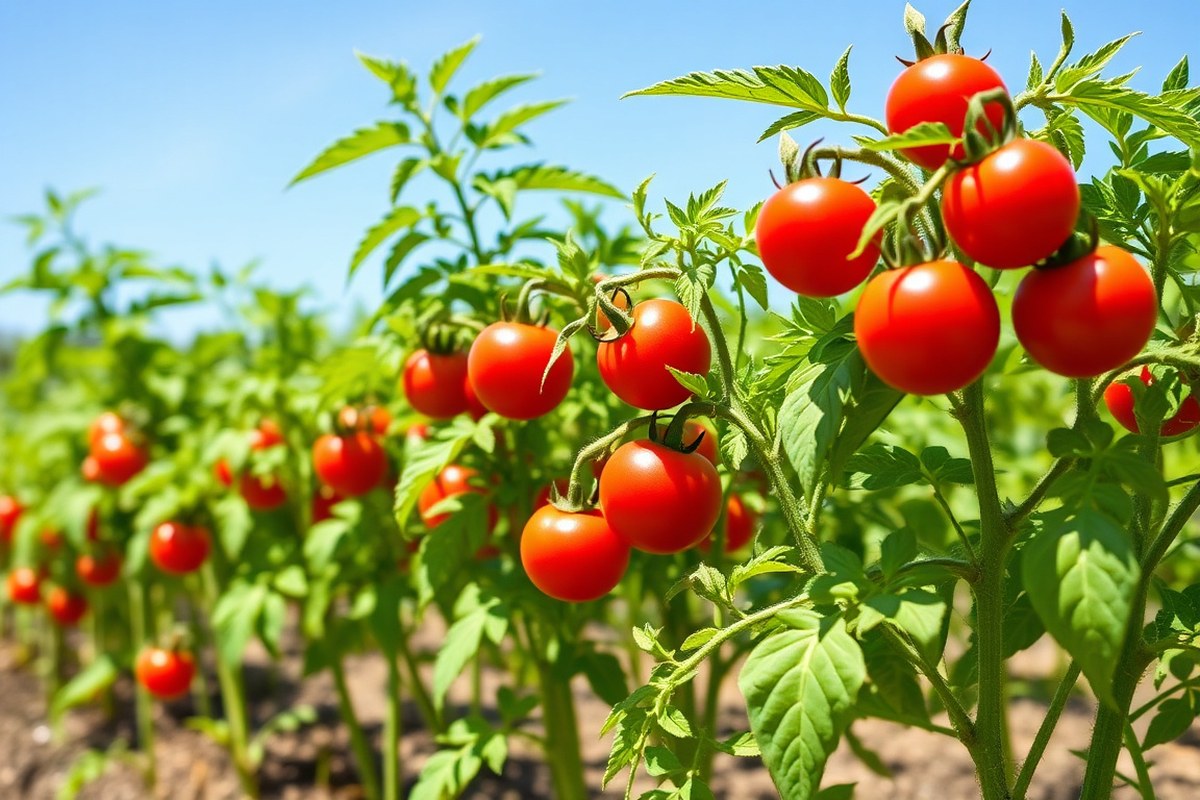
Tomato plants thrive when they receive 6 to 8 hours of full sun each day. This amount of sunlight helps flowers and fruits develop well. If the plants get under 6 hours, your yield might drop a lot.
Getting 6 to 10 hours of sun is even better in cooler climates. Hot afternoon sun over 8 hours can stress your tomato plants. Watch for signs like leaf wilting or sunburn on leaves.
Adjust shade or watering to help plants handle the heat. Sometimes shade or protection helps prevent leaf and fruit damage there.
Start by choosing a sunny spot that gets morning sun if possible. Morning sun warms the plants gently and dries dew off leaves quickly. This cuts down on fungal issues later on and keeps your tomatoes healthy.
Key Takeaways
- Tomato plants require a minimum of 6 to 8 hours of direct sun each day. This sunlight supports healthy growth and fruit development. Less sun reduces the plant’s overall productivity.
- More than 8 hours of sun may stress plants in very hot regions.
- Morning sun is gentler and better for tomato leaf health.
- Too little sun reduces flower and fruit production significantly.
- Choose a garden spot with full sun to maximize tomato yields.
- Protect plants with shade cloth if your area gets intense afternoon sun.
How Many Hours of Sunlight Do Tomato Plants Need Daily?
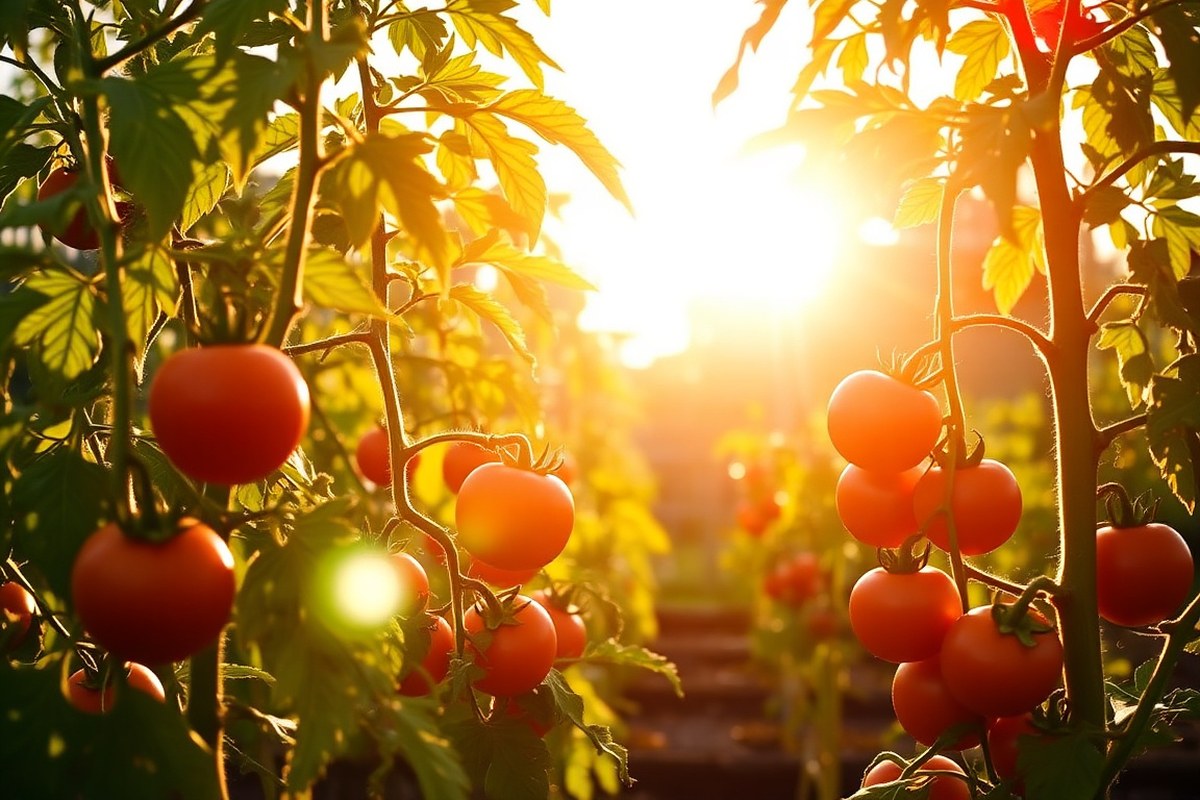
Tomato plants require 6 to 8 hours of full direct sunlight daily. Adequate sun helps the plant grow strong and produce fruit. Less sun means smaller harvests with lower quality fruits.
For the best yield and sweetest fruit, aim for 8 to 10 hours of direct sun. Full sun means unfiltered sunlight that hits the plants throughout the day. Tomato plants grown with closer to 10 hours will produce more fruit and tastier tomatoes.
Your garden should get at least 6 hours of sun daily. Less sun limits the number and size of your tomatoes. This reduces your total harvest significantly.
Tomato plants can survive on 6 hours. But the harvest will be smaller and less flavorful. When sunlight dips below 4 to 5 hours, flowering drops sharply, cutting your total crop dramatically.
Placing tomato plants where they receive steady, direct sunlight is a must. Even partial shade for several hours can lower fruit quality and quantity. Choose garden spots that stay bright most of the day.
Avoid places shaded by trees or tall plants. Look for open areas that let sunlight reach the plants fully.
Keep in mind that the duration of sunlight directly affects your tomato crop’s success. More sun means stronger plants and juicier, sweeter tomatoes. Pick a location with 6 to 8 hours of direct sun each day.
More sun exposure often boosts tomato growth and fruit size. Aim for the sunniest spot you can find.
Sunlight Needs Differ by Tomato Variety
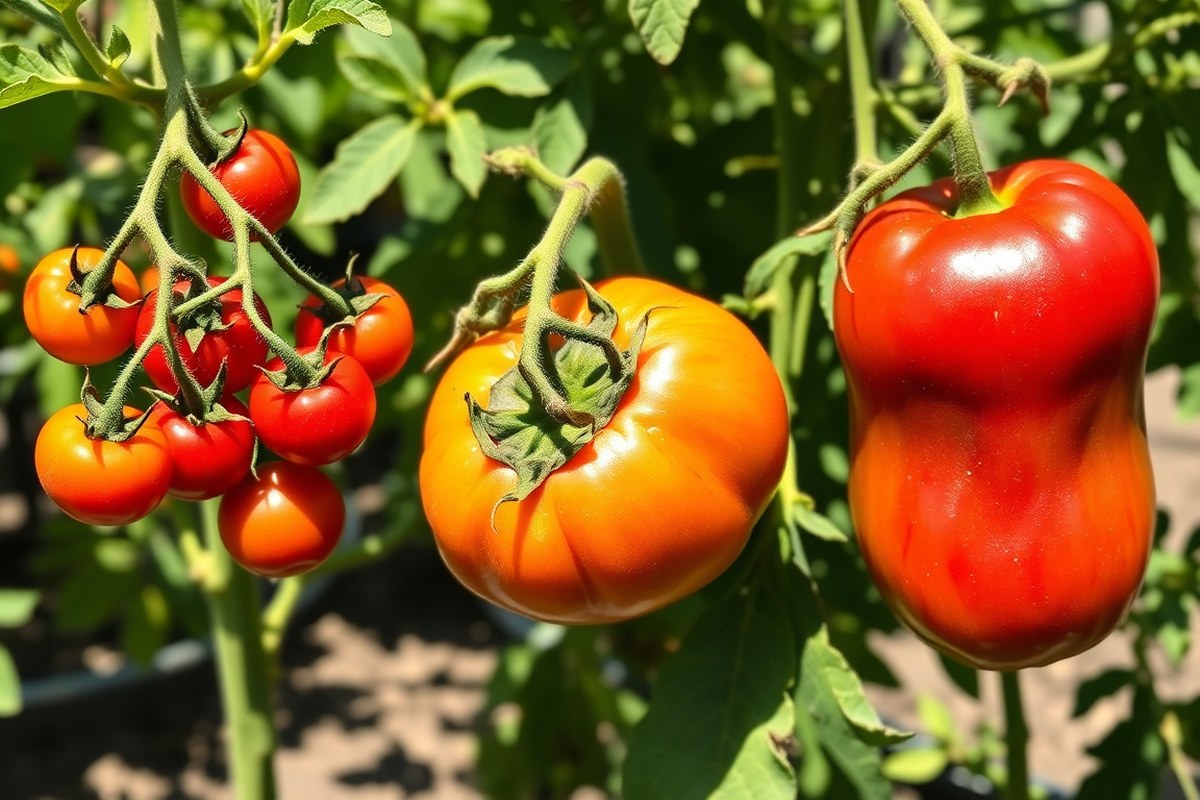
Sunlight needs vary a bit depending on the tomato type. Smaller fruiting varieties like cherry tomatoes get by with less.
Larger types like beefsteak need the most. Heirlooms fall in between, needing a moderate amount of sun to do well.
Sunlight Hours for Cherry Tomatoes
Cherry tomatoes need about 6 to 8 hours of full sun daily. They need less sun than bigger tomatoes due to lower energy use. That makes them good for areas with some shade or less sun.
These smaller plants still make fruit with less light. But your harvest will drop if sunlight is under six hours. Keep that in mind for planning your garden spot.
Your garden can have less than six hours of sun and still grow cherry tomatoes. They can give you fresh fruit even with lower sunlight. Many gardeners enjoy this for shaded or partly shaded areas.
They do well facing east or west where sun is limited. These spots get sunlight mostly in mornings or afternoons. That shorter, partial sun still supports good fruit growth.
Sunlight Hours for Heirloom Tomatoes
Heirloom tomatoes typically need between 7 and 9 hours of sun every day. Their size and growth style require more light than cherry tomatoes but less than beefsteaks. Adequate sunlight helps heirlooms develop their remarkable flavors and unique colors.
They grow best in places with sun most of the day. Yet, they can still produce fruits with the lower sun limit. So forgiving of less sun, but prefer full sun when possible.
Heirlooms do better in gardens with south- or southeast-facing exposure. These directions offer strong morning sun, which is important for their steady growth.
Sunlight Hours for Beefsteak Tomatoes
Beefsteak tomatoes need the most sun: around 8 to 10 hours daily. These large-fruited varieties demand full sun to build enough energy to grow big and juicy tomatoes. Without enough light, fruit size and production drop noticeably.
These tomatoes do best in spots with unblocked southern exposure. Afternoon sun is also valuable but combined morning and afternoon sun provide the best results. Less than eight hours of sunlight usually leads to smaller, fewer tomatoes.
Below is a table that matches common tomato types with their sunlight requirements. It helps you pick the right place and tomato for your garden’s light conditions.
| Tomato Type | Sunlight Hours Needed | Typical Placement | Light Tolerance Notes |
|---|---|---|---|
| Cherry Tomatoes | 6, 8 hours | East or West-facing spots | Can tolerate partial sun, smaller fruit |
| Heirloom Tomatoes | 7, 9 hours | South or Southeast-facing areas | Needs steady sun, good flavor production |
| Beefsteak Tomatoes | 8, 10 hours | Full South-facing exposure | Requires full sun to maximize fruit size |
Choosing the right tomato type for available light affects your harvest quality. Under six hours of sun, choose cherry tomatoes or sun-tolerant types. Varieties like Black Cherry or Juliet Hybrid do well in partial shade.
They give better results in less sunny spots than bigger tomatoes. Larger tomatoes need planning to get enough sun.
Tip: Don’t plant beefsteak tomatoes where morning or afternoon sun is blocked. They need full, direct light for best fruit.
How Sunlight and Heat Stress Affect Tomato Plants
Too much sun and heat can harm tomato plants by causing stress and damage. Temperatures above 85°F combined with strong sunlight often lead to blossom drop. You can prevent damage by recognizing heat stress symptoms and using protective steps like shade cloths.
Heat Stress Symptoms to Watch For
Tomato plants under heat stress show telltale signs you should catch early. Leaves may curl, turn pale, or develop dry, brown patches. Blossom drop happens when flowers fall off without setting fruit, especially above 85°F.
Heat stress also reduces fruit size and slows growth. Watch for wilting in midday heat, even if you just watered. These signs mean your plants need relief from the sun or cooler conditions.
Best Practices to Protect Plants from Excessive Sun
Choose a garden spot with some afternoon shade if temperatures regularly go over 90°F. Morning sun with afternoon shade helps tomatoes grow without heat damage. Water deeply in the morning so plants stay hydrated through the heat.
You can also mulch around the base to keep roots cool and moist. Avoid pruning too much, as leaves protect fruits from sunburn. Container plants benefit from moving to shaded areas during peak heat.
- Plant tomatoes where afternoon shade occurs in hot climates
- Water deeply early in the day for lasting moisture
- Use mulch to help cool soil and retain water
- Limit heavy pruning to shield fruits from direct sun
- Move container tomatoes to shade in the afternoon
These steps cost little but protect your plants from sun damage. Healthy leaves and fruit show these practices work well.
Using Shade Cloths to Manage Afternoon Heat
Shade cloth provides a simple way to protect tomato plants during peak heat. Use a cloth that blocks 20 to 40 percent of sunlight over plants in the afternoon. This light filtering keeps temperatures lower without stopping growth.
Drape the cloth between 2 and 4 feet above the plants to allow airflow. Secure it to stakes or a frame so it doesn’t touch leaves directly. Shade cloths cost around $10 to $30 but can save your crop from heat damage.
In extremely hot areas, this protection is worth the effort and expense. You’ll avoid leaf scorch, blossom drop, and sunburned fruit. Once cooler weather arrives, you can remove the cloth to maximize sunlight again.
Morning Sun vs. Afternoon Sun for Tomato Growth
Morning sun is often better for tomato plants than afternoon sun. It dries dew from the leaves early, lowering chances of fungal infections. This helps keep the plants healthier and less prone to wilting.
Sunlight intensity usually peaks around midday and declines in the afternoon. Morning sunlight has gentler rays, while afternoon sun tends to be hotter and stronger. The strength of afternoon sun can stress plants, especially where temperatures top 85°F.
Tomatoes grow best with morning sun in USDA zones 9 and above. They need some afternoon shade in hot climates. Shade protects them from too much heat in the afternoon.
This reduces heat stress and keeps fruit from sunburn. You can shade tomatoes with a cloth during hot afternoons.
Another way is planting them near taller vegetables. These taller plants block harsh afternoon sunlight.
For cooler regions, the warmer afternoon sun actually supports growth. Tomatoes there benefit from full sun all day, as the heat boosts photosynthesis and ripening. South-facing spots capture sunlight longer, making them ideal for cooler gardens.
A 4-in-1 soil meter can check sunlight and moisture for tomatoes. This tool helps ensure your plants get what they need. It’s useful for monitoring growing conditions.
Pick spots with 6 to 8 hours of morning and afternoon sun. Adjust this based on the weather where you live. Some climates need more or less sun for tomatoes.
In areas with intense heat, aim for lighter afternoon sun instead of full exposure. Tomatoes can still flourish with partial shade, sometimes growing better than in full sun. Watch your plants for leaf scorch or drooping to decide if you need more shade.
Best Garden Locations and Plant Placement for Sunlight
Pick a south-facing spot to get the most sunlight. South-facing locations get sun from late morning to afternoon, which is when light is strongest.
East or west-facing spots work if south isn’t available. But they provide less consistent midday sun.
Check for trees, buildings, or fences nearby that block sun during the peak hours. Shadows on your plants between 10 a.m. And 3 p.m. Can hurt growth. Make sure your plants get full sun in this window.m.
And 4 p.m., that spot won’t deliver enough direct light. Avoid planting where shadows linger for more than two hours daily in these key times.
Pick a spot that gets at least six hours of sun. The sunlight must be direct and not blocked.
This helps your plants grow better. You can test this by watching for sharp, defined shadows from 10 a.m. To 4 p.m. A lack of shadows means the sun’s rays hit the plants directly.
Look up and around before planting. Prune overhanging tree branches or tall shrubs that block sun to improve light access.
Try pruning to increase sunlight for your tomatoes. If you can’t prune, then move plants to a sunnier place.
Reflective surfaces like white walls or ground cover can bounce sunlight onto shaded plants. Building a sun-absorbing wall near your tomato patch can help keep plants warmer at night. This setup requires some effort and cost but boosts ripening in cooler climates.
Rotate your planting spots across seasons or years. Rotate crops every year to keep soil healthy. Moving plants helps you adjust for tree growth or new buildings.
This keeps enough sunlight reaching your tomatoes. In hot climates, plant tomatoes where they get morning sun.
Morning sun avoids strong afternoon heat. Your plants get enough light without stress.
Watch the shadows from 10 a.m. To 4 p.m., if your plants aren’t in full sun then, they won’t thrive.
Adjusting Sunlight Exposure During Different Growth Stages
Tomato plants need different amounts of sunlight as they grow. Seedlings require long hours of bright light indoors. Mature plants demand strong, steady sun outside for fruit to ripen well.
Light Needs for Tomato Seedlings
Tomato seeds don’t require light to sprout. So you can start them in the dark.
Once seedlings appear, they need 12 to 16 hours of light daily. This is usually from full-spectrum LED grow lights if grown indoors.
Seedlings need bright light to develop thick stems and healthy leaves. Without enough light, they grow tall, thin, and weak. Lights should be close, about 2 to 4 inches above the plants, to ensure intensity.
Transitioning Seedlings to Outdoor Sun
Suddenly moving seedlings from indoors to full sun can harm them. Gradually exposing seedlings to outdoor light hardens them off. This process helps prevent sunburn and shock.
Follow these steps to harden off your seedlings:
- Begin by placing seedlings outside in a shaded area for 2 hours.
- Increase outdoor time by 1 to 2 hours daily over 7 to 10 days.
- Expose seedlings to morning sun first; avoid harsh afternoon rays.
- Bring plants indoors or under cover if temperatures dip below 50°F.
- Gradually let seedlings get 6 or more hours of direct sun by the end.
- Plant seedlings outdoors only after they’re sturdy and well-adjusted.
Hardening off usually takes around 1 to 2 weeks. Watch for wilting or leaf burn during the process. These signs mean too much sun too fast.
Sunlight Requirements for Flowering and Fruiting Stages
Mature tomato plants need about 6 to 8 hours of steady sun daily. Strong light supports flowering, sugar production, and fruit size. Cloudy or shady spots slow fruit development and reduce flavor.
During fruit ripening, some shade in the afternoon helps prevent heat stress. Fruit can ripen faster in less sun but needs enough light to taste sweet. Consistency is key for a good harvest.
Indoor tomato growers should set full-spectrum LED grow lights for 14 to 16 hours daily. This matches natural sun hours and keeps fruit quality high. Adjust timing if plants look stretched or pale.
Signs Your Tomato Plants Aren’t Getting Enough Sunlight
Tomato plants with too little sunlight show clear signs you can spot fast. They grow tall but spindly, with thin stems stretching toward the light.
Leaf color fades from rich green to pale, signaling weak photosynthesis. This weak growth hurts the plant’s strength and fruit production.
A tomato plant without enough sun often produces very few or no fruits at all. When fruit appears, it may be small, misshapen, or fail to ripen fully.
Lack of sunlight means the plant can’t make enough sugars for healthy fruit growth. Your harvest will be smaller and less tasty.
You might want to move plants if they get less than six hours of sun. Less than half a day of sunlight can stunt growth. Moving plants helps them get enough light to thrive.
Check shadows from trees, buildings, or garden structures blocking light. Morning sunlight under three hours calls for extra light or a new spot.
You can move plants to a sunnier location. Adding artificial light helps if sunlight is limited.
- Leaves are pale or yellowing, not deep green.
- Stems grow long and thin, leaning toward the light.
- Few, small, or no fruits develop.
- Fruits stay green and don’t ripen.
- Plants look weak and fragile, not sturdy.
- Shadow covers the plant for most of the day.
Your spot may not get enough sun for tomatoes. Try moving pots or beds to brighter areas. Even small changes in location can help plants grow better.
You can boost light by 10 to 20 percent with reflective materials. Use white walls or aluminum foil near plants. These materials bounce sunlight onto your tomatoes.
Grow lights work well indoors or in shaded areas. They usually cost between $30 and $100. Keep in mind they also increase your electricity use.
After making changes, watch your plants for two weeks. Healthy tomato plants fill out with deeper green leaves and thicker stems. Flowers should start turning into fruits normally.
Persistent problems mean you should pick a sunnier spot next season. Better sunlight improves both harvest and plant health. Moving early can save you future headaches.
Strategies to Maximize Sunlight in Shady or Hot Gardens
Boost sunlight in partial shade by adding reflective surfaces nearby. White walls, aluminum foil, or old CDs can bounce extra light onto your tomato plants. Place these behind or beside plants to increase available light without moving them.
Shade cloth works well during hot afternoons to lower heat stress without losing too much sun. Use cloth that blocks 30% to 50% of sunlight to keep temperatures below 85°F (29°C). This helps tomatoes photosynthesize efficiently without wilting or dropping flowers.
Prune lower leaves and suckers to improve air flow and light intake inside the tomato canopy. Removing leaves that block sunlight encourages better fruit ripening. Avoid heavy pruning during cool, cloudy times.
It can cut leaf area. This slows down plant growth.
- Choose south-facing spots and avoid shadows from buildings or trees
- Use mirrors or reflective materials near shaded plants
- Hang shade cloth during the hottest part of the day to reduce heat
- Remove excess leaves and suckers to improve light penetration
- Rotate planting spots yearly to prevent soil and light issues
- Water wisely to support plants under heat or shade stress
Keep an eye on light and temperature each day. Adjust shading or add reflection as weather changes. Some tomato varieties handle heat better.
So pick one suited for your climate if shade options are limited. Plants in too much shade will grow tall but weak and have fewer fruit.
Overusing shade can reduce sunlight below 6 hours, leading to poor fruit production. Adjust shading carefully.
Step-by-Step Action Plan to Meet Your Tomato Plants’ Sunlight Needs
Follow these steps to give your tomato plants just the right amount of sun each day. Check for healthy growth as your guide.
- Before planting: Pick a spot with 6-8 hours of direct sunlight. Most tomato types need this much sun to grow well. Good light means fuller growth and more fruit.
- Week 1: Plant your tomatoes in the chosen sunny spot and water them well. Look for straight stems and bright green leaves.
- Weeks 2 to 4: Watch the plants and move them if needed. Avoid strong afternoon sun if your garden gets very hot. Leaves should stay firm and not wilt.
- Month 2: Support plants with stakes so they grow upright and get maximum sunlight. Dropping vines mean they may not be getting enough light.
- Flowering and fruiting stage: Keep plants in full morning sun. Too much afternoon heat can stress tomato plants. Fruit should start forming and look firm.
- During hot spells: Use light shade or mulch to cool the soil. Avoid blocking sunlight while easing heat stress. Leaves that stay green and flowers that stay open show success.
- Late season: Continue feeding with balanced fertilizer to boost growth. Make sure no nearby plants or structures block sunlight. Healthy, ripening tomatoes show your sunlight plan works.
Frequently Asked Questions
How Much Sunlight Do Tomato Plants Need to Start Fruiting?
Tomato plants require at least 6 to 8 hours of sunlight daily. This amount helps them grow strong and speeds up fruit production. The sunlight encourages flowers to turn into fruit faster.
Can Tomato Plants Survive with Only 4 Hours of Sunlight?
Tomato plants usually struggle and produce fewer flowers or fruit with just 4 hours of sunlight. Less than 6 hours often leads to weak, leggy growth and smaller yields.
Does Cloudy Weather Affect Tomato Sunlight Needs?
Yes, cloudy days reduce the amount of sunlight tomato plants receive, which can slow growth. Your tomatoes might need more sun on clear days.
This makes up for cloudy weather. You want to give them enough light daily.
Can Artificial Light Replace Sunlight for Tomatoes?
Artificial grow lights can substitute sunlight but need to run 12 to 16 hours daily. Using lights designed for plants ensures tomatoes get the spectrum and intensity they need to grow.
Is Partial Shade Okay for Tomato Plants?
Partial shade can stunt tomato growth and reduce fruit size if sunlight drops below 6 hours. Some tomato types handle light shade well.
Shade protects plants in very hot places. It reduces heat stress on the plants.
How Much Sunlight Should Tomato Seedlings Get Indoors?
Tomato seedlings need about 12 to 16 hours of bright light indoors to grow strong. Placing them under grow lights or near a sunny window helps prevent leggy, weak plants.
The Bottom Line
Tomato plants require 6 to 8 hours of direct sunlight daily to grow properly. Keep an eye on your plants for signs of too little or too much sun exposure. Make sure to choose a spot that provides enough bright sunlight for healthy growth.