Is There Dark Mode on Greenhouse Desktop? Complete Guide with Practical Steps
Is there dark mode on Greenhouse desktop? The short answer is no, it doesn’t have a built-in dark mode.
The app itself lacks this option. So you can’t turn it on directly inside Greenhouse.
You can still get a dark theme by using Windows 11’s system-wide dark mode. It partly affects Greenhouse if you run it as a desktop app on Windows 11. Setting this up takes about 20 minutes, but after that it manages itself automatically.
You can turn on dark mode in your browser. This works if you use Greenhouse on the web. It’s an easy way to get dark mode.
Some browser extensions also help customize the look with dark themes. Just remember these are workarounds since the app alone doesn’t support dark mode.
Key Takeaways
- Greenhouse desktop app does not have its own built-in dark mode.
- Windows 11 system-wide dark mode partly applies to Greenhouse desktop.
- Setting up Windows 11 dark mode takes about 20 minutes initially.
- Use browser dark mode for Greenhouse web when desktop app lacks options.
- Third-party browser extensions can add dark themes for Greenhouse web interface.
- Dark mode settings on Windows also affect other Microsoft apps you use.
Does Greenhouse Desktop Have a Built-In Dark Mode?
Greenhouse desktop does not offer a native dark mode feature yet. The app has no built-in setting to switch its interface to dark colors on its own. Users cannot toggle dark mode directly within the Greenhouse desktop app as of now.
Official announcements say Greenhouse will add dark mode soon. It will come to Android, macOS, and iPhone apps. The company confirmed this in their latest update.
Mobile and Mac apps will get dark mode scheduling. It can switch on automatically, like at sunset.
This scheduling helps you avoid changing it yourself. However, there’s no specific timeline for bringing this feature to the Greenhouse desktop app.
The Greenhouse desktop app also does not automatically adapt to your system’s dark mode setting. On Windows, native dark mode supports some apps but not all, especially enterprise software like Greenhouse. The desktop app only uses the default light theme now.
You can change this using third-party tools or browser tricks. Otherwise, it stays light until an update.
To check if a Windows desktop app supports dark mode, open the app and also set your system to dark mode in Settings > Personalization > Colors. The app supports native dark mode if the screen switches to dark right away. This means no extra settings are needed for the change.
Greenhouse desktop does not respond this way. It stays light-colored regardless of system settings or timing.
Without built-in dark mode, some people use third-party apps for color changes. These apps force the desktop app to show dark colors. It’s a temporary fix.
These can provide a similar experience but may cause issues with readability or app performance. The Greenhouse desktop app works best in its original light mode.
You should wait for an official dark mode update from developers. Until then, third-party fixes are your only option.
How to Enable Dark Mode on Greenhouse Web via Browser Settings
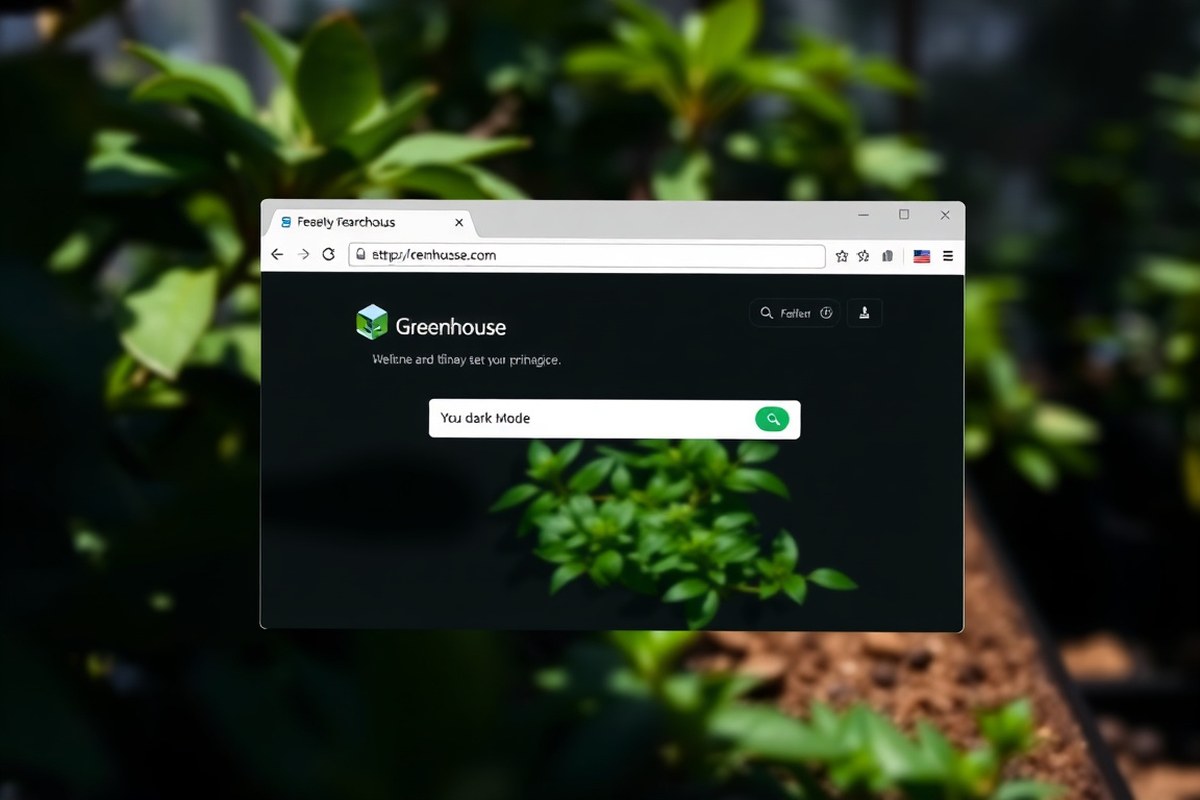
Greenhouse’s web app does not have its own dark mode toggle. But you can use your desktop browser’s dark mode settings to get a dark-themed Greenhouse experience. Popular browsers like Chrome, Firefox, and Edge offer dark mode options.
You can turn on darker styles for many websites. This includes the Greenhouse site.
Enabling Dark Mode in Google Chrome
Google Chrome has a dark mode you can use manually. It works even on sites without built-in dark themes.
This applies dark colors to those pages. You need to enable a special setting inside Chrome’s flags for forcing dark mode.
Follow these steps to activate this feature in Chrome:
- Open Chrome and type
Chrome://flagsin the address bar, then press Enter. - Search for “Dark Mode” or “Auto Dark Mode for Web Contents.”
- Choose “Enabled” from the dropdown menu next to “Auto Dark Mode for Web Contents.”
- Restart Chrome by closing and reopening the browser.
- Navigate to the Greenhouse website; it should now show a dark theme.
This forced dark mode might invert some colors oddly on certain pages. Toggle off if you notice unreadable text.
Using Dark Mode in Mozilla Firefox
Firefox has a built-in dark theme for its interface. But forcing dark mode on websites requires a small adjustment. This improves readability and reduces brightness when using Greenhouse.
You can turn on Firefox’s dark theme and try forced colors as follows:
- Open Firefox and click the menu button (three horizontal lines) top-right.
- Choose Settings, then go to the General panel.
- Scroll to Language and Appearance.
- Under Website Appearance, select “Dark” from the colors dropdown.
- Optionally, go to
About:configin the address bar, accept risks, and search forUi.systemUsesDarkTheme. - Set that value to
1to enforce dark mode usage on websites. - Reload the Greenhouse web app to see the changes take effect.
Modifying About:config requires care. Wrong settings can cause odd behavior in Firefox.
Turning on Dark Mode in Microsoft Edge
Microsoft Edge supports dark mode for its interface and web content. You can switch on Chrome’s dark mode theme easily.
There is also a feature to force dark mode on all sites. It works even if the site doesn’t support it.
Here is how to turn it on:
- Open Edge and click the menu button with three dots at the top-right.
- Select Settings from the dropdown menu.
- Click Appearance on the left sidebar.
- Under Theme, choose “Dark” to switch the entire browser interface.
- To force dark mode on websites, type
Edge://flagsin the address bar. - Search for “Auto Dark Mode for Web Contents” and set it to “Enabled.”
- Restart Edge to apply the changes and then open Greenhouse web app.
Edge’s forced dark mode can cause some images or colors to invert strangely. Turn it off if it hurts visibility.
Using Third-Party Extensions to Customize Greenhouse Dark Mode
You can add dark mode to Greenhouse desktop with browser extensions. The app may not include built-in dark mode support. Third-party tools make the change possible.
Some extensions add smart color inversion and customization options that fit Greenhouse’s interface well. Be aware that extensions sometimes cause display glitches or conflicts with Greenhouse features.
Dark Reader
Dark Reader is a popular extension that inverts bright colors for a comfortable dark theme. It uses a smart algorithm to maintain readability on sites without native dark modes. This method keeps Greenhouse desktop’s layout intact.
It only changes the colors to cut eye strain. This works well for long app use.
You can toggle Dark Reader on or off easily and customize brightness, contrast, and sepia levels. It updates styles dynamically, so changes appear instantly in the app’s windows. Some users report minor glitches like inverted images or miscolored buttons, but these happen rarely.
Midnight Lizard
Midnight Lizard offers deep customization for dark themes with presets and adjustable color schemes. It works well in enterprise apps like Greenhouse by letting you tweak UI elements separately. This helps you get a cleaner dark mode experience that fits your preferences.
This extension supports partial exclusions and site-specific settings. So you can turn it off on pages that break visually. Compatibility with Greenhouse desktop is generally good.
But too many color adjustments can cause overlap or unreadable text. That’s why it’s key to test changes carefully.
Super Dark Mode
Super Dark Mode focuses on dark modes for business apps. It helps reduce layout shifts for smoother use. The extension specially supports apps like Greenhouse.
It offers automated and manual tweaks to adapt complex UIs like Greenhouse’s. It also claims lower chances of interfering with app controls compared to simpler plugins.
Some users find it slower to load due to intensive processing. Also, it may not support all Greenhouse interface updates immediately, causing temporary inconsistencies. Use it with caution and check for regular updates to avoid feature breakage.
Below is a quick comparison of these extensions, highlighting features that matter when using Greenhouse desktop:
| Extension | Customization | Performance Impact | Compatibility with Greenhouse | Cost |
|---|---|---|---|---|
| Dark Reader | Brightness, contrast, sepia, toggle on/off | Low to moderate | Good, minor visual glitches possible | Free |
| Midnight Lizard | Advanced color presets, site exclusions | Moderate | Generally good, careful testing advised | Free |
| Super Dark Mode | Automated/manual UI tweaks | Moderate to high | Good but may lag on updates | Free |
Choose an extension based on your need for control versus simplicity. Always update your extensions regularly since Greenhouse desktop may change UI elements.
Try disabling other browser plugins beforehand to avoid conflicts. Clear cache if colors don’t apply correctly.
How System-Wide Dark Mode Settings Affect Greenhouse Desktop
Enabling dark mode on Windows or macOS changes the whole system’s look. But Greenhouse desktop doesn’t fully adapt.
The app mostly keeps its standard light style regardless of your system setting. So, flipping your Windows or macOS dark mode won’t make Greenhouse interface dark like other apps.
On Windows 10 or 11, dark mode applies to many system apps. It also covers many third-party apps from the Microsoft Store. Greenhouse desktop is not one of these apps that respect this setting automatically.
You can set your Windows theme to dark via Settings > Personalization > Colors. But Greenhouse remains mostly unaffected. Some Windows UI elements around Greenhouse might darken, but the app content stays light.
In macOS Mojave and later, enabling dark mode in System Preferences >. General switches many apps and menus to dark colors. Greenhouse desktop might show a slightly dimmer window frame if it follows the system appearance.
However, its internal screens and controls largely stay bright. This mismatch happens because the app has no built-in dark theme. It doesn’t change based on the OS setting.
Some Greenhouse app parts stay light, such as dashboards and text backgrounds. Form fields and report views are also bright. These interface areas don’t invert their colors or adjust based on the system setting.
Slack and Discord differ. They have dark mode toggles that can override system settings.
To actually get Greenhouse desktop in dark mode, relying on system-wide dark theme won’t work well. You’d need third-party workarounds or wait for Greenhouse to add native dark mode. Currently, system dark mode helps outside the app window but does not control inside UI colors.
Knowing this helps you set the right expectations. It helps you plan to reduce eye strain or match your desktop theme better.
Common Issues and Troubleshooting When Using Dark Mode on Greenhouse
Dark mode on Greenhouse desktop sometimes causes display problems. Some UI parts stay light, causing low contrast. This can be annoying.
This usually happens because Greenhouse relies partly on system settings or browser rendering for dark mode. When some parts don’t switch to dark colors, it reduces the overall effectiveness of the feature.
Widgets often show uneven brightness in dark mode. Text can be hard to read on dark backgrounds. These are common glitches.
These problems occur when the opaque settings or accent colors don’t adjust properly. You might also see light menus or white buttons breaking the dark theme look.
To fix these glitches, start by toggling your system dark mode off and on again. Then refresh the Greenhouse app to apply changes fully. Try adjusting widget opacity a bit for better contrast.
Let the desktop wallpaper show through slightly. This makes things easier on the eyes. Change text colors to an accent shade that stands out.
This helps text pop on dark backgrounds. It’s a simple fix.
- Check if your system dark mode is active and Greenhouse is updated.
- Restart the app after turning dark mode on or off.
- Reduce widget opacity slightly for balanced contrast.
- Change widget text to light or accent colors.
- Clear cache or temporary files that may store old color settings.
- Make sure no third-party extensions conflict with dark mode appearance.
Common user errors include not restarting the app or neglecting to update Greenhouse. Some users enable dark mode without turning on system-wide dark settings. This can stop dark mode from working correctly.
Make sure to enable system settings first. Using browser dark modes that don’t match Greenhouse can cause issues.
The app might keep some parts light instead of switching fully. Stick with compatible modes.
Keep your app and system up to date for the best dark mode experience.
Changes may take a minute to appear after toggling settings. Check opacity and text color settings again if parts stay bright. Adjust them until everything fits the dark theme.
This usually fixes the issue. This helps you get a balanced and restful dark theme for Greenhouse on your desktop.
Remember, some glitches stem from how the app blends with your OS. So tweaking those settings together usually fixes the issues.
Does Using Dark Mode on Greenhouse Reduce Eye Strain and Save Battery?
Dark mode can ease eye strain during long sessions on Greenhouse. It reduces the glare from bright screens, which helps if your eyes feel tired or dry. This change is especially helpful in dim or low-light rooms, where bright screens cause more strain.
Many users say text looks clearer on dark backgrounds, which may improve focus. However, scientific studies show mixed results.
Some find that dark mode reduces eye fatigue. Others say it may slow reading speed or comprehension for some people.
Regarding battery life, dark mode has little effect on most laptops with LCD screens. These screens keep their backlight on no matter what colors they display. So, running Greenhouse in dark mode on a typical laptop won’t save much power.
For laptops with OLED screens, dark mode can save battery life. OLED displays turn off pixels to show black, using less energy than bright colors. You could set your laptop to switch to dark mode when unplugged to extend battery time.
To use dark mode for Greenhouse, enable your system’s dark theme or use browser extensions. Windows 10 users find this by clicking Start, then Settings, Personalization, Colors, and choosing Dark. Mixing system and app modes can boost your productivity.
It balances eye comfort and visibility. Use both to get the best of each.
Customizing Dark Mode Appearance for Greenhouse Desktop Users
You can tweak Greenhouse desktop’s dark mode by adjusting colors and contrast to suit your eyes. Using browser extensions like Dark Reader helps you change brightness. You can also adjust highlight details using your system’s accent settings.
These tools make the screen easier to see. Choosing preset themes made for dark environments can improve visibility and reduce eye strain.
Adjusting Colors with Dark Reader
Dark Reader is a browser extension many people use. It lets you adjust brightness, contrast, and sepia tones. You can use it to customize dark mode exactly how you want.
You can make pages easier to read and less glaring by fine-tuning these settings. This feature is great for Greenhouse desktop users.
It gives a balanced dark look on the screen. You get deeper colors without anything looking washed out.
Here’s how to personalize Dark Reader’s dark mode colors step-by-step:
- Install Dark Reader from the Chrome Web Store if you haven’t yet.
- Open Greenhouse in your browser where the extension is active.
- Click the Dark Reader icon near the address bar to open its menu.
- Adjust the Brightness slider to make the screen lighter or darker.
- Use the Contrast slider to increase or decrease the difference between text and background.
- Toggle Sepia mode on or off to add a warm, yellowish tint to the screen.
- Choose Filter or Dynamic mode depending on your preference for colors or grayscale.
System Accent and Contrast Settings
Operating systems let you pick accent colors that show up throughout apps, including Greenhouse’s dark mode. You can pick contrast themes too. These make text and items stand out visually.
This helps you find things easier while using the app. Adjusting these settings works well alongside dark mode to reduce eye strain in low light.
On Windows 11, open Settings and go to Personalization. Click Colors, then choose your favorite accent color. This sets your screen’s look for apps like Greenhouse.
Next, go to Accessibility → Contrast themes to try different styles that improve visibility. These color choices change how contrast looks in Greenhouse.
It happens when you have system dark mode switched on. You get clearer highlights and better text visibility.
Selecting Third-Party Themes
Many ready-made dark themes fit web apps like Greenhouse, designed to look good and improve readability. Look in the Chrome Web Store for dark themes. Search using terms like “dark mode,” “Greenhouse,” or “recruiting app.”
You’ll find extensions that work with Greenhouse this way.” Using a theme with balanced color tones avoids overly dark or harsh visuals.
To install a new theme:
- Open your browser’s Settings and go to Appearance → Themes.
- Browse the Chrome Web Store themes section for dark mode options.
- Preview themes by clicking on them to see how they look on Greenhouse.
- Select a theme that offers contrast without dulling important UI elements.
- Click Add to Chrome to apply the theme and refresh Greenhouse.
Best Practices for Using Dark Mode on Greenhouse Desktop Long-Term
Keeping dark mode consistent on Greenhouse Desktop takes some planning. Use system-wide dark mode on your operating system to help. This supports Greenhouse better than manual toggling every time.
Scheduling dark mode means less hassle. On Apple devices, pick “Automatic” then set time frames.
Windows offers a similar option: switch dark mode on or off by hour. This keeps your eyes comfortable during long shifts.
Daily work with Greenhouse in dark mode needs breaks. Look away from the screen every 20 minutes for 20 seconds.
Adjust your monitor’s brightness so it’s not too dim or bright. This reduces eye strain over hours.
- Enable dark mode on your computer’s system settings.
- Use your OS’s automatic dark mode scheduling.
- Check Greenhouse’s interface after updates because settings might reset.
- Take short eye breaks regularly.
- Adjust screen brightness based on ambient lighting.
- Use third-party tools to enforce dark themes if needed.
Avoid forcing dark mode constantly without breaks to prevent eye fatigue.
Apps and extensions can help if Greenhouse resets its colors. Watch for any updates that change how dark mode works. Some tools let you schedule dark mode to switch on and off.
This happens while you work without changing settings yourself. You don’t need to touch any controls.
Consistency also depends on habits. Set reminders to review and adjust dark mode if your workflow changes. Tracking these habits keeps your experience steady and reduces surprises with one-off light themes.
Step-by-Step Action Plan to Get Dark Mode on Greenhouse Desktop
Follow these steps to set up or mimic dark mode on your Greenhouse desktop app. This will help reduce eye strain and improve your comfort.
- Before you start: Check if your Greenhouse desktop app is up to date. Look for version info in the app’s About section.
- Day 1: Turn on your computer’s system-wide dark mode. Confirm if your Greenhouse desktop app theme changes automatically.
- Day 2: If the app doesn’t switch, open Greenhouse in a browser. Enable dark mode through the browser settings and confirm the change.
- Day 3: Install a trusted third-party dark mode extension in your browser. Make sure it applies dark mode to Greenhouse’s web interface consistently.
- Day 4: Customize the dark mode colors using your extension’s options for a comfortable look. Test different contrasts and brightness levels.
- After 1 week: Monitor eye comfort during your work sessions. Adjust settings or switch methods if your eyes still feel strained.
- After 2 weeks: Decide which setup works best long term and stick to it. Make any final tweaks for brightness and contrast.
- Monthly: Look for updates on Greenhouse and your extensions. They might add dark mode support. Updates could also improve how they work together.
Frequently Asked Questions
Can I Schedule Greenhouse Desktop to Switch Between Light and Dark Modes?
Greenhouse Desktop doesn’t have a built-in scheduler for mode switching. You can use system-level apps like Auto Dark Mode on Windows.
These apps switch modes automatically based on sunset and sunrise. This helps change settings without doing it yourself.
Does Greenhouse Desktop’s Dark Mode Setting Sync Across Multiple Devices?
Dark mode settings in Greenhouse Desktop don’t sync automatically. You must enable it on each device separately.
Or you can use system-wide dark modes for consistency. This way, your settings match across devices.
Will Enabling Dark Mode on Greenhouse Desktop Affect Screenshots or Exports?
Enabling dark mode only changes the app’s UI on your screen. Screenshots or exports will look normal unless the app specifically styles exports differently.
Can I Customize the Colors Used in Greenhouse Desktop’s Dark Mode?
Greenhouse Desktop itself limits dark mode customization. Third-party extensions might help, but system-wide options don’t change all interface colors.
Does Greenhouse Desktop’s Dark Mode Impact Performance or App Speed?
Dark mode generally doesn’t affect Greenhouse Desktop’s performance. Any differences you notice are usually due to your system or graphics, not the mode itself.
Are There Keyboard Shortcuts to Toggle Dark Mode on Greenhouse Desktop Quickly?
Greenhouse Desktop doesn’t have dedicated dark mode shortcut keys. You can create system shortcuts to toggle dark mode, depending on your operating system features.
Final Thoughts
Greenhouse desktop does not have built-in dark mode yet. But you can still use system settings or browser tools to get it.
Start by turning on your device’s dark mode and try browser options next. This will make using Greenhouse easier on your eyes right away.