How Much Sun Do Strawberries Need: A Complete Guide for Best Growth and Fruit
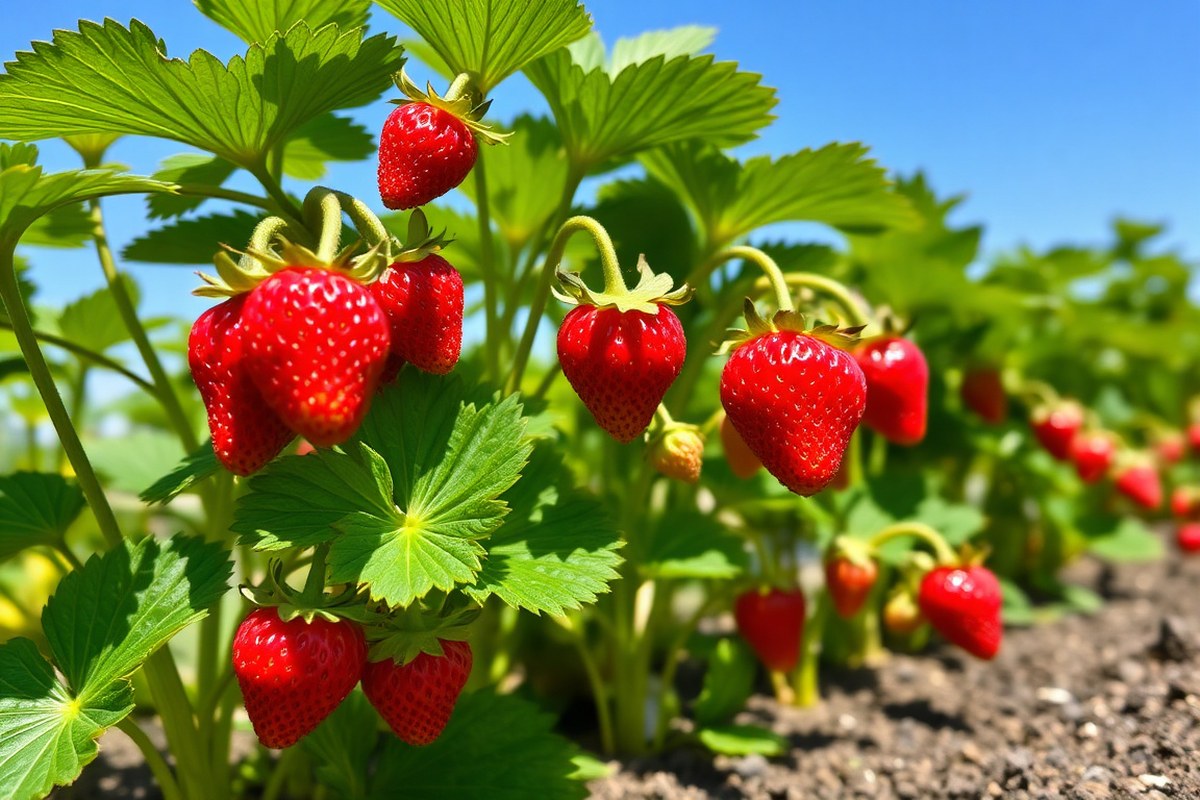
Gardeners often ask about the right sun amount for strawberries. Strawberries grow best in 6 to 8 hours of direct sunlight daily. Aim for close to 8 hours of full sun for the largest harvest.
Strawberries can survive with less sun but will have fewer fruits and possible health issues. Watch out for extreme heat above 95°F, as too much unbroken sun can stress the plants. Pick a spot with plenty of sun from morning to afternoon.
Look for some shade during the hottest part of the day. This helps protect the plants from strong midday heat.
Alpine strawberries are an exception, thriving with just 4 to 5 hours of dappled sun. These work well if your garden has more shade but expect smaller harvests than full-sun types. Understanding these basics helps you choose the right spot for healthy, flavorful strawberry growth.
Key Takeaways
- Provide strawberries with 6 to 8 hours of direct sunlight daily for best growth.
- Aim for about 8 hours of full sun, especially in spring and early summer.
- Alpine strawberries tolerate shade, needing only 4 to 5 hours of dappled sun.
- Too much constant sun over 95°F can reduce photosynthesis and stress plants.
- Partial shade means 4 to 6 hours of sun and leads to fewer fruits.
- Choose morning sun spots to avoid peak afternoon heat damage.
How Many Hours of Sun Do Strawberries Need Daily?
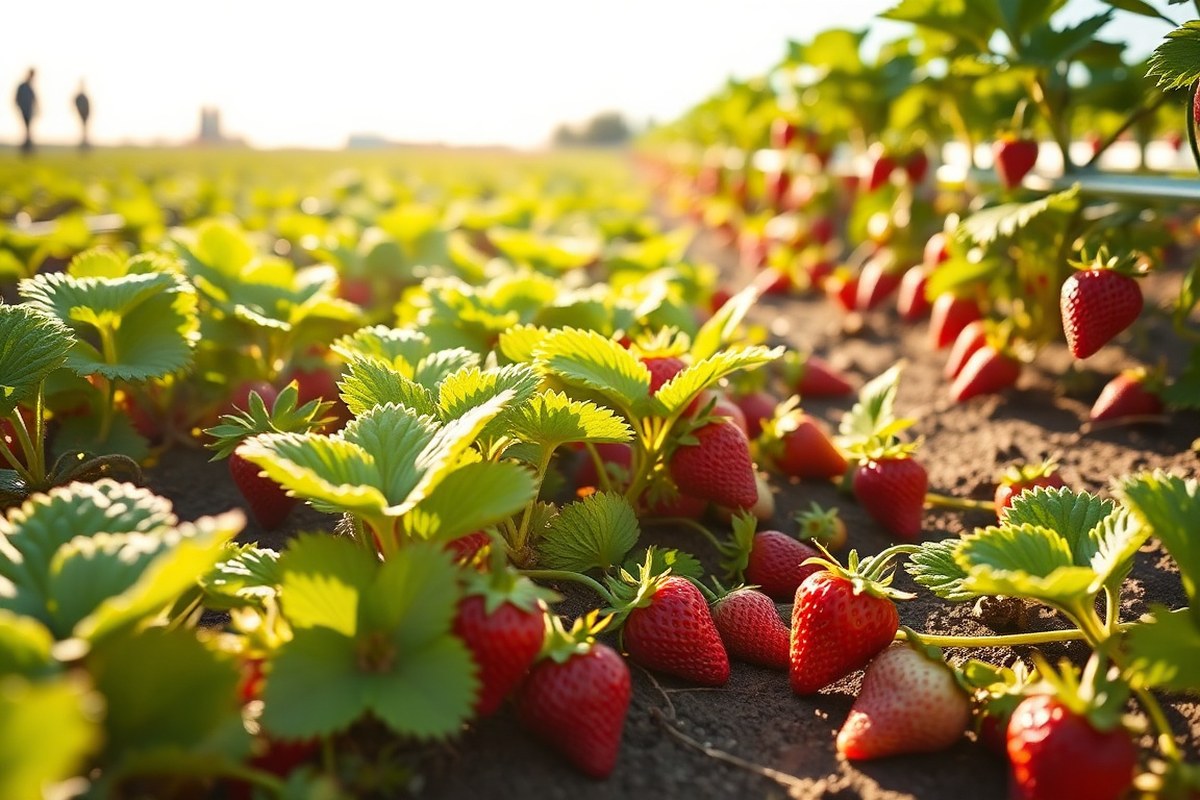
Strawberries grow best with 6 to 8 hours of direct sun daily. Full sun means unfiltered, direct sunlight on your plants all day. At least six hours is needed, but eight hours gives sweeter, bigger fruit.
Partial sun means about 4 to 6 hours of direct sunlight. Strawberries can survive in less sun. They make fewer berries then.
They also may get sick more often. In contrast, full sun encourages more vigorous growth and better fruit quality. The difference comes down to how much energy the plants get for photosynthesis and flowering.
You can think of full sun as a daily range of 6 to 8 hours. Partial sun falls just below this, between 4 and 6 hours of direct light. Less than 6 hours often leads to stunted plants and reduced yields.
Over 8 hours of sun can burn strawberry leaves. You must water well if sun is strong. Some shade during hot times helps prevent leaf burn.
What Happens When Strawberries Get Too Little Sunlight?
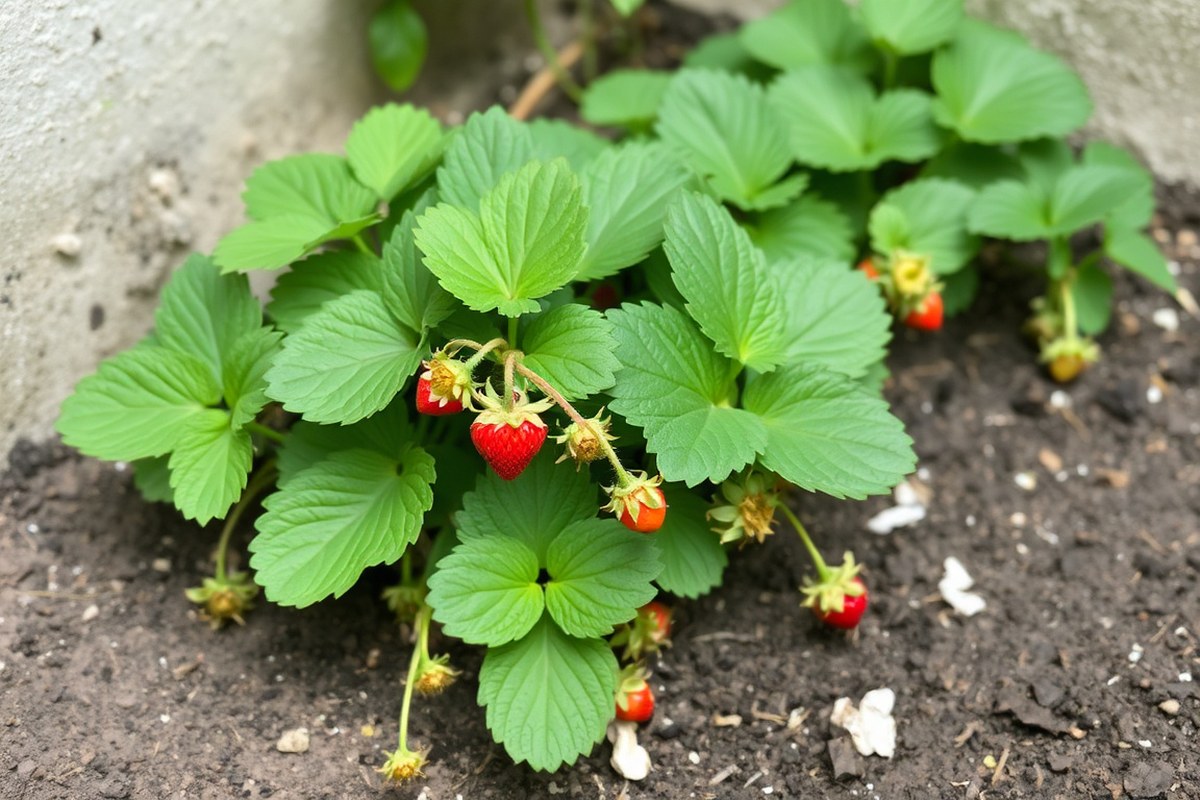
Signs Strawberries Aren’t Getting Enough Sun
Strawberry plants stretch upward with long, thin stems when they lack sunlight. Their leaves may look pale or small compared to healthy plants. You might notice less flowering and fewer berries, showing the plant isn’t thriving.
Look for tiny berries under 10 grams. Shaded strawberries often have more small fruits.
These berries can be easier to spot in dim light. Leaves might also droop or wilt more often under low light conditions.
Survival in Shade: How Far Strawberries Can Go
Strawberries can survive in partial shade but won’t grow or fruit well. Most types need 6 to 8 hours of direct sun daily for good harvests. Alpine strawberries are an exception, tolerating 4 to 6 hours of dappled sun well.
Plants growing mostly in shade tend to behave more like groundcover than fruit producers. They still provide shelter for garden wildlife but won’t reward you with large, sweet berries.
Effects of Low Sunlight on Berry Size and Sweetness
Less sunlight means lower sugar levels in the fruit. Strawberries grown in full sun can have 50% more sugars. Sugars include fructose and sucrose.
This makes sun-grown berries sweeter. The berries from low light plants are smaller, often below 10 grams each.
Low sunlight lowers the plant’s photosynthesis rate, reducing energy for fruit growth and sugar development. Shaded strawberries tend to be less juicy.
They often taste bland. These berries do not match the quality of sun-grown ones.
How to Recognize Subtle Light Deficiencies
Besides small fruit and stretched stems, watch for slow plant growth overall. Leaves might be fewer and less vibrant green. Flower clusters could be smaller or fewer, leading to fewer fruits ripening.
Check the crown and runners for healthy development. Poor sunlight slows runner growth on strawberry plants.
It also limits the plant’s spread. This makes the garden bed fill slower.
- Leaves thin, light green or yellowish
- Stems tall and spindly, reaching upward
- Fewer flowers and small flower clusters
- Tiny berries weighing less than 10 grams
- Slow overall growth and delayed runner production
- Dull berry flavor due to low sugar content
- Leaf wilting despite regular watering
Simple Steps to Prevent Insufficient Sunlight
Plant strawberries in a spot that gets morning to early afternoon sun. Choose alpine strawberries for better shade tolerance when shade cannot be avoided. Prune nearby plants or remove obstacles that block light.
Use reflective mulch or light-colored surfaces to bounce sunlight onto your strawberry beds. Avoid planting under dense tree canopies or tall fences that create heavy shade.
Keep strawberry beds free from obstacles that cause shade to ensure healthy growth.
Can Strawberries Get Too Much Sun? How to Protect Them
Too much sun can harm strawberries, especially in hot climates where temperatures reach above 85°F (29°C). Excessive afternoon sun heats leaves and fruit too much, causing leaf scorch, wilting, and shriveled berries. This stress lowers fruit production and can damage plants over time.
You can recognize sunburn by dry, brown spots on leaves and faded patches on berries. Leaves might curl or look bleached.
The plants may wilt around mid-afternoon even if soil moisture is adequate. These signs mean your strawberries need protection from strong afternoon rays.
Gardeners in USDA zones 9 to 13 should consider shielding their strawberries after 2 p.m. Using 30 to 40 percent shade cloth reduces sunlight intensity without blocking light completely. Shade cloth costs $15 to $30 for a 10 by 10 foot piece. It is easy to hang on frames or poles.
- Place light shade cloth or row cover over plants by early afternoon
- Set up pergolas or lattices with filtered sunlight for dappled shade
- Mulch around plants with straw or light-colored materials to keep roots cool
- Water early morning to reduce heat stress during the day
- Plant heat-tolerant varieties in full sun or delicate types where shade is possible
- Move container strawberries into partial shade during peak heat hours
Providing filtered shade between 2 p.m. And 4 p.m. Eases the heat in hot regions like Southern California or Texas. In cooler zones, strawberries usually do fine with all-day sun and extra warmth from mulch. Container growers especially benefit from afternoon shade, as pots heat up fast.
Many strawberry types handle morning sun well but struggle under harsh afternoon light in warm zones. A little shade helps berries ripen without scorching or shrivelling. That keeps fruit juicy and plants healthier, which means better harvests year after year.
Sunlight Requirements for Different Strawberry Varieties
Different strawberry varieties need different amounts of sun to thrive. June-bearing types demand the most sunlight, preferring 8, 10 hours daily. Alpine strawberries tolerate partial shade better, doing well with just 4, 6 hours of sun.
June-Bearing Varieties’ Sun Needs
June-bearing strawberries produce one big harvest in early summer. They need 8 to 10 hours of direct sun daily to develop full, sweet fruit. These plants grow best in unbroken sunlight from spring through early summer to promote bud development.
The plants need space of 12 to 18 inches apart. Rows should be 3 to 4 feet apart. Give them enough room to grow well.
Using the matted row system helps manage their wide spread and supports good airflow. Without enough sun, they produce smaller berries and fewer flowers.
Alpine Strawberries and Shade Tolerance
Alpine strawberries are more tolerant of shade than other types. They like 4 to 6 hours of sun daily. Dappled light or shade works in hot heat.
Shade helps avoid stress during peak sun. Alpine types produce small, continuous fruit but yield less per plant than June-bearing types.
Plant alpines 8 to 10 inches apart in rows. Keep rows 1 to 2 feet away from each other. This spacing suits their smaller size.
They thrive in cooler, shaded spots like under taller plants or light tree cover. Too much sun can dry them out quickly. So midday shade helps keep berries healthy.
Everbearing and Day-Neutral Varieties
Everbearing and day-neutral strawberries keep producing fruit throughout the growing season. They thrive with 6 to 8 hours of sun each day. Brief shade during the hottest time is okay.
This light balance helps fruit quality. Continuous flowering isn’t as demanding on sunlight as June-bearers, but light still matters.
These varieties prefer tighter spacing, about 8 to 12 inches apart. Rows should be 2 to 3 feet apart. This setup fits their growth pattern.
The hill system works well here, promoting better fruit quality. Both types tolerate cooler zones and longer harvest times.
Day-neutral types fruit until above 85°F heat. They adjust well to changing temperatures.
| Strawberry Type | Sun Requirement (hours/day) | Fruiting Season | Yield per Plant (lbs) | Plant Spacing (inches) | Row Spacing (feet) |
|---|---|---|---|---|---|
| June-Bearing | 8, 10 | 4, 6 weeks early summer | 0.5, 1.0 | 12, 18 | 3, 4 |
| Everbearing | 6, 8 | Spring + late summer/fall | 0.5, 0.7 | 12 | 2, 3 |
| Day-Neutral | 6, 8 | Continuous (if <85°F) | 0.7, 1.0 | 8, 12 | 2, 3 |
| Alpine | 4, 6 | Small continuous fruit | 0.25, 0.5 | 8, 10 | 1, 2 |
Choosing the right strawberry variety depends on your garden’s sunlight. Alpine strawberries fit well in shaded spots with limited sun. June-bearing plants need the sunniest locations to reach their full fruit potential.
How Regional Climate Affects Strawberry Sunlight Needs
Strawberries need different sun exposure based on your local climate. In cooler zones, aim for full sun daily. At least eight hours help speed fruit ripening.
This bright light boosts strawberry growth. Hotter regions need some afternoon shade.
This stops heat stress and damage to plants. It especially helps when temps rise over 86°F.
Choosing your planting location varies by region and heat. In Zones 7 and warmer, planting in fall helps strawberries survive milder winters. Avoid planting near dark surfaces like brick walls.
They reflect heat and raise root temperatures. High root heat slows growth even with sun on leaves.
Seasonal sunlight changes also affect strawberries’ needs. Early spring requires solid sun to support leaf and runner growth. As summer heats up, providing a break from harsh afternoon sun can keep plants from wilting.
As days shorten in late summer and fall, full sun helps. It lets fruit mature before the growing season ends. Sunlight supports sweeter, ripe strawberries.
Watch your plants on hot days, their leaves may tell you when they need afternoon shade.
Optimizing Sunlight for Strawberries in Containers and Balconies
Growing strawberries in containers lets you move the plants to follow the sun. You can rotate pots or shift them to catch morning or afternoon light. Your plants need 6 to 8 hours of direct sunlight daily.
This flexibility helps them get that amount. You can adjust the placement to achieve this.
Balconies and urban spots often have light traps like walls, overhangs, or shade from trees. These can block sunlight during important parts of the day. Check your balcony at different times of the day.
Note where the shadows fall on your plants. Move your pots based on these shadow patterns.
Reflective surfaces can boost light for your strawberries in tight spaces. Place containers on a white balcony floor to reflect sunlight. Using reflective mulch also helps bounce light onto leaves.
This increases sunlight your plants receive. It’s a simple, low-cost way to make every ray count.
- Map sunlight on your balcony at morning, noon, and afternoon
- Move containers to spots with at least 6 hours of direct sun
- Use white or light-colored containers to reflect light
- Try reflective mulch around your plants to increase light
- Rotate pots weekly to evenly expose all sides
- Set up a full-spectrum LED grow light if sunlight is under 6 hours
- Use a timer on grow lights to provide 12 to 16 hours of light
Artificial light works well when natural sunlight falls short. Use grow lights made for fruiting plants. They provide the right light to boost photosynthesis.
This helps make your strawberries sweeter. You’ll need to run these lights for 12 to 16 hours daily to mimic daylight.
A good LED grow light costs $30 to $80 and plugs into a standard outlet. Position it 12 to 18 inches above your plants.
Over time, you’ll see stronger growth and tastier strawberries despite limited sun. Just avoid overheating by giving plants a rest from artificial light overnight.
Signs of Sunlight Stress and How to Fix Them
Watch the leaves closely for signs of sunlight stress. Leaves turning pale green or yellow usually mean your strawberries aren’t getting enough light. Also, small berry size and poor fruit development show they need more sun.
Too much sun causes different problems. Look for brown, dry spots on leaves or shriveled fruit.
The plants might also wilt during hot afternoons even with regular watering. These symptoms mean sunlight is burning the leaves or drying out the berries.
There’s a simple way to check and fix these problems fast. Look for these signs:
- Yellowing leaves and stunted growth
- Small, poorly formed berries
- Brown leaf spots or scorched patches
- Wilting during peak sun hours
- Dry, shriveled fruit
- Too much leaf drop or faded leaf color
Move strawberry plants to a place that gets 6 to 8 hours of sunlight daily. Use a grow light for 12 to 16 hours a day if natural light is too low. This ensures the plants create enough energy to produce good fruit.
Provide shade to your strawberries during the hottest part of the day to reduce sun damage. Use shade cloths with 30 to 50 percent coverage or place them near taller plants.
Water well in the morning or evening to reduce heat stress. Don’t overwater since wet leaves in the sun cause fungal problems.
Keep an eye on how your plants respond to these changes. Leaves should look greener and healthy after a week or two.
The berries will grow larger and sweeter with enough balanced light. Keep an eye on bitter sunlight stress and change plant spots or watering habits to help the strawberries stay healthy.
Using Artificial Light to Supplement Strawberry Sunlight
Artificial light can substitute natural sunlight for strawberries, especially indoors or in shady spots. Use grow lights that provide enough intensity and duration to match what strawberries need outdoors. Setting up the right type of light and timing helps your plants stay healthy and productive.
Types of Suitable Grow Lights
LED grow lights are the most popular choice for growing strawberries indoors. They use less power and produce less heat than other types. You want lights that provide about 25, 30 µmol/m²/s at the plant canopy for healthy growth.
Fluorescent lights can work but usually don’t give enough intensity for fruiting. High-intensity discharge (HID) lamps supply plenty of light but run hotter and use more electricity. LEDs balance energy use, safety, and output best for home growers.
Recommended Lighting Duration and Distance
Strawberries need 14, 16 hours of light daily with supplemental lighting. For indoor seedlings, 12, 14 hours is enough until you move them outdoors. Avoid letting them get less than 6 hours because they won’t grow well.
Keep lights about 12 to 18 inches above the strawberry leaves. If the plants stretch tall or turn pale, lower the lights or increase intensity. Lights placed too close can burn leaves, so watch for yellowing or dark spots.
Setting Up an Indoor Growing Schedule
To create a good light routine, start with consistent timing every day. Your plants will respond best to steady light and dark periods. Adjust the duration based on the strawberry growth phase: seedlings versus fruiting plants.
Follow these steps to get a solid indoor light setup:
- Choose LED grow lights that meet the intensity range for strawberries.
- Mount lights 12 to 18 inches above your plants to avoid burns.
- Set a timer to turn lights on for 14, 16 hours if growing fruits indoors.
- For seedlings, provide 12, 14 hours daily until transplanting outside.
- Check plants weekly for signs of light stress like elongation or yellowing.
- Adjust light height or duration if plants appear weak or scorched.
- Use reflective mulch or white surfaces around plants to boost light use.
Always use a timer for consistent light schedules to avoid stressing your strawberries.
Step-by-Step Action Plan for Strawberry Sunlight
Follow these steps to give your strawberries the right amount of sunlight and keep them healthy.
- Before planting: Choose a spot that gets at least 6 hours of full sun daily. Check sunlight patterns at different times of the year.
- Week 1: Plant strawberries in well-draining soil with good air flow. Make sure the location meets sun requirements.
- Week 2 to 4: Watch for leaf burn or pale leaves. These show too much or too little sun. Adjust your strawberry plants’ sun exposure as needed. Adjust shade or move containers if needed.
- After 1 month: Mulch around plants to keep soil moist and cool during hot afternoons. This helps protect from too much sun.
- Monthly: Rotate containers or trim nearby plants to keep sunlight balanced. Check if artificial light could help during low-sun months.
- When fruiting: Ensure consistent sunlight for best fruit size and flavor. Avoid sudden changes in light exposure.
- End of season: Remove any damaged leaves from your strawberry plants. Prepare for winter by protecting plants in cold, low-sun climates.
Frequently Asked Questions
How Long Should Strawberries Be in the Sun Each Day to Maximize Fruit Sweetness?
Strawberries require 6 to 8 hours of full sun each day to taste their best. Sunlight helps strawberries produce more sugar, making them sweeter.
Can Strawberry Plants Survive with Less Than 4 Hours of Sunlight Daily?
Most strawberries struggle under 4 hours of sun and produce very little fruit. Alpine strawberries are an exception, doing well in just 4, 5 hours of dappled sun.
What Is the Best Part of the Day to Expose Strawberries to Sunlight?
Morning sun is ideal because it dries dew quickly and reduces disease. Avoid too much harsh afternoon sun in very hot zones to prevent stress.
How Does Container Gardening Affect the Sunlight Needs of Strawberries?
Container strawberries usually need at least 6.5 hours of direct sun to fruit well. Less sun in pots results in 30, 45% fewer berries compared to ground planting.
What Signs Show Strawberries Are Getting Too Much Direct Sunlight?
Leaves may curl or turn pale when sun exposure is excessive. Providing shade during the hottest hours protects the plants and keeps them healthy.
Do Strawberry Plants Need Different Sunlight Amounts as They Grow, Like from Flower to Fruit?
Strawberries rely on 8-10 hours of sun in spring and early summer for best fruiting. Less sun during these stages means smaller or fewer berries.
The Bottom Line
Strawberries need about 6 to 8 hours of sun for healthy growth and good fruit. Watch your plants closely and adjust light as they grow. Start by testing sunlight on your chosen spot to give your strawberries a strong start.


2 Comments