How to Reduce Humidity in House: 8 Effective Ways for Fast Results
Knowing how to reduce humidity in house is key to feeling comfortable and avoiding damage. Start by running exhaust fans while cooking or showering to clear moisture. Also, vent your clothes dryer outside to stop extra humidity buildup inside.
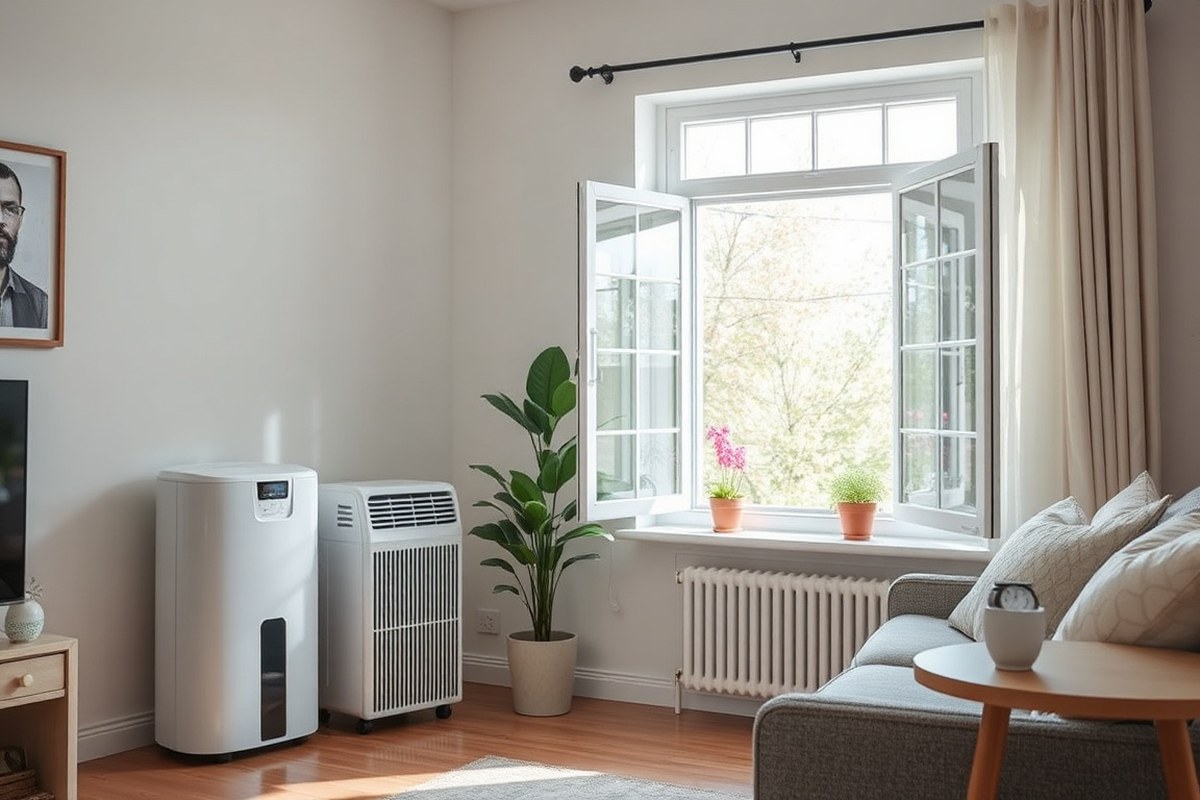
Fixing drainage problems near your foundation prevents water from seeping indoors and raising humidity. Next, check your outdoor humidity with a weather app or hygrometer. Open windows for 15 to 20 minutes to air out your home when outside humidity is lower.
Keep in mind that humidity above 50% can make your home feel hotter and worsen allergies. An air conditioner or dehumidifier drops humidity fast in a closed room. It can lower humidity by 10 to 20 points.
This works best when the room stays closed. These methods work fast and cost less before trying bigger changes.
Key Takeaways
- Run exhaust fans during and after cooking or showers for 20 minutes.
- Always vent your clothes dryer outdoors to avoid moisture indoors.
- Fix drainage around your home’s foundation to keep water out.
- Check outdoor humidity before opening windows for cross ventilation.
- Use an air conditioner or dehumidifier to lower humidity quickly.
- Keep indoor humidity below 50% to feel more comfortable.
1. How to Reduce Humidity in Your House Quickly and Effectively
Lowering humidity indoors fast helps stop mold growth and discomfort. Start by cutting moisture sources and increasing air movement. You’ll see noticeable changes within 30 minutes to a few hours depending on your home setup.
Here’s a simple plan you can follow right now to reduce indoor humidity quickly:
- Run exhaust fans in bathrooms and kitchen during and 20 minutes after use. This pulls out moist, warm air causing humidity spikes.
- Open windows for cross-ventilation if outdoor humidity is lower. Check with a hygrometer or weather app. 15 to 20 minutes of airflow can cut indoor moisture fast.
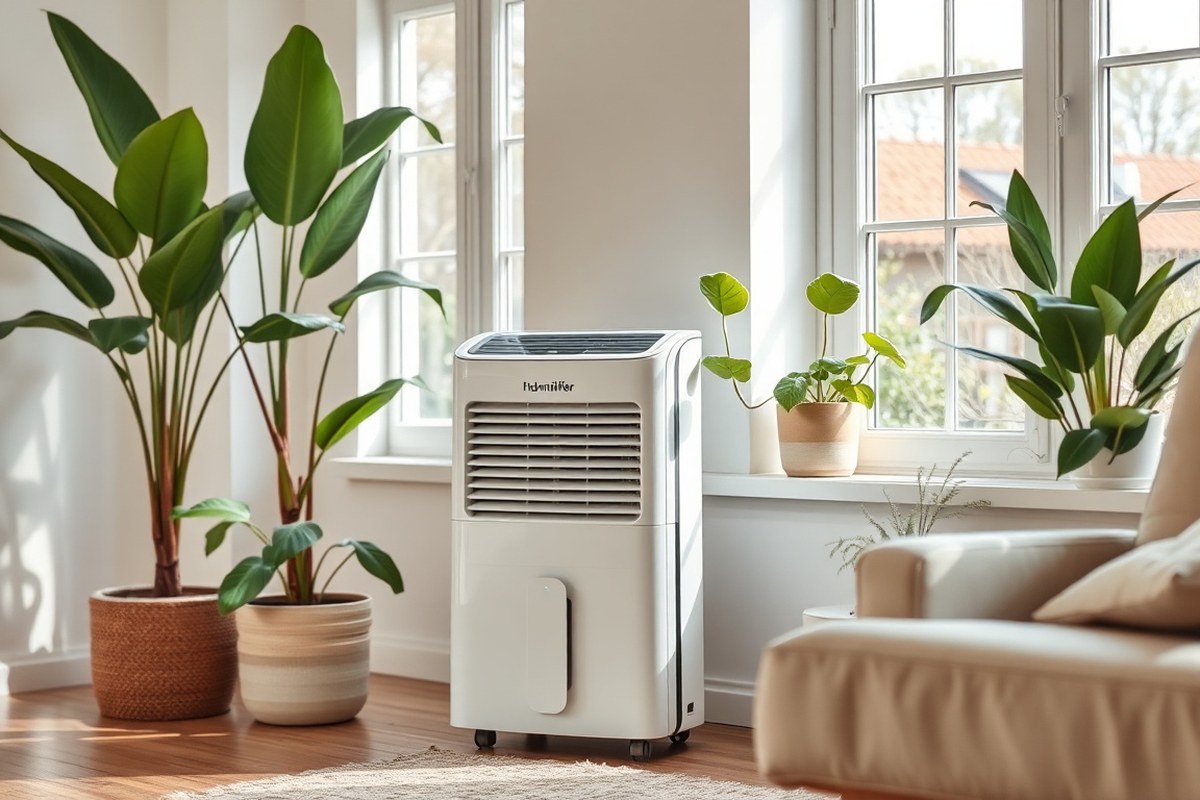
- Use a dehumidifier in damp rooms. The Insignia 35-pint works well for removing moisture. It starts pulling water from the air within an hour. You can feel the difference fast after turning it on.
- Vent clothes dryers outside so moisture won’t recirculate indoors. Avoid drying wet clothes inside as this raises humidity quickly.
- Fix water leaks and drainage problems around your foundation to stop ground moisture from seeping in. This might take longer but reduces humidity steadily and prevents future issues.
- Limit steam sources indoors by keeping shower times short and using lids on pots when cooking.
- Close doors to rooms with humidity problems until the moisture reduces. This helps avoid letting moist air spread through the whole house.
These steps don’t cost much but make a clear difference in a few hours. The biggest impact comes from ventilation and mechanical removal of moisture. Avoid opening windows on humid days since that pulls more moisture inside.
Results vary based on outdoor weather and how tight your home is sealed. You might need to repeat these actions daily during rainy or humid weeks. Taking small, steady steps keeps humidity under control fast enough to protect your home and comfort.
2. Understanding Ideal Indoor Humidity and Its Effects
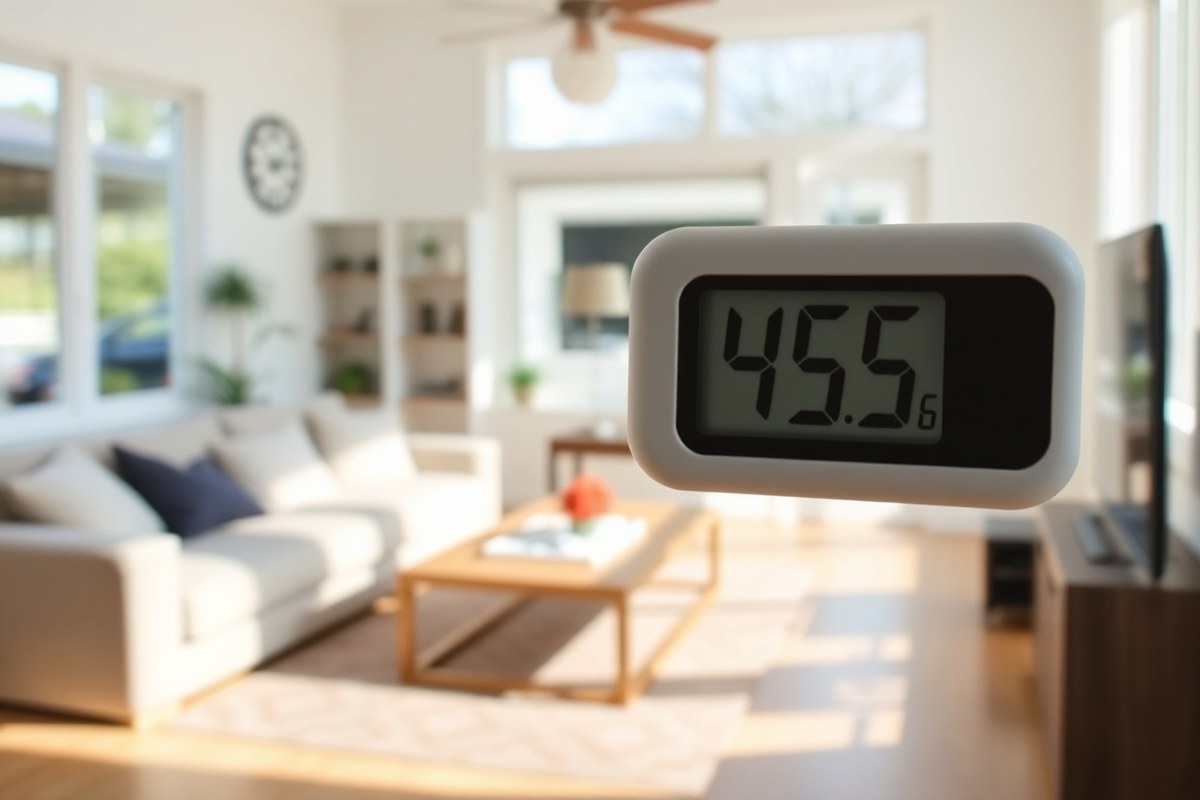
The ideal humidity level in your home stays between 30% and 50%, according to the EPA. Keeping it in this range helps ensure comfort and good air quality. Levels above 50% can increase the risks of problems like mold, dust mites, and respiratory issues.
High humidity makes your home feel hotter than it really is. This can worsen asthma and allergies by encouraging mold and dust mite growth.
Humidity above 60% causes more problems that are hard to control. It gets worse without tools like dehumidifiers to help.
Low humidity below 30% can dry out your skin and throat, making you uncomfortable. It also can cause wood furniture and floors to crack. For health and comfort, aim to keep humidity steady within the recommended range year-round.
To check your home’s levels, use an inexpensive $10 hygrometer. Monitor it regularly, especially through changing seasons.
High humidity means you should ventilate rooms well. Also, cut down on moisture by not drying clothes inside or overwatering plants.
High outdoor humidity often raises indoor levels. So avoid bringing damp air inside when it’s muggy.
Summer months can feel sticky and muggy. Running an air conditioner helps a lot. A dehumidifier also keeps things comfortable.
Old or wrong-sized AC units don’t lower humidity well. This lets your home’s humidity stay too high. Upgrading to a properly sized HVAC system can help regulate moisture better alongside temperature.
Small changes, like using exhaust fans while cooking or showering, can prevent spikes in humidity. Moving houseplants outside during warm seasons reduces moisture. Fixing leaks and sealing air gaps also cut down uninvited moisture entry that pushes humidity up.
3. Choosing and Using Dehumidifiers to Control Moisture
Dehumidifiers pull in moist air and cool it to condense water. Then they release drier air, reducing the room’s humidity. Different types use this same principle but vary in design and use cases.
Portable dehumidifiers are the most common. You can move them between rooms. They are best for single rooms or small spaces up to 2,000 square feet.
Whole-house dehumidifiers connect to your HVAC system. They service the entire house.
This usually covers over 2,000 square feet. These cost more but keep humidity balanced everywhere.
Choosing the right size depends on your home’s square footage and humidity level. A too-small unit will run all day without much effect. The right size can lower humidity by 10 to 20 points.
It works in a few hours. This happens in a closed room. Running it with doors and windows closed speeds this up.
| Dehumidifier Type | Coverage Area | Installation | Typical Cost | Best Use |
|---|---|---|---|---|
| Portable | Up to 2,000 sq ft | Plug and play | $150-$300 | Single rooms, small spaces |
| Whole-House | 2,000+ sq ft | Integrated with HVAC | $1,500-$3,000+ | Full home humidity control |
| Mini/Compact | Under 500 sq ft | Plug and play | $40-$100 | Bathrooms, closets, small spots |
Keep your dehumidifier effective by regular cleaning and maintenance. Empty the water tank daily or set up continuous drainage if possible. Clean the air filter every month to prevent dust buildup.
Wipe the coils with a damp cloth each season to avoid mold and dirt. Also, check the humidity settings and adjust as needed to keep levels between 30 and 50%.
Running your dehumidifier continuously in a closed room can cut humidity quickly. But in larger homes, ventilation still matters. The hygrometer shows above 50% after dry days.
You might need to upgrade your unit. Adding a whole-house system could help. These careful steps keep your home comfortable and stop moisture damage before it starts.
4. Maximizing Ventilation and Airflow to Reduce Moisture
Use exhaust fans during activities that create humidity. Open windows to let fresh air in. Run fans to keep the air moving inside.
This combination helps push humid air out and pull drier air in. Fans alone can’t fix humidity but help it dry faster when used with ventilation.
Using Bathroom and Kitchen Exhaust Fans Correctly
Run exhaust fans whenever you shower or cook. These fans remove steam and stop moisture from building up on walls and ceilings. Keep the fan running for 10 to 15 minutes after you finish to clear leftover humidity.
Check and clean the fan vents every few months. Dust and debris block airflow, making the fans less effective. A well-maintained fan runs quietly and pulls air out efficiently.
Using lids on pots while cooking reduces steam. So your kitchen fan doesn’t have to work as hard. This also saves energy.
Cross Ventilation: Opening Windows Strategically
Open windows on two different sides of your house. This lets air flow through and pushes humid air outside. It works best on dry days with lower outdoor humidity.
Focus on opening windows near moisture sources like the kitchen and bathroom. Open a small window on the opposite side of the house.
This helps pull fresh air through your home quickly. Close windows during hot, humid days or if the outdoor humidity is high.
Here’s a quick checklist for cross ventilation:
- Open windows on different sides of the house
- Prioritize rooms with high humidity like kitchens and bathrooms
- Choose times when outdoor air is drier than inside
- Use window fans to boost airflow if natural breeze is weak
- Close windows if outside humidity or temperature rises too much
Cross ventilation can lower humidity gradually but works best combined with exhaust fans. It also refreshes stale indoor air.
Air Circulation Tips Using Ceiling and Portable Fans
Fans help move air around so humid air doesn’t linger. Running ceiling fans or portable fans improves airflow, especially in bedrooms and basements. Airflow encourages evaporation and dries damp spots quicker.
Fans alone don’t remove moisture but speed up drying when ventilation lets humid air escape. Keep fans running regularly to avoid stale air and moisture buildup.
In basements, add floor or box fans to move air and reduce dampness. Good air circulation can protect against mold and musty smells without adding energy costs.
5. Lifestyle Habits That Naturally Lower Indoor Humidity
Daily habits play a big role in controlling indoor humidity naturally. Some everyday actions add a lot of moisture to your home’s air. Changing these habits can cut down humidity without any special tools or machines.
Avoiding Indoor Drying of Clothes
Drying clothes indoors adds a lot of moisture, raising humidity levels. Wet clothes release water vapor as they dry, making the air damp. Instead, dry laundry outdoors or use a vented clothes dryer to keep moisture outside your home.
Using a drying rack inside can seem convenient but it traps moisture indoors. This is especially true in small or poorly ventilated rooms. You must dry clothes inside only if necessary.
Open windows or use exhaust fans nearby. This moves the humid air outside your home.
Taking Shorter, Cooler Showers
Bathroom humidity often spikes from long, hot showers. Steam and moisture linger and raise indoor humidity for hours. Taking cooler, shorter showers reduces the steam produced and helps keep your home drier.
Running an exhaust fan during and after showers quickly clears damp air. Turn on fans when you start your shower. Keep them running for 10 to 15 minutes after.
This helps reduce steam build-up in your bathroom. This moves moist air outdoors and prevents it from settling inside.
Proper Care of Indoor Plants
Houseplants add some moisture because they release water vapor. However, their impact is much smaller than showers or cooking. A few well-chosen plants can even help absorb moisture, especially in humid spots like bathrooms.
Choose plants known for soaking up humidity, like Boston ferns or peace lilies. Avoid overwatering plants, which can raise humidity and cause mold. Keeping most houseplants is fine for your home.
They don’t add much moisture if cared for well. Avoid overwatering to keep humidity low.
- Use exhaust fans whenever cooking or showering.
- Keep indoor doors open to improve air circulation.
- Fix leaks promptly to stop hidden moisture build-up.
- Limit boiling large pots of water, as steam adds moisture.
- Take smaller loads of laundry to dry outside when possible.
- Consider placing small bowls of cat litter in damp areas to absorb moisture.
Leaving interior doors slightly open helps air flow and reduce damp spots.
6. Sealing, Insulation, and Structural Solutions to Stop Moisture Entry
Humid air sneaks into your home through gaps in doors, windows, and walls. These leaks let outside moisture enter, raising your indoor humidity. Sealing cracks with weatherstripping or caulk blocks moist air.
This helps keep your home dry. It also lowers cooling system work.
Insulation works by creating a barrier that slows heat and moisture movement. Proper insulation belongs in attics, walls, and crawl spaces. It stops warm humid air from touching cool surfaces inside.
This helps control indoor moisture. This reduces condensation, which can cause mold and damage.
Fixing exterior drainage directs water away from your foundation and walls. Poor drainage lets rainwater pool around your house and seep inside. Install gutters and downspouts to redirect rainwater away from your home.
Grade soil so water flows away from your foundation. This reduces basement or crawl space dampness.
- Check around doors and windows for air leaks using a smoke pen or candle.
- Use silicone caulk on permanent cracks and weatherstripping on movable parts.
- Add insulation in the attic to R-38 or higher, based on your climate zone.
- Clear gutters and extend downspouts at least 5 feet from the foundation.
- Make sure soil slopes away from your home’s walls. The slope should drop 6 inches over 10 feet. This helps keep water away from your foundation.
- Install vapor barriers in crawl spaces to block ground moisture.
- Repair any foundation cracks with epoxy or hydraulic cement.
Sealing and insulation can cost a few hundred dollars or more. The price depends on your home’s size and the materials used.
Homeowners can see a drop in humidity below 60%. Persistent moisture means checking for hidden leaks or drainage issues.
Drainage fixes usually involve landscaping changes or gutter work. Poorly done drainage can lead to basement flooding or soil erosion. Proper upkeep both inside and outside helps maintain a comfortable, healthy humidity level.
7. Monitoring Humidity Levels and Knowing When to Call a Professional
Using Hygrometers and Moisture Meters
To check indoor humidity, use a hygrometer that costs around $10 to $30. Place it in rooms where moisture builds up, like bathrooms and basements.
Check the reading daily or weekly. Aim for 40% to 50% humidity to avoid problems.
Suspect moisture in walls or floors? Use a moisture meter to check. It’s handy before starting repairs.
Identifying Mold, Condensation, and Musty Odors
Mold often appears as black or green spots on walls, ceilings, or corners. It thrives above 60% humidity, especially in bathrooms and basements.
Condensation happens when water droplets form on cold surfaces, like windows or pipes. Look for water stains or fog during colder weather.
A musty smell means moisture is trapped somewhere. It usually signals poor airflow or leaks. Check crawl spaces or behind furniture for the source.
Professional Services for Crawl Spaces and Foundation Leaks
Wet soil near your foundation or crawl space raises indoor humidity significantly. Fixing these requires experts who can check drainage and waterproof your home.
Leaky pipes or return ducts in unconditioned spaces pull moist air inside and cause hidden dampness. A professional HVAC technician can find and seal these leaks.
Call for help when mold keeps returning. High humidity above 60% causes problems.
Water damage signs also need a professional’s look. A pro can diagnose issues and suggest long-term fixes.
8. Common Humidity Control Mistakes and How to Fix Them
Some everyday habits can raise indoor humidity without you realizing it. Drying clothes indoors adds moisture to the air. Boiling water or taking long hot showers also adds moisture.
That moisture stays inside your home. Closing windows and running exhaust fans improperly can trap this moisture inside, making the problem worse.
Dehumidifiers or fans may seem like easy fixes, but they don’t always work well. Using a small dehumidifier for a large space reduces its effect. Blocking air intake limits moisture removal.
Running fans in closed rooms also lowers drying power. Dehumidifiers also need regular filter cleaning to perform at full power.
Adjust your humidity efforts by first checking how much moisture you actually have. You can use an app to convert humidity percent to dew point temperature for clearer insight. Then focus on steps that actually pull moisture out and let air circulate freely.
- Don’t dry wet clothes indoors; use a dryer or dry outside.
- Keep exhaust fans on during and after cooking or showers for 15 minutes.
- Choose a dehumidifier sized for your room; check labels for capacity.
- Position dehumidifiers and fans away from walls and furniture for airflow.
- Clean dehumidifier filters every 1 to 3 months, based on use.
- Open windows periodically to air out humid indoor air, especially when heating off.
- Seal leaks and insulate to stop moisture from outside sneaking in.
Tweaking these small things can help your system work better without extra cost or effort. For example, running the kitchen fan for a while after cooking really cuts down lingering steam.
Or cleaning your dehumidifier’s filter restores its moisture-pulling power. These fixes take minutes but can reduce humidity by several points.
Keep dehumidifiers clean and well-placed; they’re only effective when air flows freely around them.
Some fixes depend on seasons or house type too. Winter can trap more moisture, so airing out on dry days helps.
In older homes, sealing drafts and adding insulation stall damp air from creeping in. The key is balancing moisture control steps with good airflow and proper equipment sizing.
Step-by-Step Action Plan to Cut Indoor Humidity Fast
Follow these clear steps to lower your home’s humidity and keep it steady. Check your progress by watching moisture drops and comfort changes.
- Day 1: Get a hygrometer and place it in your main living areas. Check the starting humidity level; aim for 30% to 50%.
- Day 2: Close windows and use a dehumidifier in damp rooms. Notice if moisture on windows or walls reduces.
- Week 1: Open bathroom and kitchen vents during and after showers and cooking. Feel for improved airflow and less steam.
- Week 2: Place fans near windows or doors to move air throughout your home. Watch if musty smells or dampness fade.
- Week 3: Check for leaks around pipes, windows, and the foundation. Fix any water entry points you find to stop added moisture.
- Week 4: Change daily habits to reduce humidity. Dry clothes outside. Cover pots when cooking. Keep houseplants few and small. See if humidity stays balanced.
- After 1 Month: Review your hygrometer readings. Humidity is stable in a good range. Keep your current routine. Humidity stays high after changes. Think about hiring a pro.
Frequently Asked Questions
What Causes High Humidity Inside a House?
High humidity usually comes from indoor moisture sources like showers, cooking, and drying clothes. Poor ventilation and leaks letting in moisture also raise indoor humidity levels.
Can Houseplants Increase Humidity Indoors?
Yes, many houseplants release water vapor through transpiration, which can raise humidity. To reduce humidity, choose fewer plants or ones needing less water.
Is It Bad to Keep Windows Closed When Using a Dehumidifier?
Keeping windows closed helps a dehumidifier work best by preventing moist air from entering. Open windows let in humidity, making the dehumidifier less effective.
How Does Cooking Affect Indoor Humidity?
Cooking releases steam and moisture that raise indoor humidity quickly. Running a kitchen exhaust fan during and for 20 minutes after cooking cuts this moisture effectively.
Should I Run Bathroom Fans All Day to Reduce Humidity?
Running bathroom fans only when showering and for 20 minutes after is enough. Running fans all day wastes energy without extra humidity benefits.
Can a Ceiling Fan Help Reduce Humidity?
Ceiling fans improve air circulation, which can help moisture evaporate faster. They don’t lower humidity directly but support ventilation to keep air drier.
Before You Go
Keeping indoor humidity balanced takes a few steady actions. But it clearly improves your home’s comfort.
Start by checking your humidity level today. Taking one small step now can stop future moisture problems.