What Does a Tulip Look Like? A Complete Guide to Tulip Shapes and Colors
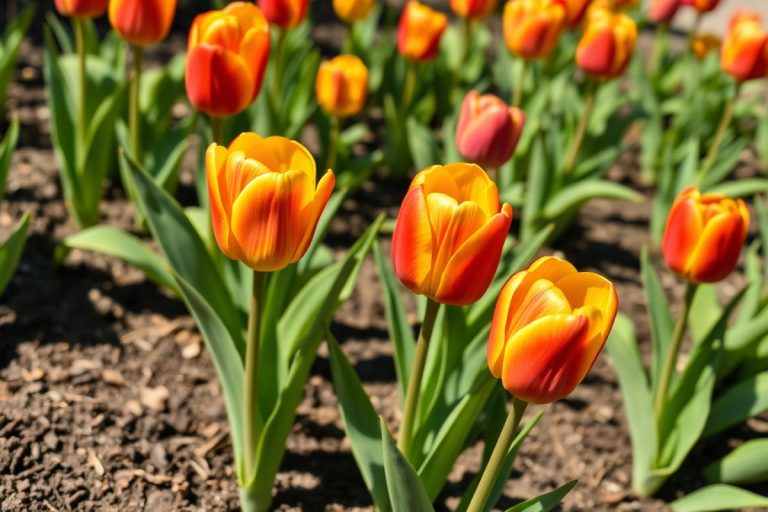
What does a tulip look like can vary. But most have a simple, clean-lined shape.
Typically, they have cup-shaped flowers standing 4 to 24 inches tall, depending on the variety. Their smooth petals often taper to a point, creating a symmetrical silhouette.
Tulip leaves are long and narrow with a waxy feel, arranged along sturdy stems. Tulip colors vary a lot, from reds to yellows. Some have stripes or a greenish tint.
True blue tulips, however, are quite rare. Recognizing a tulip starts with spotting these easy features and their distinct bulb shape.
Unlike onions, tulip bulbs are teardrop-shaped with a reddish-brown skin, storing all they need to bloom. Plant bulbs 4 to 8 inches deep with the pointy end up.
This helps protect them during cold weather. Giving bulbs the right chill period helps trigger vibrant spring flowers, especially in warmer areas.
Key Takeaways
- Tulips usually stand between 4 and 24 inches tall, depending on the variety.
- Their flowers often have a cup shape with smooth, pointed petals.
- Tulip leaves are lance-shaped with a waxy coating and arranged alternately.
- Tulip bulbs are teardrop-shaped with reddish-brown tunics, not yellow or white.
- Plant bulbs 4 to 8 inches deep, with the pointy end facing up.
- Most tulips need 12-15 weeks below 50°F to bloom properly.
What Does a Tulip Flower Look Like?
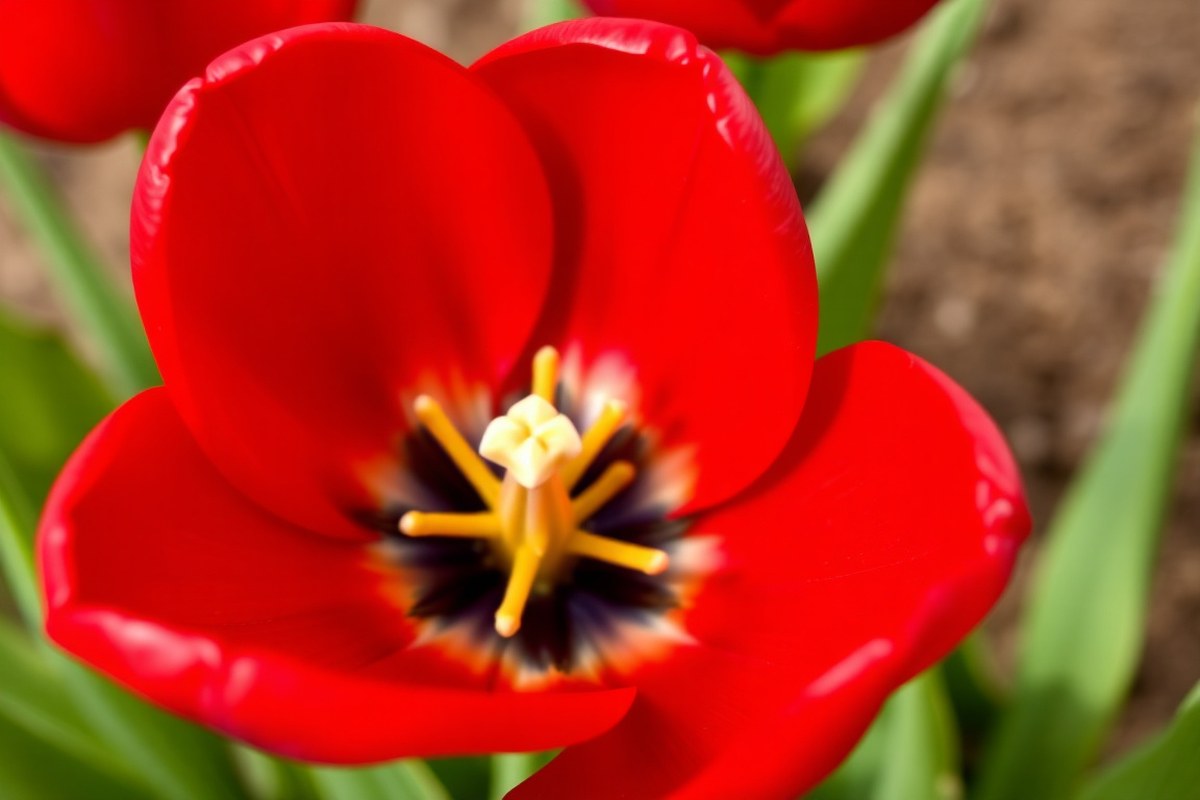
Tulip flowers have a distinct cup shape that is easy to recognize. Their petals are smooth, roughly oval, and all look quite similar. These petals overlap tightly, forming a neat, rounded bloom.
The petals usually number six. They form a symmetrical pattern. This shape makes the flower look simple and clean.
Most tulips follow this classic petal arrangement. It applies to basic cup-shaped blooms. It also fits ruffled, dramatic shapes.
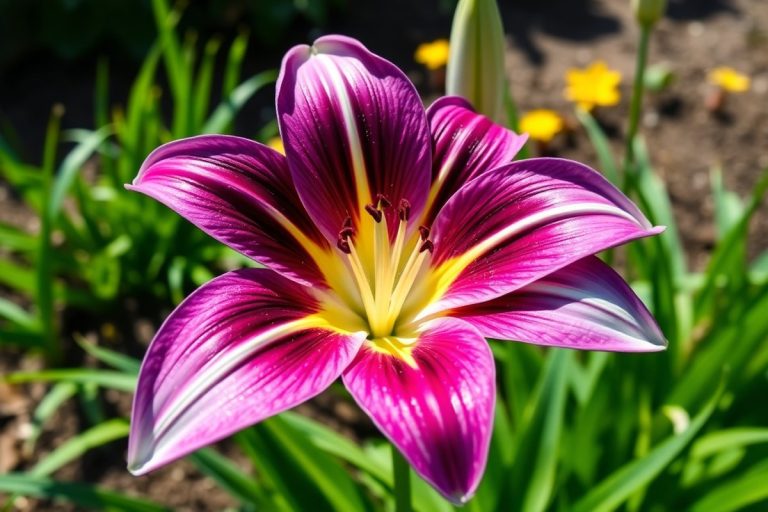
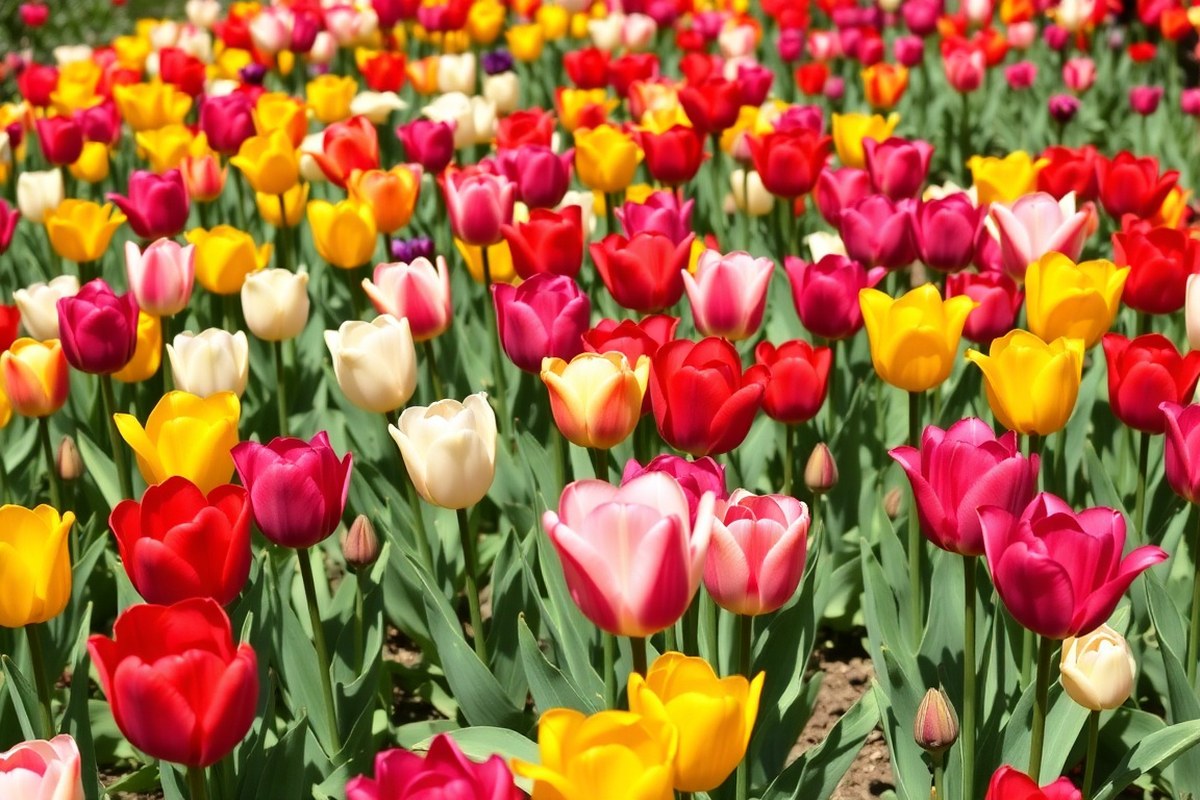
Colors vary widely, spanning almost every shade you can imagine. Tulips come in bright reds, yellows, purples, and even multi-colored blends.
Some have solid colors. Others show stripes or spots, adding extra interest to your garden.
How Tulip Leaves and Stems Appear
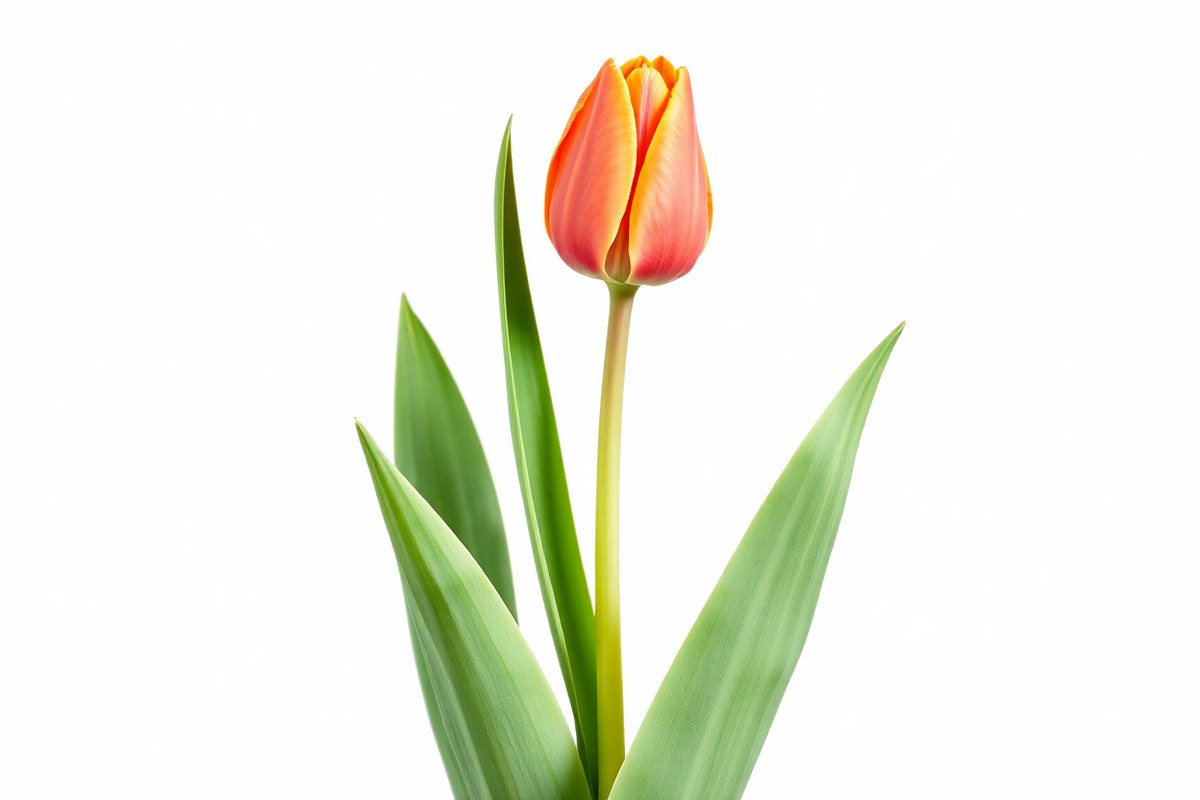
Tulip leaves are long, smooth, and waxy, with a pointed tip. Their stems are smooth and firm, ranging from short to over two feet tall. Leaf and stem colors are mostly bluish-green, helping you recognize healthy tulip plants quickly.
Shape and Texture of Tulip Leaves
Tulip leaves are strap-shaped, meaning they’re long, broad, and end in a point. When you touch them, they feel smooth and a little rubbery because of a waxy coating. This coating helps the plant shed rain and avoid drying out in wind.
Unlike fuzzy weed leaves, tulip leaves are firm and solid. This helps tulips stand out in your garden.
You can learn to tell them apart from other plants. They become easy to spot and enjoy.
Stem Height and Strength Variations
Tulip stems vary widely, ranging from just 4 inches to over 24 inches tall. Early-blooming tulip varieties tend to be shorter, around 4 to 8 inches high. Other kinds may grow taller to support bigger flowers and catch more sunlight.
The stems themselves are smooth and round. They feel firm and strong, providing stable support for the flower. This strength is part of what lets tulips hold up well even on windy spring days.
Colors of Healthy Tulip Foliage
Healthy tulip leaves and stems share a bluish-green shade. This consistent color shows the plant is getting enough nutrients and water. Leaves with no yellow or brown spots are healthy.
This rule doesn’t apply to variegated tulips. They naturally have different leaf colors.
Visible changes like wilting or yellowing often point to problems. Healthy foliage looks fresh with no signs of damage or disease. This helps you spot issues before the tulips bloom.
Key Features to Identify Tulip Plants
Knowing what to look for makes tulip identification easier. Here’s a quick list of leaf and stem features that stand out:
- Leaves are broad, long straps ending in pointed tips.
- Leaves feel smooth, firm, and rubbery due to a waxy coating.
- Stems are smooth, round, and stiff enough to support flowers.
- Stem heights range from 4 inches to over 2 feet.
- Leaf and stem colors are mostly bluish-green and consistent.
- Leaves stay healthy-looking without large yellow or brown spots.
Seeing these features together points strongly to a tulip plant. It can help you plan your garden or check if your spring bulbs have grown well.
Watch for dull or spotted leaves. These often mean your tulip needs more water or less sun.
Identifying Tulip Varieties by Flower and Bulb Shape
Tulip flower shapes vary greatly, showing you which type you have. Some have one simple petal layer, while others sport many layers or unique edges. Tulip bulbs also change in shape and size depending on the variety.
Single vs Double Tulips
Single tulips have just one layer of petals, usually six. They show clean, smooth petal edges and classic cup shapes. Double tulips pack in extra petals, making the flower appear fuller like a peony.
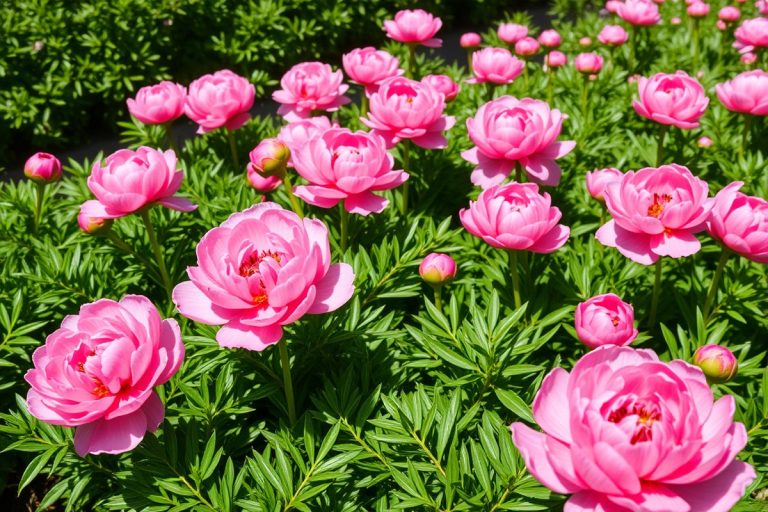
Double tulips often have a dense, rounded look because of many petal layers. They can be slightly heavier and bloom later than single ones. Choosing between these depends on how bold you want your flower display.
Parrot and Lily-Flowered Tulip Features
Parrot tulips have twisted and ruffled petals that look wild and feathery. Their edges are fringed and often brightly colored, resembling tropical bird feathers. Lily-flowered tulips show slender, pointed petals that flare out gracefully.
Lily-flowered types usually have a smoother texture and longer petals. Both types vary in bulb shape but stand out clearly by these petal differences. You can decide based on how dramatic or elegant you want the flowers.
Bulb Shape Differences Among Tulips
Tulip bulbs range from classic teardrop shapes to long or round forms. Most have a pointy top and roots at the base, which you plant facing down. Bulb shape helps you identify the tulip type and how it grows in your garden.
For example, Darwin bulbs are large and oval with a long nose. Triumph bulbs are rounder and stubbier. Picking the right bulb size and shape makes planting easier and ensures good flowering.
Here’s a table to help you spot tulip varieties by bulb and flower shape:
| Tulip Type | Flower Shape | Petal Features | Typical Bulb Shape | Example Varieties |
|---|---|---|---|---|
| Single | Classic cup | One layer, smooth edges | Teardrop or pear | ‘Apeldoorn’, ‘Pink Impression’ |
| Double | Peony-like, full | Multiple layers | Teardrop | Many hybrids |
| Parrot | Irregular, ruffled | Fringed, twisted petals | Oval to round | ‘Flaming Parrot’, ‘Black Parrot’ |
| Lily-flowered | Slender, pointed | Smooth edges, flared shape | Oval to elongated | ‘Ballerina’, ‘West Point’ |
| Triumph | Classic tulip shape | One layer, blunt petal tips | Oval to round, blunt nose | ‘Barcelona’, ‘Prinses Irene’ |
| Fringed | Ruffled edges | Delicate, fringed petals | Oval to round | ‘Cummins’, ‘Honeymoon’ |
Each bulb shape fits its flower type and helps you choose your plant. Bulbs that look healthy feel heavy and firm to the touch. Avoid ones with soft spots or missing skin, especially if they seem bald or dry.
Knowing these flower and bulb shapes makes picking and planting tulips easier. You’ll see distinct blooms and get a garden that matches your style and care routine.
Tulip Color and Pattern Variations
Tulips come in a range of common colors, including red, pink, yellow, white, orange, and purple. You might also find softer shades like cream or peach.
True blue tulips do not naturally occur. So any blue you see is usually more of a purple or violet tone.
Besides solid colors, tulips often show striking patterns that catch your eye. One well-known pattern is picotee, where the edge of the petal has a different color outline. This border stands out sharply against the petal’s main color, drawing attention to the flower’s shape.
Many tulips feature bi-color petals with two contrasting colors on the same flower or occasional spots. For example, species like Tulipa greigii have red spots on a lighter background, adding dramatic interest. Others may look like they have brush strokes, stripes, or feathered edges in their petal designs.
These color patterns often make tulips look more like wildflowers than simple cups. Types like Tulipa kaufmanniana open wide in the sun. They flatten and show pointed petals.
Their shape looks like a star. Such patterns help you identify these varieties and add variety to your garden.
Growing patterned tulips usually takes no extra effort. Plant bulbs in well-drained soil. Let them have cool temperatures.
They start to show their colors and pattern details as the bloom opens in spring. Watch for bright, sharp contrasts between colors for the best visual effect.
What Tulip Bulbs Look Like and How to Recognize Them
Tulip bulbs have a rounded, teardrop shape and usually fit comfortably in your palm. Most measure about 1.5 to 2 inches wide and 2 to 3 inches tall. Their outer layer is a thin, papery skin called the tunic.
It protects the bulb from drying out. It also stops pests from getting in.
The tunic feels dry and flaky but is delicate, so avoid peeling it off. Turn a tulip bulb upside down. Notice its flat, woody base.
This base anchors the roots once planted and helps you spot the right end. Plant the pointy side up only.
It’s easy to confuse tulip bulbs with onion bulbs or other spring-flowering bulbs. Tulip bulbs are generally smaller and more oval or teardrop-shaped than typical onions. Onion bulbs are bigger and rounder than tulip bulbs.
They have a thicker, papery skin. This skin doesn’t flake off easily.
- Check size: tulip bulbs are 1.5 to 2 inches wide, smaller than onions.
- Look at shape: tulips have a smooth teardrop shape, onions are round.
- Feel the tunic: tulip bulb skin is thinner and papery, onion skin is thicker.
- Locate the root plate: flat, woody base of tulip bulbs points down.
- Spot the tip: tulip bulbs have a sharp point for the shoot.
Planting tulip bulbs usually happens in fall months, from September to December. The soil should be cool but not frozen.
Place the bulb 4 to 8 inches deep with the pointy end facing up. Keep bulbs about 5 to 6 inches apart to give roots space to grow.
Don’t plant bulbs with damaged or missing tunics. They dry out quickly and may not grow well.
The Reproductive Parts Inside a Tulip Flower
Inside a tulip flower, you’ll see the stamens standing upright around the center. A typical tulip has six stamens.
Each stamen consists of a thin filament topped with a pollen-covered anther. The anthers release pollen, which is essential for fertilizing the flower.
Right below the stamens sits the pistil, the female part of the tulip. It usually looks like a single, thicker stalk in the flower’s center. The pistil has three main parts: the stigma, style, and ovary.
The stigma is sticky to catch pollen. The style connects it down to the ovary, where seeds develop.
The stamens are thin and threadlike. They have yellow or orange pollen on top. You can spot them easily.
The pistil is usually shorter and thicker, placed in the very center under the stamens. When you gently open a tulip bloom, these parts become clear against the usually bright tepals.
Visual Health Signs of Tulip Plants and Bulbs
Healthy tulip foliage is bright green and upright. The leaves should feel firm, smooth, and free of spots or holes. A drooping or yellowing leaf can mean stress or disease.
Check bulbs carefully before planting or storing. A healthy bulb looks firm and feels heavy for its size.
The outer skin is dry and papery, covering a solid inside. The tip, called the nose, is pointed and unbroken, ready to sprout.
Mold or rot shows as soft spots, dark patches, or fuzzy growth on bulbs. These problems often appear if bulbs stay wet or are stored in poorly ventilated places. Remove any affected bulbs quickly to stop spread.
Tulips may flower poorly due to stress like too much heat, drought, or poor soil. Their leaves might turn pale or have brown edges. If new “daughter” bulbs form too early, the main bulb can weaken and reduce flower size.
- Look for firm, upright leaves without discoloration.
- Inspect bulbs for firmness and absence of soft or dark spots.
- Keep bulbs dry and cool between 35°F and 50°F when stored.
- Remove any bulbs with fuzzy mold or strong odors immediately.
- Avoid planting where water pools or soil stays soggy.
- Note pale or shriveling leaves as signs of stress or pests.
- Store bulbs away from pets because they can be toxic if eaten.
Noticing these signs early helps you save or replace bulbs before planting. Proper storage usually takes less space and a cool dry spot. You’ll get stronger shoots and bigger flowers by catching trouble fast.
Seasonal Changes in Tulip Appearance from Bulb to Dormancy
Tulips change a lot from bulb to dormancy. You can see clear stages in your garden. These stages help you understand their growth cycle.
A tulip bulb lies underground in winter, then sends up shoots in spring. After flowering, its leaves fade, and seed capsules form before the plant goes dormant again.
From Bulb to Shoot Emergence
The tulip starts as a firm bulb, storing moisture and energy for growth. In early spring, new shoots break through the soil.
The soil usually warms to about 50°F by then. You’ll see fresh green shoots pushing up.
These shoots are bright green and pointed, signaling the tulip is waking from dormancy. You’ll see one or two narrow leaves appear as the plant grows taller.
- Check your tulip bulbs in fall before planting to ensure they are firm and plump.
- Plant bulbs 6 to 8 inches deep with the pointed end facing up.
- Water well after planting to encourage root development.
- Wait for soil temperatures to rise, usually in early spring, to spot the emerging shoots.
- Allow shoots to grow fully without disturbing the soil.
Keep leaves intact at this stage; they photosynthesize to fuel bulb growth.
Flowering and Bloom Phases
As the tulip grows taller, it produces a flower bud that opens into a bright bloom. Tulip flowers usually appear in mid to late spring, depending on the variety.
After blooming, petals fall away. A green, oval seed capsule forms at the top of the stem.
It is about the size of a grape. This capsule stays after the flower dies.
The seed capsule dries and gets hard if left on the plant. It can open and release seeds when conditions are good. This helps tulips spread naturally.
- Watch for flower buds about 2 to 4 inches tall, just before they open.
- Enjoy the full bloom stage, which lasts 1 to 2 weeks.
- Do not cut flowers too early; let petals drop naturally.
- Observe the developing seed capsule forming behind the spent flower petals.
- Decide if you want to collect seeds or allow natural dispersal by leaving capsules intact.
Cutting the flower stem after bloom won’t harm the bulb but losing leaves early will.
Dormancy and Leaf Dieback
After flowering, tulip leaves turn yellow and begin to curl. The plant spends 4 to 6 weeks to store energy back in bulbs.
This happens after flowering as the leaves turn yellow. This storage is important for next year’s growth.
Tulips go dormant once leaves are brown and easily pull from the soil. The bulb then rests underground until the next growing season.
During dormancy, the bulb is dry and firm. It requires no watering and can be left in place to sprout again next year.
- Allow leaves to yellow and fade naturally after bloom.
- Do not cut leaves off too soon; the bulb needs the nutrients.
- Wait until leaves dry fully before removing any debris around the bulb.
- Leave the bulbs planted if your climate is mild.
- Lift and store bulbs in a cool, dry place if you live in a hot climate.
- Inspect bulbs for softness or mold and clean gently if needed before storage.
Removing leaves early weakens bulbs and may cause missing flowers the next year.
Step-by-Step Action Plan for Identifying and Caring for Tulips
Follow these steps to recognize a tulip plant and support its healthy growth.
- Before Planting: Check your bulbs for firmness and no mold to ensure healthy starts.
- Planting Time (Fall): Plant bulbs 6 to 8 inches deep with the pointed end up. Look for sprouts by early spring.
- Early Spring: Watch for green shoots showing smooth, lance-shaped leaves; this confirms growth.
- Bud Appearance (Late Spring): Identify flower buds by their rounded, tight shape before blooming.
- Bloom Time: Spot the cup-shaped flowers with six petals in various colors and patterns.
- Post-Bloom: Leave leaves until they yellow and wilt. This feeds the bulbs for next year.
- Late Summer to Fall: Check bulb health by digging a sample. Look for firm, plump bulbs without spots.
- Storage (if needed): Store dry bulbs in a cool, ventilated place before replanting next season.
Frequently Asked Questions
What Does a Tulip Flower Typically Look Like?
A tulip flower usually has a cup or star shape with six petals. Their petals are smooth and often uniform, contributing to the tulip’s classic, clean-lined silhouette.
How Do Tulip Leaves and Stems Appear?
Tulip leaves are lance-shaped with a waxy coating and usually grow two to six per plant. The leaves get smaller higher on the stem and are arranged alternately along the stalk.
How Can You Spot Different Tulip Varieties by Their Bulb Shape?
Tulip bulbs generally look teardrop-shaped with a reddish-brown tunic, different from onions. Knowing this helps you pick the right types for your garden’s bloom time and style.
What Are the Common Color and Pattern Variations in Tulips?
Tulips come in many colors, from plain reds to variegated patterns like stripes or flames. Each variety offers a unique look suited to different garden themes.
What Do Tulip Bulbs Look Like, and How Do You Recognize a Healthy One?
A healthy tulip bulb is firm, plump, and reddish-brown with no soft spots. It looks like a small teardrop with layers inside, storing energy for spring growth.
What Are the Reproductive Parts Inside a Tulip Flower?
Inside, a tulip has six stamens around the pistil for reproduction. These parts are small and often dark, hidden in the flower’s cup shape.
Wrapping Up
Tulips have clear features you can spot from leaves to flowers. Keep an eye on their health signs to care for them right. Try identifying your tulip’s variety by its flower shape and color next spring.