When to Start Planting Seeds: Practical Timing Tips for Best Growth
Knowing when to start planting seeds is key to healthy garden growth. The best time to start seeds indoors is about six weeks before your last frost date. This timing helps seedlings grow strong before moving outdoors in spring.
Check your local frost dates using tools like the Almanac’s Frost Date Calculator. Count backward six weeks to find the ideal indoor seed-starting date. This approach works well for most vegetables, giving seedlings enough time to mature.
Keep soil temperatures near 75°F for best germination, avoiding above 90°F. Maintaining consistent warmth helps seeds sprout faster and more evenly. Also, watering gently prevents soil from drying out or becoming too soggy.
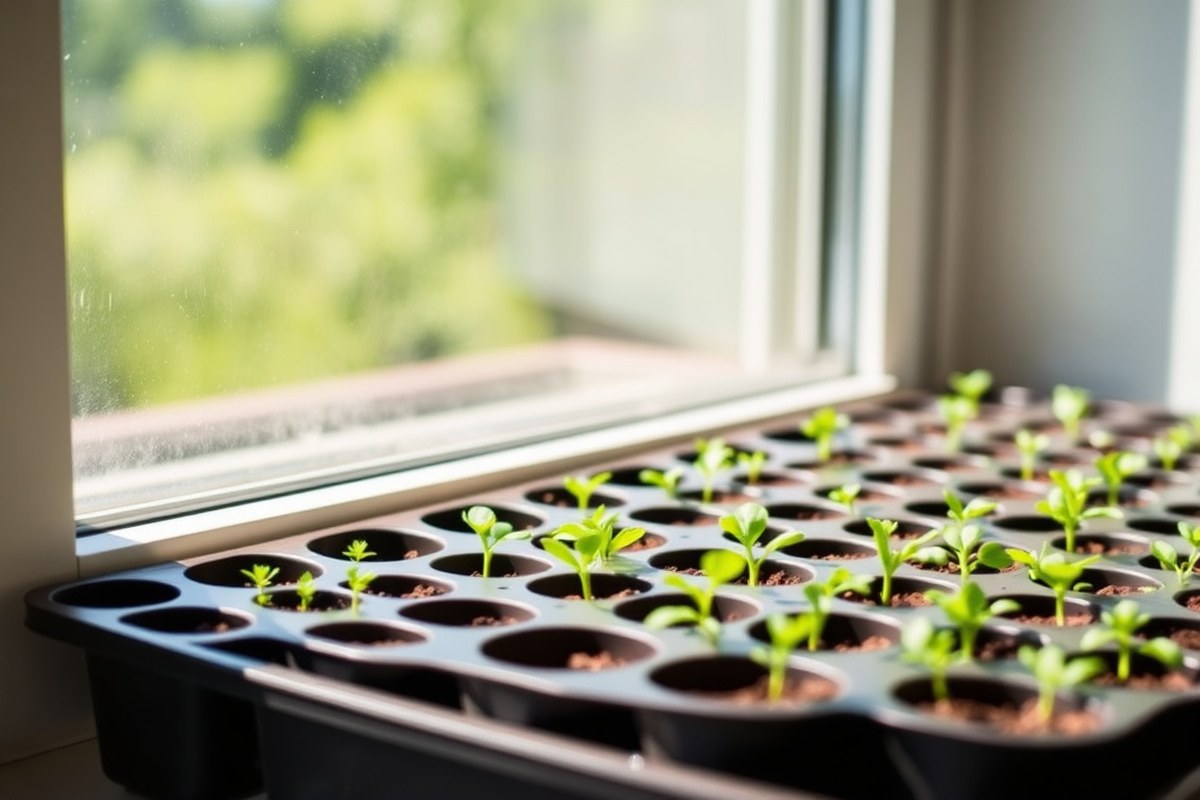
Provide seedlings with plenty of light, 12 to 16 hours daily reduces spindly growth. Use a sunny south-facing window or grow lights for steady brightness. These small details improve your seed-starting success and plant health.
Key Takeaways
- Start seeds indoors about six weeks before the last frost date in your area.
- Use frost date calculators to find the exact timing for your zone.
- Provide seedlings with 12 to 16 hours of light daily to prevent legginess.
- Keep soil temperatures around 75°F for best germination results.
- Plant seedlings outside young, sometimes as early as 3 to 4 weeks old.
- Small seeds like basil can be left uncovered for better light and air.
When Is the Best Time to Start Planting Seeds?
Start most seeds indoors about six weeks before your last frost date. That gives seedlings enough time to grow strong before moving outside. If the average last frost date is April 15, count back six weeks.
Start indoor seed starting around March 4. This helps seedlings be ready for planting after frost.
Some crops, like broccoli, need to start earlier indoors. Begin about eight to nine weeks before the last frost date. This gives them enough time to grow strong.
Warm-season crops like cucumbers and squash do best indoors four weeks before frost. Melons also follow this timing. Starting seeds this way helps them thrive when outside.
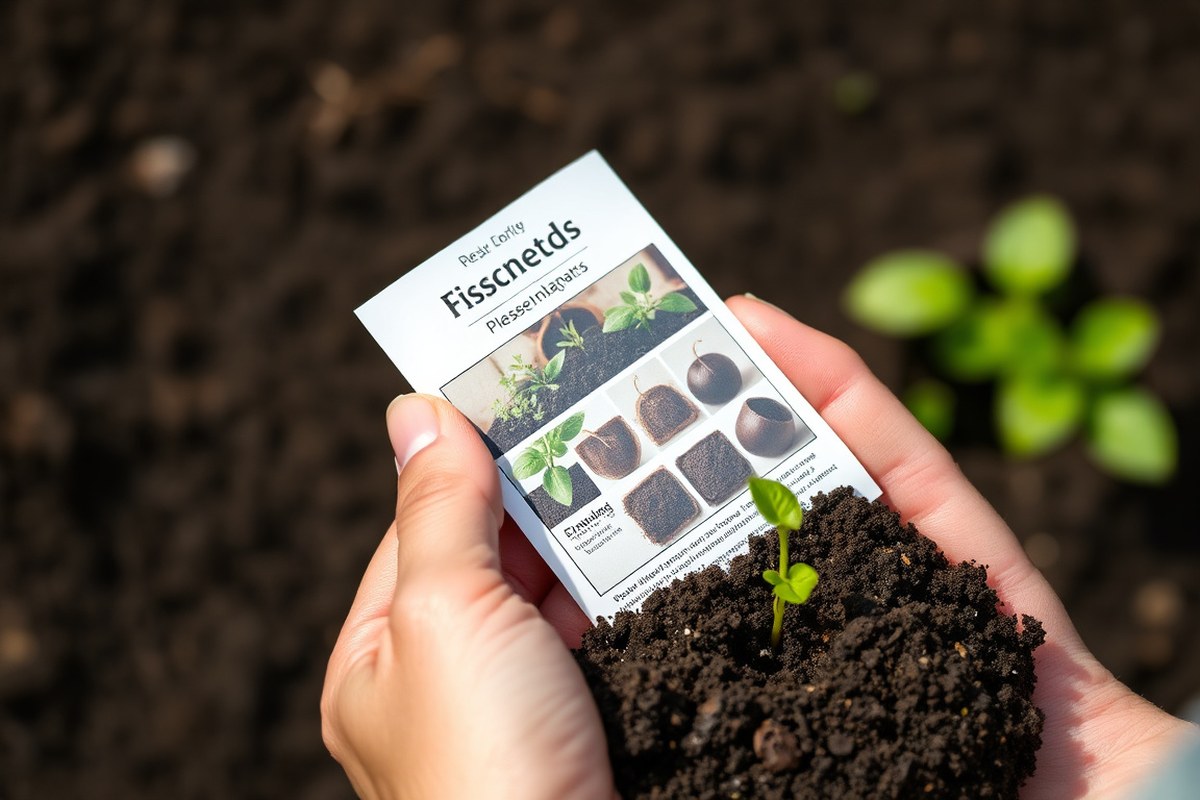
Check your seed packet for specific timing advice. It often tells you how many weeks to start seeds before frost. This guides your indoor seed schedule.
Many vegetables can be planted directly outdoors without indoor starting. Beans are a good example. Sow them in the ground about one week after the last frost.
Root crops like carrots and beets can be direct sown before last frost. Sow them two weeks earlier once the soil warms. This helps them grow well in cooler conditions.
These crops usually don’t transplant well. So planting them outside straight from seed works best.
Find your average last frost date first. Use a local gardening calendar or an online frost date calculator. This date helps set your seed-starting schedule.
Then subtract the number of weeks recommended for each crop’s indoor start from that date. Wait for soil temperature to reach about 50 to 60°F before planting outside.
Planting in too cold soil can stop seeds from sprouting. This temperature range ensures good germination.
Starting seeds indoors too early can cause leggy seedlings that need extra care. Begin too late, and your plants might not mature in time. For colder areas, the timing shifts later since frost dates arrive later.
Warmer climates allow earlier starts. But watch for heat-loving crops that germinate better when soil is warmer.
How to Use Frost Dates and Climate Zones for Timing
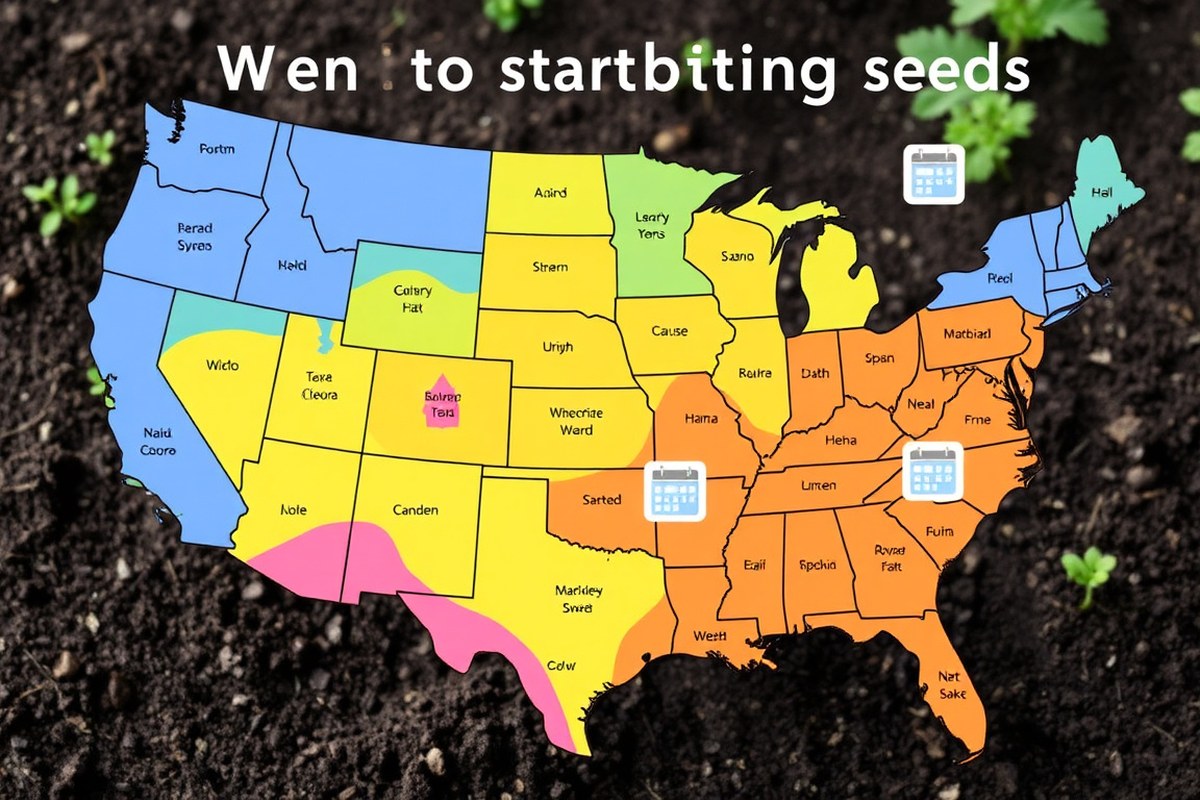
Finding Your Local Frost Dates
Check your average last spring frost date before planning seed starting. You can find it on your local extension office website. Enter your ZIP code to get results.
Gardening apps also help find this info easily. These sources use historical weather data to give a reliable frost date for your area.
Knowing the last frost date helps you avoid planting too early when cold can kill seedlings. Your last frost might be on May 15. Count backwards from that date to start seeds.
This helps you plan the best time. This date is your planting calendar anchor point.
Using Frost Date Calculators Effectively
Seed starting calculators ask for your ZIP code or location to estimate safe planting times. They count back weeks from your last frost based on each plant’s needs. Tools like these often include USDA zone info and show when to sow indoors or outdoors.
These calculators save you guesswork by adjusting plant schedules to your climate zone. Start warm-weather seeds indoors 6 to 8 weeks before frost. This time lets seedlings grow strong.
Then you can transplant after frost danger passes. Cold-weather crops may start outside closer to the frost date.
Working with Climate Zones
The USDA Hardiness Zone system divides the country by winter temperature ranges. Use your zone to pick seed varieties that thrive in your region. Zones also guide how early or late you should start seeds indoors and move plants outside.
In Zone 5, start tomatoes indoors about 6 weeks before frost. This gives plants enough time to get ready. It fits the local growing season.
In Zone 8, you can start them earlier or direct sow outside sooner. Climate zones help you adapt planting times to typical weather, not just frost dates.
Adjusting for Microclimates and Weather Variations
Microclimates can change planting times around lakes or hills. Urban heat islands can shift dates by days or weeks. Watch your specific area for these effects.
Identify cooler or warmer spots in your garden using temperature records or just observation. Adjust your planting schedule to match these small differences.
Unusual weather like late spring freezes or early summer heat also changes when to plant. Keep an eye on local forecasts just before and after the frost date. Delay direct sowing if nights remain very cold or protect seedlings with covers.
Checklist and Practical Steps for Timing Seed Starting
Start by finding your last frost date online or from local resources. Then, use a seed starting calculator to set seed sowing dates based on that frost date. Match each plant’s recommended indoor or outdoor starting time.
Add any adjustments for your garden’s microclimate or recent weather. Note that most warm-weather seeds start indoors 6-8 weeks before the frost. Cold-weather crops can often be directly sown outside soon after the last frost.
Don’t rely on frost dates alone. Watch the weather and protect young seedlings if nights turn unexpectedly cold.
Seeds That Need Indoor Starting vs. Direct Sowing Outside
Some seeds do better when started indoors. Others grow best when sown directly outside.
Indoor starting suits seeds that need a longer, warmer start before transplanting. Direct sowing works well for seeds that sprout quickly or dislike transplanting.
Warm-Season Crops Best Started Indoors
Warm-season crops like tomatoes and peppers often need indoor starting. These seeds require a longer growing period in warm conditions before outdoor planting. Indoor growing lets the plants grow strong during the cooler early spring.
Indoor seed starting typically takes 4 to 6 weeks before transplanting outdoors. This timing gives seedlings enough time to grow without being weak or leggy. Using LED grow lights helps provide the steady light these plants need to grow quickly.
Cool-Season Crops Ideal for Direct Sowing
Many cool-season crops, such as carrots and peas, do better when directly sown outdoors. These seeds can germinate in cooler soil and do not like root disturbance from transplanting. For instance, carrots have a sensitive root system that does not transplant well.
Direct sowing can also allow for succession planting, which provides a longer harvest period. You sow seeds every few weeks to keep plants growing continuously. Following the spacing instructions on the seed packet helps avoid overcrowding and poor growth.
Flower Seeds and Special Cases
Some flower seeds need an indoor start because they require warmth and steady light. Others, like sunflowers, do best sown directly outside since they germinate quickly. Root crops like beets can sometimes start indoors.
They often grow better when you sow them directly outdoors. Choose direct sowing for better success with root crops.
Seed size affects the choice, too. Tiny seeds usually grow faster in the garden soil.
Large seeds often take longer and need indoor conditions for a boosted start. Checking the seed packet instructions helps decide based on seed size and plant type.
See the table for a quick comparison of common crops and their preferred starting methods.
| Crop Type | Seed Starting Method | Reason |
|---|---|---|
| Tomatoes | Start Indoors | Long growing season and warm conditions needed |
| Peppers | Start Indoors | Slow germination and warmth requirement |
| Carrots | Direct Sow | Sensitive roots and prefer cool soil |
| Peas | Direct Sow | Quick germination and cold tolerance |
| Sunflowers | Direct Sow | Large seeds and fast outdoor growth |
| Beets | Start Indoors or Direct Sow | Can transplant if started indoors early |
Matching the seed starting method to the crop helps speed growth and avoid transplant shock. Starting indoors usually means more tools and attention. Direct sowing cuts costs and labor but needs proper soil and timing.
Optimal Soil Temperatures and Light Conditions for Seed Starting
Most summer vegetable seeds need soil temperatures around 60 degrees Fahrenheit to start sprouting. Cold-weather crops like peas or lettuce can sprout in cool soil.
They start growing at soil temps between 40 and 50 degrees. Check the seed packet to find the ideal temperature for your specific seeds before planting.
Seedlings require lots of light, at least 12 to 16 hours daily, to grow strong stems. Without enough light, they become tall and weak, a problem called “leggy” seedlings.
Grow lights with mostly blue and red light help young plants. This light helps leaves and stems grow strong if sunlight lacks.
Use a quality seed-starting mix, which holds moisture without becoming waterlogged. Keep soil warm in your home by choosing a warm spot. Try the top of your refrigerator or use a seed heating mat.
Heating mats cost around $20 to $40. But they make a big difference in speed and success.
Some seeds need light to sprout, like lettuce or chamomile. For those, press the seeds gently on the soil surface instead of covering them deeply.
Most other seeds should be planted about three times as deep as their size. Too deep and the seed may fail to reach the surface.
Once your seedlings appear, a lighting timer can keep the hours consistent. Give plants 12 to 16 hours of light each day.
Then let them rest in darkness for 8 to 12 hours to match nature. Avoid exposing seedlings to direct hot sunlight indoors, as it can dry them out fast.
Heat and light work best combined for healthy seedlings. For example, put seedlings near a south-facing window with supplemental LED grow lights.
Rotate your trays if light is uneven, so all seedlings grow evenly. Watch for signs of too much heat like wilting, and adjust accordingly.
When moving seedlings outside to harden off, expose them gradually to outdoor light and temperatures. Start with a few hours in shade and increase exposure over seven to ten days. Sudden changes can shock young plants and stunt growth or kill them.
Timing Seed Starting and Transplanting Steps for Success
Seedlings usually take about 3 to 4 weeks after sowing to be ready for transplanting outside. Start hardening off seedlings seven to ten days before planting. Slowly expose them to outdoor conditions during this time.
This helps them adjust safely to the environment. Proper timing helps seedlings adjust well and keeps them healthy through transplanting.
Step 1: Start Seeds Indoors
Begin sowing seeds indoors 4 to 6 weeks before your last expected frost date. Use seed-starting trays or pots filled with light seed-starting mix. Keep the soil moist and warm, around 65 to 75°F, to encourage fast germination.
Give each seed enough space to grow, avoiding overcrowding that leads to weak stems. Place trays under grow lights or by a bright window.
Keep them there for 12 to 16 hours each day. This gives seedlings enough light to grow well.
Step 2: Monitor Seedling Growth and Light
After germination, keep an eye on seedling growth and the light source. Seedlings stretch if they don’t get enough light, which weakens them. Maintaining strong, compact growth means adjusting the light height and duration as needed.
Water seedlings carefully to avoid soggy soil or drying out. Good airflow helps prevent disease problems around young plants.
Step 3: Harden Off Seedlings Gradually
Start hardening off seedlings about 7 to 10 days before transplanting them outdoors. Put them outside in sheltered, shaded spots for a few hours, then bring them back inside. Each day, increase the time spent outdoors and add some sun exposure.
This slow change helps seedlings handle wind, temperature shifts, and direct sun. Avoid leaving them outside overnight until they’re fully hardened off.
Step 4: Transplant at Optimal Time
Transplant seedlings after they grow two sets of true leaves. Make sure the soil feels warm enough before planting. This keeps young plants healthy as they move outside.
For most vegetables, this happens about 3 to 4 weeks after sowing. Pick a calm, cloudy day or late afternoon to reduce transplant shock.
Water seedlings before transplanting and space them according to seed packet instructions. After planting, water well and watch for signs of stress, like wilting or yellow leaves.
- Sow seeds indoors 4-6 weeks before last frost.
- Keep soil moist and provide full light daily.
- Watch for strong, compact seedlings without stretching.
- Begin hardening off seedlings 7-10 days before transplanting.
- Expose seedlings to outdoor conditions gradually.
- Transplant seedlings with true leaves when soil warms up.
- Water seedlings well before and after planting outside.
- Monitor transplanted seedlings for shock or stress.
Hardening off too quickly can cause leaf burn and stunt seedling growth.
Common Timing Mistakes and How to Fix Them
Starting seeds too early often causes leggy seedlings that stretch toward weak light. They look tall but bendy, and may not grow strong enough for transplanting. Delaying seed start risks missing the best growing window.
This can cause slow growth. It may also lower your harvest.
Fixing leggy seedlings means giving more light as soon as you spot it. Move seedlings near a bright window. Or use a grow light.
Keep it about 2 inches above the plants. Prune tall stems a little to help seedlings.
Plant the stems deeper in fresh soil. This encourages new roots to grow.
Weather changes can force you to adjust seed starting times quickly. Keep seedlings inside under lights if cold weather delays outdoor planting.
Or put them in a warm spot. For sudden warm spells, harden off seedlings outside gradually over one week to reduce shock.
- Check seed packets for exact planting depth and timing.
- Use supplemental light 12-16 hours per day to avoid stretching.
- Sow extra seeds to catch up if seedlings are behind schedule.
- Harden off indoors plants by gradually exposing them to outdoor light.
- Thin seedlings to one per cell or spot before transplanting.
- Keep soil moist but not soggy to avoid root diseases.
Starting seeds too early can waste energy and space in your growing area. Too late, and the plant won’t mature before the cold weather comes. Young seedlings need bright, steady light to grow strong.
They also need warm soil. These help them become healthy plants. Adjust your plans based on how the seedlings look and what the weather does.
Adjusting Seed Starting Times for Different Seasons and Areas
Starting seeds for a fall garden means planning backward from your first expected frost date. Count 8 to 10 weeks before the frost date to start seeds. Cool-weather crops like kale or broccoli need indoor sowing.
Start them early to give plants time to grow. These plants tolerate cooler soil but need time to mature before cold hits hard.
Warm-season crops require earlier starts in cold zones. Start seeds indoors 6 to 8 weeks before the last frost. This gives plants a good head start before planting outside.
Plan your seed start based on frost dates. In warmer places, sow seeds outside sooner or start less early.
Mild weather means you don’t need as much lead time indoors. Adjust your seed schedule to your climate.
For short growing seasons, fast-maturing crops are your best bet. Choose varieties labeled for quick harvests, often maturing in 45 days or less. Sow seeds indoors or use cold frames to shield young plants.
These methods protect plants and expand your growing season. Cold frames stretch your garden’s timing nicely.
Late-season planting means watching soil temperature closely. Most seeds fail to sprout well if soil dips below 50°F. Use a soil thermometer to check. Delay planting if needed.
Warm soil by covering garden beds with black plastic first. Do this a week before you plant seeds or seedlings. It helps soil hold heat for better growth.
Cold frames and row covers extend your growing season without major expense. Cold frames keep young plants warm on chilly nights. They let you start seeds outdoors earlier or later in the year.
This extends your planting season safely. A simple cold frame costs about $50 or less.
It helps you grow more by extending your season. The investment pays off in bigger, healthier yields.
Track your frost dates to schedule and adjust seed starting times. The checklist: pick crops based on season and days to grow. Find your last or first frost date.
Count back weeks to start seeds, then adjust for your zone. This prevents rushing seedlings into weather they can’t handle.
A common mistake is starting fall crops too late indoors, which results in weak plants. Others try direct sowing when soil is still cold, leading to poor germination. Starting seeds at the right time and temperature helps roots grow strong.
This leads to healthy leaves and better plant growth. Proper timing supports a good harvest.
Compare seed starting indoors versus outdoors using your climate’s average temperatures. In zones with short summers, indoor starting with later transplanting works better.
In mild zones, direct sowing outdoors saves time and space by skipping the indoor stage. Your choice depends on space, equipment, and how long your frost-free period lasts.
Tools and Resources to Calculate Ideal Planting Dates
Seed starting calculators and planting zone maps are key to choosing prime dates. Websites like the Old Farmer’s Almanac offer free calculators that use your zip code. These tools automatically adjust dates based on your USDA Planting Zone and average last frost date.
Using a planting zone map alongside a calculator helps you pinpoint your climate’s specific needs. First, find your zone on the USDA map by entering your address.
Then plug your zone into the calculator. The tool estimates when to start seeds indoors, transplant seedlings, or sow directly outside.
Apps like Gardenize, GrowIt!, and Veggie Garden Planner send reminders for seed starting. You enter your zone and plant types, then get alerts when to start seeds. These apps often cost a few dollars or offer free versions with basic features.
Seed starting charts also keep planning organized with clear dates and instructions per vegetable. Many printable charts line up seed starting time with days to maturity and ideal soil temperatures. This helps you avoid planting too early or too late based on your zone’s weather trends.
The trick is matching your local climate with each plant’s growth timeline. Calculators account for frost dates and average temperatures, but you still watch the weather. A late frost threat means you should delay transplanting.
Don’t go by the calendar alone. Wait until the frost risk passes.”
Always double-check your last frost date against current local conditions before planting outdoors.
Some gardeners prefer combining tools: start with a calculator, then consult a seed starting chart. This helps you plan quantities and space for seedlings. You’ll also see when to toughen up plants before moving them outside.
Costs can be as low as free online calculators. Some apps charge $3 to $10 yearly. These include reminders and extra features.
Using these resources takes minutes but prevents wasted seedlings and poor timing. That saves money and boosts your garden’s success every year.
Step-by-Step Action Plan for Starting Seeds on Time
Follow this plan to start your seeds indoors or outdoors at the best time. Check each step to ensure your seedlings grow healthy and strong.
- Before You Start: Find your area’s last frost date first. Use a local planting calendar or an online tool. Knowing this date helps plan your seed starting. This date helps you know when to sow.
- Week 1: Choose seeds that need indoor starting, like tomatoes or peppers. Plant them in seed trays with moist soil at the right temperature (65, 75°F).
- After 2 Weeks: Check seedling growth. Look for sturdy stems and healthy leaves. Thin seedlings if they are crowded to avoid competition.
- 3 to 4 Weeks Before Last Frost: Start hardening seedlings by placing them outside. Let them get partial sun for a few hours daily. This toughens plants for outdoor planting. This gets them ready for transplanting.
- After Last Frost Date: Transplant your hardened-off seedlings into the garden. Water them well and watch for any stress signs, like drooping leaves.
- At the Same Time: Sow seeds that don’t need indoor starts. Plant peas or beans directly in prepared soil. Make sure soil temperature is right for them.
- After Transplanting: Continue to water seedlings regularly and protect them from pests. Use row covers if needed to extend protection.
- Two Weeks Later: Monitor plant growth and add fertilizer if seedlings look pale or slow-growing. Healthy leaves show your timing is good.
Frequently Asked Questions
How Does Soil Type Affect When to Start Planting Seeds?
Soil drains and warms up at different speeds for each type. Clay soils hold water longer than other soil types.
Start seeds a bit later to keep soil from staying soggy. This helps avoid root rot.
Can Weather Forecasts Help Decide Seed Planting Times?
Yes, short-term forecasts let you avoid planting before cold snaps. Check for upcoming frost or rain to protect young seedlings from damage.
Is It Better to Start Seeds on a Sunny Window or Under Grow Lights?
Grow lights offer consistent light and better control over timing. A sunny window light changes with seasons and may slow seedling growth.
What’s the Best Way to Harden Off Seedlings Before Transplanting?
Move seedlings outdoors gradually over 7 to 10 days. Start with a few hours in shade, increasing sun and time daily for stronger plants.
Should You Water Seeds Before or After Planting?
Slightly moist soil before planting helps seed germination. Avoid soaking; just water enough so soil feels damp but not wet.
Does Seed Age Affect the Best Time to Start Planting?
Older seeds might need warmer soil and extra care to sprout. Start them later or indoors to boost germination chances.
Final Thoughts
Starting seeds at the right time helps your garden thrive from the beginning. Use your frost date as a simple guide for indoor sowing and outdoor planting. Now, pick your seeds and get your soil ready for planting.