When to Start Seeds Indoors Chart a Complete Guide with Timing and Tips for Gardeners
When to start seeds indoors chart is a must-have tool for gardeners. It gives you clear timing based on your local last frost date. Starting seeds indoors six weeks before the last frost works well.
This timing helps give plants a head start. Many gardeners use this method for better growth.
The key is knowing your frost date. You can find it online. Use a frost date calculator to get accurate info.
Once you have it, count backwards six to eight weeks for most seeds. That timing helps seedlings grow strong before they move outdoors.
Some seeds like tomatoes start earlier, about eight weeks ahead. Others, like zucchini, do better if started only three or four weeks before the last frost. Adjusting your start time helps avoid weak roots or leggy seedlings.
Key Takeaways
- Use a frost date calculator to find your area’s last frost date.
- Start tomato seeds indoors six to eight weeks before the last frost.
- Begin zucchini seeds indoors three to four weeks before the last frost.
- Count back weeks precisely to avoid starting seeds too early.
- Adjust seed-start times based on your USDA zone.
- Give slow-growing seeds plenty of time indoors to develop.
When to Start Seeds Indoors Based on Your Last Frost Date
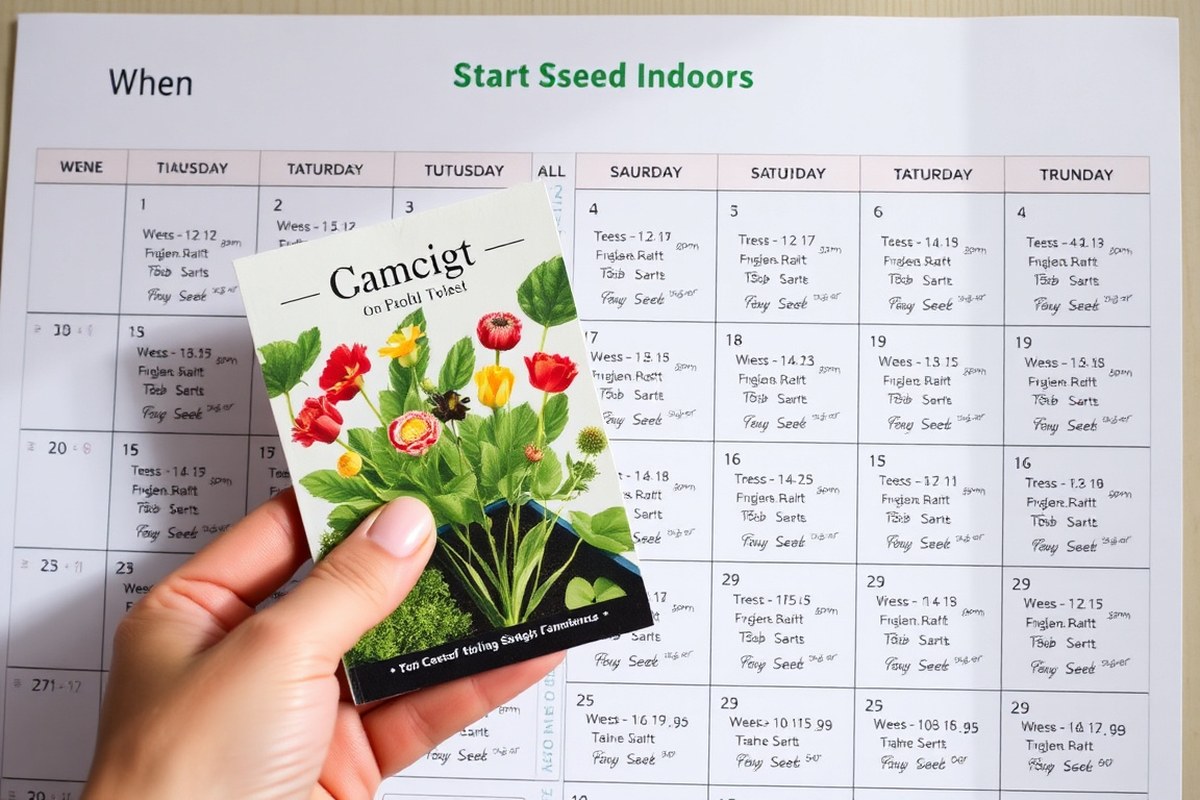
Your last frost date is the average day of the final spring freeze in your area. It’s important because seeds started indoors need to be timed to avoid cold damage after transplanting. Find your last frost date with online tools like the Almanac’s Frost Date Calculator.
You can also ask at local gardening centers. These sources will give you a reliable date.
Count backwards from the last frost date to know when to start seeds indoors. The general rule is to start seeds about 6 weeks before your last frost. If your last frost date is May 15, count back 42 days.
This brings you to about April 3. Start most seeds indoors by this date.
Adjust the timing based on your USDA growing zone since colder zones need earlier starts. In zones 3 and 4, start seeds 10 to 12 weeks before the last frost.
Zones 5 and 6 call for 8 to 10 weeks. Zones 7 and 8 need about 6 to 8 weeks before frost.
Let’s say you live in zone 5, where the average last frost date is April 30. For tomatoes needing 6 to 8 weeks indoors, count back 42 to 56 days. Plant seeds from March 5 to March 19.
This ensures healthy seedlings for transplanting. Transplant after the frost has passed.
Seed packets usually list indoor start times in weeks before last frost. Zucchini seeds only need 3 to 4 weeks indoors. They grow quickly and can handle some cold.
This shorter indoor time suits fast growers. You’d begin those seeds closer to your frost date than slow-growing plants like peppers or eggplants.
Use this formula: Seed Start Date equals Last Frost Date minus (weeks indoors times 7 days). This helps you keep track of timing. Keep it simple to avoid mistakes.
This lets you find an exact start date for each seed type. You base it on your local weather conditions.
This way, your schedule matches your area. Adjustments may come from your seed variety’s needs or how warm your indoor space stays.
Starting seeds too early can cause crowded, leggy plants that need extra light and space. Starting too late may shorten growing time and reduce harvest size. Stick to firm timing so seedlings sprout and grow strong.
This helps them handle the outdoor weather later. Good timing leads to better plant health.
Which Seeds Should You Start Indoors Versus Direct Sow?
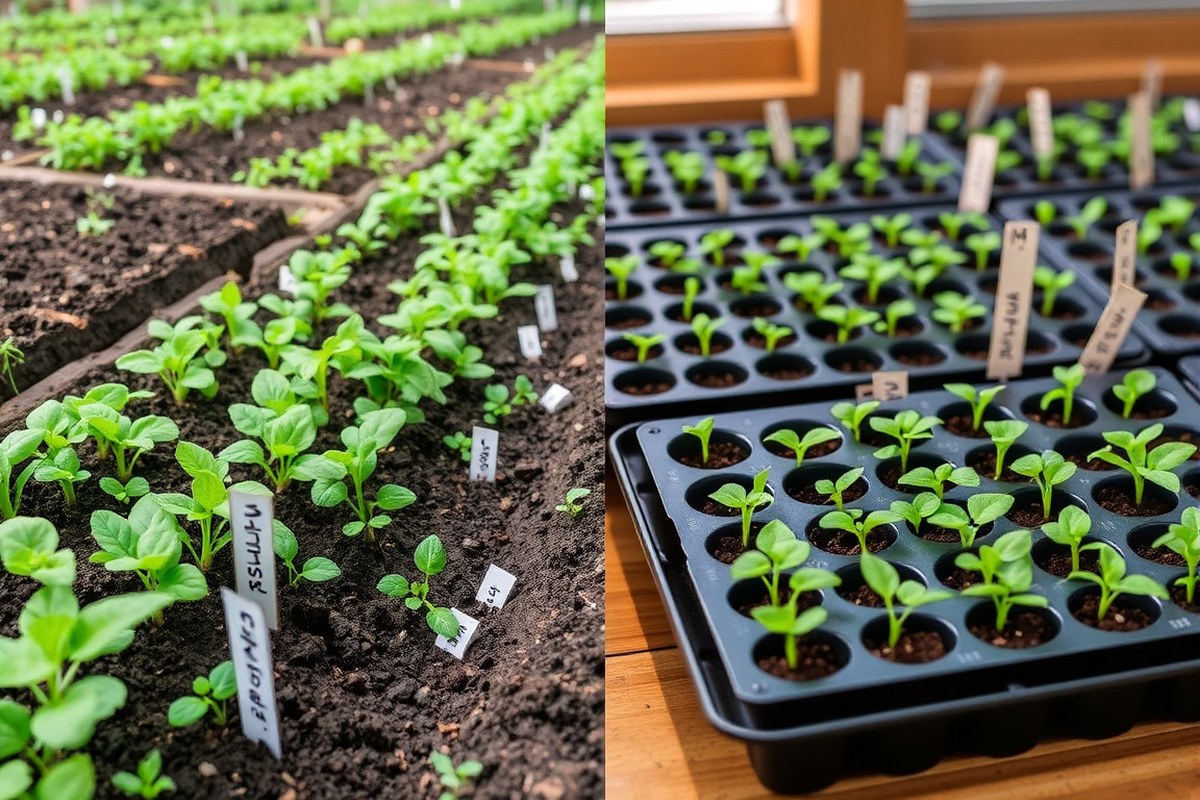
Some seeds grow better indoors because they need warmth. They also need more time to grow before going outside. Heat-loving plants like tomatoes and peppers need 6 to 10 weeks indoors.
This helps them get a strong start. Root crops like carrots or radishes grow best when sown directly. Their roots are fragile and don’t transplant well.
Cool-season crops like lettuce, spinach, and radishes often do best when direct-sown outside. These plants grow fast and have short cycles. You can plant them every 10 to 14 days for more harvests.
Starting them indoors can lead to leggy or stressed seedlings. So sowing them straight in the garden saves effort and yields better results.
| Plant | Start Indoors (Weeks Before Last Frost) | Approximate Month |
|---|---|---|
| Onions, Leeks, Celery | 8, 12 weeks | Early to Late March |
| Peppers, Eggplant | 8, 10 weeks | Mid to Late February |
| Tomatoes | 6, 8 weeks | Early to Late February |
| Broccoli, Kale, Cabbage | 6, 8 weeks | Early March |
| Basil, Cucumbers, Squash* | 3, 4 weeks* | Late March to Early April |
| Beans, Carrots, Beets, Radishes, Peas | Direct sow outdoors | Late April to June |
Succession planting means sowing outdoors every 1 to 2 weeks. It makes growing lettuce, radishes, and spinach easier. This method keeps fresh greens coming until hot weather stops their growth.
Cool-season plants planted indoors too early may bolt or produce poor harvests. So time their sowing about 3 to 4 weeks before soil warms.
Crops like cucumbers and lettuce often prefer direct sowing because their roots do not like disturbance. Transplanting these plants can stunt growth or increase disease risk.
You can start cucumbers indoors 3 weeks before soil warms. Be ready for careful transplanting to speed the harvest.
Cool-season seedlings may bolt if started too early indoors. Keep them above 45°F or they can become stressed.
How Soil Temperature and Light Affect Seed Germination and Growth
Optimal Soil Temperatures for Germination
Seeds usually germinate best within specific soil temperature ranges. For heat-loving seeds like peppers and tomatoes, keep the soil at 75 to 85°F. Cooler crops like broccoli, cabbage, and pansy prefer 65 to 75°F to sprout well.
Certain vegetables like cauliflower need 75 to 80°F, or they won’t grow properly. After seeds sprout, lower air temperatures to 60 to 70°F. This helps seedlings grow strong and compact. Maintaining proper soil warmth speeds up germination and avoids weak plants.
Light Needs for Healthy Seedlings
Seedlings require about 12 to 16 hours of light daily to develop sturdy stems. South-facing windows don’t provide enough light, usually only 25% of what seedlings need. Using grow lights supplements natural light and prevents stretching.
LED grow lights are efficient and cost about $20 to $50 for a small setup. They produce less heat than incandescent bulbs, which helps you keep temperatures steady. Place lights 2 to 4 inches above the seedlings and raise them as plants grow taller.
Managing Humidity for Germination and Growth
Keep humidity high, around 70 to 90%, while seeds germinate to avoid drying out. Covering seed trays with a humidity dome or plastic wrap traps moisture effectively. Once seedlings emerge, lower humidity to 40 to 60% to reduce fungal diseases like damping-off.
Ventilate trays or remove covers daily to control humidity after sprouting. Too much moisture after germination can cause weak or moldy seedlings. Proper humidity balance is key to healthy seed starting.
How to Adjust for Different Plant Types
Heat-loving plants like peppers need warm soil and plenty of light from the start. Broccoli and cabbage tolerate cooler soil but still require bright light to prevent leggy growth. Leafy greens need less warmth but more frequent watering to keep their soil moist.
Flowers such as pansies prefer cooler temperatures and moderate light levels. Adjust humidity by keeping pansy seeds covered well during germination but reduce moisture once seedlings grow. Tailoring start conditions by plant type helps you avoid common seed-starting problems.
Tips for Monitoring and Troubleshooting Conditions
Use a soil thermometer to check germination temperature daily. It costs about $10 and gives reliable readings to maintain correct warmth. Monitor light duration with a timer when using grow lights to provide consistent exposure.
Watch for stretched seedlings, which indicate low light or too much heat. Thin seedlings to one plant per cell to avoid overcrowding. Adjust humidity by removing domes sooner if mold appears or seedlings wilt.
Crop-by-Crop Seed Starting Chart for Popular Vegetables and Herbs
Seeds need different growing times indoors before transplanting. Heat-loving plants like peppers and eggplants need 8 to 10 weeks before the last frost date. Cool-season brassicas like broccoli and cabbage usually start 4 to 6 weeks prior.
Cucumbers and squash like a short indoor start. Start seeds 2 to 3 weeks before moving them outside.
Germination times also vary. Peppers can take up to 14 to 21 days to sprout. Tomatoes usually germinate in 7 to 14 days.
Broccoli seeds germinate faster, often within 5 to 10 days. Wait until seedlings have 2 to 3 sets of true leaves.
Only then transplant them outdoors. Transplant when plants are ready and soil temperature is at least 50°F. Check soil 4 inches deep for temperature.
| Crop | Start Indoors (weeks before last frost) | Germination Time (days) | Transplant Readiness |
|---|---|---|---|
| Tomatoes | 6, 8 | 7, 14 | 2 weeks after last frost |
| Peppers | 8, 10 | 14, 21 | 2, 3 weeks after last frost |
| Broccoli | 4, 6 | 5, 10 | 2, 4 weeks before last frost |
| Cucumbers | 2, 3 | 7, 10 | At or just after last frost |
| Basil | 6 | 5, 10 | 2 weeks after last frost |
| Eggplant | 8, 10 | 7, 14 | 2 weeks after last frost |
For heat-loving plants, keep indoor temperatures above 70°F for quick germination. Cool-season crops like broccoli tolerate cooler temps around 60°F. Cucurbits dislike transplant shock.
Use peat or coir pots to start them so you can plant the whole pot outdoors. Check soil temperatures before moving seedlings to avoid losses from cold soil.
Step-by-Step Guide to Starting Seeds Indoors Successfully
Start with a good seed-starting mix. Pick the right containers. Plant seeds at the right depth.
Water gently and keep conditions steady. These steps give seeds the best chance to sprout strong indoors.
Choosing the Best Seed-Starting Mix
Use a seed-starting mix made for young plants. It’s light, drains well, and holds moisture without getting soggy. Avoid regular potting soil since it’s too dense and can hold too much water.
Look for a sterile mix based on peat or coir. This type lowers diseases and makes it easier for roots to grow. You can find seed-starting mixes at garden centers.
They also sell online. Prices range from $8 to $15 per bag. A small bag covers many trays, so cost stays low.
Selecting Suitable Containers for Different Seeds
Choose containers with drainage holes to avoid water buildup. Seed trays, small pots, or recycled plastic containers work well. Clear plastic domes help keep humidity high and are useful for heat-loving seeds.
For tiny seeds, use flats or trays with many small cells to prevent crowding. Larger seeds need deeper pots for strong root growth. Clean your containers before use to reduce disease risks.
Proper Sowing Depth and Watering Techniques
Plant seeds at the depth on the packet. Usually, it’s one or two times the seed’s width.
Planting too deep can block sprouts, while too shallow planting causes drying out. Cover seeds lightly with seed-starting mix after sowing.
Water gently with a spray bottle or bottom-watering method. Avoid soaking the soil or washing seeds away.
Keep soil moist but not soggy until seedlings appear. Then water less to help roots grow strong.
Follow these steps for starting seeds indoors:
- Fill clean containers with seed-starting mix, leaving some space at the top.
- Sow seeds at the recommended depth from the seed packet.
- Cover seeds lightly with more seed-starting mix or per instructions.
- Water gently using a spray bottle or set containers in shallow water.
- Place containers in a warm spot, ideally 65 to 75°F, to encourage germination.
- Cover trays with a clear lid or plastic wrap to keep moisture up.
- Check daily and remove covers once seedlings sprout to avoid damping off.
Never sow seeds too deep or water too hard; both can stop germination.
How to Recognize and Prevent Common Seed-Starting Problems
Leggy seedlings happen when plants stretch for light. They get tall with thin stems and weak leaves. To fix legginess, put your seedlings under a bright grow light.
Keep the light about 2 to 4 inches above the plants. This helps them grow sturdier and less stretched out.
Keep the light on for 12 to 16 hours daily. Remove any heat mats once 75% of seeds have sprouted to stop stretching. Good airflow helps too; open a window or run a fan briefly each day.
Damping off is a fungal problem that kills seedlings quickly. It shows as mushy stems or wilting. To prevent it, don’t overwater your seeds.
Use sterile seed-starting mix, not regular garden soil. Water from the bottom if possible to keep the surface dry. Good ventilation also lowers humidity and fungi growth.
- Keep grow lights 2-4 inches above seedlings for strong stems
- Remove heat mats after 75% germination to avoid stretching
- Use sterile soil mix and avoid overwatering to stop fungi
- Water from the bottom to keep soil surface less wet
- Provide daily airflow with a small fan or open window
- Keep humidity around 50-70% for healthy seed growth
Seeds that don’t sprout or take too long may be too old or planted too deep. Follow the seed packet for depth instructions carefully. Soil temperature matters, too; most seeds germinate best between 65°F and 75°F.
Seeds slow to sprout? Try warming the soil with a heating mat. This helps speed up germination and growth.
Keep the soil evenly moist but not soggy. Avoid starting seeds indoors before day length hits 10 hours, or they will grow slowly.
When and How to Harden Off Seedlings Before Transplanting
Hardening off means gradually getting seedlings used to outdoor conditions. It helps plants avoid shock from sun, wind, and temperature changes.
Start hardening off about 10 days before moving seedlings outdoors. Begin the process early to prepare them well.
Timing Your Hardening Off Start Date
Begin hardening off seedlings 7 to 10 days before transplanting them outdoors. This timing gives seedlings enough time to adjust to sun, wind, and cooler temperatures. Make sure the last frost date has passed or is unlikely before planting outside.
Calculate your hardening off start by subtracting 10 days from your transplant date. For example, if you want to plant on May 10, start hardening off on April 30. This schedule helps seedlings survive outside without freezing damage.
Stepwise Increase of Sunlight and Outdoor Exposure
The key is adding outdoor time slowly over a week or two. Place seedlings in a shady, protected spot for 1 to 2 hours. Do this on the first day only.
Add about an hour of outside time each day. Move seedlings to brighter light and more breeze gradually.
Water plants well before placing them outdoors each day. Avoid leaving seedlings out overnight at first. Bring them inside during cold or very windy weather to prevent stress or drying out.
- Set seedlings outside in shade for 1 to 2 hours on day one.
- Increase outdoor time by about 1 hour daily, adding sun exposure.
- Move seedlings into more direct sunlight gradually after several days.
- Check soil moisture and water seedlings before each outdoor session.
- Protect from harsh wind and cold by placing seedlings near walls or under cover.
- Bring seedlings indoors before temperatures drop below 50°F (10°C).
- Extend outdoor time to full days by day 7 to 10, avoiding overnight stays.
- Transplant seedlings into the garden after completing the hardening off period.
Handling Weather Variability During Hardening Off
Watch weather daily for sudden cold snaps, strong winds, or heavy rains. Cancel outdoor exposure if temperatures fall below 50°F or if frost is forecast. These conditions can kill or weaken seedlings quickly.
Keep seedlings evenly moist but not waterlogged during hardening off. Strong sun and wind dry soil faster, so check moisture often. Water morning or evening to avoid root damage from temperature extremes.
Bad weather for days? Bring seedlings inside.
Start hardening off again when weather improves. The process takes patience but prevents transplant shock and boosts plant success in your garden.
Adjusting Indoor Seed Starting for Different Zones and Special Situations
Adjust indoor seed starting times based on your USDA zone number. Colder zones like 3 or 4 need extra time to start indoors. Begin seeds 8 to 10 weeks before the last frost date.
This helps plants grow strong enough for spring planting. Warmer zones (8 to 10) often only require starting 4 to 6 weeks before frost.
Frost dates can change because of climate shifts. Use a seed starting calculator made for your area. It gives you accurate timing for your local climate.
The calculator shows exact start dates for more than 80 crops. It uses your zip code and expected frost date.
That helps you start seeds at the right time. This helps avoid starting seeds too early or too late in the season.
You can start seeds indoors in summer to prepare for fall crops. Plants like kale, broccoli, and spinach respond well to fall growing. Start these seeds indoors around 8 weeks before your area’s first frost.
This usually falls in July or August in colder zones. That timing helps plants be ready for outside.
Your indoor space or heat might limit seed starting. Change your schedule to fit your room and plants’ needs. Adjust timing or numbers to match what you have.
Cooler rooms delay germination and growth. So start seeds earlier or use a heat mat to keep soil 65 to 75°F. Without warmth, seedlings grow slowly and may stretch.
Some gardeners begin seed starting a few days earlier if they use supplemental grow lights. Lights support strong, compact seedlings and offset lower natural light in early spring. Using only window light?
Start seeds six weeks before transplanting. This avoids weak, leggy seedlings that grow in poor light. Better light means stronger seedlings.
Keeping your seed starting setup organized helps when adjusting schedules. Pick trays that fit your indoor space well. Use vertical shelves with lights to save room and grow more.
This helps when you have limited space for many seedlings. Maintaining temperatures near 70°F and humidity around 50 to 70% speeds germination.
Starting seeds too early without enough light or warmth hurts growth. Plants get tall and weak and don’t do well outside. Make sure you have enough light and heat.
Step-by-Step Action Plan for Starting Seeds Indoors
This plan guides you through starting your seeds indoors, timed right for your location and plants.
- 6 weeks before last frost: Check your last frost date online or from local sources. Choose seeds that need indoor starting based on your zone.
- 5 weeks before last frost: Prepare seed trays with a seed-starting mix. Moisten the soil so it feels like a wrung-out sponge.
- 4 weeks before last frost: Plant seeds at the right depth for each crop. Cover lightly and label trays with plant names.
- 3 weeks before last frost: Keep trays in a warm, bright spot or under grow lights. Check daily for moisture and add water gently if dry.
- 2 weeks before last frost: Watch for seedling emergence. Thin weaker seedlings to avoid crowding once they grow.
- 1 week before last frost: Start hardening off seedlings. Move them outdoors for a few hours each day. Increase time outdoors to toughen plants.
- After last frost date: Transplant hardened seedlings into the garden or larger pots. Water well and protect from harsh sun or wind.
Frequently Asked Questions
How Do You Calculate Your Last Frost Date for Seed Starting?
You can find your last frost date using online calculators like Almanac’s Frost Date Calculator. Knowing the last frost date helps you plan seed starting.
Count backwards from that date. This helps start seeds indoors at the right time.
Can You Start Flower Seeds Indoors the Same Way as Vegetable Seeds?
Many flower seeds follow vegetable indoor start times. Always check the instructions on seed packets.
This ensures the best results. Some flowers need longer or cooler conditions to germinate successfully indoors.
Can Herbs Be Started Indoors with No Grow Lights?
Some herbs like basil can grow without grow lights if near a sunny window. Most herbs need 12 to 16 hours of bright light each day.
This helps seedlings grow strong. Less light can weaken them.
How Long Do Seedlings Usually Stay Indoors Before Transplanting?
Seedlings normally stay indoors for about 6 to 8 weeks before moving outside. They need time to develop sturdy stems and leaves before facing outdoor conditions.
What Containers Work Best for Starting Seeds Indoors?
Small, shallow seed trays with drainage holes work best for indoor seed starting. They keep moisture balanced and provide enough room for root growth without overcrowding.
Can You Reuse Soil from Last Year to Start Seeds Indoors?
Use fresh seed-starting mix for better results. Old soil may have diseases or be compacted.
Fresh mix supports healthy seedlings. Good soil ensures seeds get the right moisture and air they need to grow.
Final Thoughts
Starting seeds indoors on the right schedule boosts your garden success. Pick your last frost date carefully and follow seed-specific advice. Your next step is to mark your calendar with those key seed-starting dates.