Is Chicken Manure Good Fertilizer? A Complete Guide with Safe, Effective Use
Yes, chicken manure is one of the best natural fertilizers for your garden. It provides high levels of nitrogen, phosphorus, and potassium. These nutrients support strong leafy growth, root development, and flowering.
Chicken manure breaks down fast in soil, releasing nutrients quickly. It also adds organic matter that improves soil structure and water retention. This helps keep soil moist and supports better root growth.
Fresh chicken manure can burn plants because of its high nitrogen. It may also contain pathogens harmful to humans if handled improperly. Avoid using raw manure directly on edible plants or seedlings.
Composted or well-aged chicken manure is safer and more effective. Hot composting or aging it for six months kills harmful germs. This process provides nutrients without risking plant or human health.
Key Takeaways
- Use only composted or aged chicken manure to protect plants and health.
- Apply chicken manure by mixing it into the top 4, 6 inches of soil.
- Chicken manure releases 75% of its nitrogen within one year.
- Composted chicken manure can be applied at 44 pounds per 100 square feet.
- Fresh manure needs at least 6 months aging before use in gardens.
- Hot composting above 130°F for 15+ days kills harmful pathogens.
Is Chicken Manure a Good Fertilizer for Gardens?
Chicken manure is a good fertilizer because it contains nitrogen, phosphorus, and potassium. These three nutrients help plants grow strong and healthy. Chicken manure usually has more of these nutrients than manure from cows or horses.
You can mix chicken manure fertilizer into the top 4 inches of soil. Aim for about 5 pounds per 100 square feet of garden space. Adding it this way helps plants absorb nutrients effectively without burning roots.
Besides feeding plants, chicken manure improves soil structure. It adds organic matter that helps sandy soil hold moisture. It also improves water drainage in clay soil.
This makes the soil better for plants. This supports beneficial soil microbes that keep your garden healthy over time.
Using chicken manure works best when the soil actually needs the nutrients it provides. For example, nitrogen-loving plants like tomatoes, peppers, cucumbers, squash, and beans do well with this fertilizer. Also, use composted or aged manure to avoid harming plants or spreading pathogens.
You shouldn’t use too much chicken manure fertilizer. Overapplication can raise soil salts and pH, which might stress plants. Use about 125 pounds of composted manure per 1,000 square feet.
This amount feeds most gardens well. It usually avoids fertilizer problems.
Chicken manure works well in fruit tree beds, ornamental gardens, and lawns. Spread a thin layer of composted manure on your garden. Mix it into the soil 4 to 6 inches deep.
This helps roots grow strong and healthy. This process takes time. Chicken manure needs to be properly handled to avoid burning plants.
Chicken manure fertilizer is effective when composted or aged properly. Fresh manure can harm plants and carry pathogens.
So it’s best added to a managed compost pile first. Proper handling releases nutrients slowly and keeps plants safe.
Nutrient Content and Soil Benefits of Chicken Manure
Chicken manure is rich in nutrients, especially nitrogen, phosphorus, and potassium. Nitrogen helps plants grow strong leaves and stems.
Phosphorus supports root and flower development. Potassium increases fruit size and strengthens the plant’s overall resilience.
Because of its high nutrient content, chicken manure can boost soil fertility quickly. It typically offers three to four times the nitrogen of cow manure.
It also supplies micro-nutrients that promote balanced plant growth. You can apply about 2.5 tablespoons of chicken manure fertilizer per plant for a steady nutrient supply.
This manure improves soil in more ways than just nutrition. It helps soil hold water better and improves aeration so roots can breathe. Adding it also boosts soil drainage and reduces erosion on slopes or garden beds.
Over time, organic matter helps good microbes grow in the soil. These microbes break down nutrients. This makes nutrients easier for plants to absorb.
Raw chicken manure releases nutrients fast but can burn plants. Composted chicken manure releases nutrients slowly over 6 to 16 weeks to avoid this risk.
Gardeners often mix chicken manure into compost at 5% to 10% content. This balances nutrient release and avoids overwhelming soil biology or plant roots.
Use composted chicken manure sparingly in pots to avoid nutrient burn due to limited soil volume.
Plant types respond differently to chicken manure. Tomatoes benefit from phosphorus and potassium for bigger fruits and stronger stems. Pumpkins and squash grow faster vines and larger fruit with plenty of nutrients.
Peppers produce more blossoms with steady nutrient supply. Broccoli and cauliflower need high nitrogen for dense, healthy heads.
Applying chicken manure in fall lets soil microbes break down nutrients during winter. This makes fertilizer available during spring planting.
For lawns, about one to two pounds per 100 square feet works well. Matching the amount to your soil type and crop needs keeps plants healthy without nutrient imbalance.
Differences Between Fresh, Aged, and Composted Chicken Manure
Chicken manure comes in fresh, aged, and composted forms. Each has different nutrients, risks, and uses for your garden. Knowing these details helps you apply manure safely and effectively.
What Is Fresh Chicken Manure?
Fresh chicken manure is the raw droppings you collect directly from your coop. It is rich in nitrogen but has a strong ammonia smell and is wet or sticky. Avoid applying it directly to plants because it can burn them.
Fresh manure contains high levels of ammonia and pathogens. These can harm plants and pose health risks for humans. It must be processed before use.
How Aging Affects Chicken Manure Quality
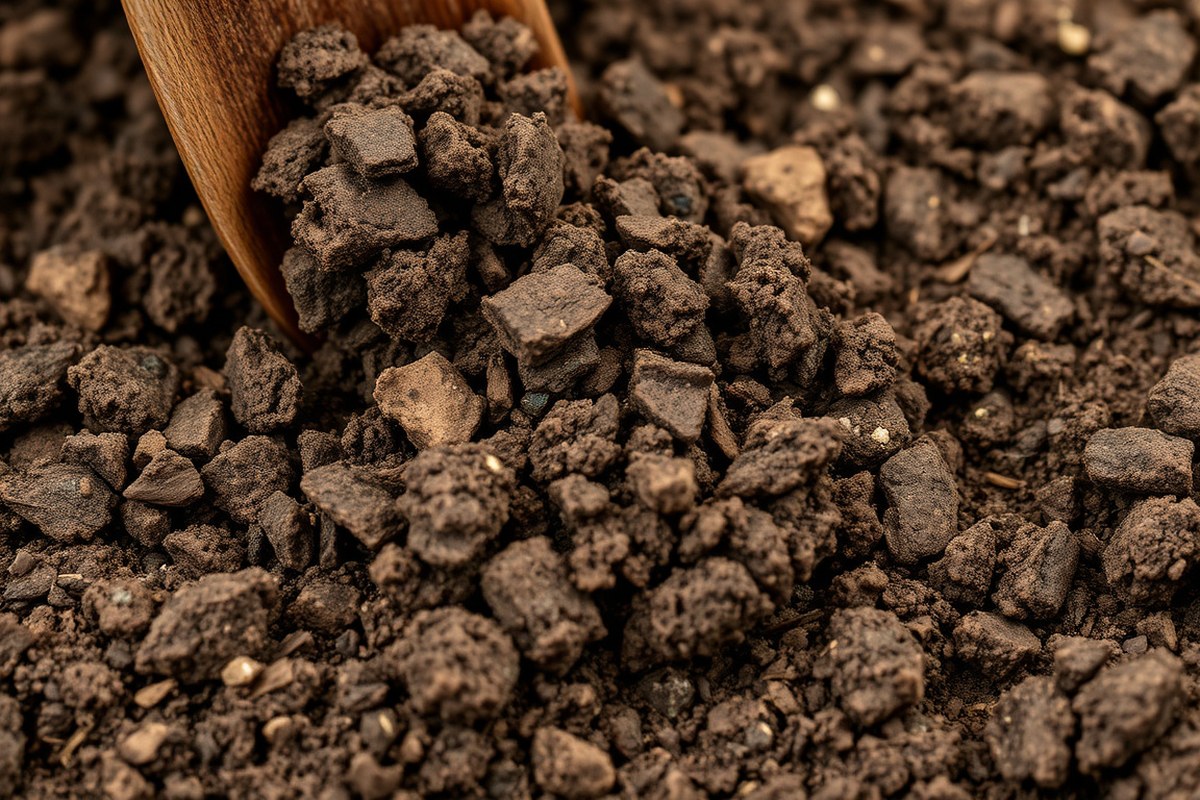
Aging chicken manure reduces ammonia levels and harmful bacteria. This process takes about six months. After aging, the manure smells earthy and looks dark and crumbly.
Aged manure has more stable nutrients that plants can absorb without damage. It lowers the risk of nitrogen burn. Use it at about 14 pounds per 100 square feet for your garden.
Benefits of Composted Chicken Manure
Composted chicken manure is aged manure heated to at least 130°F for 15 days. This kills pathogens and speeds up nutrient stabilization. The result is a safe, slow-release fertilizer.
You can use composted manure safely on vegetables, lawns, and container plants. It improves soil health without risking plant burns. Composting takes effort but yields a well-balanced product.
Risks of Using Unprocessed Manure
Using fresh or improperly aged manure risks burning plants due to high nitrogen. It also can carry harmful bacteria like salmonella. This can contaminate your garden and produce.
Applying too much or fresh manure may cause stunted growth or leaf yellowing. Avoid raw manure unless it’s been hot composted or aged for six months.
Choosing the Right Manure Form for Your Garden
Pick fresh manure only if you plan to compost it immediately. For vegetable gardens, aged or composted manure works best because it is safe and nutrient-rich.
Composted manure suits lawns and containers with less risk of burning. If you want quick nutrient boosting, aged manure is a good middle ground. Always follow recommended rates for your garden size.
Here’s a quick comparison of features between fresh and aged chicken manure:
| Feature | Fresh Chicken Manure | Aged Chicken Manure |
|---|---|---|
| Smell | Pungent, sharp ammonia scent | Earthy, like a forest floor |
| Texture | Sticky, clumpy, or wet | Crumbly, dark, and soil-like |
| Color | Lighter brown or yellowish | Deep chocolate brown or black |
| Risk Level | High (can cause nitrogen burn) | Low (safe for most plants) |
| Pathogen Risk | High, includes salmonella | Low after aging |
| Application Rate | Not recommended fresh | About 14 lbs per 100 sq ft |
Use fresh manure only as a starting point for composting. Aged manure is ready to apply safely with good nutrient release. Composted manure is best when safety and steady feeding count.
How to Safely Compost Chicken Manure at Home
Chicken manure must be hot composted properly to kill harmful pathogens. Keep the pile at 130 to 150 degrees Fahrenheit for at least three days. This ensures it becomes safe, nutrient-rich fertilizer for your garden.
Pile Construction and Size Requirements
Start by gathering fresh chicken manure called greens. Get straw or wood shavings for carbon, called browns.
These are the two main materials you need. Use a 1-to-3 ratio of manure to bedding by volume for balanced composting.
Your pile should be at least 3 feet wide, 3 feet tall, and 3 feet deep. This size keeps enough heat inside to reach the temperatures needed to kill pathogens.
Maintaining Temperature and Moisture Levels
Keep moisture between 40 and 60 percent to support beneficial microbes. The compost should feel like a damp sponge, wet but not dripping.
The temperature must reach 130 to 150°F within days. Keep it in that range for at least three days.
This kills harmful bacteria and seeds. This kills bacteria, weed seeds, and parasites and reduces ammonia smells.
Turning and Aeration Schedule
Airflow feeds the microbes so turn your pile every 3 to 5 days. Use a pitchfork to turn the materials from the outside to the center.
Turning stops the pile from going anaerobic and helps all parts reach the necessary heat. Frequent turning speeds the composting and helps maintain even temperatures.
Monitoring Temperature with a Compost Thermometer
Use a compost thermometer to check the heat inside your pile daily. Insert it about halfway into the pile, near the core, for accurate readings.
Write down temperatures each day to watch the heat. Make sure it reaches 130 to 150°F within days. Keep this heat for a full three days.
Add more greens or turn the pile often if it stays cool. This helps heat build up faster.
Curing and Storage Before Application
After the hot phase, let the compost cure for 3 to 4 months. Place the pile in a cool, shady area for best results. Turn it once a week until it fully breaks down.
Fully cured compost looks dark, crumbly, and earthy-smelling with no visible manure. This ensures all pathogens are gone and the compost is gentle on plants.
- Collect fresh chicken manure and carbon-rich bedding material.
- Build a pile at least 3 feet tall, wide, and deep with a 1:3 green-to-brown ratio.
- Moisten the pile to feel like a damp sponge (40-60% moisture).
- Check temperature daily with a compost thermometer until it reaches 130-150°F.
- Turn the pile every 3 to 5 days to maintain even heating and aeration.
- Keep the pile at 130-150°F for at least three consecutive days.
- Afterward, cure the compost for 3-4 months, turning weekly.
- Use the dark, crumbly finished compost safely in your garden.
When and How to Apply Chicken Manure Fertilizer for Best Results
Apply chicken manure fertilizer before planting or during key growth stages. Use composted or aged manure to avoid plant damage and nutrient loss. Tailor the amount and incorporation depth by crop and garden type for best results.
Timing for Vegetable Gardens and Food Crops
Apply chicken manure 90 to 120 days before harvesting edible crops. For leafy greens and herbs, spread a light surface layer early in spring before planting. Root vegetables benefit from moderate manure mixed just before sowing the seeds.
Plants like tomatoes and peppers need manure after fruits start to form. Apply a moderate top-dressing at this time. This helps support continued growth.
Heavy feeders like corn and squash need a moderate to heavy manure dose. Apply some when planting, then add more later. This supports strong growth throughout the season.
Applying in Lawns, Flower Beds, and Container Gardens
Spread chicken manure evenly across lawns in the fall for a slow nutrient release during winter. Use a lighter touch of about 100 grams per square meter for lawns to avoid scorching. Flower beds can receive manure by surface spreading or gentle mixing into the top few inches.
Use fully composted manure for container gardens. Mix it into potting soil at 10 to 15 percent by volume.
This keeps the mix balanced and safe for plants. This prevents nutrient burn and keeps plants healthy in confined spaces.
Incorporating Manure into Soil
Work chicken manure thoroughly into the soil to about 4 to 6 inches deep. This integration makes nutrients available while preventing ammonia buildup that can harm roots. Avoid spreading fresh manure directly on food crops since it can burn plants and introduce pathogens.
Composted manure spreads easier and mixes well without risk of scorching. Slightly moisten dry soil after adding manure.
This helps nutrients spread evenly. It also activates helpful microbes in the soil.
- Wear gloves and a mask when handling manure to reduce pathogen risk.
- Spread a uniform layer of composted manure over garden beds.
- Use a garden fork or tiller to mix manure down 4 to 6 inches.
- Level the soil surface gently without compacting.
- Water the area lightly to help activate nutrients.
- Wait 1 to 2 weeks before planting to avoid ammonia damage.
Never apply fresh, uncomposted chicken manure directly to growing vegetables.
Calculating Application Rates: An Example
Apply 20 to 30 pounds of composted chicken manure per 100 square feet. This amount suits most vegetable gardens. Adjust if needed based on soil tests.
For a 200 square foot bed, use 40 to 60 pounds of manure. Adjust this total based on the kinds of crops you grow.
This helps meet different nutrient needs. Heavy feeders might need the higher end; lighter feeders require less.
Measure garden area carefully before calculating. Use a kitchen scale or bag weight label to portion manure evenly across beds. Distribute it thinly in layers rather than piling up.
Adjusting for Soil Test Results and Crop Needs
Start by testing your soil’s nutrient levels and pH before adding manure. Chicken manure often raises soil pH.
So avoid applying it repeatedly to already alkaline soils. Adjust manure amounts down if your soil shows sufficient nitrogen or phosphorus.
Heavy feeders like corn take more manure, while herbs and leafy greens need less. Add organic potassium if your soil is low in potassium. Chicken manure may not provide enough on its own.
Supplementing helps crops stay healthy. Always match the manure rate to soil health and plant demands.
Safety Concerns and Precautions Using Chicken Manure
Fresh chicken manure has a strong risk of burning plants. It contains high ammonia levels that damage roots and kill seedlings. Using fresh manure directly can cause nutrient overload and harm your garden.
Pathogens in fresh or poorly processed manure can cause illness. Germs like Salmonella or E. Coli pose risks, especially near vegetables you eat raw. Composting manure properly kills these harmful bacteria and lowers risks.
Repeated use of chicken manure can build up salts and phosphorus in soil. This buildup stresses some plants, especially acid-loving ones. Avoid applying large amounts too often to prevent salt damage and nutrient imbalance.
- Wear gloves whenever handling chicken manure to avoid contamination.
- Wash your hands thoroughly with soap after working with manure.
- Use a mask if disturbing dry manure dust to protect your lungs.
- Always compost or age manure for at least 3 to 6 months before use.
- Apply manure in thin layers mixed into soil to avoid root burn.
- Keep garden beds moist but not soggy to prevent ammonia buildup.
- Store manure in a covered, dry spot away from water sources.
Proper aging or composting at 55°C or higher for several weeks is key. This process reduces ammonia, kills pathogens, and balances nutrients for your plants. Turning compost every 2 to 3 weeks keeps it well aerated and speeds safe breakdown.
Take care to protect your hands, eyes, and lungs when handling manure. Don’t let children or pets near fresh manure piles. These simple steps make chicken manure safe and effective for your garden.
Comparing Chicken Manure with Other Organic Fertilizers
Chicken manure stands out for its high nutrient density compared to other common manures. It delivers more nitrogen, phosphorus, potassium, and calcium, which helps jumpstart plant growth. Other manures like cow or horse manure release nutrients slowly.
They add organic matter but don’t give a quick nutrient boost. This makes them good for long-term soil health.
| Fertilizer Type | Nitrogen (N) | Phosphorus (P) | Potassium (K) | Other Benefits | Typical Use |
|---|---|---|---|---|---|
| Chicken Manure (Composted) | High | High | High | Rich in organic matter, fast nutrient release | Early season boost, quick greening |
| Cow Manure | Medium-Low | Medium | Medium | Good organic matter, slower release | Improving soil structure, steady feeding |
| Horse Manure | Medium | Medium | Medium | Good organic matter, moderate nutrients | General soil enrichment |
| Home Compost | Low-Medium | Low-Medium | Low-Medium | Improves soil life, nutrient balanced | Maintaining soil health |
Choosing the right organic fertilizer depends on your garden’s needs. Chicken manure is best when you want a quick nutrient boost. It works well to awaken tired soil and start a growing season strong.
Other manures suit slow, steady feeding and soil building. Cow manure shapes soil texture and holds moisture for a long time. Horse manure is similar but may contain weed seeds unless well composted.
Home compost offers balanced nutrients and helps feed soil microbes. It’s perfect if you want to build soil health naturally over time without rushing growth.
Compost tends to be lower cost and uses kitchen or garden scraps. So it’s kind to your budget and the environment.
Chicken manure tends to be more nutrient-dense but may cost more where it’s not locally available. Compost and other manures often take more time to break down but add valuable organic matter. Using a mix in a home garden is smart.
Chicken manure gives a quick nutrient boost. Compost or cow manure helps build soil health over time.
Common Mistakes with Chicken Manure and How to Fix Them
Fresh chicken manure is too strong to use directly on plants. It contains high nitrogen and ammonia that can burn roots and leaves. Overapplication is common and causes yellow, wilted plants or bare spots in the garden.
Manure burn feels like a chemical scorch and indicates nutrient imbalance. Fix it by watering the area deeply to wash excess fertilizer away. Adding compost or mulch afterward helps restore healthy soil balance over weeks.
Improper composting can leave manure full of pathogens and cause unpleasant odors. Compost fresh manure properly by mixing it with carbon materials like straw or dry leaves. Turning the pile regularly keeps it aerobic and heats it to 130, 150°F, killing harmful bacteria.
- Do not apply fresh manure directly to plant beds.
- Mix fresh manure with straw or leaves to start composting.
- Turn compost pile every 3 to 5 days for even heating.
- Let compost mature at least 3 months before use.
- Water garden after heavy manure application to reduce burn risk.
- Store manure securely to prevent runoff and odor buildup.
Runoff from poorly stored manure can contaminate water with pathogens. Use covered bins or closed containers to reduce smell and flies. Composting also limits harmful microbes, making manure safer for your garden.
Always wait for chicken manure to fully compost before use. Applying fresh manure can burn plants. It may also carry harmful pathogens.
Step-by-Step Action Plan for Using Chicken Manure in Your Garden
Follow these steps to improve your soil safely with chicken manure. Each step shows how to check your success.
- Before you start: Gather aged or composted chicken manure, not fresh. It should smell earthy and be dry, not fresh or strong-smelling.
- Week 1: Test your soil’s pH and nutrients with a kit. Balanced soil helps plants use manure nutrients best.
- Week 2: Spread chicken manure evenly over your garden beds. Use about 20 pounds for every 100 square feet. Make sure the layer is thin and uniform. Avoid piles or thick layers.
- Week 3: Mix manure into the top 6 inches of soil with a hoe or tiller. Soil contact starts nutrient release.
- Two weeks after application: Water your garden lightly every few days to help nutrients soak in. Check plants for healthy green leaves, not burnt tips.
- Before planting: Wait 2 to 4 weeks after applying manure before planting new seeds or seedlings. This reduces burn risk and lets nutrients settle.
- During growing season: Use a compost tea made from chicken manure for a mild nutrient boost. Apply every 3 to 4 weeks to avoid overfeeding.
Frequently Asked Questions
Can Chicken Manure Harm Plants If Used Too Much?
Yes, too much chicken manure can burn plants because of its high nitrogen. Always follow recommended application rates to avoid damaging your garden.
Is It Okay to Use Chicken Manure in a Vegetable Garden?
Yes, but it should be well-composted first to avoid harmful bacteria. This protects your vegetables and improves soil health safely.
How Long Does Chicken Manure Take to Break Down in Soil?
Chicken manure usually takes a few weeks to break down when composted properly. Fresh manure can take longer and may harm plants.
Can Chicken Manure Attract Pests to My Garden?
Fresh chicken manure can attract pests because of its strong smell. Using composted manure reduces this risk and keeps your garden healthy.
Does Chicken Manure Change Soil pH?
Yes, chicken manure can raise soil pH slightly, making it less acidic. Test your soil before and after applying it to balance nutrients well.
Can I Mix Chicken Manure with Other Organic Fertilizers?
You can mix it with other organic fertilizers to balance nutrients. Just adjust amounts carefully to avoid overfertilizing your plants.
The Bottom Line
Chicken manure works well as a garden fertilizer when handled right. Start with composted manure and watch your soil and plants improve. Try using it this season and see the difference yourself.