Is Sphagnum Moss Acidic? A Complete Guide with Tips and Comparisons
Is sphagnum moss acidic? Yes, it naturally leans acidic with a pH around 4.0.
This acidity comes from how the moss grows and the environment it thrives in. Peat moss, made from decomposed sphagnum moss, shares this acidity because of its origin.
The acidity helps sphagnum moss hold nutrients and water well, making it great for gardening. It can soak up to 20 times its weight in water, a feature gardeners rely on. Before planting, soak peat moss for 7 to 14 days to let its pH level stabilize.
Sphagnum’s acid levels can lower your soil’s pH at first. Over three to five years, soil microbes break the moss down, lessening its acidic effect. This makes it useful for acid-loving plants and as a slow pH adjuster for soil.
Key Takeaways
- Sphagnum moss has a natural pH between 3.0 and 4.5, making it quite acidic.
- Peat moss acidity comes from the decayed sphagnum and other organic materials.
- Its acidity helps with nutrient retention and strong water absorption capabilities.
- Soak peat moss in water for one to two weeks before use to stabilize pH.
- Fresh peat moss lowers soil pH initially but its effect fades over 3-5 years.
- Use acidic sphagnum moss for plants that thrive in low pH soils.
Is Sphagnum Moss Naturally Acidic or Neutral?
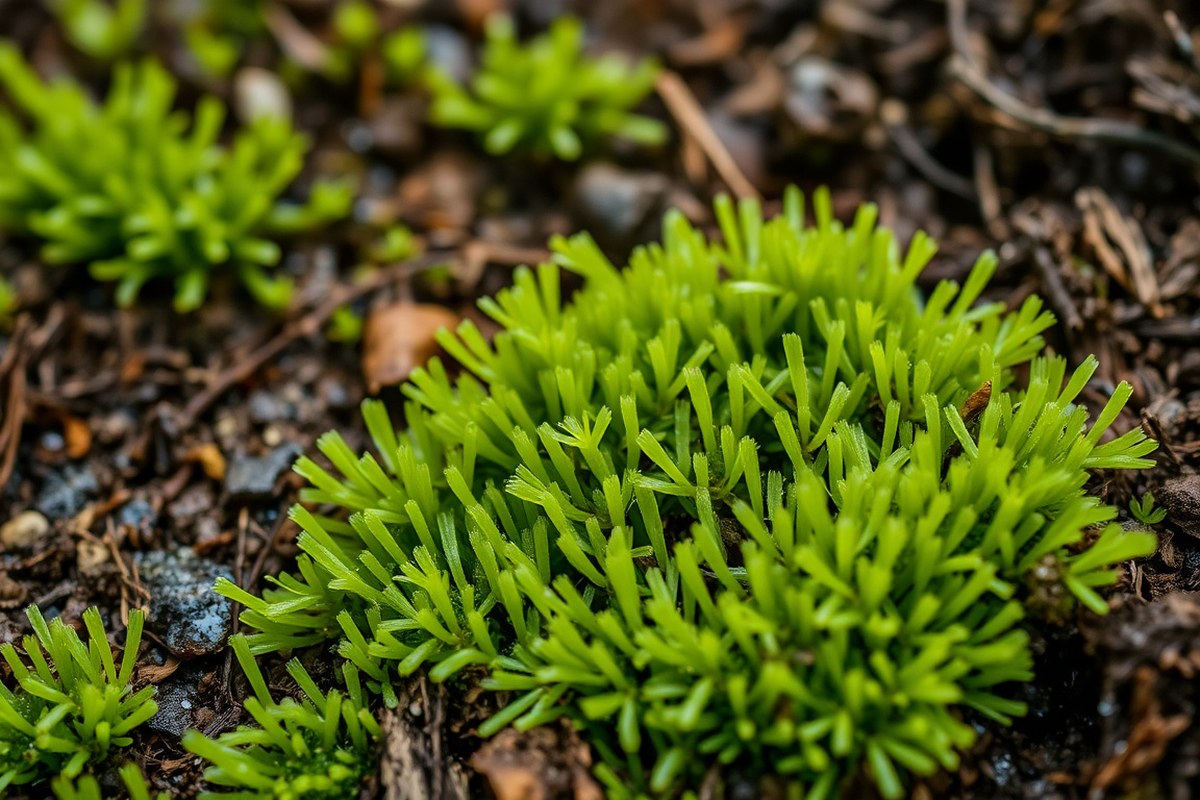
Sphagnum moss is naturally acidic rather than neutral. Its pH usually ranges from about 3.0 to 4.5, which means it falls well into the acidic side of the pH scale. This acidity helps sphagnum moss grow in bog environments.
It also affects how the moss interacts with soil. This includes how it affects nearby plants.
The acidity difference is clear between living sphagnum moss and peat moss. Living sphagnum moss still maintains this acidic nature. But peat moss, which is partially decomposed sphagnum and other organic matter, is even more acidic.
Peat moss typically falls in that same 3.0 to 4.5 pH range. But can sometimes lean more acidic due to high tannin content and decomposition processes.
You’ll notice living sphagnum moss is fibrous and retains water well while keeping acidity steady. Peat moss is often called sphagnum peat moss. Its fibers are broken down more than fresh sphagnum.
It can hold about 20 times its weight in moisture. Knowing the difference helps you pick the right moss.
Use fresh sphagnum or peat moss based on your plants’ needs. Consider pH and moisture for your garden or greenhouse.
Why Is Sphagnum Peat Moss Acidic? The Science Explained
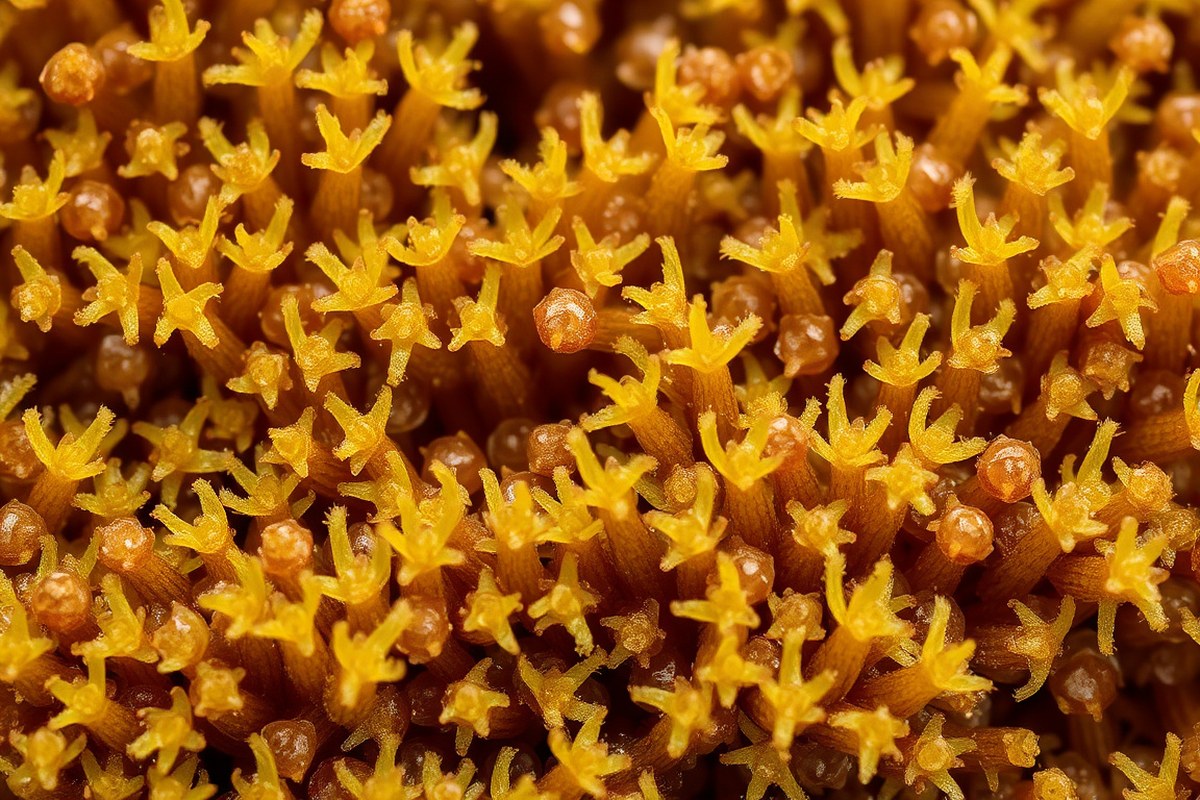
Sphagnum peat moss gets its acidity mainly from how it forms in bogs. Over centuries, dead sphagnum moss decomposes slowly in wet, low-oxygen conditions. This process produces organic acids and releases tannins that make the peat very acidic.
Tannins are natural compounds common in peat moss. They give it a brown color and a sharp, sour smell. These tannins add to the moss’s acidic nature and influence how nutrients dissolve in soil.
This acidity stops many bacteria and fungi from growing. It keeps the moss preserved for a long time.
The biology underground also plays a big role in acidity. Microorganisms break down the moss gradually under anaerobic (oxygen-poor) conditions.
This slow decay forms organic acids like humic and fulvic acids. These organic acids keep the peat moss’s pH low, usually between 3.0 and 4.5, which is quite acidic compared to most garden soils.
Fresh sphagnum moss is less acidic because it contains fewer decay products. Peat moss is the older, decomposed form, so its acidity is stronger. The longer the moss breaks down, the more acids build up, increasing acidity.
Soil microbes slowly break down peat over 3 to 5 years. This process reduces peat’s acidifying effect.
One common misunderstanding is that sphagnum’s acidity comes directly from acids inside the living plant. Research finds the surrounding charged minerals, called cations, affect acidity more than the moss itself. Your soil’s mineral levels change how acidic sphagnum peat moss will get in your garden.
Wet new peat moss well and wait 7 to 14 days before planting. This helps reduce its acidity.
Comparing Sphagnum Moss and Peat Moss Acidity and Uses
Sphagnum moss and peat moss come from similar plants but differ in form and acidity. Sphagnum moss is the living or recently harvested plant material. Peat moss is partially decomposed sphagnum from bogs.
Peat moss is more acidic, typically around pH 4.0. Sphagnum moss tends to be less acidic and can even be neutral.
Both hold water well. But sphagnum moss absorbs up to 20 times its weight in water and holds moisture gently. Sphagnum moss holds water well.
This helps control moisture for plants. It’s great for mixing with orchids or succulents. Peat moss also retains water.
It improves soil structure in gardens. Especially heavy clay soils benefit. The moss makes soil lighter and more porous.
Here is a breakdown of the key differences and uses between sphagnum moss and peat moss:
| Feature | Sphagnum Moss | Peat Moss |
|---|---|---|
| Origin | Living or recently harvested sphagnum plants | Partially decomposed sphagnum from deep bog layers |
| PH | Near neutral or mildly acidic | About pH 4.0, more acidic |
| Water Retention | Up to 20 times its weight in water | Also high water retention, but varies |
| Structure | Light, airy; maintains root-zone aeration | Dense, crumbly; improves heavy soil porosity |
| Common Uses | Seed starting, orchid & succulent mixes, moisture control | Soil amendment, potting mixes, clay soil improvement |
| Effect on Soil pH | Minimal acidifying effect | Can lower soil pH over time |
Sphagnum moss is simpler to use for maintaining moist but well-aerated growing conditions in pots. It won’t drastically change soil pH, which suits plants sensitive to acidity. Peat moss is added to garden soil to improve texture.
It helps soil keep nutrients well. Watch soil pH closely when using it.
You can mix sphagnum moss into potting soil to hold moisture. Or cover soil top with it as mulch. This also keeps roots cool.
Use peat moss sparingly in outdoor beds, especially if your soil is already acidic. Knowing these differences helps you pick the right material for specific plants and conditions.
How Does Sphagnum Peat Moss Affect Garden Soil pH over Time?
Peat moss lowers soil pH by adding organic acids. You mix it into your garden soil. This helps make the soil more acidic.
This acidifying effect happens right away and can make the soil more acidic for several years. You usually see the strongest pH drop during the first year after application.
Over time, peat moss breaks down and decomposes, which slowly weakens its acidity. Microbes break down the peat moss over time. This releases organic acids into the soil.
These acids slowly lose strength as microbes consume them. After three to five years, soil pH starts rising again.
It slowly moves back toward the original level. This change happens naturally through time.
How fast peat moss decomposes depends on factors like soil temperature, moisture, and aeration. Warmer, wetter soils speed up breakdown, which can reduce acidity quicker.
Cooler or drier soils slow decomposition. So the acidifying effect lasts longer but may release less acid all at once.
Peat moss also resists sudden shifts in soil pH because it buffers changes well. Once added, peat moss keeps soil pH fairly stable. The pH won’t change much from heavy rains.
It also resists quick shifts from other amendments. This buffering helps protect acid-loving plants like hydrangeas, which change flower color with soil pH changes.
Use small amounts of peat moss to lower pH gently. This causes a slow, steady change over time. Large amounts are not necessary for mild acidity.
Mix peat moss evenly into the top several inches. This helps soil and moss contact well. It also promotes slow release of acids.
Don’t add too much peat moss at once. Too much acidity can stress plants in your garden. It can also upset how soil nutrients work.
Which Plants Thrive or Suffer with Acidic Sphagnum Materials?
Plants that like acidic sphagnum peat moss usually thrive in soil with a pH between 4.0 and 6.0. Acid-loving plants such as blueberries, azaleas, and rhododendrons grow best with this lower pH. Plants that need neutral or alkaline soil can’t absorb nutrients well.
Peat moss lowers pH too much. This causes nutrient uptake problems for these plants.
Common Acid-Loving Plants and Their pH Needs
Ericaceous plants grow well in acidic peat moss. They need nutrients available only at low pH. That makes peat moss a good match for them.
Their ideal pH ranges from about 4.5 to 6.0 for best growth. Plant types include:
- Blueberries, which prefer a pH of 4.5 to 5.5
- Azaleas and rhododendrons, thriving around pH 4.5 to 6.0
- Camellias, happy in soil between pH 5.0 and 6.0
- Heathers, suited to pH 4.0 to 5.5 environments
- Gardenias, which grow well at pH 5.0 to 6.0
These plants benefit because acidic soil improves access to iron, manganese, and other micronutrients they need. Peat moss helps maintain this acidity, especially in alkaline garden areas.
Plants Sensitive to Acidity and Symptoms
Plants that prefer near-neutral or alkaline soil often suffer if peat moss causes acidity. They need a pH between 6.5 and 7.5 for nutrient uptake. When soil is too acidic, they may show stunted growth or yellowing leaves from nutrient deficiencies.
Examples include:
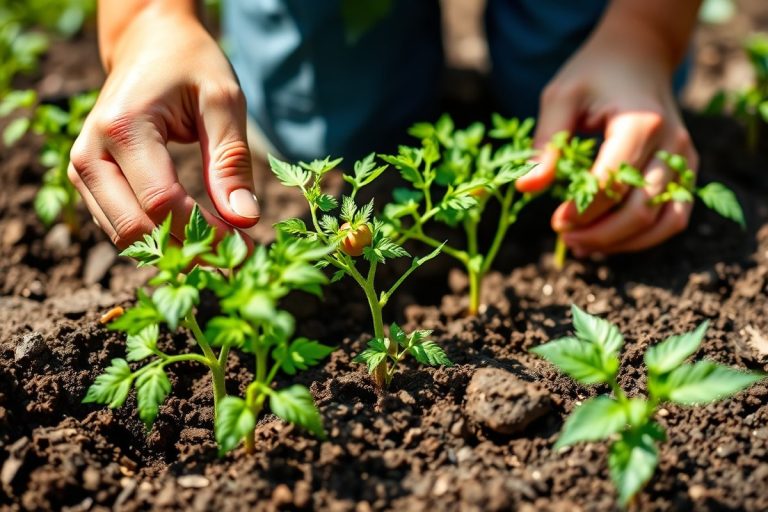
- Vegetables like tomatoes and beans
- Most grasses, including lawn turf
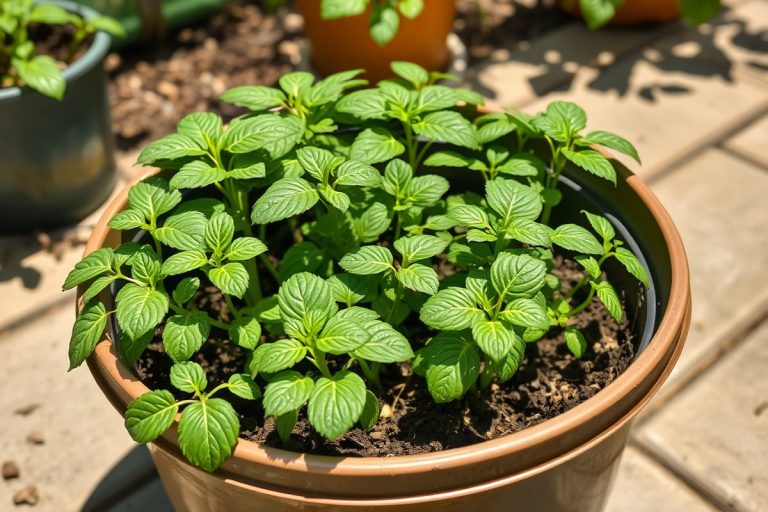
- Many herbs such as basil and parsley
- Flowering plants like marigolds and petunias
Acidic peat can lock out calcium and phosphorus, hurting these plants’ root and leaf development. You might see weak stems or leaf spots from acidity.
Acidity could be causing these problems. Check the soil pH to be sure.
Test your soil pH before adding peat moss to avoid harming sensitive plants.
Adjusting Peat Use Based on Plant Type
You can adjust sphagnum peat moss use depending on what plants you grow. Combine peat with lime or wood ash to raise pH for plants needing neutral soil. For acid-loving plants, apply peat directly to keep soil conditions optimal.
Use 1 to 2 inches of peat moss as mulch. This works well for acid-loving plants. It also improves soil when used as an amendment.
For neutral or alkaline plants, test your soil’s pH first. Then mix in garden lime to raise pH near 6. This helps balance the acidity from peat moss.5, 7.5.
Pure peat moss lacks nutrients, so avoid using it for seedlings. Fast-growing plants also need richer soil. Mix peat with other materials for better results.
This care helps avoid nutrient imbalances and keeps your garden thriving year-round.
How to Test and Adjust Sphagnum Peat Moss pH in Your Garden
Testing sphagnum peat moss pH is simple with a soil test kit or meter. You add lime to raise the pH when moss mix is too acidic. This helps protect plants that don’t like low pH.
Adding lime balances the soil for better plant growth. Use about a quarter cup of lime for each cubic foot of peat moss.
This amount can raise the pH from 4 to a better level. Be careful not to add too much lime.0 to around 6.5.
Tools Needed for pH Testing
A reliable soil pH meter or a chemical test kit works well for peat moss. The meter gives a fast, digital reading. Test kits usually have color-coded strips or solutions.
Some kits cost under $15 and come with clear instructions. Meters tend to be more expensive but offer you quick retries and consistent results. Prepare a clean container for mixing samples of moss and water.
Step-By-Step pH Adjustment with Lime
Adjusting pH in peat moss takes time because peat buffers changes. You will need to add lime slowly and mix well. Use ground agricultural lime or dolomitic lime in garden beds or potting mixes.
- Collect 1 cup of moist peat moss sample in a clean container.
- Add 1 cup distilled water and stir for 2 minutes to make a slurry.
- Test the slurry’s pH using your kit or meter.
- Calculate lime for about 1/4 cup per cubic foot of peat to raise pH to 6.5.
- Evenly mix lime into the peat moss or peat-heavy soil.
- Let the mix sit for a week, keeping it slightly moist and stirred twice.
- Retest pH and add more lime if necessary, but do this gradually.
Your soil needs less lime when it contains loam. Loam helps balance acidity naturally. Adjust lime based on how much loam you have.
Peat strongly resists pH changes. So small, repeated lime applications work better than one big dose.
Monitoring pH After Amendment
Regular pH checks are key after adjusting peat moss. Test monthly for 2 to 3 months to confirm pH stability. Peat’s buffering can lower pH again over time.
Watering with neutral or slightly alkaline water helps maintain raised pH. Avoid acidic fertilizers during this period as they could undo your lime efforts. Record your pH results to track changes and plan future adjustments.
Sustainable Harvesting and Environmental Impact of Sphagnum Moss
Sphagnum moss plays a big role in storing carbon and keeping wetlands healthy. These mosses absorb carbon dioxide and hold it in wet peatlands for thousands of years. This slows down global warming and helps maintain natural habitats.
Harvesting sphagnum moss often involves removing peat, which takes centuries to form. Peat extraction damages wetland ecosystems and releases stored carbon back into the air. This can hurt wildlife, change water flow, and harm local plant species.
Regeneration of sphagnum moss is slow. It grows only about 1 millimeter a year in undisturbed peatlands.
This means harvesting too much peat is not sustainable. It can take 100 to 1,000 years to rebuild the lost moss layers.
To protect these environments, many places now regulate how peat is harvested. You can look for peat products labeled sustainably harvested or peat-free. These options reduce environmental damage and conserve moss habitats.
Sustainable alternatives include coconut coir, composted bark, or leaf mold. These materials mimic peat’s ability to hold water and nutrients but renew much faster. Using these in gardening helps reduce peat demand and protects peatlands.
When choosing sphagnum moss or peat products, check the source and certification. Certified suppliers often follow strict rules to minimize harm. You can mix peat with other materials to use less of it.
This approach keeps your soil healthy and balanced. It helps save resources and still works well.
Practical Tips for Using Sphagnum Moss Safely in Gardening
Preparing sphagnum moss correctly helps prevent acidity issues in your garden. You should soak it well before use. Mix it with other soils at proper ratios.
Store it where it stays dry and fresh. These steps protect your plants and keep moss quality intact.
Soaking and Hydration Steps
Sphagnum moss needs soaking before use because dry moss repels water. Soak it in clean water for at least 30 minutes or until fully saturated. Excess water should drain off to avoid water logging your plants.
For peat moss, soak it for 10 to 15 minutes. It holds water differently.
Peat moss can be more acidic. After soaking, fluff it up to help air circulate and improve drainage.
Never use chlorinated tap water if you can avoid it. Rainwater is better for soaking moss.
Mixing Ratios for Different Garden Uses
Mix sphagnum or peat moss with garden soil depending on the plant’s acid tolerance. Acid-loving plants like blueberries and azaleas can handle 30% or more moss mixed in. For less acid-tolerant plants, limit moss to 10, 20% or test soil pH after mixing.
Use these guidelines:
- Seed starting: 50% peat moss for moisture retention and softness
- Container plants: 20, 30% moss mixed with potting soil for good drainage
- Vegetable gardens: 10, 15% moss to improve soil texture, avoid too much acidity
- Mulching: apply dry moss layer 1, 2 inches thick, not mixed into soil
- Composting: mix moss with nitrogen-rich materials to balance acidity
Adjust based on plant needs and soil testing results for pH balance. Overuse can lower pH too much and stress plants.
Storage Conditions to Maintain Moss Integrity
Keep moss dry and away from direct sunlight to avoid mold and decay. Store in a breathable bag or container to prevent moisture buildup. Ideal storage areas are cool and out of extreme heat.
Seal opened packages tightly to keep moss fresh and free from contamination. Avoid storing moss near chemicals or fertilizers that could alter its pH. Use older moss within one year for best quality.
Step-by-Step Action Plan for Using Sphagnum Moss in Your Garden
Follow these steps to manage the acidity of sphagnum moss and protect your plants effectively.
- Before planting: Test the pH of your sphagnum moss using a soil test kit. Aim for a pH between 4.0 and 5.5 if you want to grow acid-loving plants.
- Day 1: Mix sphagnum moss with garden soil slowly, starting with 10-20% moss. Check plant response over the next week.
- Week 1: Observe plant leaves and growth. Yellowing or stunted growth may mean the soil is too acidic for your plants.
- Week 2: Check if your soil is too acidic first. Then apply lime based on test details. This raises the pH slowly. Re-test soil after two weeks to confirm change.
- Monthly maintenance: Monitor soil pH every 4 weeks during the growing season. Adjust soil amendments based on plant health.
- Before reusing moss: Compost used sphagnum moss or soak it in water. This cuts down acidity before adding it again.
- Ongoing: Choose acid-tolerant plants like blueberries or azaleas if you prefer using sphagnum moss frequently.
Frequently Asked Questions
Can I Use Sphagnum Moss to Lower My Garden Soil pH?
Yes, sphagnum moss can lower soil pH due to its acidity. Use it in small amounts to gently acidify soil over time without stressing plants.
Does Sphagnum Moss Kill Bacteria in Soil?
Sphagnum moss has natural antibacterial properties but does not sterilize soil. It can reduce harmful microbes, helping healthier root zones for many plants.
How Does Sphagnum Moss Affect Nutrient Availability in the Soil?
Acidic sphagnum moss can limit some nutrients like calcium and magnesium. Balance with lime or fertilizers for plants needing neutral pH.
Is Sphagnum Moss Safe for Carnivorous Plants?
Yes, carnivorous plants love acidic sphagnum moss because it mimics their natural environment. Keep moss moist and avoid fertilizer to prevent harm.
Can Sphagnum Moss Change the pH of Water in Plant Containers?
Sphagnum moss can slightly acidify water by releasing tannins and acids. Use with plants that tolerate mild acidity for best results.
Should I Rinse Sphagnum Moss Before Using It in My Garden?
Rinsing is optional but can lower excess acidity and remove dust. Light rinsing helps avoid sudden pH drops when adding moss to soil.
Before You Go
Sphagnum moss is naturally acidic and can lower soil pH over time. Use pH tests and lime to keep soil balanced for your plants. Start by testing your soil today to see how acidic your sphagnum moss really is.