What Can Be Planted with Tomatoes: 8 Best Companions for Healthier Crops
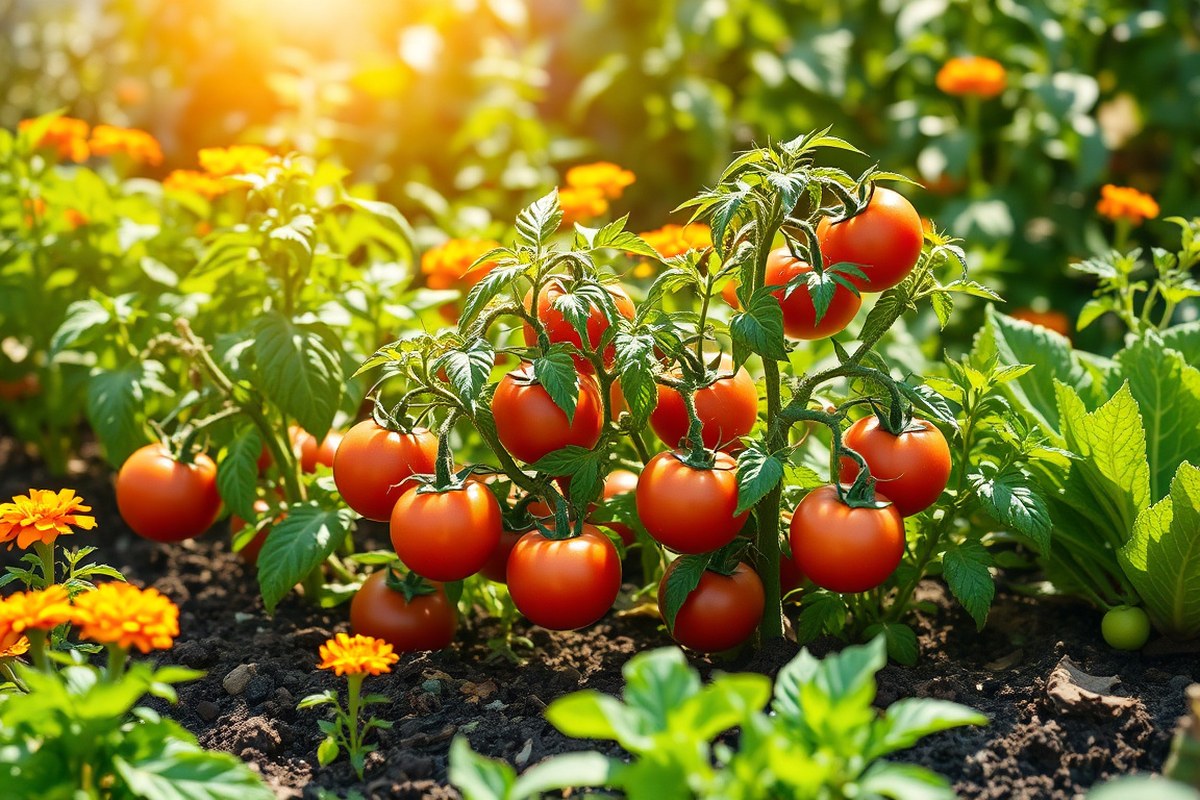
What can be planted with tomatoes to boost their growth and health? Many plants complement tomatoes well by improving soil, deterring pests, or attracting helpful insects. Growing basil, peas, or marigolds near tomatoes can increase yields and protect the crop.
Tomatoes need plenty of room to breathe. So space them 24 to 30 inches apart.
You can tuck smaller companions like basil or chives in between tomatoes to save space. These plants boost tomato health without crowding, ensuring better airflow.
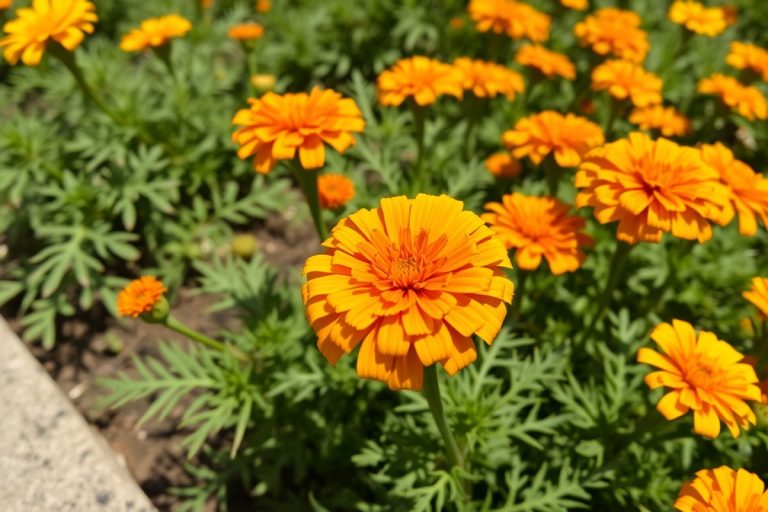
Plant peas or beans nearby because they fix nitrogen in the soil, feeding tomatoes naturally. Marigolds border tomato beds to repel pests and bring pollinators. These companions create a balanced garden that supports strong tomato plants.
Key Takeaways
- Space tomato plants 24, 30 inches apart for good air circulation and growth.
- Plant basil 12, 18 inches from tomatoes to increase flavor and yield by 20%.
- Grow peas near tomatoes to boost tomato yield with natural nitrogen fixing.
- Border tomato beds with French marigolds to repel pests and attract pollinators.
- Tuck smaller herbs like chives into gaps to save space and support tomatoes.
- Choose companions that fit your garden size and seasonal temperature limits.
Best Plants to Grow Next to Tomatoes
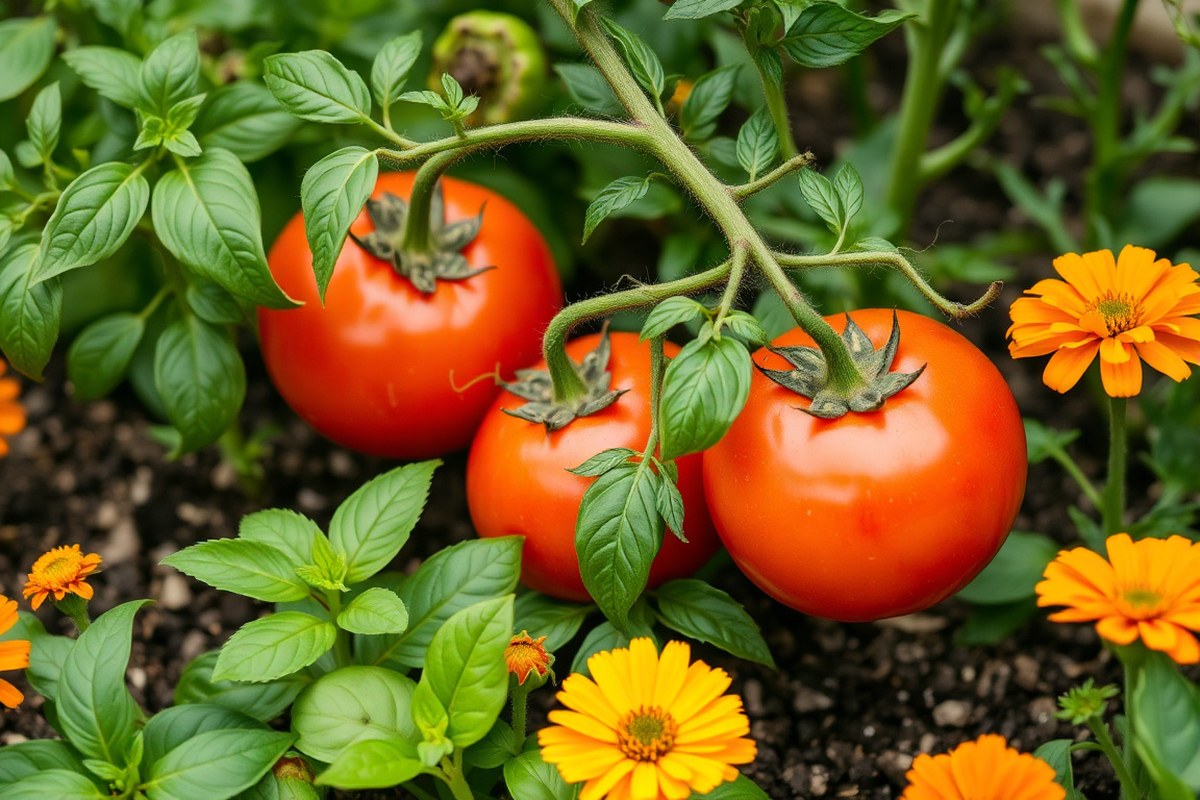
Tomatoes do best when planted near companions that help repel pests and boost growth. Basil is a top pick because it keeps thrips away. It also helps keep aphids off your tomatoes.
Plus, it may improve the tomato flavor. Marigolds act as a natural barrier, repelling whiteflies and killing harmful nematodes in the soil.
Nasturtiums work well as a trap crop for aphids. They also deter whiteflies when around the tomato bed. Plant them along the edges for best results.
Borage attracts pollinators like bumblebees and parasitic wasps, which help control pests and improve fruit set. You can plant carrots between tomato plants to save space.
This helps use your garden more efficiently. Carrots also improve the soil health.
- Basil: repels thrips, aphids, spider mites; may improve tomato flavor
- French marigolds: control nematodes; repel whiteflies; plant densely around beds
- Nasturtiums: trap aphids; keep whiteflies away; plant on bed perimeter
- Borage: attracts pollinators; supports parasitic wasps; let grow freely nearby
- Carrots: improve soil; fit well in gaps; add harvest variety
- Clover: outcompetes weeds; acts as living mulch; retains soil moisture
Plant companions 12 to 18 inches from each tomato for best results. Good air circulation is key. So space tomatoes at least 24 to 36 inches apart.
The right neighbors confuse pests, boost beneficial bugs, and can improve tomato flavor. Dense marigold borders also help create a protective barrier around your tomato patch.
Using these companion plants can stop pests without sprays and improve harvest size and taste. Just be careful to avoid crowding tomato roots or blocking airflow, which may cause diseases. When done right, companion planting lets tomatoes grow stronger with less work and fewer problems.
How Companion Planting Benefits Tomato Growth
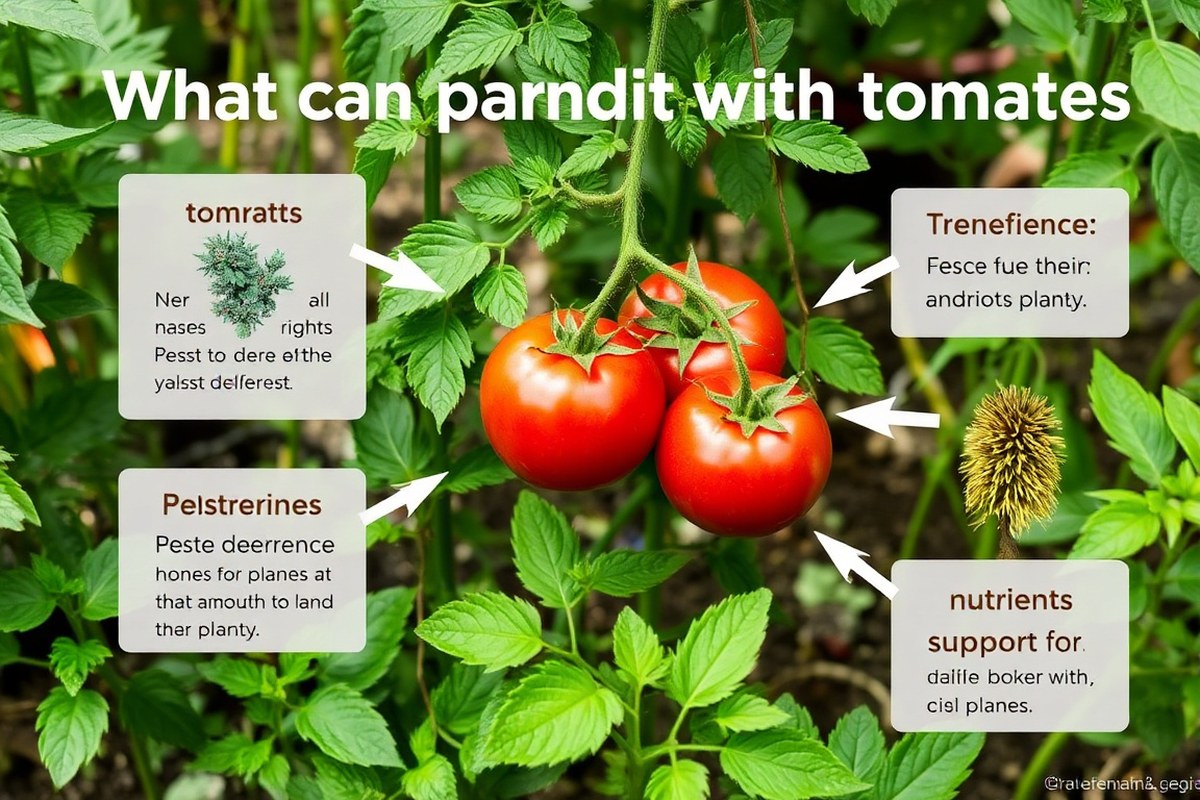
Companion plants help tomatoes by repelling pests with their strong scents or by attracting beneficial insects. These insects prey on pests like aphids and caterpillars that damage tomato plants. For example, parsley draws ladybugs and hoverflies, which eat harmful insects, reducing pest problems naturally.
Some companion plants improve soil health by adding nutrients or conserving moisture near tomatoes. Lettuce covers the soil around tomato plants, helping keep moisture in without competing much for nutrients. Plants like clover add nitrogen to the soil.
Tomatoes need these extra nutrients because they feed heavily. Clover helps give tomatoes what they require to grow well.
Some herbs, including basil and sage, help tomato growth. They spread at the base of tomato plants. They attract pollinators that improve fruit set.
Pollinators help tomatoes flower and set fruit more reliably. There is no strong proof basil improves tomato flavor.
Basil does reduce pest damage for tomatoes. It attracts useful insects that keep pests away.
Scientific studies back companion planting as an effective pest control and growth aid for tomatoes. Marigolds, for example, can reduce nematode populations after growing for a full season. This takes some planning but pays off by protecting tomato roots from harmful soil pests.
Some plants harm tomatoes by competing too much for nutrients or by sharing diseases and pests. Avoid planting brassicas or corn near tomatoes, as this increases pest and disease risks. Fennel produces chemicals that stunt tomato growth, so keep it away to avoid problems.
Plant herbs like parsley and basil near tomato plants. They lower pest damage naturally. These herbs also help your tomato plants grow better.
Herbs That Grow Well with Tomatoes
Herbs like basil, chives, and parsley grow well near tomatoes. They fit within 12 to 18 inches of tomato stems. These herbs offer benefits from pest control to flavor improvement.
Plant them close enough for these benefits. Avoid crowding the tomato roots too much.
Basil: Benefits and Planting Tips
Basil is a top companion for tomatoes because it repels pests like aphids and whiteflies. It can improve tomato flavor, says a West Virginia University study. The study found about a 20% yield increase when grown together.
Plant basil 12 to 18 inches from tomato stems. It needs full sun for 6 to 8 hours daily.
It grows 12 to 24 inches tall. Keep it trimmed to encourage bushier growth and continuous leaf production.
Chives and Garlic for Pest Control
Chives and garlic create a chemical barrier that lowers pest activity near tomato plants. They deter insects while growing easily in full sun or partial shade.
Space chives around 12 to 18 inches from tomatoes to keep pests away without overcrowding. Garlic bulbs planted at the soil edge help too. But give them similar spacing to avoid root competition.
- Plant chives along garden bed edges for nearly year-round pest control
- Garlic reduces aphids and other harmful insects near tomatoes
- Both prefer similar growing conditions as tomatoes
- Chives reach 12, 24 inches tall and tolerate some shade
- Garlic requires well-drained soil and at least 6 hours of sun
Both herbs keep tomato pests down and improve overall plant health. Their scents confuse insects and reduce damage to tomatoes.
Other Useful Herbs (Parsley, Oregano, Thyme)
Parsley can be planted 12 to 18 inches away from tomatoes. It grows well in full sun or partial shade. It attracts beneficial insects that prey on tomato pests.
Oregano and thyme prefer full sun and dry soil. Oregano grows 12 to 24 inches tall while thyme stays lower, 6 to 12 inches. Both help protect tomatoes by repelling insects and adding flavor to dishes using homegrown tomatoes.
Plant these herbs with at least 12-inch spacing to avoid crowding. Their root systems don’t compete much with tomatoes. So they grow well side by side.
Flower Companions That Protect and Attract Pollinators
Certain flowers planted near tomatoes can protect them from pests and attract pollinators. Flowers like borage and bee balm lure bees and butterflies that improve tomato pollination. Others, like chives and onions, release scents that repel pests such as whiteflies, aphids, and hornworms.
Plant flowers along the edges or within your tomato beds to maximize benefits. Place borage strategically at the ends of tomato rows to attract aphid parasitoids. Allow chives to flower nearby to draw many pollinators while protecting tomatoes from pests.
Here is a table showing flower companions and their pest control traits. It also compares how well they attract pollinators.
This helps you pick the best flowers for your garden. It also shows recommended planting spacing and placement tips to boost your tomato crop.
| Flower | Pest Control | Pollinator Attraction | Planting Tips |
|---|---|---|---|
| Borage | Attracts aphid parasitoids; deters tomato hornworms | Attracts bees and predatory insects like ladybugs | Plant at ends of tomato beds, 12-18 inches apart |
| Bee Balm | Strong scent repels whiteflies, aphids, hornworms | Draws bees and butterflies to increase pollination | Plant near tomatoes, 18-24 inches apart |
| Chives | Repels aphids, whiteflies; fuzzy leaves deter hornworms | Flowers attract a large number of bees | Allow to flower; plant continuously among tomato plants |
| Onions | Strong sulfur aroma repels thrips and aphids | Produces flowers attractive to beneficial insects | Plant around tomato perimeter, 6-12 inches apart |
| Parsley | Attracts beneficial insects like ladybugs and wasps | Flowers draw bees, hoverflies, and braconid wasps | Place near tomato plants; space 12-18 inches |
Space flowers according to their growth habits to avoid crowding tomato plants. Many flowering companions do well with 12 to 24 inches between plants. Proper spacing keeps air flowing, reducing fungal diseases while still attracting pollinators and beneficial insects.
Any pest-repelling scent can fade if flowers are planted too far from tomatoes. Keep flowers close, especially those with strong aromas like bee balm and onions. Their scent works best within a few feet to scare pests.
It helps keep your tomato plants safe nearby. This makes your tomatoes less likely to get damaged.
Vegetables Suitable for Companion Planting with Tomatoes
You can grow several vegetables near tomatoes that fit well in timing and space. Root crops like carrots and radishes do well after tomatoes.
Peas and beans help tomatoes by fixing nitrogen in the soil. Avoid planting brassicas, corn, fennel, and potatoes near tomatoes for best results.
Root Crops: Carrots, Radishes, and Their Effects
Root crops such as carrots, radishes, beets, rutabagas, and turnips grow well alongside tomatoes. These plants like cooler soil for seeds to sprout well. Plant them just before or just after tomatoes.
Cooler soil helps their seeds grow strong. Their roots take up different soil layers, reducing competition.
Keep spacing around 3 to 4 inches for root crops. Thin seedlings to avoid crowding. Plant these root veggies a few weeks before tomatoes come up.
Or wait until tomatoes finish fruiting. Then plant for a late season harvest. They help use garden space efficiently.
- Carrots: space 3 inches, plant in full sun, harvest in 70, 80 days
- Radishes: space 2 inches, quick 25, 30 day harvest, plant with early tomatoes
- Beets: 3, 4 inch spacing, harvest in 50, 60 days, follow tomatoes in rotation
- Turnips and rutabagas: plant after tomatoes, thin to 4 inches apart
Plant root crops slightly earlier or later than tomatoes to avoid soil temperature conflicts.
Nitrogen Fixers: Peas and Beans
Peas and beans add nitrogen to the soil through their root bacteria. This boosts tomato growth without extra fertilizer. Bush beans can go in two weeks after tomatoes start.
Peas work well early before you move tomatoes outside. Both have good timing with tomatoes.
Pole beans and peas also save space by climbing vertically. Space plants about 2 feet apart in their rows. Put tomato rows 24 to 36 inches apart.
Alternate the rows between tomatoes and other plants. They support soil health and improve yields.
- Plant peas early in cool weather before tomatoes
- Sow bush beans 1 to 2 weeks after tomatoes are established
- Use trellises for pole beans next to tomato cages
- Space peas 2, 3 inches apart for proper airflow
Avoid overcrowding by giving beans and peas vertical support away from tomato foliage.
Vegetables to Avoid Near Tomatoes
Avoid planting brassicas like cabbage, broccoli, and cauliflower near tomatoes. They compete for nutrients and may invite similar pests. Corn and fennel can also stunt tomato growth or attract unwanted insects.
Potatoes share diseases such as blight with tomatoes. So keep them separate to reduce risk. Onions, leeks, and garlic may stop thrips from bothering plants.
Keep them a little away from tomatoes. This avoids stress or growing competition.
- Brassicas (cabbage, broccoli, cauliflower)
- Corn
- Fennel
- Potatoes
- Alliums like onions, garlic, and leeks (plant cautiously)
Rotate tomato beds with root crops instead of nightshades like potatoes for disease control.
Common Mistakes and What Not to Plant with Tomatoes
Some plants stop tomato growth because they compete for nutrients or give off harmful chemicals. Potatoes share diseases and pests with tomatoes, reducing their health. Fennel releases root chemicals that actively block tomato growth, so keep it far away.
Brassicas like cabbage and broccoli draw the same soil nutrients as tomatoes, starving them. Dill can attract tomato hornworms, which chew leaves and weaken plants. Planting too close together blocks sunlight and air, raising disease risks and stress.
- Potatoes – share pests and diseases, stunt tomatoes
- Fennel – releases chemicals harmful to tomato roots
- Brassicas (cabbage, broccoli) – nutrient competition
- Dill – attracts tomato hornworms
- Sunflowers – can shade tomatoes if too close
- Excessively close plants – cut airflow and light
Give tomatoes at least 12 to 18 inches around each plant to prevent crowding. If you find harmful plants nearby, remove or relocate them quickly. Trim back any overgrown neighbors and loosen soil to boost tomato root health.
Correct spacing lets tomato leaves get sunlight and air circulation. That helps keep diseases like blight away. When removing plants like fennel, clear roots and stems so chemicals don’t linger in the soil.
Optimizing Spacing and Timing for Companion Plants
Spacing companion plants properly around tomatoes helps avoid crowding and disease. Timing their planting supports healthy growth and prevents competition. Different tomato types may need small changes in timing and layout.
Recommended Spacing Distances
Plant tomatoes 24 to 30 inches apart along the bed center for good airflow. Companion plants should keep at least 12 to 18 inches away from tomato stems. This distance avoids shading and root crowding, which can slow growth.
Bushy herbs like basil do well closer, about 12 inches away. Larger companions like cabbage or broccoli need more space.
Avoid planting onions near tomatoes if you also have beans. Onions and beans don’t mix well.
Timing for Planting Herbs and Vegetables
Plant fast-growing herbs like basil and parsley a week after tomatoes. This helps them catch up and fill in gaps without blocking light. Plant cool-season greens like kale, broccoli, and cabbage after tomatoes.
These crops grow best when tomatoes are done. Wait until tomato season ends before planting them.
Succession planting works well here. Start cool greens as soon as tomato plants are harvested or pruned back.
Herbs like rosemary and thyme prefer warm soil but grow slower. So start them alongside or slightly after tomatoes appear.
Adjustments for Determinate vs Indeterminate Tomatoes
Determinate tomatoes grow in a bush shape and finish fruiting quicker. Plant companions closer, around 12 inches, to share space during the shorter growing season. Indeterminate tomatoes vine and need more room, so allow at least 18 inches.
Indeterminate types need better air circulation because they produce fruit longer. Set companions back slightly to avoid crowding and reduce disease risk. For smaller gardens, prune indeterminate vines regularly to keep airflow steady around all plants.
Use the steps below to plan companion spacing and timing with your tomatoes:
- Measure your tomato plants’ spacing, setting them 24 to 30 inches apart.
- Choose companion plants based on size; smaller herbs can be 12 inches away.
- Start herbs like basil and parsley one week after tomatoes to balance growth.
- Plant cool-season vegetables such as kale after tomato harvest or pruning.
- Avoid onions near tomatoes when beans are planted to prevent incompatibility.
- Adjust companion spacing tighter for determinate tomatoes; keep wider for indeterminate.
- Prune indeterminate tomatoes regularly for better light and air circulation.
- Observe plants weekly and thin companions if growth gets crowded or blockage occurs.
Choosing Companion Plants for Different Garden Situations
Companion plants in containers should be compact and share similar water needs with tomatoes. Herbs like basil and parsley work well because they stay small and don’t dry out quickly. Add marigolds for pest control, they fit easily in pots and need full sun like tomatoes.
In-ground gardens offer more space for root and foliage spread. So pick companions that grow well under or beside tomatoes. Carrots and beets perform well by using different soil depths, which helps avoid competition for nutrients.
Alliums like onions also do well close by. They deter pests without crowding tomato roots.
Climate affects companion choices because tomatoes dislike extreme heat above 85°F, which causes bud drop. In hot climates, choose shade-tolerant herbs like chives. Plant borage to attract pollinators without stressing tomatoes.
These plants help keep your tomatoes healthy. Cooler regions let you grow sun-loving companion plants too.
Try peppers and marigolds that enjoy the warmth. This widens your plant choices a lot.
Low-maintenance companions that help tomatoes include marigolds and nasturtiums. Both reduce pests and don’t require much extra care, which suits gardeners with limited time. Switching companions by season is practical.
Grow fast herbs in containers and harvest them quickly. Replace containers after harvest to keep soil healthy. This helps boost your plant yield over time.
Check container size when planning your garden setup. A 12-inch pot works well for tomatoes. Add one or two small herbs in the same pot.
In-ground beds wider than 2 feet allow room for root crops nearby without competition. Match companion plants by their water, sun, and soil needs.
This keeps them happier and healthier growing near tomatoes. It also saves you time watering and adjusting soil.
Never plant fennel near tomatoes; it competes for nutrients and hinders growth.
Step-by-Step Action Plan for Companion Planting with Tomatoes
Start your tomato garden strong by pairing plants wisely. Follow these steps to see healthier tomatoes and better yields.
- Before Planting: Choose companion plants like basil, marigolds, and carrots to grow with your tomatoes. You’ll spot these next to your tomato seedlings in the garden layout.
- Planting Day: Space tomatoes at least 18 inches apart. Place companion plants within 12 inches. They’ll have room to grow without crowding each other.
- Week 1: Water the plants deeply after planting to help roots settle. Healthy, deep roots show your plants are off to a good start.
- Week 3: Look for early signs of pests or disease. If marigolds thrive, they often reduce harmful insects near tomatoes.
- Week 5: Begin pinching herbs like basil to encourage bushier growth and improve tomato flavor. This helps herbs keep working as protectors and pollinator attractors.
- Mid-Season: Thin out any plants that crowd tomatoes. Tomatoes should have plenty of air and light to stay strong.
- Late Season: Remove weak or diseased companion plants to protect tomatoes from spreading issues. Healthy companions support late-season tomato growth.
Frequently Asked Questions
Can You Plant Tomatoes with Garlic in the Same Bed?
Yes, garlic and tomatoes grow well together. Garlic helps repel pests and improves tomato health by creating a natural barrier against insects.
Is Cilantro Beneficial When Grown with Tomatoes?
Cilantro can improve the flavor of tomatoes when planted together. It also attracts beneficial insects that help with pest control.
Why Shouldn’t Fennel Be Planted Near Tomatoes?
Fennel competes with tomatoes for soil nutrients. It affects almost all plants negatively, so keep it away from your tomato patch.
Are Brassicas Good Companions for Tomatoes?
No, brassicas are heavy feeders like tomatoes. Both plants stress each other by competing for nutrients and can reduce growth.
Can Horehound Help Tomato Production in a Garden?
Yes, planting horehound near tomatoes may lead to longer and heavier tomato crops. It seems to support tomato health and yield.
Is Lettuce a Good Follow-Up Crop After Tomatoes?
Yes, lettuce grows well right after tomatoes since it prefers cooler weather. It matures quickly, harvesting 30-70 days after planting.
The Bottom Line
Choose companion plants that protect and improve your tomatoes. Testing a few pairs helps you find what works best in your garden. Start by planting basil or marigold next to your tomatoes this season.