How Long Does It Take Seeds to Sprout? Complete Guide for Faster Germination
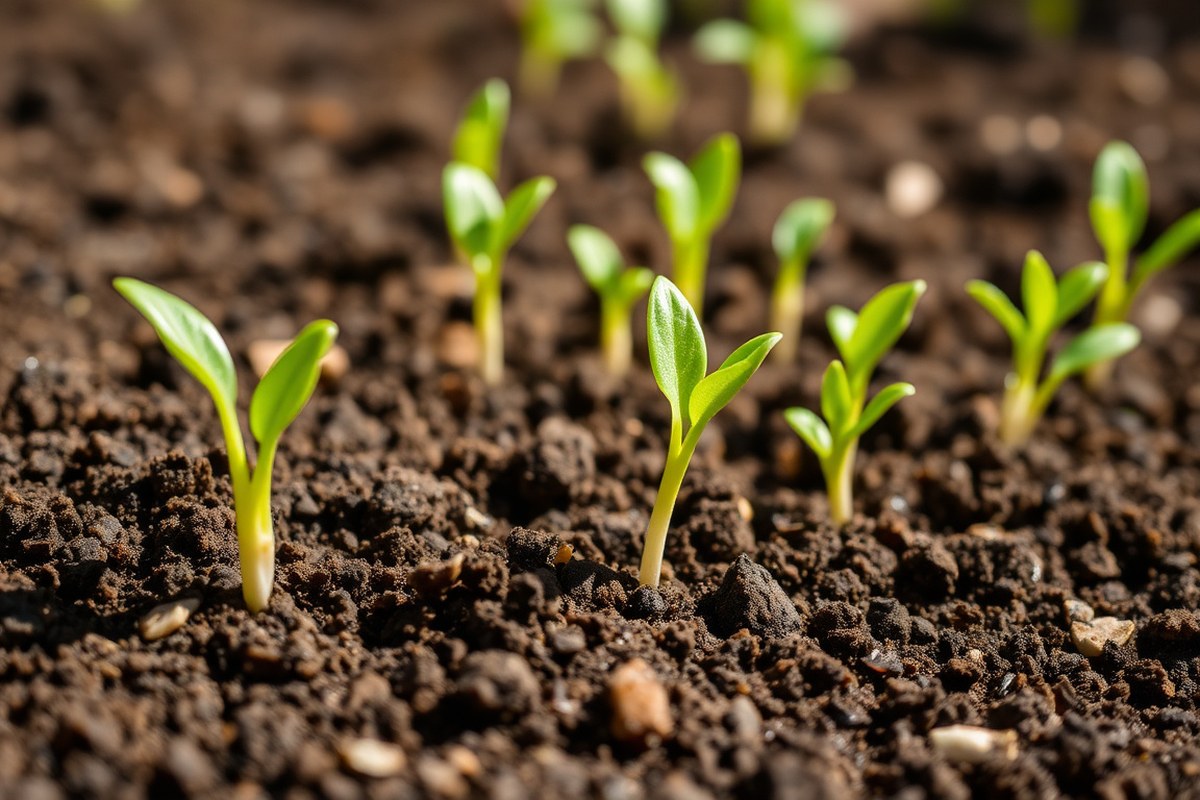
How long does it take seeds to sprout? Most seeds start to grow within 3 to 14 days. This depends on the seed type, soil conditions, and temperature.
Fast seeds like radishes sprout in just 3 to 5 days. Parsley may take 21 days or more.
Tomato seeds usually take 5 to 10 days to sprout if soil temperature is right. Cooler soil can slow this down a lot, sometimes up to six weeks at 50°F. So keeping soil warm and moist helps speed up germination.
Some seeds, like celery and leeks, take two to three weeks even in good conditions. Hard seeds may need soaking first, which helps them sprout faster. You can check the seed packet or look up specific times for your plants.
Key Takeaways
- Most garden seeds sprout within 3 to 14 days under ideal conditions.
- Soil temperature greatly affects sprouting speed; warmer soil speeds it up.
- Soak hard-coated seeds before planting to reduce germination time.
- Keep soil consistently moist but not soaked to encourage sprouting.
- Slow-sprouting seeds like parsley can take up to three weeks or more.
- Check seed packets for specific germination times for best results.
How Long Does It Typically Take Seeds to Sprout?
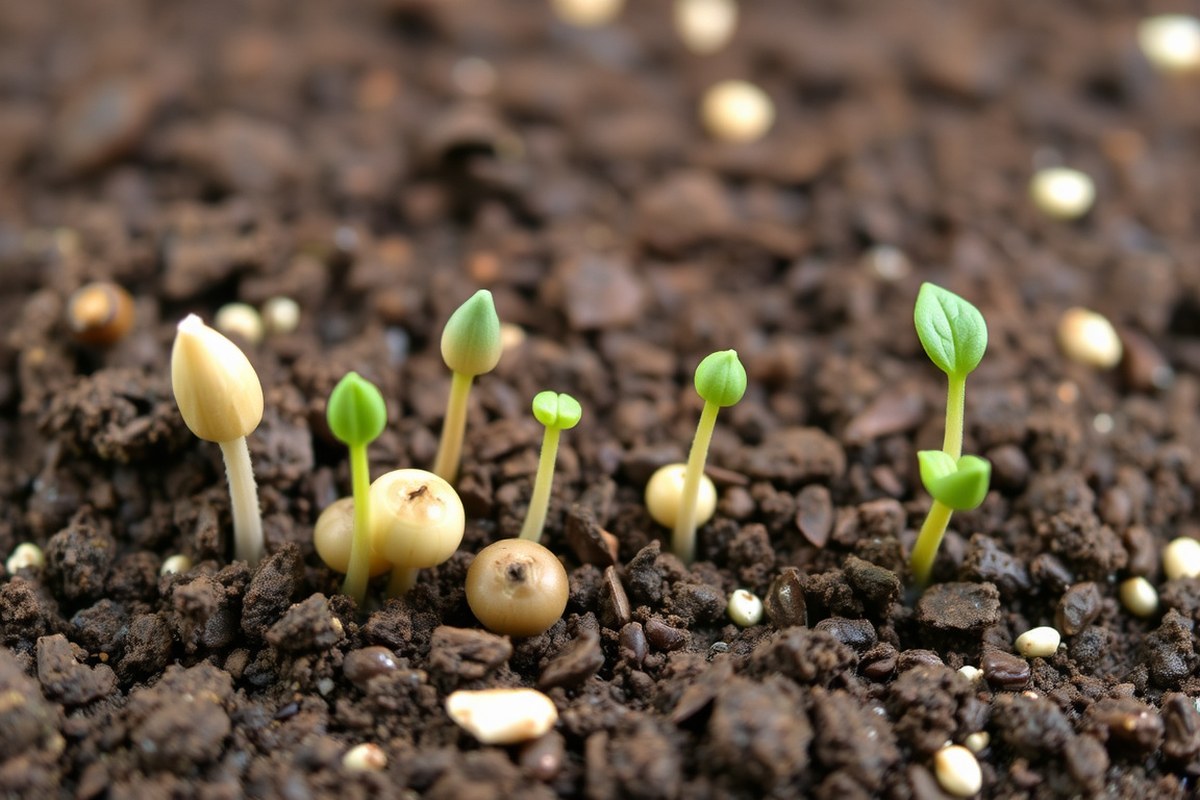
Most seeds sprout within a few days to a few weeks. Knowing typical germination times helps you plan your planting and care routine. Sprouting speed varies widely between different plants and seed types.
Vegetables like tomatoes sprout fairly quickly, usually within 5 to 10 days. Carrots and celery, on the other hand, need around two to three weeks. Herb seeds have a wide range, with some like basil sprouting fast and others slower.
| Plant Type | Typical Sprouting Time |
|---|---|
| Tomato | 5 to 10 days |
| Carrot | 14 to 21 days |
| Basil | 5 to 10 days |
| Celery and Leeks | 14 to 21 days |
| Sunflower | 7 to 10 days |
| Pansy and Zinnia | 7 to 14 days |
| Marigold | 5 to 10 days |
Fast sprouters like radishes may germinate in 3 to 5 days. Parsley and some flowers can take up to 21 days or more. Some flower seeds, like trumpet-shaped blooms, take a long time.
They need many months, up to 365 days, to sprout. Patience is key with these types of seeds.
Sprouting variation depends on seed type and environment. Ideal warmth, moisture, and soil help seeds sprout faster within these timeframes. Following these timelines avoids unnecessary worry or impatience during your gardening.
Which Factors Most Influence Seed Sprouting Speed?
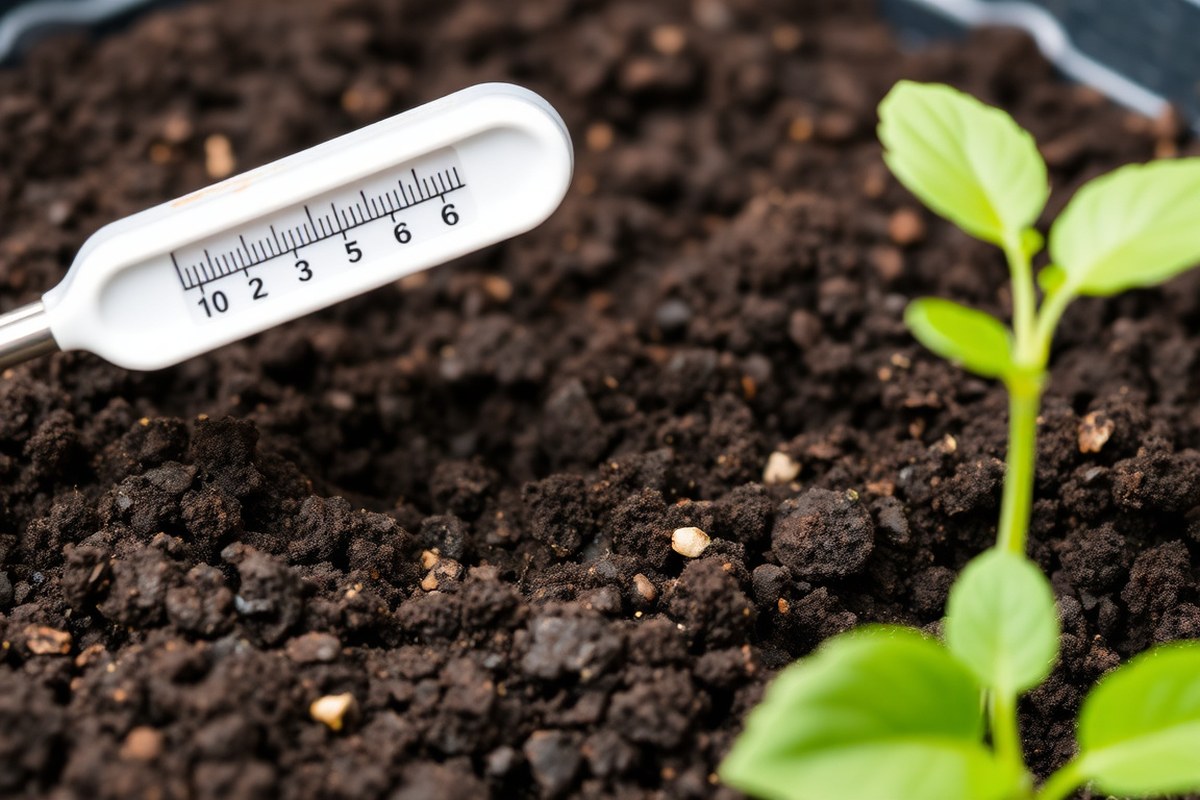
Soil temperature strongly affects how quickly seeds start growing. Most vegetable and flower seeds begin to sprout between 3 and 14 days when soil is warm enough. For example, tomato seeds take about 6 to 10 days to sprout at 70°F (21°C).
At cooler soil around 50°F (10°C), tomato seeds might need up to 6 weeks to sprout. Warm soil helps speed up germination by increasing seed activity. Soil hotter than 85°F (29°C) may hurt seeds or slow their growth.
Seeds need moisture to begin germination. But too much water stops air from reaching them. Seeds soak up water to swell and activate enzymes that break down stored food inside.
Oxygen is key because seeds use it to burn energy as they grow. Waterlogged soil reduces oxygen, causing seeds to rot or fail. You want damp but well-drained soil.
For example, moistening soil evenly after planting helps seeds stay hydrated. But avoid soggy soil, which leads to mold or seed death.
Light affects germination differently by seed type. Some seeds, like lettuce and celery, need light to sprout. Planting these seeds on or near the soil surface helps them grow.
They won’t sprout well if buried too deep. Others, like beans, prefer darkness and do better when planted deeper. Light-sensitive seeds buried too deep often won’t sprout at all.
These seeds need to be near the surface for light exposure. Shallow planting encourages better germination for them. Check seed packets for light needs and adjust sowing depth accordingly.
Soil quality influences sprouting by providing nutrients and the right pH balance. Seeds prefer loose, crumbly soil that drains well and holds moisture. Poor soil with high clay content stays wet and compacts easily, limiting oxygen to the seed.
A pH near neutral, 6.0 to 7.0, works for most garden seeds. You can test soil pH cheaply at garden centers. Soil that is too acidic or too alkaline can stop seeds from sprouting.
It can also weaken young seedlings early in growth. Keeping soil pH balanced helps seeds grow strong.
Keep soil evenly moist but not soaking wet. Soggy soil kills seeds faster than dry.
How Seed Type and Dormancy Affect Germination Time
Seed type and dormancy strongly affect how quickly seeds sprout. Hard seed coats, natural dormancy, and chemical inhibitors can delay germination. Some seeds need special treatments like scarification or stratification to start growing.
Types of Seed Dormancy Explained
Seed dormancy prevents germination until conditions are right. It can be caused by hard seed coats, chemical inhibitors, or immature embryos inside the seed. This delays sprouting to improve plant survival in nature.
Some seeds have thin coats and germinate quickly. Others, like certain trees, have thick coats or internal dormancy that require extra steps before sprouting. Recognizing the dormancy type tells you what treatment you might need.
Cold Stratification: How and When to Use It
Cold stratification mimics winter to break dormancy in seeds needing a cold period. Store seeds in moist soil or damp paper towels inside a plastic bag. Keep them in a refrigerator around 32 to 41°F for 2 to 12 weeks.
Typical seeds that need stratification include oak, apple, and wildflower seeds. This cold treatment triggers chemical changes, helping the seed break dormancy and sprout faster once planted. Avoid freezing the seeds during this process.
Scarification Methods for Hard-Coated Seeds
Scarification breaks tough seed coats by scratching or nicking the surface. This helps water pass through and starts germination. You can use fine sandpaper, a small file, or carefully nick with a knife.
Common seeds that benefit from scarification include morning glory, sweet peas, and lotus. After scarifying, soak the seeds in water for 12 to 24 hours. Avoid damaging the seed embryo inside the coat.
- Use sandpaper to gently rub the seed coat
- Score the seed with a knife or nail clipper
- Soak seeds in warm water after scarification
- Do not remove the seed coat completely
- Work in small batches to avoid errors
This method speeds up water absorption and reduces germination time for hard seeds. Overdoing it can injure seeds and stop them from sprouting.
Pre-Soaking: When and How to Soften Seeds
Pre-soaking softens seed coats and helps water enter faster. Soak seeds in room temperature water for 6 to 24 hours. The soaking time depends on the seed size and type.
Larger seeds need longer soaking periods than smaller seeds. This is especially useful for seeds with slow germination like carrots and parsley.
After soaking, drain the water and plant seeds immediately. Avoid soaking more than 24 hours, as seeds can start rotting. Pre-soaking is often a simple first step before planting or scarification.
How Seed Age and Storage Impact Sprouting Success
Seeds lose their ability to sprout as they age. Usually, seeds remain viable for one to five years depending on the type and storage. For example, carrot seeds may lose 20 to 30 percent of their viability after one year.
Storing seeds properly slows down this aging process. Keep seeds dry, cool, and dark to maintain sprouting potential. Using airtight containers like glass jars or sealed plastic bags helps prevent moisture and pests.
Place seed containers in a refrigerator set between 32 and 41 degrees Fahrenheit. Avoid freezing seeds unless their package specifically says it’s safe. Check humidity by adding a small packet of silica gel inside.
You can also use a pinch of dry rice inside the container. These help keep moisture at the right level for your seeds.
Old seeds often take longer to sprout or fail completely. Test your seeds by planting a few in damp paper towels before using the whole batch.
Less than half sprouting on time means you should replace them. This shows the seeds might be old or not viable.
Replacing seeds every two to three years is a good rule when stored properly. Some seeds like onions or parsnips need replacing yearly. Buying fresh seeds each season ensures consistent germination and reduces frustration.
Good seed storage means controlling temperature, moisture, and light. Write the date you stored seeds on the container to track age easily. Also, keep different seed types separate so you can manage them wisely.
Practical Ways to Speed Up Seed Germination
Speeding up seed germination involves softening seeds, warming soil, managing moisture, and providing light. These steps create a friendly environment for seeds to sprout faster. Follow clear actions for the best results without risking seed damage.
Using Heat Mats and Optimal Soil Temps
Seeds often need warm soil to start growing quickly. Use a heat mat set between 65°F and 75°F to keep soil temperature steady. This warmth wakes seeds up and triggers sprouting.
Place your seed trays on the heat mat, especially for heat-loving seeds like peppers or tomatoes. Keep the mat on until most seeds show tiny shoots.
Starting seeds indoors helps control temperature and avoids cold soil problems. Check soil temps regularly with a thermometer to stay in the ideal range.
Proper Moisture Management Without Overwatering
Seeds need moist soil, not wet or dry, for fast germination. Water the soil gently to keep it damp but avoid puddles or soggy soil. Too much water can cause seeds to rot.
Cover seed trays with clear plastic or dome lids to trap moisture and reduce watering frequency. Remove covers once seedlings appear to prevent mold growth.
Check soil moisture daily by touching the surface. When the soil feels dry, mist with water or add a little carefully.
Seed Soaking Guidelines by Seed Type
Soaking seeds before planting softens the seed coat and speeds up germination. Small seeds generally soak for 2 to 4 hours. Larger seeds may soak overnight, about 8 to 12 hours.
For example, beans and peas benefit from overnight soaking. But fine seeds like lettuce only need a few hours. Avoid soaking more than 24 hours to prevent seed damage or decay.
After soaking, plant seeds immediately into moist soil. Soaking helps water reach the embryo quickly, boosting sprouting chances.
Don’t soak seeds that need dry planting. Corn and carrots are examples. Soaking these seeds can lower germination rates.
- Check seed package for soaking recommendations
- Place seeds in a bowl of room temperature water
- Soak smaller seeds for 2 to 4 hours
- Soak larger seeds like beans overnight for 8 to 12 hours
- Drain and pat seeds dry before planting
- Plant immediately in warm, moist soil with good drainage
- Keep soil temperature between 65°F and 75°F using a heat mat if needed
- Maintain consistent moisture by misting or covering trays
Using Grow Lights for Early Seedlings
Once seeds sprout, they need plenty of light to grow thick and strong. Use grow lights to give seedlings 14 to 16 hours of light daily. Place the lights a few inches above the seedlings.
Check the lights to keep this distance consistent. This stops them from stretching thin.
Set timers for lights to mimic natural daylight and avoid overheating. Keep lights on a cycle to support healthy growth stages.
Seedlings grow faster under good light. They also avoid weak stems. Strong stems help seedlings handle planting outdoors better.
When and How to Test Seed Viability at Home
Testing seed viability at home saves time and prevents planting failures. A simple paper towel test helps you see if old or new seeds will sprout. This test takes 7 to 10 days and lets you decide which seeds to use.
Materials Needed for the Paper Towel Test
Gather a few basic items before starting the test. You need seeds and a paper towel. Also, get a spray bottle or small cup for water.
Use a sealable plastic bag for storage. A warm spot in your home is also helpful to encourage germination.
Use 10 to 20 seeds for a reliable test. Pick seeds randomly from your packet. Avoid only choosing the biggest seeds since smaller ones might still be viable.
Step-by-Step Procedure for Testing Seeds
Follow these steps to check if your seeds will sprout. Keep the towel moist but not soaked. Keep the bag warm but out of direct sunlight.
- Moisten a clean paper towel with water until damp but not dripping.
- Spread 10 to 20 seeds evenly on one half of the towel.
- Fold the towel over the seeds to cover them completely.
- Place the folded towel inside a sealable plastic bag and seal it.
- Put the bag in a warm spot, ideally between 70 and 75 degrees Fahrenheit.
- Check daily to keep the towel moist; spray water if it feels dry.
- After 7 to 10 days, open the bag and count how many seeds sprouted.
Analyzing Germination Results and Next Actions
Calculate the germination percentage by dividing sprouted seeds by total seeds tested. For example, 15 sprouted out of 20 means 75% germination. This shows good seed viability and you can plant with confidence.
Less than 50% sprouting means the seeds are too old or stored badly. You can try soaking them before planting or buy fresh seeds. Discard packets with less than 30% viability to avoid wasting effort and space.
Common Germination Problems and How to Fix Them
Seeds need steady moisture to start sprouting, but too much water causes rot. Overwatering creates soggy soil and invites fungal diseases like damping off. That kills young seedlings quickly, often before you even notice sprouting.
Slow germination isn’t always bad. Some seeds, like parsley and lavender, take two to three weeks or more.
Patience is key. When seeds absorb water but don’t grow in their usual time, you have a problem.
Good air circulation helps prevent mold and fungus. Avoid covering seeds too tightly or sealing containers with no holes.
The soil should feel damp, not wet or dry. Check it every day and adjust watering accordingly.
- Keep soil moist but not soaked to avoid seed rot.
- Use a fan or open lid for fresh air to stop fungal growth.
- Plant seeds at recommended depth to avoid too much moisture on the surface.
- Wait for the normal germination period before worrying about lack of sprouts.
- Avoid touching or disturbing seeds during early germination stages.
- Use sterile seed-starting mix to reduce disease risk.
- Check seed packages for special needs like darkness or temperature.
Seeds that don’t sprout might be too old. They could have been stored badly. Climate might not suit them either.
Make sure to use fresh seeds within the recommended period. Some seeds are picky about temperature and light, so follow those instructions closely.
You see slimy soil or a bad smell. Air out the seed tray. Water less often.
Let the top inch of soil dry slightly between waterings. This small step often stops rot and fungal issues fast.
How Planting Depth and Soil Preparation Affect Sprouting
Planting depth matters because seeds need the right soil coverage to sprout well. Small seeds hate deep planting since they lack energy to push through thick soil. Large seeds store more reserves, so they can handle deeper soil.
Use the rule of thumb: plant seeds about 2 to 3 times their diameter deep. Too shallow, and seeds dry out or get eaten. Too deep, and they may never break the surface.
| Seed Size | Recommended Planting Depth |
|---|---|
| Very Small (e.g., lettuce, celery) | Surface or lightly covered (1/8 inch or less) |
| Small (e.g., carrot, onion) | 1/4 inch to 1/2 inch |
| Medium (e.g., tomato, pepper) | 1/2 inch to 1 inch |
| Large (e.g., bean, sunflower) | 1 to 2 inches |
| Very Large (e.g., pumpkin, squash) | 1 to 3 inches |
A good seed starting mix is light, drains well, and holds moisture without compacting. Use a high-quality organic seed starting mix designed for seedlings.
Avoid heavy garden soil or potting soil with large chunks. These can cause poor air flow and waterlogging.
Preparing the soil well speeds sprouting. Soften soil gently before planting, removing clumps or debris.
Moisten the mix until it feels like a wrung-out sponge, damp but not soggy. This helps seeds stay hydrated without drowning.
For transplant-friendly starts, use seed trays or small pots. They give control over soil and moisture.
After sprouting, move seedlings when they have two sets of true leaves. Harden them off gradually outdoors for about a week before planting out.
Firming soil gently after planting seeds ensures good seed-to-soil contact without squeezing the seeds too tight.
Step-by-Step Action Plan for Faster Seed Sprouting
Follow these simple steps to get your seeds sprouting quickly and well. Check each step to see if your seeds are on track.
- Before you plant: Choose fresh seeds suited for your climate. Fresh seeds sprout faster. Test a few by soaking them overnight.
- Day 1: Soak seeds that benefit from it, like beans or peas. Look for slight swelling to know it worked.
- Day 2: Plant seeds at the right depth in moist, well-draining soil. Check that soil stays damp but not soaked.
- Days 3-7: Keep soil warm, around 65°F to 75°F. Use a heat mat if needed. Watch for tiny sprouts or seed coat cracks.
- Week 2: Thin seedlings to avoid crowding for steady growth. Thinned seedlings look stronger and healthier.
- Week 3: Move seedlings to a sunny spot or under grow lights. Healthy leaves indicate good light exposure.
- After 3 weeks: Harden off seedlings before outdoor planting. Reduce watering and bring plants outside for a few hours daily.
Frequently Asked Questions
How Do Temperature Changes Affect Seed Sprouting Speed?
Seeds sprout faster in the right temperature range for their type. Cold soil slows germination, while warm soil speeds it. But too hot can kill the seed.
What’s the Best Way to Keep Soil Moist for Sprouting Seeds?
Keep soil evenly moist, not soaked or dry, for steady sprouting. Using a spray bottle helps avoid washing seeds away or drowning them.
Can Lighting Conditions Change How Fast Seeds Sprout?
Light usually doesn’t affect sprouting speed but some seeds need light to germinate. Check seed packet instructions since some need darkness while others need light exposure.
Why Do Some Seeds Sprout Unevenly in the Same Batch?
Variation happens because of seed age, quality, and micro-environment differences. Not all seeds are equally healthy or placed exactly the same in soil.
Do Transferred Seedlings Sprout Slower After Transplanting?
Sprouting happens in the soil, so seedlings don’t sprout again after transplanting. They might slow growth for a few days while adjusting to new soil and conditions.
How Long Do Seeds in Compost Take to Sprout?
Seeds in compost sprout between 3 to 21 days depending on type and conditions. Compost warmth helps but if too wet or dry, it delays sprouting.
The Bottom Line
Seeds usually sprout within a week or two if conditions are right. Test your seeds early to avoid surprises. Start today by checking seed freshness or soaking them overnight.