What Is Normal Humidity in a House? A Complete Guide for Healthy Comfort
Normal humidity in a house usually means keeping relative humidity between 30% and 50%. This range helps prevent dryness while avoiding moisture buildup that causes mold. Maintaining it protects your home’s structure and belongings from moisture damage.
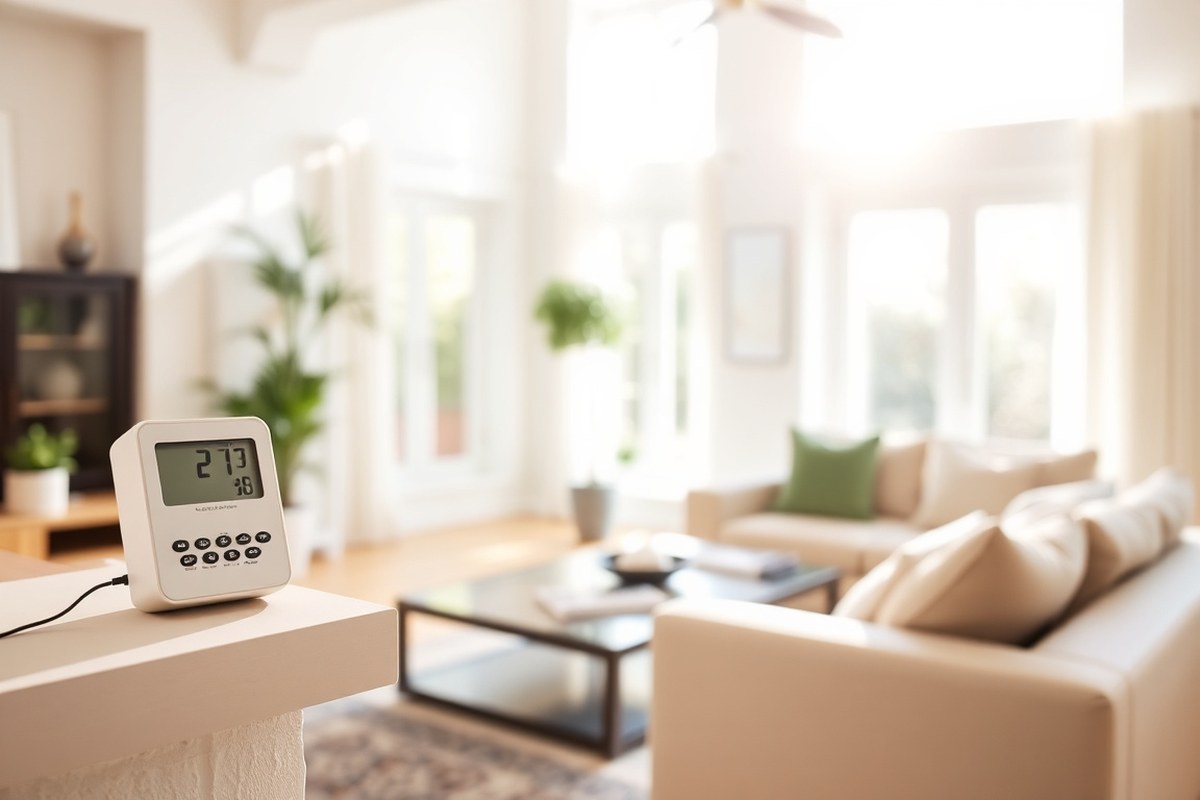
Humidity in this range also helps you feel comfortable and lowers health risks like dry skin or allergies. Using a hygrometer or digital humidity meter makes it easy to check levels regularly.
Bathrooms and kitchens tend to have higher humidity during showers or cooking. Good ventilation is essential to clear moisture quickly and stop mold or mildew growth.
Humidity changes with seasons and weather, so adjust humidifiers or dehumidifiers as needed. Keeping air balanced helps ensure comfort and health all year long.
Key Takeaways
- Maintain indoor humidity between 30% and 50% for healthy comfort.
- Use a digital hygrometer to measure your home’s humidity accurately.
- Expect temporary humidity spikes in bathrooms during showers.
- Low humidity below 30% can cause dry skin and irritated sinuses.
- Humidity above 60% encourages mold growth and dust mite activity.
- Adjust humidity seasonally, as winter air tends to be drier indoors.
What Is the Ideal Indoor Humidity Range for Homes?
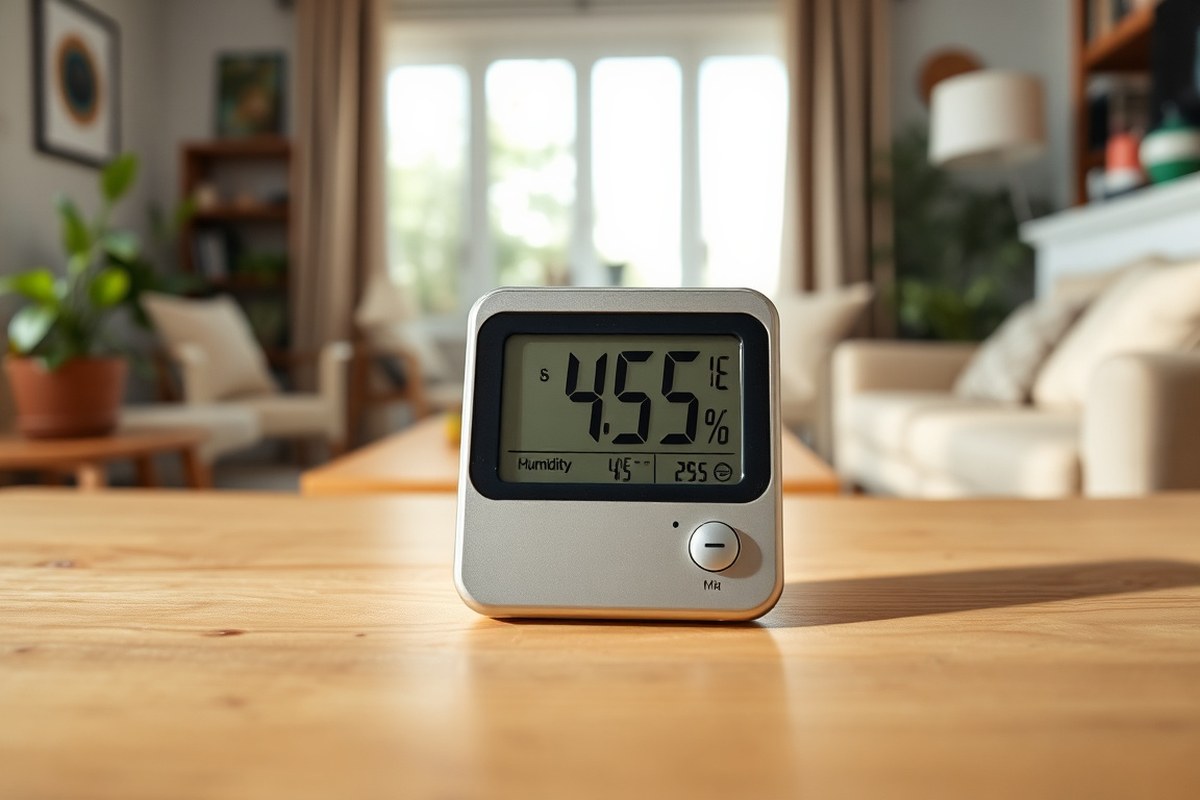
The ideal indoor humidity range for most homes is between 30% and 50% relative humidity. This range helps keep your air comfortable without encouraging mold growth or dust mites. The Environmental Protection Agency recommends keeping humidity below 60% to prevent moisture problems.
Humidity below 30% can cause dry skin, irritated eyes, and damage to wood furniture. Too much humidity over 50% makes your home feel muggy. It also helps mold and dust mites grow.
Keep humidity lower to avoid that. These conditions also hurt indoor air quality and can worsen allergies or asthma symptoms.
Use a hygrometer to check your home’s humidity. They usually cost between $10 and $30. Check often to stay in the safe range.
Adjust humidity with a humidifier or dehumidifier, depending on the season and local climate. Use a humidifier in winter to add moisture to dry air.
In summer, run a dehumidifier to cut down on moisture. This keeps humidity balanced all year.
Plants and room use affect the ideal level, too. Tropical houseplants prefer humidity near 50%, while succulents do fine closer to 30%. Bathrooms may go over 50% humidity during showers for a short time.
It should drop quickly afterward. This helps stop mold on ceilings and towels.
Humidity between 30% and 50% helps you breathe better. It also protects your home from damage. Plus, it keeps the house more comfortable.
This simple balance also helps protect your home’s structure and keeps allergens at bay. Adjustments take time but improve your indoor environment noticeably.
How Seasonal Changes Affect Indoor Humidity Levels
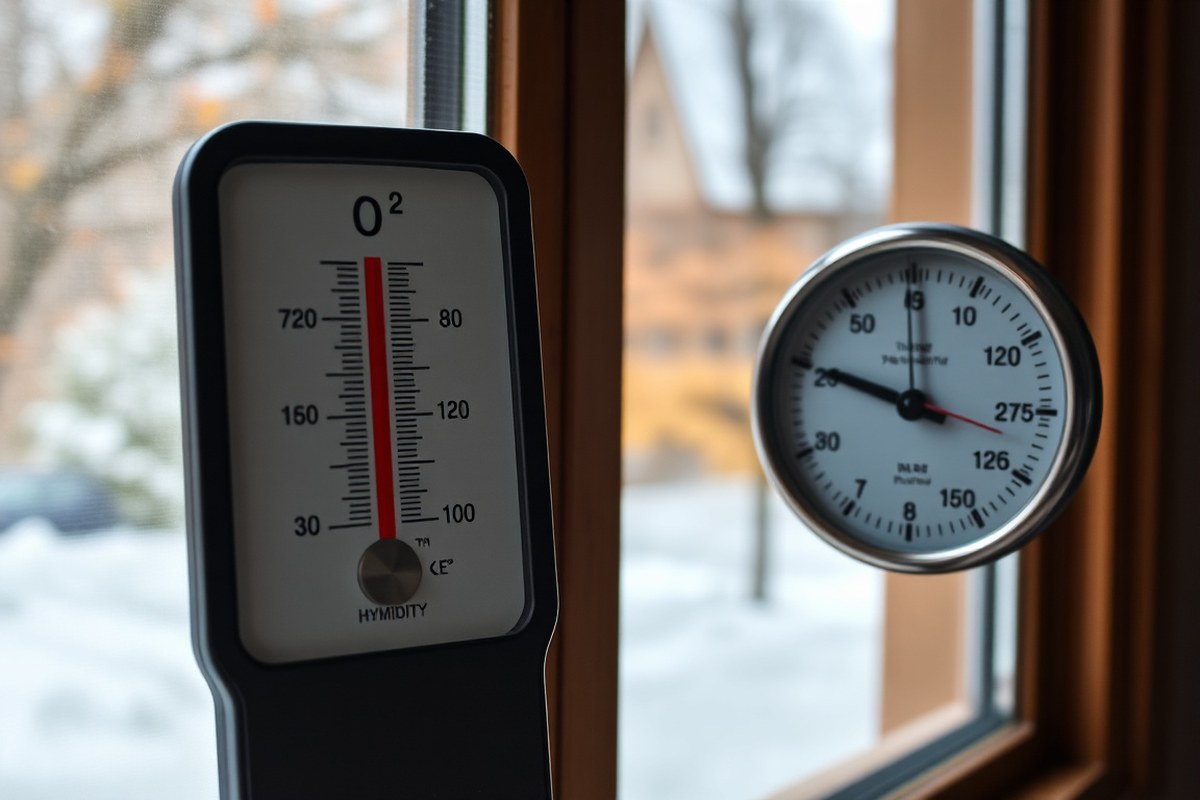
Indoor humidity changes a lot with the seasons. Cold winter air holds less moisture, so indoor humidity levels usually drop. Warmer months bring higher outdoor humidity and more moisture indoors, which needs careful control.
Recommended Winter Humidity Targets by Temperature
In winter, indoor humidity needs to stay low enough to prevent condensation on windows and walls. Colder outdoor temperatures require even lower indoor humidity to avoid moisture problems like mold and damage.
The colder it gets outside, the lower your indoor humidity should be. Follow this guide to avoid window sweat and keep your home safe.
| Outdoor Temperature | Indoor Humidity Limit | Important Consideration |
|---|---|---|
| Above 50˚F | Up to 50% RH | General comfort without excess moisture |
| 20˚F to 50˚F | Up to 40% RH | Prevent condensation |
| 10˚F to 20˚F | Up to 35% RH | Lower to reduce moisture risks |
| 0˚F to 10˚F | Up to 30% RH | Reduce window and surface condensation |
| -10˚F to 0˚F | Up to 25% RH | Very dry indoor air needed |
| -20˚F to -10˚F | Up to 20% RH | Extreme dryness needed to avoid condensation |
| Below -20˚F | Up to 15% RH | Lowest safe humidity to protect surfaces |
This schedule lets you balance comfort with prevention of mold and water damage. Lower humidity also helps protect wood finishes and paint.
Ideal Summer Humidity Ranges to Reduce Mold Risk
Summer outdoor air usually holds more moisture, so indoor humidity tends to rise. Aim to keep it between 40% and 50%, sometimes closer to 45% for the best balance.
Levels above 60% raise the chance of mold and dust mites. That’s why managing indoor RH during warm months is so important.
| Season | Recommended Humidity Range | Main Concern |
|---|---|---|
| Summer | 40, 50% RH | Control excess indoor moisture to prevent mold |
Maintaining humidity below 50% helps air feel cooler and stops allergens from growing. This helps keep you comfortable and healthy inside.
Adjusting Humidity Control When Transitioning Between Seasons
Spring and fall bring changing weather that complicates humidity control. Aim for a moderate range of 35% to 50% RH as you adjust your devices.
Use these seasonal ranges to guide your humidifier or dehumidifier settings. Adjust gradually to avoid shocks to your home’s materials and comfort.
Check outdoor temperatures often to fine-tune your indoor humidity. For example, dial humidity lower as cold nights arrive in fall.
| Season | Starting Humidity Target | Main Concern |
|---|---|---|
| Spring | 35, 50% RH | Manage changing outdoor moisture |
| Fall | 35, 50% RH | Adjust to cooler temperatures |
Check for window condensation regularly when temperatures drop. It means your indoor humidity is too high.
How to Measure Humidity Accurately Inside Your Home
Use a digital hygrometer to measure your home’s humidity accurately. Place it in key rooms such as bedrooms and basements. Check readings over time to see real humidity trends.
Choosing the Right Hygrometer Type
Digital hygrometers give you a quick, easy way to track humidity levels. They offer a 1, 2% margin of error, which is good enough for home use. You can find models with price tags around $10 to $30.
Analog hygrometers use a dial and are less accurate. They might be cheaper but need regular calibration to keep results reliable.
For serious monitoring, digital is better. Some smart home systems also include humidity sensors.
Look for features like a memory function or temperature display. These help understand how humidity changes with heat.
Best Locations for Placing Humidity Meters
Put hygrometers in rooms where you spend most time, like bedrooms and the living room. The basement is another spot because it often traps dampness. Avoid placing them near vents, windows, or direct sunlight.
Don’t put the meter inside bathrooms or kitchens since steam can cause spikes. Instead, monitor these areas by checking after showers or cooking. Use multiple meters in different rooms for a full picture.
- Keep away from heating and cooling vents
- Avoid direct sunlight or near windows
- Place 3 to 5 feet off the floor for best air sampling
- Monitor basement and crawl spaces if you have one
- Move meters around during testing to spot hidden damp spots
These tips help spot areas with too much or too little moisture. Adjust your humidifiers or dehumidifiers based on these readings.
How Long to Wait for a Stable Reading
Once you place your hygrometer, wait at least 30 minutes before reading it. This gives it time to adjust to room conditions. For more accurate tracking, check readings at different times of day.
Humidity can spike briefly, such as right after you shower. Ignore short spikes and look for consistent levels over a few hours. For ongoing monitoring, note daily or weekly patterns.
Compare readings between hygrometers if you test more than one model. A difference of 1, 3% is normal. Larger gaps may mean one meter needs calibration or has placement issues.
Health and Comfort Effects of Indoor Humidity Levels
Humidity levels outside the ideal range can cause various health problems. High humidity makes the air sticky and uncomfortable. It also encourages mold, mildew, and dust mites to grow.
These make indoor air quality worse. They can trigger allergies and asthma.
Low humidity below 30% pulls moisture from your skin. It also dries your respiratory tract. This causes dry skin and irritated airways.
People might experience frequent nosebleeds, sore throats, or coughs. Dry indoor air also raises static electricity, which can be annoying and sometimes damaging to electronics.
Both very high and very low humidity can disturb your sleep. When humidity climbs above 60%, it creates a clammy atmosphere that makes falling asleep harder.
Dust mites thrive in these conditions, adding to sneezing or congestion. Conversely, dry air pulls moisture from your nose and mouth, causing discomfort and restless nights.
Mold and dust mites grow quickly when indoor humidity stays above 60%. The CDC advises keeping humidity under 50% to prevent these risks.
Ventilating damp areas like bathrooms and using exhaust fans after showers help reduce moisture. In damp basements or during summer, running a dehumidifier can keep humidity in a healthier range.
Dry winter air causes specific problems, too. It can dry out your nose’s mucous membranes. This makes you more likely to catch colds.
It also raises the risk of respiratory infections. Using a humidifier below 30% humidity eases these symptoms.
It also helps keep wood furniture from cracking. Always monitor humidity with a reliable indoor hygrometer.
You can protect your family’s health by keeping indoor humidity between 30% and 50%. This range reduces allergens and helps skin stay moist. It also avoids the discomfort of clammy air or dry irritation, supporting better sleep and breathing.
You usually need ventilation, heating changes, and maybe a humidifier or dehumidifier. This helps maintain the right humidity balance.
Ideal Humidity Levels for Different Rooms and Why They Vary
Humidity levels vary room to room because moisture and air flow differ. Bedrooms need stable, moderate humidity to protect wood and comfort.
Basements require more control because dampness can easily cause mold. Bathrooms see spikes and need quick drying to stay healthy.
Recommended Humidity Range for Bedrooms
Keep bedroom humidity between 30% and 50% for comfort and wood protection. Wood furniture and floors do best in the tighter range of 30% to 45%. Too much moisture above 50% risks mold and damages wood over time.
Using a humidifier in dry seasons helps maintain levels near 40%. In the summer, a dehumidifier can prevent humidity from creeping over 50%. A stable range means fewer allergens and better sleep quality.
Humidity Targets for Basements and Moisture Control
Basements often have higher humidity because they sit near moist soil and poor air flow. Aim for 30% to 50%, like upper floors.
But watch for damp spots above 60%. Moisture control here is important to stop mold and structural damage.
Install a dehumidifier rated for the basement size to keep levels low. Also, running fans or vents helps move moist air outside. Sealing cracks in foundation walls reduces ground moisture entry.
Bathroom Humidity and Recovery Time After Showers
Bathroom humidity spikes to near 100% during showers because of steam. After showering, humidity should drop back to 30% to 50% within 30 to 60 minutes. Use an exhaust fan during and after showers to speed this process.
Leaving the bathroom door open and showering with cooler water helps reduce steam buildup. Without ventilation, moisture lingers longer and leads to mold on walls and ceilings. A quick recovery protects paint, drywall, and fixtures.
| Action to Adjust Humidity | Increase Humidity | Decrease Humidity |
|---|---|---|
| General Home | Add a humidifier | Install a dehumidifier |
| Kitchen | Cook without lids | Use a range or exhaust fan |
| Bathroom | Shower with door open | Use exhaust fan; shower with cold water |
| Indoor Plants | Keep plants that regulate humidity | Remove plants that increase moisture |
The best way to keep rooms comfortable is to use the right tools for each space. A humidifier or dehumidifier helps adjust whole-room moisture. Kitchen and bathroom fans help manage spikes from cooking and showers.
Running bathroom fans during showers prevents long-term moisture buildup and mold growth.
How to Adjust Humidity Using Humidifiers and Dehumidifiers
Use a humidifier when indoor air feels dry, especially in winter. Aim for 30% to 40% relative humidity during cold months to stop window condensation. A dehumidifier helps keep humidity between 40% and 50%.
It cuts mold growth and helps your air conditioner work better. This is useful during summer months.
Setting these devices correctly prevents moisture problems and discomfort. Humidistats inside humidifiers and dehumidifiers turn them on or off automatically at your chosen level. You want humidity to stay steady.
Avoid readings over 60%. This limits mold and dust mites.
Follow these steps to adjust humidity with humidifiers and dehumidifiers:
- Check indoor humidity using a reliable hygrometer near your breathing area or bedroom.
- Decide on your target range: 30% to 40% in winter, or 40% to 50% in summer.
- Set your humidifier or dehumidifier to that range to activate when needed.
- Run the device day and night. This keeps humidity steady. It’s important in extreme outdoor weather.
- Monitor humidity levels daily to ensure they stay within your target range.
- Clean the device’s water tank or filter weekly to avoid mold or bacteria buildup.
- Adjust the settings if you notice condensation on windows or sticky air indoors.
- Ventilate your home when outdoor humidity is lower than indoors to balance moisture safely.
Don’t keep your house at 50% humidity in winter. It can cause window sweat if outdoor air is cold and dry. Instead, drop the target slightly to avoid that damp feeling.
In summer, setting a dehumidifier above 50% won’t help much. You want it below 60% all the time. Aim near 50% so the air stays comfortable and your cooling system doesn’t work too hard.
Common Mistakes in Humidity Control and How to Fix Them
One common mistake is poor placement of humidity devices. Putting humidifiers or dehumidifiers too close to walls or furniture blocks airflow. This causes uneven humidity in the room.
Move devices to open spaces, at least a foot away from walls or objects. It helps air circulate and keeps humidity consistent.
Another error is ignoring seasonal changes that affect humidity. Summer usually raises humidity, while winter lowers it. Some people leave humidifiers running all year, leading to dampness or mold risks.
Adjust your humidifier or dehumidifier settings seasonally. For example, set indoor humidity at 40-50% in winter and closer to 30-45% in summer.
Over-humidification is a frequent problem, especially with poorly monitored devices. Too much moisture makes the air feel sticky and encourages mold growth. Use a reliable hygrometer, or consider smart home devices that track humidity.
Still, don’t rely completely on smart devices. Some need Wi-Fi, and local sensors might not cover every room. Check readings manually often to catch issues early.
Furniture placement and ventilation also affect indoor humidity. Closing vents behind large furniture blocks airflow and traps moisture.
Opening windows or using exhaust fans during cooking or showers helps manage humidity spikes. Proper ventilation removes excess moisture and improves comfort.
- Place humidifiers/dehumidifiers away from walls and furniture for airflow.
- Adjust device settings seasonally to match outdoor humidity changes.
- Use a separate hygrometer to verify humidity readings regularly.
- Open windows or use fans to boost ventilation when moisture builds.
- Check and fix leaks early to prevent hidden moisture problems.
- Don’t rely solely on smart home devices; double-check their accuracy.
- Keep furniture off vents and heating sources to avoid trapped humidity.
Fixing leaks and preventing condensation are also important. Leaks add hidden moisture that raises humidity locally. Watch out for wet spots or musty smells.
Combating these issues stops mold before it starts. Using HVAC equipment right keeps the air quality balanced.
Cleaning filters on time helps maintain normal humidity. Both are key to a comfortable indoor environment.
When to Call a Professional for Humidity or Mold Problems
Call a professional if you notice large or repeated mold patches indoors. Hidden leaks or flooding also need expert help quickly. Persistent musty smells or worsening health symptoms, like constant coughing, are warning signs.
Humidity above 60% inside your home can cause mold and trigger breathing problems. The CDC recommends keeping humidity at or below 50%.
Your indoor humidity hits 65% or higher regularly. Take serious steps to fix it.
Use a reliable hygrometer to check humidity throughout the day. Indoor levels over 60% last more than a few days.
Call a qualified technician. They will inspect plumbing, HVAC systems, and ventilation for hidden moisture sources.
Professionals can test HVAC units for contamination or mold inside ducts. They also check for leaks or electrical faults that might worsen humidity. Repairs or duct cleaning usually cost hundreds to over a thousand dollars.
The price depends on the problem. You should budget accordingly.
Proper fixes ensure your HVAC system runs efficiently and controls humidity. Swapping indoor air with a whole-house fan reduces AC use by up to 90%. This lowers humidity and refreshes your home’s air fast.
Checking humidity regularly lets you catch problems early. Small issues you handle yourself won’t need costly repairs. Serious moisture or mold needs a pro to inspect.
They use tools to stop damage and health risks. Don’t try to fix it yourself.
Never ignore persistent dampness or repeated mold – it often hides bigger issues needing pro care.
Step-by-Step Action Plan to Control Indoor Humidity
Follow these steps to keep your home’s humidity in the right range. Each step tells you how to check your progress.
- Day 1: Buy a reliable digital hygrometer. Check your home’s current humidity levels in key rooms. Make note of any rooms above 60% or below 30% humidity.
- Week 1: Use a humidifier in dry rooms if humidity is under 30%. Check humidity daily until it reads 40-50%.
- Week 2: Run a dehumidifier in damp areas if humidity is over 60%. Confirm levels drop to 40-50% within several days.
- Week 3: Adjust your home’s ventilation. Open windows briefly on dry days or use exhaust fans in bathrooms and kitchens. Measure humidity changes weekly.
- Month 1: Inspect for leaks or mold in problem areas. Fix any sources of excess moisture. Notice a drop in humidity and no musty smells.
- Month 2: Schedule a professional inspection if humidity stays high or mold appears despite your efforts. A specialist can find hidden issues.
Frequently Asked Questions
What Is Considered a Normal Humidity Level Inside a House?
Normal indoor humidity is usually between 30% and 50%. This range helps keep your home comfortable and stops mold growth.
How Does Normal Humidity Differ in Winter Versus Summer for Homes?
Humidity should be lower in winter, around 30% to 40%, to avoid condensation. In summer, keep it between 40% and 50% to control moisture.
Can Normal Humidity Levels Change Based on the Room Inside a House?
Yes, rooms like basements may need tighter control near 30% to prevent dampness. Bedrooms and living rooms are fine around 30% to 50%.
What Everyday Signs Indicate That Humidity Isn’t Normal Indoors?
Dry skin, static electricity, fogged windows, or musty smells hint at wrong humidity. These mean your air might be too dry or too moist.
Is There a Difference Between Relative Humidity and Absolute Humidity in Homes?
Relative humidity shows moisture percentage the air holds compared to max. Absolute humidity is moisture by weight, but RH matters most for comfort.
Why Is It Risky for Home Humidity to Go Above 60%?
Humidity above 60% encourages mold, dust mites, and dust problems. It makes your home feel stuffy and can harm your health.
Wrapping Up
Normal indoor humidity keeps you comfortable and protects your home. Monitor levels regularly with a hygrometer and adjust as needed. Start by measuring today to know your home’s humidity situation.