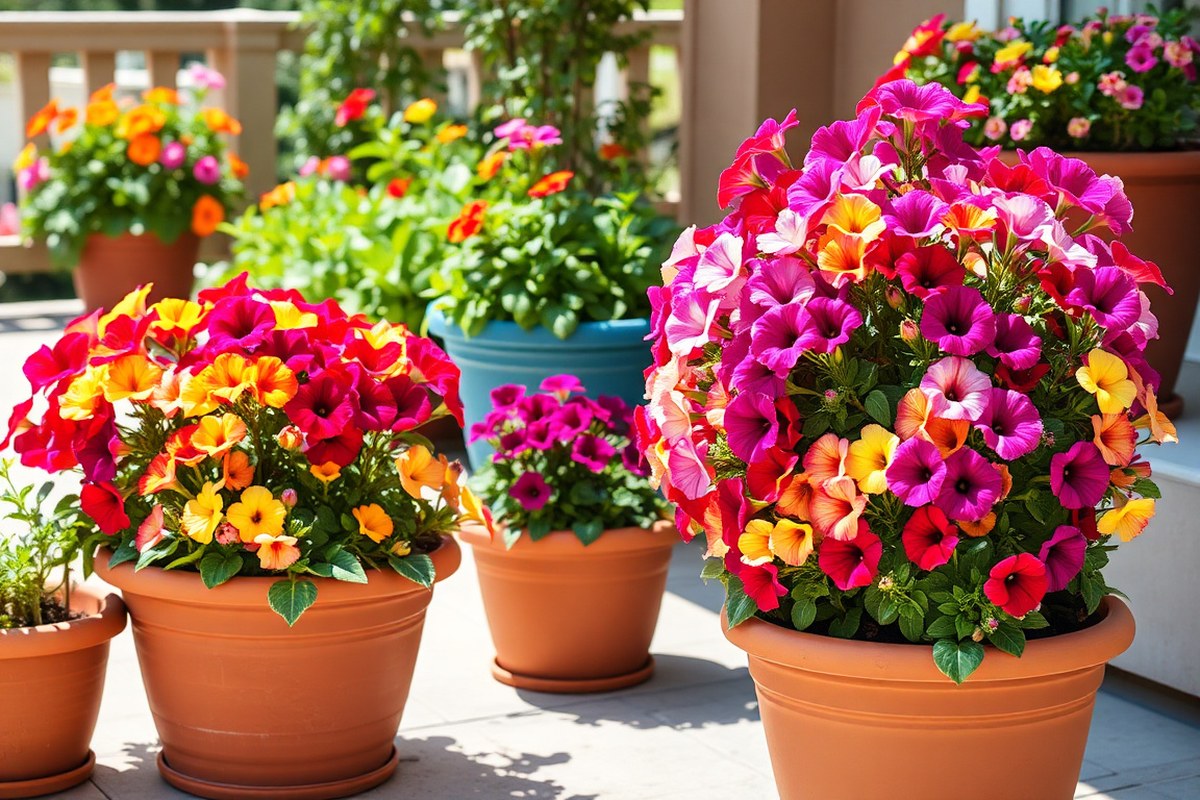
How to Care for Petunias in Pots: Complete Care Tips for Abundant Blooms
How to care for petunias in pots means giving them the right pot, soil, and light. Choose pots with good drainage that fit your petunia size.
Small petunias do well in pots 6 to 8 inches wide. Larger types need at least 10 to 12 inches.
Use potting mix made for containers with good drainage and nutrients. Petunias need full sun, about 6 to 8 hours daily, to bloom well. Water them enough to keep soil moist but not soggy, especially in warm weather.
Fertilize regularly to keep blooms coming. Liquid fertilizer works quickly but needs reapplying every 1 to 3 weeks.
Slow-release versions last longer but cost more. Watch temperature closely, move them indoors if it falls below 55°F to avoid frost damage.
Key Takeaways
- Use pots with drainage holes sized to your petunias.
- Pick potting mix that drains well without drying out too fast.
- Place petunias where they get 6 to 8 hours of full sun daily.
- Water daily if temperatures rise above 85°F to prevent drying out.
- Apply liquid fertilizer every 1 to 3 weeks for best results.
- Shift pots indoors when nights drop below 55°F.
Can Petunias Thrive in Containers and How to Choose the Right Pot
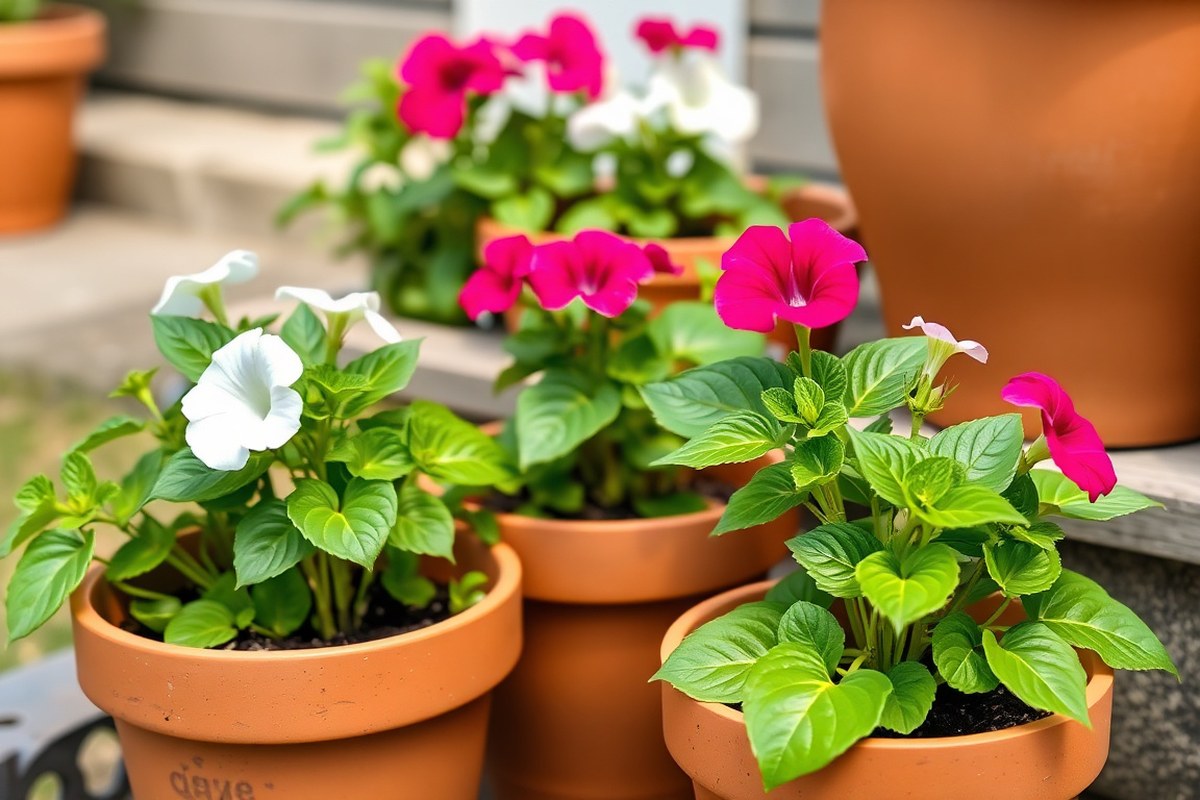
Petunias grow well in pots when you pick the right container. They don’t need very deep soil because their roots stay near the surface. Containers help you control soil quality, drainage, and sunlight, all key to healthy petunias.
Choosing the pot size depends on your petunia type. Small petunias, like the Wave series, do fine in 6- to 8-inch diameter pots. Large or mounding petunias need bigger pots for their roots.
This helps the plants stay full and lush. Give the roots room to spread inside the pot.
Pot material also matters. Plastic pots hold moisture longer, so they need less frequent watering. Clay pots breathe better but dry out faster, which means more watering is necessary.
Self-watering pots add convenience but cost more upfront. Pick what fits your routine and local climate best.
Drainage is important. Every pot should have holes at the bottom to avoid water logging the roots. Excess water must escape to prevent root rot.
Your pot should have drainage holes for healthy plants. Add holes to pots that don’t have any. Use pots without holes only as decorative covers.
For trailing petunias, hanging pots work great. They show off the spillers’ blooms and save garden space. Ground cover or mounding petunias do better in wide pots.
Choose larger pots or containers with extra width. These give space for spreading growth. That way, the plants have enough room to grow without crowding.
Selecting Soil and Potting Mix for Healthy Potted Petunias
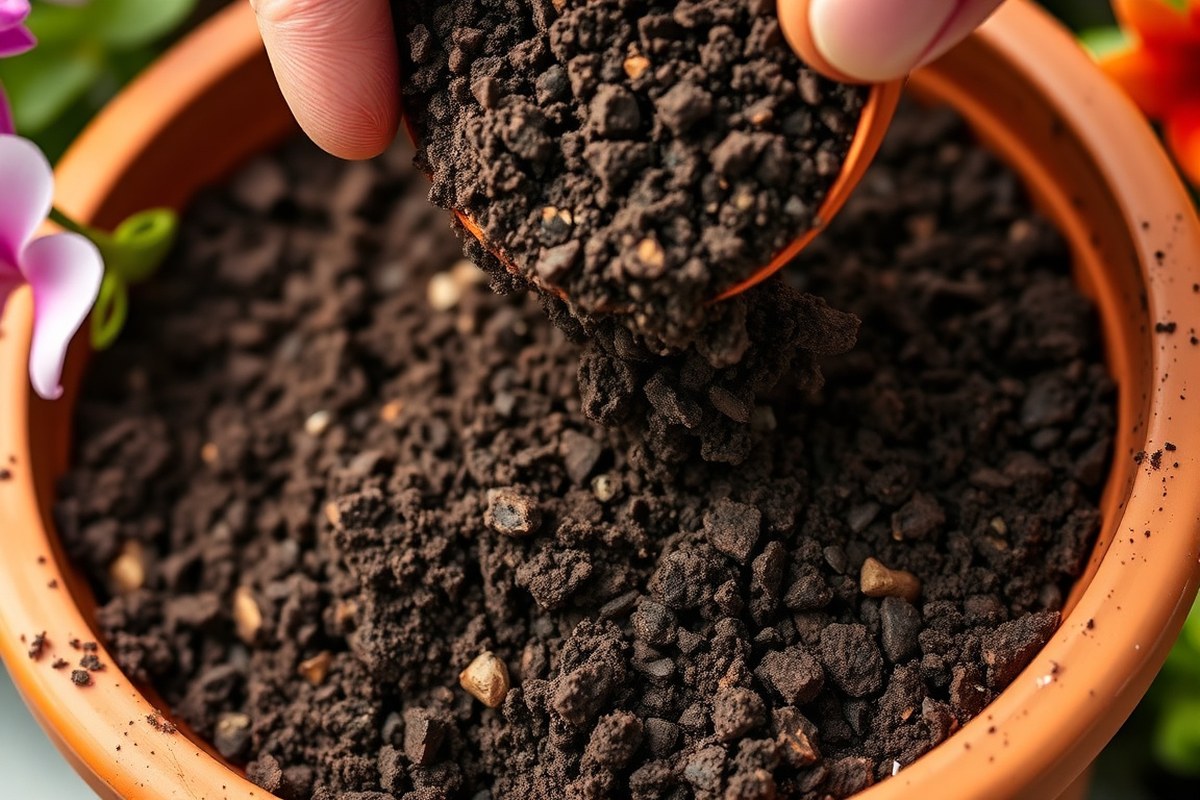
Use a good potting mix made for container plants to grow petunias. Garden soil compacts easily and holds too much water in pots. A proper mix lets water drain well and air reach roots for healthy growth.
Choose potting mixes with peat moss or coco coir. Look for added perlite and compost or slow-release fertilizer. These ingredients help petunias grow better in containers.
Peat or coir holds moisture without letting the soil stay soggy. Perlite improves drainage and lets air reach the roots, keeping them healthy. Compost or fertilizers provide nutrients that petunias need to bloom abundantly.
Add about 30% perlite, coarse sand, or small gravel to your potting mix. Use this if the mix feels too heavy or dense. This makes the soil lighter and drains better.
This addition helps keep water flowing through the soil and prevents mud clumping. The soil pH should be between 6.0 and 7.0.
Most commercial mixes fit this range. But you can check with a pH test kit if you want to be sure.
You must blend garden soil with potting mix and perlite or sand. Use equal parts of each to improve drainage and reduce compaction. This helps petunias grow better in pots.
This mix improves drainage and aeration but still isn’t as reliable as a specialized potting mix. Pure garden soil compacts fast in pots and blocks water and air.
It stops roots from getting enough moisture and oxygen. Avoid using garden soil alone in container planting.
Use fresh potting mix every time you plant petunias in pots. Reusing old soil can lead to poor drainage and fewer nutrients. Use fresh, loose potting mix that drains well and holds moisture right.
This helps petunias bloom longer and stay healthy. Proper soil keeps roots happy in containers.
Never use garden soil alone in pots. It compacts and keeps roots too wet, risking rot.
Watering Petunias in Pots: When and How Much to Water
Water petunias in pots every 2 to 3 days during warm months, adjusting for heat. Check soil moisture before watering to avoid overwatering or underwatering. Pot size affects water needs: smaller pots dry out faster than larger ones.
Daily and Seasonal Watering Guidelines
Petunias need more water in spring and summer because of heat and growth. Water every 2 to 3 days, or daily if the weather is hot and dry.
In cooler seasons, water your petunias once a week. During late fall and winter, cut watering to every 1 or 2 weeks. The plant uses less water as it slows down.
- Water in the morning to help leaves dry during the day
- Use a fine spout to avoid washing soil out of the pot
- Always check soil moisture by poking your finger an inch deep
- Remove excess water in saucers after watering
- Use self-watering pots for consistent moisture if available
These steps keep petunias hydrated without waterlogging the roots. Adjust as needed when seasons shift.
Signs of Overwatering and Preventing Root Rot
Yellowing leaves and wilting despite wet soil often show overwatering. Petunias can get root rot in soggy pots without proper drainage.
Let soil dry slightly between waterings to stop roots from drowning. Clay pots help by allowing air to flow and soil to dry faster.
- Remove standing water after watering
- Ensure pots have drainage holes
- Check roots if petunias look unhealthy; healthy roots are white
Stop watering and improve drainage if root rot appears. Overwatering reduces bloom quality and plant health.
Adjusting Watering in Heat or Cool Weather
Hot weather makes pots dry quickly. Water petunias daily or even twice if it’s very hot or windy.
Cover pots during heavy rain to avoid waterlogging. In cool or cloudy weather, water less often to prevent soggy soil.
- Mulch around the base to keep soil moist longer in heat
- Move pots to afternoon shade to reduce drying
- Use self-watering containers to reduce daily watering effort
Adjust watering by feeling the soil daily during heat waves and less in cool spells. This keeps petunias happy and blooming.
Fertilizing Tips: Choosing, Scheduling, and Applying Feeding for Petunias
Fertilizing petunias in pots is key to keeping them healthy and blooming well. Use a slow-release fertilizer at planting for long-lasting nutrients. Then, apply liquid fertilizer every one to two weeks to maintain growth and flowers.
Slow-release fertilizer slowly feeds the plants for about eight weeks. It’s more expensive but needs less frequent use.
Liquid fertilizer works fast but requires frequent feeding. Choose liquid fertilizer if you want quick growth boosts or bloom spikes.
| Fertilizer Type | Frequency | Strength | Best For |
|---|---|---|---|
| 10-10-10 (Balanced) | Every 2 weeks | Half for small pots | General growth |
| 5-10-10 (Bloom) | Every 2 weeks | Half for small pots | Improve blooming |
| Slow-release | At planting | Full strength | Young plants |
| Compost | Monthly | Full strength | Organic option |
To avoid burning roots, always dilute liquid fertilizer to half strength in small pots. Use full strength only for slow-release and compost at planting or monthly. Applying fertilizer carefully helps petunias absorb nutrients without damage.
Apply liquid fertilizer by mixing it with water following the label instructions. Pour it evenly on the soil surface, avoiding leaves and stems. Repeat every week or two during the growing season to keep your petunias vibrant and blooming.
Light, Temperature, and Location Requirements for Potted Petunias
Petunias in pots grow best with lots of sunlight daily. They need 6 to 8 hours of direct sunlight to bloom well. Without enough sun, their stems stretch and flowers drop.
The ideal temperature range for petunias runs from 60 to 75 degrees Fahrenheit (16 to 25°C). Temps under 55°F (13°C) slow growth, so move pots indoors if colder at night. Avoid exposing them to frost, which can kill the plants.
In hot climates, provide afternoon shade to prevent leaf burn. Watch for white or burnt spots on leaves.
Move the pot to a place with less sun. Morning sun and afternoon shade work well when temperatures exceed 85°F.
Put your petunias where sunlight is steady through the day. Keep them safe from strong winds on porches or balconies. These winds can damage the plants quickly.
When frost threats pass in spring, often April or May, set pots outside. A fast cold snap means you should move pots inside right away. Avoid exposing petunias to sudden cold weather outdoors.
Protect petunias from temperatures below 32°F (0°C) to avoid frost damage and plant death.
Use grow lights for indoor pots if you cannot provide at least 6 hours of sun. South-facing windows work best for indoor setups. Keep indoor temps between 60 and 75°F for steady growth.
When watering outside, watch for heat stress, which shows as wilting or leaf discoloration. In those cases, moving pots into partial shade helps. Bringing pots indoors overnight during cool spells also keeps petunias healthy.
Pruning and Deadheading to Keep Petunias Blooming Longer
To keep your petunias healthy and blooming longer, pruning and deadheading are essential. Prune leggy stems and pinch back growth to encourage fullness. Deadhead faded flowers often to boost new blooms and make your petunias look fresh.
When to Start Pruning Petunias
Begin pruning your petunias once they have several sets of leaves and bloom well. This usually happens a few weeks after planting. Regularly trim them during the growing season to keep growth dense and flowers abundant.
A good rule: cut back about one-third of the plant in midsummer. Do this if the stems look leggy. This helps keep petunias bushy and healthy.
This encourages bushier growth and more flowers before fall. Use sharp scissors or pruning shears to make clean cuts just above leaf nodes.
Proper Deadheading Techniques
Deadheading means removing faded or dead flowers before seeds form. This helps the plant put energy into new flowers, extending the blooming period. For petunias in pots, deadhead every 3 to 4 days during peak bloom.
Follow these steps to deadhead correctly:
- Locate the wilted flower and its stem.
- Pinch or snip just below the faded flower, near a leaf or branch joint.
- Remove all wilted flowers to keep the plant tidy.
- Check pots every few days for dead blooms.
Deadheading regularly keeps your pots full of vibrant blooms without wasting energy on seed production.
Tips for Managing Leggy Growth
Leggy petunias have long, thin stems with few flowers. This often happens from too little light or lack of pruning. Moving pots to sunnier spots helps reduce legginess.
Spot leggy stems? Cut back the top third to a healthy leaf node. This encourages new growth and a fuller plant.
This pruning forces the plant to grow outward and produce more flowers. Pinching new shoots early in the season also promotes a fuller shape.
Managing Common Problems: Pests, Diseases, and Yellow Leaves
Two pests often bother petunias in pots: aphids and spider mites. Aphids cluster under leaves, making them sticky from honeydew. Spider mites cause tiny yellow spots and fine webs on foliage.
Spray plants with insecticidal soap once a week to control these pests. For severe infestations, neem oil works well but always follow label directions to avoid harm.
Yellow leaves usually indicate nutrient problems or water issues. Yellowing older leaves often mean your petunia needs more fertilizer. Use a balanced, water-soluble fertilizer every two weeks during the growing season.
Yellowing that starts at the leaf base and spreads might mean poor drainage or root rot. Feel the soil after watering.
If soggy for over 24 hours, roots may die. That can cause the leaves to yellow.
Root rot is the main disease risk for potted petunias. It happens if pots don’t drain well or you water too often. Roots become black and slimy, and the whole plant wilts.
To prevent root rot, pick containers with good drainage holes. Add a 1-2 inch layer of gravel or perlite at the pot bottom for extra drainage.
Water petunias early in the morning at the base, not from overhead. This keeps leaves dry and cuts risks for fungal diseases like powdery mildew or leaf spot.
Powdery mildew looks like white flour dust on leaves. Leaf spot causes brown or black circles that spread fast. These fungal issues grow in high humidity with poor air flow.
Space your pots apart to improve air movement. Remove and toss infected leaves before it spreads. Mild cases respond well to fungicides labeled for garden use, applied every 7-10 days until clear.
Keeping your petunias sunny and not crowded helps lower pest and disease chances. Check plants weekly so you catch problems early. Prompt action, good watering habits, and proper feeding keep most problems under control.
Patience matters since treatments take 1-3 weeks to show full results. A healthy petunia rewards you with bright, abundant blooms without extra stress.
When to Repot and How to Overwinter Petunias in Containers
Repot petunias every year to refresh their growing space and soil. Bring pots indoors to keep petunias alive over winter. You can also move them to a sheltered spot outside.
This protects them from harsh weather. Overwintered petunias need cool, bright spots and reduced watering until spring.
Signs You Need to Repot
Your petunias may need repotting if roots grow out of drainage holes. Leaves turning yellow or wilting despite watering also hint at root crowding.
The plant probably needs more room and fresh soil if it stops blooming. It may also grow slowly without these changes.
Repot annually in early spring or late fall for best results. Waiting too long can stress the plant and reduce flowering. Signs like cracked pots or soil that dries out quickly also mean repotting is due.
Steps for Repotting Petunias
Begin by picking a pot one or two sizes larger than the current one. Make sure the new container has good drainage holes. Use fresh potting mix designed for flowers, about half peat and half perlite for drainage.
- Gently remove the plant from its old pot without breaking roots.
- Trim any dead or overly crowded roots with clean scissors.
- Place a layer of fresh soil at the bottom of the new pot.
- Set the plant inside, filling around roots with mix without packing too tight.
- Water thoroughly to settle the soil and remove air pockets.
- Place the pot in bright, indirect light and avoid fertilizing for 2 weeks.
This process encourages new root growth and healthier blooms. Avoid repotting during extreme heat or cold to reduce shock.
Overwintering Techniques for Container Plants
Bring potted petunias indoors before frost hits, usually when nighttime temps dip below 40°F. Choose the sunniest window you have, where temperatures stay about 55°F to 65°F. Keep soil barely moist. Reduce watering frequency to once every 10 to 14 days.
Put pots in a cool garage or shed with some light. This stops them from freezing. It keeps petunias safe during cold months.
Cut back the plants by about half to reduce stress and encourage fresh growth in spring. Watch for pests like spider mites indoors, and wipe leaves occasionally.
- Place pots near south-facing windows or use grow lights.
- Keep away from heaters or drafts that dry out soil quickly.
- Check soil moisture weekly and water only when dry.
- Fertilize lightly starting in early spring before growth restarts.
- Watch for brown leaves and remove them promptly.
Keep petunias cool and bright indoors; warmth makes them weak and leggy.
Step-by-Step Action Plan for Thriving Petunias in Pots
Follow these clear steps to keep your petunias happy and blooming in pots all season. Check each step to see your plants grow strong and colorful.
- Before planting: Choose a pot with drainage holes and fill it with high-quality potting mix. Make sure soil feels loose and moist but not soggy.
- Day 1: Plant petunia seedlings at the soil level they grew before. Water gently until water drains freely, indicating roots settled well.
- Week 1: Place pots where petunias get at least 6 hours of sunlight. Rotate pots every few days to encourage even growth.
- Week 2: Start feeding with a balanced liquid fertilizer every 2 weeks. Look for bright leaves as a sign plants are nourished.
- Week 3 and ongoing: Water the plant deeply once the upper inch of soil dries. Keep water off the leaves to prevent diseases.
- Monthly: Pinch back leggy branches and remove faded blossoms. This keeps plants bushy and boosts fresh blooms.
- Mid-season: Check for pests like aphids or spider mites. Treat with insecticidal soap if you see small insects or sticky residue.
- End of season: Decide if you want to bring petunias indoors or compost them. To overwinter, cut back plants and keep them in a cool, bright spot.
Frequently Asked Questions
How Often Should I Fertilize Petunias in Pots During the Growing Season?
Fertilize petunias every two weeks with a balanced, water-soluble fertilizer. Frequent feeding supports steady blooming and healthy growth in containers where nutrients wash out quickly.
Can You Mix Petunias with Other Flowers in the Same Pot?
Yes, you can grow petunias with compatible companion plants in pots. Choose plants that like similar sun and water levels for the best results.
How Do I Prevent Petunias from Becoming Leggy in Pots?
Prune petunias regularly by cutting back about one-third of the plant. This promotes bushier growth and stops leggy, sparse stems.
What Are Good Petunia Varieties for Hanging Baskets or Trailing Pots?
Surfinia petunias are ideal because they trail beautifully over pot edges. They add color and fullness to hanging baskets and window boxes.
Is It Okay to Leave Dead Flowers on Petunias in Pots?
No, removing dead flowers or fading blooms is important. Deadheading encourages new flowers and keeps your petunias blooming longer.
How Do I Tell If Petunias in Pots Are Root-Bound?
Look for roots growing through drainage holes or circling inside the pot. Repot in a larger container when this happens to let roots spread.
Wrapping Up
Petunias in pots can brighten your space with steady care and attention. Start by planting them in quality soil and watering at the right times. Watch for signs your plants need help, and you’ll enjoy vibrant flowers for months.