How Long Do Plants Take to Grow? A Complete Guide with Growth Timelines
How long do plants take to grow depends a lot on the type you choose. Most annuals grow and bloom between 50 and 95 days. Perennials usually take up to two years to fully mature and show flowers or fruits.
Fast growers like radishes can be ready to harvest in just 3 or 4 weeks. Slower plants like asparagus might need several years before they’re fully grown. Knowing these timelines helps you plan your garden better and expect results on time.
Starting with plants that fit your schedule is key. Watch their growth each week since some plants grow an inch or more weekly. Keeping an eye on this helps catch problems before they slow the pace too much.
Key Takeaways
- Radishes can mature in 3 to 4 weeks, making them one of the quickest crops.
- Annual plants mostly grow within 50 to 95 days before blooming or producing fruit.
- Perennial plants may require up to two years to reach full maturity.
- Indoor growing with proper conditions speeds growth 20 to 50 percent over outdoor plants.
- Plants generally grow about 0.8 to 1 inch weekly but rates vary widely.
- Fruit trees usually take 3 to 4 years before bearing any fruit.
How Long Does It Take for Different Plants to Grow?
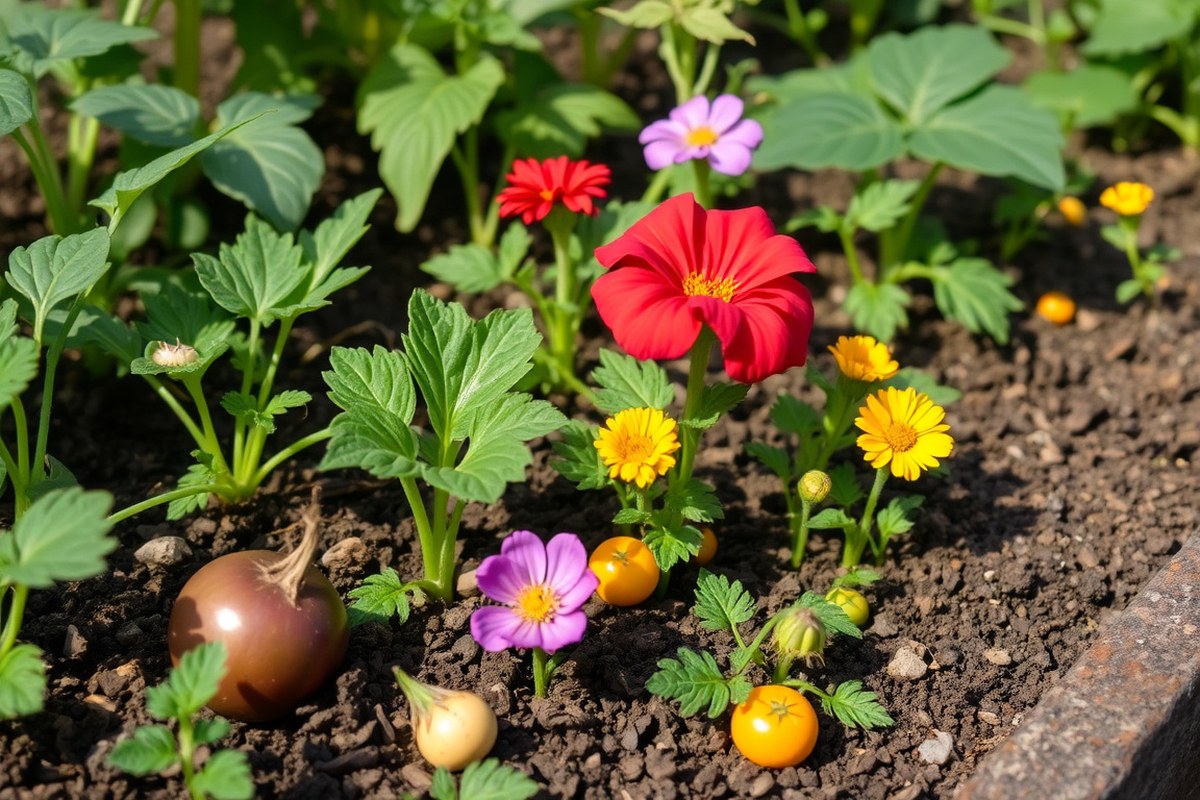
Annual plants, like many vegetables and flowers, grow fast. They usually mature in 50 to 95 days from seed. That means about two to three months until harvest.
Perennial plants, including some fruit plants and trees, usually need around two years to reach maturity. This range affects how patient you must be with your plants.
It also changes how much garden space you’ll need. Decide what fits your time and area best.
Vegetables vary a lot in growth time. Radishes grow quickly and can be ready in 3 to 4 weeks. This is good if you want a fast harvest.
You can plant them and eat soon. Root crops like carrots and parsnips need more time.
They usually take 100 to 140 days to mature. Expect to give them more care and patience.
| Plant Type | Plant Name | Time to Grow (days or years) |
|---|---|---|
| Annual | Common Flowers | 95 days (average) |
| Annual | Fast-Growing Flowers (e.g., Nasturtiums) | 50 days |
| Annual | Radishes | 21-28 days |
| Perennial | Fruit Plants | Up to 2 years to bear fruit |
| Perennial | Root Vegetables (e.g., Carrots) | 100-140 days |
| Perennial | Monsteras | Grow 1-2 feet per year indefinitely |
| Fruit Trees (Grafted) | Apple, Cherry, Lemon | 3 years to bear fruit; 5-10 years to mature |
Herbs like basil take 6 to 8 weeks to mature. Lettuce grows in about 4 to 6 weeks, offering fresh greens fast. Tomatoes take longer, often 3 to 5 months, so plan your growing space accordingly.
Trees and bushes need patience. Apple and lemon trees can take 5 to 10 years to fully mature.
Grafted trees may produce fruit faster, in less than 3 years. These timelines help you plan when you can expect fruit.
What Are the Main Stages of Plant Growth and Their Duration?
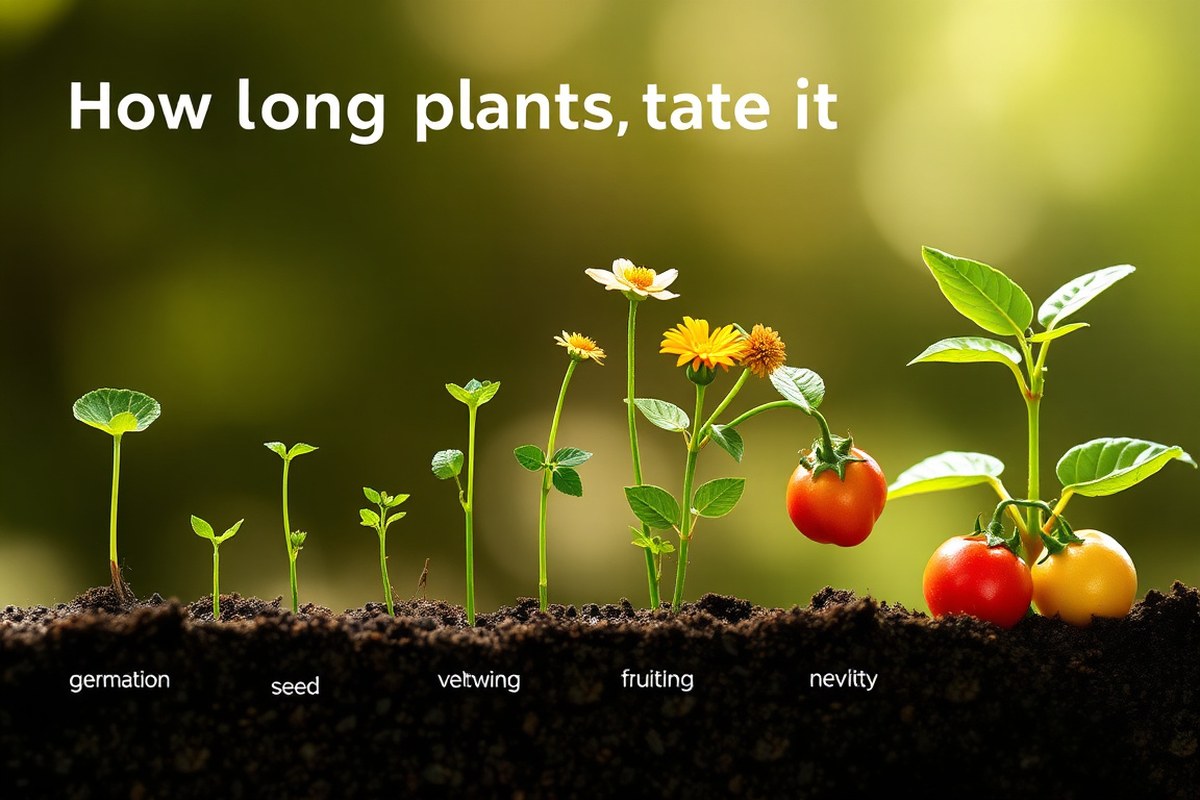
Plants grow through clear stages: germination, vegetative growth, flowering, and fruiting. Each stage takes a specific time based on species and conditions. Recognizing these phases helps you care for your plants properly.
Seed Germination Duration and Signs
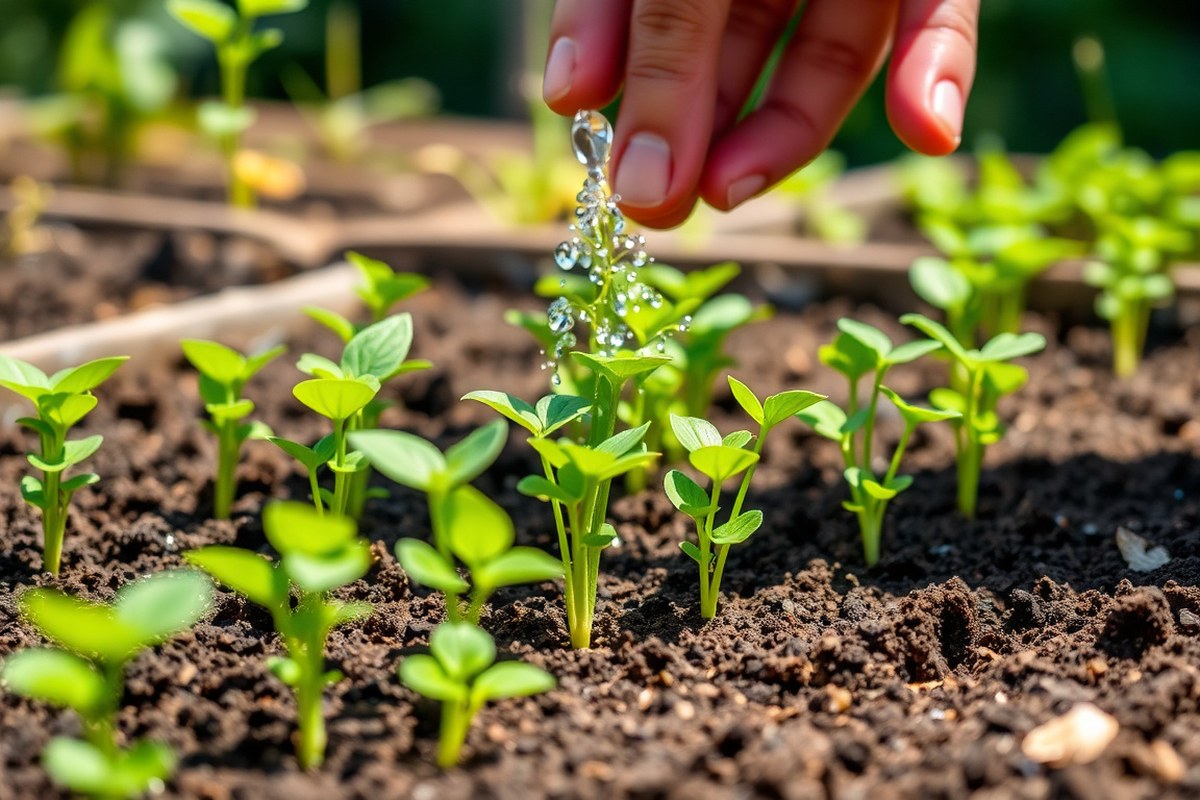
Germination is the first step when the seed sprouts and roots begin to form. This stage usually lasts from 3 to 14 days, depending on the plant and soil temperature. You’ll see tiny shoots break through the soil surface and small root hairs start growing.
During germination, moisture and warmth are key. Seeds need consistent water and temperatures between 65°F and 75°F to wake up. When the soil is too dry or cold, seeds may not sprout.
Wet or warm soil helps seeds grow faster. Check soil moisture and temperature before planting seeds.
Vegetative Growth Phase Lengths and Characteristics
The vegetative stage lasts from 3 to 16 weeks, varying by plant type and light conditions. In this phase, the plant builds its structure with roots, stems, and leaves. It focuses on growing bigger and stronger to support later flowering.
For many vegetable plants like tomatoes or peppers, this stage takes 4 to 8 weeks indoors. Outdoors, natural light controls how long plants stay in the vegetative phase.
The length varies by season and sunlight. Summer days make this phase shorter than winter.
- Watch the seedling until it has 4 to 6 leaves and stands 6 inches tall.
- Maintain consistent watering but avoid soggy soil to keep roots healthy.
- Provide about 14 to 18 hours of light daily for optimal indoor vegetative growth.
- Fertilize weekly with nitrogen-rich feed to encourage leaf and stem growth.
- Remove extra shoots in the plant’s center once it is 6 inches tall. This helps the plant focus energy on flowers. Too many shoots can reduce flower growth.
Too little light during this stage slows growth and weakens the plant.
Flowering and Fruiting Stage Timelines
Flowering typically starts after the vegetative stage, lasting anywhere from 2 to 8 weeks. This phase signals the switch from growth to reproduction. Plants grow buds, blooms, and eventually start forming fruit if they’re fruiting types.
For tomatoes and peppers, flowering happens around 6 to 8 weeks after planting indoors. Flowers appear first, then fruits start to form.
Fruits usually ripen in about 30 to 40 days. Timing depends on the plant variety and growing conditions.
Maturation and Harvest Readiness Indicators
Plants reach maturity when they’ve produced full-sized fruits or developed seeds for annuals. This stage varies widely but often takes 2 to 4 months from seed depending on species. You can tell maturity by fruit size, firmness, and color.
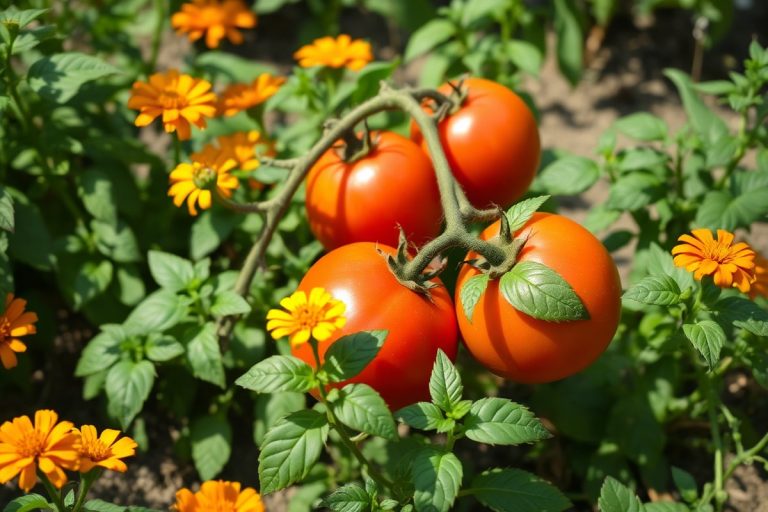
For example, tomatoes are ripe when their skin shows bright red or orange. Color depends on the tomato variety. Check color to know when to harvest.
For leafy plants, maturity means full leaf size and firmness without yellowing. Harvesting at the right time ensures best flavor and health.
- Check fruit color and size against seed packet or plant guide recommendations.
- Feel fruit firmness to avoid picking underripe or overripe produce.
- Look for leaf or flower changes signaling the end of growth.
- Stop fertilizing a week before harvest to help flavor concentrate.
- Harvest during dry weather to reduce disease risk during storage.
Harvest fruits too early or late, and the taste and texture suffer noticeably.
How Do Environmental Factors Affect Plant Growth Time?
Light drives plant growth, powering photosynthesis. Plants need about 14 to 18 hours of good light daily.
Too little light slows growth. The right intensity boosts nutrient uptake and energy creation.
Temperature matters, too. Most plants grow best in steady conditions between 60 and 85°F. Cold snaps or hot spells over 90°F can stunt growth or stress the plant, delaying maturity.
Water and soil quality go hand in hand. Roots pull water and nutrients from soil to fuel growth. Too little water makes the plant close tiny pores, stopping carbon dioxide intake and slowing photosynthesis.
- Ensure 14, 18 hours of bright, stage-appropriate light daily
- Keep temperatures steady between 60 and 85°F for most plants
- Water consistently to avoid drought stress without overwatering
- Use fertile, well-drained soil with balanced NPK and micronutrients
- Maintain humidity with a vapor pressure deficit around 0.8, 1.2 kPa
- Provide good airflow to reduce disease and strengthen stems
- Aerate soil monthly to help roots access oxygen and nutrients
Humidity affects how much moisture the plant loses and absorbs. Aim for moderate humidity levels to keep growth steady. Dry air or stagnant high humidity can cause problems.
By adjusting these key factors you control how fast your plants develop. Indoor plants with good light, temperature, and nutrients grow faster.
Healthy soil and water keep roots strong and feeding the plant. Checking these often will help you spot trouble before your plant slows down.
How Does Indoor vs. Outdoor Growing Change Growth Rates?
Plants generally grow faster indoors with full-spectrum LED lights than outdoors under natural conditions. Indoors, you control light, temperature, and humidity around the clock. Outdoor plants face changing weather and daylight hours, which slow growth.
Advantages of Indoor Growth with Full-Spectrum LEDs
Full-spectrum LED grow lights provide the exact light wavelengths plants need for photosynthesis. This helps plants grow faster by cutting time under weak light.
Light from a windowsill is less effective. Reducing exposure speeds up growth.
With LED setups, you can give plants nearly 24 hours of optimal light daily. This constant light lets plants grow 20 to 50% faster than outdoor or window-grown ones. It means shorter timelines from seed to harvest or maturity.
Besides light, controlled temperature and humidity keep plants stress-free. Avoiding cold nights or dry spells keeps growth steady. Indoor setups reduce pests and weather risk, supporting healthy plants.
Comparing Growth Timelines Indoors and Outdoors
The table below shows typical growth rate differences for common plants when grown indoors versus outdoors. Indoor plants can grow quicker, especially greens and herbs. These plants like steady light and warmth.
Both help boost their growth rate. Outdoor plants depend on seasonal weather and daylight.
| Plant | Indoor Growth Time | Outdoor Growth Time | Growth Rate Difference |
|---|---|---|---|
| Lettuce | 30 to 45 days | 45 to 60 days | 20, 33% faster indoors |
| Basil | 25 to 30 days | 35 to 45 days | 25, 33% faster indoors |
| Tomatoes | 50 to 60 days | 60 to 75 days | 20, 30% faster indoors |
| Bamboo | Rapid growth, up to 3 feet/day | Rapid growth, up to 3 feet/day | Similar rates but indoors more consistent |
These comparisons show how indoor settings cut days or weeks off normal growth times. For fast-growing plants, controlling conditions trims delays caused by cloudy days or cold snaps outside.
Key Indoor Conditions for Accelerated Growth
Set your grow tent or indoor space to keep temperature between 65 and 80°F. Keep humidity in the 40, 60% range to help nutrient uptake. Adjust airflow to prevent hot spots or mold.
Use full-spectrum LED lights sized for your grow tent. Aim for PPFD numbers that match each stage of growth.
This keeps plants healthy and growing well. Keep lights 12 to 24 inches above the canopy to provide strong but not harmful light.
Maintain a schedule that mimics long daylight or continuous light as the plant needs. Regular watering and balanced nutrients plus pest monitoring keep plants healthy and growing quickly.
Which Plants Are the Fastest and Slowest Growers?
Some plants sprout and mature quickly, while others take years to develop fully. Spring radishes are among the fastest vegetables, ready to harvest in just 40 to 45 days. Fast flowers like zinnias bloom in about 60 days, making them great for quick garden rewards.
Fruit trees like cherry, peach, and plum grow slowly. They usually take 3 to 4 years to bear fruit. This timeline fits most home gardens.
Citrus trees and many fruiting perennials take time to produce. From a grafted transplant, expect 2 to 5 years.
This depends on the type and care. Larger trees and woody perennials often spend several years growing before reaching full size or flowering.
The speed difference comes down to biology and environment. Quick growers invest energy in rapid seedling growth and reproduction.
Slow growers focus on building strong roots and woody stems for long-term survival. Seasonal temperature, soil nutrients, and water all affect growth pace too.
- Fastest vegetable: spring radish (40-45 days)
- Fast-flowering annual: zinnia (about 60 days)
- Typical vegetables: 2-4 months to harvest
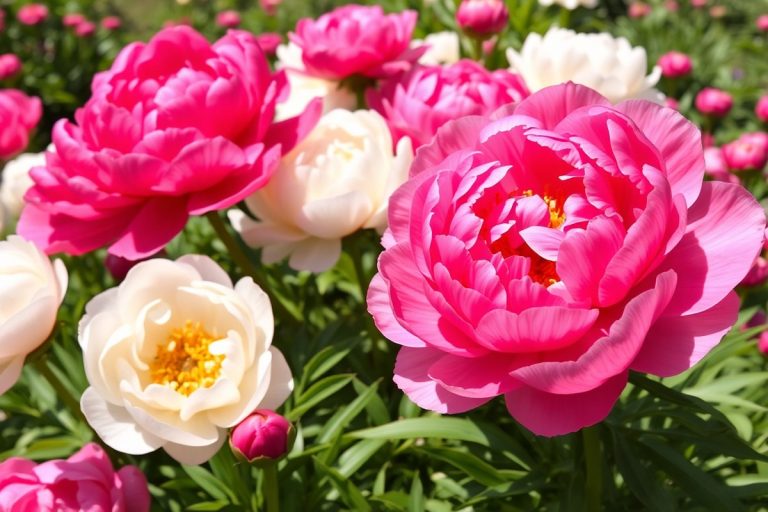
- Slow flowering perennial: peony (2-3 years to bloom)
- Fruit trees: 3-4 years to bear fruit
- Citrus trees and fruiting perennials: 2-5 years from graft
- Large trees: several years to full size
Seed size and energy reserves also play a role. Small seeds like radish have enough energy to grow fast.
Woody perennials build more supportive tissue, which slows early growth. Your garden’s climate and care speed or slow this growth pattern.
Start slow growers indoors or in pots to give them a better chance before planting outside.
How to Estimate Growth Progress and Track Your Plant’s Timeline
Measuring Plant Height and Leaf Development
Track your plant’s height every week using a ruler. Measure from soil level to the tallest point to gauge growth rate.
Most plants grow between 0.8 and 1 inch (2.03, 2.54 cm) per week. Note leaf size and the number of leaves as signs of progress.
Measuring regularly helps you spot slow growth. It shows if your plant needs more light or water.
Identifying Key Growth Milestones Visually
Watch for distinct changes as your plant grows. Germination starts within 7 to 10 days but blooming can take 75 days or more.
Look for true leaves after seedlings emerge. Flower buds mean the plant is approaching maturity and harvest time.
Recognizing these stages gives you clues about how far your plant has to go. This helps estimate the timeline better.
Using Seed Packet Information Effectively
Seed packets list average days to germination and maturity. Use these numbers to set realistic expectations.
Match growth stages you observe with the packet’s timeline. This way, you can plan your care schedule.
Seed packets also often advise planting depth. For example, plant seeds about 2 inches deep in rich soil for best results.
Recording and Interpreting Growth Data
Keeping a simple weekly log helps you track plant growth and development. Write down height, leaf count, and visible changes.
Check your notes against seed packet timelines to estimate days left until harvest. Revise your care if growth stalls. Consistent tracking reveals patterns and helps you adjust watering, fertilizing, or lighting for better results.
Follow these steps to track growth effectively:
- Measure the plant height and record it weekly.
- Count leaves and note leaf size and shape.
- Check for key milestones like germination, true leaves, and flowering.
- Compare observations with seed packet growth timelines.
- Record your data in a notebook or spreadsheet.
- Note environmental factors like temperature or watering changes.
- Adjust care based on growth progress and recorded data.
Practical Tips to Speed Up Plant Growth Safely
Speeding up plant growth needs the right care in watering, lighting, and nutrients. You want to avoid stress that can slow growth and cause lasting harm. Temperature also plays a big role.
Most plants grow best between 65°F and 75°F (18°C to 24°C). Outside this range, growth slows, and plant health can suffer.
Consistent watering is key. Water about once a week for houseplants. More often for outdoor plants in hot weather.
Too much water drowns roots; too little slows growth. Fertilize every 2 to 4 weeks during the growing season.
Use a balanced fertilizer suited to your specific plant type. Over-fertilizing can burn roots and stunt growth, so follow package amounts carefully.
Grow lights help when natural light is weak, especially indoors. Keep lights 6 to 12 inches above plants for most species. Use full-spectrum LED lights and run them 12 to 16 hours daily.
Providing a dark period lets plants rest, so avoid nonstop lighting. Adjust light height as plants grow to prevent leaf burn or stretch.
Some gardeners try shortcuts that hurt more than help. Too much water, harsh chemicals, or forcing growth by stressing plants backfire. For example, cutting roots can shock plants before they bounce back faster.
But the temporary damage is risky for beginners. Steady care beats quick tricks for healthy growth.
Follow these steps to improve your plant’s growth safely and steadily:
- Check your plant’s ideal temperature and keep it steady between 65°F and 75°F.
- Water deeply but infrequently to keep soil moist without flooding roots.
- Fertilize with a balanced formula every 2 to 4 weeks, following instructions strictly.
- Position grow lights 6 to 12 inches above plants, running 12 to 16 hours per day.
- Give plants 8 to 12 hours of darkness daily to rest and recover.
- Adjust light and water as plants develop to avoid overwatering or burning leaves.
- Avoid harsh stress techniques like root cutting unless you understand the risks well.
Each step takes around 10 to 15 minutes every week. Doing this saves time later. It helps your plants grow strong.
You’ll notice greener leaves and sturdier stems in 2 to 4 weeks when conditions improve. Watch plants daily for signs of overwatering, leaf burn, or pests, and adjust care as needed. Healthy growth means steady progress, not shortcuts with risk.
Common Growth Problems and How to Fix Them
Plants often stop growing or slow down for a few common reasons. Low nutrients like nitrogen and potassium directly stunt growth. Overwatering can drown roots and stop plants from absorbing air and nutrients properly.
Another issue is old age. Some plants just slow down naturally after a few seasons.
Others need pruning to encourage fresh growth. Without trimming dead leaves or stems, the plant’s energy spreads thin, reducing new development.
Light also matters a lot. When your plant doesn’t get enough sunlight, leaves won’t grow well.
Leaves are important since they act like solar panels for the plant, powering growth. Make sure the plant gets the right amount of light based on its type.
- Yellowing leaves indicate possible nitrogen deficiency, add a balanced fertilizer.
- Wilting or soggy soil signals overwatering, reduce watering and improve drainage.
- Stunted growth might mean poor soil, repot with fresh, nutrient-rich soil.
- Lack of sunlight causes weak stems, move plants closer to windows or use grow lights.
- Prune dead or crowded branches to promote new growth.
- Watch for pests; they weaken plants and slow development.
To fix slow growth, check soil moisture first. Let top inch dry before watering again.
Use a fertilizer designed for your plant’s needs, focusing on macronutrients like nitrogen, phosphorus, and potassium. Trim back older growth every few months to keep the plant producing new leaves and stems.
Don’t keep watering a plant on a strict schedule. Adjust by feeling the soil moisture.
Should problems continue, repot the plant using fresh soil with good drainage. Some plants slow naturally in fall or winter.
So expect slower growth in cooler months. When plants don’t improve, check with a garden expert for pests or disease.
Step-by-Step Action Plan for Growing Healthy Plants
Follow this simple plan to keep your plants on track and growing well.
- Before you plant: Choose the right plant for your climate and light. Check seed packets or plant tags for growth time estimates.
- Day 1: Plant seeds or seedlings in well-prepared soil. Look for firm soil around roots and no signs of wilting.
- Week 1: Water evenly but don’t overwater. Soil should stay moist but not soggy to avoid root rot.
- Weeks 2 to 4: Keep an eye on new leaves and stem growth. Healthy plants will show steady, strong growth.
- After 1 month: Start feeding with balanced fertilizer if the plant’s growth slows. Watch for greener leaves and faster growth as signs it’s working.
- Throughout growth: Monitor sunlight and temperature. Adjust if plants look leggy or stressed.
- When plants mature: Harvest or transplant carefully. Verify maturity by flower or fruit development according to plant type.
- After harvest or peak growth: Clean your tools carefully. Clear the soil area to stop pests and diseases. This helps your next planting stay healthy.
Frequently Asked Questions
How Long Does It Take for a Tree to Grow to Maturity?
Trees usually take several years to mature, often around two years or more. Their growth speed depends on species and growing conditions.
What Is the Average Growth Period for Common Garden Flowers?
Most garden flowers take between one to three months to bloom. Some annuals complete their lifecycle within this period.
How Quickly Do Vegetable Plants Like Tomatoes Grow?
Tomatoes typically take about 60 to 85 days from planting to harvest. Growing conditions like sunlight and water affect their speed.
Can Plant Growth Be Predicted Accurately at Home?
You can estimate plant growth but exact timing varies. Research each plant’s needs and track its progress regularly.
Do Herbs Grow Faster Than Vegetables?
Many herbs grow faster than some vegetables, often within 20 to 60 days. Conditions like indoor light and pot size matter.
Is Plant Growth Faster in Spring or Summer?
Plants generally grow faster in spring and early summer when temperatures and daylight increase. Growth slows in extreme heat.
Key Points to Remember
Plant growth times depend on species and conditions but tracking progress helps you succeed. Start with small steps like choosing the right plant and watching soil moisture. Keep learning from each season to grow better plants every time.