What Do Potato Seeds Look Like? A Complete Guide with Tips for Identification
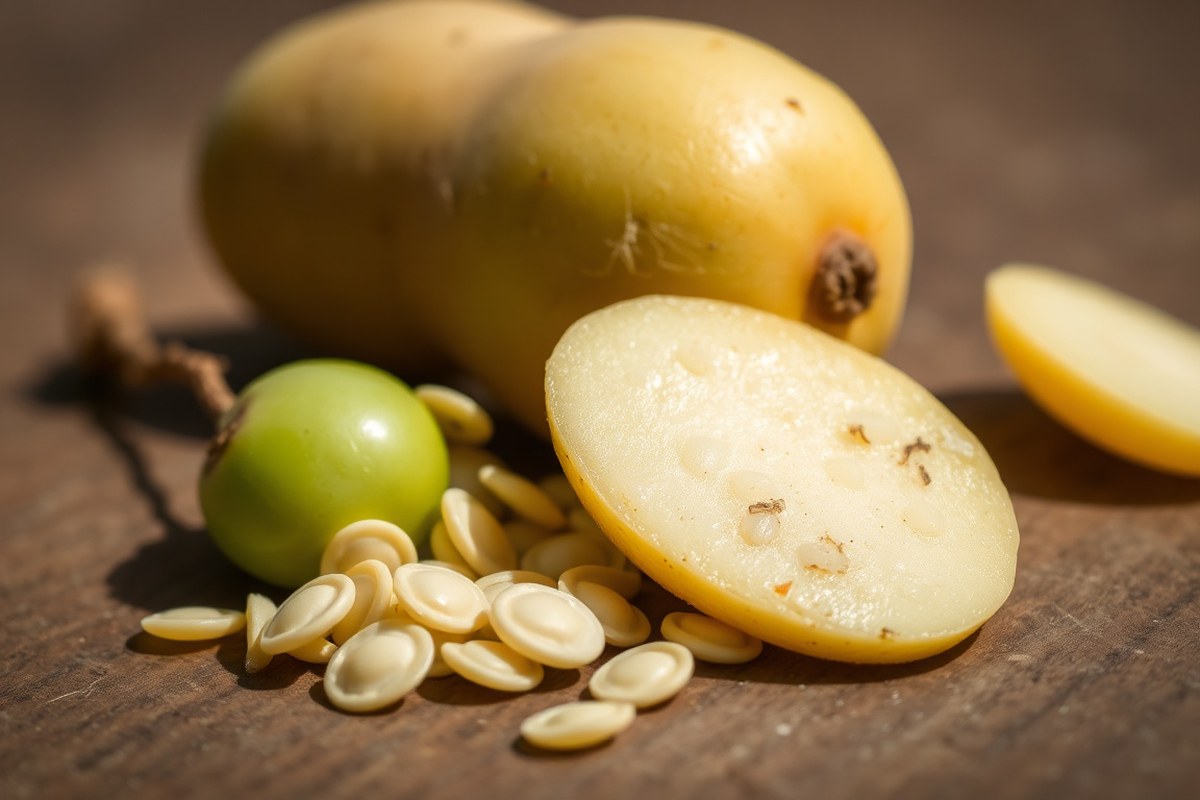
What do potato seeds look like? They are small, round, and dry, similar to tiny tomato seeds. Their color ranges from light yellow to brown depending on the potato variety and maturity.
Potato seeds come from berries that form on the plant after it flowers. These seeds have a hard outer coat and are much smaller than the potato tubers you usually plant.
Unlike seed potatoes, which are pieces of tubers, true potato seeds require extra care. You must clean, dry, and store them properly before planting to ensure good germination.
Collect fully ripe berries, then carefully extract and dry the seeds. Healthy seeds feel firm, smooth, and show no cracks, mold, or damage.
Key Takeaways
- Potato seeds are small, round, and come from berries on the plant.
- The seed color varies from light yellow to brown.
- Potato seeds are different from the tuber seed potatoes.
- Collect seeds only from fully ripe, healthy berries.
- Clean potato seeds using a gentle detergent solution like 10% TSP.
- Dry seeds to a 10-15% moisture level before storing.
What Do True Potato Seeds Look Like?
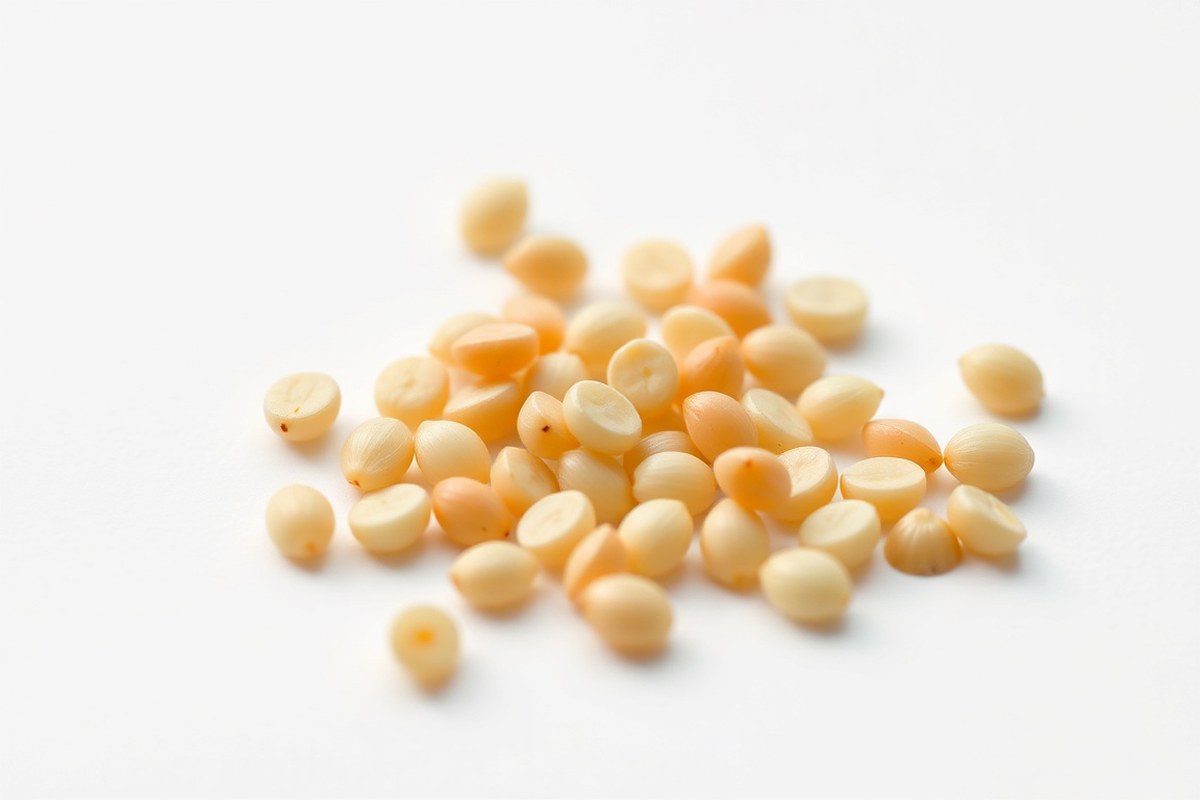
True potato seeds are tiny and flat, roughly 1 to 2 millimeters in size. They look very similar to tomato seeds but are smaller and a bit flatter.
These seeds come from small green berries on the potato plant. The berries are about the size and color of cherry tomatoes.
The seeds are usually tan to light brown, sometimes with a slightly darker edge. They have a smooth, hard surface that protects the embryo inside.
Unlike seed potatoes, these seeds are thin and lightweight. They are easy to handle in small amounts.
Because potato seeds resemble tomato seeds, they can be mistaken for each other at first glance. Potato seeds come from the toxic green berries on the potato plant. They do not come from the potato you eat.
Each berry holds hundreds of these seeds inside. They make a dense, natural way to grow new potato plants.
Where and How Do Potato Seeds Develop on the Plant?
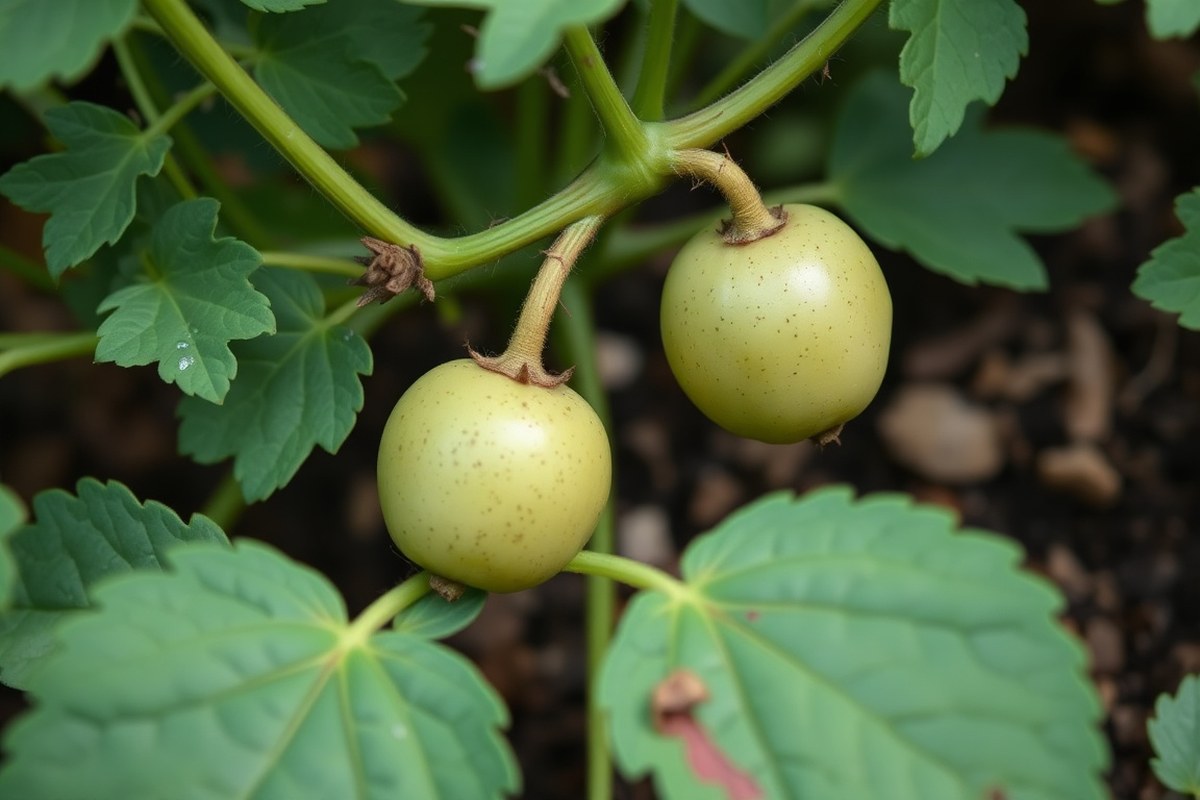
Location of Potato Seed Formation
Potato seeds grow inside small green fruits called berries on the plant. These berries develop after the potato flowers bloom. You’ll find the berries close to the flowers on the plant.
Usually, the berries are green. Sometimes, they appear red or purple in rare cases.
The berries look like little tomatoes and are filled with hundreds of tiny seeds. Each fruit holds between 200 and 300 seeds. The flower has more ovules ready for pollination.
Not all ovules turn into seeds. Seeds form only after pollination happens successfully.
Appearance and Timing of Potato Flowers
Potato plants start flowering around 60 to 70 days after planting. The flowers are small and usually star-shaped with a delicate look. They can be white, purple, or light blue depending on the variety of potato.
The flowers are the key sign your plant is entering the reproduction stage. The presence of flowers usually means tuber formation is near as well. Seeing flowers gives you an idea when to expect the fruit or berries soon.
Development and Role of Potato Berries
After pollination, flowers drop and turn into green berries that harden as they grow. Underneath those shiny fruits lie true potato seeds inside a hard shell. These fruits usually appear shortly after flowering, within a week or two.
The berries protect the seeds as they mature on the plant. Fruit development shows your potato plant is ready to reproduce sexually. Collecting seeds from these berries gives you true potato seeds, not just tubers.
Why Flowers and Seeds Matter for Growing
Potatoes rarely produce many berries in hot or dry climates. These berries are where the real seeds come from. They are important for reproduction.
True potato seeds allow for breeding and growing new varieties. They’re useful for gardeners aiming for genetic diversity.
Seeds inside the berries provide a way to grow potatoes from scratch without relying on tubers. However, the process takes patience because the plant must first flower and then bear fruit. Timing your harvest of berries after flowering ensures viable seeds.
Never eat potato berries since they are toxic, even when ripe.
How to Identify Healthy and Viable Potato Seeds
Look for potato seeds that are firm and dry to the touch. Healthy seeds usually have a dark brown or black coat. They should feel heavy for their size and show no dullness or powdery residue.
Seeds that seem soft, cracked, or shriveled often won’t sprout well. Mold often looks like fuzzy white, gray, or green patches and indicates the seed won’t grow. Immature seeds tend to be smaller and lighter-colored with thin seed coats.
When harvesting seeds, avoid any that look damaged or show signs of mold. Also, steer clear of seeds that feel hollow inside or crumble when pressed. These seeds have a lower chance of healthy germination.
- Firm, dry seed coat with dark brown or black color
- Weight feels solid, no shriveling or cracks
- No fuzzy or powdery mold on seeds or surrounding pulp
- Seed size and shape are consistent, no misshapen seeds
- Seeds are free from insect damage or holes
- Avoid seeds with pale, soft, or thin skins indicating immaturity
After picking seeds, you can gently squeeze a sample to check firmness. Healthy seeds stay firm; damaged ones crumble or feel soft. Keep your seeds dry and clean to prevent mold growth during storage.
If you notice a seed with any spotting, softness, or mold, discard it immediately. Using only healthy, mature seeds improves your chances of fast germination. Healthy seeds will sprout more reliably, making your planting efforts pay off sooner.
Differences Between Potato Seeds and Seed Potatoes
Potato seeds and seed potatoes are not the same. True potato seeds, also called botanical seeds or TPS, come from the fruits of potato plants. Seed potatoes are small tubers or pieces of tubers with eyes.
They grow underground and look like tiny potatoes. Most home gardeners plant seed potatoes.
They sprout clones of the parent plant. This ensures the potatoes stay similar.
True potato seeds grow from flowers and are much smaller than seed potatoes. They don’t produce exact copies of the mother plant. True seeds usually belong to plant breeders or special cases.
They need more care and time. This makes them less common for gardeners. Seed potatoes are easy to handle and quicker to grow, making them ideal for most gardeners.
Below is a table comparing true potato seeds to seed potatoes. It shows how they differ in size, use, and cost for growing potatoes.
| Feature | True Potato Seed (TPS) | Seed Potato (Tuber) |
|---|---|---|
| Origin | Develops from flowers and fruit on potato plant | Small tubers or cut pieces of tuber with eyes |
| Appearance | Very small, like tomato seeds | Looks like small potatoes |
| Genetic makeup | Not clones, genetically different from parent | Clones, genetically identical to parent |
| Use | Primarily for breeding or special projects | Most common for home gardens and commercial farming |
| Planting quantity | 25 to 100 grams can plant one hectare | 2 to 3 tons needed for the same area |
| Handling and storage | Easy to store long term, no need to overwinter tubers | Requires cool, humid storage; tubers must survive winter |
| Time to harvest | Longer growing time, more care needed | Shorter growing cycle, less risk |
True potato seeds are small. You find them in the fruit on the plant. These seeds look very different from tubers.
Seed potatoes might look like snack potatoes. They have visible eyes or sprouts. This helps you tell them apart.
While true seeds save space in storage, they take longer to become full tubers. Seed potatoes grow faster and produce reliable crops because they are clones. Choose seed potatoes for an easy garden start.
Pick true seeds only for new varieties or breeding. This choice depends on your goals.
How to Collect and Clean Potato Seeds Safely
You can collect true potato seeds safely by harvesting ripe potato berries. Then, clean them using a trisodium phosphate solution and dry them properly. These steps prepare seeds for storage or planting without damage or contamination.
Harvesting Seeds from Potato Berries
Pick potato berries when they turn fully ripe and soften slightly. This usually happens after the plant’s foliage yellows and dies back. Ripe berries often look green, yellow, or red depending on the variety.
Cut the berries from the plant carefully, avoiding any bruising or damage. Place them in a clean container to collect seeds. Avoid harvesting from rotten or moldy berries to prevent seed contamination.
Here are the basics for harvesting seeds:
- Wait for berries to soften and change color fully.
- Cut berries from vines using scissors or pruners.
- Handle fruit gently to avoid seed damage.
- Use a clean basket or bowl to collect berries.
- Keep berries dry until cleaning to reduce mold risk.
Cleaning Potato Seeds with Trisodium Phosphate
To clean potato seeds, prepare a 10% trisodium phosphate (TSP) detergent solution. This removes pulp and harmful microbes from seed surfaces. Fill a container with water and add TSP following the 10% ratio.
Place the berries in the solution and gently crush them to release seeds and pulp. Stir the mix for a few minutes to separate seeds cleanly. Then, rinse seeds carefully in clean water to wash off any leftover detergent.
Avoid soaking seeds too long in cleaning solution; damage to seed viability can occur.
Drying and Preparing Seeds for Storage
Spread cleaned seeds thinly on paper towels or a fine mesh screen for drying. Keep them in a warm, dry area with good airflow but out of direct sunlight. Good drying usually takes 5 to 7 days.
Turn seeds gently once or twice daily to ensure even drying. Proper drying prevents mold and maintains seed health during storage. Once dry, store seeds in paper envelopes or breathable containers at cool room temperature.
How to Store Potato Seeds for Long-Term Viability
Keep potato seeds in a dry, cool spot to preserve sprouting ability. Maintain temperatures around 32°F to 40°F (0°C to 4°C) steadily. This slows down aging and supports healthy germination.
Don’t store seeds at room temperature for many years. They lose sprouting ability much faster this way. Research shows seeds stored near 34 to 37°F with 5% humidity keep sprouting ability well.
They can stay viable for over 20 years this way. This method preserves the seeds’ strength long-term.
Use airtight containers like mason jars or sealed plastic bags to protect seeds from moisture. Store them somewhere dark to prevent light exposure, which can cause seed damage. Add silica gel packets if you want to keep humidity really low.
Clean the seeds well before storing. Seed coats contain germination blockers.
So removing extra pulp helps your seeds wake up easily when planted. Let seeds dry for a day or two at room temperature before sealing them.
Check stored seeds every few months. Look for mold or moisture buildup, which ruins seeds quickly. Open the container in a dry area if you notice it feels damp.
Let the seeds air out before you close it again. This helps avoid moisture problems that hurt seed quality.
Good seeds sprout fast and strong about 3 to 4 weeks after planting. Sprouting speed shows your seeds are fresh and healthy. Healthy sprouts lead to better potato plants later.
Seeds stored too warm or damp might sprout poorly or never sprout at all. Prevent those problems by keeping seeds cool, dry, and dark.
How Long Do Potato Seeds Take to Germinate and Grow?
Potato seeds usually start to sprout within 10 to 28 days after planting. The wide time range depends on conditions like temperature and seed freshness. Seeds may take longer or fail to sprout if conditions aren’t right.
For best germination, keep the soil temperature around 65 to 75°F. Cooler soil delays sprouting. Hotter soil can harm sensitive seeds. Maintaining consistent moisture without waterlogging helps too.
Once sprouted, seedlings first show tiny green shoots and small roots. Healthy seedlings grow upright with bright green leaves. Weak ones may be pale, spindly, or slow to develop.
Seedlings usually take 2 to 3 weeks to grow their first true leaves after sprouting. At this stage, the stem thickens and the roots spread deeper. They look more like a mini potato plant.
In your home garden, starting seeds indoors can help you control temperature better. Use a seed tray filled with light, well-draining soil.
Keep your heat mats set to 70°F. Water gently to avoid soaking the soil. Once seedlings reach 3 to 4 inches tall, transplant outdoors carefully.
Outdoors, soil temperature will vary with season and location. Plant seeds after the last frost when soil warms up. Cold soil kills seeds or slows sprouting significantly.
First-year seedlings from true seeds grow slower than tuber-grown plants. They may need extra light and nutrients to catch up. After 90 days, healthy plants often stand 18 to 36 inches tall, showing strong growth.
Some varieties mature faster in 70 to 90 days. Others take 120 days or more.
This affects how long seedlings must be nurtured before they develop mature tubers. Watch for consistent leaf growth and sturdy stems as signs your seedlings are ready to thrive.
Common Mistakes When Identifying and Using Potato Seeds
Mistakes in handling potato seeds often cause wasted effort and poor crop starts. Knowing how to avoid confusing seeds helps you grow better potatoes. Timing harvests, drying, storing, and planting also make a big difference.
These steps keep your potato seeds healthy and ready to grow. Clear identification and care make all the difference.
Confusing Potato Seeds with Tubers or Tomato Seeds
Potato seeds look very different from seed potatoes, which are just tuber pieces. True potato seeds are tiny, hard, and round. They are not like the eyes or chunks of the potato tuber.
These seeds look very different from what you usually see. People sometimes mix them up with tomato seeds because potato flowers closely resemble tomato blossoms.
Potato seeds develop inside green fruit, often mistaken for small tomatoes. Don’t try planting these fruits whole.
Instead, remove the tiny seeds inside once the fruit is ripe and dry. Confusing these parts leads to poor germination or no growth.
- Always separate seeds from fruit pulp completely before drying.
- Do not plant tuber pieces thinking they are true seeds.
- Label seed packets clearly to avoid mixing seed types.
- Check seed size and shape under a magnifier to confirm identity.
- Keep seed potatoes and true seeds stored separately.
Mixing seed potatoes with true seeds scrambles your planting and reduces success.
Harvesting Too Early or Late
Harvesting seeds before the potato fruit fully ripens cuts germination rates. Seeds taken too early don’t mature properly and often fail to sprout when planted. Waiting too long risks fruit rotting or pest damage, which also spoils the seeds.
Pick potato fruits when they turn bright green-to-yellow and start to soften. At this stage, the seeds inside are fully developed. Harvesting over several days may be needed to catch fruits at peak maturity for best results.
- Check fruit color and firmness before collecting seeds.
- Do not leave fruit on plants past the first natural drop.
- Use scissors or pruners to avoid damaging fruit and plants.
- Gather fruits over several days for a staggered, mature harvest.
Immature seeds are often invisible under a shell but won’t grow well.
Improper Drying or Storage Conditions
After harvesting, drying seeds quickly and thoroughly is critical. Wet or damp seeds mold and lose viability within weeks.
Avoid direct sunlight, which can overheat and damage tiny seeds. A warm, airy spot works best.
Store dried seeds in airtight containers at cool room temperature or lower. High humidity or fluctuating temperatures shorten seed life. Mislabeling stored seeds can cause confusion and wasted efforts later.
- Dry seeds on paper towels or mesh screens for 2 to 3 weeks.
- Keep seeds away from heat sources and direct sunlight during drying.
- Use sealed glass jars or plastic containers with desiccant packs.
- Label containers with date and variety for easy tracking.
- Store seeds between 40°F and 60°F for longest viability.
Failing to dry seeds properly leads to mold and weak seedlings.
Planting Seeds in Unsuitable Conditions
Planting potato seeds in heavy or wet soils hinders germination and root growth. Potato seeds need loose, well-drained soil that holds moisture but doesn’t stay soggy. A pH between 5.0 and 6.0 suits potato seedlings best.
Cold soil slows seed sprouting and increases rot risk. Aim to start seeds indoors or in seed trays before transplanting outside after frost danger passes. Failure to prepare soil properly often means weak plants or no emergence.
- Test soil drainage and pH before planting true potato seeds.
- Use seed-starting mix or a light loam with organic matter added.
- Keep soil temperature between 60°F and 70°F for germination.
- Water gently and keep soil moist but not soaked.
- Harden off seedlings before moving them outdoors late spring.
Planting directly in cold, wet ground reduces seed success dramatically.
Step-by-Step Action Plan for Using True Potato Seeds
Follow these simple steps to identify, harvest, and grow true potato seeds successfully. Each step helps you check that the process works well.
- Before flowering: Watch your potato plants for flower development. Healthy flowers mean seeds can form soon.
- After flowers fade (2-3 weeks): Look for small green berries on the stems. These berries contain the true seeds.
- At berry maturity (4-6 weeks): Harvest the berries when they turn yellow or orange. Seeds inside are ripe and ready.
- After harvest: Cut berries carefully and squeeze out the pulp into a bowl. The seeds settle as a thick layer.
- Cleaning stage: Rinse the seeds gently with water until the pulp washes away. Dry seeds on a paper towel fully.
- Storage time: Store dried seeds in a cool, dark, and dry place. Use airtight containers to keep moisture away.
- Planting stage (spring): Sow seeds indoors 6-8 weeks before the last frost. Look for tiny sprouts to confirm germination.
- After germination (2 weeks): Transplant seedlings gently outside when they have true leaves. Check they grow strong and healthy.
Frequently Asked Questions
How Can I Tell Potato Seeds Apart from Tomato Seeds?
Potato seeds are smaller and rounder than tomato seeds. Potato berries look like tiny green tomatoes. Tomato seeds come from bigger fruits.
The plants’ leaves look a bit different too. Both plants are related.
What Color Are Mature Potato Seeds Inside the Fruit?
Mature potato seeds are typically dark brown or black inside the berry. They are hard and have a smooth texture, unlike immature seeds that appear whitish or greenish. Look inside a ripe potato fruit for these colors.
Do All Potato Plants Produce Seeds or Just Certain Varieties?
Most domesticated potato varieties will produce seeds if the plant flowers and sets fruit. Some commercial varieties do not flower much in hot, dry climates.
Seeds might be hard to find then. Check if your variety flowers well where you garden.
Can I Plant Potato Seeds Directly Outdoors After Harvest?
Planting outdoors right after harvest may work in mild climates. Usually, start seeds indoors 6-8 weeks before frost. This gives seedlings a head start and protects them from harsh weather.
What Is the Best Way to Handle Potato Seeds After Cleaning?
After cleaning, dry seeds completely in a cool, dry place before storage. Dry seeds properly to prevent mold. Store seeds near 40°F (5°C) to keep them viable many years.
How Large Are True Potato Seeds Compared to Seed Potatoes?
True potato seeds are tiny like tomato seeds. Seed potatoes are small whole tubers.
One tuber can be several inches wide. Seeds are easier to store but harder to handle.
Final Thoughts
True potato seeds look like small, smooth, and hard grains inside berries on your plant. Harvest and dry them carefully to keep them healthy. Start by picking ripe berries and extracting seeds today.