Do Potatoes Have Seeds? A Complete Guide to Growing from Seeds or Tubers
Do potatoes have seeds? Yes, potatoes do produce seeds, but not like tomatoes or peppers do.
Most potatoes grow from small tubers, often called seed potatoes, planted in the soil. These tubers act like natural storage units, sprouting new plants.
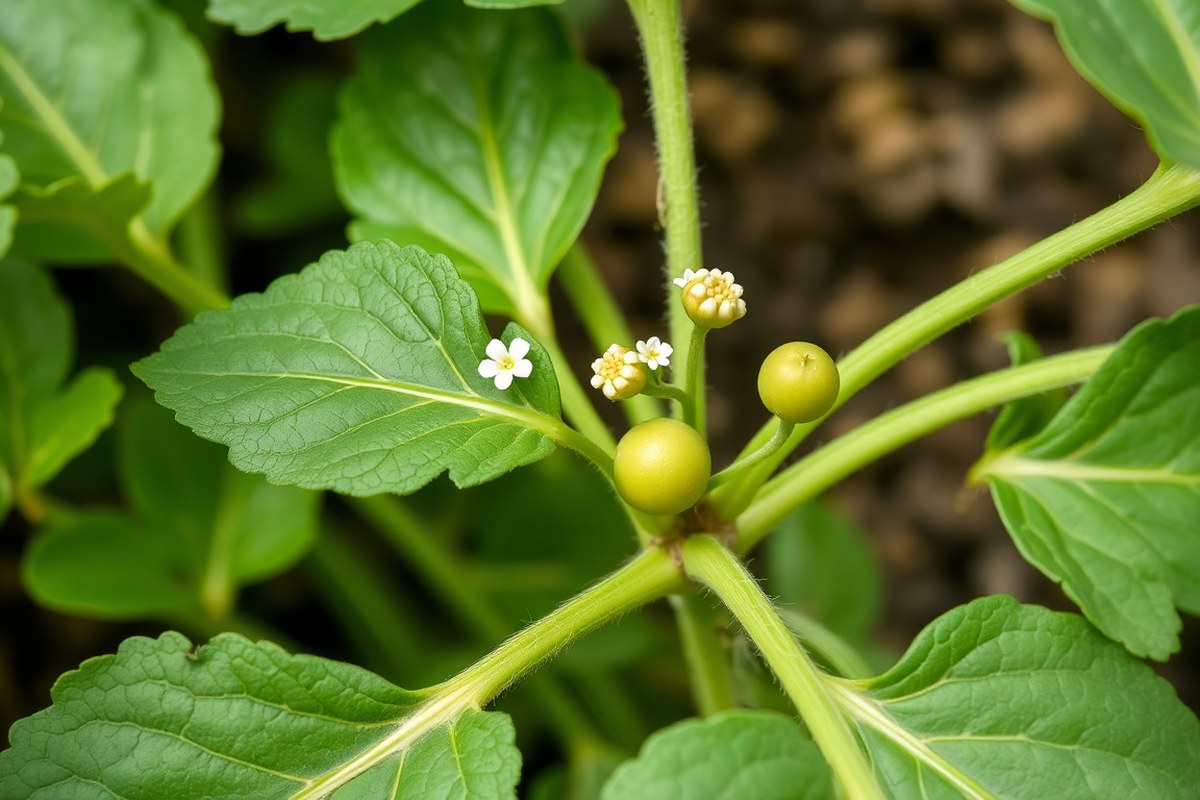
True potato seeds come from fruit some potato plants grow. The fruit looks like a small green tomato.
These seeds differ greatly from seed potatoes since they are actual botanical seeds, not underground tubers. Growing potatoes from true seeds takes longer but can offer new plant varieties.
True potato seeds need cool temperatures to start indoors. Start six to eight weeks before the last frost. Take care when planting them indoors.
Seed potatoes are easier for direct garden planting. Plant them 2 to 4 inches deep.
Space them 12 to 15 inches apart. Knowing these differences helps you decide how to grow potatoes successfully.
Key Takeaways
- Potatoes produce true seeds inside small green fruit on the plant.
- Seed potatoes are tubers, not seeds, used for most home growing.
- Start true potato seeds indoors 6 to 8 weeks before the last frost.
- Plant seed potatoes 2 to 4 inches deep, about 12 to 15 inches apart.
- True seeds take longer to grow but can create new potato varieties.
- Store dried true seeds in the freezer to keep them viable for decades.
Do Potatoes Produce Seeds and Where Are They Found?
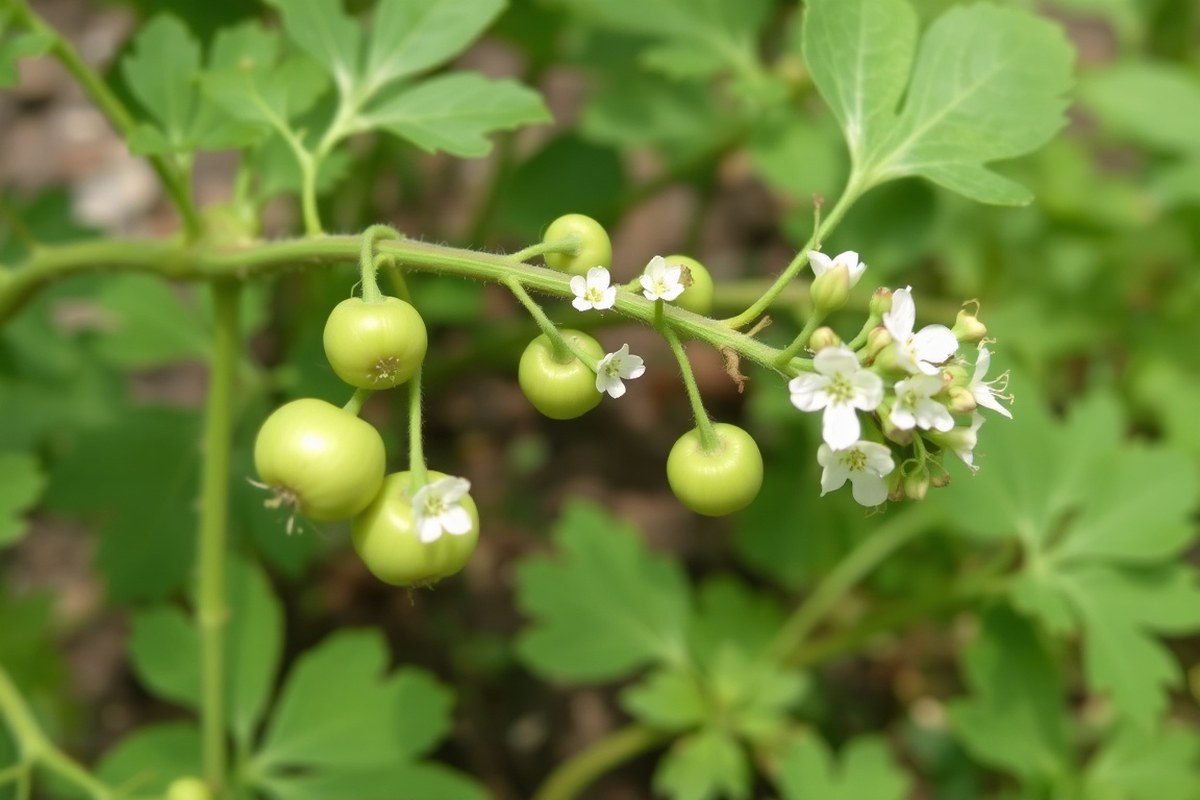
Potatoes do have real seeds, but you won’t find them underground. These seeds grow inside small fruits called potato berries. The berries form above ground on the plant.
They appear after the plant flowers. These berries look like tiny green tomatoes and hold the true seeds inside.
The seeds you usually hear about in gardening are different from potato tubers. Tubers are thick underground stems of the potato plant. They store nutrients for the plant.
Tubers grow into new potato plants. Tubers are not seeds, but people call them “seed potatoes.” This is because they use tubers to plant potatoes.
Potato berries contain the true seeds of the plant. Inside each berry, you’ll find many tiny seeds. You can collect these seeds to grow new potato plants.
These seeds carry new genetic material. So plants grown from them may look different from their parents.
Seed potatoes, on the other hand, are pieces of tubers used to start new plants. They grow into clones, meaning the new plants are genetically identical to the original. This method is more common and reliable for growing potatoes in gardens.
You must separate true potato seeds from the fruits. This is needed if you want to grow potatoes from seeds. You cut open the berry, scoop out the tiny seeds, and dry them before planting.
Growing from these seeds is fun and interesting. It needs more care and patience than planting tubers.
How Are Potato Seeds Different from Seed Potatoes?
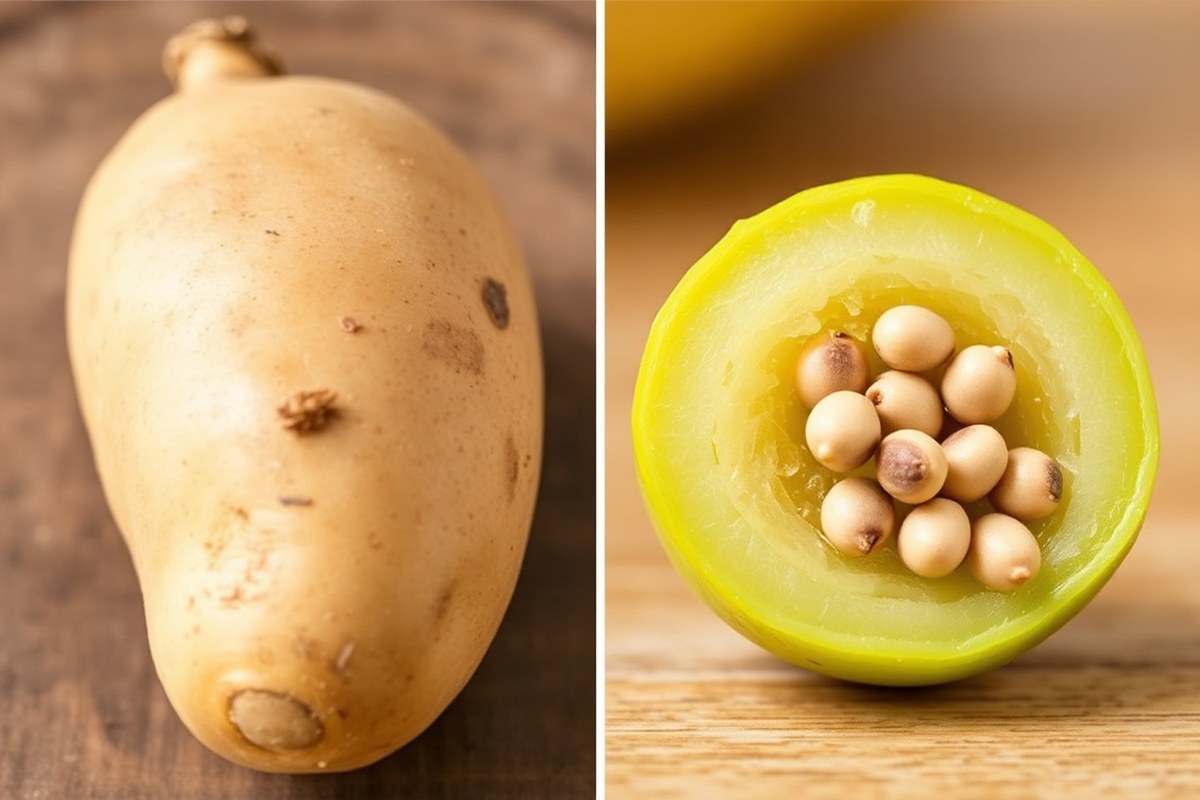
Definition of Seed Potatoes
Seed potatoes are not actual seeds but tubers used for planting. They are small potatoes or pieces of potatoes that produce new plants. Farmers grow and select these tubers specifically for planting healthy crops.
They look like regular potatoes but come from reliable sources. Seed potatoes are important for gardeners who want consistent plant traits and faster growth.
Characteristics of True Potato Seeds
True potato seeds, also called botanical potato seeds or TPS, are found inside small round fruits. They are real seeds, produced through sexual reproduction. Each seed can yield plants with new genetic traits.
True seeds are much smaller than tubers and require more care to germinate. You need to start them indoors or in a warm place because their germination rate varies. They are better for preserving genetic diversity.
Genetic Differences and Propagation Methods
Seed potatoes are clones of the parent due to their tuber origin. This means plants grown from them are genetically identical. Meanwhile, true potato seeds show genetic diversity because of cross-pollination.
Using seed potatoes means faster harvesting because the plants grow from established tubers. True seeds need an extra season to produce harvestable potatoes. Both methods have trade-offs in genetics and speed.
| Aspect | Seed Potatoes (Tubers) | True Potato Seeds (TPS) |
|---|---|---|
| Type | Vegetative tuber | Botanical seed inside potato fruit |
| Genetics | Clones, genetically identical to parent | Genetically diverse, from sexual reproduction |
| Propagation speed | Faster, plants grow from tubers directly | Slower, needs an extra season to develop tubers |
| Storage | Needs yearly planting to avoid rot | Longer shelf life, easier storage and transport |
| Disease risk | Higher risk, can carry tuber diseases | Lower risk, seeds less likely to transmit disease |
| Genetic diversity | Low, limited to cloned parent traits | High, helps adapt to different environments |
Practical Implications for Gardeners
You can’t use true seeds and seed potatoes interchangeably. Seed potatoes grow quicker because they start as tubers underground. True seeds take longer but allow you to explore new potato varieties.
If you don’t have tubers to start, true seeds save time and effort. They cut down disease risk and boost genetic diversity in your garden. You will spend more time nurturing seedlings to mature plants with true seeds.
Store seed potatoes in a cool, dark place. True seeds keep longer if dry and cool.
Can You Grow Potatoes from True Potato Seeds? Step-by-Step Guide
You can grow potatoes from true seeds by starting them indoors in pots or seed trays. These seeds need cool temperatures around 60°F (16°C) and moist soil to sprout. After about two weeks, seedlings will emerge and later need transplanting outdoors when hardened off.
Preparing and Soaking Seeds Before Planting
True potato seeds have a coating that can slow down germination. Soaking them in water helps soften this coating and speeds up sprouting. Cleaning the seeds properly removes germination inhibitors that may interfere with growth.
Follow these steps to get your seeds ready for planting:
- Rinse the seeds gently in warm water to remove leftover fruit material.
- Soak seeds in clean, room-temperature water for 12 to 24 hours.
- Drain and spread seeds on a paper towel to dry slightly but keep moist.
- Prepare seed-starting mix in small pots or seed trays, keeping it moist but not soggy.
Optimal Indoor Germination Conditions
Potato seeds germinate best at about 60°F (16°C) with steady moisture and good airflow. Avoid temperatures above 70°F (21°C), which can reduce germination rates.
Keep the soil damp but not waterlogged. Too much water can cause seeds to rot.
Here’s how to sow and care for seeds indoors:
- Plant seeds about ¼ inch deep into the moist seed-starting mix.
- Cover trays or pots with a clear plastic lid or wrap to keep humidity high.
- Place the container in a warm spot with indirect light or under grow lights.
- Check daily, keeping soil moist and removing the cover once sprouts appear.
Germination usually takes 10 to 21 days depending on conditions and seed quality.
Monitoring Seedling Growth and Care
Once seedlings show, provide bright light to avoid tall, weak growth. A sunny window or fluorescent grow lights for 12 to 16 hours daily works well. Keep soil moist but reduce watering slightly as plants grow stronger.
Support seedlings as they develop:
- Thin seedlings to one per pot or space them about 2 inches apart in trays.
- Feed them lightly with diluted balanced fertilizer every two weeks.
- Watch for pests like aphids and treat gently if spotted.
Seedlings will be ready for transplant in 6 to 8 weeks. They will have a few sets of leaves by then.
Hardening Off and Transplanting Seedlings
Before moving seedlings outdoors, they need to be hardened off to build toughness. Start by placing them outside in a sheltered spot for a few hours daily. Gradually increase outdoor time to one or two weeks.
Transplant seedlings carefully into loose, well-drained soil with full sun exposure:
- Choose a mild day without strong wind for transplanting.
- Dig holes wide and deep enough to fit the seedling’s roots without bending.
- Plant seedlings about 12 inches apart, covering roots but leaving leaves above soil.
- Water thoroughly and mulch around plants to keep soil moist and cool.
Transplants might slow growth for a short time. They should recover and grow well in 1 to 2 weeks.
How Long Until You Can Harvest Potatoes from Seeds vs Seed Potatoes?
Potatoes grown from true seeds take longer to reach harvest than those from seed potatoes. True seed starts by germinating within 10 days at about 60°F. The seedlings grow for a few weeks before tubers form. Tubers usually appear about 70 to 100 days after planting.
During this time, plants grow stolons underground. Stolons extend 18 inches or more and make new tubers.
Seed potatoes start off as small tubers planted directly in the soil. These sprout quickly, sending shoots upward within a week or two, depending on soil warmth. Tubers begin forming soon after the plant flowers and mature between 70 and 90 days later.
The growth cycle is shorter here. You plant a potato piece with nutrients to start growth fast.
The main difference lies in the growth stages and timeline. Growing from true seeds takes extra steps. The plant grows leaves and stems before tubers form.
The longer early growth means the first harvest takes more time. It could take 100 days or more.
Seed potatoes speed up the cycle. Tubers often form within 70 to 90 days after planting.
Seed-grown plants take more time to grow shoots and roots. You’ll see tall plants with many leaves first. Flowering starts when the plant matures.
Tubers begin to form underground at this stage. The potato blooms indicate the plant is shifting from leaf growth to tuber production. Cooler temperatures combined with longer daylight promote flowering and fruiting in both methods.
True seed growing also avoids the need to store seed potatoes over winter. You plant fresh seeds each year, skipping the risk of tuber rot or diseases. Tubers from seed plants can vary a lot in size and shape.
They sometimes taste bitter due to glycoalkaloids. Tubers looking bitter or oddly shaped should be tested first. Try a small amount before using a lot.
Why Most Potato Varieties Don’t Produce Seeds and What This Means
About 80% of popular potato varieties rarely produce true seeds or fruits. This is because many modern potatoes have a genetic trait called sterility. That means the berries either don’t form or the seeds inside can’t grow into new plants.
Not all potato plants produce seed berries. Wild potatoes tend to make more berries with many seeds. Domesticated types usually produce small berries or none.
These are the potatoes you buy at the store. Sterile potatoes grow new plants from seed potatoes or tuber pieces. They don’t use true seeds to grow.
This seedlessness affects growers by limiting how they propagate potatoes. They must use vegetative propagation, planting cut tubers or whole seed potatoes.
This method keeps the potatoes genetically identical but can spread diseases faster. It also means growers can’t easily develop new varieties from seed, slowing diversity.
Some older and wild potato varieties produce seeds better than common modern ones. To try growing potatoes from true seeds, choose heirloom or wild types. These usually have fertile berries.
However, these types might not yield as well as typical varieties. Growing from seed takes more care and time but helps with genetic variety.
Remember, most grocery store potatoes won’t give you seeds because they’re sterile. Seed potatoes or special fertile varieties are your best bet for growing new plants.
How to Collect, Save, and Store True Potato Seeds for Future Planting
True potato seeds come from potato berries, not the tubers. You harvest, clean, dry, and store these seeds carefully to keep them healthy for future planting. Proper handling helps the seeds stay viable for months or even years.
Harvesting Potato Berries at the Right Stage
Potato berries grow after the flowers fade. They look like small green or yellow tomatoes filled with seeds inside. Wait until the berries turn fully yellow or orange before picking.
Harvesting too early means immature seeds that won’t sprout well. Pick only healthy, firm berries without spots or cracks. Avoid overripe berries that start to shrivel or rot.
Cleaning Seeds Safely and Effectively
After harvesting, you need to extract the seeds from the berry pulp. The pulp is slippery and sticky, so rinsing is necessary. Cleaning removes debris and prevents mold during storage.
The best way is to crush the berries in water and soak them overnight. The good seeds sink while pulp floats. Then rinse and strain the seeds carefully.
Drying Seeds to Proper Moisture Levels
Wet seeds can rot or lose viability quickly. Dry them on a paper towel in a warm, shaded place for about two weeks. Turning them daily helps even drying.
Seeds should feel dry and hard without bending. Avoid direct sunlight or heat over 85°F since it can kill the seed. Proper moisture helps seeds store longer without sprouting or molding.
Storing Seeds in Cool, Dry Conditions
Store dry seeds in airtight containers like glass jars or sealed plastic bags. Keep these containers in a cool place below 50°F, such as a refrigerator. Low temperature slows aging and preserves seed quality.
Label containers with the harvest date and variety to track freshness. Avoid frequent temperature changes and moisture exposure. Seeds stored like this can remain viable for several years.
- Pick fully ripe potato berries that are yellow or orange, firm, and unblemished.
- Crush the berries in water and let sit overnight to separate seeds from pulp.
- Pour off floating pulp, rinse seeds in clean water, and strain carefully.
- Spread seeds thinly on paper towels in a warm, shaded spot. Let them dry for 10 to 14 days. Check them occasionally during this time.
- Check seeds daily and turn them to prevent clumping and mold growth.
- Once fully dry, place seeds in airtight containers with labels.
- Store containers in a refrigerator or cool room around 40, 50°F to preserve viability.
- Keep seeds dry and avoid temperature swings for long-term storage success.
Comparing Growing Potatoes from Seeds Versus Seed Potatoes
Using seed potatoes means planting small tubers instead of true seeds. This method offers an easier and faster start. Seed potatoes come with built-in energy, giving plants a head start on growth.
True potato seeds, on the other hand, require more steps and patience. They produce genetically different plants, which may vary in shape and flavor. Growing from true seeds is more adventurous but less predictable than seed potatoes.
Seed potatoes are usually grown in virus-free zones, like Scotland for UK growers. This reduces the chance of disease and improves crop quality. Starting from tubers also helps control the variety and size of the harvest.
| Factor | Seed Potatoes | True Potato Seeds |
|---|---|---|
| Ease of Use | Easy to plant and manage | Needs extra care to germinate |
| Time to Harvest | About 70 to 120 days | Takes longer, with extra steps |
| Genetic Consistency | Same as parent tuber | Can vary widely in traits |
| Disease Risk | Lower if from certified seed potatoes | Higher risk, needs clean handling |
| Cost and Availability | Often more expensive but reliable | Cheaper and easier to transport |
| Suitability for Beginners | Best for beginners | Better for experienced growers |
| Variety Potential | Limited to tuber variety | Allows exploring new kinds |
Seed potatoes reduce the risk of viruses since they come from trusted, clean sources. They also allow you to predict the plants’ traits more reliably. This makes them ideal for beginners or gardeners focusing on consistent crops.
True seeds can surprise you with new varieties or unusual colors. Growing them takes more effort, including starting indoors or in controlled environments. Large-scale farms rarely use seeds due to unpredictability and the need for uniform crops.
Common Mistakes When Growing Potatoes from True Seeds and How to Avoid Them
Many gardeners start potato seeds too soon, weakening seedlings badly. Plant seeds 6 to 8 weeks before your area’s last frost date. Water soil lightly to keep it moist but not soaked, preventing rot.
Premature tuber formation often happens indoors with too little light or high temperatures. Potato seedlings need bright light to grow well. Keep temperatures cool, about 60 to 65 °F (15 to 18 °C).
These conditions help avoid leggy, weak plants. Warmer rooms can trigger tubers to start underground early, which weakens plants.
Some seedlings may die from damping-off disease caused by fungal infections in damp conditions. Good air circulation helps prevent this problem. Avoid overwatering and use sterile seed-starting mix to reduce pathogens.
- Soak seeds for 24 hours in room temperature water to improve germination.
- Cover seeds with about 1/8 inch of soil after planting on the surface.
- Maintain soil temperature near 65 °F (18 °C) for fastest sprouting.
- Provide at least 12 to 16 hours of bright light daily using grow lights.
- Water only when the top 0.5 inch of soil feels dry to touch.
- Use a fan or open window for fresh air to prevent fungal diseases.
- Keep seedlings away from drafts or direct hot sun to avoid shock.
Seedlings can also face pests like aphids and whiteflies, which feed on young leaves. Check plants daily and scrub off any bugs with a gentle water spray or cotton swab. Avoid harsh sprays indoors to prevent plant stress.
Keep indoor temperatures steady and avoid soggy soil to stop tubers forming too soon.
Many growers find germination declines sharply if seeds store at room temperatures for years. Store dried potato seeds in airtight containers to lengthen their life. Keep the containers cold between 34 and 37 °F (1 to 3 °C).
This low temperature slows seed aging and decay. Your plants will come up stronger with fresher seeds and proper seed care.
Step-by-Step Action Plan for Growing Potatoes from Seeds and Seed Potatoes
Follow these steps to start growing potatoes successfully from either true seeds or seed potatoes. Watch for signs of healthy growth to know you’re on track.
- Before you plant: Pick seed potatoes free of disease. Or gather fresh true seeds from ripe potato berries.
- Week 1: Prepare your soil by loosening it and adding compost. Healthy soil helps young plants grow strong.
- Week 2: Plant seed potatoes outside. Or start true seeds indoors in moist, well-drained soil trays.
- After 3 weeks: Look for sprouts or seedlings emerging. This shows your potato plants are starting well.
- Week 5: Move seedlings outdoors if started from true seeds. Space them about 12 inches apart.
- Weeks 6, 8: Hill soil around plants to cover stems. This protects tubers and encourages bigger potatoes.
- Weeks 12 to 20: Water plants regularly and watch for flowers. Flowering means tubers are developing underground.
- After 3 months: Carefully dig near stems to check for mature tubers. Avoid damaging plants.
Frequently Asked Questions
Do Potatoes Have Seeds Inside Them?
Potatoes do have seeds, but not inside the tuber. True seeds grow inside small fruits called potato berries above ground. These seeds differ from the tubers you commonly plant.
Can You Grow Potatoes from the Seeds Found in Potato Berries?
Yes, you can grow potatoes from true seeds found inside potato berries. Growing from seeds takes longer and yields plants that vary from the parent. It’s less reliable but allows new potato varieties.
What Is the Difference Between True Potato Seeds and Seed Potatoes?
True seeds come from potato berries and are tiny seeds. Seed potatoes are tubers or pieces planted underground. Seed potatoes grow clones of the parent; seeds produce genetically unique plants.
Why Don’t Most Potato Plants Produce Seeds or Potato Berries?
Many modern potato varieties are sterile and don’t form true seeds. Breeding focuses on tuber growth, so seed production is limited. Potato berries grow only after flower pollination in some varieties.
How Do You Store True Potato Seeds for Next Season?
True potato seeds need to be dry and kept cool during storage. Store them in paper envelopes inside a sealed container. Avoid moisture to prevent mold and maintain seed viability.
What Are the Risks of Planting Potatoes from True Seeds?
Planting potatoes from true seeds yields genetic differences, so quality varies. Some seedlings may be weak or disease-prone. Use this method mainly for breeding or experimentation, not for consistent crops.
The Bottom Line
Potatoes do have true seeds, but most gardeners grow them from seed potatoes instead. Growing from seed potatoes is faster and easier for home gardeners. Start by selecting good seed potatoes today to get growing right away.