Are Earthworms Decomposers? What They Really Do for Your Soil
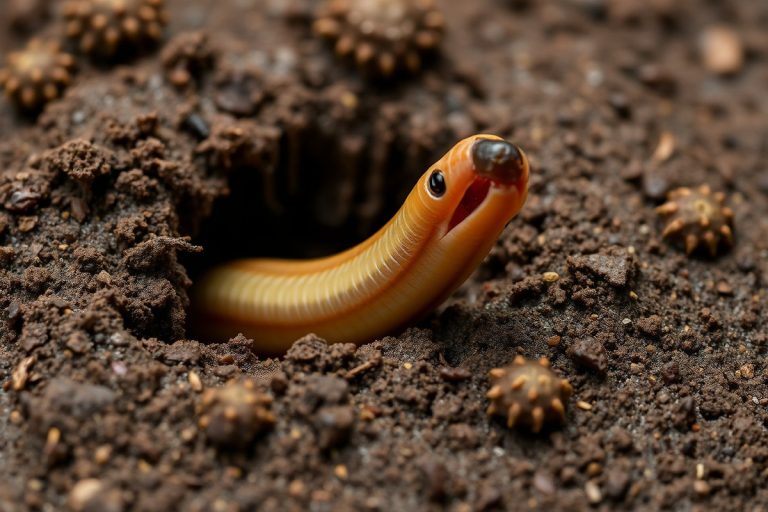
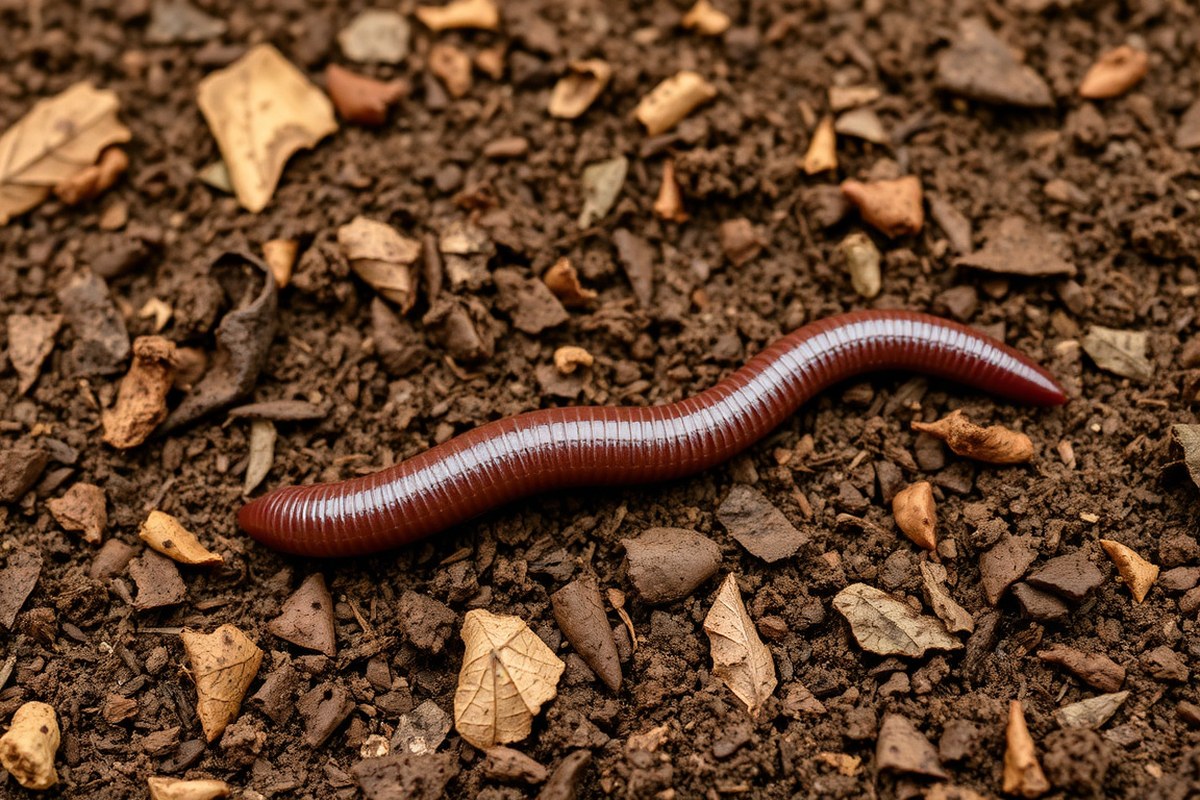
Are earthworms decomposers? Not exactly. Earthworms are better called detritivores because they feed on dead plant material.
True decomposers, like fungi and bacteria, chemically break down organic matter. Earthworms chop and digest it mechanically, helping microbes do their job faster.
They eat decaying leaves, dung, and other organic scraps in soil and compost. Their tunnels mix soil layers, speeding nutrient recycling and improving soil health. To help earthworms, keep your soil moist and add organic matter like compost or mulch.
Watch out for harsh chemicals and too much tilling that can harm them. A healthy worm population means richer, looser soil that holds water better. So, earthworms aren’t decomposers, but they’re essential partners in breaking down organic matter.
Key Takeaways
- Earthworms are detritivores, not true decomposers.
- They chew and digest dead plant material to help microbes.
- Feeding mainly on leaves, dung, and organic scraps supports soil health.
- Worm tunnels improve soil structure and speed nutrient cycling.
- Keep soil moist and add organic matter to support earthworms.
- Avoid harsh chemicals and excessive tilling that damage worms.
Are Earthworms True Decomposers or Detritivores?
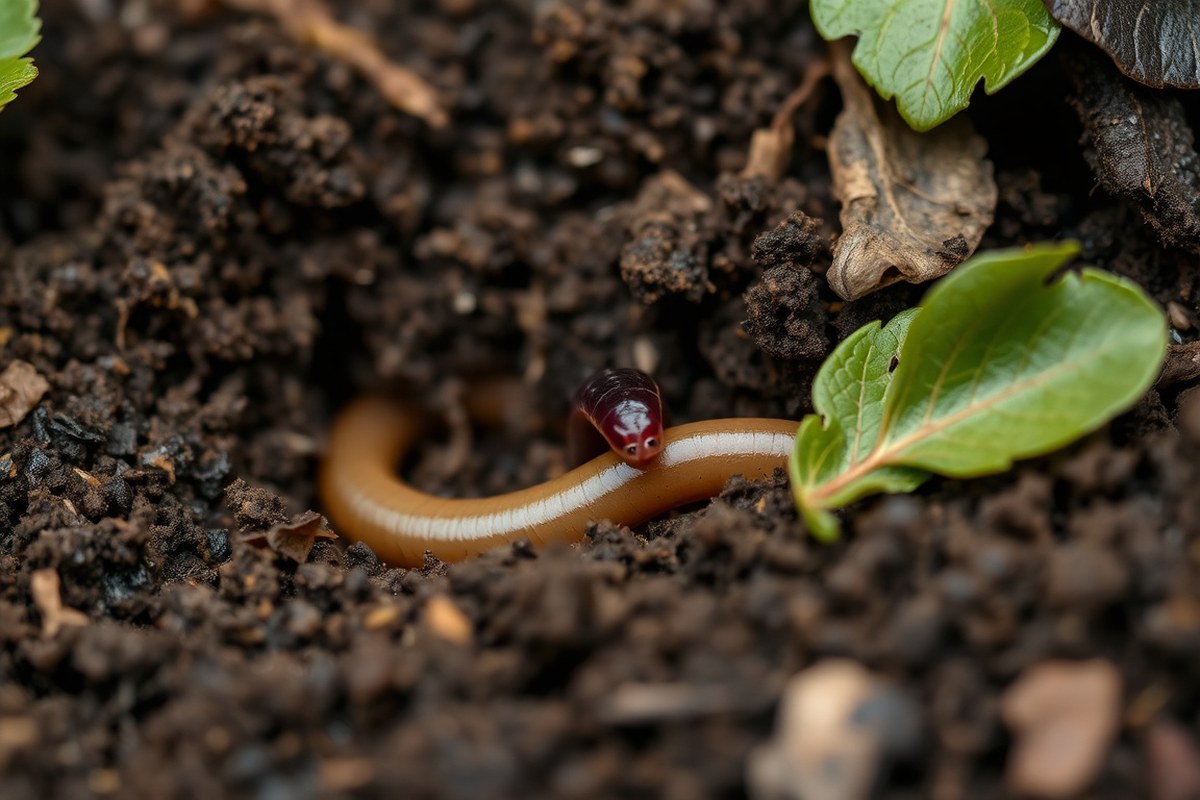
Decomposers break down dead plants and animals by chemical action. Fungi and bacteria act as decomposers by releasing enzymes. These enzymes turn tough materials like lignin and cellulose into nutrients plants can use.
Detritivores, like earthworms, millipedes, and termites, differ because they physically eat dead matter. Earthworms chew and grind organic material inside their digestive system, breaking it into smaller pieces. They break organic matter into smaller pieces and mix it into soil.
This process helps air reach the soil and improves soil structure. It also supports the formation of worm casts.
Earthworms are detritivores, not strict decomposers. They don’t use external enzymes to digest material. Instead, they physically process dead matter in their gut.
Their digestion helps fungi and bacteria break down material faster. They make dead matter easier for these decomposers to act on.
This supports the overall decomposition process in soil. So, while earthworms contribute directly to decomposition, they also support the chemical breakdown done by microbes.
In your garden, having both earthworms and fungi or bacteria speeds nutrient cycling. Earthworms eat dead leaves and plant debris.
Their castings add organic matter to soil. Then fungi and bacteria further mineralize that material into nutrients plants can use.
Earthworms work best in soil pH between 6.0 and 7.0, needing moisture and coarse organic matter to thrive. Fungi prefer slightly more acidic conditions, so soil balance affects which group dominates.
Your garden’s health improves when earthworms fragment dead material. Decomposers finish the nutrient release process.
How Do Earthworms Break Down Organic Matter?
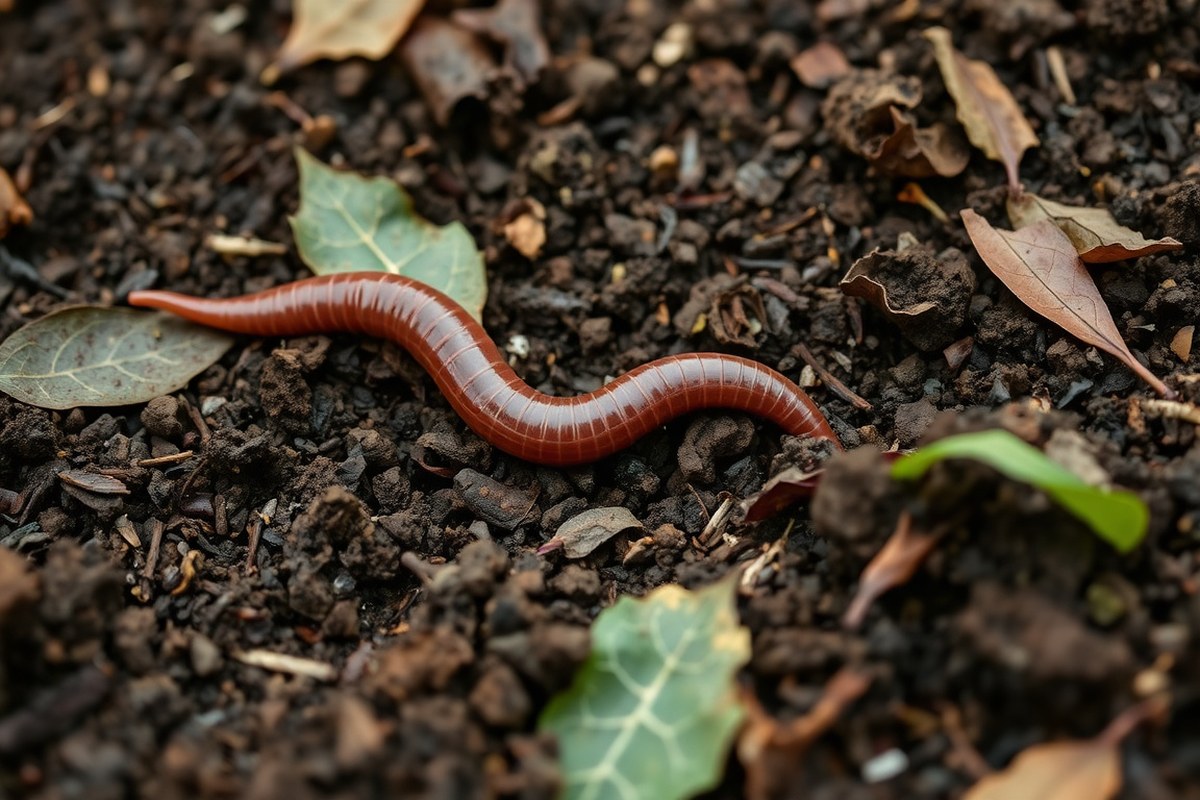
Earthworm Feeding and Fragmentation
Earthworms eat dead plant material like leaves and roots by swallowing soil mixed with organic debris. Inside their gut, they grind this material into smaller pieces. This physical breakdown speeds up how microbes attack the matter later on.
As worms move through soil, they continuously tear and chop organic matter. This fragmentation allows fungi and bacteria to access more surface area. Without earthworms, dead material would stay in large chunks, decomposing much slower.
Digestion and Microbial Partnership
Earthworms digest organic matter using enzymes in their gut. Mostly, they rely on bacteria and fungi living inside them. These microbes help break down the matter further.
These microbes produce enzymes that chemically break down complex compounds like cellulose. Worms benefit by absorbing nutrients released through this digestion process.
Some of the microbes earthworms eat come from the decaying matter itself. By swallowing fungi and bacteria, worms take these decomposers deeper into the soil. This helps spread beneficial microbes throughout the soil layers, improving overall decay.
Processing Speed and Nutrient Recycling
An earthworm can process 2 to 20 tons of organic matter yearly. This depends on the soil type and worm population. Worm density changes how much they can digest.
They convert dead leaves and plant litter quickly into nutrient-rich castings. These castings support other soil organisms and plant roots.
Worm digestion takes about 24 hours to break down organic matter into smaller bits and castings. This rapid cycling prevents buildup of dead matter on the soil surface. The result is a steady release of nutrients plants can absorb.
How Earthworm Castings Improve Soil
The castings earthworms leave behind are rich in nitrogen, phosphorus, and potassium. These nutrients come from digested organic matter and microbial activity in the gut. Castings improve soil texture and moisture retention, helping plants grow stronger.
After earthworms consume the organic material, their secretions further enrich the castings. This creates a fertile environment for roots and microorganisms. Gardening soils with good worm populations often need less added fertilizer.
Important Factors Affecting Earthworm Activity
Earthworms thrive in moist, dark environments where organic matter is plentiful. Dry, hot, or compacted soils reduce their feeding and digestive efficiency. Gardeners can support them by adding mulch or compost and avoiding harsh chemicals.
Worm populations drop if soil lacks enough decaying matter or if the pH is unfavorable. Worms need a food balance to stay healthy and active.
Too little food limits their impact on soil health. Too much food can overwhelm their digestion system.
Keep soil moist and rich in organic matter to help earthworms digest more effectively.
What Organic Materials Do Earthworms Eat?
Earthworms mostly eat dead or decaying plant matter. This includes leaf litter, dead roots, fallen logs, and compost scraps from your garden or kitchen. They also consume animal feces, which adds more organic material and microbes to their diet.
They do not usually eat living plant roots. Instead, earthworms focus on organic waste and the microorganisms growing on that matter.
This diet breaks down complex materials into simpler plant nutrients. It helps improve soil fertility.
Different earthworm species eat various materials. Surface dwellers, like epigeic earthworms, feed on decaying leaves and compost sitting on soil.
Burrowing species, called endogeic earthworms, eat dead plant material in soil. Their tunnels help air and water flow.
Earthworms eat about three times their weight every week, processing organic waste quickly. They turn what they eat into nutrient-rich castings that gardeners value.
These castings improve soil by mixing organic matter evenly. They unlock nutrients like nitrogen and phosphorus.
Nutrition can change based on the local ecosystem. Some worms thrive in damp, leafy soil like forest floors.
Others prefer compost piles or farmland. Feeding behavior depends on where they live and what organic matter is available around them.
Roles of Different Earthworm Ecotypes in Soil Ecosystems
Earthworms fall into three main ecological types: epigeic, endogeic, and anecic. Each type lives in different soil layers and plays a unique role in soil ecosystems. Their feeding and burrowing habits shape how they improve soil health.
Epigeic Earthworms: Surface Dwellers
Epigeic earthworms, like Eisenia fetida or red wigglers, live on or near the soil surface. They thrive in high concentrations of decaying organic matter but do poorly in mineral soil. Their main job is pulling leaf litter down into deeper soil layers for decomposition.
These worms create shallow, horizontal burrows mostly in the leaf litter layer. They break down surface debris. This helps stop thatch buildup.
Thatch can block water soaking into soil. Epigeic species also move nutrients quickly back to the soil.
Endogeic Earthworms: Soil Mixers
Endogeic earthworms live inside the mineral soil, not on the surface. They make horizontal burrows within the topsoil layers and mix organic matter there with minerals. Their feeding involves swallowing soil rich in decomposing material.
This ecotype helps distribute nutrients evenly in the soil by mixing soil and organic matter. Their activity improves soil structure, allowing better water movement and root growth. Endogeic worms are key for gardeners wanting to improve soil fertility naturally.
Anecic Earthworms: Deep Burrowers
Anecic earthworms dig deep vertical burrows, sometimes several feet down. They surface at night to drag plant debris and leaf litter into their tunnels. These deep burrows help aerate the soil and improve water infiltration.
Their vertical tunnels connect surface materials to the lower soil layers. This action moves nutrients downward and supports other soil organisms. Gardeners benefit from anecic worms because they increase soil depth and improve its openness.
How Earthworm Activity improve Soil Health and Nutrient Cycling
Earthworms improve soil fertility by mixing organic matter throughout the soil layers. Their burrows create channels that let oxygen and water flow in while removing carbon dioxide. This process helps plant roots grow deeper and access nutrients more easily.
Earthworm casts, their nutrient-rich droppings, add valuable organic material to the soil. Scientists have found casts have up to five times more nitrogen than undigested soil. These nutrients, including phosphorus and nitrogen, become available for plants and microbes after digestion.
Burrows lined with mucilage from earthworms help soil hold water better. In sandy loam soils, this can boost water retention by about 20%. Better water retention supports plant growth, especially during dry spells.
Earthworms break down organic matter into smaller pieces. Microbes then break this matter down further, releasing nutrients plants can use. This teamwork improves the soil’s overall health and fertility.
They also move nutrients deeper into the soil, closer to plant roots. This nutrient transfer encourages stronger root systems and healthier plants. It takes time for earthworms to create these benefits, usually weeks to months of activity.
Using earthworms effectively means ensuring proper soil conditions. Avoid compacted or overly dry soil, which limits earthworm activity. Adding organic mulch or compost supplies their food and improves soil structure for better burrowing.
Keep soil moist but not waterlogged to support earthworm health and soil aeration.
Ideal Conditions for Earthworm Survival and Effectiveness
Earthworms thrive best in soil with a pH between 6.0 and 7.0. Slightly acidic to neutral soils let them digest organic material easily. Soils outside this range can slow worm activity and harm their survival.
Moisture is key because earthworms breathe through their skin. Keep soil moisture around 20% to 30% to help them breathe and move. Too dry soil can suffocate worms, while too wet soil drowns them in water.
Temperature also affects earthworm populations. They do best between 50°F and 77°F, with activity slowing below 41°F or above 86°F. Extreme heat or freezing cold sends them deep into the soil or to rest.
Earthworms need plenty of organic matter to feed on. About 5% to 10% organic content in soil encourages them to stay active. This matter includes leaves, compost, manure, and other plant bits that decay slowly.
To keep worms happy, test your soil pH with a kit and adjust it if needed. Add lime to raise pH or use sulfur to lower pH.
But wait several months for changes. Keep soil moist by watering regularly but avoid puddles or dry spots.
Adding organic matter like compost or leaf mold keeps food available for earthworms. Spread a 1- to 3-inch layer of organic material over soil once a year. Turn it into the soil gently to avoid crushing worms or destroying their tunnels.
Check soil temperature if you live in very hot or cold climates. Use mulch and shade to moderate temperature swings in summer. In winter, earthworms tend to stay deeper in the soil where it stays warmer and moist.
Healthy earthworm populations show crumbly, dark soil full of tunnels and castings. Poor results come with hard, dry soil or clumpy, smelly mud. Those conditions reduce worm numbers and slow decomposition.
Common Gardening Mistakes That Harm Earthworms and How to Fix Them
Pesticides like carbaryl kill earthworms fast. They not only harm worms but also affect animals that eat them. Avoid using broad-spectrum chemicals and try organic alternatives.
Soil compaction squeezes earthworm tunnels shut. It cuts air and water supply, making the soil hostile. To fix this, aerate with a garden fork or use cover crops that loosen soil naturally.
Dry or waterlogged soil stresses worms. They need moist, well-drained soil to survive. Water deeply once a week if the soil is dry.
Check drainage if water stays too long after rain. Fix drainage issues to keep your soil healthy.
Adding organic matter like compost feeds earthworms. It boosts their numbers and helps damaged populations recover. Spread 1 to 2 inches of compost over soil each season for the best effect.
Handle soil gently to avoid breaking earthworm habitats. Dig only where needed and avoid heavy foot traffic on beds. Mulching with leaves or straw protects surface worms and keeps soil cool.
Practical Tips to Foster Healthy Earthworm Populations in Your Soil
You can attract earthworms by adding organic matter to soil. Keep soil moist but not too wet. Avoid harsh chemicals and add worms carefully.
These steps help earthworms thrive and improve your soil’s health. Follow clear actions to get the best results for your garden.
Adding Organic Mulch and Compost
Spread a 2- to 3-inch layer of organic mulch on beds. Use shredded leaves or straw for the mulch. This helps keep soil moist.
Earthworms love to feed on these materials, which slowly break down and enrich the soil. Adding finished compost also provides nutrients and fine organic matter that earthworms digest easily.
Renew the mulch and compost every few months to keep a steady food source available. Use untreated plant materials to avoid introducing chemicals that harm earthworms. Well-fed earthworms boost soil nutrient levels, which helps your plants grow better.
Maintaining Optimal Soil Moisture
Keep the top 2 to 6 inches of soil moist. Aim for about 80% moisture, not soggy. Check soil regularly to maintain moisture levels.
Earthworms need damp environments to survive and move freely. Water deeply early in the morning to reduce evaporation and keep soil consistently damp.
Avoid drying out soil with excessive sun or wind, especially during hot seasons. You can check soil moisture by feeling it.
It should feel like a wrung-out sponge. Proper moisture allows earthworms to multiply and remain active in your garden soil.
Avoiding Chemical and Physical Disturbance
Do not use strong pesticides, synthetic fertilizers, or herbicides near earthworm habitats. Chemicals can kill or repel earthworms and disrupt their ability to improve soil. Opt for organic or targeted pest controls to protect these beneficial creatures.
Minimize digging or tilling that disturbs soil down to 6 inches or more. Frequent digging breaks earthworm tunnels and harms their populations. No-dig or low-impact gardening methods keep soil structure intact and support earthworm activity.
Avoid turning soil more than once per year to keep earthworm tunnels intact.
Introducing Earthworms Safely
Buy earthworms that fit your climate and soil needs. Eisenia fetida works well for compost bins. Lumbricus terrestris suits outdoor garden beds.
Avoid relocating earthworms from faraway places to prevent spreading pests or diseases. Purchase from reputable suppliers who provide healthy, disease-free worms.
Add worms to moist soil or compost in the evening. You can also do it on cloudy days to avoid stress. This helps worms settle in better.
Slowly adjust them to your garden conditions by providing plenty of organic matter and moisture. Earthworm numbers can double every 2 to 3 months.
This happens under good conditions with regular care. Keep providing the right moisture and food source.
Step-by-Step Action Plan to Support Earthworms in Your Garden
Follow these steps to help earthworms thrive and improve your soil. You’ll see healthier soil and plants soon.
- Before planting: Reduce tilling. Check soil for earthworm tunnels as a sign of activity.
- Week 1: Add organic mulch like shredded leaves or compost. Watch for earthworms appearing near the surface.
- After 2 weeks: Avoid chemical pesticides and fertilizers. Look for more tunnels and worm casts on the soil.
- Month 1: Keep soil moist but not waterlogged. Check soil moisture by touching it, it should feel damp.
- Every month: Add a thin layer of compost or leaf litter. Note earthworm numbers by gently digging and counting small tunnels or worms.
- Seasonally: Plant cover crops or diverse plants to provide constant food. Look for looser, darker soil as a healthy sign.
Frequently Asked Questions
How Do Earthworms Affect Soil pH?
Earthworms prefer soil pH between 6.0 and 7.0. Soil that is too acidic harms their skin and reduces oxygen absorption. Testing and adjusting your soil pH helps keep earthworms healthy in your garden.
Can Earthworms Survive in Dry Soil?
Earthworms need moist soil to survive because they breathe through their skin. Dry soil can cause them to dry out and die. Keeping your soil consistently damp helps maintain a thriving worm population.
Do Earthworms Help Control Pests in Gardens?
Earthworms do not directly control pests. But healthy soil supports strong plants that resist pests.
Their activity improves soil structure, which helps plant roots grow better. This indirectly benefits garden pest management.
How Fast Do Earthworms Break Down Organic Matter?
Earthworms can break down organic matter within weeks depending on conditions like temperature and moisture. Active earthworm populations speed decomposition, improving soil nutrient cycling. Adding coarse organic materials supports their work.
Are Earthworms Harmful to Native Plants?
Earthworms can disrupt some native ecosystems by changing soil structure, especially where they are non-native. However, in most gardens, their activity improves soil health and plant growth. Monitor earthworm species if you care for native plants.
Can Earthworms Survive Cold Winters?
Many earthworms survive winters by burrowing deep where soil stays warmer. Some species die off, but their cocoons hatch in spring. Mulching your garden helps protect earthworms from frost and temperature swings.
Key Points to Remember
Earthworms are not true decomposers but help break down organic matter greatly. Their activity improves soil health and nutrient cycling for your plants. Start adding organic mulch today to encourage earthworm growth in your garden.