Do Coconuts Grow on Trees? A Complete Guide to Coconut Palm Growth
Do coconuts grow on trees? Yes, coconuts grow on tall palm trees.
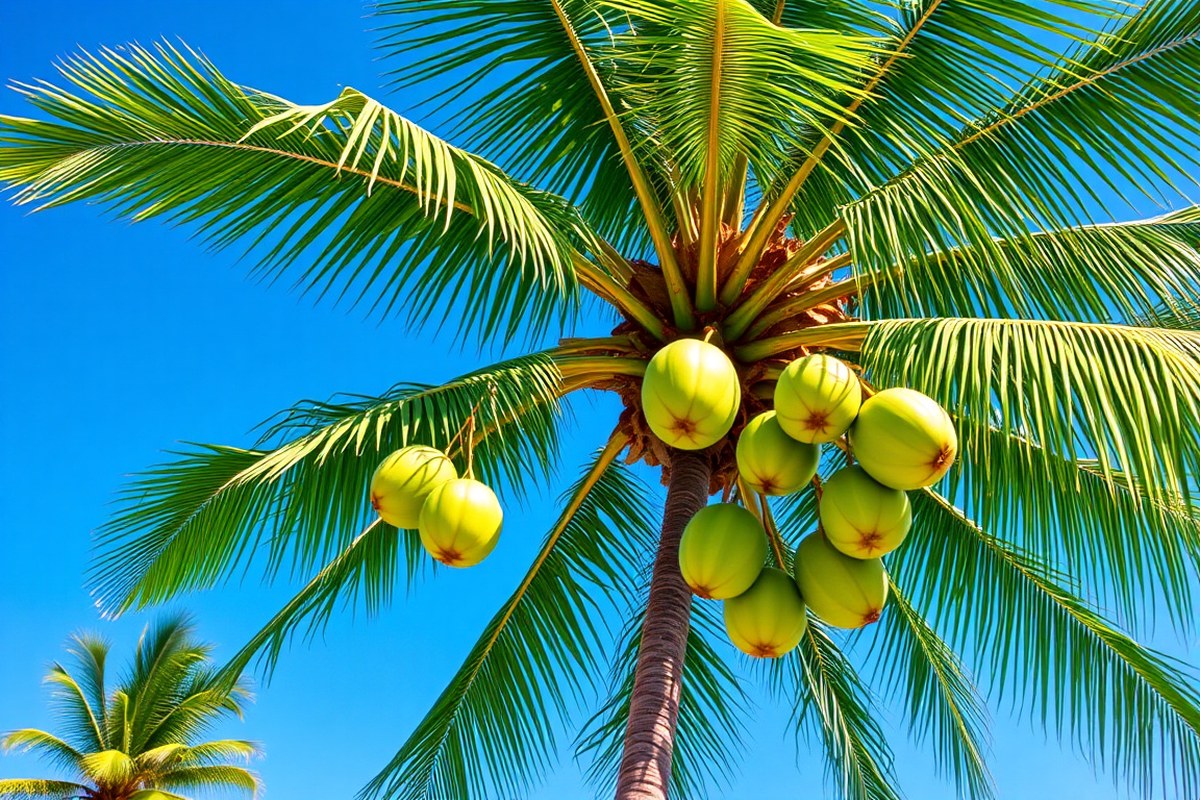
These palms can reach over 100 feet in height and have wide, sturdy trunks. You’ll spot coconuts hanging below their large, feathery leaves, clustered in groups.
Not all palms produce coconuts, but the coconut palm does. It thrives in warm, humid climates where temperatures stay between 70 and 90 degrees Fahrenheit. These palms need consistent tropical heat and good humidity to develop healthy fruit.
Coconuts start growing under the crown of leaves once the palm matures. This palm usually produces fruit around 6 to 10 years old.
Strong winds and salt spray suit the coconut palm. But cold temperatures can harm it.
Tall coconut palms may require expert care, especially for harvesting and pruning. They grow in sandy, well-drained soils near coastlines. Maintaining soil moisture helps coconuts grow well and stay healthy throughout the year.
Key Takeaways
- Coconuts grow specifically on tall coconut palm trees, not every palm species.
- Coconut palms can grow taller than 100 feet with wide, sturdy trunks.
- These palms need warm, humid tropical climates with temperatures between 70°F and 90°F.
- Coconuts start developing when the tree is about 6 to 10 years old.
- Watch for your palm’s height; pruning or expert help might be necessary.
- Fruit forms beneath the large feathery leaves of mature coconut palms.
Do Coconuts Really Grow on Palm Trees?
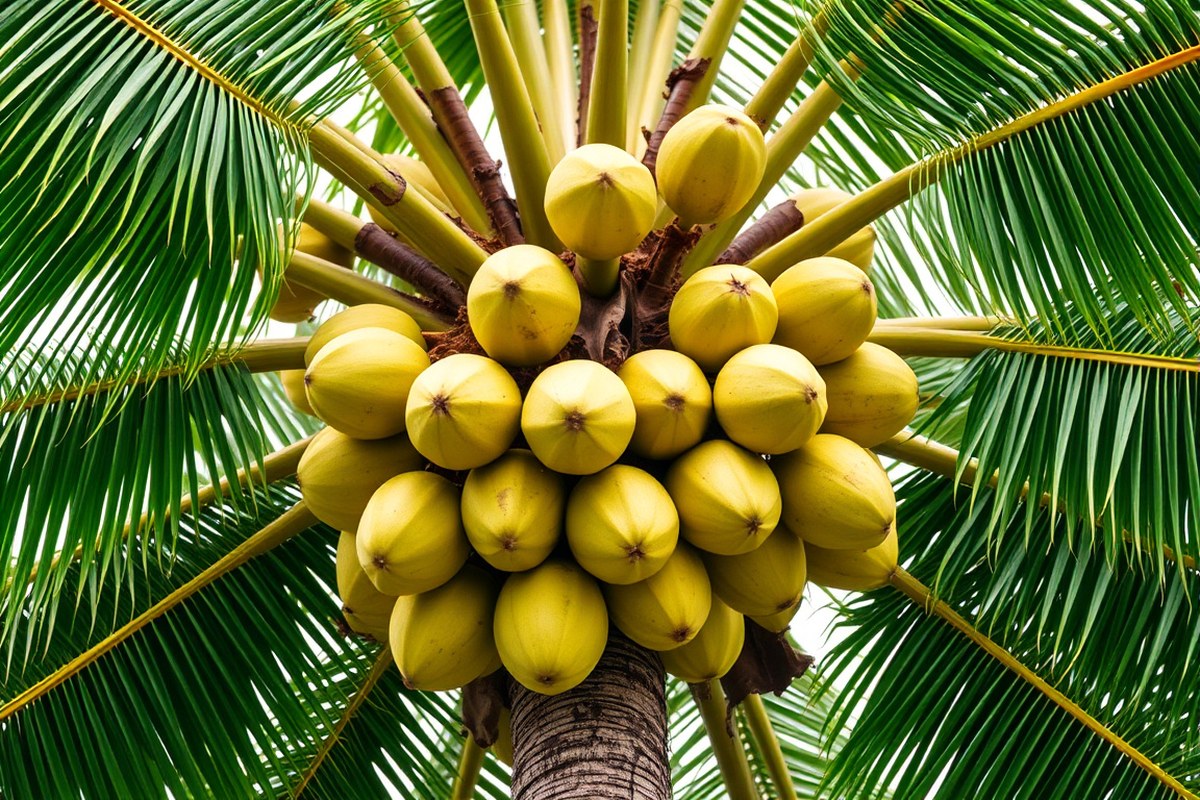
Yes, coconuts really do grow on palm trees, specifically on the coconut palm tree. Out of more than 2,600 palm species, only one makes true coconuts.
That palm is called the coconut palm, or Cocos nucifera. These palms usually grow tall, reaching 60 to 100 feet, and bear fruit in clusters.
Not all palm trees produce coconuts. Many palms produce unique fruits. Date palms grow dates.
Açaí palms yield berries. Coconut palms need tropical weather to grow.
They prefer warm, coastal places. These conditions help them produce fruit well.
A typical coconut palm starts bearing fruit between 6 and 10 years old. With good care, one tree can produce 30 to 75 coconuts yearly. Sometimes, it can yield up to 200.
A coconut palm can live and produce for 80 years. The climate and soil affect how many coconuts a tree makes. These factors play a big role each year.
What Is a Coconut Palm Tree and How Is It Different?
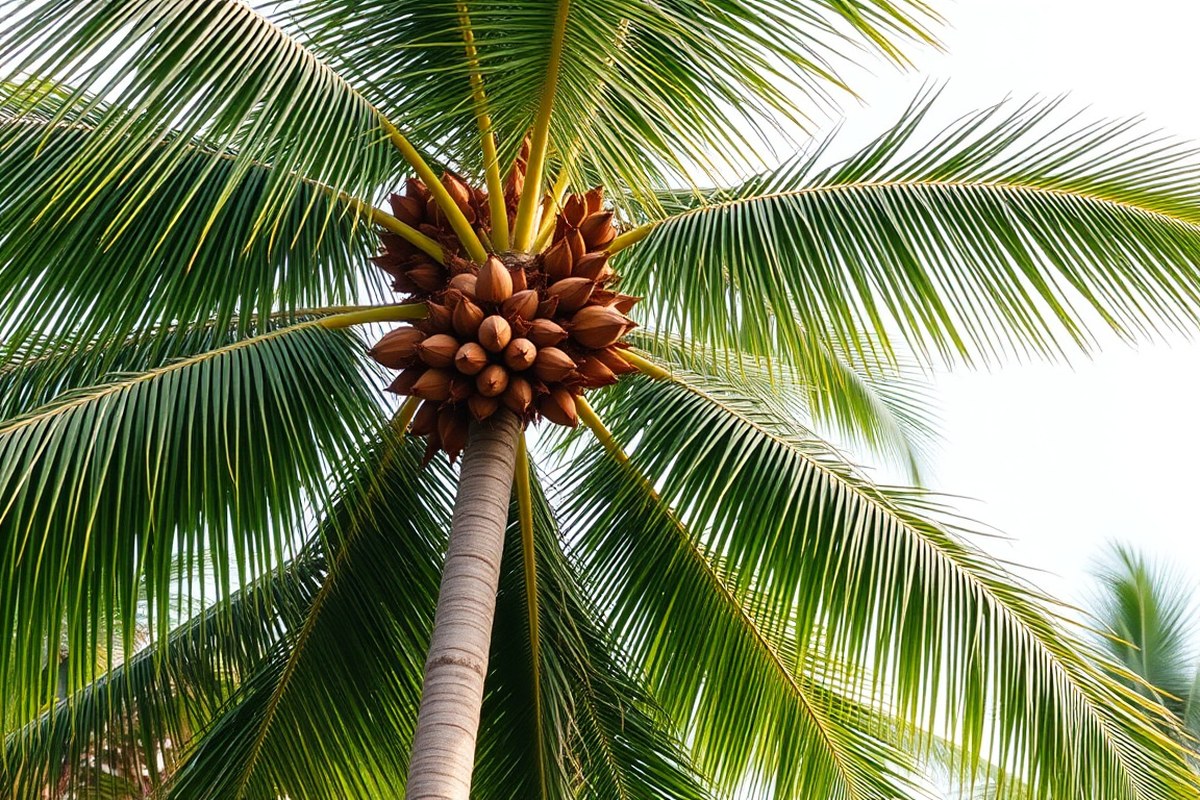
The coconut palm grows a tall, slender trunk that can reach 80 to 100 feet high. It stays smooth and unbranched as it rises, giving it a clear, iconic shape. At its top, large feather-like leaves fan out, often growing up to 17 feet long.
This palm has long leaves. They look very different from other palms. Many palms have shorter or fan-shaped leaves.
The coconut palm’s leaves curve gracefully, creating a crown that stands out sharply against the sky. These fronds not only shade the coconuts but help the tree photosynthesize efficiently in tropical environments.
The coconut palm is unique in the Cocos genus. It is the only palm to produce true coconuts. No other palm does this.
Many palms produce fruits or nuts. But none resemble the large, brown coconuts found on coconut palms.
For example, date palms produce sweet dates. But their leaves and trunks differ in shape and texture.
Besides appearance, coconut palms thrive in salty coastal areas where other palms cannot. Coconut palms grow tall and have smooth trunks. You can spot them compared to ornamental palms.
Those are shorter with rough or thick trunks. Being native to warm, humid climates, they prefer steady temperatures around 80°F to 90°F.
Prune coconut palm fronds twice a year. This keeps the palm healthy. It also prevents hazards from dead fronds.
Mature coconut palms often grow taller than 100 feet. This is higher than many common palm types. Their trunks rise straight up without branches, holding a cluster of coconuts near the fronds’ base.
Coconuts grow in clusters on these palms. They hang from the crown at the top. Other palms fruit in smaller branches.
Lifespan is another way these palms stand apart. Coconut palms can live up to 80 years, which gives you a long-term tropical companion. Other palms may not live as long as coconut palms.
They don’t produce the same valuable coconuts. Coconuts are used worldwide for food, oil, and fiber.
How Coconuts Develop and Grow on a Coconut Palm
Coconuts start growing on a coconut palm from flowers and take almost a year to mature. The coconut goes through clear stages as it grows. First, it flowers.
Then the fruit changes from immature to young green. Finally turns into the mature brown coconut. Each stage lasts several months and offers different uses for the coconut.
Flowering and Pollination
The coconut palm grows both male and female flowers on the same stem. These small flowers show up about one month after forming. Pollination happens when pollen meets the ovules inside the flowers.
This stage is key because it sets the stage for the coconut fruit to form. Without proper pollination, coconuts won’t develop. Warm temperatures between 20°C and 32°C help ensure good flowering.
Immature to Young Green Fruit
The fruit starts forming after pollination. It develops into a hard green shell that we call the baby nut. This stage lasts from about two to five months old.
Inside, the embryo is developing during this stage. You can see small green coconuts hanging on the palm as they grow bigger.
From six to eight months, the fruit is called a young coconut. It has a large, vibrant green husk with clear water inside. This stage makes it perfect for drinking fresh coconut water and eating tender meat.
| Stage | Approximate Age | Key Physical Characteristic | Primary Internal Feature | Best Use |
|---|---|---|---|---|
| Blossom | 0, 1 Month | Small, creamy flowers | Pollen/Ovules | Pollination |
| Baby Nut | 2, 5 Months | Small, hard green shell | Developing embryo | Growth |
| Young Coconut | 6, 8 Months | Large, vibrant green husk | Clear, sweet water | Drinking |
| Mature Nut | 11, 12 Months | Brown, fibrous husk | Thick, white flesh | Oil, Milk, Flour |
This timeline shows how coconuts change as they ripen on the tree. Proper care during each stage helps the fruit grow healthy and full. Stress from poor watering or cold can stall fruit development or cause premature dropping.
Mature Brown Coconut Stage
By 11 to 12 months, coconuts have a thick brown husk covering the hard shell. Inside, the white flesh thickens, and the water reduces. This mature coconut suits oil extraction, flour, and dried meat.
Coconut palms usually start producing fruit after 5 to 10 years. Peak production happens around 15 to 20 years old. Patience is needed, but coconut palms grow faster than many other tropical trees.
Climate and Soil Conditions Needed for Coconut Growth
Coconut palms thrive in tropical zones where temperatures stay between 75 and 86°F (24, 30°C) year-round. They need warm, humid air with relative humidity above 60%. Cooler temperatures or sudden drops can slow fruit production and stunt growth.
These palms require annual rainfall between 60 and 100 inches (1,500, 2,500 mm). Rain should be spread out, not concentrated in just a few months. Too long a dry spell, over three months, affects nut development and leaf health.
Coconut palms grow well up to about 2,000 feet (600 meters). They do best where humidity stays high enough.
Well-drained sandy loam soils with a pH from 5.5 to 8 are ideal for coconut palms. This type of soil lets roots get oxygen and nutrients without waterlogging.
Heavy clay or compacted soil harms root growth. Moderate wind under 20 mph (30 km/h) helps strengthen the trunk without damaging the tree.
- Ideal temperature: 75, 86°F (24, 30°C), stable year-round
- Humidity above 60% to encourage steady fruiting
- Rainfall between 60, 100 inches yearly, spread evenly
- Sandy loam soil, pH 5.5 to 8, good drainage required
- Elevation below 2,000 feet with consistent humidity
- Gentle wind up to 20 mph supports trunk strength
In dry areas, supplemental watering imitates the natural rainfall pattern. Adding organic matter improves soil drainage and fertility.
When climate shifts suddenly, protect seedlings with shade or covers. Healthy coconuts have full crowns of green leaves and develop fruit regularly every 1.5 to 2 months under proper climate and soil.
Different Types of Coconut Palm Varieties Compared
Coconut palms mainly come in two types: Tall and Dwarf. Tall palms can grow up to 98 feet while Dwarf palms stay shorter. These two types differ in how fast they produce fruit, their height, and lifespan.
Tall Variety Characteristics
Tall coconut palms can reach heights of up to 30 meters (98 feet). They start producing fruit about 6 years after planting. Tall palms yield more coconuts and often live longer than Dwarf varieties, sometimes over 80 years.
These palms produce high-quality coconuts, which makes them favored for commercial farms. Their longer lifespan means fewer replantings but they take longer to mature fully. Expect regular maintenance to support their heavy fruit load.
Dwarf Variety Traits
Dwarf coconuts grow much shorter, usually under 20 feet tall. They start bearing fruit earlier, often around 3 years old. However, they produce fewer coconuts and have a lifespan of roughly 40 to 60 years.
These palms are easier to harvest because of their height. Their smaller size fits well in home gardens or limited spaces. Hybrid palms combine traits of Tall and Dwarf, offering early fruiting with good yields.
| Characteristic | Tall Variety | Dwarf Variety | Hybrid Variety |
|---|---|---|---|
| Maximum Height | Up to 30 meters (98 ft) | Under 6 meters (20 ft) | Varies between Tall and Dwarf heights |
| Time to First Fruit | About 6 years | About 3 years | Early like Dwarf |
| Fruit Yield | Higher yield | Lower yield | High yield, hybrid vigor |
| Lifespan | Up to 80 years or more | 40 to 60 years | Variable, often closer to Tall lifespan |
| Use Case | Commercial plantations, wide open spaces | Home gardens, limited space | Best of both worlds, hybrid farms |
Choosing the right variety depends on your available space and how quickly you want fruit. Taller palms suit large tropical plantations, while dwarfs fit backyard tropical gardens. Hybrids offer a balanced option for moderate spaces.
Climate Suitability Differences
Tall coconut palms thrive in traditional tropical climates with warm temperature and stable rainfall. They need room to spread and full sun for best growth. Tall palms also tolerate moderate wind but struggle in colder or drier areas.
Dwarf palms grow well in slightly cooler or more variable tropical zones. Their shorter height helps them resist strong winds better. They suit coastal or semi-tropical regions where space or climate limits Tall palm success.
Hybrids adapt well across different tropical zones. They can handle heat and partial drought better than pure Tall types. For gardeners in transitional tropical climates, hybrids can offer reliable fruit production.
Plant coconuts with good sunlight and avoid frost-prone areas for healthy growth.
How Often and When to Harvest Coconuts for Best Results
Coconuts usually reach full maturity about 11 to 12 months after the flowering stage. At this point, the coconut meat thickens, and the water inside decreases. The best time to harvest coconut water or milk is at 7 months.
This is when the water content is highest in the fruit. You get the most water at this stage.
You can harvest coconuts roughly every 23 days, giving about 15 harvests per year. This frequency helps maximize yield without harming the palm.
Palms start fruiting when they are 6 to 10 years old. Proper spacing between trees improves fruit production.
Harvesting coconuts can be tricky and requires safety. Traditional methods use climbing or long poles to cut the fruit. Wear sturdy gloves while harvesting coconuts for protection.
Use a pole with a cutting blade if you can’t climb. This keeps you safe and makes cutting easier. Always clear the ground area before dropping coconuts to avoid injury.
Follow these steps for safe and effective coconut harvesting:
- Check the coconut age; choose 11-12 months for maturity or 7 months for milk.
- Clear the ground around the palm to avoid hazards.
- Use a harvesting pole with a sharp blade to cut the coconut stem.
- Cut the coconut carefully, letting it fall onto soft ground or a cushioned mat.
- Use a harness or rope when climbing coconut palms for safety. Always wear gloves to protect your hands from cuts.
- Harvest every 23 days to keep the coconut supply steady.
- Store coconuts in a cool shaded area to preserve freshness.
Harvesting coconuts too early means the meat is thin. The nuts have high water content then. This is good for milk but not for mature nuts.
Wait too long, and the coconuts become dry with less water. Keeping a steady harvest routine prevents overripe nuts falling and losing quality.
Growing a Coconut Palm from a Store-Bought Coconut Seed
You can grow a coconut palm from a store-bought coconut if it has the seed inside. Not all coconuts sold in stores are suitable for planting.
Germinating the seed takes patience and a bit of care. But it’s doable for home gardeners.
Selecting a Coconut for Germination
Choose a fresh coconut with the brown outer shell still intact. Avoid those that are cracked, dried out, or damaged. The seed inside must be healthy for germination to succeed.
Tap the coconut to hear the water sloshing inside. A good coconut seed usually has water inside, which keeps it viable. Dry coconuts are unlikely to sprout.
Germinating the Seed
Start by soaking the coconut in water for 2 to 3 days at room temperature. This softens the husk and helps trigger sprouting. After soaking, place the coconut in a warm, shaded spot.
Keep the coconut on moist sand or soil with good drainage. Avoid direct sun because it can dry out the seed. Expect the seed to begin sprouting in 3 to 6 months.
- Soak the coconut in clean water for 2 to 3 days.
- Drain and place it on moist, well-draining sand or soil.
- Keep it in a warm, shaded area away from direct sun.
- Maintain moisture by misting the seed or watering lightly.
- Wait for a sprout to emerge, which can take several months.
- Protect from pests or molds during this period.
Transplanting and Early Care
Once the sprout is 6 to 12 inches tall, it’s time to transplant. Use a large pot or outdoor spot with sandy, well-drained soil. Coconut palms prefer full sun once they start growing.
Water the young palm regularly but avoid waterlogging the soil. Fertilize every two months with a balanced palm fertilizer. Watch for pests like aphids or scale on the young leaves.
Common Pests, Diseases, and Care Tips for Coconut Palms
Coconut palms often face pests like coconut rhinoceros beetles and red palm weevils. These insects bore into the trunk and damage growing parts. Early damage looks like small holes or wilting new leaves.
Fungal diseases can also harm palms, especially lethal yellowing and bud rot. Lethal yellowing causes fruit drop and leaf yellowing, eventually killing the tree. Bud rot makes the growing point mushy and stops new leaves from forming.
To protect palms, start by inspecting your tree monthly for pests or signs of disease. Remove dead fronds and fallen coconuts promptly to limit insect breeding grounds. Avoid injuring the trunk since wounds invite fungal infections and pests.
- Keep the base clean and free from weed growth.
- Use insect traps or natural predators to control beetles.
- Spray approved insecticides in the early season if infestations appear.
- Ensure good airflow around the tree to reduce fungal risks.
- Apply fungicides at the first sign of bud rot or yellowing symptoms.
- Water the tree deeply but infrequently to keep soil moist, not soggy.
- Fertilize with potassium-rich fertilizer every 3-4 months for tree vigor.
Healthy palms resist pests better and produce coconuts longer, sometimes up to 80 years. If you notice large holes or yellowing leaves, take action quickly. Treatment works best before trees show severe decline.
Never use unapproved chemicals on your coconut palm; some damage roots and fronds.
Step-by-Step Action Plan to Grow and Care for Coconut Palms
Follow these clear steps to successfully grow coconuts and care for your palm. Each step helps you check progress and avoid common problems.
- Week 1: Choose a healthy, mature coconut with its husk on. Look for one with water inside when shaken.
- Weeks 2-4: Soak the coconut in water for 2 to 3 days to encourage germination. Confirm sprouting by checking small roots.
- Month 2: Plant the sprouted coconut in well-draining, sandy soil with full sun exposure. The shoot should stand upright.
- Months 3-6: Water regularly but avoid waterlogging. Check that the soil remains moist but never soggy.
- Month 6 onward: Fertilize with a balanced palm fertilizer every 3 months. Watch for healthy green leaves as a sign it’s working.
- Year 1: Protect young palms from pests and diseases by inspecting leaves weekly. Treat issues early with recommended organic options.
- Years 3-5: Expect first small coconuts to appear. Plan to harvest only mature nuts about 12 months after flowering.
- Ongoing: Keep trimming old or dead fronds to prevent pest buildup. Regularly monitor soil moisture and sunlight exposure.
Frequently Asked Questions
Do Coconuts Grow on Palm Trees?
Yes, coconuts grow on specific palm trees called coconut palms. These palms are tall and thrive in tropical climates.
Are All Palm Trees Coconut Trees?
No, not all palms produce coconuts. Only certain species, like the coconut palm, bear coconuts.
Why Don’t All Palm Trees Have Coconuts?
Many palm species don’t produce coconuts because they evolved differently. Only coconut palms bear that fruit.
Can Coconuts Grow in Cold Climates?
No, coconuts need warm, tropical climates and can’t survive frost or freezing temperatures.
How Fast Do Coconut Palms Grow?
Coconut palms can grow up to 100 feet tall. But growth speed varies by conditions.
Is It Safe to Climb a Coconut Palm to Get Coconuts?
Climbing tall coconut palms can be dangerous. It’s safer to use tools or hire a professional.
The Bottom Line
Coconuts definitely grow on palm trees, specifically the coconut palm. You can start your own palm by sprouting a mature coconut and caring for it right. Try planting a coconut today and watch your palm take root and grow fruit over time.