How Often Should a Jade Plant Be Watered: A Complete Guide for Healthy Growth
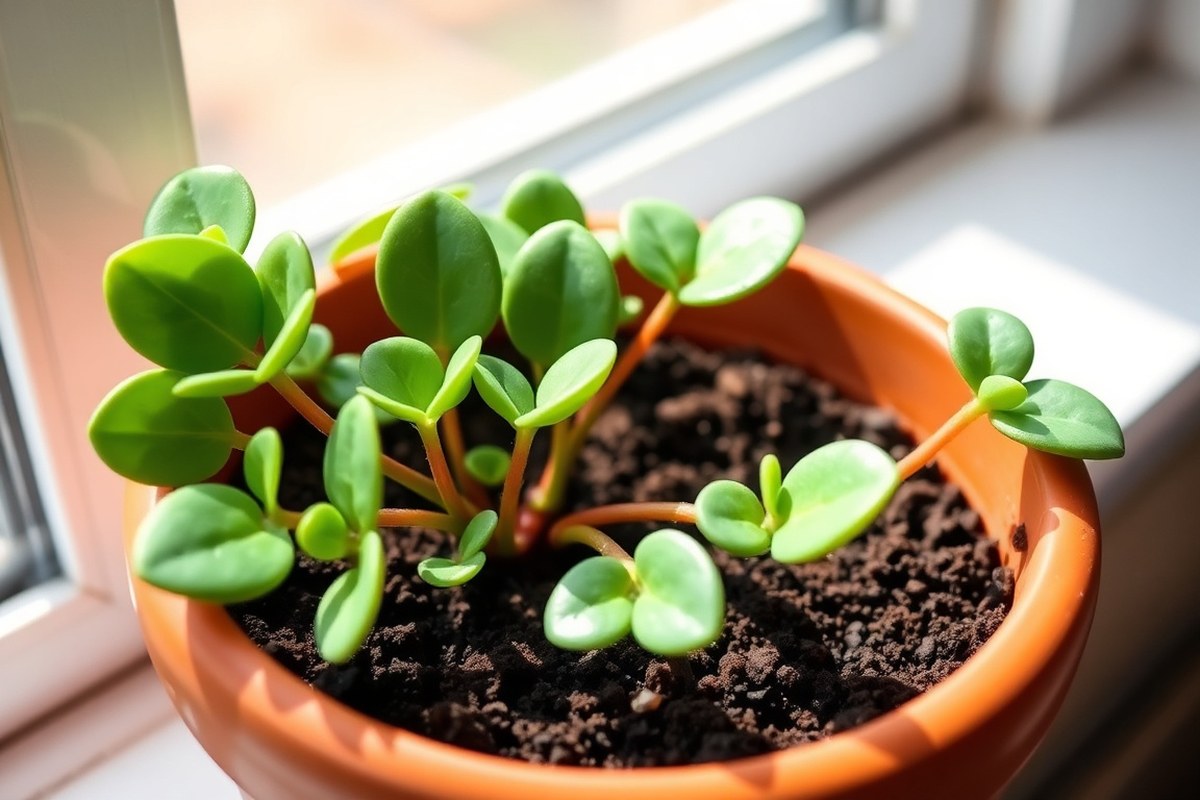
How often should a jade plant be watered? Usually, watering every 2 to 3 weeks works well.
This gives the soil enough time to dry out, which jade plants prefer. The main goal is to avoid overwatering, since jade plants store water in their leaves.
Check the top 1 to 2 inches of soil before watering. When the soil feels dry, water your jade plant. Waiting for the soil to dry prevents root rot and keeps the plant healthy.
In cooler months, water less often because the plant’s growth slows down. Late fall watering should be reduced by 2 to 3 weeks to avoid excess moisture. This simple change can save your jade plant from common winter problems.
Key Takeaways
- Check soil moisture to 1-2 inches deep. Water your jade plant every 2 to 3 weeks.
- Reduce watering frequency by a few weeks starting in late September for winter care.
- Check soil moisture before watering to prevent overwatering and root rot.
- Water less often in cooler months because jade plants grow slower then.
- Avoid letting your jade plant sit in water to protect its roots.
- Room temperature between 65°F and 75°F suits jade plants best for watering.
How Often Should You Water a Jade Plant?
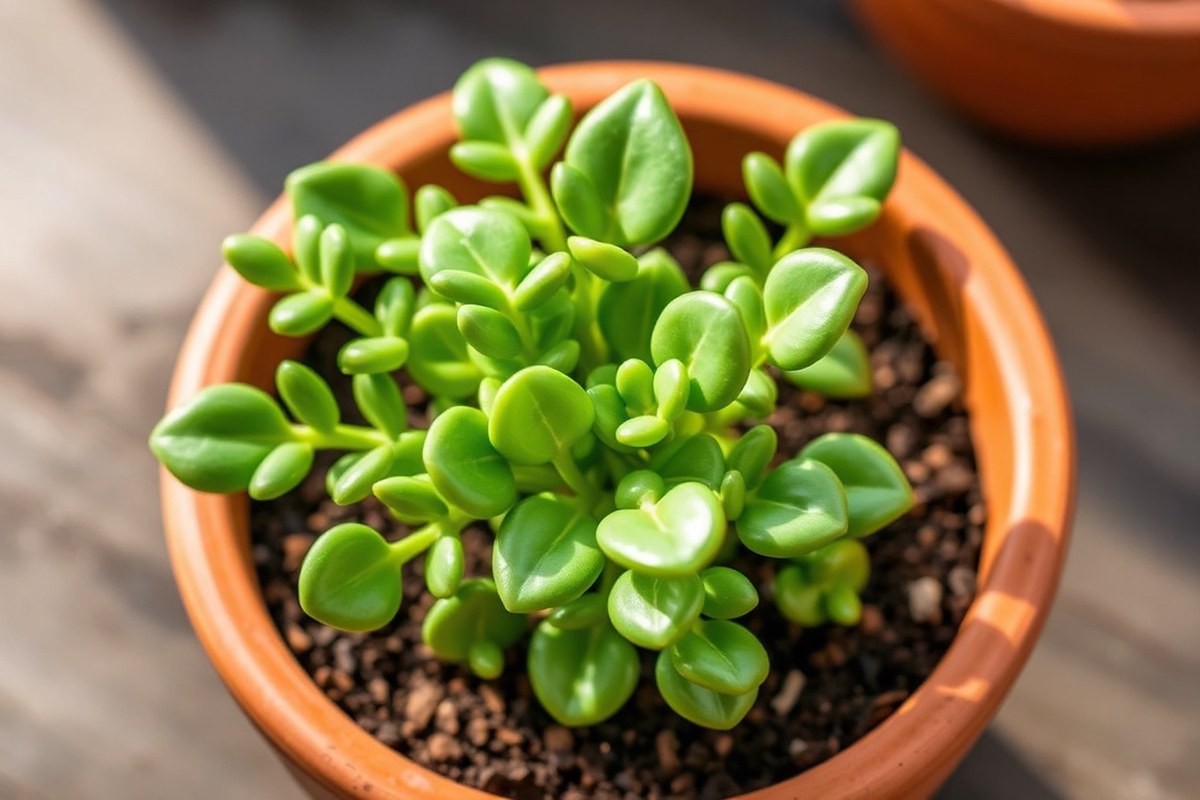
Water your jade plant about once every two to three weeks. Make sure the top one to two inches of soil is dry before watering. This keeps your plant safe from too much water, which jade plants dislike.
To decide exactly when to water, start by checking the leaves and soil. Check that the leaves look full and feel firm to the touch. Healthy leaves usually mean your plant has enough water.
Soft or shriveled leaves can show it needs more. Then, poke your finger about 2 inches deep into the soil. The soil feeling dry means it is time to give your plant water.
The soil still moist? Wait a few days before checking again.
During winter, jade plants need water less often, about every 3 to 4 weeks. Cooler temperatures slow their growth, so they use less water. Checking the soil dryness works well most of the year.
This simple step helps keep your plant happy. It also prevents problems like root rot. You only need a few minutes to check soil and leaf condition.
This keeps your plant healthy. Your jade will thrive for many years with this habit.
How to Determine When Your Jade Plant Needs Water
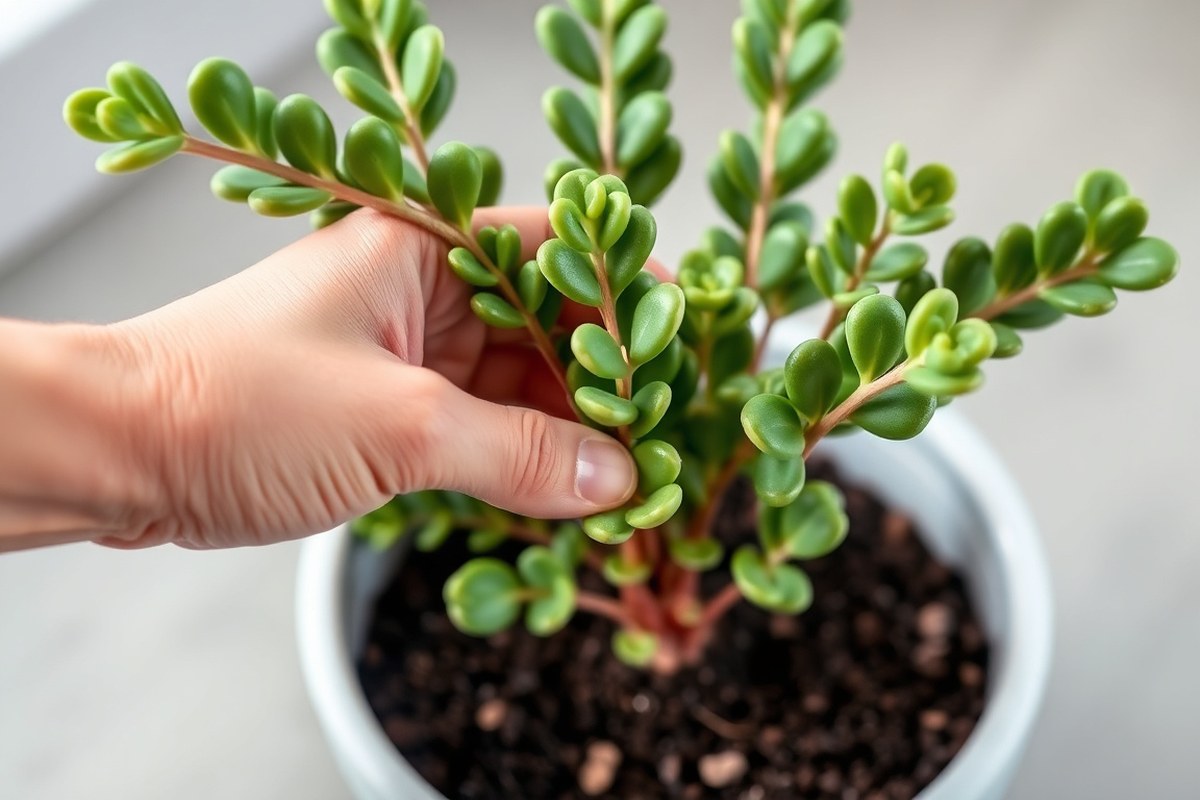
You can tell when your jade plant needs water by testing the soil moisture. Checking the soil depth and leaf condition are the best clues. Pot weight also helps you decide if it’s time to water.
Soil Dryness Test: The Two-Inch Rule
Checking soil dryness stops you from watering too much or too little. Only water your jade plant when the top 1 to 2 inches feel dry. This helps keep roots healthy by giving them enough moisture without flooding them.
Follow these steps to test soil dryness:
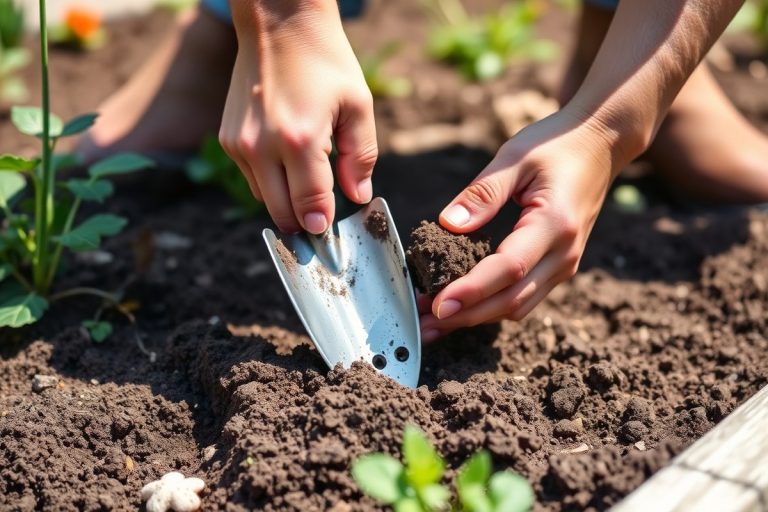
- Insert your finger gently into the soil up to the second knuckle.
- Feel the soil around your fingertip for moisture.
- When the topsoil feels dry, it’s time to water your jade plant.
- If the soil still feels moist, wait 2 to 4 days before checking again.
- Repeat this test regularly to build a watering schedule.
- Use a moisture meter if finger testing is unclear or if the pot is very large.
- Check soil near the bottom using the drainage hole for deeper dryness.
Water only when the top two inches of soil are dry to avoid root rot.
Checking Jade Plant Leaf Condition
The leaves tell you a lot about your jade plant’s water needs. Leaves that look full, firm, and shiny mean the plant is well watered. Slightly wrinkled or less full leaves show moisture reserves running low.
Look out for seriously wrinkled or shriveled leaves. These signs mean drought stress and immediate watering is needed if the soil is dry. Soft, mushy leaves point to overwatering and require you to stop watering and check roots.
A jade plant dropping green leaves right after watering usually means overwatering.
Using Pot Weight as a Moisture Indicator
Pot weight can quickly show if your jade plant’s soil is wet or dry. Lift the pot when the soil feels dry. Then lift it again when the soil feels moist.
This helps you learn how the weight changes. A dry pot feels light, while a moist pot feels much heavier.
Try this simple test:
- Pick up the empty pot to know its base weight (if possible).
- Lift the potted plant right after thorough watering to feel the heavy weight.
- Lift the pot again when you suspect the soil may be dry.
- Compare the weights to tell when the soil has dried enough to water again.
- Use this method along with soil and leaf checks for best accuracy.
Don’t rely only on pot weight, it works best combined with soil and leaf tests.
Seasonal Changes: Adjusting Jade Plant Watering
Jade plants need more water during spring and summer. During these warmer months, they actively grow and use more moisture.
You’ll water your jade plant every 2 to 3 weeks indoors. Give it water more often if it’s outside in hot weather.
Fall and winter are different. The plant slows down growth and enters a semi-dormant state.
Watering drops to once every 3 to 6 weeks, depending on light and temperature. Overwatering in colder months often causes root rot or leaf drop.
Light, temperature, and pot type change watering frequency. Bright, sunny spots dry the soil faster so water more often.
Low light means less evaporation and less water need. Terracotta pots dry faster than plastic, so check soil moisture more carefully.
| Condition | Spring / Summer | Fall / Winter |
|---|---|---|
| Indoors: standard home conditions | Every 2, 3 weeks | Every 4, 6 weeks |
| Indoors: bright sunny window | Every 2 weeks | Every 3, 5 weeks |
| Indoors: low light or north-facing | Every 3, 4 weeks | Every 5, 8 weeks |
| Outdoors: warm sunny position | Every 7, 14 days | Every 3, 4 weeks |
| Terracotta pot | Dries 30, 50% faster; check sooner | Adjust accordingly |
| Plastic or glazed pot | Retains moisture longer; check later | Adjust accordingly |
Indoors in fall and winter, water less to avoid root issues. Outdoor plants still need more water if temperatures stay mild. Watch your plant’s leaves: shriveling means it’s too dry, soft leaves signal too much water.
Lower fall watering helps jade plants prepare for winter blooms. Keeping it cooler with bright light and less water encourages flowering. Adjust your watering schedule as the seasons shift to keep your jade plant healthy year-round.
How Environmental Factors Influence Jade Plant Watering
Temperature affects how often you water your jade plant. Keep watering every 3 to 4 weeks when it stays above 80°F (26°C).
This helps avoid root rot in your jade plant. When leaves shrivel, increase watering carefully to keep the plant healthy.
Humidity also impacts watering intervals. Higher humidity slows soil drying, so water less often.
Dry air means your jade plant gets thirsty more often. Water it more frequently in dry homes.
Light intensity changes water needs too. Bright sunlight makes the soil dry faster.
So check if your jade plant needs water sooner. Less light means slower drying, so water less often.
Choosing the right pot can help manage watering better. Pots with better drainage reduce the chance of overwatering and root rot. Here’s a comparison of common pot types and their effect on watering frequency:
| Pot Material | Drainage | Water Retention | Watering Frequency | Notes |
|---|---|---|---|---|
| Terracotta | Good | Low (breathable) | Water slightly more often | Soil dries fast, reduces overwatering risk |
| Plastic | Variable | High (holds moisture) | Water less often | Can retain too much water without drainage holes |
| Ceramic (Glazed) | Moderate | Moderate | Moderate watering frequency | Retains moisture but can become waterlogged |
| Metal | Poor (often no drainage) | High | Water least often | Can trap moisture; risk of root rot high |
Terracotta pots dry soil quicker, so watch for dryness more often. Plastic pots keep moisture longer, meaning you can wait more days before watering again. Pots without good drainage need extra careful watering.
Water very carefully. Wait longer between watering sessions.
Besides pot type, moving your jade plant to a brighter spot can increase its water needs. It also helps to check leaves and soil more regularly in warmer or drier conditions. Keeping these factors balanced helps you water just right.
How to Water Your Jade Plant Correctly
The safest way to water a jade plant is to soak the soil thoroughly but infrequently. Focus only on watering the soil, not the leaves, to avoid fungal problems. Use lukewarm water and enough to moisten the root zone without leaving the soil soggy.
Watering Technique: Deep and Infrequent
Watering deeply encourages healthy roots but daily watering can cause root rot. Let the soil dry out between watering sessions to keep moisture balanced. This helps avoid yellow, drooping leaves from overwatering or wrinkled leaves from underwatering.
Here’s the best way to water your jade plant:
- Make sure the top 1 or 2 inches of soil feel dry to touch. Check this before you water your jade plant again. This helps prevent overwatering damage.
- Use lukewarm water, around room temperature (65°F to 75°F).
- Pour water slowly at the base of the plant, focusing on soil surface.
- Water until you see some draining from the pot’s bottom hole.
- Let the excess water drain away completely. Don’t let the pot sit in standing water.
- Wait for soil to dry before the next watering session, usually 2, 3 weeks.
Water deeply but only when the soil feels dry to the touch to avoid root rot.
Ideal Water Quantity per Sessions
Use about 1/3 to 1/2 cup of water for a medium jade plant. Pour slowly so soil absorbs it well. Don’t add more until the soil dries out.
The exact amount depends on pot size and soil type. Well-draining soil reduces water needs since it doesn’t hold moisture long.
Water slowly to soak the soil evenly without flooding. The goal is moist soil, not drenched soil. Look for water dripping out of the drainage holes.
This shows the soil is fully soaked. It means the roots got enough water.
Why Avoid Splashing Water on Leaves
Never splash water on jade plant leaves. Water stays on the fleshy leaves and can cause fungal spotting or rot. Focus water delivery only on the soil surface under the plant.
Dry leaves stay healthy and green. Wet leaves turn translucent, yellow, or develop spots. Those signs mean you should stop watering leaves and only water the soil.
Signs Your Jade Plant Is Overwatered or Underwatered
Jade plants show clear signs when they get too much or too little water. Overwatering often causes leaves to turn yellow or translucent.
The leaves feel soft. The base of the plant can become mushy from rotting roots.
Underwatering makes the leaves shriveled and dry. They tend to turn brown and crispy rather than soft. Noticing these symptoms helps you act before the plant’s health worsens.
Stopping watering right away is essential if your jade plant’s leaves feel mushy or look yellow. These signs mean root rot is setting in, which can kill the plant quickly.
- Overwatered jade has soft, mushy leaves that turn yellow or translucent.
- Roots may emit a foul smell due to rot when overwatered.
- Underwatered jade shows shriveled, dry brown leaves.
- Leaves may drop off if underwatering continues too long.
- The base of an overwatered plant often feels squishy and weak.
Overwatering is more dangerous than underwatering in jade plants. It is the leading cause of their death because it damages the roots first. Underwatering harms the leaves but rarely kills the plant quickly.
Check your jade plant’s leaves regularly, especially as weather and seasons change. This habit helps prevent serious damage and allows you to adjust watering in time. Catching problems early means you can fix watering amounts and save your plant’s health.
Fixing Watering Mistakes: How to Save an Overwatered Jade Plant
An overwatered jade plant can sometimes recover if you act quickly. The key is to stop root rot by trimming damaged parts and repotting into fresh soil. Then, adjust your watering routine to prevent future problems.
Identifying Root Rot and Damage
Look for soft, mushy stems or black, foul-smelling roots. These signs show the roots have started rotting from too much water. Yellow, droopy, or falling leaves often go along with root issues.
Check the base of the plant and the soil’s moisture. When the soil remains wet for days and the stem feels soft, root rot might be there. Catching it early improves your jade plant’s chance to survive.
Careful Repotting with Fresh Soil
Repotting a jade plant after overwatering helps stop root rot. Use a fresh, very well-draining soil mix, like cactus or succulent soil. Avoid soils that hold too much moisture.
Remove the plant gently from its pot and shake off the old soil. Trim off all mushy, black roots with clean scissors. Cut any rotting leaves or stems too.
Clean the pot or use a new one with drainage holes. Plant the jade core in fresh soil, covering roots but not burying too deep. Water lightly only after repotting.
Post-Recovery Watering and Monitoring
Let the jade’s soil dry out completely before watering again. Water sparingly after repotting, about every 2 to 3 weeks depending on temperature and light. Avoid pouring water on leaves to prevent fungal problems.
Watch for new healthy growth over the next few weeks. Leaves that stay firm and green show the plant is getting better. Slower growth may happen if root damage was serious.
Adjust watering based on season: reduce watering further in dormancy during fall and winter. Keep monitoring soil moisture and plant health to avoid repeat overwatering.
- Gently remove the jade plant from its pot.
- Shake off old soil from the roots carefully.
- Trim all black, mushy roots and damaged leaves.
- Disinfect your pot or choose a new one with drainage holes.
- Fill the pot with fresh, well-draining succulent or cactus soil.
- Replant the jade, covering roots but not burying leaves excessively.
- Water lightly once, then wait 2 to 3 weeks before watering again.
- Monitor leaf firmness, color, and soil moisture regularly.
Creating a Reliable Jade Plant Watering Routine
Check your jade plant’s soil and leaves at least every few days. Water only when the soil’s top one to two inches are dry. This prevents both overwatering and underwatering, which can harm the plant.
Write down your watering days, but be ready to change them. Jade plants don’t need water on a strict schedule. They react to how fast the soil dries, which changes with weather and indoor conditions.
- Check soil dryness every 7 to 10 days as a starting point.
- Note leaf condition: firm and plump means well watered; wrinkled means thirsty.
- Skip watering if the soil is still moist to an inch deep.
- Use lukewarm water to avoid shocking roots.
- Adjust frequency to once every 3 weeks in cooler months.
- Avoid watering right before a cold draft or heat source.
- Plan to check soil moisture twice during long absences and water only if dry.
Holidays or climate changes might dry out the soil slower or faster. During winter, water less often. On hot, dry days, water more if soil dries quickly.
For vacations, check soil moisture before leaving. Dry soil means it’s time to water your jade plant well.
Moist soil means wait to water again. Ask a friend to check soil moisture halfway through your trip.
Never water your jade plant on a fixed schedule without checking soil. Wet soil can cause root rot, so always check first.
It takes just a few minutes each week to check soil and leaves. This small effort helps you avoid common issues like soggy roots or withered leaves. A flexible routine based on your plant’s needs keeps it healthy through seasons and travel.
Step-by-Step Action Plan for Watering Your Jade Plant
Follow these steps to water your jade plant well and avoid common mistakes. Watch your plant for signs to adjust as you go.
- Before You Start: Check the soil moisture using your finger. It should feel dry at least 1 inch deep before watering.
- Day 1: Water your jade plant slowly until water drains from the hole. This ensures soil is moist but not soaked.
- Week 1: Monitor the soil moisture every 3 to 7 days. Water only when the top inch is dry to avoid overwatering.
- Week 2: Look for jade plant leaf changes like wrinkling or yellowing. These signs tell you if you need to adjust watering.
- After 1 Month: Reduce watering frequency in cooler months. Your jade needs less water with less light and heat.
- Every Month: Use a well-draining pot and soil to help avoid water buildup around the roots.
- Ongoing: Adjust watering depending on temperature, humidity, and sunlight changes. Warmer, drier spots may need more water.
Frequently Asked Questions
How Often Should You Water a Jade Plant During Summer?
Water your jade plant every 2 weeks in summer. It grows faster then.
It dries out the soil quicker. So, it needs more water than in cooler months.
Can You Water a Jade Plant with Cold Water?
Avoid cold water for your jade plant. Use room temperature water to prevent shock and help absorption.
Is It Better to Water Jade Plants from the Top or Bottom?
Watering from the top is best for jade plants. It ensures water reaches all roots and helps flush excess salts.
How Does Soil Type Affect Jade Plant Watering Frequency?
Sandy, well-draining soil dries faster than clay soil. Adjust watering to keep soil moist but not soggy.
Can You Use Tap Water for Jade Plants?
Yes, tap water usually works unless it’s very hard. Let it sit out overnight to reduce chlorine before watering.
Do Jade Plants Need Watering During Dormancy?
They need less water during dormancy. Water just enough to keep soil from completely drying out.
The Bottom Line
Jade plants need water only when their soil feels dry about an inch deep. Water carefully to avoid root problems. Check your soil and plant often, then adjust watering to keep your jade happy and healthy.