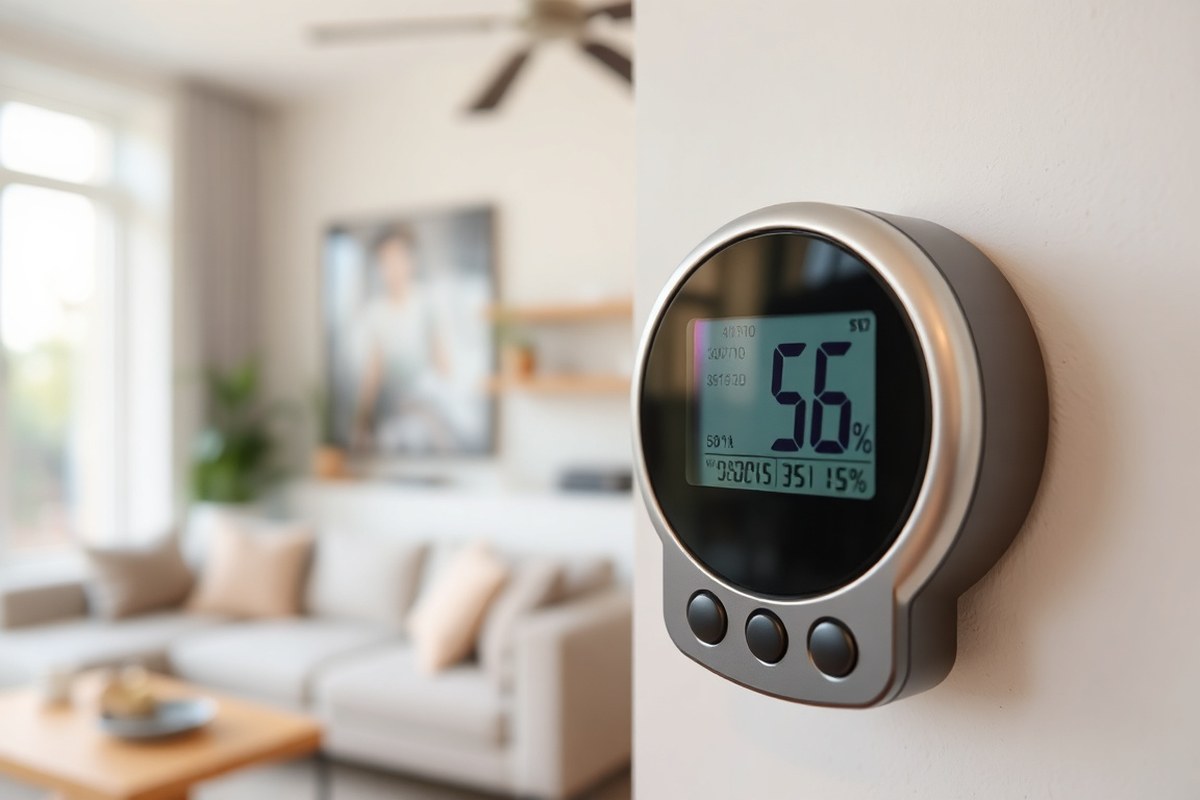
What Does Humidity Percentage Mean? A Complete Guide to Understanding and Using It
What does humidity percentage mean? It shows how much water vapor is in the air. It compares this amount to the maximum water vapor the air can hold.
This is called relative humidity. When humidity is 50%, the air holds half the water vapor it can.
This is at the current temperature. The percentage helps you understand how sticky, dry, or comfortable the air feels.
Humidity percentage depends on air temperature. Warmer air holds more moisture than cooler air.
So the same number can feel different. For example, 80% humidity at 60°F feels very different from 80% at 95°F.
Knowing humidity percentage helps you decide when to use a humidifier or dehumidifier. It also helps keep your home comfortable and protect your health.
Key Takeaways
- Relative humidity shows the ratio of water vapor in air to its maximum capacity.
- Air at 100% relative humidity is saturated and can’t hold more moisture.
- Humidity feels different because warmer air holds more water vapor than colder air.
- Indoors, 30% to 50% humidity is the ideal comfort range.
- Humidity over 60% is usually considered high and may cause discomfort.
- Dew point is the temperature when air reaches 100% relative humidity.
What Does Humidity Percentage Actually Mean?
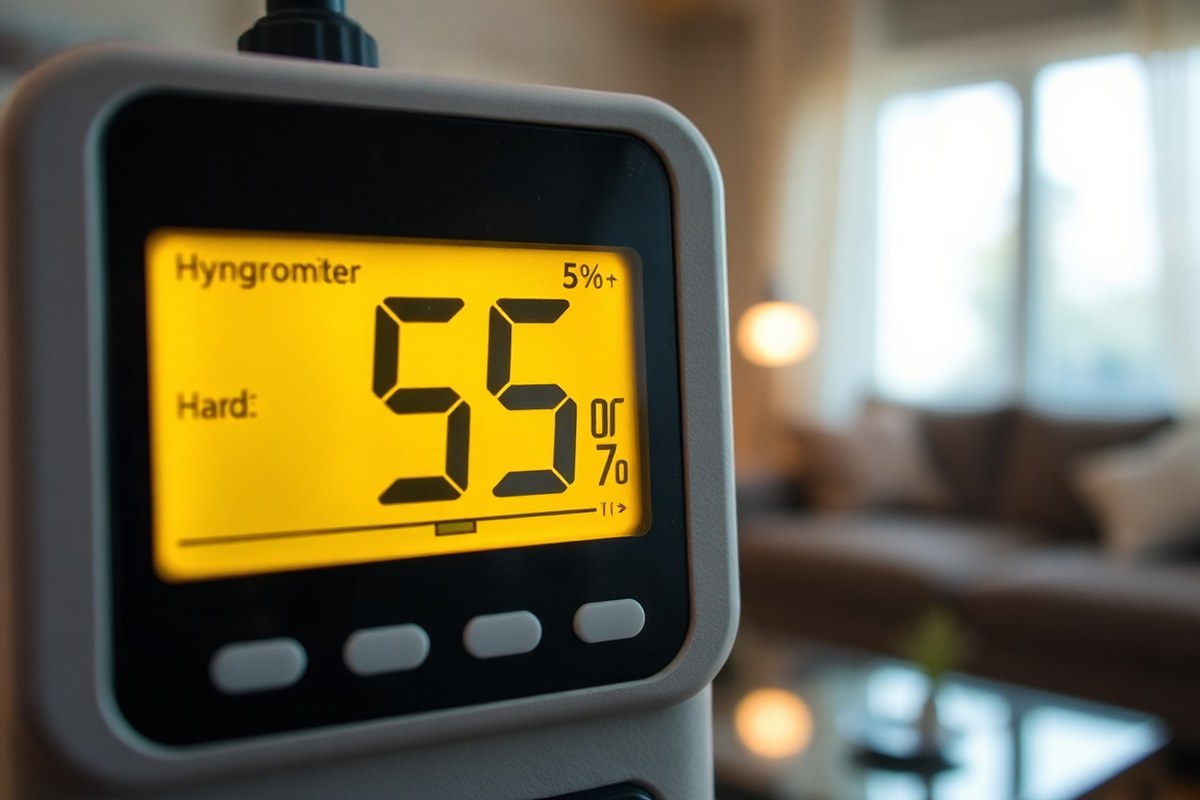
Humidity percentage measures moisture in the air against its capacity. This is called relative humidity and is expressed as a percent. For example, 50% means the air holds half its moisture capacity at that temperature.
Imagine air like a sponge that can hold water. Warm air holds more water because it expands.
Cooler air holds less water since it shrinks. That’s why humidity percentages change with temperature.
Humidity is expressed as a percentage because air’s capacity to hold moisture changes with temperature. The percentage tells you how full that sponge is, not the exact amount of water vapor.
This matters because 70% humidity feels wetter at 60°F than at 90°F. The same number means different comfort levels. Temperature affects how moisture feels on your skin.
Air at 100% humidity means the sponge is completely full. It can’t hold any more moisture.
This situation often leads to dew, fog, or rain. Lower percentages mean there’s room for more moisture, which usually feels more comfortable indoors and outside.
You can measure this by reading a hygrometer or checking your weather app. A good indoor range is typically 30% to 50% relative humidity. A high reading means you might feel sticky and uncomfortable.
It also raises the chance of mold growing in your home. Too low, and your skin and sinuses may feel dry.
How Is Humidity Percentage Calculated and What Is Relative Humidity?
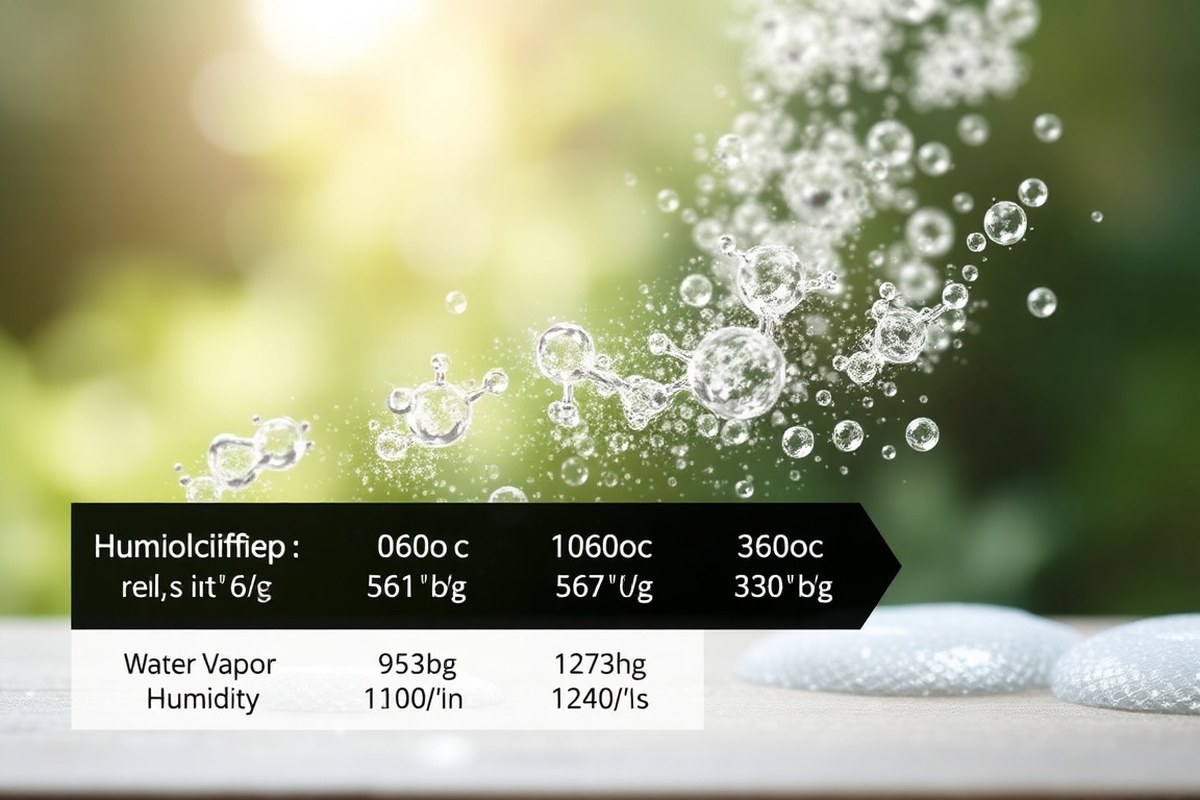
Relative humidity shows how much water vapor is in the air. It compares this to the most vapor the air can hold. This changes with the air temperature.
It’s a percentage expressing this ratio. The calculation uses vapor pressures to find the air’s saturation level.
Formula for Relative Humidity
Relative humidity is found by dividing actual vapor pressure by saturation vapor pressure. Then, multiply that result by 100%. This gives you a percentage.
The formula is RH = (e / es) × 100%. Here, e means actual vapor pressure. Es means saturation vapor pressure at air temperature.
Vapor pressure is the amount of moisture in the air as a partial pressure. Saturation vapor pressure is the most moisture air can hold at a certain temperature.
Air can’t hold more than this without condensation starting. This limits how much water vapor stays in the air.
Absolute Humidity Explained
Absolute humidity shows how much water vapor is in an air volume. It’s measured in grams of vapor per cubic meter of air. This number stays the same regardless of temperature.
Unlike relative humidity, it doesn’t change with temperature shifts if moisture stays constant. For instance, 10 grams of vapor per cubic meter stays 10 grams.
This amount does not change if the temperature changes. So, absolute humidity stays constant here.
Warm air holds more moisture than cold air. Relative humidity depends on this temperature difference.
Absolute humidity tells you the real water vapor amount. Relative humidity tells how full the air feels.
Practical Example Calculation
At 70°F, the saturation vapor pressure is close to 25 millibars. This means air at 70°F can hold a certain amount of moisture. This value is a reference point for humidity.
The actual vapor pressure is 12 millibars in this example. This tells how much water vapor is really in the air.
This number helps find the relative humidity.5 millibars, relative humidity = (12.5 / 25) × 100% = 50%. The air holds half the maximum moisture it can at 70°F.
At 50 percent relative humidity, the air feels neither dry nor overly muggy. When temperature drops, moisture stays the same.
The cooler air can hold less moisture. This causes the relative humidity to go up.
Keep in mind, relative humidity readings can rise overnight without adding moisture due to cooling temperatures.
Why Dew Point Matters in Understanding Humidity
Dew point is the temperature where air holds all the moisture it can. It directly links to humidity percentage but gives a clearer sense of how humid it feels. When air temperature hits dew point, moisture begins to condense, causing dew or fog.
Dew Point Definition and Meaning
Dew point means the temperature at which air becomes fully saturated with moisture. At this point, evaporation stops and water starts condensing on surfaces. Unlike relative humidity, dew point is an absolute measure that doesn’t shift with temperature changes.
The dew point always shows the air’s moisture level. It stays the same no matter the temperature. Warm or cool, this number doesn’t change.
For example, a dew point of 60°F means steady moisture. This stays true at 70°F or even 90°F. The moisture amount stays constant in the air. This makes dew point a reliable way to describe how humid it truly feels.
How Dew Point Affects Weather and Comfort
Dew point explains why air feels sticky or dry better than humidity percentage does. When the dew point rises above 60°F, most people start to notice muggy or uncomfortable air. Below 55°F feels comfortable to most people outdoors.
When the air temperature hits the dew point, water forms. This can be dew, fog, or frost if it’s cold. The vapor turns into liquid at this point.
This point means the air can’t hold more moisture. Sweat may not evaporate well, making you feel hotter.
It raises the chance of feeling sticky or uncomfortable. Heat index uses dew point to show how hot it actually feels.
Interpreting Dew Point in Daily Life
You can judge humidity comfort by checking the dew point. Dew points under 55°F usually feel comfortable outside. Between 55°F and 65°F is mildly warm.
Above 65°F feels muggy or even oppressive. Dew points over 70°F and temps above 85°F increase heat risks. Outdoor heat dangers rise quickly during these conditions.
To observe dew point outside, use most weather apps or websites that show this metric. Planning activities early in the morning helps with high dew points. Cooler air then can drop temperature and humidity.
This makes outdoor comfort better. Running or exerting yourself under a dew point above 65°F feels much harder.
Why Humidity Feels Different at Various Temperatures
At 80% humidity, air feels very different at 40°F compared to 90°F. Cold air holds much less water vapor. So 80% means less moisture than at hot temperatures. At 40°F and 80% relative humidity, air holds about 4 grams of water per cubic meter.
That’s how much moisture is in the air at those conditions. At 90°F and 80% relative humidity, air holds nearly 30 grams of water per cubic meter. This much moisture feels much wetter on your skin.
The heat index measures how temperature and humidity together affect how hot it feels. It combines actual air temperature with moisture content to show the “feels like” temperature.
On a 90°F day with 50% humidity, the heat index can reach 95°F. This number shows how hot it really feels outside. That means sweat evaporates less, making you feel hotter.
Temperature affects humidity’s feel because sweat evaporation cools your body. When humidity is low, sweat evaporates quickly, making the air feel cooler than the temperature.
At high humidity and heat, sweat stays on your skin, stopping your body from cooling down. This traps heat and makes the temperature feel far hotter than it reads.
| Temperature (°F) | 80% Relative Humidity | Actual Water Vapor (g/m³) |
|---|---|---|
| 40 | 80% | 4.0 |
| 70 | 80% | 12.4 |
| 90 | 80% | 29.9 |
Heat index values rise faster above 80°F. For example, a 90°F day at 80% humidity may feel like 106°F. At 70°F and 80% humidity, the heat index is almost the same as the real temperature. Sweat still evaporates well, keeping you comfortable. So, you only feel uncomfortable when both heat and humidity rise.
| Temperature (°F) | RH (%) | Heat Index (°F) |
|---|---|---|
| 70 | 80 | 71 |
| 80 | 80 | 86 |
| 90 | 80 | 106 |
That’s why 80% humidity on a cold day feels dry or neutral. But sticky and muggy on hot days.
Your skin senses water vapor and how well sweat evaporates. Heat index helps predict and explain this by combining the two conditions.
What Is Considered Comfortable and High Humidity Indoors?
Indoor humidity between 30% and 50% is usually comfortable and healthy. It helps your body cool down by allowing sweat to evaporate. Levels above 60% are considered high and can feel sticky or oppressive.
High humidity indoors can lead to mold growth, dust mites, and respiratory problems. Low humidity under 30% might cause dry skin, nosebleeds, and sore throats. Your home can suffer from too much humidity.
Wood may warp. Paint might peel if levels stay too high or low.
| Climate Zone | Recommended Indoor Humidity Range |
|---|---|
| General (most climates) | 30% to 50% |
| Warmer Climates | 40% to 50% |
| Cooler or Dry Climates | 30% to 45% |
Use a hygrometer to measure indoor humidity. Place it in your main living space for the best reading.
Adjust your humidifier or dehumidifier to keep the level in the recommended range. Monitoring regularly helps you catch rising or dropping humidity early.
Check your indoor humidity daily during seasonal changes to prevent health and home issues.
Signs of too high humidity are musty smells, visible mold, condensation on windows, and worsening allergies. Too low humidity shows as dry, itchy skin, static electricity, and cracked wood furniture. Keep an eye on these symptoms to know when to act.
Maintaining ideal humidity helps everyone breathe easier and feel better. Your house stays safer too. Aim to adjust indoor humidity whenever outdoor weather or heating conditions change significantly.
How High Humidity Affects Health, Comfort, and Home
High humidity, especially above 60%, encourages mold, dust mites, and bacteria to grow indoors. These organisms release allergens that worsen asthma, coughing, and wheezing. People sensitive to allergies may sneeze in high humidity.
They might also get itchy eyes. Skin irritation can happen too.
Humidity above 50% creates a damp environment where mold thrives on walls and ceilings. Mold can damage your home and cause respiratory problems over time. Dust mites multiply quickly in moist air.
They eat dust and skin flakes. This can trigger allergic reactions.
Breathing becomes harder when the air feels heavy and damp due to high humidity. This is especially tough for those with lung conditions or respiratory infections. Your skin may feel sticky and sweaty, leading to discomfort and clogged pores.
High humidity also harms belongings inside your home. It can warp wooden furniture, peel paint, and ruin photographs and books. Electronics may suffer from moisture buildup, causing corrosion or failure if humidity stays above 60% long-term.
Keeping relative humidity between 30% and 50% prevents most of these problems. Use a dehumidifier in basements or humid rooms. Run exhaust fans during showers and cooking to reduce moisture.
Houseplants can raise humidity. So limit their number or move them outside during humid months.
Use an air conditioner if you have respiratory problems. It cools your home and removes moisture. Check and replace filters often to keep the air clean.
Open windows when humidity is lower for quick relief. Usually, mornings or late evenings are best. This lets fresh air in.
High humidity can cause mold and allergens. It may also lead to skin discomfort. Plus, it can damage home materials.
Watch your indoor humidity and take steps to control it, especially in warm, damp seasons. Controlling humidity prevents these issues before they start.
This protects your family’s comfort. It also keeps your home in good shape.
How to Measure and Monitor Humidity Percentage at Home
A hygrometer measures the humidity percentage inside your home. You can buy a simple digital model for around $10 to $15. It shows you how close the air is to being fully saturated with moisture.
Place your hygrometer away from windows, doors, and vents. Keep it about eye-level in a room you use often, like the living room or bedroom. This spot helps you get steady, unbiased readings of the air you breathe daily.
Checking your hygrometer often tells you your home’s humidity level. The EPA says ideal humidity ranges from 30% to 50%. This range keeps your home comfortable and healthy.
Humidity above 60% can cause mold growth and discomfort. Humidity below 30% can dry your skin and irritate your nose. Using a humidifier or dehumidifier alongside proper ventilation can help keep your home’s humidity balanced.
Follow these steps to measure and interpret your home’s humidity with a digital hygrometer:
- Buy a digital hygrometer from a hardware or online store.
- Pick a consistent spot inside your main living area, away from direct sunlight and vents.
- Turn on the device and let it sit for at least 15 minutes to stabilize.
- Check the display to see the current humidity percentage.
- Compare the reading to the ideal indoor range: between 30% and 50%.
- When humidity goes over 60%, use a dehumidifier or open windows. These steps help bring moisture levels back down.
- When humidity falls below 30%, turn on a humidifier or place water basins. Adding moisture stops the air from getting too dry.
- Repeat readings daily or weekly during seasonal changes to track trends.
Effective Ways to Control and Maintain Ideal Indoor Humidity
Controlling indoor humidity means using the right tools and techniques based on your home’s conditions. You can lower humidity using dehumidifiers and ventilation. You can raise it with humidifiers when air feels too dry.
Seasonal changes affect how you manage moisture. Change your approach during the year. This helps keep humidity between 30 and 50 percent.
Using Dehumidifiers and Humidifiers
Dehumidifiers pull moisture from the air and are best when ventilation isn’t enough. They run quietly and come in sizes for small rooms or whole houses.
Expect to pay $200 to $400 for a good dehumidifier. It should remove up to 50 pints of moisture daily.
Humidifiers add moisture when air gets dry, especially in winter. Cool mist units are kid-friendly, while warm mist versions can warm a room slightly. Keep humidifier levels below 50 percent to avoid mold and mildew.
Both devices need regular cleaning to prevent bacteria growth. Replace filters and clean tanks weekly to keep air quality healthy.
Improving Home Ventilation and Airflow
A simple way to reduce high humidity is to improve airflow and ventilation. Open windows during and after moisture-building activities. Use exhaust fans in kitchens and bathrooms, too.
Using ceiling or portable fans helps move air around and cuts humidity buildup. You can also consider installing whole-house ventilation systems if indoor humidity stays stubbornly high.
Keep attic and crawl spaces ventilated to prevent moisture traps. Use vent covers to avoid pests but still allow airflow.
Moisture-Proofing and Routine Maintenance
Sealing leaks, cracks, and gaps around windows and doors reduces outdoor moisture entering your home. Use weatherstripping and caulking for a tight seal.
Fix plumbing leaks quickly, as standing water raises indoor humidity fast. Clean gutters regularly to prevent water damage around your home’s foundation.
Watch for condensation on windows; it’s an early sign of too much humidity. Address any mold spots promptly with recommended cleaners.
Check your home’s vapor barriers in basements or crawl spaces every year to stop moisture buildup.
Seasonal Adjustments for Humidity Control
Summer brings higher outdoor humidity, so keep windows closed during humid days. Run air conditioners or dehumidifiers to remove excess moisture inside.
Winter air is dry, so using humidifiers helps prevent dry skin and respiratory discomfort. Keep humidity between 30 and 40 percent in heating seasons.
Spring and fall can vary. Monitor indoor humidity with a hygrometer to know when to air out or add moisture. Adjust fans and ventilation accordingly.
- Close attic vents in winter to keep warmth in and avoid ice dams
- Open windows on dry, breezy days during spring and fall
- Use dehumidifiers more often in summer to combat high outdoor moisture
- Run humidifiers a few hours daily in winter mornings
- Check window seals each season for cracks or moisture buildup
Step-by-Step Action Plan to Manage Your Home’s Humidity
These steps help you understand and control your indoor humidity. Follow them to keep your home comfortable and healthy.
- Day 1: Measure your indoor humidity with a digital hygrometer. Check several rooms to get a full picture.
- Week 1: Note the humidity levels at different times of the day. This shows when changes happen.
- Week 2: Use a dehumidifier if humidity is above 60%. Monitor daily to see if it drops into the 30-50% range.
- Week 3: Open windows or run exhaust fans during cooking or showering. Check if humidity spikes reduce.
- Week 4: Add houseplants that raise humidity if levels stay below 30%. Notice if air feels less dry.
- Month 2: Inspect your home for leaks or damp spots. Fix them to prevent excess moisture buildup.
- Ongoing: Keep tracking humidity weekly. Adjust humidifiers or dehumidifiers as seasons change.
Frequently Asked Questions
What Does Humidity Percentage Tell You About Air Comfort?
Humidity percentage shows how much moisture air holds compared to full capacity. Higher percentages usually mean the air feels damper and can cause discomfort indoors and outdoors.
Can Humidity Percentage Predict the Risk of Mold Growth at Home?
Yes, humidity over 60% often encourages mold and mildew growth in houses. Keeping it below that helps protect wood, walls, and your health.
Is Humidity Percentage the Same as Absolute Humidity?
No, humidity percentage is relative humidity, which depends on temperature. Absolute humidity measures the total water vapor regardless of temperature changes.
Why Does Humidity Percentage Feel Different in Winter Compared to Summer?
A 50% humidity reading in winter feels drier. Your skin and breathing react to this difference.
How Does Outdoor Humidity Percentage Impact Gardening or Plants?
Plants can stress when humidity is too low or too high. Knowing outdoor humidity helps you adjust watering and protect sensitive plants from harm.
Does Humidity Percentage Affect How Quickly Clothes Dry Indoors?
Yes, higher humidity slows drying because the air contains more moisture already. Low humidity lets water evaporate faster, drying clothes quicker.
Key Points to Remember
Humidity percentage shows how much moisture is in the air compared to the max possible. Watching it helps you avoid discomfort and damage at home. Start by checking your humidity now to decide your next step.