Can Coleus Grow Indoors? A Complete Guide for Vibrant Houseplants
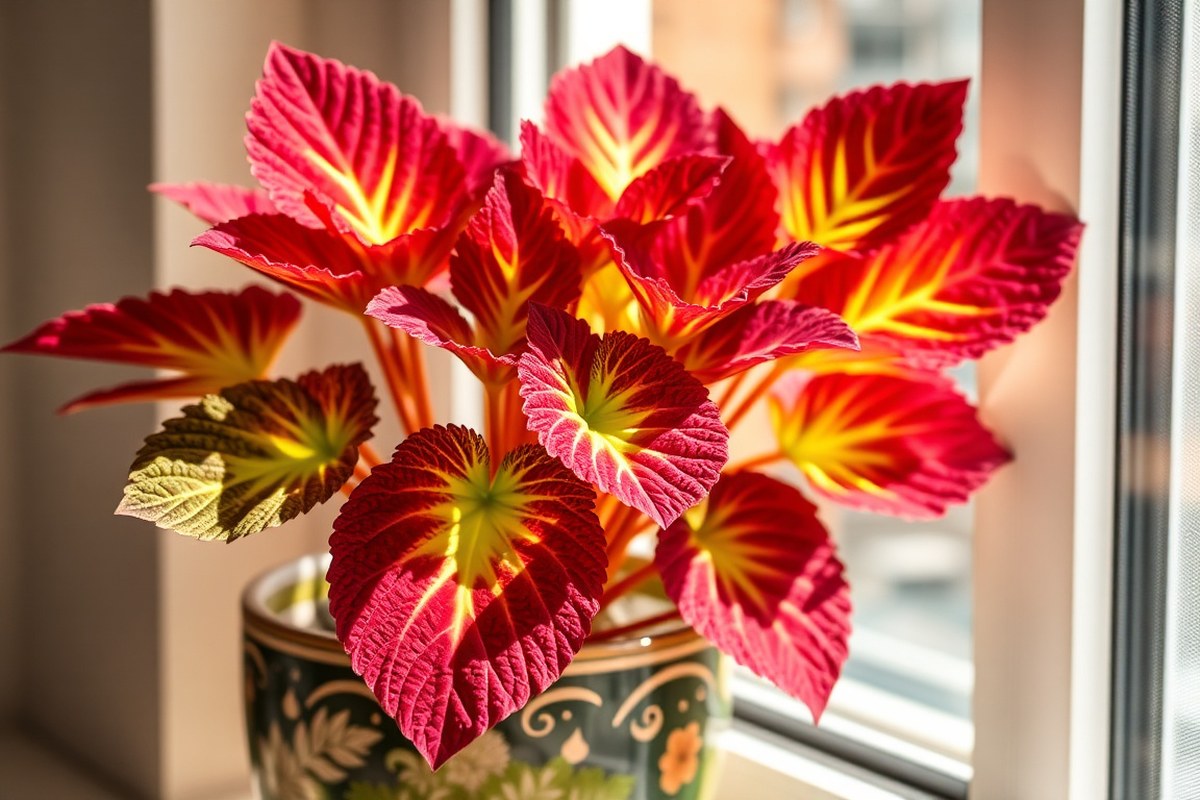
Can coleus grow indoors? Yes, coleus plants do well as indoor houseplants. They need bright indirect light, steady moisture, and warm temperatures above 55°F. These simple conditions help coleus stay vibrant and healthy throughout the year.
Start by placing your coleus near a bright window but shield it from direct sunlight. It likes warmth. So keep it where temperatures stay around 65 to 75°F. This keeps the leaves colorful and prevents the plant from dropping leaves or wilting.
Coleus also prefers humidity above 50%, since it’s a tropical plant. You can use a small humidifier to raise moisture levels. Putting the pot on a tray filled with water and pebbles works too.
This helps keep the plant comfortable indoors. This prevents dry air from harming your plant during winter.
Key Takeaways
- Keep coleus plants in bright, indirect light for at least 4 to 6 hours daily.
- Maintain indoor temperatures between 65 and 75°F for best coleus growth.
- Use a humidifier or pebble tray to keep humidity above 50% around coleus.
- Let the top inch of soil dry before watering coleus. Check it by touch to decide when it needs water. This keeps the soil just right for healthy growth.
- Use LED grow lights 12, 14 hours daily during low-light winter months.
- Choose a well-draining potting mix to prevent coleus root rot.
Can Coleus Plants Grow Successfully Indoors Year-Round?
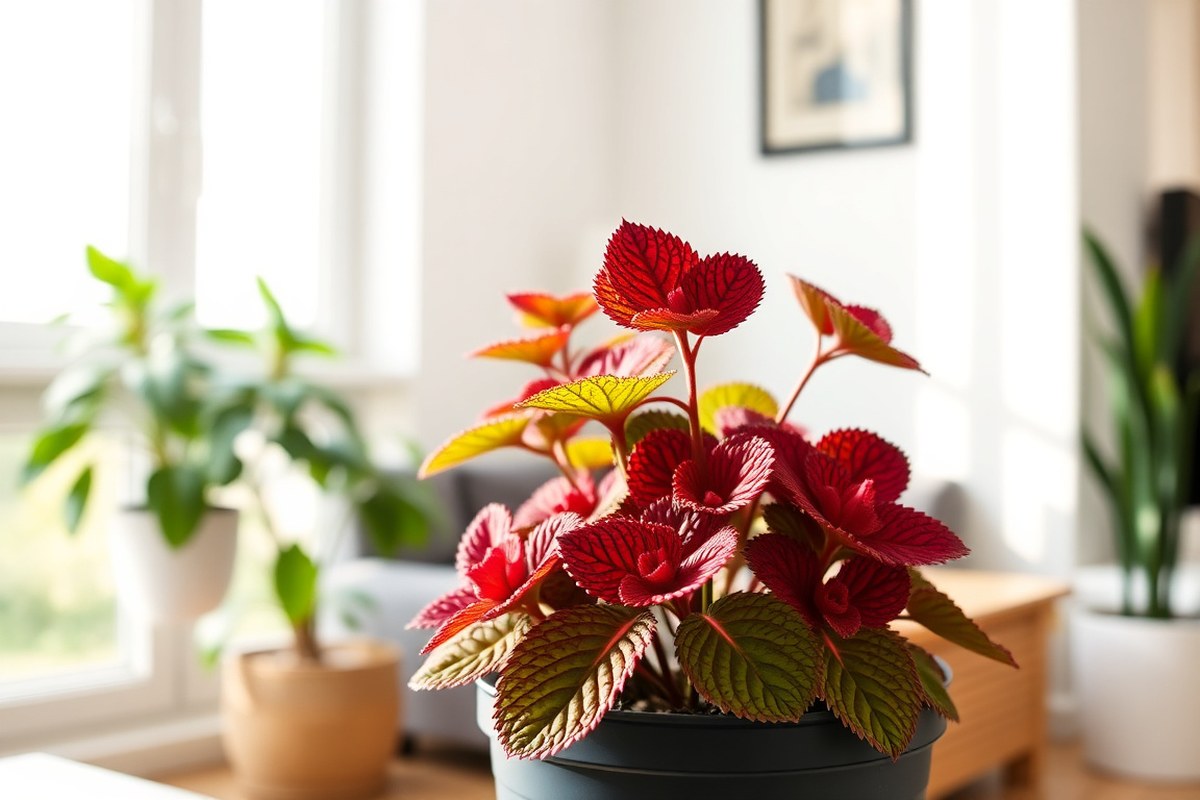
Coleus plants grow well indoors year-round when you meet their basic needs. They like bright, indirect light for about 4 to 6 hours each day. A spot near an east or north window usually works best.
Avoid direct sun that can scorch leaves. This helps keep your plant safe.
You need to keep indoor temperatures steady and warm, above 55°F. Ideal indoor temps fall between 65 and 75°F. Avoid cold drafts and spots near air conditioning vents that cause temperature swings. Coleus is hardy enough for common indoor homes but struggles in chilly or very dry rooms.
Moisture matters too. Water the soil when the top inch feels dry. Aim for soil that stays moist but not soggy.
Check it often to get the balance right. Use a well-draining potting mix for your coleus. This stops water from pooling at the roots.
It helps prevent root rot problems. This simple care routine supports coleus’ vibrant foliage and keeps the plant lively indoors.
Ideal Temperature and Humidity Conditions for Indoor Coleus
Best Temperature Range for Indoor Coleus
Coleus plants prefer temperatures between 60 and 75°F (16 to 24°C) for healthy indoor growth. This range mimics their tropical origins, offering warmth without stress. Keep the temperature steady to avoid shock, especially near windows or air vents.
During winter, try not to let it drop below 50°F (10°C). Cooler temperatures slow growth.
But anything colder can damage leaves or cause sudden leaf drop. Keeping winter temps closer to 60°F helps maintain vibrant color and health.
Humidity Levels and Their Effects on Coleus Leaves
Coleus thrives when humidity stays above 50%, ideally between 50% and 70%. Low humidity makes leaves dry out and edges brown. Too much moisture on leaves can increase fungal risks, so balance is key.
Leaves that look wilted or develop brown tips often lack enough moisture in the air. High humidity keeps the leaves soft and colorful. Poor air flow and wet air can cause pests and disease.
Good ventilation helps prevent those problems. Moderate humidity prevents these issues well.
Ways to Maintain Warm Temperature Indoors
Keep your coleus away from cold drafts and heating vents to avoid sudden temperature changes. Use a small space heater to raise the room temperature.
Adjust the thermostat to keep it steady. Aim for a temperature between 65 and 75°F. Avoid placing the plant directly next to windows that get cold at night.
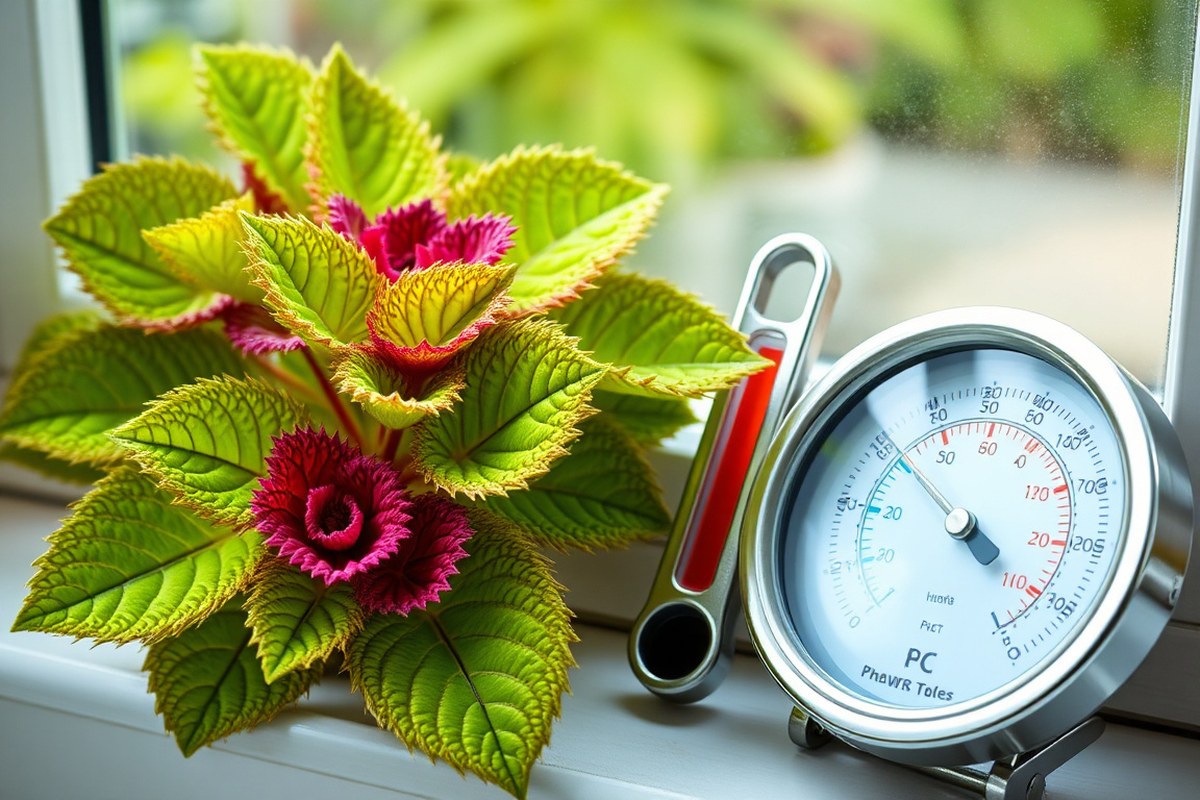
Monitor room temperature with a simple indoor thermometer. Adjust heating or cooling as the seasons shift. Consistent warmth helps coleus avoid stress that leads to leaf drop or fading colors.
Practical Tips to Raise Indoor Humidity
Misting your coleus every few days can add moisture. But avoid wetting the leaves too much to prevent fungus.
Another option is to place the pot on a tray filled with water and pebbles. As water evaporates, it gently raises the surrounding humidity.
Using a small humidifier near your coleus helps when the air inside gets dry from heating. These devices often cost between $20 and $50 and can cover a single room. Choose one with adjustable settings to keep humidity between 50% and 70% for your plant.
Checklist for Maintaining Temperature and Humidity
Keep a reliable indoor thermometer and a hygrometer near your coleus to track conditions daily. Adjust your home’s thermostat to stay within 60-75°F during the day. Use a humidifier or pebble tray to maintain humidity above 50%, especially in winter.
Place coleus out of drafty areas and avoid temperature swings. Misting a few times a week helps but watch for signs of fungal spots. This care keeps the plant’s leaves soft, colorful, and lush through all seasons.
Never let temperature fall below 50°F. Sudden drops can cause coleus leaves to drop quickly.
How to Provide the Right Light for Indoor Coleus Plants
Natural Light Needs for Indoor Coleus
Coleus needs around 6 to 8 hours of natural light daily to grow well indoors. Bright, indirect sunlight is best, as strong direct sun can damage the leaves. Place your coleus near a south- or east-facing window.
It should get plenty of bright light. Avoid harsh direct sun that may burn its leaves.
During winter, daylight hours shorten, so coleus may need more attention to light. Your home might have low light in winter months.
Try moving your coleus closer to windows or glass doors for more light. Shade-loving coleus adapts well but still requires good indirect light to keep colors vibrant.
Using Artificial Lights for Coleus
Grow lights can replace some or all natural light when sunlight is scarce. LED or fluorescent grow lights work well, especially in darker homes or during winter months. These lights provide the full color spectrum coleus needs for healthy growth and vibrant foliage.
Position grow lights about 12 inches above the plant’s canopy for best results. Keeping lights on for 12 to 14 hours each day mimics natural light cycles. This routine prevents legginess and helps coleus maintain bright, lush leaves all year.
Comparing Natural vs. Artificial Light for Coleus
| Light Type | Intensity & Duration | Placement | Best Uses |
|---|---|---|---|
| Natural Light | 6-8 hours of bright indirect sunlight | Near south/east-facing windows | Ideal in spring/summer |
| Fluorescent Grow Light | 12-14 hours daily, moderate intensity | 12 inches above plant canopy | Supplement winter light |
| LED Grow Light | 12-14 hours daily, full spectrum light | 12 inches above plant canopy | Supplement or replace natural light |
Light Adjustment by Season
In spring and summer, give your coleus indirect sunlight. Let it get about 6 to 8 hours of light each day. Protect it from strong direct sun.
Avoid harsh midday sun to prevent leaf burn. Rotate the plant weekly for even light exposure to all sides.
Winter months need more effort because natural light drops. Move plants closer to windows with the most daylight.
Add grow lights to keep the light consistent for 12 to 14 hours daily. This helps avoid weak or leggy growth.
Choosing Soil and Potting Mix for Healthy Indoor Coleus
Use a light, well-draining potting mix that holds some moisture for your coleus. A mix with peat moss or coco coir retains moisture without staying soggy. Add perlite or coarse sand to improve drainage and prevent root rot.
For a DIY soil mix, blend equal parts of peat moss, potting soil, and perlite. This balance keeps the soil moist but airy. Avoid heavy garden soil or dense mixes that trap too much water.
When choosing a pot, pick one with drainage holes to let excess water escape. Too little drainage makes roots soggy and rots them. The pot should be 1 to 2 inches wider than the root ball.
This space gives the coleus room to grow well. It helps avoid too-tight roots.
A 6- to 8-inch pot works well for most mature indoor coleus plants. Roots growing crowded or popping out means time to repot.
Choose a slightly bigger pot for your coleus next. Repotting yearly or every one to two years refreshes nutrients and space.
Follow these simple steps to pot coleus correctly and promote healthy roots:
- Choose a container with drainage holes, about 1 to 2 inches larger than root ball.
- Mix equal parts peat moss (or coco coir), potting soil, and perlite for good drainage.
- Fill the pot halfway with your soil mix, firm gently but don’t compact.
- Set the coleus plant in the pot, roots spread out evenly.
- Fill the rest of the pot with soil mix, leaving about 1 inch below rim.
- Water thoroughly until water drains from holes, ensuring even moisture.
- Place the pot where coleus gets bright, indirect light and steady warmth.
This setup lets roots get enough air and moisture without drowning. Heavy soils or tight pots make coleus wilt fast.
Repot before roots circle the pot or soil dries out unusually quick. Healthy roots grow about 1 to 2 inches long before repotting is needed.
Watering Indoor Coleus: How Often and How Much?
Water your indoor coleus when the top inch of soil feels dry. This usually means watering every 3 to 4 days during active growth. In winter, reduce watering since the plant grows slower and uses less water.
To check soil moisture, stick your finger about an inch deep. Do this near the plant’s base. It helps you see if the soil is dry or wet.
Water only if it feels dry. Avoid guessing by drooping leaves because they can signal both over- and underwatering.
Bottom watering is an effective way to keep coleus happy. Place the pot in room-temperature water for 15 to 20 minutes. Then remove the pot and let excess water drain to avoid soggy roots.
- Water thoroughly until water drains from the bottom
- Use room-temperature water to avoid shocking roots
- Always drain excess water to prevent root rot
- Maintain consistent moisture but avoid letting soil stay soggy
- Avoid watering on a strict schedule; adjust to soil moisture
- Reduce watering frequency once growth slows in winter
Signs your coleus is overwatered include yellowing leaves and wilting despite wet soil. Underwatering shows as dry soil and drooping leaves. Keeping soil evenly moist but not waterlogged helps avoid these problems.
Water your coleus only after the top inch of soil dries out. Don’t stick to a fixed watering timetable. This method ensures the soil stays damp without becoming waterlogged.
Finally, mist the soil lightly after watering to maintain humidity in the pot. Check soil moisture again every few days. With the right watering routine, your coleus will thrive indoors and keep its vibrant colors.
Propagation Techniques to Grow New Indoor Coleus Plants
Growing new coleus plants indoors from cuttings is simple and quick. You start by picking healthy stems, then root them in water. In about one to two weeks, roots will form, letting you pot new plants.
Selecting Healthy Stem Cuttings
Choose stems that look healthy and are mature, about 4 to 6 inches long. Cut just below a leaf node, where leaves join the stem. The cutting should have at least three sets of leaves.
Avoid stems with any signs of damage or rot. Take cuttings from the upper parts of the plant where growth is fresh. This gives the best chance for strong roots and healthy plants.
Rooting Coleus Cuttings Indoors
Rooting coleus cuttings in water is the easiest method for indoors. Use a clean glass or jar and fill it with room temperature water. The water should cover the bottom 1 to 2 inches of the cutting.
Place the container in bright but indirect light, avoiding direct sunlight. Change the water every two to three days to prevent bacteria buildup. Roots usually appear within 7 to 14 days and grow about 1 to 2 inches long.
- Cut a 4-6 inch stem below a leaf node from a healthy coleus plant.
- Remove the lower leaves to keep 3 sets of leaves on the top.
- Put the stem in a glass of water. Make sure 1 to 2 inches is underwater.
- Put the glass in bright, indirect light away from direct sun.
- Change the water every 2-3 days to keep it fresh.
- Wait 7-14 days until roots are 1 to 2 inches long.
- Make sure roots look white and healthy before potting.
Potting and Caring for New Plants
Once roots reach 1 to 2 inches, plant each cutting in moist potting mix. Use a well-draining mix that stays damp but not soggy. Press the soil gently around the roots to remove air pockets.
Keep new plants in bright, indirect light and maintain humidity over 50%. Water the soil when it feels dry about an inch below the surface. Avoid overwatering, as young roots can rot easily.
Pruning and Maintenance Habits for Vibrant Indoor Coleus
Trim your indoor coleus every 4 to 6 weeks during the growing season. Early spring is ideal to start pruning, as new growth begins. Avoid heavy pruning in late fall or winter since the plant grows slower then.
Cut back about one-third of the plant at once. Use sharp scissors or pruning shears to snip just above a leaf node or branching point. This encourages bushier growth and helps keep the plant full and vibrant.
Pruning stops coleus from getting leggy and tired looking. It redirects the plant’s energy from flowering to developing strong leaves. This keeps the rich colors and patterns bright throughout the season.
Dust and dirt on leaves can reduce photosynthesis and dim colors. Wipe leaves gently with a damp cloth every couple of weeks. Rotate your pot every 1 to 2 weeks.
Do this to give all sides even light. It helps stop the plant from growing lopsided.
- Prune every 4 to 6 weeks during spring through early fall
- Cut back about one-third of stems at a time
- Snip just above leaf nodes for bushier growth
- Clean leaves gently with a damp cloth regularly
- Rotate the pot every 1 to 2 weeks for even light
- Remove flower spikes promptly when they appear
- Reduce pruning frequency in fall and winter
Removing flowers is important because blooming makes leaves droop and colors fade. You’ll keep your coleus looking fresh by pinching off flower buds as soon as they form. With steady pruning and care, your indoor coleus can stay lush and colourful for years.
Identifying and Managing Common Indoor Coleus Pests and Problems
Mealybugs are the most common pests on indoor coleus plants. Look for tiny white cottony patches on stems and leaf joints. Another sign is sticky residue and yellowing leaves, which indicate pest activity.
Spider mites sometimes appear indoors during dry conditions. They make fine webs and cause tiny yellow or brown spots on leaves. Aphids may also attack coleus, leaving distorted, sticky leaves behind.
Fungal diseases happen less often but can affect coleus if you overwater. Watch for wilting, black spots, or powdery coatings on leaves. Early detection matters because treating pests and diseases quickly stops damage and spread.
| Symptom | Likely Cause | Treatment |
|---|---|---|
| White cottony patches | Mealybugs | Wipe with alcohol on cotton swab. Repeat weekly until gone. |
| Fine webbing, yellow spots | Spider mites | Spray with water daily for 1 week. Use neem oil every 7-10 days. |
| Sticky, distorted leaves | Aphids | Wash leaves with mild soap solution. Repeat twice a week. |
| Black spots, wilting | Fungal infection | Reduce watering. Apply fungicide as directed. |
Alcohol on a cotton swab is a simple way to treat small mealybug patches. For severe infestations, repeat the treatment every 7 to 10 days.
Neem oil works well indoors against spider mites and aphids without harmful fumes. Use it as a spray every week until pests disappear.
Prevent fungal problems by letting the top soil dry before watering again. Good airflow helps too, so avoid crowded spots. Wiping leaves with a damp cloth once a week removes dust.
It also cuts down on pests before they grow in number. This simple step helps keep your plants healthy.
Check your coleus plants often to catch pests early. Treating now takes fewer repeats later and keeps your colors bright.
Step-by-Step Action Plan for Indoor Coleus Care
Follow this plan to help your coleus thrive indoors. Each step focuses on key care tasks and signs of success.
- Day 1: Choose a bright spot near a north or east window. Check if the leaves perk up and show vibrant colors after a few days.
- Week 1: Plant your coleus in a well-draining potting mix. Water until the soil feels moist but not soggy to the touch.
- Week 2: Start watering when the top inch of soil dries out. Watch for healthy, firm leaves as a sign of correct watering.
- Month 1: Prune any leggy or pale stems. New growth should appear bushier and brighter within two weeks.
- Month 2: Inspect your plant for pests like aphids or spider mites. Treat any issues you spot with insecticidal soap or neem oil.
- Every 3 Months: Repot into fresh soil to prevent root crowding. The plant should look fuller and grow steadily afterward.
- Whenever Needed: Take cuttings to start new plants. Roots should form in about two weeks when kept moist and warm.
Frequently Asked Questions
Does Coleus Need Fertilizing When Grown Indoors?
Yes, feeding coleus during growing months helps keep colors bright. Use a balanced liquid fertilizer every 4 weeks for best results to avoid nutrient deficiency.
Can Coleus Survive Low Light Indoors?
Coleus can survive low light but loses its vibrant colors. It grows best in bright indirect light for colorful, healthy leaves.
Is Indoor Coleus Toxic to Pets?
Coleus is mildly toxic if ingested by pets causing mild stomach upset. Keep your plant out of reach from cats and dogs to be safe.
How Big Do Indoor Coleus Plants Get?
Indoor coleus typically grows 12 to 24 inches tall and wide. Regular pruning helps maintain size and encourages bushier growth.
Can Coleus Leaves Be Used in Cooking or Tea?
Coleus leaves are generally not edible or used in cooking or tea. They are grown mainly for their colorful foliage as houseplants.
Should Indoor Coleus Be Misted for Humidity?
Misting can help if the indoor air is dry but don’t overdo it. Adding a humidity tray or room humidifier is often more effective for coleus.
Key Points to Remember
Coleus can grow well indoors when you meet its needs for light, water, and humidity. Keep a close eye on your plant’s condition to adjust care as it grows. Try taking a cutting this week to expand your indoor garden with ease.