How Does Pomegranate Grow: A Complete Guide for Easy Planting and Care
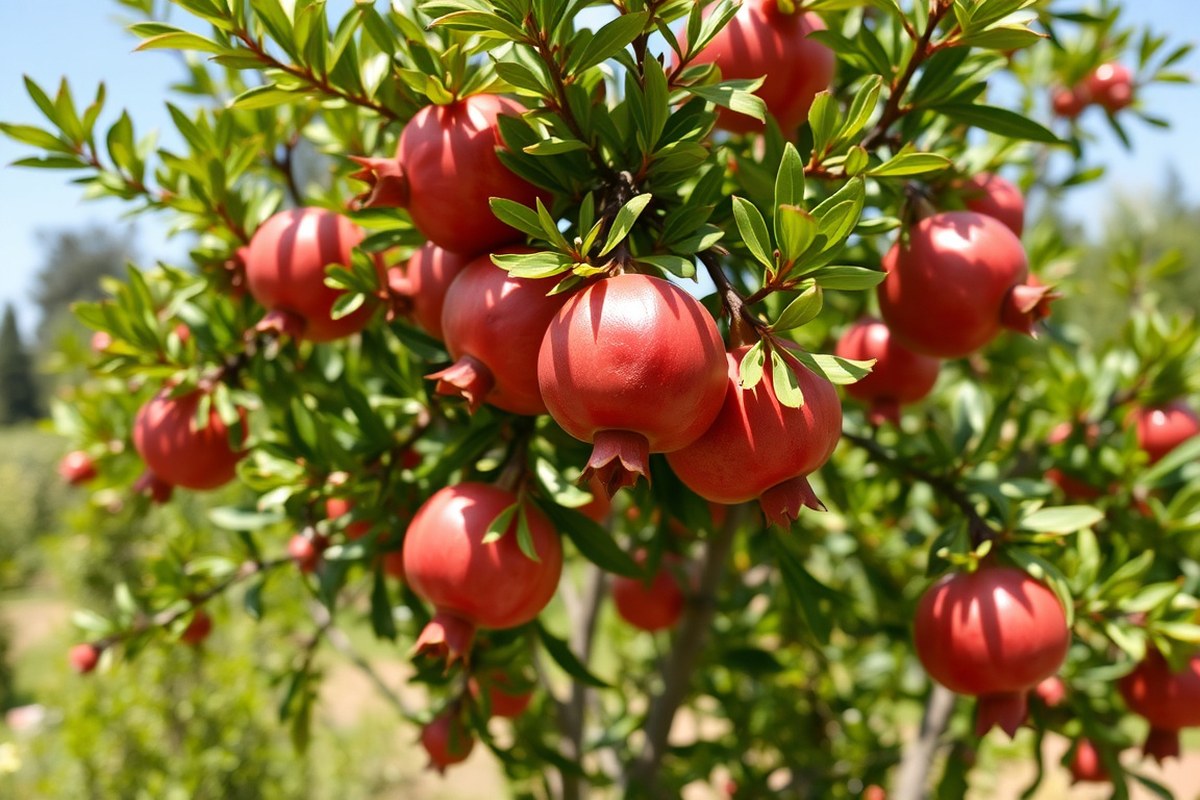
How does pomegranate grow? It starts as a bushy shrub or small tree. Over the years, it grows between 10 and 20 feet tall and wide.
You can train it to have a single trunk. Or let it grow several trunks like a shrub.
Pomegranates take about three to four years to produce fruit. They bloom best in warm climates above Zone 8 and handle cold down to 12°F. Plant them where they get plenty of sunlight and space to grow. Well-drained soil helps prevent root problems and supports healthy growth.
Start by choosing pomegranate varieties suited to your climate. Give each tree about 18 feet of space when planting several.
This space helps the tree spread and grow fruit successfully. Water regularly during dry spells but avoid overwatering to prevent root rot.
Key Takeaways
- Pomegranate trees grow as either single trunk or multi-trunk shrubs.
- They typically fruit after 3 to 4 years of growth.
- Provide at least 18 feet between trees for proper spreading.
- Best growth occurs in warm climates, hardy to 12°F.
- Pick varieties matched to your local growing zone.
- Full sun and well-drained soil help strong fruit production.
How Pomegranates Grow: From Seed to Fruiting Tree
Starting a pomegranate tree from seed is possible but slow. It can take 3 to 5 years before the tree bears fruit.
The fruit may differ from the parent. Pomegranates grow through four key stages: germination, seedling, juvenile, and mature growth.
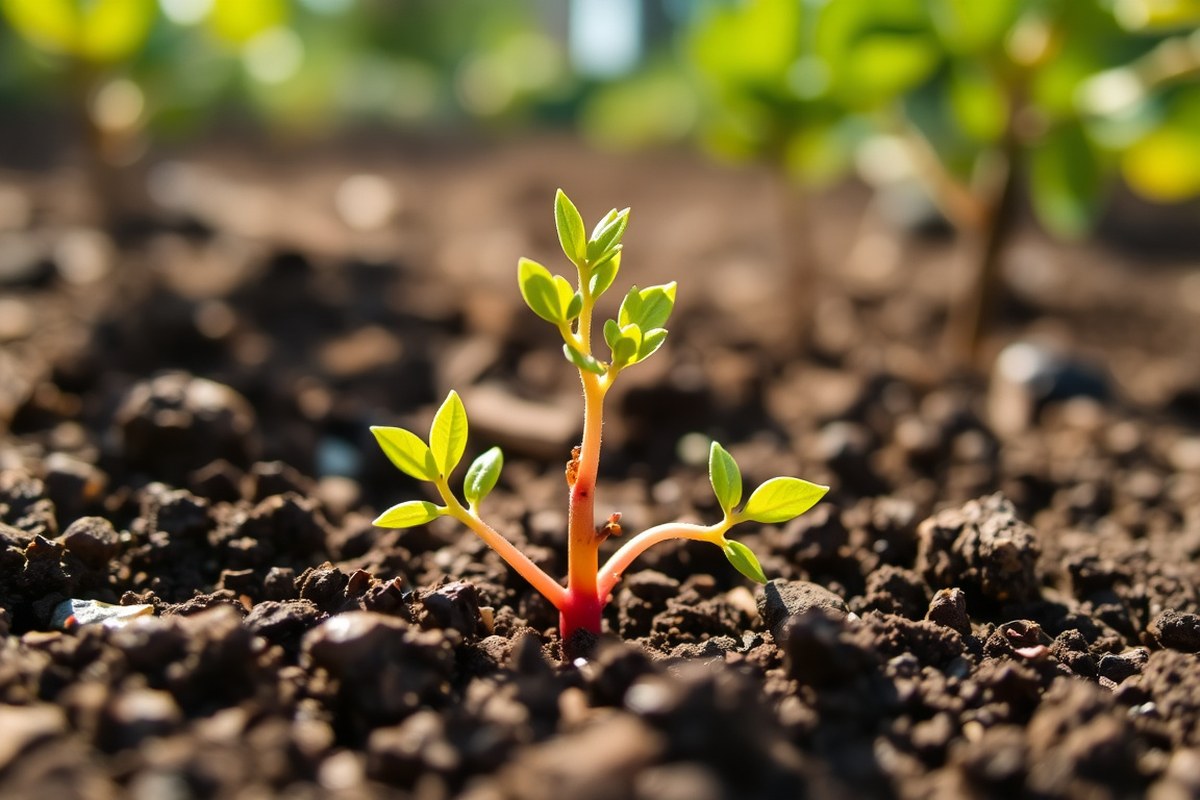
The seed needs about two weeks to sprout in warm temperatures around 70°F. After germination, the seedling stage lasts a few months. The young plant grows leaves and roots during this time.
The juvenile phase lasts one to two years. The shrub grows branches but does not produce fruit yet.
Once mature, around 3 to 5 years, your tree will develop flowers that turn into fruit. The mature tree can reach up to 20 feet tall but pruning can keep it smaller. Fruit ripens in fall, about six months after flowering.
Here are the main steps to grow a pomegranate tree from seed:
- Extract seeds from a ripe pomegranate and rinse off the pulp.
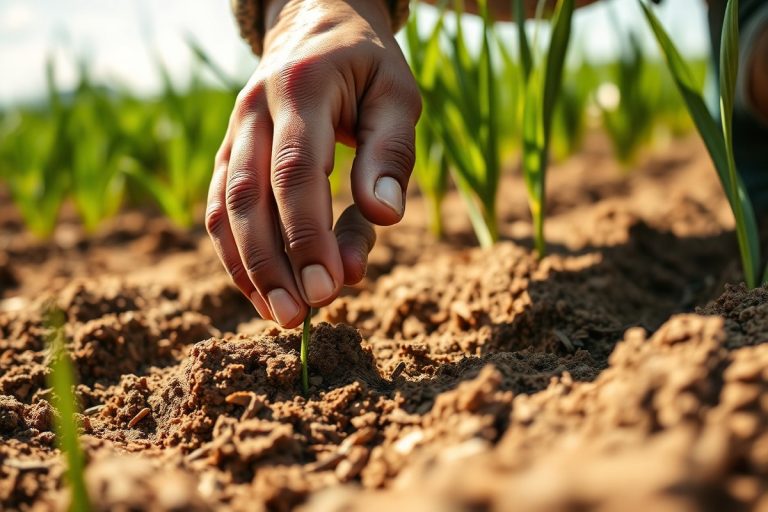
- Let the seeds dry for a day. Then plant them ½ inch deep in moist potting soil.
- Keep the soil warm and moist, ideally between 68°F and 85°F for germination.
- Provide 6 to 8 hours of direct sunlight once seedlings appear.
- After 3 to 4 months, transplant seedlings outside. Make sure the risk of frost is over first.
- Allow the tree to grow through juvenile stage without expecting fruit.
- Prune lightly to encourage a strong structure as the tree matures.
- Watch for flower development in year 3 to 5, then expect fruit about six months later.
Growing from cuttings can produce fruit faster and keeps the parent tree’s traits. Seeds are a good project if you don’t need fruit quickly.
Expect some variation in the plants. Full sun, warmth, and well-draining soil speed each stage and improve chances for fruit.
Ideal Soil, Sunlight, and Climate for Pomegranate Growth
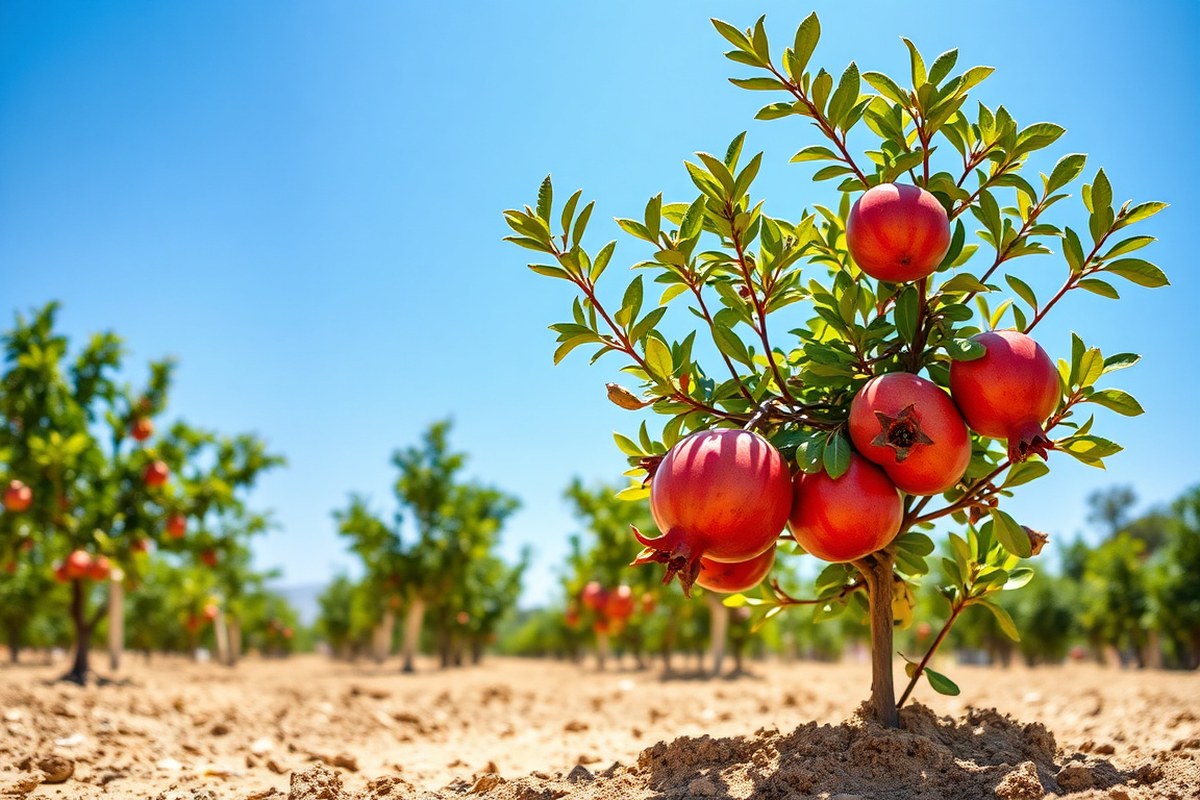
Pomegranates grow best in well-drained soils with a pH between 6.0 and 7.0. They prefer slightly acidic to neutral soil but can tolerate alkaline soils up to 7.5 pH.
Testing your soil with a simple pH kit helps keep conditions right. Good drainage prevents root rot and keeps your tree healthy.
These trees need full sun to produce plenty of fruit. Aim for at least 6 hours of direct sunlight every day.
A sunny, sheltered spot helps protect the tree from cold winds and encourages strong growth. Pomegranates thrive with enough light and warmth to ripen the fruit fully.
The best climate for pomegranates falls in USDA zones 7 through 11. They do well in heat, tolerating summer temperatures up to 118°F. Some varieties survive brief cold spells down to -6°F or even -15°C. But they may lose leaves and fruit during hard freezes. Growing in zone 7 means winter protection is helpful, especially young trees.
These trees handle drought well. They are great for dry, hot places. They grow best where summer temps reach 70°F to 90°F. They do not like standing water.
So avoid low spots that collect rain. In colder zones, grow pomegranates in containers. Then move them inside before frost comes.
Check soil drainage before planting a pomegranate; soggy soil can kill the tree quickly.
Choosing and Planting Pomegranate Varieties
Choosing the right pomegranate variety depends on your garden space, climate, and fruit preferences. Dwarf types are great for small spaces or containers.
Standard trees grow larger and yield more fruit. Knowing which variety suits your climate and soil will help you get good results.
Standard vs Dwarf Pomegranate Types
Standard pomegranate trees grow 10 to 20 feet tall and wide. They take about five to six years to mature. These trees produce larger fruit and higher yields.
They need more space. You must prune them regularly to control size.
Dwarf types, like the ‘Nana’ variety, stay under 3 feet tall. They work well in containers or on decks. These dwarfs produce smaller fruit and flowers, mostly ornamental but still edible.
| Type | Average Height | Yield | Best Use |
|---|---|---|---|
| Standard | 10-20 feet | High, large fruit | Open garden space |
| Dwarf (‘Nana’) | Under 3 feet | Low, small fruit | Containers, small yards |
You should pick dwarf varieties when garden space is limited or you want easy-to-move plants. Standard trees fit better when you can dedicate a larger planting area.
Popular Fruit-Bearing Cultivars
The ‘Wonderful’ variety is famous for large, deep red, sweet fruit. It grows well in warm climates but tolerates mild winters. This variety is common for backyard fruiting trees.
‘Angel Red’ pomegranates also produce large fruit. These trees reach about 10 feet and suit USDA zones with warm summers. ‘Purple Heart’ is another sweet option known for dark red fruit and good heat tolerance.
| Variety | Fruit Size & Flavor | Cold Hardiness | Growth Habit |
|---|---|---|---|
| Wonderful | Large, sweet, deep red | Mild frost tolerant | Standard, tall tree |
| Angel Red | Large, sweet | Moderate cold hardy | Standard, 10 feet tall |
| Purple Heart | Medium, sweet, dark red | Heat tolerant | Standard |
Planting more than one tree can increase fruit yield and size. This works well with self-pollinating varieties.
Planting Techniques for Different Varieties
Dig a hole 2 to 3 feet wide and 1 to 2 feet deep. Make it three times bigger than your rootball. This gives roots room to spread and settle well.
Space standard trees about 12 to 15 feet apart to avoid crowding. Dwarf varieties only need 3 to 5 feet between plants or containers, depending on their size.
Choose a sunny site that gets full sun daily. Plant the tree with the root crown level to the soil.
Fill the hole gently but firmly. This helps avoid air pockets.
Watering and Fertilizing for Healthy Pomegranate Growth
Newly planted pomegranate trees need deep watering once a week. Water thoroughly to keep the root ball moist but not soggy. During hot summer months, water more often to prevent the soil from drying out.
Mature trees tolerate drought better and usually need watering every two to three weeks. Check soil moisture about 6 inches down before watering. Your tree needs water when the soil feels dry to touch.
Overwatering can cause root problems and lead to early fruit drop. So avoid soggy soil conditions.
Fertilize your pomegranate tree starting in late winter or early spring. Use compost or an organic fertilizer in February to provide steady nutrients.
Use a balanced fertilizer like 10-10-10 two to three times yearly. Only do this if leaves are not deep green or growth is under 12 inches.
Fertilizer boosts healthy shoot growth and supports fruit development. Avoid too much nitrogen because it encourages leaf growth over fruit set.
Spread fertilizer evenly in a ring about 2 feet from the trunk. Water it in gently to protect the roots from burning.
Water and nutrients directly affect your fruit’s size and sweetness. Well-watered trees produce larger fruits with juicier seeds. Starving your tree of water or fertilizer leads to fewer fruits and poor quality.
Water your tree once a week for the first year. Give more water during dry, hot weather. Give less water when the tree matures.
Add fertilizer twice yearly if new growth slows or leaves pale. Keep soil moist but well-drained.
Check your tree’s leaves and new shoots for watering and care signs. These give the best clues for what to do next.
Pruning and Training Pomegranate Trees for Better Fruiting
Prune pomegranate trees mainly in late winter or early spring before buds form. Remove dead or crossing branches and any suckers from the base. Pruning controls size and encourages flower and fruit growth without cutting too much.
Pruning the First Winter After Planting
During the first winter after planting, shorten pomegranate branches by about 40 percent. This helps establish a strong framework and encourages side shoots to develop. Focusing on young wood now sets the stage for good fruit production later.
Remove any broken or diseased branches to keep the tree healthy. Avoid pruning after buds begin to form to protect the future fruit crop. This first cutback is more aggressive but needed before the tree matures.
- Wait for late winter, before buds appear.
- Cut back each branch by roughly 40 percent.
- Remove dead or damaged wood completely.
- Leave 3 to 5 healthy side shoots per branch.
- Avoid crossing branches that rub together.
- Clear suckers growing near the base.
Pruning too late can reduce fruit by cutting flower buds.
Annual Pruning for Mature Trees
Once your tree is mature, prune lightly each year to maintain size and shape. Remove dead, broken, or crossing branches to improve airflow and sunlight inside the canopy. This helps flowers develop better and increases fruit yield.
Don’t remove too many branches, especially old wood where fruit forms. Keep 3 to 5 main leaders if you want a bushy shape. Pruning more than one-third of the wood hurts fruit growth.
- Prune in late winter or early spring.
- Cut off dead or damaged branches.
- Remove crossing or crowded branches gently.
- Trim any overly long shoots by 25 to 30 percent.
- Leave most older branches intact for flowers.
Heavy pruning kills fruiting wood and reduces harvests.
Managing Suckers and Water Sprouts
Suckers are strong shoots growing from the tree base and can divert energy from fruit. Remove suckers to keep the tree focused on flowering branches. Also prune water sprouts, fast-growing upright shoots that rarely produce fruit.
Choose healthy, well-spaced shoots if training a multi-trunk tree. Otherwise, cut out all base shoots to maintain a clean trunk. Removing these regularly helps shape the tree and promotes better fruiting.
- Identify suckers at the base of the trunk.
- Cut suckers off as close to the ground as possible.
- Inspect for water sprouts in the canopy.
- Prune water sprouts where they crowd flowering branches.
- Leave 5 to 6 strong leaders if training multi-trunk form.
Leaving suckers weakens the main branches and lowers fruit yield.
Training Multi-Trunk Versus Single-Trunk Growth
You can shape pomegranates as either single-trunk trees or multi-trunk shrubs. Single-trunk trees focus growth upward and are easier to manage if space is tight. Multi-trunk forms encourage more flowering wood and larger yields.
To train multi-trunk trees, allow five or six evenly spaced suckers to grow as permanent trunks. Remove extra shoots that compete for space or block sunlight. Choose the form that fits your garden space and fruit needs.
- Decide on single-trunk or multi-trunk shape early.
- For single-trunk, remove suckers to keep one main stem.
- For multi-trunk, select 5 to 6 strong suckers to keep.
- Remove all other suckers and competing shoots.
- Prune selectively to maintain balanced structure and airflow.
Multi-trunk trees need more pruning but produce more fruit over time.
Common Pests, Diseases, and How to Prevent Them
Common pests on pomegranate trees include aphids and whiteflies. They suck sap from leaves and stems, causing leaves to curl and yellow.
Spray insecticidal soap or neem oil every 7 to 14 days. Keep doing this until you see signs of improvement.
Fungal diseases like leaf spot cause brown spots on leaves and fruit. Botrytis cinerea creates gray spots. Botrytis shows up as fuzzy gray mold on the fruit in damp weather.
Remove infected leaves and prune the tree for better air circulation to reduce humidity. Apply organic fungicides like copper-based sprays in early spring if you notice signs.
Healthy trees resist pests better. So water your pomegranates deeply but not too often to avoid root rot. Add a topdressing of aged compost in late winter to boost nutrients and soil health.
Avoid crowding trees; prune to keep branches open and allow sunlight inside. This simple care limits diseases by lowering moisture build-up on leaves and fruit.
Inspect your trees regularly during winter for disease spots or unusual insect activity. Early detection makes managing problems easier and keeps the tree strong.
Disease-resistant types like ‘Aksu’ and ‘Gissarskii Rozovyi’ reduce fungal risks. They still need good care.
If pests are heavy, try pheromone traps to catch moths. These moths bore into fruit. Spray neem oil in the evening to protect beneficial insects active during the day.
Chemical pesticides are rarely needed unless infestations get severe and organic methods fail. Try pruning and natural sprays first to control pests and diseases. Use stronger chemicals only if needed.
Growing Pomegranates in Containers and Small Spaces
Growing pomegranates in containers needs the right pot size and soil. You also need to watch watering and sunlight. Winter care is important for potted plants too.
Choose a pot that fits your plant’s expected size and use well-draining soil. During cold months, move the plant indoors or protect it with frost blankets.
Selecting the Right Pot and Soil Mix
Small pomegranate shrubs do well in pots about 2 feet wide and 1.5 feet deep. Larger pomegranate plants grow up to 6 or 7 feet tall. They need containers about 3 feet wide and 2 feet deep.
This size supports healthy root growth. The pot must have good drainage holes to prevent soggy soil.
Use a well-draining potting mix that mimics arid soils found in pomegranate habitats. Mixing regular potting soil with sand or perlite improves drainage and reduces root rot risk. Adding a small amount of garden lime helps keep soil slightly alkaline, which pomegranates prefer.
Watering and Feeding Container Pomegranates
Pots dry out faster than garden beds, so check soil moisture often. Water your pomegranate deeply when the top 1 to 2 inches dry. This keeps moisture steady without overdoing it.
Check soil moisture every few days. Mulching the soil surface reduces evaporation and lessens watering frequency.
Container plants need more frequent feeding due to soil nutrient loss from watering. Start feeding with a balanced 10-10-10 fertilizer every few weeks once the plant is established.
Mature plants can get up to about 3 pounds twice a year by volume. But start small to avoid overfeeding.
Winter Protection and Moving Indoors
Container pomegranates are vulnerable to frost and cold damage, especially in zones below 20°F. Move them indoors to bright, cool rooms when temperature drops near freezing. South-facing windows usually provide the best light.
Bring plants indoors during cold weather when possible. Otherwise, wrap pots with frost blankets or bubble wrap. This helps protect roots from freezing.
Placing containers near a south-facing wall outdoors can also help trap warmth. Avoid planting directly outdoors in freezing zones unless you plan to move pots inside each winter.
Harvesting Pomegranates and Storing the Fruit Properly
Pomegranates are ripe when their skin turns from green to a deep pinkish-red. The fruit should look full and feel heavy for its size. A dull, matte finish on the skin often means it’s ready to pick.
To harvest, use clean pruning shears or sharp scissors. Avoid pulling the fruit by hand to prevent damage to the tree or fruit.
Cut the stem near the fruit but leave a short piece attached. This helps stop the skin from being punctured.
Proper storage keeps pomegranates fresh for up to two months. Store them in a cool, dry place or in the refrigerator. Keep them away from moisture to avoid mold and never stack heavy items on top.
Follow these steps to harvest and store your pomegranates correctly:
- Check the color of the pomegranate; look for deep pink-red skin.
- Test the fruit’s weight; it should feel heavy for its size.
- Use pruning shears to cut the stem close to the fruit.
- Handle fruit gently to avoid bruising the skin or seeds.
- Store pomegranates in a paper bag or breathable container.
- Place fruit in the refrigerator between 32°F and 41°F for best freshness.
- Inspect fruits regularly and remove any that show soft spots or mold.
Picking fruit too early can result in sour seeds. Overripe pomegranates may split and spoil quickly.
Step-by-Step Action Plan for Growing Your Pomegranate
Follow these steps to plant and care for your pomegranate tree successfully. Each step helps you track progress and enjoy healthy fruit.
- Before planting: Choose a sunny spot with well-drained soil. Check the soil pH is between 5.5 and 7.0 for best growth.
- Week 1: Plant your pomegranate tree or seed in the ground or container. Confirm it stands upright and roots are covered with soil.
- Week 2 to 4: Water the plant deeply twice a week. Soil should be moist but not soggy, showing you’re not overwatering.
- Month 2: Begin light fertilizing with a balanced fertilizer every six weeks. Look for new leaf growth to know it’s working.
- Month 4: Start pruning dead or crossing branches. Open the canopy for air and sunlight; healthy branch structure improves fruit yield.
- Month 6: Watch for pests like aphids or fungal spots. Treat promptly with organic insecticides or fungicides as needed if damage appears.
- After 12 months: Expect flowers and tiny fruits. Harvest when the fruit skin turns deep color and sounds hollow when tapped.
Frequently Asked Questions
How Tall Can a Pomegranate Tree Grow Naturally?
A pomegranate tree can grow 10 to 20 feet tall. It can be shaped as a single trunk or multi-trunk shrub.
Can Pomegranates Grow Well in Pots Long-Term?
Yes, pomegranates can grow in containers with proper care. Use large pots and regular watering for best results.
Is It Necessary to Prune Young Pomegranate Shrubs Early?
Pruning young trees between two to four years old helps. It trains them to grow strong and healthy.
How Far Apart Should Multiple Pomegranate Trees Be Planted?
Space trees 18 feet apart to give room for growth. This prevents overcrowding and promotes better fruit production.
Are Pomegranates Self-Pollinating or Do They Need Another Tree?
Pomegranate trees are self-pollinating and can fruit alone. You don’t need more than one tree for a harvest.
What Temperature Can Pomegranate Trees Tolerate in Winter?
Pomegranates are hardy down to 12°F but fruiting drops below Zone 8. Protect them from frost in colder areas.
Before You Go
Pomegranates grow best with care and patience. Start planting in a well-prepared spot this weekend. Enjoy the fresh fruits as your tree matures over the seasons.